
Aravalli Biodiversity Park Delhi, is a large natural forest area located in Vasant Kunj on the rocky landscape of the Aravalli hills. It is one of the few places in South Delhi where you can walk through quiet nature trails and experience a restored forest inside the city.
When I first visited Aravalli Biodiversity Park Vasant Vihar, early in the morning, the city noise faded within minutes, and only bird sounds were audible along the trail. Many visitors expect a typical city garden here, but the reality feels more like a natural Aravalli forest, with rocky paths and open wilderness.
Although most people call it the Vasant Kunj park, many locals also enter Aravali Biodiversity Park from the Vasant Vihar side gate, so the park has more than one entry point. Aravalli Biodiversity Park Delhi is one of the few natural forest spaces left in the city and is often included among the best parks and gardens in Delhi for nature walks and bird watching.
In this practical guide, I will cover the things visitors usually search for before coming here:
- Aravalli Biodiversity Park timings
- Aravali Biodiversity Park nearest metro
- Aravalli Biodiversity Park ticket price
- Walking trails, entry points, and simple visitor tips
The goal is simple. After reading this guide, you should be able to plan your visit to Aravalli Biodiversity Park without needing to search anywhere else.
Aravalli Biodiversity Park Delhi: Quick Overview
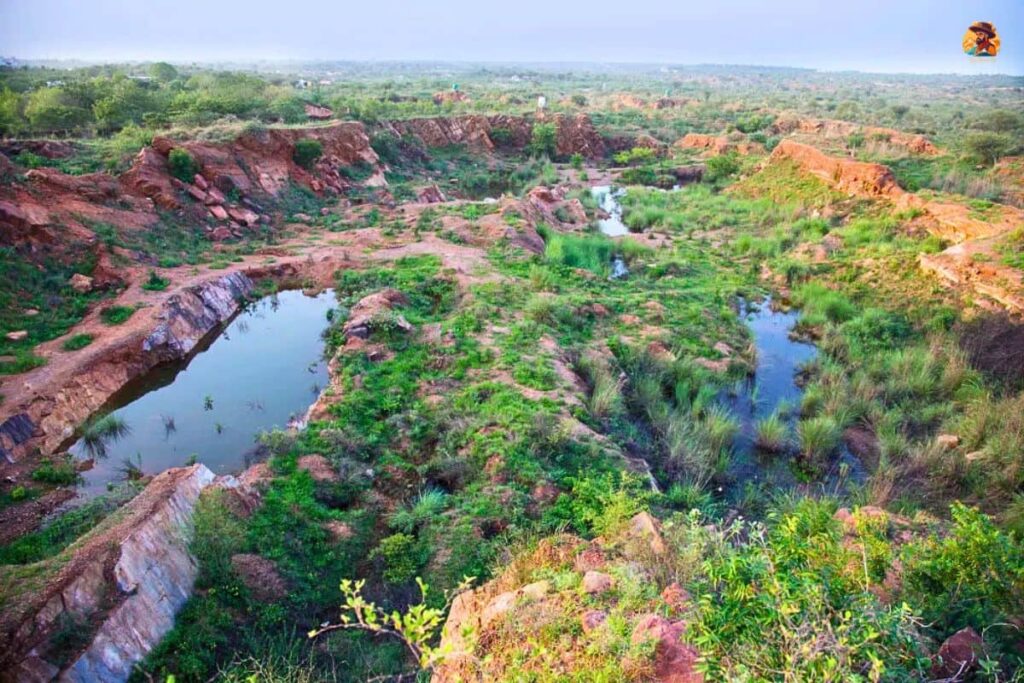
Aravalli Biodiversity Park Delhi was created to restore a damaged part of the ancient Aravalli hills ecosystem in South Delhi. Years ago, this land was heavily mined for stone, which left the area dry, rocky, and almost barren. The park was later revived by planting native Aravalli vegetation and rebuilding natural habitats for birds, butterflies, and small wildlife.
Today, visitors sometimes spot Nilgai and seasonal migratory birds, which makes the quiet trails feel more alive. Many environmental researchers mention this restoration as an Aravali biodiversity park case study. It shows how damaged mining land can slowly return to a healthy ecosystem.
I stepped onto the trail and immediately noticed the rocky ground and uneven paths. They felt very different from a typical Delhi garden. Many visitors expect a landscaped park here. In reality, the place feels more like a natural Aravalli forest slowly returning to life.
In the next section, I will explain the exact location of Aravalli Biodiversity Park in Vasant Kunj and the easiest way visitors usually reach the park entrance.
Location of Aravalli Biodiversity Park (Vasant Kunj)
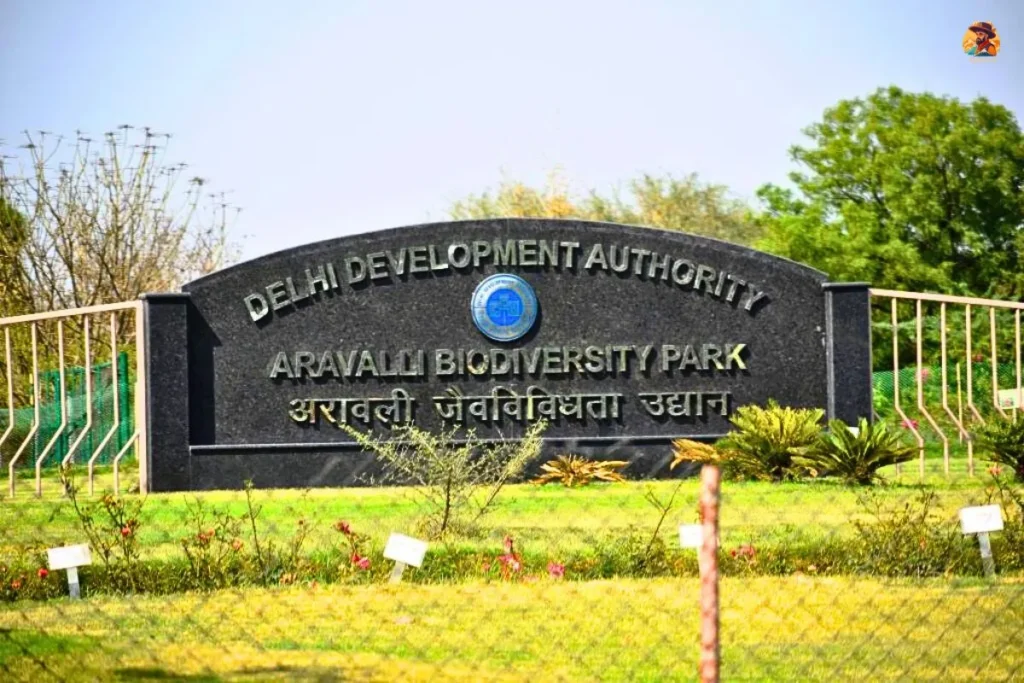
Aravalli Biodiversity Park is located on the Aravalli ridge in South Delhi between Vasant Vihar and Vasant Kunj. The official postal address falls under Vasant Vihar. However, many visitors call it the Vasant Kunj biodiversity park because the commonly used entrance lies on that side.
Quick Location Guide
- Official Address: A-33, Air India Colony, Indian Air Lines & Air India Estate, Vasant Vihar, New Delhi, Delhi 110057
- Nearby landmarks: Mehrauli, Vasant Vihar, TERI University, and Indian Spinal Injuries Centre
- Distance from Central Delhi: around 16–18 km from Connaught Place
- Travel time: roughly 40–50 minutes by car, depending on traffic
Navigation tip: Search “Aravalli Biodiversity Park Main Gate” on Google Maps. The Vasant Kunj Institutional Area entrance is the easiest public entry point, while some other gates shown on maps may be closed or reserved for staff.
In the next section, I will explain the nearest metro station to Aravalli Biodiversity Park and the easiest way visitors usually reach the park from there.
Nearest Metro Station to Aravalli Biodiversity Park
The nearest metro station to Aravalli Biodiversity Park is Vasant Vihar Metro Station on the Magenta Line. If you are coming by metro from other parts of Delhi, this station provides the easiest access to the park.
Metro to park distance:
- The Aravali Biodiversity Park nearest metro station is about 3–4 km from the main gate.
- The ride usually takes 10–12 minutes, depending on traffic.
Last-mile connectivity
After exiting the metro station, you will easily find transport options outside.
- An auto rickshaw or e-rickshaw is the most common choice
- Cab services like Uber or Ola are also available nearby
- The usual fare ranges between ₹60 and ₹100 for this short ride
Helpful tip from my visit:
After getting off at Vasant Vihar Metro Station, it is easier to exit from Gate 3 or Gate 4, where autos usually wait. Tell the driver, “Vasant Kunj side Aravalli Biodiversity Park,” so they drop you near the correct entrance.
Many visitors check the Aravali Biodiversity Park’s nearest metro route on maps before traveling. You can also view the Aravali Biodiversity Park nearest metro route map on Google Maps to estimate travel time from your location.
In the next section, I will explain the Aravalli Biodiversity Park timings and opening hours, which help you choose the best time to visit.
Aravalli Biodiversity Park Timings and Opening Hours
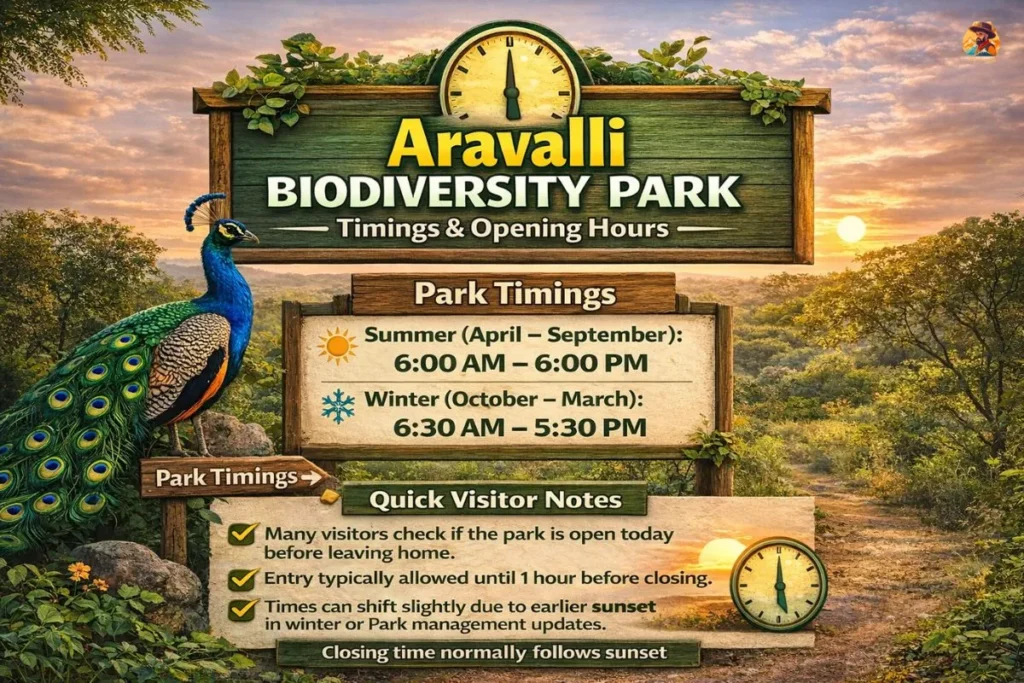
If you are planning a visit, it is important to know the Aravalli Biodiversity Park timings. The park closes around sunset. The park usually remains open every day. Aravali Biodiversity Park timings on Sunday are generally the same as regular days.
Park Timings
- Summer (April – September): 6:00 AM – 6:00 PM
- Winter (October – March): 6:30 AM – 5:30 PM
- The aravalli biodiversity park closing time normally follows sunset.
Quick Visitor Notes
- Many visitors check aravalli biodiversity park timings today or aravali biodiversity park open today before leaving home.
- Entry is usually allowed until about one hour before closing time.
- Aravali biodiversity park timings in winter may shift slightly because sunset happens earlier.
- The Aravali Biodiversity Park hours can sometimes change due to seasonal adjustments or park management updates.
From my visits, early morning feels the most comfortable time to explore the park. The rocky trails start heating up after about 9 AM, especially in summer, so beginning your walk earlier usually makes the experience more pleasant.
In the next section, I will explain the Aravalli Biodiversity Park ticket price and entry rules. This will help you know what to expect before entering the park.
Aravalli Biodiversity Park Ticket Price and Entry Rules
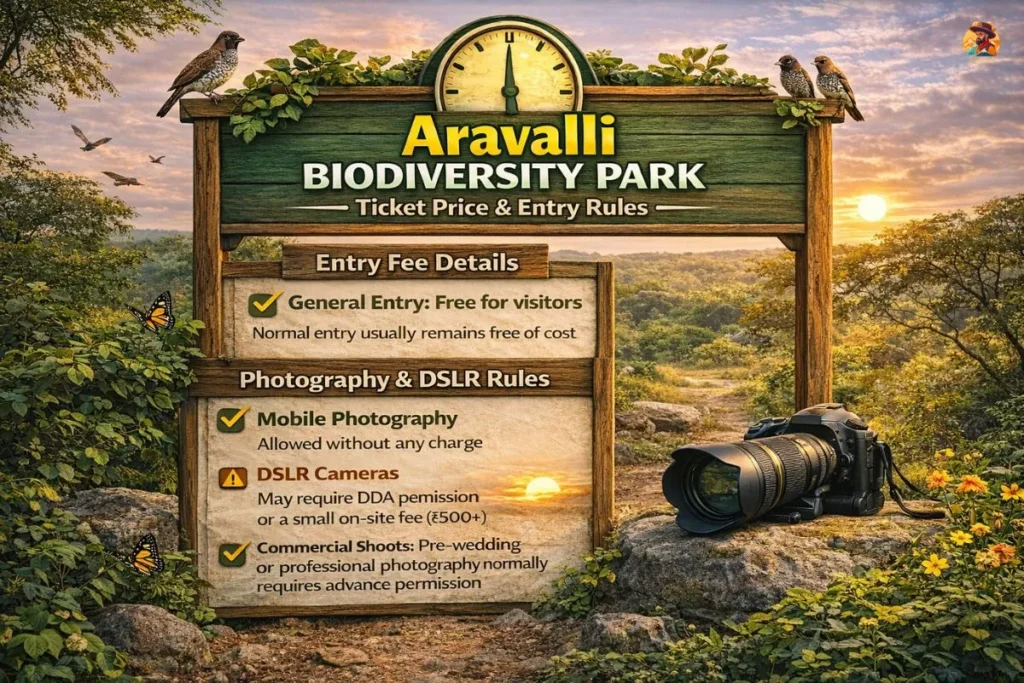
The Aravalli Biodiversity Park ticket price is simple to understand because entry to the park is currently free for visitors. If you are coming for a morning walk, nature trail, or bird watching, you usually do not need to buy an Aravalli Biodiversity Park ticket.
Entry Fee Details
- General Entry: Free for visitors
- People often check aravalli biodiversity park ticket price today, but the normal entry usually remains free of cost
Photography and DSLR Rules
Photography is quite popular here because of the birds and the natural landscape.
- Mobile photography: Allowed without any charge
- DSLR cameras: Professional cameras may require permission from DDA (Delhi Development Authority) or a small on-site fee, sometimes around ₹500 or more, depending on rules
- Commercial shoots: Pre-wedding or professional photography normally requires advance permission
From my visits, many bird watchers carry cameras in the early morning to capture peacocks and migratory birds around the trails.
Visitor tip: Since this is a protected ecological zone, tripods and heavy equipment are often restricted unless you have proper permission.
In the next section, I will explain what you can see inside Aravalli Biodiversity Park. This includes the walking trails, wildlife spots, and nature areas that visitors usually explore.
Park Layout and Walking Trails
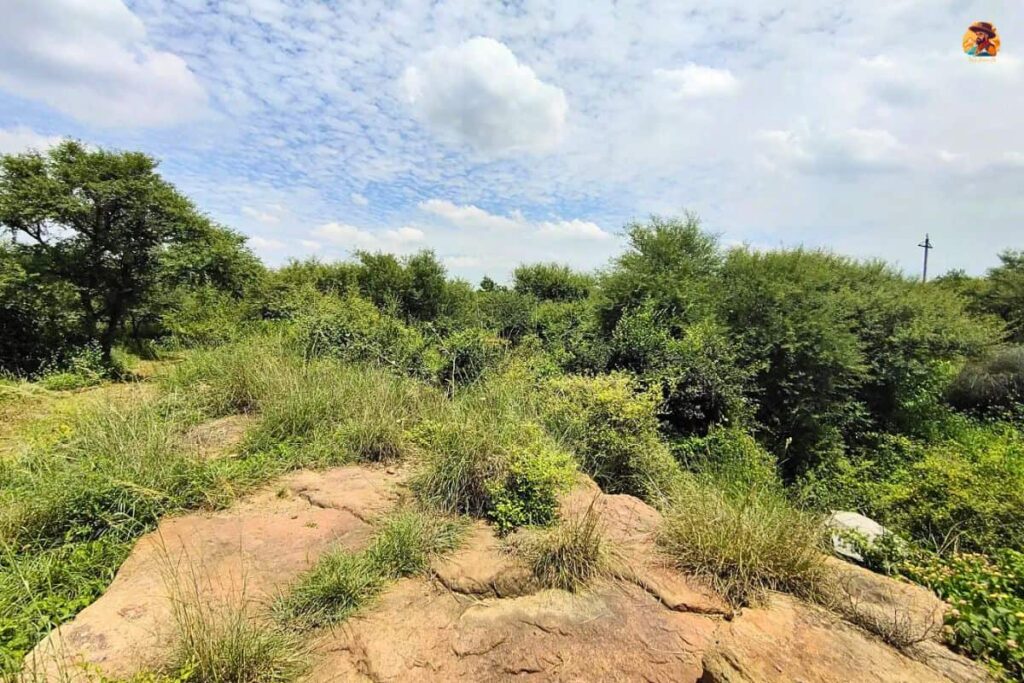
The layout of Aravalli Biodiversity Park feels very different from a typical city garden. The park sits on the rocky Aravalli ridge, so most paths are natural dirt and stone trails instead of paved walkways.
Explore the Trails
- Aravalli nature walk: The main paths pass through restored vegetation, shrubs, and open forest patches. A relaxed Aravalli nature walk usually takes about 60–90 minutes.
- Terrain: The Aravalli forest trail is uneven and rocky in many places, so sneakers or trekking shoes make the walk easier.
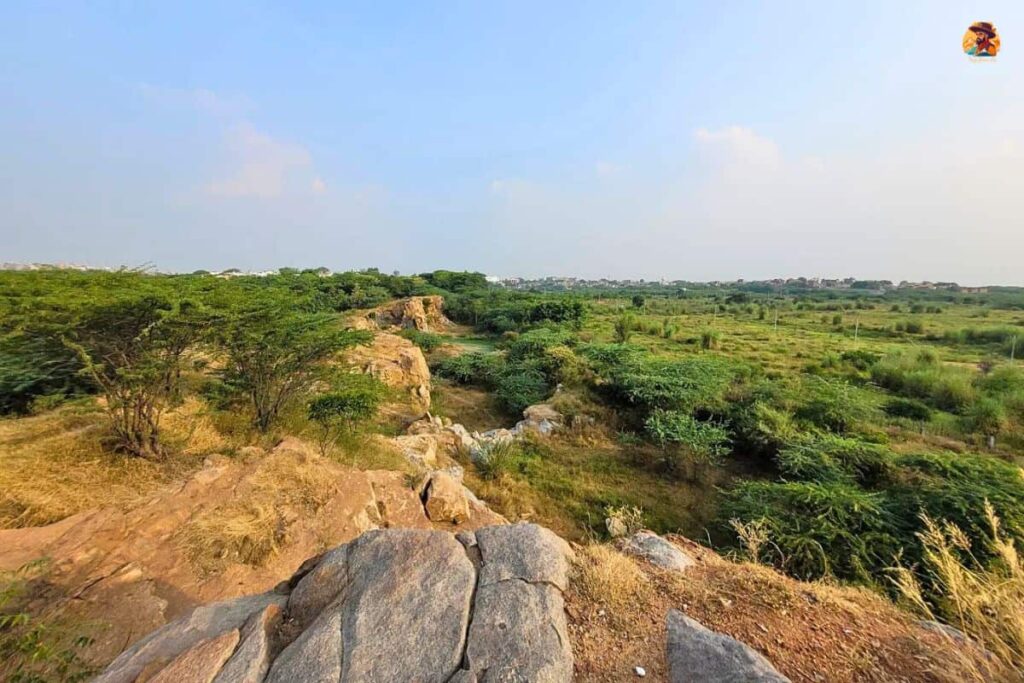
- Viewpoints and open patches: Some trails open into rocky clearings that offer good views of the Aravalli landscape and are popular for bird watching and photography.
Pro visitor tip:
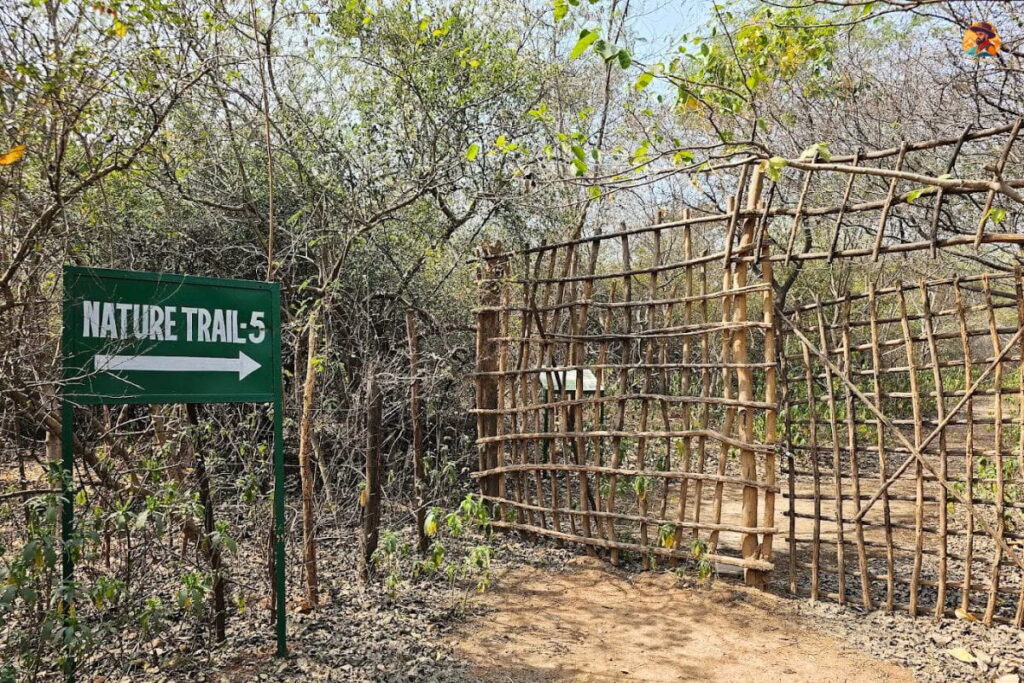
Signage inside the park is limited, so it is better to stay on the main trails. Most larger paths eventually loop back toward the main entrance, so it is easy to find your way out.
What You Can See Inside Aravalli Biodiversity Park
Walking inside Aravalli Biodiversity Park feels closer to a natural forest than a typical city garden. The restored landscape includes rocky trails, native vegetation, and quiet open patches where wildlife activity slowly becomes visible.
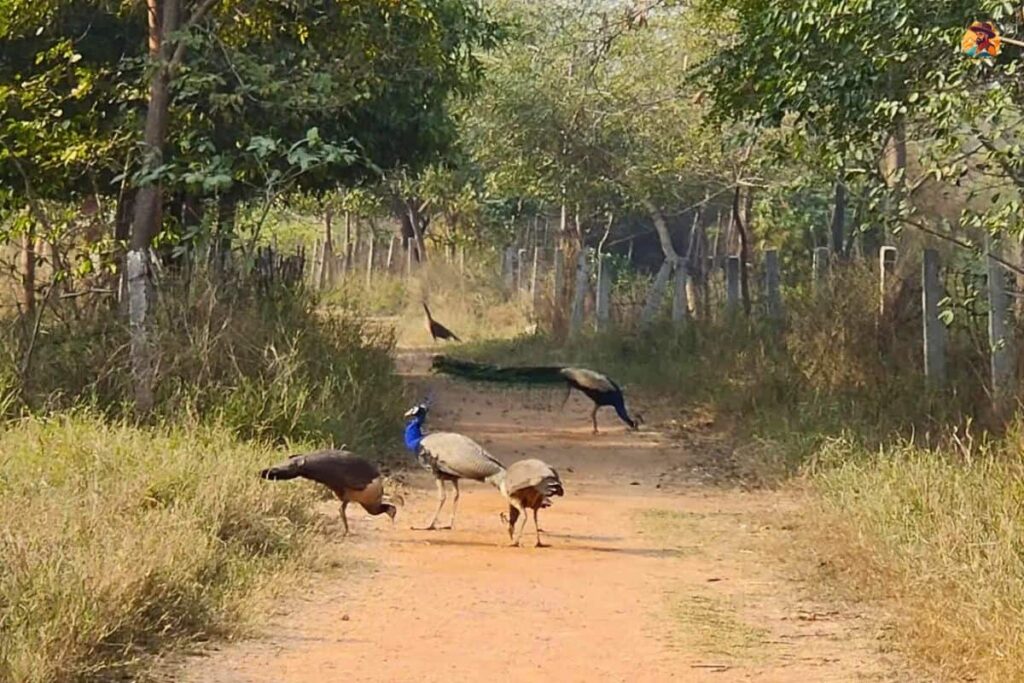
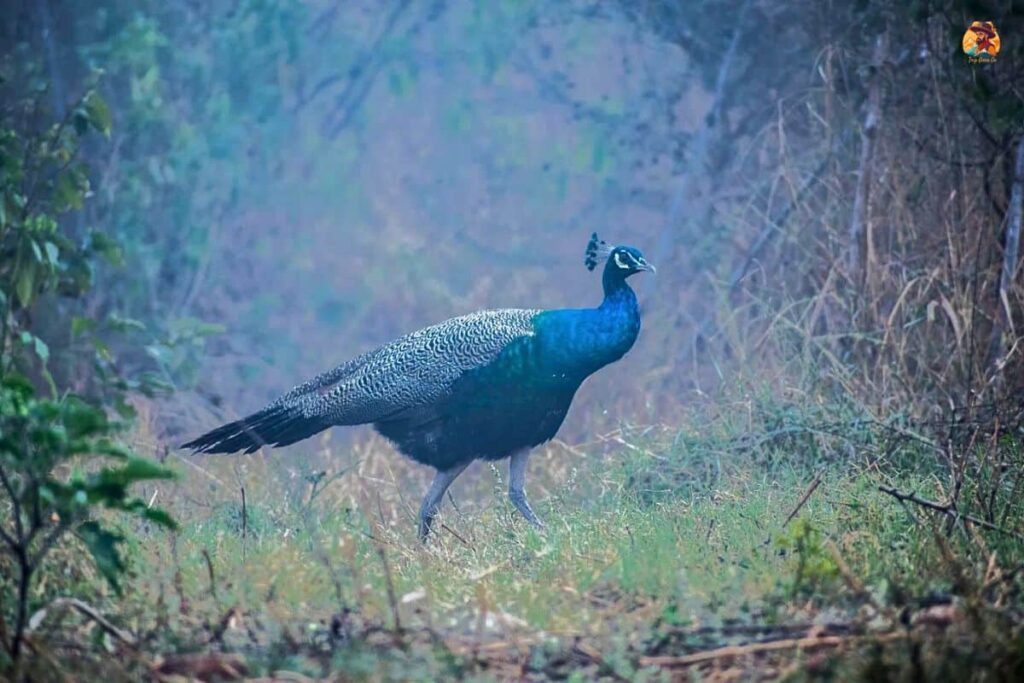
- Bird watching spots: Early mornings often reveal peacocks, grey francolins, parakeets, and sometimes Indian grey hornbills along the trails.
- Nilgai sightings: One of the most exciting moments for visitors is spotting Nilgai (Blue Bull) grazing in the open grass areas.
- Native Aravalli plants: Trees like Babool and Kair grow naturally here, recreating the original Aravalli ecosystem.
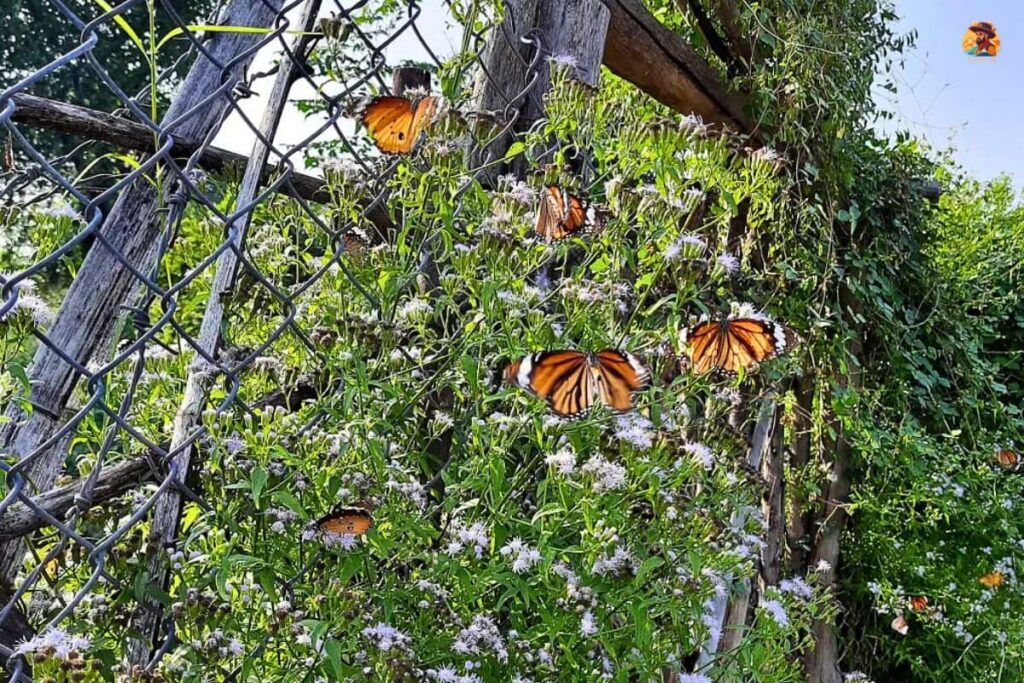
- Butterfly activity: After the monsoon, flowering patches attract many butterflies, and the park’s butterfly conservatory hosts more than 100 species.
- Orchidarium and Fernery: A unique part of the park where old mining pits were converted into shaded zones for orchids and ferns.
From my visits, the park feels most alive between 7 AM and 9 AM. Peacocks calling from the bushes and cool morning air make the walk feel calm and immersive.
Aravalli Biodiversity Park Photos and Scenic Spots
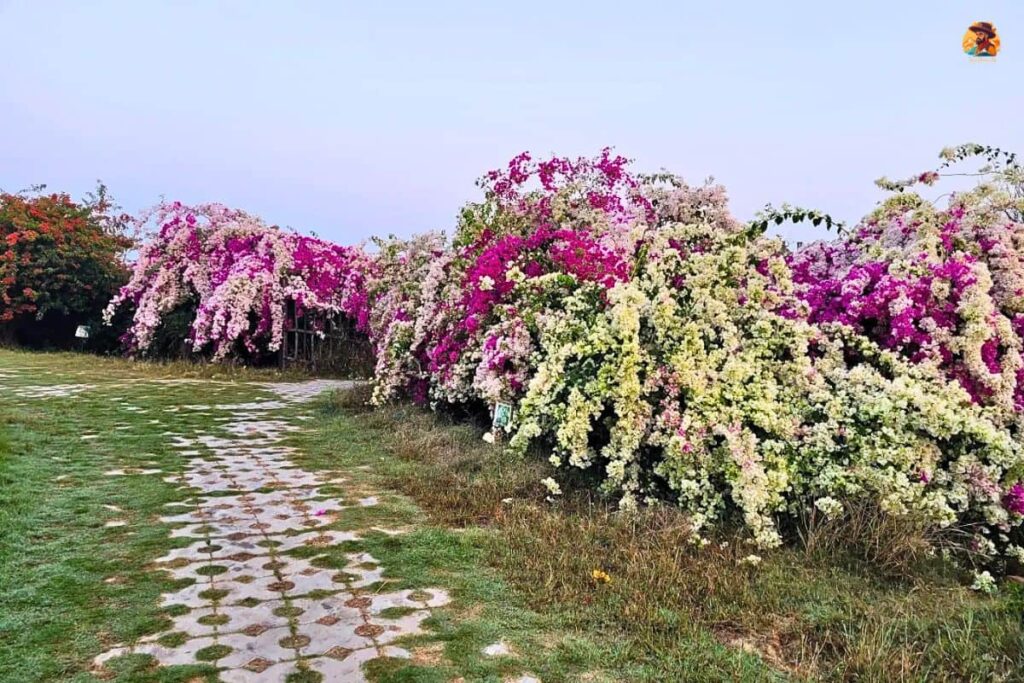
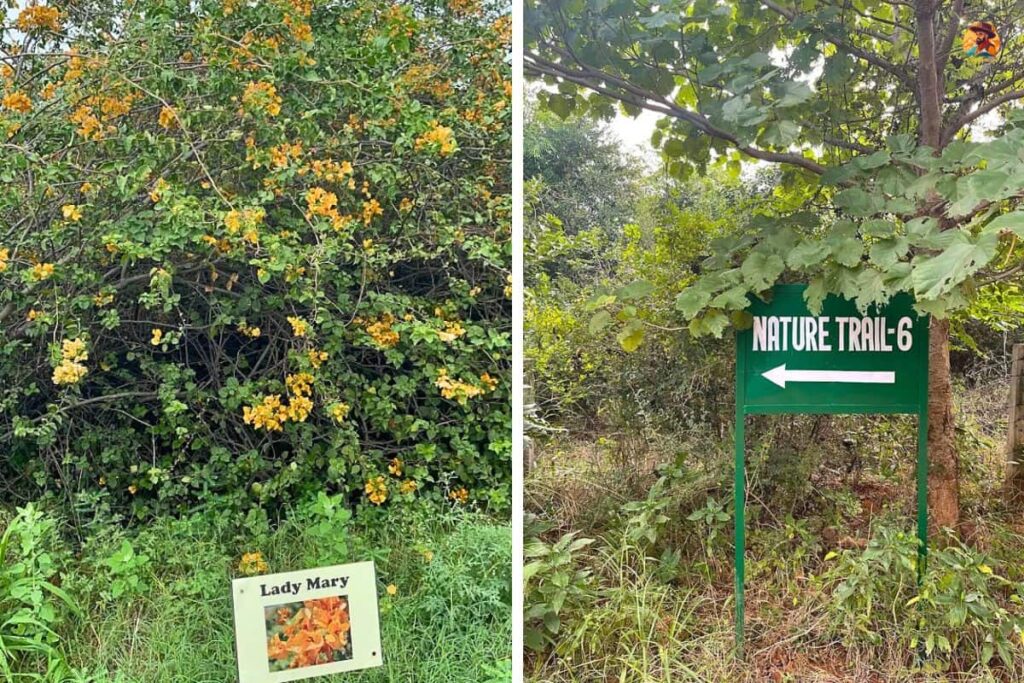
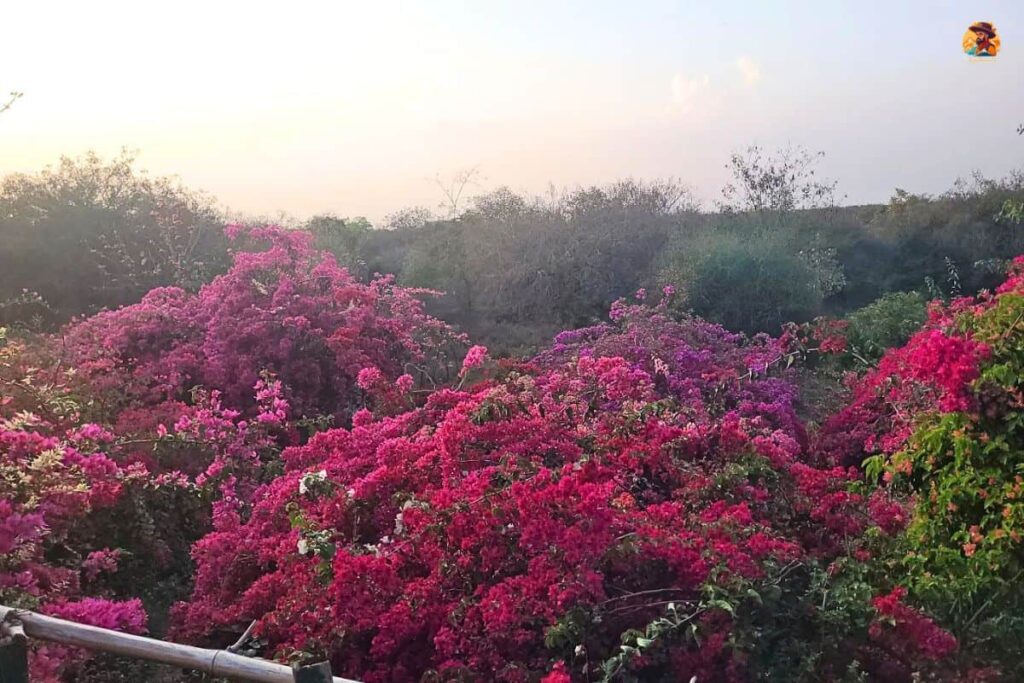
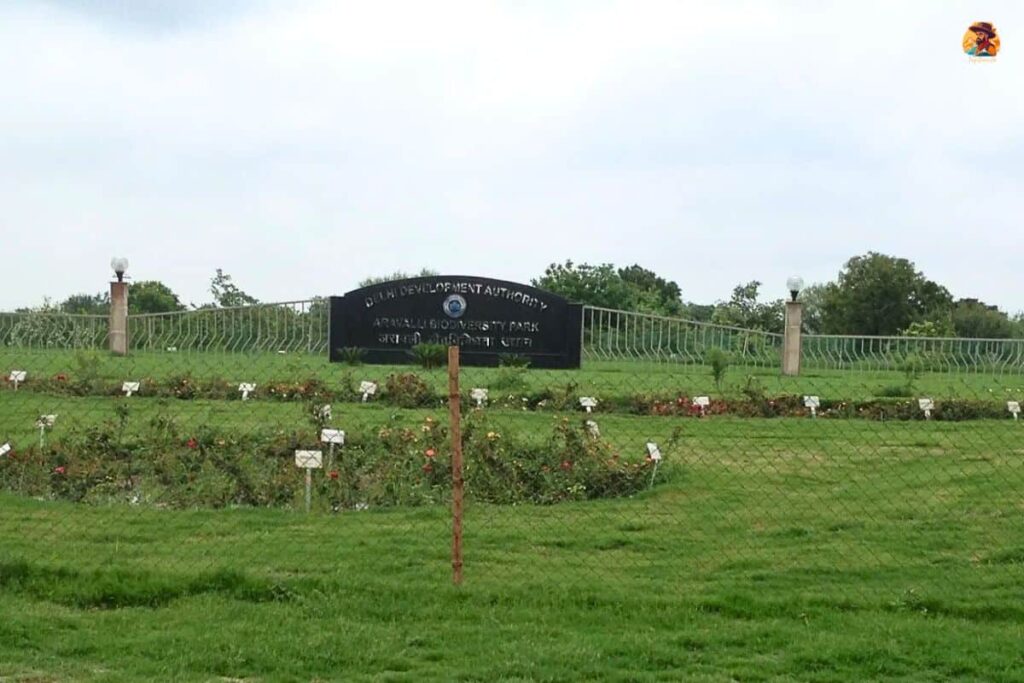
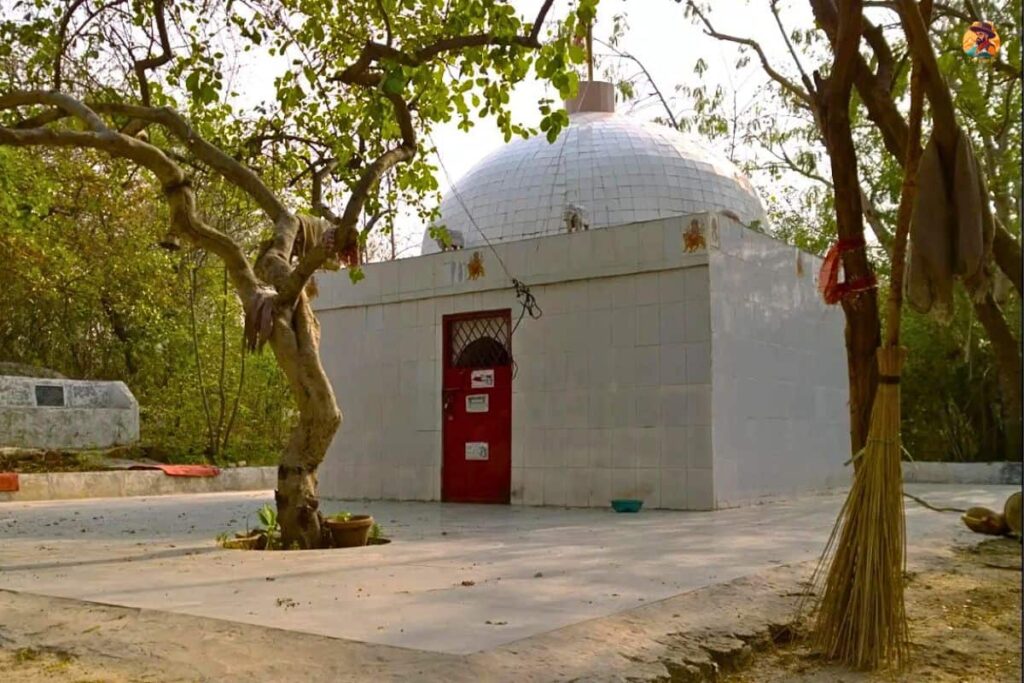
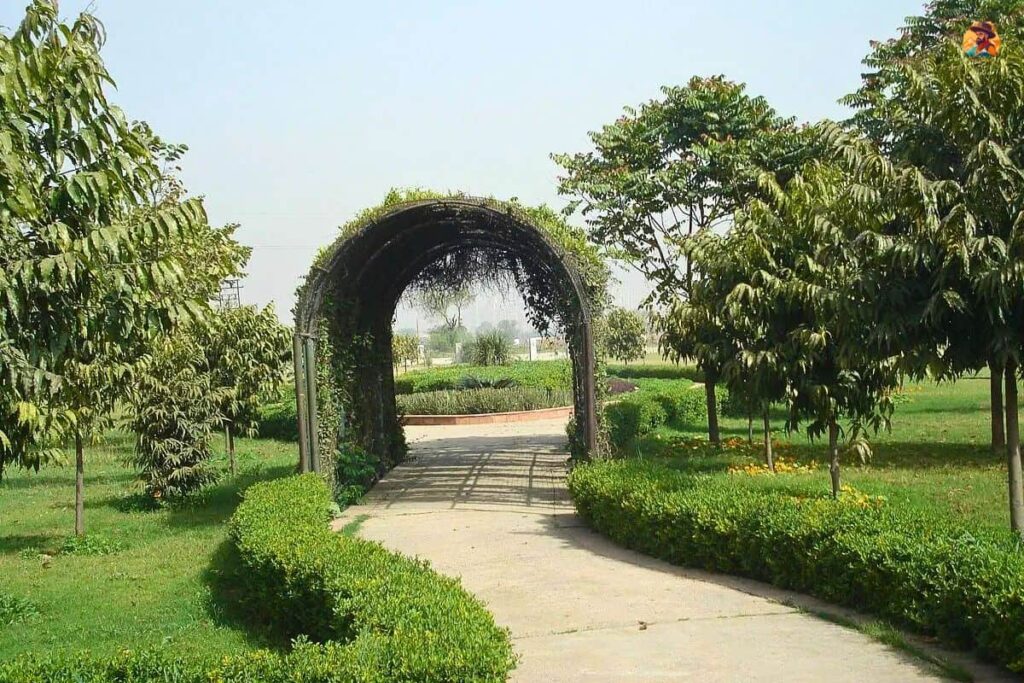
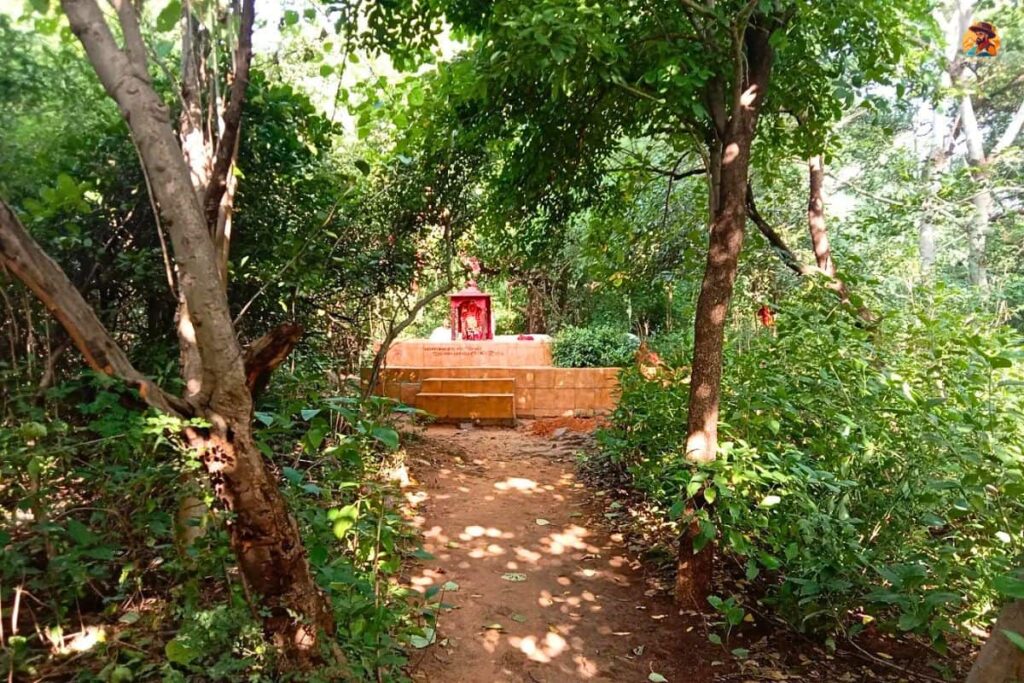
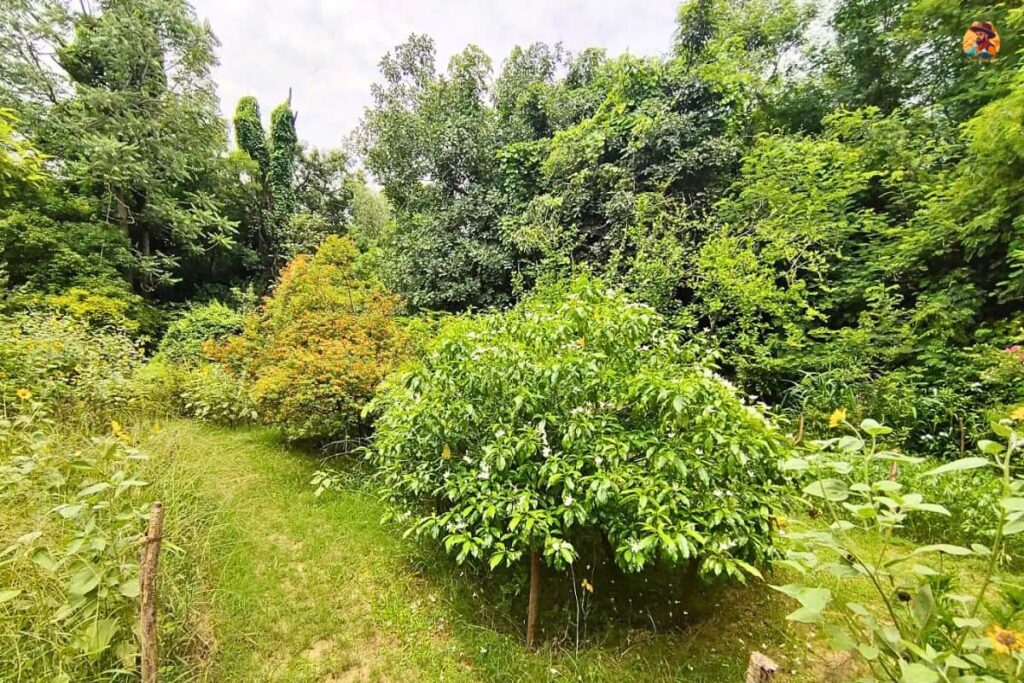
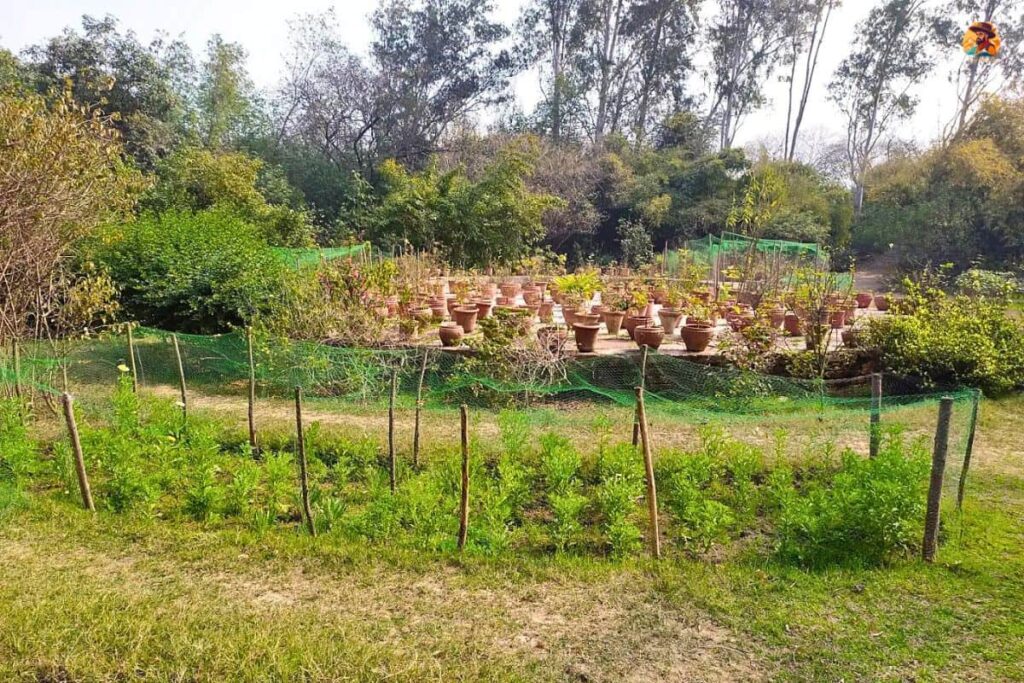
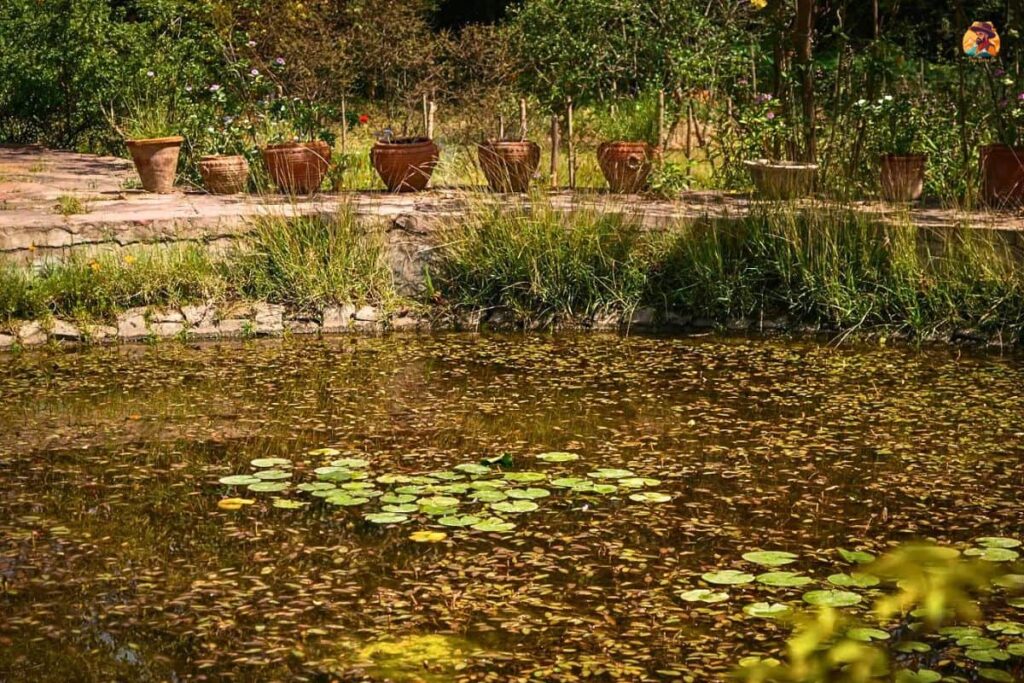
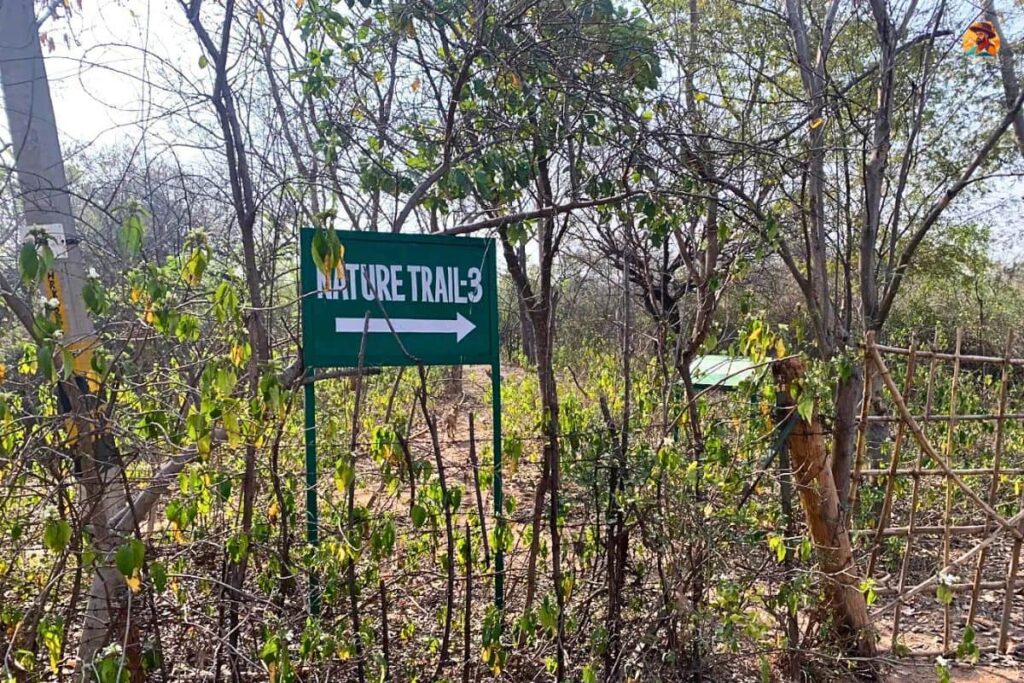
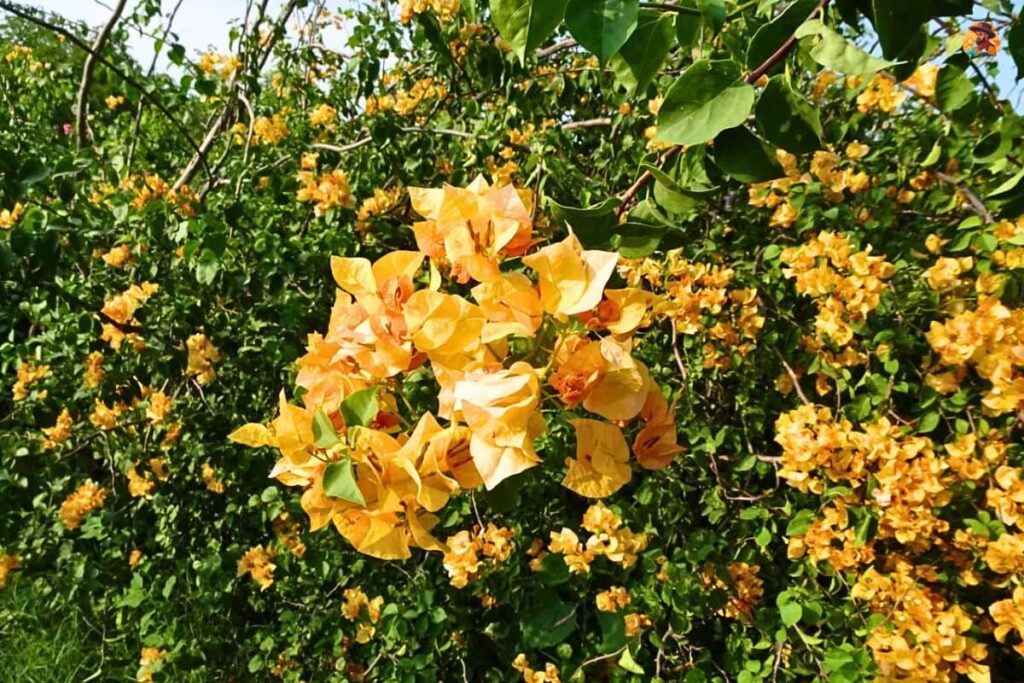
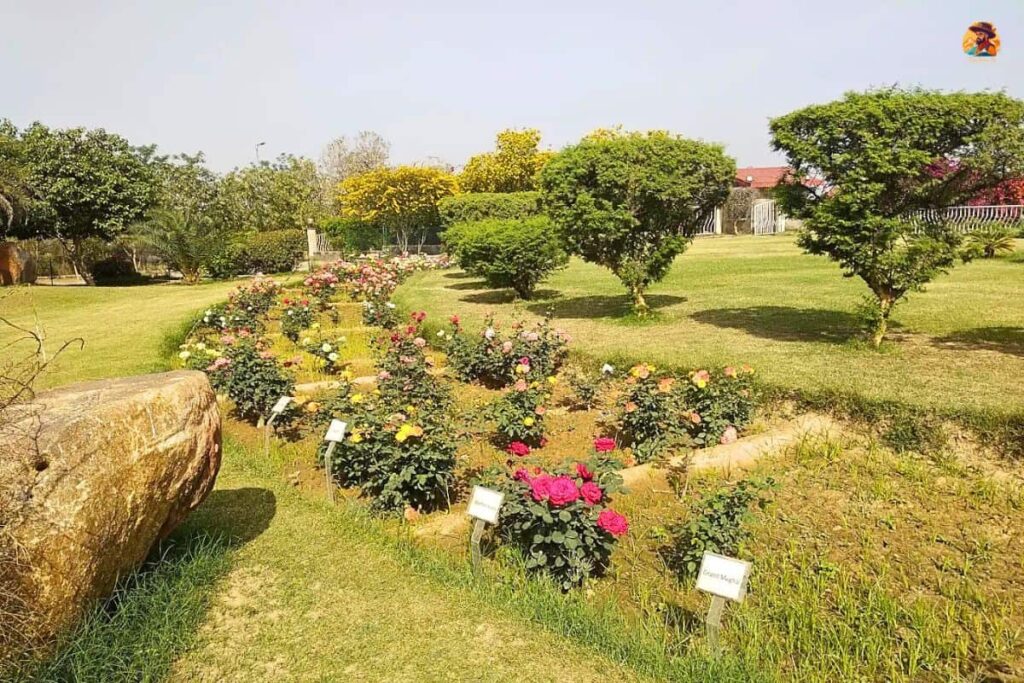
Aravalli Biodiversity Park offers many natural photography spots along its rocky trails and forest paths. Early morning light over the Aravalli ridge creates calm landscapes, which is why most visitors capture Aravali Biodiversity Park photos during sunrise walks. The rocky terrain, quiet viewpoints, and bird activity also make these trails popular for taking Aravali Biodiversity Park images.
Best Time to Visit Aravalli Biodiversity Park
The best time to visit Aravalli Biodiversity Park is usually early morning when the weather is cooler, and wildlife activity is higher.
- Morning vs evening: From my visits, the park feels most active before 8 AM, when peacocks call from the bushes and bird watchers arrive along the trails.
- Seasonal changes: After the monsoon, the vegetation becomes greener and butterfly activity increases, while winter months often bring better bird sightings.
- Weekday vs weekend: Weekdays are quieter for a relaxed walk, while weekends attract more walkers and photographers in the morning.
The rocky Aravalli terrain also heats up quickly after mid-morning, so starting the walk early usually makes the experience more comfortable.
Helpful Tips Before Visiting the Park
Aravalli Biodiversity Park is not a typical city garden, so a little preparation makes the visit easier.
What to Wear
- Sneakers or trekking shoes are best because the trails are rocky and uneven.
- Full-length trousers help protect your legs from dense shrubs and small thorns along the paths.
Safety Advice
- The park is large and quiet in some sections, so daytime visits are better for solo travelers.
- Try visiting between 7 AM and 10 AM when walkers and bird watchers are around.
- It is safer to stay on the main trails and avoid isolated paths in the evening.
Essentials to Carry
- Carry 1–2 liters of water, as there are no food stalls or water points inside the forest area.
- A mosquito repellent can be useful, especially for evening visits.
Parking and Entry
- Parking is available near the Vasant Kunj Institutional Area entrance, which is the most commonly used public entry to Aravalli Biodiversity Park.
- Cycles and pets are usually not allowed inside the park.
Places to Visit Near Aravalli Biodiversity Park
Several popular attractions are located close to Aravalli Biodiversity Park. This makes it easy to turn your visit into a short half-day outing around South Delhi.
- Qutub Minar – Historic tower and monument complex about 6–7 km from the park.
- Mehrauli Archaeological Park – Large heritage area with tombs, stepwells, and old ruins spread across walking trails.
- Sanjay Van – A nearby forest known for its quiet trails and bird watching.
- Chhatarpur Temple – One of the largest temples in Delhi, often visited by travelers coming from the Yellow Line metro route.
- Ambience Mall Vasant Kunj – A good place for lunch, coffee, or shopping after your park walk.
Local landmarks: The park entrance is close to the Indian Spinal Injuries Centre, and the green campus of Jawaharlal Nehru University lies just across the road.
From my visits, many people start with an early morning nature walk in the park. After that, they visit Qutub Minar or Mehrauli and later stop at the Vasant Kunj malls for food or coffee.
Conclusion: Is Aravalli Biodiversity Park Worth Visiting?
Aravalli Biodiversity Park in Vasant Kunj is one of the few natural forest spaces left in South Delhi. Unlike typical city gardens with paved paths and lawns, this park feels more like a restored wilderness with rocky trails and native vegetation.
Whether you enjoy bird watching, photography, or a quiet nature walk, the park offers a calm break from busy city life. From my visits, early morning feels the most special here. The sun rises over the Aravalli ridge, and peacocks call from the trees.
FAQs About Aravalli Biodiversity Park Delhi
Aravalli Biodiversity Park Delhi is located in Vasant Kunj in South Delhi, behind the Vasant Kunj Institutional Area. Important nearby landmarks include the Indian Spinal Injuries Centre and TERI University, which help visitors identify the park entrance on maps.
The nearest metro station to Aravalli Biodiversity Park is Vasant Vihar Metro Station on the Magenta Line. The park entrance is around 3–4 km away, and autos or e-rickshaws usually charge about ₹60–₹100 for the short ride.
The Aravalli Biodiversity Park timings usually follow a split schedule to protect wildlife:
Morning: 6:00 AM – 11:00 AM
Evening: 4:00 PM – 6:30 PM (may vary slightly with sunset)
The park normally remains open all seven days, including Sundays.
Entry to the park is free for visitors, so there is usually no Aravalli Biodiversity Park ticket price for walking or nature visits. However, professional DSLR photography or commercial shoots may require permission from DDA, and charges can apply.
Yes, Aravalli Biodiversity Park is open on Sunday and follows the same timings as other days unless there is a special closure or maintenance.
The park is generally safe during daylight hours, especially in the morning when walkers and bird watchers are present. Since it is a large 690-acre natural area, it is best to stay on the main trails and avoid isolated sections late in the evening.
No. To protect the natural ecosystem and wildlife such as Nilgai and peacocks, bicycles and pets are not allowed inside Aravalli Biodiversity Park.
The best time to visit Aravalli Biodiversity Park is early morning, especially between 6:30 AM and 8:30 AM during the winter months (October to March). This is when the weather is cooler, and bird activity is highest.

Hi, I am Manoj Kumar, the voice behind Trip Guru Go. I am a travel researcher, SEO content expert, and founder of this blog. With over 12 years of experience in digital travel research, I simplify complex destinations into real, helpful, and trustworthy guides.
Every article I write is backed by local sources, real traveler experiences, and deep fact-checking. Even if I have not visited every place personally, I never share anything without strong on-ground insight.
I do not sell travel packages or promote anything paid. My only goal is to help you travel smarter — with zero fluff, 100% honesty, and a deep focus on your safety and experience.