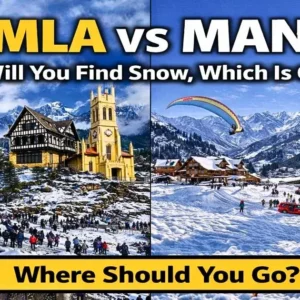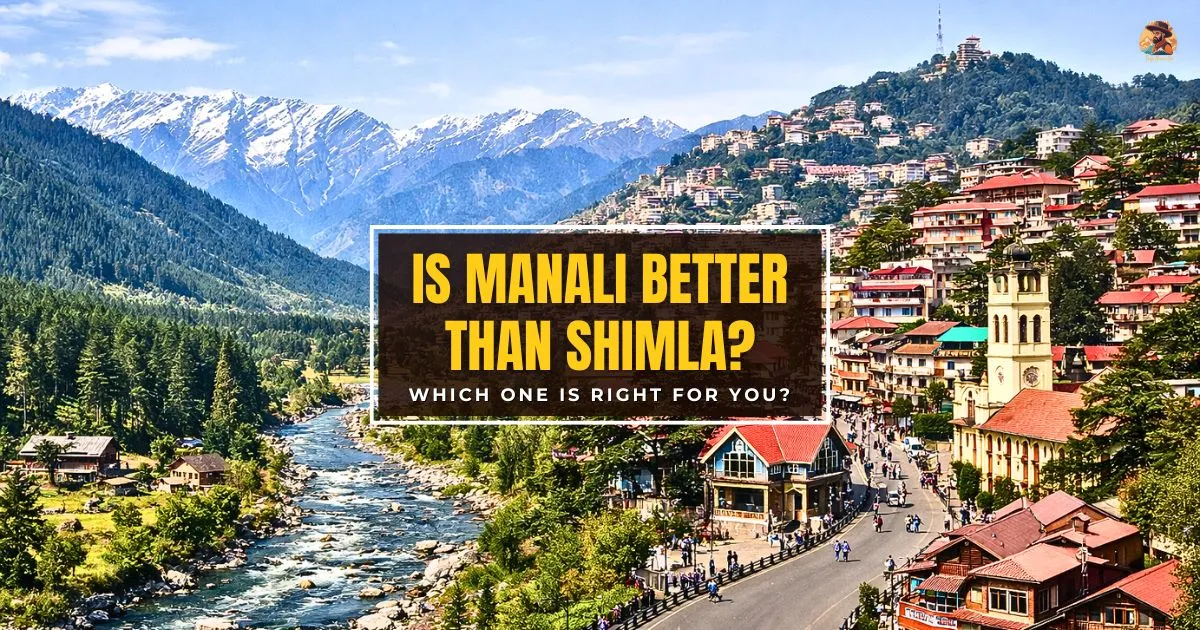
Is Manali better than Shimla? is a question I hear constantly, especially from first-time hill travelers trying to avoid a disappointing choice. Most people assume both places feel the same because they share mountains, cafés, and cool weather, but that assumption rarely survives the second day.
I have stood in cold bus queues with steam rising from my chai, listening to taxi drivers argue softly about road conditions ahead. In moments like these, the difference becomes clear, because Shimla moves like a busy hill city, while Manali unfolds slowly as a valley shaped by distance and weather.
In simple terms, Manali suits travelers looking for scenery, snowfall, and immersive mountain experiences, while Shimla suits those prioritizing comfort, short trips, and easy movement.
This article compares both places honestly, without hype, focusing on real experience, seasons, crowds, and comfort, so your decision feels calmer. For a wider perspective that also includes Kullu and Kashmir, you can read Manali vs Shimla, Kullu & Kashmir – Which One is Right for You? Once, then return here with clarity.
Difference Between Shimla and Manali (Overall Experience)
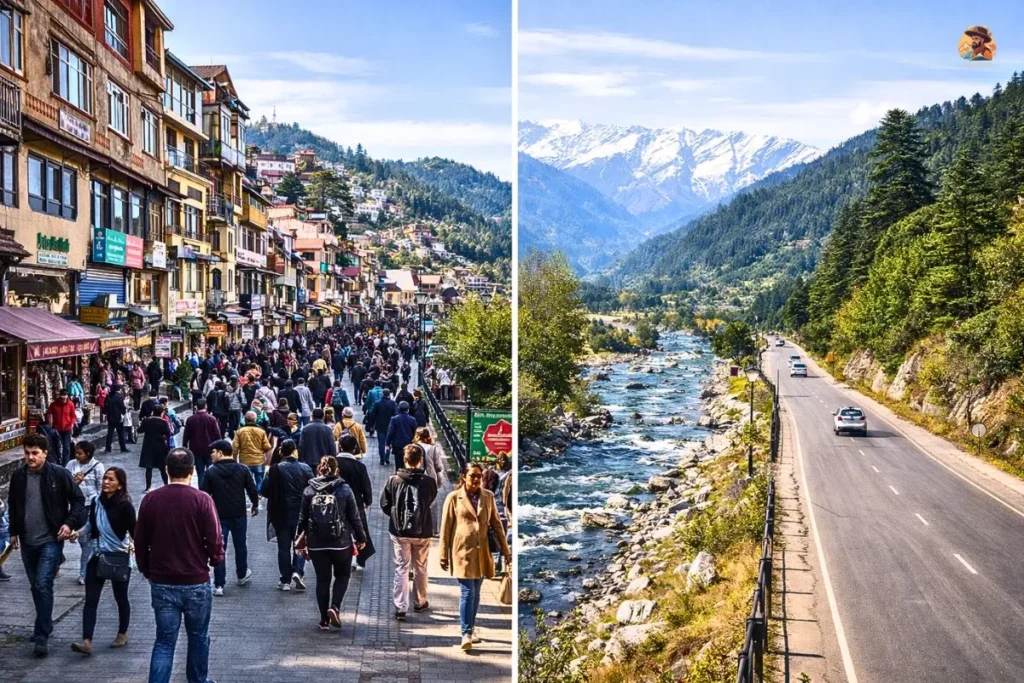
Many travelers believe Shimla and Manali offer the same hill station experience because online photos make both look similar. In reality, once you start planning days, moving around, and handling crowds, the difference between the two becomes very clear.
Location, Landscape, and Travel Feel
The biggest difference lies in how both destinations are built and how that affects daily movement.
Shimla feels like a hill city:
- ✅ Compact layout with closely packed roads and buildings
- ✅ Easy walking zones such as Mall Road and nearby markets
- ✅ Faster daily rhythm shaped by routine city life
Manali feels like a valley destination:
- ✅ Open landscape with rivers, forests, and distant mountains
- ✅ Longer distances between hotels, viewpoints, and activities
- ✅ Slower pace where even short outings need more time
Most travelers expect both places to feel equally relaxed.
What actually happens is that Shimla feels more convenient, while Manali feels deeper and more immersive but demands patience.
Crowd Pattern and Daily Pace
Crowd behavior changes the experience more than people expect.
- ✅ Shimla gets heavy weekend crowds, especially during peak seasons and holidays
- ✅ Manali attracts longer-stay travelers, so crowds spread out, even when tourist numbers are high
Shimla can feel tiring during busy weekends, while Manali feels calmer but requires more effort to move around daily.
First-Time Travelers Often Misjudge This
First-time travelers commonly make a few planning mistakes:
- ✅ Treating Manali like a compact hill town and underestimating travel time
- ✅ Expecting Shimla to feel quiet and resort-like during peak months
Manali makes more sense when you see it as part of the wider Kullu region, not just a single town.
For that regional clarity, read Kullu vs Manali – Which is Better? once before locking your itinerary.
You will enjoy both destinations far more when you accept that they are not the same trip under different names and choose based on comfort, not assumptions.
Experience-Based Clarity for Shimla vs Manali
Shimla works better for travelers who value convenience, walkability, and predictable daily movement.
Manali works better for those who are comfortable with distance, slower pacing, and deeper valley experiences. The difference is not about which place is better, but about how much effort and time you want to invest each day.
Shimla vs Manali Weather – Expectation vs Reality
Most travelers compare Shimla and Manali only through temperature numbers, then feel uncomfortable when the weather behaves differently on the ground. I understood this clearly while waiting for a delayed bus, sunlight warming my face even though the air around me still felt cold.
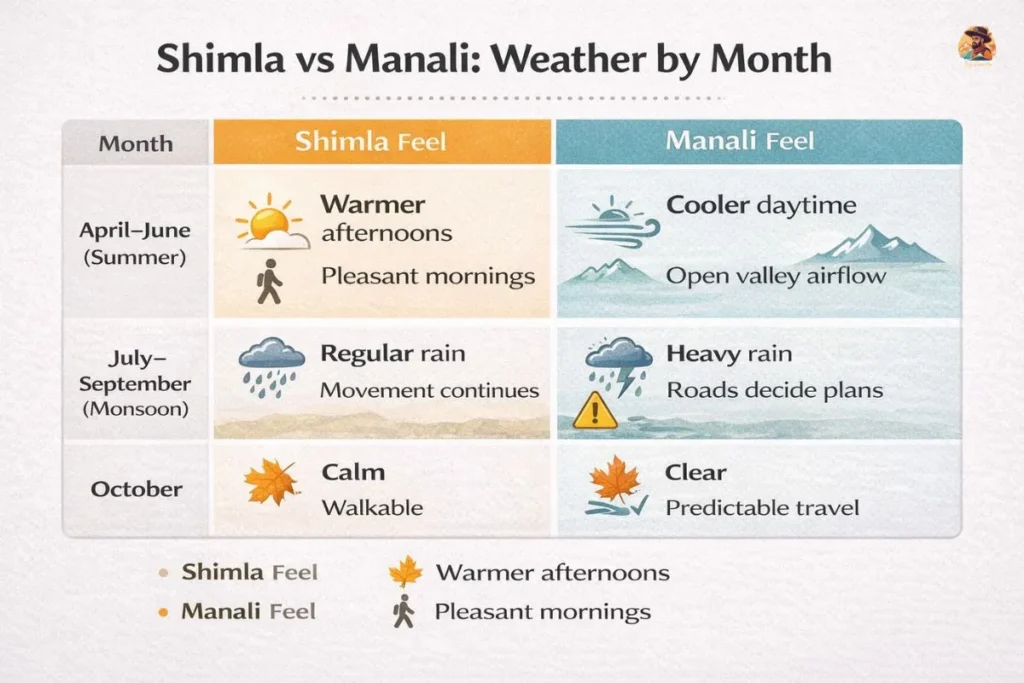
April to June (Summer Reality)
People expect both destinations to feel equally cool in summer, especially after escaping city heat.
In reality, comfort depends more on airflow, crowd density, and how built-up the surroundings feel.
- Shimla: Afternoons feel warmer near busy roads and markets, while mornings and evenings remain pleasant and walkable.
- Manali: Daytime air feels cooler because of open valleys and constant breeze, though sunlight can feel sharp when clouds clear.
Expectation: Both places offer the same summer relief.
Reality: Manali feels naturally cooler during the day, while Shimla feels more comfortable outside peak afternoon hours.
July to September (Monsoon Problems)
This season exposes the biggest misunderstanding about mountain weather.
I remember standing near a roadside shop during steady rain, listening to drivers discuss whether roads ahead would remain open.
- Shimla receives frequent rain, but daily movement usually continues with patience and flexible planning.
- Manali faces heavier rainfall, where landslides and road delays can quietly control the entire day.
Expectation: Lower temperatures make monsoon travel comfortable.
Reality: Road conditions matter far more than temperature, especially around Manali.
October (Most Ignored but Balanced Month)
October quietly offers the most balanced weather in both places, yet many travelers overlook it completely.
Days feel cool without harsh cold, skies stay clearer, and crowds reduce enough to make planning easier.
- Shimla becomes calmer and more walkable.
- Manali feels open and predictable for longer daily plans.
Expectation: October is just a transition month with limited value.
Reality: It offers the best balance of weather, visibility, and manageable crowds in both destinations.
For a clearer temperature-focused comparison, read Is Manali Colder Than Shimla or Kashmir? Once to align expectations properly.
Weather-Based Decision Clarity
Summer comfort depends more on airflow and crowd density than temperature alone. Monsoon travel favors Shimla for stability, while Manali becomes weather-dependent. October offers the most reliable and balanced weather experience in both destinations.
Is Manali Better Than Shimla in Winter?
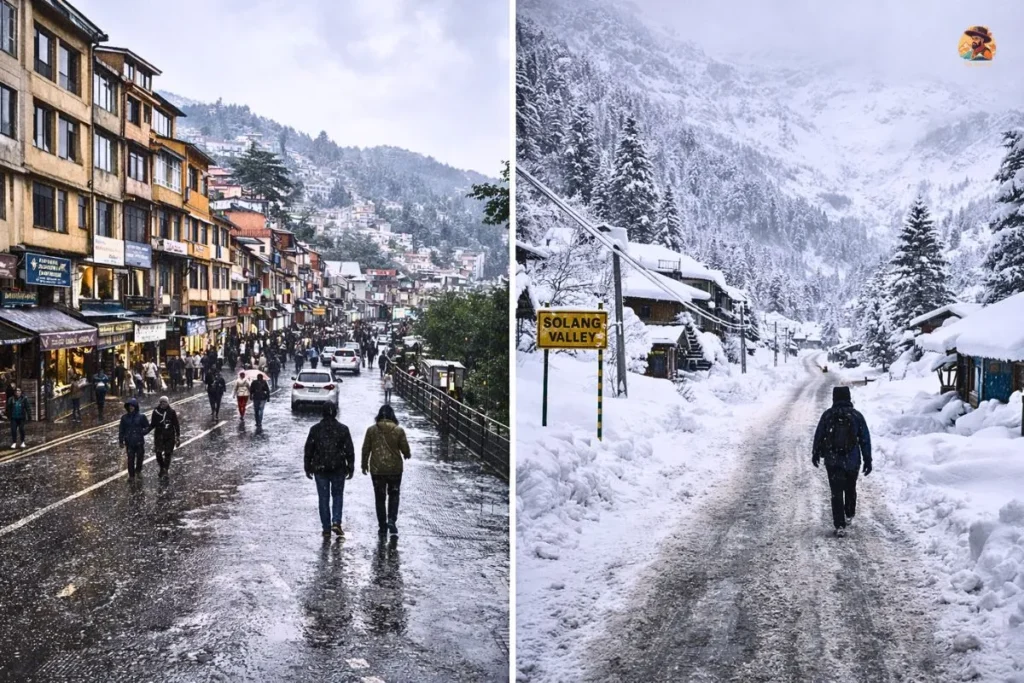
Winter attracts travelers with the promise of snow and quiet beauty, but it also tests comfort, patience, and daily flexibility. I have felt this contrast early in the morning, when frozen air fills the lungs, and simple decisions suddenly require more effort.
Winter Life in Shimla
Shimla functions like a lived-in hill city during winter, where daily routines adjust instead of completely stopping.
I notice locals moving confidently, shops opening steadily, and public areas adapting quickly after light snowfall.
- ❄️ Roads within the city usually reopen sooner after snow
- ❄️ Walking remains manageable in central areas like Mall Road
- ❄️ Hotels, cafés, and basic services continue with fewer disruptions
What travelers assume: Shimla will feel too mild and miss the winter charm.
What actually happens: It offers balanced cold with better day-to-day comfort.
Winter Life in Manali
Manali feels visually dramatic in winter, but it demands more physical and mental preparation from travelers. I remember waking up to frozen taps, quiet streets, and sunlight that looked warm but barely softened the cold air.
- ❄️ Temperatures drop lower, especially during nights and early mornings
- ❄️ Snowfall chances are higher around Solang Valley and nearby regions
- ❄️ Daily movement requires planning, buffer time, and patience
Manali rewards travelers who prioritize scenery over convenience.
Road Closures, Power Cuts, and Comfort Level
This factor quietly decides whether a winter trip feels magical or exhausting.
I have stood beside drivers refreshing road updates, while plans shifted slowly with weather conditions.
- ❄️ Shimla faces occasional disruptions, but services usually restore faster
- ❄️ Manali experiences more frequent road blocks, power cuts, and travel delays after heavy snowfall
Deeper snow increases beauty, but it also reduces flexibility and overall comfort.
If you plan to visit both destinations in winter, travel sequence matters more than most people realize.
For clarity on winter sequencing, read Which Place to Go First – Shimla or Manali? Once before finalizing dates.
Winter Decision Clarity for First-Time Travelers
Shimla suits travelers who want a winter atmosphere with predictable routines and easier daily movement.
Manali suits those who accept disruption in exchange for stronger snowfall chances and dramatic scenery. Winter rewards preparation more than optimism, so choose based on tolerance, not just photographs.
Mini Summary: Shimla vs Manali in Winter
Shimla offers lighter winter conditions with better road access, services, and daily comfort. Manali delivers stronger snowfall chances but involves colder nights and higher chances of disruption. Choose Shimla for stability and Manali for scenery, depending on your tolerance for cold and uncertainty.
Shimla or Manali – Which Is Better for Snowfall?
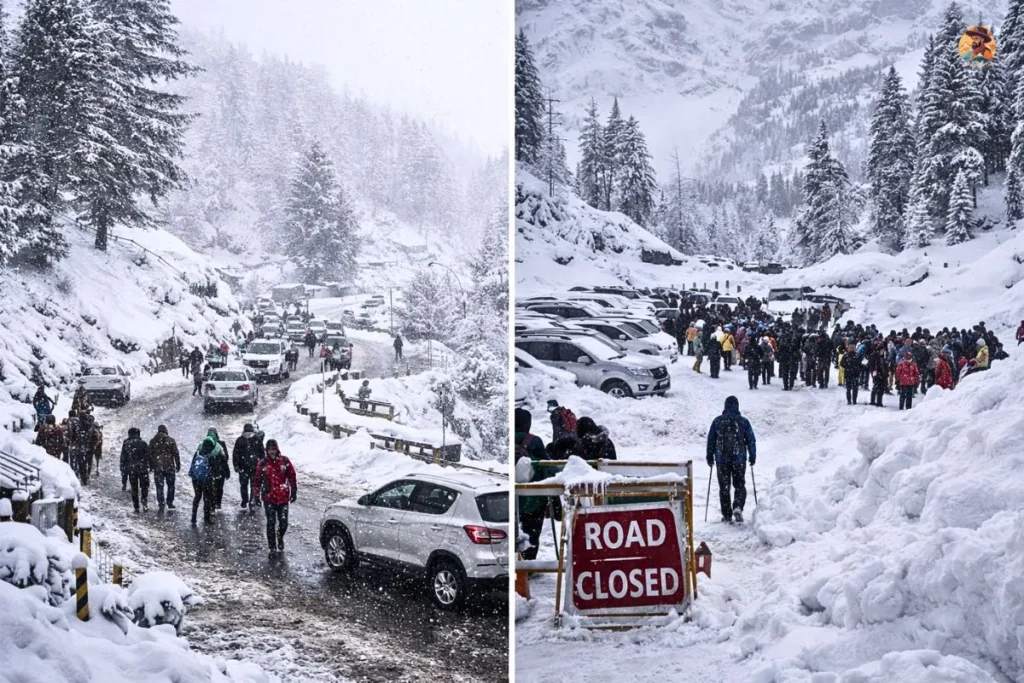
Snowfall is never guaranteed on fixed dates in Himachal, and timing matters more than destination names.
Most travelers plan winter trips believing snowfall is certain, then feel disappointed when reality does not match expectations. I have stood in bright winter sunlight with cold boots on frozen ground, hearing travelers argue because their entire plan depended on exact snowfall dates.
In reality, January offers the highest snowfall chances, while December and February remain unpredictable in both regions. Snow rarely falls inside town areas, so real snow experiences usually happen outside main centers, not near most hotels.
Kufri, Solang Valley, Crowds, and Safety Reality
Actual snowfall experiences shape comfort more than depth alone.
- ❄️ Kufri (near Shimla): Snowfall is usually lighter, but roads reopen faster, and crowd movement stays more controlled.
- ❄️Solang Valley (near Manali): Snowfall is deeper and lasts longer, but access depends heavily on road conditions and safety restrictions.
Manali offers stronger snowfall potential, but crowds, closures, and delays often limit movement on peak snow days.
Shimla delivers a milder snow experience with better predictability and fewer disruptions for first-time travelers.
If snowfall reliability matters more than photos, regional patterns matter more than destination names. For deeper clarity, read Where is More Snow – Shimla or Manali? Once before fixing expectations.
Snow rewards flexibility rather than certainty, especially during peak winter weeks.
Snowfall Decision Snapshot
Manali offers deeper snowfall potential near Solang Valley, but access depends on weather and road safety decisions. Shimla experiences lighter snowfall near Kufri, allowing for easier movement and better crowd control. Ultimately, timing is more important than location, and realistic expectations are the most crucial.
Shimla or Manali – Which Is Better for Family Trips?
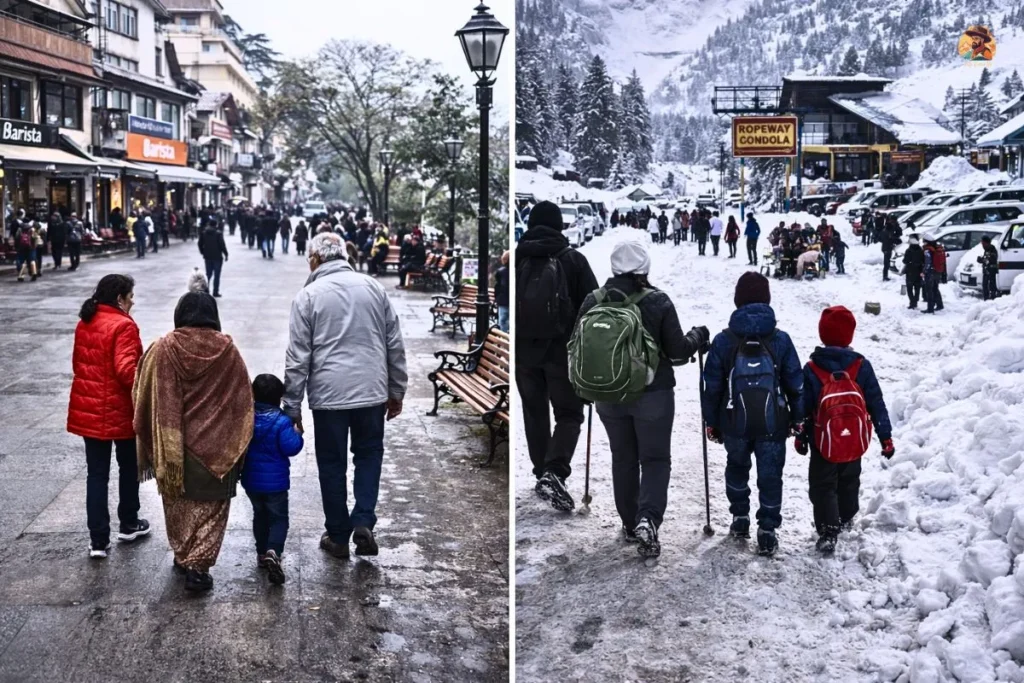
Family trips usually become stressful when daily walking feels tiring, medical help feels distant, or plans demand too much effort.
I have seen families enjoy fewer places more, simply because movement stayed easy and days ended without exhaustion.
For families with kids or elders, Shimla generally feels more manageable, while Manali suits families who can handle longer travel and activity-heavy days.
What Actually Matters for Families
Walking comfort:
- Shimla offers flatter stretches around Mall Road and nearby areas, making short walks and frequent breaks easier.
- Manali involves longer distances, uneven paths, and more vehicle time, which tires children and elders faster.
Medical access and roads:
- Shimla has quicker access to hospitals and pharmacies within city limits.
- Manali has fewer facilities spread across a wider area, and road conditions can slow movement during bad weather.
Important winter note for older travelers:
During winter, elders face higher risks in Manali due to slippery roads, colder temperatures, and longer walking distances, while Shimla remains relatively safer with quicker road clearing and easier access.
Family-friendly attractions:
- Shimla works better for relaxed walks, cafés, toy train rides, and short outings.
- Manali suits families with older children who enjoy snow play, ropeways, and longer outdoor activities.
Many families try to cover both places together, which often adds fatigue instead of comfort. If you are considering that option, read Can You Cover Shimla and Manali Together? before fixing your itinerary.
Choosing comfort over coverage usually makes family trips calmer and more enjoyable.
Family Trip Decision Snapshot
Shimla is better for families with small children or elders who need easy walking and faster medical access. Manali is better for families with older kids who enjoy activity and can handle longer travel days.
The best family trip is the one where energy lasts till evening, not the one that covers more spots.
Is Manali Better Than Shimla for Honeymoon?
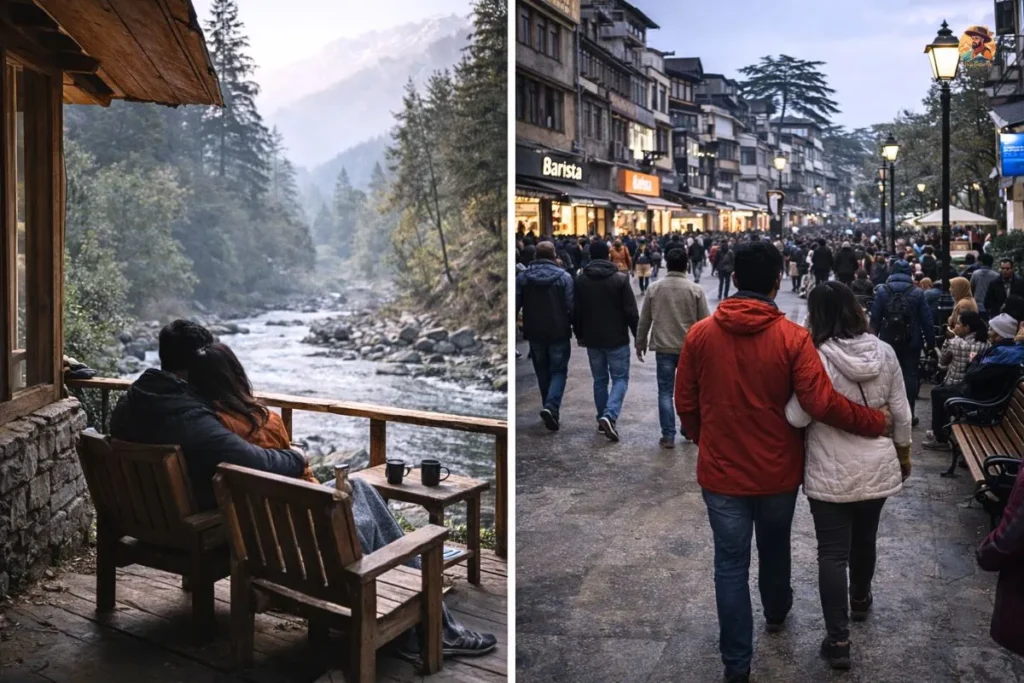
Most couples picture a honeymoon as quiet mornings, unhurried walks, and privacy that lasts beyond sunrise, then feel let down when crowds intrude.
I have noticed this shift by evening, when smiles fade not from lack of beauty, but from noise and constant movement.
In practice, Manali suits honeymoons better than Shimla when couples choose to stay away from town centers and plan lighter days.
What Actually Shapes a Honeymoon Experience
- Privacy, stay locations, and surroundings:
Manali offers secluded hotels and homestays beyond the main market, where forests and river sounds replace traffic.
Shimla stays clustered closer to busy areas, where privacy competes with city routines and tourist flow. - Activities couples actually enjoy:
Couples prefer slow breakfasts, scenic drives, cafés, short walks, and quiet viewpoints over packed sightseeing.
Manali supports this pace more naturally, while Shimla feels structured and time-bound. - Romance vs crowd reality:
Shimla feels romantic during early mornings and late evenings, but crowds return quickly.
Manali maintains a calmer feel for longer hours, though popular spots still get busy.
Many couples choose Manali because it feels immersive rather than rushed, even when planning needs extra care.
For context on its popularity, read Why is Manali So Popular Among Tourists? before fixing expectations.
Pause here and value privacy over coverage, because romance depends more on pace than on checklists.
Honeymoon Decision Snapshot
Manali works best for couples seeking privacy, slower days, and scenic isolation, especially with stays away from town. Shimla fits couples on tight schedules who prefer easy walks and city comforts over seclusion. A memorable honeymoon comes from quiet time and privacy, not from ticking famous spots.
Shimla or Manali – Which Is Better by Month?
Choosing between Shimla and Manali depends heavily on the month you travel, because winter settles differently across Himachal Pradesh.
I have seen relaxed trips turn tiring simply because travelers chose the right place in the wrong month.
November – Calm or Cold?
November feels calm in both destinations, but the cold level and overall comfort vary clearly.
Shimla stays relatively mild with clear skies and easy walking, while Manali feels colder and quieter, suiting travelers who enjoy stillness more than activity.
This month works best for those who want mountain views without snow pressure, heavy crowds, or travel disruptions.
December – Snow Hope vs Crowd
December attracts travelers hoping for early snowfall, which often creates mixed experiences.
Shimla becomes lively and crowded around holidays with uncertain snow, while Manali sees heavy pressure near snow points even when snowfall is inconsistent.
In December, crowds usually shape the experience more than the weather itself.
January – Beauty vs Difficulty
January delivers the strongest winter visuals, but it also tests patience and flexibility. Manali offers better snowfall chances and dramatic scenery, yet road blocks, cold nights, and delays are common, while Shimla remains more manageable with lighter snow and steadier access.
This month suits travelers who prioritize scenery over comfort and accept disruptions as part of the experience.
Many winter travelers compare these destinations with Kashmir, but Himalayan conditions differ sharply in altitude, access, and weather reliability. For clarity on that confusion, read Is Manali Near Kashmir? before planning deeper winter travel.
Month-Based Travel Decision Clarity
November suits travelers seeking calm weather and easy movement, especially in Shimla. December suits those balancing festive crowds with uncertain snowfall in both destinations. January suits travelers chasing strong winter beauty, with Manali offering more snow and Shimla offering easier handling.
Shimla vs Manali Trip Cost – Budget Reality
Many travelers assume Shimla is always cheaper and Manali is always expensive, and then feel surprised when actual spending tells a different story.
I have watched budgets stretch quietly over three days, not due to luxury, but because transport and activities were underestimated.
In simple terms, Shimla usually fits a budget to mid-range travel style, while Manali often shifts toward mid-range to higher spend, depending on season and activities.
Hotel Prices Comparison
Accommodation sets the base of your trip cost.
- ❄️ Shimla:
Mid-range hotels remain fairly stable through most of the year, except during peak holidays.
Budget stays are easier to find within city limits, which reduces extra travel expenses. - ❄️ Manali:
Hotel prices fluctuate more sharply during the snow season and summer peaks.
Better value often comes from staying slightly outside the main town.
Travelers expect room prices to decide everything, but location quietly decides comfort and cost together.
Food and Local Transport Cost
Daily expenses shape the real budget more than most people expect.
- ❄️ Shimla:
Walking-friendly areas reduce taxi dependence, keeping daily spending controlled.
Cafés and local eateries follow predictable pricing. - ❄️ Manali:
Food remains reasonably priced, but longer distances increase reliance on taxis.
Even short outings usually involve vehicle travel, which quietly raises daily costs.
In most Manali trips, transport adds more to the budget than food.
Sightseeing and Activity Expenses
This is where Manali’s trips often cross-planned budgets.
- Shimla focuses on low-cost experiences like walks, viewpoints, and heritage spots.
- Manali encourages spending on snow activities, ropeways, and adventure add-ons.
Manali feels expensive when activities stack up, while Shimla allows slower, lighter spending days.
For a deeper understanding of Shimla’s cost structure, read Is Shimla Cheap or Expensive? before fixing your budget.
Being realistic about daily movement and activities helps control costs more than cutting comfort later.
Trip Cost Decision Clarity
Shimla suits travelers who want stable costs and controlled daily spending. Manali suits travelers willing to spend more on activities and local travel. Your final budget depends more on season, movement, and choices than on the destination name.
🚫 Who Should Avoid Shimla or Manali?
Not every mountain destination suits every traveler, and ignoring this reality often leads to disappointment later.
This short section helps you rule out Shimla or Manali, honestly, based on comfort level, expectations, and travel style.
You should avoid Shimla if:
- ❌ You expect quiet isolation, open valleys, or dramatic, untouched scenery
- ❌ You dislike crowds, especially during weekends and peak seasons
You should avoid Manali if:
- ❌ You prefer compact destinations with short travel distances
- ❌ You are uncomfortable with cold nights, road uncertainty, or flexible daily plans
Choosing against your natural travel style usually causes more stress than choosing the “wrong” destination. Clarity at this stage protects both your budget and your peace of mind.
Conclusion: Is Manali Better Than Shimla?
Is Manali better than Shimla? There is no universal answer, because the right choice always depends on your travel purpose and comfort expectations. Shimla suits travelers who want easy movement, predictable routines, and a relaxed pace, while Manali fits those willing to handle distance, cold, and some uncertainty for deeper scenery and a stronger mountain feel. Take a moment to be honest about what you want from this trip, because clarity at this stage makes the entire journey feel lighter and more enjoyable.
If you want your travel story published, explore our write for us travel blog page and submit your proposal.
FAQs: Shimla vs Manali Comparison Questions
No. Shimla is usually better for first-time travelers because it is compact, walkable, and easier to manage. Manali involves longer distances, weather dependence, and more planning, which can feel overwhelming if you are unfamiliar with hill travel dynamics.
Yes. Shimla is generally safer in winter due to quicker road clearance, closer medical facilities, and more consistent civic services. Manali faces higher chances of road closures, power cuts, and delays after heavy snowfall, which can affect comfort and safety.
Depends. Shimla becomes very crowded on weekends and holidays because it attracts short-trip travelers from nearby cities. Manali spreads crowds over longer stays, but pressure increases sharply near snow points during peak winter days.
Yes, usually. Manali often becomes more expensive due to activity costs, longer taxi use, and seasonal hotel price spikes. Shimla stays more predictable for budgeting, especially for travelers who prefer walking and fewer paid experiences.
Depends. Snowfall depends entirely on timing and weather conditions.
Most snow experiences happen near Kufri or Solang Valley rather than inside town areas, and snowfall is never guaranteed on fixed dates.
Yes, Shimla is better. Short trips work well in Shimla because distances are smaller and plans remain flexible. Manali needs more time to feel rewarded, especially if the weather or road conditions slow movement.
Depends. Manali can be challenging for older travelers due to cold weather, uneven terrain, and longer travel distances, especially in winter. Shimla is generally more suitable because walking areas are easier and medical facilities are closer.
Yes, some travelers should. Shimla may disappoint travelers seeking isolation and dramatic scenery, while Manali may frustrate those who dislike long travel times, cold nights, and weather-related uncertainty. Choosing against your comfort zone often causes more stress than the destination itself.

Hi, I am Manoj Kumar, the voice behind Trip Guru Go. I am a travel researcher, SEO content expert, and founder of this blog. With over 12 years of experience in digital travel research, I simplify complex destinations into real, helpful, and trustworthy guides.
Every article I write is backed by local sources, real traveler experiences, and deep fact-checking. Even if I have not visited every place personally, I never share anything without strong on-ground insight.
I do not sell travel packages or promote anything paid. My only goal is to help you travel smarter — with zero fluff, 100% honesty, and a deep focus on your safety and experience.