
Many travelers reach Qudsia Bagh Delhi, expecting a well-maintained heritage garden and leave slightly confused. I felt the same during my first visit, especially after seeing curated photos that made it look larger and greener than it actually is.
Located near Kashmere Gate in North Delhi, about a 5-minute walk from ISBT Kashmere Gate, this Mughal-era site feels more like quiet ruins than a landscaped garden. On a winter morning, I could still hear buses shifting gears outside, yet inside the old stone arches, the air felt cooler and calmer. The Shahi Masjid, standing here quietly, witnessed the turbulence of 1857, which adds a subtle historical weight to the space.
Most people searching for Qudsia Bagh Delhi want clear answers about the nearest metro station, current timings, entry fee, and whether it is worth visiting. I have visited both in winter and peak summer, and the experience changes more than you might expect.
In practical terms, this is a short stop. Around 45 to 60 minutes is usually enough to explore the Shahi Masjid and the surrounding ruins without feeling rushed.
Let me now guide you through the details so you can decide calmly whether this North Delhi heritage site deserves a place in your itinerary.
Qudsia Bagh Delhi – Quick Overview Before You Visit
- Location:
Sham Nath Marg, Kashmere Gate, North Delhi. Around 600 meters or 7 to 8 minutes on foot from ISBT Kashmere Gate and close to Gate No. 4 of Kashmere Gate Metro Station. - Entry Fee:
Free entry. No ticket is required, and there is no ASI ticket counter at the gate. - Opening Hours:
Approximately 6:00 AM to sunset daily. Timings may vary slightly by season, so it is wise to verify locally before visiting. - Best Time to Visit:
Between 7:00 AM and 10:00 AM or 4:00 PM and 6:00 PM for softer light and manageable temperatures, especially during Delhi summers. - Ideal Visit Duration:
45 to 60 minutes is usually enough to explore the Shahi Masjid and the surrounding structures without rushing. - Best For:
History enthusiasts, architecture photographers, and travelers near ISBT who want a quiet, raw Mughal-era heritage stop. - Not Ideal For:
Large family picnics, visitors expecting a landscaped garden like Sunder Nursery, or those looking for toilets, cafes, or drinking water inside the complex. - Is Qudsia Bagh worth visiting?
Yes, if you appreciate peaceful Mughal-era ruins and prefer an understated, crowd-free historical experience near Kashmere Gate.
Qudsia Bagh Nearest Metro Station & Exact Distance
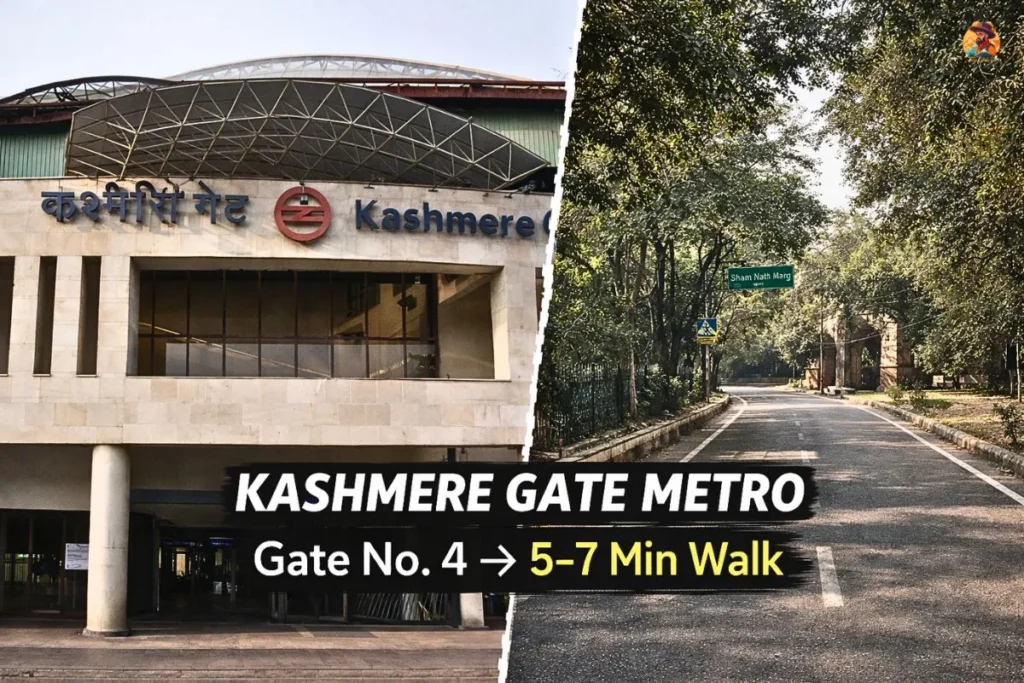
Reaching Qudsia Bagh is easier than most people assume. The Qudsia Bagh nearest metro station is Kashmere Gate Metro Station, which connects the Red, Yellow, and Violet lines.
I usually exit from Gate No. 4 because it places you on the correct side toward Sham Nath Marg and the ISBT stretch. Once you step out, you will notice the busy bus movement and traffic noise, but the park itself is only 400 to 500 meters away. At a normal pace, the walk takes about 5 to 7 minutes.
For those wondering which metro station is near Qudsia Park, it is Kashmere Gate. You do not need an auto unless you are carrying luggage or traveling with Older family members.
If you still prefer a ride, e-rickshaws and autos wait outside the metro station and usually charge between ₹20 and ₹50, depending on traffic. Personally, unless it is a peak summer afternoon, I find the short walk manageable.
Distance Snapshot
| From | Distance | Mode of Transport |
| Kashmere Gate Metro (Gate 4) | 400–500 m | 5–7 min walk |
| ISBT Kashmere Gate | ~600 m | Walk / E-rickshaw |
| Red Fort | ~2.5 km | Auto / Metro |
Many first-time visitors think the garden is hidden inside Old Delhi lanes. In reality, once you exit Gate No. 4 and walk toward the ISBT side, the route is direct and easy to follow.
Now that reaching Qudsia Bagh is straightforward, let me clarify the exact timings and seasonal considerations so you can plan the right time to visit.
Qudsia Bagh Timing, Entry Fee & Seasonal Reality

Before you head out, check the timing carefully. Unlike major monuments, the experience here changes noticeably depending on the hour you choose.
Timings
Qudsia Bagh is usually open from 6:00 AM to sunset (daily).
Yes, it is generally open every day of the week. If you plan to visit after 5:00 PM, check locally because closing time shifts slightly with seasonal daylight.
In my experience, leaving by 5:30 or 6:00 PM feels safer and more comfortable. After sunset, lighting inside the park becomes limited, and the surroundings grow noticeably quieter.
Entry Fee
There is no Qudsia Bagh entry fee and no official ticket price. You will not find a ticket counter at the entrance. Visitors are welcome to walk in during open hours.
Best Time of Day
The most comfortable window is 7:00 AM to 10:00 AM. Late afternoon, after 4:00 PM, also works, especially outside peak summer.
I once visited around 12:30 PM in peak summer, and the open ground reflected heat strongly. Within half an hour, walking felt tiring. In contrast, a winter morning visit felt calm, with soft light making the old stone arches look more photogenic.
Seasonal Reality
- Summer: Heat intensifies after late morning. Shade is limited, and there are no reliable drinking water facilities inside, so carry your own bottle.
- Monsoon: After heavy rain, parts of the lawn may turn muddy, and some stone surfaces can feel slippery.
- Winter (November to February): This is the most comfortable season. Morning air feels crisp, light is softer, and visitor numbers remain relatively low.
Many travelers assume free entry means any time is fine. In reality, choosing the right hour makes the difference between a rushed stop and a peaceful heritage walk.
Next, let me take you deeper into the historical background so the ruins you see make more sense
What is the History of Qudsia Bagh? From Royal Garden to 1857 Battlefield
If these walls look incomplete, the story behind them explains why.
Built by Qudsia Begum
This garden was built in the mid-18th century by Qudsia Begum, the mother of Mughal emperor Ahmad Shah Bahadur. At that time, it stood closer to the Yamuna River, which has gradually shifted its course over the centuries.
The Shahi Masjid inside the complex formed part of this royal riverside retreat. When I stood in its courtyard on a quiet winter morning, the stillness felt striking, especially knowing this space once reflected imperial authority.
The 1857 Turning Point
The real structural damage occurred during the 1857 uprising. Because of its strategic position near Kashmere Gate, the area was heavily affected during British military action toward the Red Fort side.
Cannon positioning and bombardment caused severe destruction. That is why Qudsia Bagh feels incomplete today. It is not simply poor maintenance but the visible result of war, political decline, and time.
Next, let me explain what you can actually see inside these ruins so you arrive with clear expectations.
What Can Visitors See at Qudsia Bagh?
Before entering, set the right expectation. Qudsia Bagh is often described as a Mughal garden in Delhi and is also featured among the notable green spaces listed in our detailed guide on parks and gardens in Delhi. However, today it feels more like open historical ruins inside a simple public park.
Here is what you will actually see:
- Shahi Masjid Qudsia Bagh
The main surviving structure has partial arches and pa rayer hall. In the early morning, soft sunlight filters through the arches, creating gentle shadows. The aged stone surface makes it the most visually striking part of the complex. - Ruined Gateways and Walls
You will notice a larger entrance structure along with scattered Mughal-era walls across the grounds. These are original remains shaped by time and the 1857 conflict. - Open Green Lawn
A wide grass area forms most of Qudsia Bagh park. It is functional and open, not landscaped with fountains or decorative flower beds. - Walking Paths
Basic paths are suitable for a relaxed 45 to 60-minute walk across the grounds. - Quiet Corners
A few shaded spots near old walls where you can sit briefly. Facilities are minimal, so the space feels more reflective than recreational.
Expectation vs Reality
Many visitors assume it will feel like Lodhi Garden or Sunder Nursery. It does not.
Those parks are manicured and designed for long leisure visits. Qudsia Bagh feels visibly aged and less restored. If you approach it as a peaceful heritage ruin rather than a polished garden experience, you will understand its character better.
Next, let me show you how Qudsia Bagh looks in photographs so you can set realistic visual expectations before visiting.
Qudsia Bagh Photos – Reality vs. Instagram
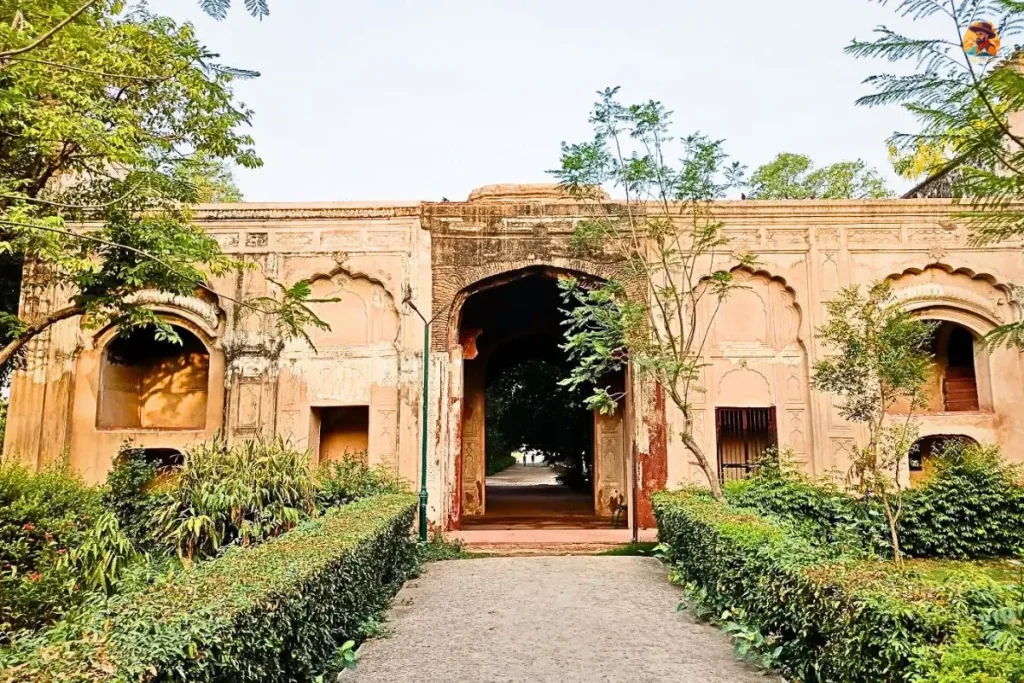
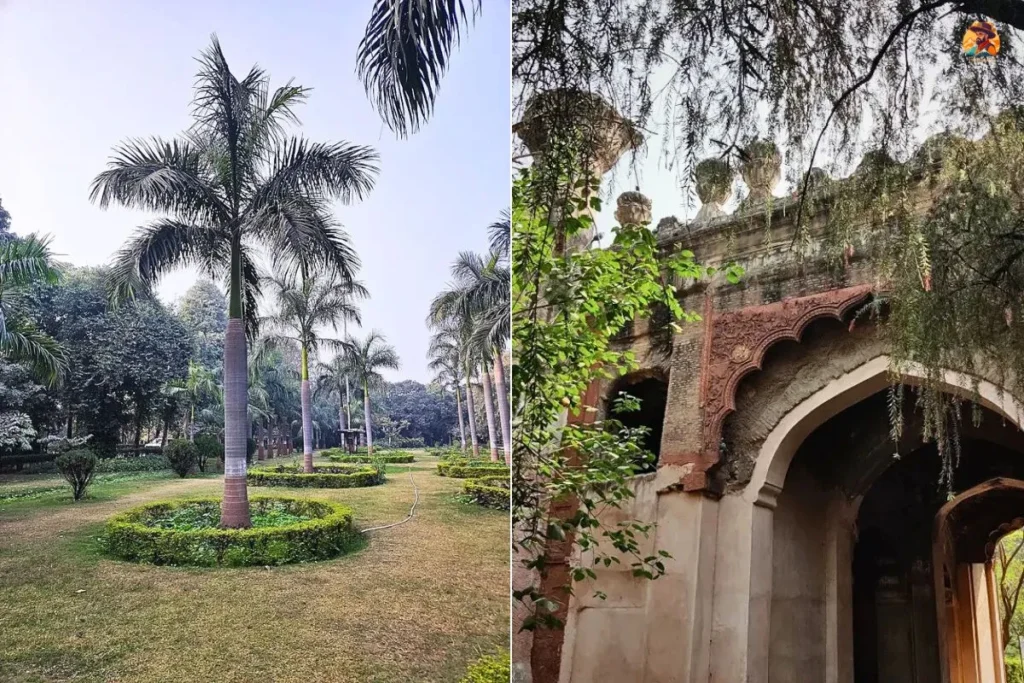
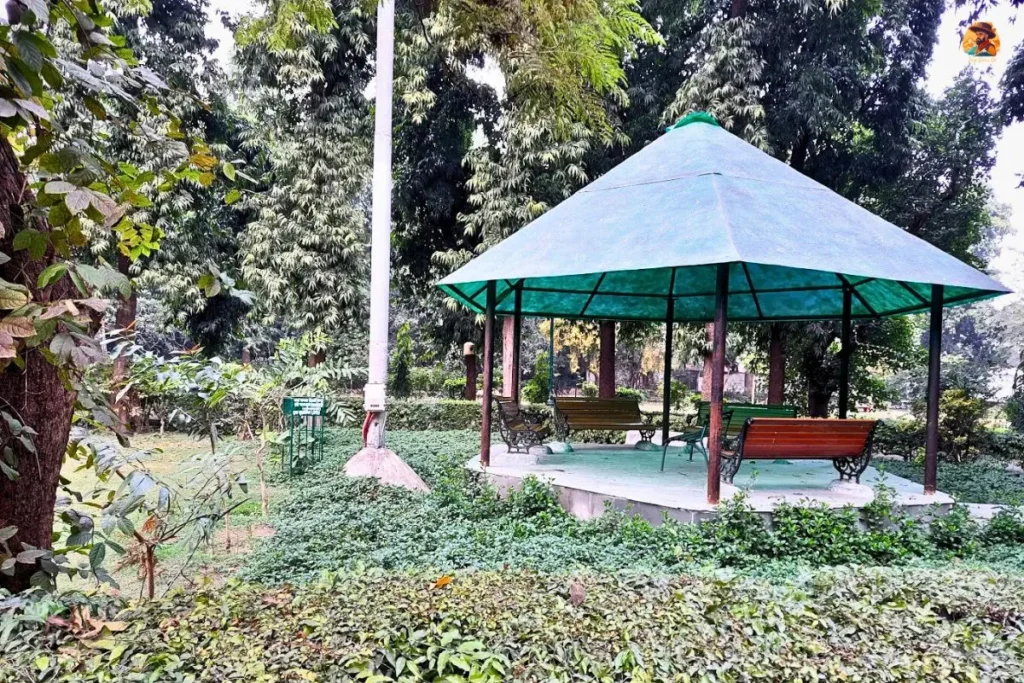
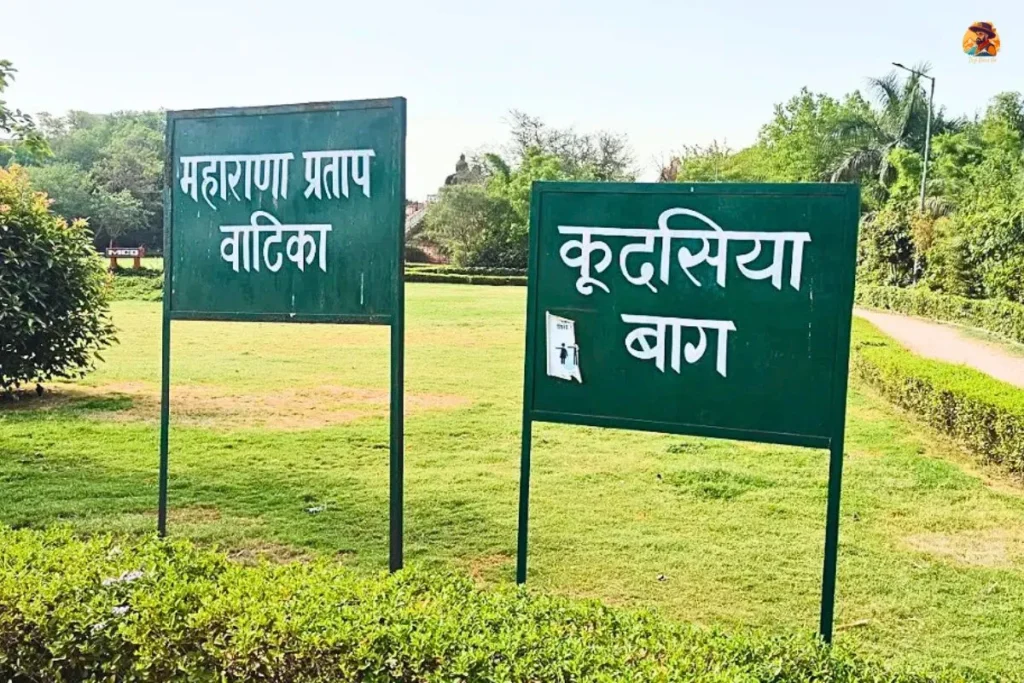
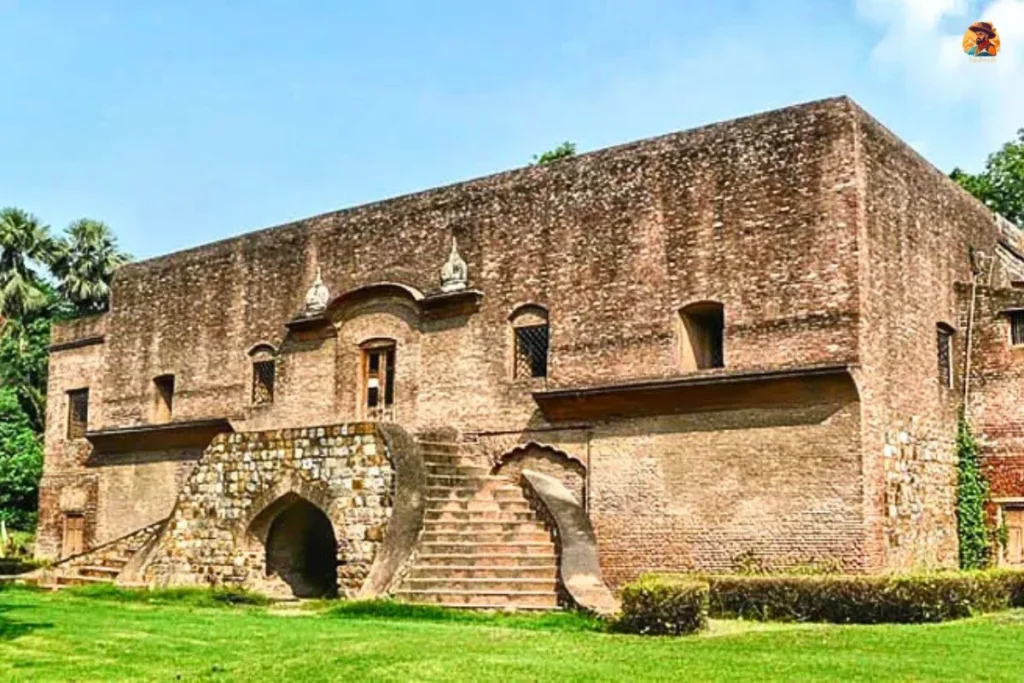
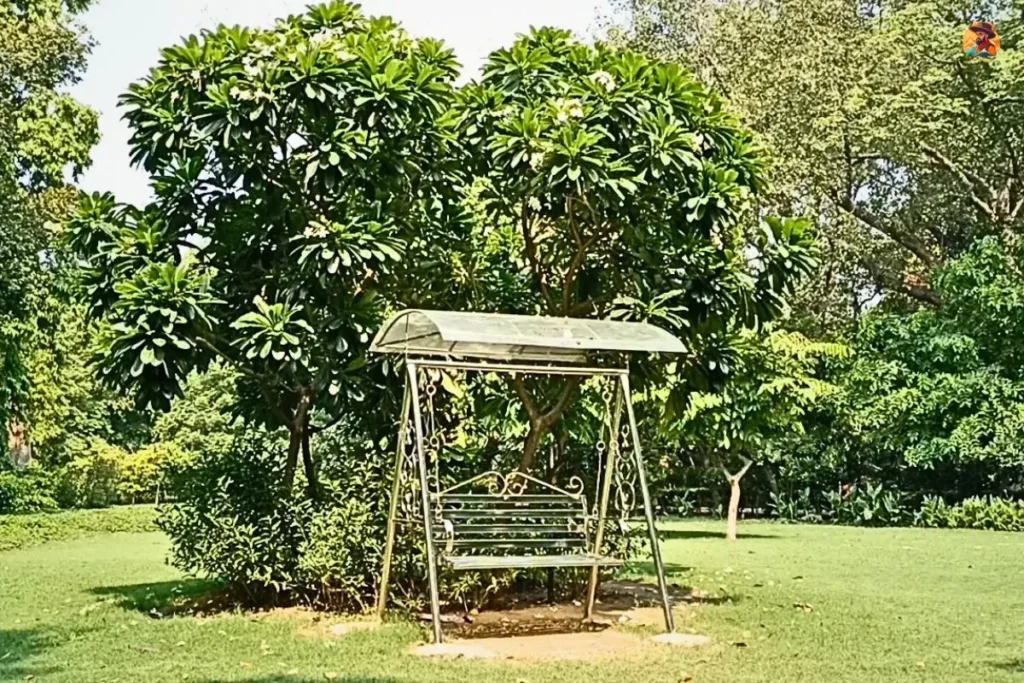
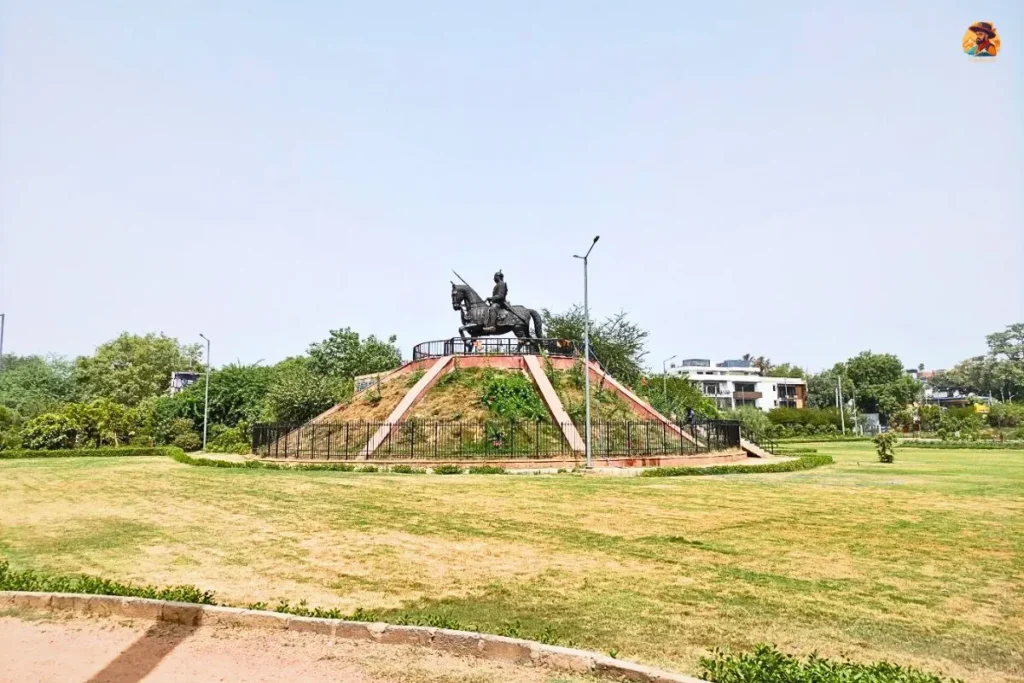
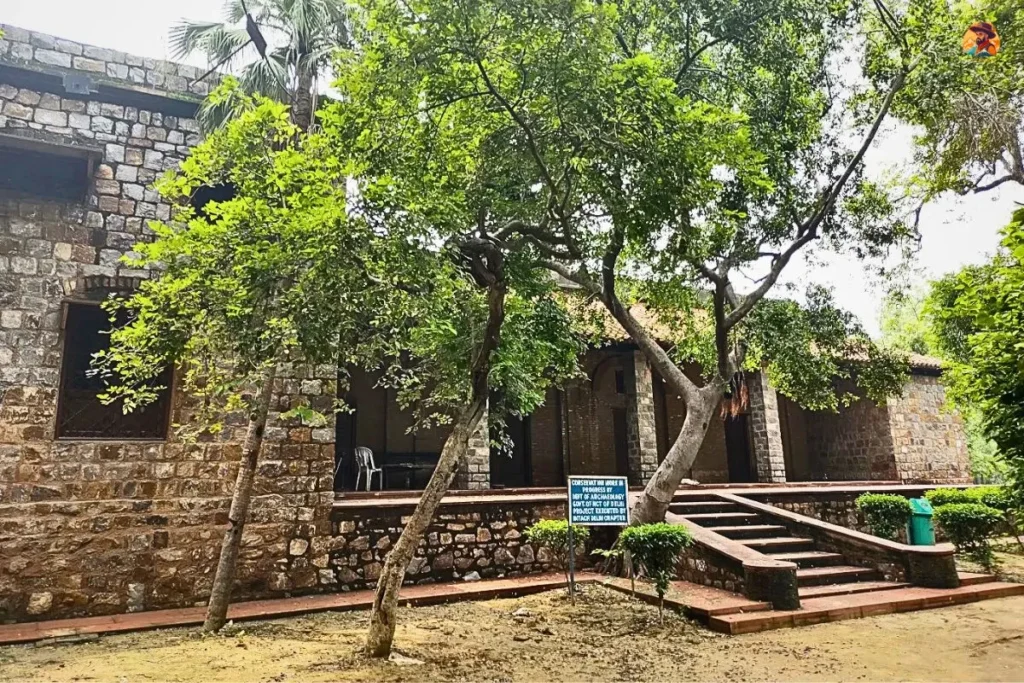
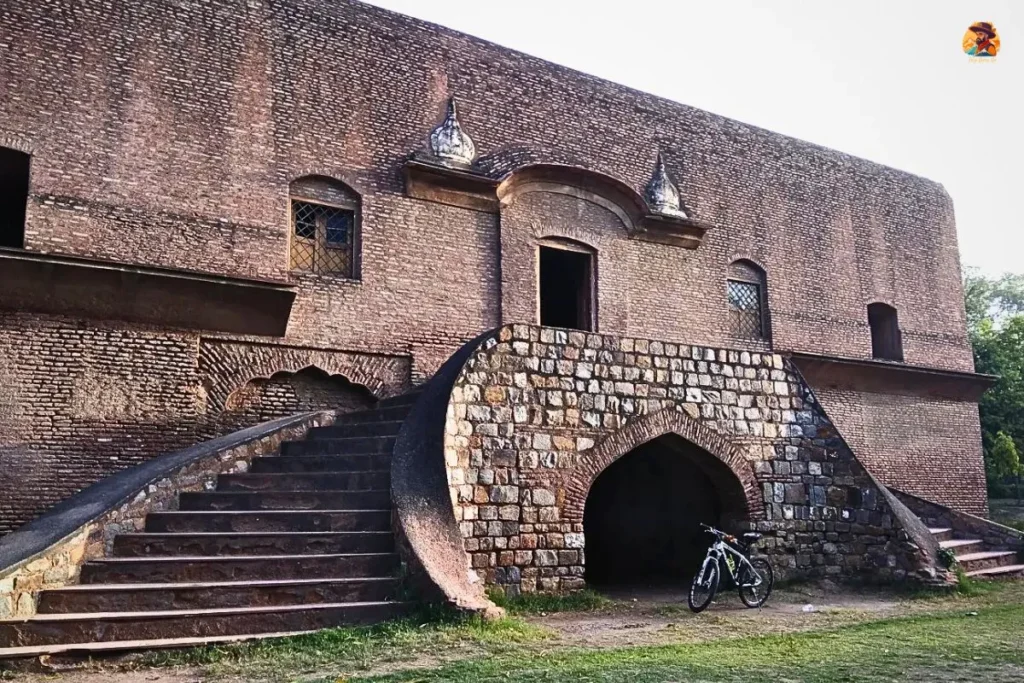
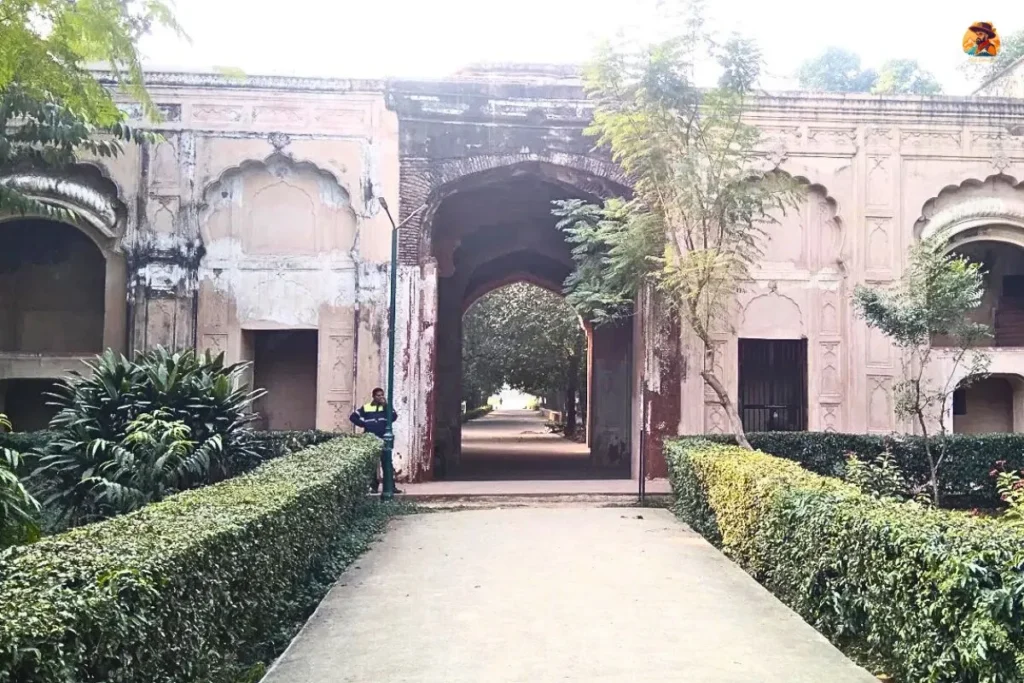
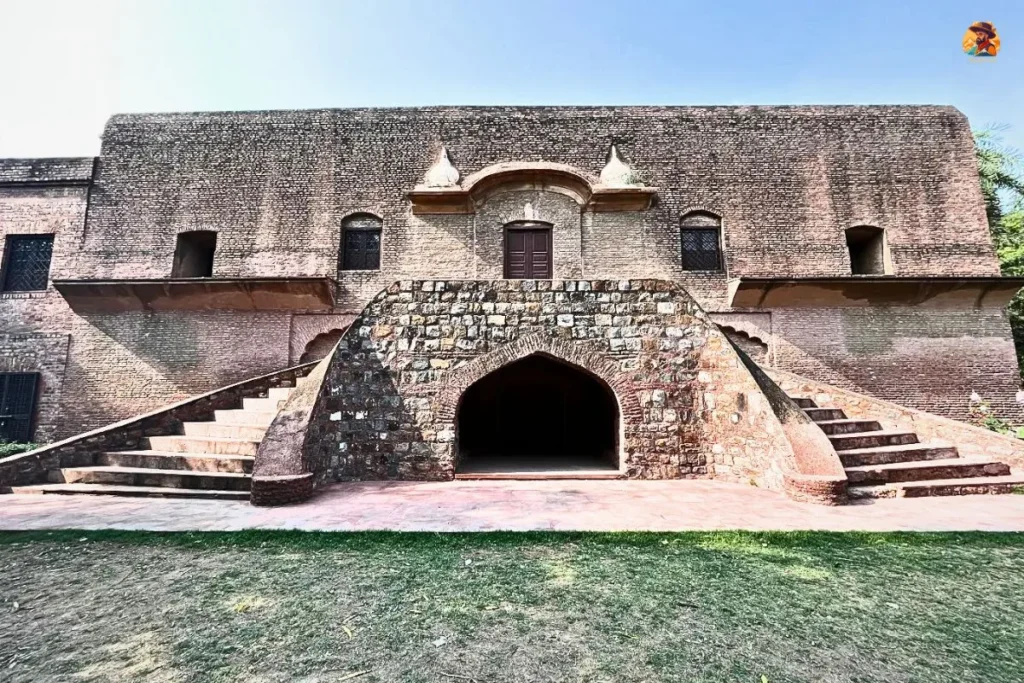
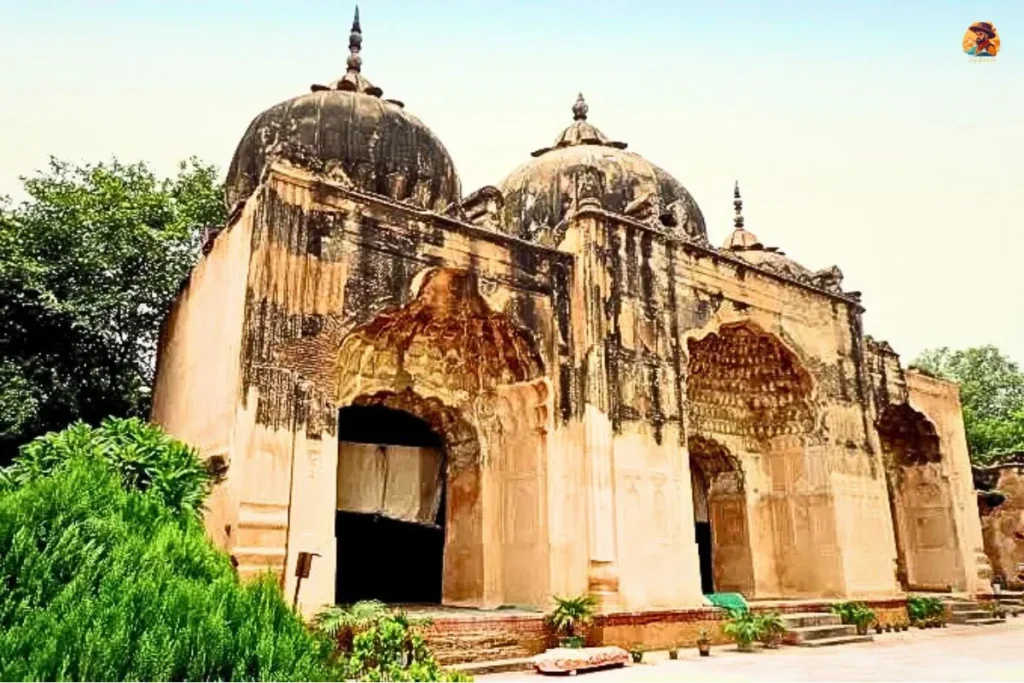
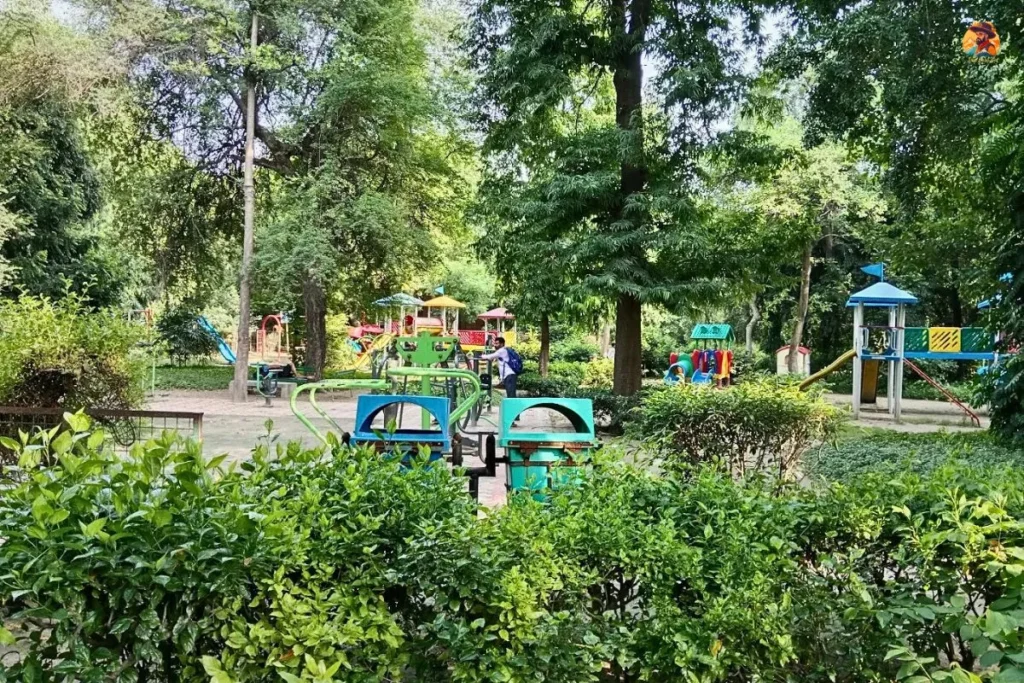
Most online qudsia bagh photos use filters and tight framing. In reality, the beauty here depends heavily on timing and natural light.
The Magic Window (7:00 AM – 9:00 AM)
I visited on a winter morning, and when sunlight filtered through the arches of the Shahi Masjid, the results were naturally balanced and warm. This is when the stone textures look their best.
By midday, especially in peak summer, the light turns flat, and the stone can appear slightly dull in photos.
Best Frames
Instead of aiming for grand panoramic shots, focus on texture and detail. The aged walls of the Shahi Masjid Qudsia Bagh and close-ups of the larger ruined gateway create stronger compositions. Side-angle shots usually work better than straight frontal frames.
Photography Note
Normal phone photography is allowed. However, if you plan to carry a tripod or professional camera gear, local guards may question you. Be prepared to explain your purpose, as formal permission can sometimes be required.
Manoj’s Tip
If you want elegant heritage portraits, use the mosque arches as a natural frame. Simple portraits against textured stone walls work very well.
The space rewards patience and good timing more than grand expectations.
Qudsia Bagh vs Lodhi Garden – Which One Should You Choose?
Many travelers assume both offer a similar heritage garden experience. In reality, they feel completely different once you enter.
| Feature | Qudsia Bagh | Lodhi Garden |
| Overall Feel | Raw and historically worn | Landscaped and well-maintained |
| Crowd Level | Usually quiet | Popular and busy, especially mornings |
| Maintenance | Basic upkeep | Actively maintained lawns and pathways |
| Atmosphere | Quiet and raw | Social, jogging and picnic-friendly |
Choose Qudsia Bagh if:
You prefer visible Mughal-era ruins, minimal crowds, and a short, reflective heritage stop. It works well if you are already near Kashmere Gate or ISBT.
Choose Lodhi Garden if:
You want manicured lawns, long walking tracks, active morning energy, and a more social outdoor environment. It suits families, joggers, and longer leisure visits.
Remember, Qudsia Bagh is in North Delhi near ISBT, while Lodhi Garden is in Central Delhi. Choose based on your location, travel time, and how much time you actually have available.
Places to Visit Near Qudsia Bagh
Most travelers overpack their North Delhi day without realizing how quickly fatigue builds. Around Kashmere Gate, it is smarter to combine two nearby stops rather than chasing four.
Here are the most practical options:
- St. James Church (5–7 minute walk)
A peaceful colonial-era church within walking distance. When I stepped in after exploring Qudsia Bagh one morning, the quiet yellow façade and shaded courtyard felt like a calm reset. - Dara Shikoh Library & Partition Museum Area (Walking distance)
This stretch connects Mughal intellectual history with the story of Partition. It is not a large monument visit, but if you enjoy layered history, this small detour adds depth without extra travel. - Red Fort (Approx. 2.5 km | 10–15 min by auto)
Easy to combine, but plan realistically. The Red Fort needs at least 1.5 to 2 hours and involves significant walking. Doing both sites in peak summer can feel tiring by early afternoon. - Majnu Ka Tilla (10–15 min by auto)
Ideal as a lunch stop. Tibetan cafes and compact lanes offer a lively contrast to the quiet Qudsia Bagh park. Auto drivers outside Kashmere Gate may quote higher fares, so consider using a ride-hailing app or shared e-rickshaw. - ISBT Kashmere Gate (Approx. 600 m)
If you are in transit, Qudsia Bagh works well as a short heritage pause before your bus departure.
Ideal Half-Day Plan
Morning: Qudsia Bagh (45–60 minutes)
Next: St. James Church (short visit)
Then: Choose either the Red Fort for architectural scale or the Majnu Ka Tilla for food and relaxation.
It is easy to try covering everything, but from my experience, limiting it to two main stops feels far more relaxed. You will enjoy the history far more if you are not checking your watch between auto rides.
Practical Tips Before You Go
Small practical mistakes can reduce the comfort of this visit more than the site itself. A little preparation keeps the experience smooth.
- Parking Availability
There is no dedicated tourist parking at the entrance. Limited roadside parking may be available near Kashmere Gate, but it fills quickly. In my experience, using the metro is simpler and avoids unnecessary hassle. - Safety Advice
I recommend visiting during daylight hours and leaving before sunset. Once natural light fades, the park becomes noticeably quiet, and interior lighting is limited. - Solo Travel Note
Daytime visits feel comfortable, including for solo travelers. Late evening visits are not advisable due to low lighting and fewer people around. - Photography Timing
For best results, visit between 7:00 AM and 9:00 AM or late afternoon before sunset. - Food & Water
There are no proper cafes inside Qudsia Bagh park. Carry your own water bottle, as drinking water facilities are unreliable. I have seen visitors step out mid-visit just to find water. For proper meals, Majnu Ka Tilla offers better options within a short auto ride. - Accessibility
Paths are mostly flat but uneven near the ruins. Wheelchair access is not properly available due to surface conditions and a lack of ramps. - How Much Time Do You Actually Need
In my experience, 45 to 60 minutes feels sufficient for a relaxed visit. If you only want to see the Shahi Masjid and take a few photos, 30 minutes is sufficient.
Approach this as a short heritage pause rather than a long outing. When you keep expectations simple, the visit feels far more relaxed.
Final Verdict – Should You Visit Qudsia Bagh Delhi?
Visit Qudsia Bagh Delhi, if you enjoy understated Mughal remains and prefer less crowded heritage spots. It suits travelers looking for a short, peaceful stop near Kashmere Gate, not a landscaped picnic garden like Lodhi Garden. If you expect grand architecture or manicured lawns, you may feel underwhelmed.
When I visited in the morning, 45 to 60 minutes felt more than enough to see everything comfortably. Combine it with St. James Church and either the Red Fort for deeper history or Majnu Ka Tilla for lunch. Treated as a brief, well-timed stop rather than a full-day attraction, it makes practical sense.
Travel bloggers who focus on honest planning advice can apply through our write for us travel guest post opportunity.
FAQs About Qudsia Bagh Delhi
Qudsia Bagh was built in the mid-18th century by Qudsia Begum, the mother of Mughal emperor Ahmad Shah Bahadur. It was originally a riverside Mughal garden complex near the Yamuna. The site was heavily damaged during the 1857 uprising, which is why only partial structures remain today.
The nearest metro station is Kashmere Gate Metro Station on the Red, Yellow, and Violet lines. Exit from Gate No. 4 for the shortest route. The park is about 400 to 500 meters away and takes roughly 5 to 7 minutes on foot.
Visitors can see the remains of the Shahi Masjid, scattered Mughal-era gateways, broken walls, and open green lawns. The site feels like historical ruins rather than a fully restored garden. It is suitable for a short heritage walk and light photography.
Qudsia Bagh is generally open daily from around 6:00 AM to sunset. There is no regular weekly closure. Closing time may vary slightly with seasonal daylight.
Yes, Qudsia Bagh is generally open every day of the week from sunrise to sunset. However, it is advisable to visit during daylight hours and avoid late evening due to limited lighting.
No, there is no entry fee. There is no ticket counter at the entrance, and visitors are welcome to walk in during opening hours.
Qudsia Bagh is worth visiting if you appreciate quiet Mughal-era ruins and want a short, less crowded heritage stop in North Delhi. It is not ideal if you expect a landscaped garden like Lodhi Garden or a grand monument like the Red Fort.
Yes, Qudsia Bagh is generally safe for families during daytime hours. Morning and afternoon visits feel comfortable. Avoid staying after sunset, as the lighting inside the park is limited.

Hi, I am Manoj Kumar, the voice behind Trip Guru Go. I am a travel researcher, SEO content expert, and founder of this blog. With over 12 years of experience in digital travel research, I simplify complex destinations into real, helpful, and trustworthy guides.
Every article I write is backed by local sources, real traveler experiences, and deep fact-checking. Even if I have not visited every place personally, I never share anything without strong on-ground insight.
I do not sell travel packages or promote anything paid. My only goal is to help you travel smarter — with zero fluff, 100% honesty, and a deep focus on your safety and experience.