Surajkund Mela often looks simple online, but first-time visitors usually realise after entry that planning matters more than expected. The venue is large, crowds build quickly during peak hours, and winter evenings can feel colder than anticipated. This guide is designed to remove confusion early, so you arrive prepared instead of feeling rushed or tired. Officially, the event is titled the 39th Surajkund International Atmanirbhar Craft Festival 2026, though it is popularly known as Surajkund Mela.
Quick Facts for 2026
- Dates: 31 January to 15 February 2026
- Location: Surajkund Mela Ground, Faridabad, Haryana
- Edition: 39th Surajkund International Atmanirbhar Craft Festival
- Theme States: Uttar Pradesh & Meghalaya (Joint Themes)
- Partner Country: Egypt
In this article, I explain ticket booking options, travel routes, and the real on-ground experience of food, shopping, and movement inside the mela. If you are visiting for the first time, this information will help you plan calmly, manage time better, and avoid common mistakes that many visitors make.
Let us begin by clearly locking the official dates, timings, and venue details.
Surajkund Mela 2026: Official Dates, Timings & Venue
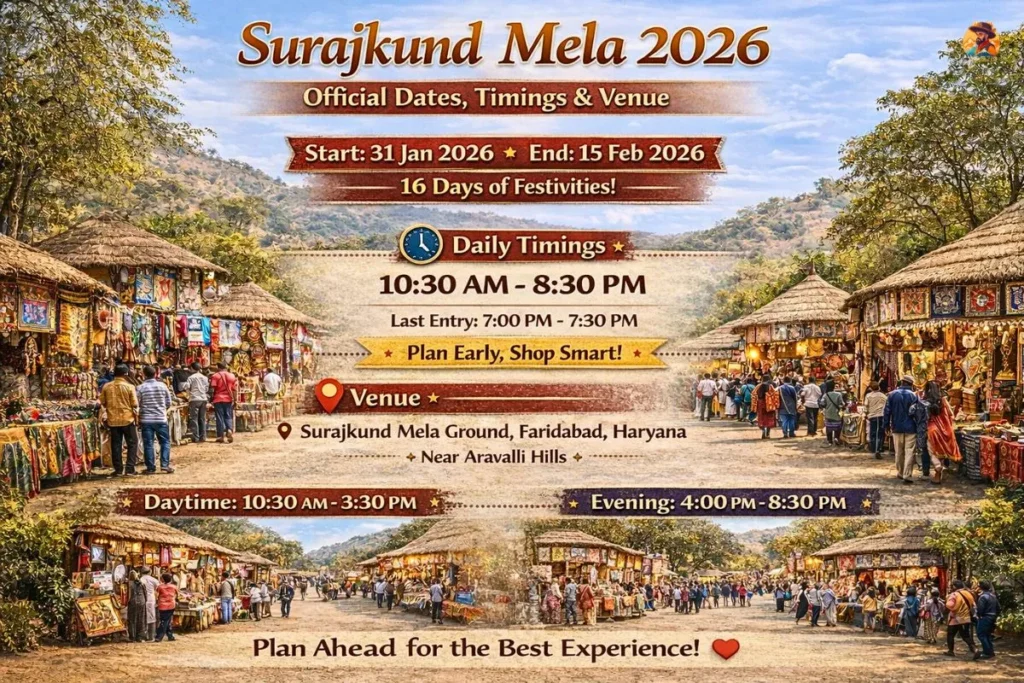
Below are the officially confirmed details for Surajkund Mela 2026. These facts should be locked before planning tickets, travel, or accommodation.
Surajkund Mela 2026 Dates
- Start Date: 31 January 2026 (Friday)
- End Date: 15 February 2026 (Sunday)
- Duration: 16 days of continuous celebrations, including weekends
The mela operates daily during this period without weekly breaks.
Official Timings & Entry Reality
- Daily Timings: 10:30 AM to 8:30 PM
- Last Entry: Usually between 7:00 PM and 7:30 PM, depending on crowd volume
Pro Tip:
Even though the mela officially closes at 8:30 PM, many artisans start packing their stalls by around 8:00 PM. If shopping is your priority, avoid planning entry during the last hour.
Venue & Location Details
- Venue: Surajkund Mela Ground, Village Lakarpur
- Location: Surajkund Road, Faridabad, Haryana, close to the Delhi-Faridabad border
The venue is set against the Aravalli Hills, which adds to the atmosphere but also means slightly uneven ground and longer walking distances. Comfortable footwear makes a noticeable difference here.
Day Visit vs Evening Visit: Quick Comparison
- Daytime (10:30 AM to 3:30 PM):
Better for serious shopping and photography. Natural light is stronger, crowds are relatively manageable, and craft details are easier to observe. - Evening (4:00 PM to 8:30 PM):
Better for the ambience and performances. The chaupals come alive with folk music and dance, but crowd density increases sharply, especially on weekends.
Timings and entry rules may adjust slightly due to crowd control or special programs, so planning with buffer time is always safer than relying on exact closing hours.
Surajkund Mela 2026 Theme: State and Country
The theme states that partner countries decide where most visitors spend their time and budget inside the mela. Knowing this in advance helps you prioritise stalls instead of covering everything randomly.
Theme States 2026: Uttar Pradesh & Meghalaya (Joint Themes)
For Surajkund Mela 2026, Uttar Pradesh and Meghalaya have been announced as joint theme states, each offering a very different on-ground experience.
Uttar Pradesh arrives as the most dominant and crowded zone this year. The state is strongly showcasing its One District One Product (ODOP) initiative, with 40-plus ODOP-focused stalls. Visitors looking for specific regional products usually start here. You can expect Firozabad glass bangles, Kannauj ittar and perfumes, Lucknow Chikankari, brassware, woodwork, and a wide textile range. Due to scale and familiarity, this zone remains busy throughout the day.
Meghalaya offers a sharp contrast in pace and mood. The pavilion focuses on tribal craftsmanship, including bamboo and cane products, handwoven fabrics, and natural home décor items. Cultural elements from the Khasi and Garo cohorts, including music and folk displays, give this zone a quieter, more grounded feel compared to Uttar Pradesh.
On-ground insight:
Visitors who enjoy calm browsing and home décor usually spend more time in the Meghalaya section. Those planning heavy shopping for textiles, gifts, or variety-based buying tend to stay longer in the Uttar Pradesh ODOP stalls.
Partner Country 2026: Egypt
Egypt is the official partner country for Surajkund Mela 2026, with a pavilion inspired by the Great Pyramids and the ancient temples of Luxor. The focus here is more visual and cultural than commercial.
Visitors can expect:
- Papyrus art and framed scrolls
- Egyptian leather products
- Traditional brass lamps and artefacts
Live cultural elements are a major highlight. Performances such as the Tanoura spinning dance and folk drumming usually take place at the main Chaupal or designated cultural stages, mostly during afternoon or early evening hours.
Visitor tip:
The timing of cultural performances at the Egypt pavilion is often not fixed. After entry, make sure to check the schedule board near the main Chaupal so you do not miss the Tanoura dance or folk drumming performances.
Atmanirbhar Craft Festival 2026: “Local to Global” Theme Explained
At Surajkund Mela, “Local to Global” is not just a slogan. For visitors, it directly affects what you buy, how authentic it is, and why prices vary from stall to stall.
What This Theme Means on the Ground
- Most stalls are run by registered artisans or craft collectives, not traders
- Products come from specific districts or craft clusters, not factories
- Small variations in colour, texture, or finish are common and expected
Expectation vs Reality:
Many visitors expect mall-like perfection. In reality, these variations usually confirm that an item is handmade.
Handmade vs Machine-Made: How to Identify
- Handwoven fabrics may feel slightly uneven to the touch
- Bamboo and wooden items show natural grain patterns
- Metal crafts may have minor polish differences
- Check the reverse side: In hand embroidery, you will usually see knots or loose threads at the back, which machine work does not have
I have noticed that first-time buyers often see these signs as flaws, while experienced visitors recognise them as authenticity markers.
Artisan Interaction: Why It Matters
One real advantage of the Atmanirbhar Craft Festival is direct interaction with artisans:
- You can ask where the product is made and how long it takes
- You can understand care, durability, and usage before buying
- You can compare quality across stalls without sales pressure
2026 Pro-Tip:
This year, many stalls feature QR codes and digital signage. By scanning them, you can watch short making videos or learn about the artisan’s journey. It works like a digital bridge between local makers and global buyers, and helps you judge authenticity more confidently.
Pricing Reality (Important to Know)
- Prices are not bargain-market cheap, especially for larger crafts
- Handmade work reflects time, skill, and transport costs
- Light negotiation is acceptable, mainly when buying multiple items
The Shopping Exit Strategy:
- Fragile Items: For Firozabad glassware or Meghalaya pottery, ask artisans to double-wrap items in newspaper. Bubble wrap is rarely available.
- Heavy Shopping: If buying brassware, carpets, or wooden décor, avoid metro shuttles.
- Best Exit Option: Book a cab and meet the driver at the designated pick-up point near Gate 1 / Silver Jubilee Gate.
- Reality Check: Metro crowds + large or fragile bags = high risk of damage.
My honest traveler note:
These products may cost more than street markets, but they usually last longer and feel more meaningful once you take them home.
Tickets & Booking: Price, Discounts & Official Apps (2026)
Surajkund Mela 2026 follows a digital-first ticketing system, and understanding ticket price, discounts, and the correct booking method in advance can easily save 30–60 minutes of waiting time at the venue.
Ticket Price (2026 – Official)
Ticket pricing depends on the day of your visit:
- Weekdays (Monday–Friday): ₹120 per person
- Weekends & Public Holidays: ₹180 per person
Weekend pricing is strictly enforced, and tickets are verified digitally at entry gates.
Discounts & Free Entry (Important 2026 Update)
- Students:
50% discount on weekdays only.
Original physical student ID is mandatory. - Older Citizens (60+):
In 2026, entry is free for most older citizens when tickets are booked via official platforms, subject to Aadhaar verification at the gate. - Disabled visitors & defence personnel:
Discounted or free entry based on on-ground verification.
Practical tip: Carry original physical ID even if digital verification is supported, as technical delays can occur.
Quick Comparison: DMRC Saarthi vs WhatsApp / BookMyShow (2026)
| Feature | DMRC Saarthi / Momentum App | WhatsApp / BookMyShow |
| Best For | Metro travellers | Cab users & quick booking |
| Setup Effort | App download required | Minimal / no app download |
| Ticket Type | Official QR code | Official QR code |
| Parking Info | Parking availability shown (2026) | Not shown |
| Speed | Fastest for metro users | Fastest for non-metro users |
| Ideal Use Case | Metro + shuttle combination | Direct entry / casual visitors |
If you are using the metro, DMRC Saarthi is best. If you want the fastest no-setup option, WhatsApp or BookMyShow works better.
How to Book Tickets Online (Fastest & Official Options)
BookMyShow
- App or website
- Suitable for cab or private vehicle users
- Instant QR-code ticket after payment
DMRC Saarthi / Momentum App (Official 2026 Method)
- Open DMRC Momentum (Saarthi 2.0) app
- Go to Fairs & Festivals
- Select Surajkund Mela 2026
- Choose date and ticket count
- Pay via UPI or available options
- Receive the QR code instantly
WhatsApp Ticketing (Hidden but Powerful 2026 Option)
DMRC has also enabled ticket booking via WhatsApp.
- Send “Hi” to the official DMRC WhatsApp bot
- Follow the prompts to get a QR-code ticket
- No app download required
This option is useful for visitors who want the fastest booking with minimal setup.
Metro Station Counter Option (Offline Tickets – 2026)
If you prefer offline tickets, DMRC sells physical Surajkund Mela tickets at selected Delhi Metro stations through dedicated customer care counters.
- Stations: Rajiv Chowk, Kashmere Gate, Central Secretariat, Badarpur Border, Sarai
- Timings: 9:00 AM – 6:00 PM (during mela dates)
- Why useful: Direct entry to security check, saves ~30 minutes of queue time
Available only during 31 Jan – 15 Feb 2026.
QR Code Entry: Important Reality Check
- QR code scanning is mandatory
- Take a screenshot of your ticket in advance (network issues are common)
- Keep phone brightness high and battery charged
- A power bank is strongly recommended
Last Entry Warning (Read Carefully):
Your digital ticket does not guarantee entry if you arrive after the gates close.
On busy days, entry may stop between 7:00 PM and 7:30 PM, even though the mela officially closes at 8:30 PM.
Which Booking Method Works Best?
- Metro users: DMRC Saarthi / Momentum app or WhatsApp
- Cab or car users: BookMyShow
- Weekends & evenings: Online booking is strongly recommended
- Early weekday mornings: Counter tickets may work, but digital booking remains safer
Final Ticketing Verdict (2026)
For Surajkund Mela 2026, booking tickets online via official DMRC or authorised platforms is the most reliable way to avoid queues, parking stress, and last-minute confusion.
Best Day & Best Time to Visit Surajkund Mela 2026
After visiting Surajkund Mela across different editions, one thing is clear: the right timing decides whether the mela feels enjoyable or exhausting. In 2026, this difference is even sharper due to curated performances and crowd control rules.
Weekday vs Weekend (2026 Reality)
Weekdays (Monday to Friday)
- Comparatively lighter crowds till the afternoon
- Easier movement between theme pavilions
- Better interaction with artisans at stalls
Best for: families, older visitors, first-time travelers, and serious shoppers.
Weekends (Saturday, Sunday, holidays)
- Heavy footfall after 3:00 PM
- Slower movement and longer security checks
- Major cultural events and theme-state nights
Important 2026 update:
Special performances such as Uttar Pradesh and Meghalaya theme nights, along with Bollywood and Sufi concerts by artists like Papon or Mame Khan, are usually scheduled only on weekends.
Morning vs Evening: What Works Best
Morning (10:30 AM to 2:30 PM) – Best for Shopping
- Stalls are freshly set, and artisans are more energetic
- Natural daylight shows the true colours of fabrics, especially UP’s Chikankari and Meghalaya’s silk
- Washrooms and food stalls have shorter queues
Crowd tip:
This time suits school groups and families, and walking feels less tiring.
Evening (4:00 PM to 8:30 PM) – Best for the “Vibe”
- The mela lights up beautifully after sunset
- Main Chaupal hosts grand cultural shows, folk dances, Sufi nights, and Egypt’s Tanoura dance
- In 2026, lighting will be designed to be selfie-friendly, especially near the main gates and the Egypt pavilion
Reality check:
Crowd density increases nearly three times in the evening. Walking fatigue becomes heavier, and security checks slow down.
Pro Tip:
If performances are your priority, enter by 3:00 PM. Late entry often means standing near the back with limited seating at the Chaupal.
Important Entry Timing Note (2026)
Although the official closing time is 8:30 PM, entry may stop after 7:00 PM on busy days due to security and crowd control measures. Planning a late entry is risky, especially on weekends.
Who Should Visit When (Quick Guidance)
- Families with children: Weekday late mornings
- Older visitors: Weekday mornings or early afternoons
- Photographers: Morning for craft details, early evening for lighting and stage shots
- Performance lovers: Weekend visits with early entry
My honest traveler note:
This looks manageable online, but entering late in the evening often feels far more tiring than expected.
Pause here and take a breath. Choosing the right time often decides whether the Surajkund Mela feels memorable or overwhelming.
Surajkund Mela 2026 Mein Kab Lagega? (Date for Hindi & Voice Search Users)
If you are searching “Surajkund Mela 2026 mein kab lagega”, here is the official and confirmed answer:
Surajkund Mela 2026 will be held from 31 January to 15 February 2026.
The mela takes place daily at Surajkund Mela Ground, Faridabad, Haryana. Visitors can plan their visit on any day within this period, although weekends usually see heavier crowds.
Quick clarity for first-time visitors:
- The mela runs for multiple days, not just one date
- You can visit on any weekday or weekend
- Weekdays are generally less crowded than weekends
This section is added specifically to answer Hindi and voice search queries clearly, without changing the overall language of the article.
How to Reach Surajkund Mela 2026 (Metro, Cab & Parking Reality)
Reaching Surajkund Mela looks easy on Google Maps, but the last stretch decides your real comfort. In 2026, metro connectivity and official transport support have improved, but planning still matters.
Best Metro Stations (2026 Update)
The Delhi Metro Violet Line remains the most reliable way to reach Surajkund Mela.
- Sarai Metro Station (Violet Line):
In 2026, this station will have emerged as a less crowded and faster option. Traffic congestion is usually lower here compared to Badarpur, making last-mile travel smoother. - Badarpur Border Metro Station:
Still widely used and well connected, but expect heavier crowds and traffic pressure, especially on weekends.
On-ground insight:
If you want a calmer exit and quicker auto availability, Sarai Metro Station often feels easier than Badarpur this year.
Last-Mile Options: Auto, E-Rickshaw & Official Shuttle
From metro stations, a short last-mile ride is unavoidable.
- Auto-rickshaws and e-rickshaws are available throughout the mela hours
- Prices fluctuate slightly during evening peak time
2026 Special Update:
Haryana Roadways is operating official shuttle buses from the Badarpur Metro Station to the Surajkund Mela.
- Fare: ₹20 per person
- Advantage: Cheapest and most regulated option
- Limitation: Can get crowded during peak evening hours
Practical note:
Walking the entire stretch looks short online, but uneven ground and crowd flow make it tiring. Saving energy early helps later.
Reaching by Cab (Uber / Ola / Private Taxi)
Cabs are convenient for weekday mornings and visitors travelling with family.
- Drop points may shift due to traffic control
- Evening drop-offs usually involve a short walk
- Return cabs during peak hours may take time
Driver tip:
Ask the driver to drop you near Silver Jubilee Gate. It generally offers easier pedestrian access.
Parking Reality (Read This Carefully)
Parking is available, but expectations must stay realistic.
- Parking zones are officially labelled IA, 2B, 3D, etc.
- These labels are searchable on Google Maps, which helps navigation
- Parking fills up quickly on weekends and event nights
Important reality:
If you arrive late, you may need to park 1–1.5 km away from the entry gate.
Car user advice:
Search for “Surajkund Parking IA” on Google Maps and try to arrive before 11:30 AM.
2026 Update: All official parking zones support FASTag payments, making entry and exit faster.
Quick Decision Guide (2026 Update)
- Fastest & cheapest: Metro (Badarpur) + official shuttle bus (₹20)
- Least crowded metro exit: Sarai Metro Station + auto
- Using a car: Reach early and follow the parking zone labels
- Using cabs: Drop near Silver Jubilee Gate, expect a short walk
My honest traveler note:
This part looks simple online, but the final fifteen minutes often decide how tired you feel inside the mela.
Entry Gates, Security Check & Allowed Items (2026 Guide)
Your experience at Surajkund Mela begins at the entry gate, and small mistakes here often cause unnecessary stress. In 2026, gate management and security checks are better organised, but knowing the basics in advance saves time and energy.
Entry Gates (Theme-Based Naming – 2026)
Surajkund Mela 2026 uses theme-wise named gates, aligned with traffic flow and parking zones.
- Gate 1 – Shekhawati Gate
Best for visitors arriving from Delhi and Gurgaon. Morning entry is usually smoother here. - Gate 2 – Jharkhand / Kerala Gate
More convenient for visitors coming from Faridabad and nearby areas. - Gate 3 – Dhanteshwari Gate
Preferred for VIP entry and visitors using Parking Zone 3D. Security checks are stricter but organised.
Choosing the correct gate can easily save ten to fifteen minutes of walking.
Security Check & Entry Timing Reality
- Official mela entry time: Open till 8:30 PM
- On busy days: Entry may stop earlier, sometimes around 7:00 PM, due to security and crowd-control measures
Security waiting time:
- Weekday mornings: 5–10 minutes
- Weekend evenings: 15–30 minutes, occasionally more
Arriving earlier reduces both queue time and physical fatigue.
Allowed & Restricted Items (Important for 2026)
Strictly prohibited:
- Drones (not allowed for common visitors under any condition)
Discouraged items:
- Laptops, which may lead to extra screening or entry denial
Allowed and recommended:
- Power banks (highly recommended for QR tickets and photography)
- Mobile phones and small cameras
- Small handbags or sling bags
Sealed water bottles are usually allowed, but restrictions can tighten on high-security evenings. Drinking water points are available inside the mela.
Medical & Security Assistance (2026):
- First-Aid Booths: Located near the Main Chaupal and major activity zones. Look for “Medical Assistance” signage if you feel fatigued or dehydrated.
- Lost & Found / Police Help Desk: Haryana Police control room and Lost & Found booth located near Gate 1 (Shekhawati Gate).
- Security: The entire mela ground is under CCTV surveillance with frequent patrols. Volunteers in neon vests are positioned at all major junctions for quick help.
Pause here and take a breath. Once inside, the experience shifts quickly.
What Your Day at Surajkund Mela Will Actually Feel Like
Surajkund Mela is not difficult, but it is physically long. The scale becomes clear only after you start moving between pavilions.
You will walk a lot on hard, uneven ground. Crowd noise builds steadily near theme zones and Chaupals, mixing music, announcements, and conversations. Dust is noticeable during dry afternoons, especially in high-footfall corridors.
By evening, even short distances feel heavier. This is normal and shared by most visitors.
A small but meaningful 2026 detail is the QR-code signage placed at many stalls. These codes go beyond payments. Scanning them often reveals the artisan’s story or craft process. Doing this while waiting for food or tea adds depth without adding effort.
Food at Surajkund Mela: Regional Cuisines You Should Not Miss
Food is a core part of the Surajkund experience, especially around the main Chaupal, where aromas, music, and crowd energy peak together.
1. From Uttar Pradesh (Theme State):
- Banarasi Thali for a complete meal
- Awadhi Kebabs, best enjoyed in the evening
- Agra Petha is light and easy to carry
2. From Meghalaya (Theme State):
- Jadoh, a comforting rice-based dish
- Bamboo shoot snacks are simple and earthy
3. From Egypt (Partner Country):
- Koshary, Egypt’s national comfort food
- Authentic Baklava, ideal for sharing
As temperatures drop, chai stalls become natural pause points. Holding a warm cup while folk music plays nearby is one of those quiet moments that balance the day.
Festival pricing reality:
Prices are higher than those in regular street markets. Sampling selectively works better than heavy ordering.
February Weather Tip (Read This Before You Go)
February afternoons usually feel pleasant, but after sunset, cold and tiredness increase together. Walking distances add up, and uneven surfaces feel harder on the body.
Pro Tip:
Wear comfortable footwear with good grip and cushioning.
Carry a light jacket or layered clothing, even if the day feels warm.
Essential Amenities Reality Check:
- Drinking Water: Free drinking water stations are available across zones and are regularly refilled. Carry your own bottle and use refill points to save money and reduce plastic waste.
- Washrooms: In 2026, the number of mobile toilet vans increased. However, the washrooms near the Food Court can have 10–15 minute queues on weekends.
- Pro Tip: Washrooms near Uttar Pradesh and Meghalaya theme pavilions are usually cleaner than those near food courts and Chaupals.
This simple preparation often decides whether the evening feels enjoyable or exhausting.
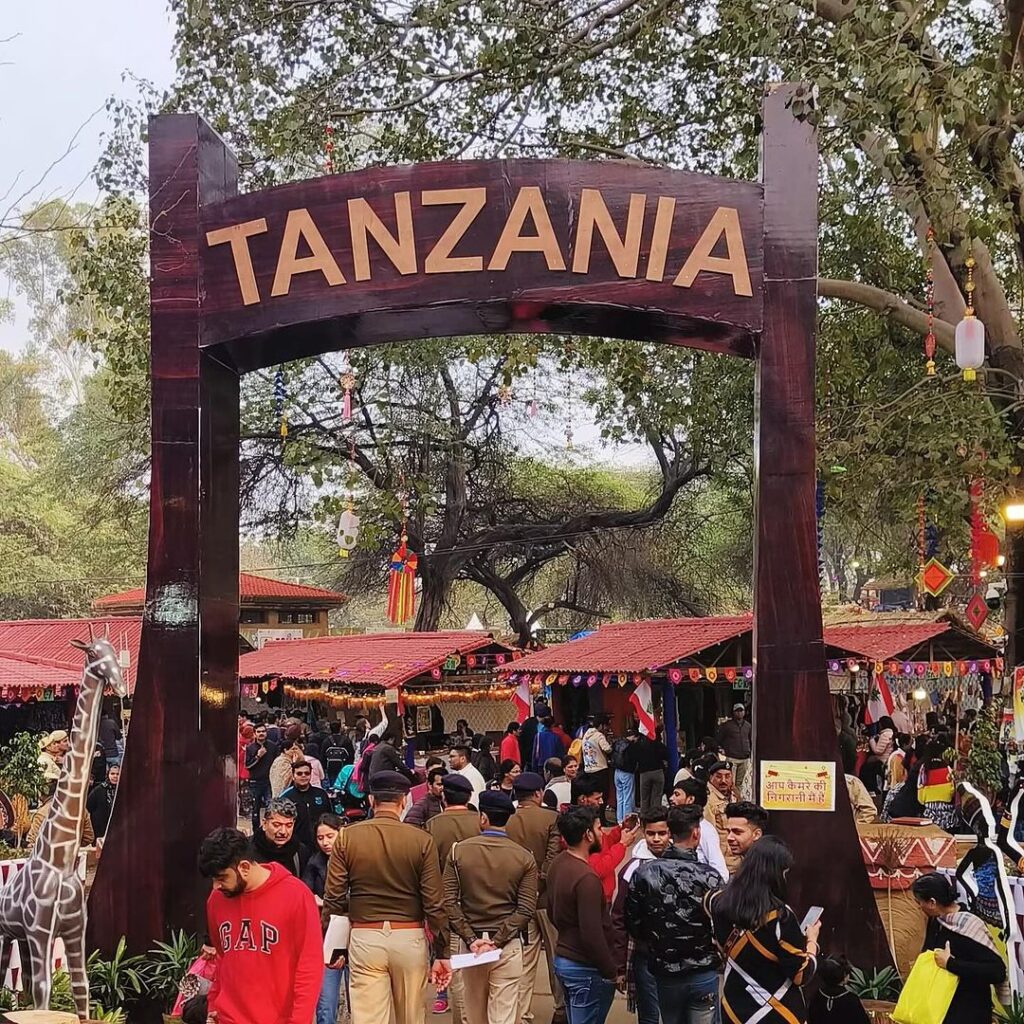
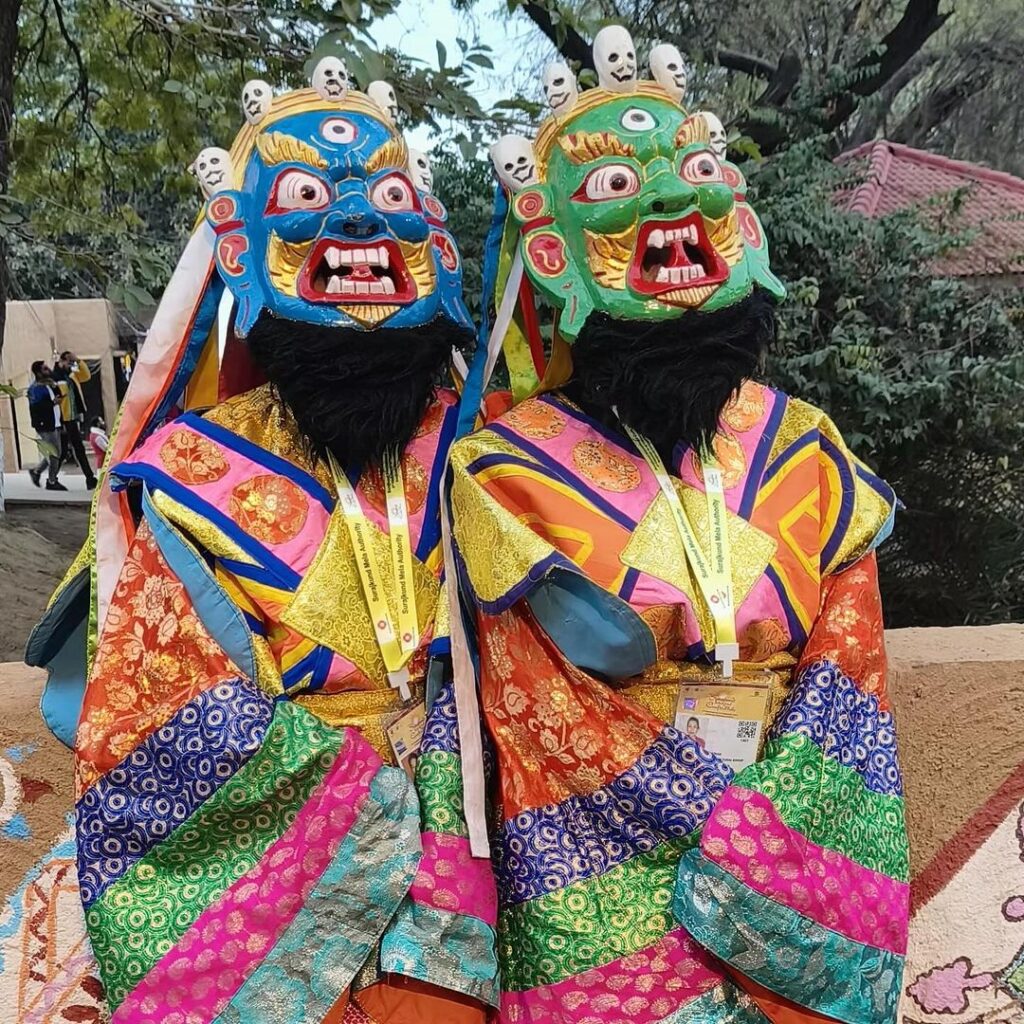
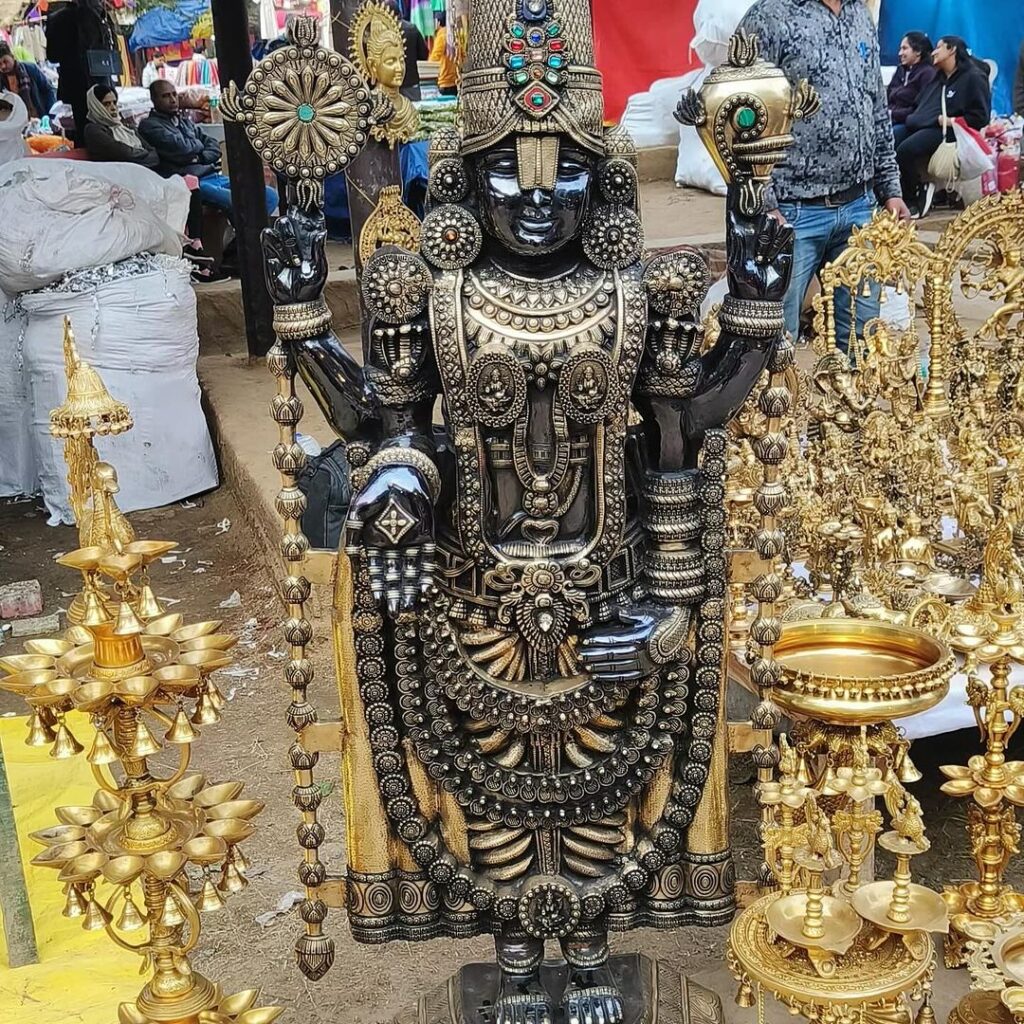
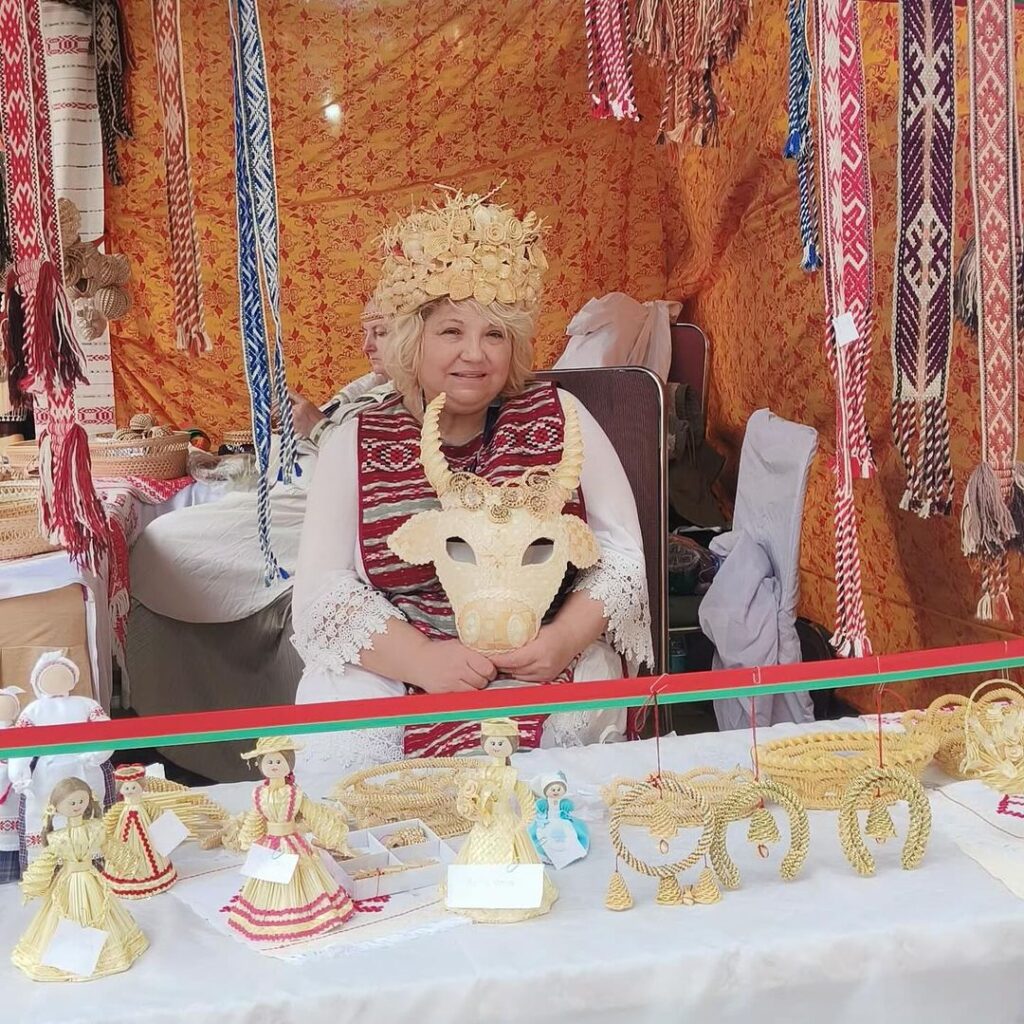
Surajkund Mela Photos



What People Assume vs What Actually Happens at Surajkund Mela
This is where expectations quietly decide satisfaction. Most disappointment at Surajkund Mela does not come from the event, but from assumptions that do not match the ground reality.
People assume:
“It is a small fair. I will cover everything in two hours.”
What actually happens:
The mela is spread across a large area with uneven ground. Walking alone takes time, and two hours usually feel rushed rather than complete. A relaxed visit realistically needs at least half a day.
People assume:
“Evenings will be calm and romantic with lights and music.”
What actually happens:
Evenings are visually beautiful, but also the most crowded. Noise levels rise, queues slow down, and walking feels heavier. The vibe is strong, but energy drains faster than expected.
People assume:
“Parking will be close to the gate.”
What actually happens:
Parking exists, but it is rarely near the entrance on busy days. A fifteen to twenty-minute walk from parking zones is common, especially on weekends and special event nights.
People assume:
“Shopping will be quick. I will just pick a few things.”
What actually happens:
In 2026, stalls will be divided into six color-coded theme zones. Finding your way back to a stall you liked later can feel like finding a needle in a haystack. If you genuinely like something, it is wiser to buy it when you see it.
People assume:
“Food will be cheap like local street markets.”
What actually happens:
Food quality is good, but prices follow festival rates. Portions are fair, yet planning a small food budget in advance avoids irritation later.
People assume:
“Digital payments will work everywhere.”
What actually happens:
UPI works at most stalls, but network issues do happen during peak crowd hours. Carrying a small amount of cash still helps.
My honest traveler note:
Surajkund Mela looks simple online, but it feels physically demanding in real life. When expectations are realistic, the experience becomes far more enjoyable.
Surajkund Mela 2026 Stall Booking: Process, Price & Eligibility
Stall booking for Surajkund Mela 2026 is strictly regulated and authenticity-driven. In recent editions, casual applications have reduced sharply. Understanding eligibility, pricing, and the approval process is critical before applying.
Who Can Apply for a Stall (Eligibility – 2026 Rules)
Surajkund Mela prioritizes genuine artisans and verified vendors.
Eligible applicants include:
- Individual handicraft artisans
- Craft clusters, cooperatives, SHGs, NGOs
- State emporiums and government-recognised bodies
- Traditional food vendors (commercial category)
Mandatory for handicraft artisans (2026):
- Pehchan I-Card issued by the Ministry of Textiles
Without this card, selection is not possible, regardless of craft quality.
2026 Theme Focus (UP):
- 40 special stalls reserved under “One District One Product (ODOP).”
These are pre-allocated for verified districts and products, including glassware, textiles, metal crafts, and perfumes.
Online Stall Booking Process (2026 Digital Update)
All stall applications are routed through official Haryana Government / Haryana Tourism portals.
Step-by-step process:
- Register on the official stall booking portal using Pehchan I-Card details
- Fill in artisan or organisation information carefully
- Upload required documents and high-quality product images
- 2026 rule: Upload a 30-second video showing yourself making the craft (authenticity verification)
- Select the correct craft or food category
- Submit the application and save the reference number
Important:
Submission does not mean allotment. Every application goes through scrutiny.
Food Stall Booking (Commercial Vendors – 2026 Update)
Food stalls follow a separate commercial process.
2026 rule (mandatory):
- Food stalls were allotted through e-Auction (December 2025)
- Earnest Money Deposit (EMD): ₹15 lakh
- Average turnover requirement: approx. ₹60 lakh
This category is meant only for established vendors, not small home-based sellers.
Approval Timeline (What to Expect)
- Application submission window: Opens months in advance
- Verification & scrutiny: 2–4 weeks
- Final confirmation: Shared via official email or portal notice
On-ground reality:
Incomplete documents or unclear craft proof are the biggest reasons for delays.
Stall Booking Price Range (Indicative)
Prices vary by category, location, and footfall potential.
- Handicraft stalls: Approx. ₹25,000 to ₹1,00,000+
- Food stalls: Significantly higher due to utilities and the auction model
- Prime locations: Near Chaupals or theme zones cost more
Exact rates are finalised by the mela authority each year and may change.
Common Reasons for Stall Rejection
Most rejections follow predictable patterns.
- Missing or invalid Pehchan I-Card
- Product appears machine-made or mass-produced
- Poor documentation or unclear photos
- Failure to upload the craft-making video
- Oversubscription in a particular craft category
- Late or incomplete application
Pro insight:
Clear, handmade proof matters more than long descriptions.
My honest organizer note:
Surajkund Mela now filters hard. Artisans who prove authenticity visually and document their craft properly stand a far better chance than those who rely only on forms.
Final Expert Checklist (Before You Leave for Surajkund Mela 2026)
Use this as a last-minute final check. It prevents the most common visitor mistakes.
- Digital Ticket: Save a screenshot of your QR code (network issues happen)
- Footwear: Wear sports shoes or flats only. The mela spreads over 40+ acres
- Identity Proof: Carry original ID for student or older citizen discounts
- Power Bank: QR scanning and photos drain battery quickly
- Cash (₹500–₹1,000): UPI works, but cash helps during peak hours
- Weather Layer: Evenings get cold fast. Carry a light jacket
How Much Time & Budget You Actually Need (2026 Edition)
The Surajkund Mela 2026 spans approximately 40 acres, so your experience depends on the time and budget you allocate. Based on the 2026 digital-first setup, this is the most realistic planning breakdown.
Time Planning (2026 Reality):
- 3–4 hours: Suitable only for weekday visits with entry at 10:00 AM to 8:00 PM. Enough to visit the theme state pavilions (Uttar Pradesh and Meghalaya), have one meal, and do limited shopping.
- 6–8 hours: The most recommended duration. Allows relaxed browsing of craft stalls, food court exploration, and watching evening Chaupal performances such as Egypt’s Tanoura dance or Sufi nights.
- 8+ hours: Required for photography-focused visits, as morning light is best for crafts, and evening light after 5:00 PM suits stage shows and pavilion lighting.
Ideal Budget (Per Person – 2026):
| Expense Head | Estimated Cost | Remarks |
| Entry Ticket | ₹120 – ₹180 | 50% discount for Students and Older Citizens |
| Transport | ₹50 – ₹300 | Metro + Shuttle (₹20) is the cheapest |
| Food & Drinks | ₹400 – ₹800 | Festival-priced food stalls |
| Rides & Activities | ₹200 – ₹500 | Ferris wheel, camel rides, etc. |
| Total (Base) | ₹800 – ₹1,800 | Excludes major shopping |
Family vs Solo Planning:
- Solo visitors or couples: Usually manage within ₹1,200–₹2,000 and can cover the main highlights in 3–4 hours if shopping is limited.
- Families (4 people): Due to rides, frequent food breaks, and slower movement, the budget typically reaches ₹5,000–₹7,000 (excluding shopping). A minimum of 6 hours should be planned.
Special Note for 2026:
Students and older citizens should carry original physical ID proof. Digital verification is supported, but physical cards help avoid delays if technical issues occur at entry gates.
Where to Stay Near Surajkund Mela 2026
Choosing accommodation for Surajkund Mela 2026 depends more on location logic and connectivity than on hotel brand. During peak mela days, hotels near Surajkund, Faridabad, and South Delhi fill up quickly, so planning in advance is essential.
Luxury and mid-range options near the venue:
Hotels located close to Surajkund Mela Ground reduce travel time after evening cultural programs. Vivanta Surajkund (Taj) and Radisson Blu Faridabad are among the closest premium options. Hotel Rajhans (Haryana Tourism) is located very near the mela venue and usually offers executive rooms starting around the mid-range price bracket. These options suit visitors staying multiple days or returning late in the evening.
Budget and value stay:
For lower budgets, Haryana Tourism properties such as Sunbird and Hermitage Huts provide economical rooms and are located close to the mela gates, though availability is limited.
Another practical option is staying in South Delhi along the Violet Line Metro corridor, including areas like Jasola, Nehru Place, and Sarai. These locations offer better hotel availability and allow direct metro access to Surajkund within a predictable travel time.
Distance and travel logic (2026):
- Staying within 5–8 km of the mela ground is ideal for auto or short cab travel
- Road traffic on the Surajkund–Badarpur stretch becomes heavy between 5:00 PM and 8:00 PM
- If staying farther than 8–10 km, the Delhi Metro (Violet Line) is more reliable than cabs
- Faridabad sectors such as 15, 16, or 21 offer auto connectivity, but weekend travel time increases significantly
Booking advice for 2026:
- Hotel prices typically increase 30–50 percent from mid-January
- Booking by late December or early January provides better rates and availability
- Nearby hotels sell out first on weekends and international performance days
- Some hotels offer mela packages, including breakfast or shuttle service to the main gates
Selecting accommodation based on distance, metro access, and return timing ensures smoother travel during Surajkund Mela days.
Is Surajkund Mela 2026 Worth Visiting? Who Should Go & Who Can Skip
Surajkund Mela 2026 is worth visiting only if your expectations align with the on-ground reality. The mela is large, crowded, and walking-intensive, but culturally rich and well managed.
Worth Visiting If You Are
- Families:
Recommended if you plan a 6–8 hour visit. Kids’ zones, open-air Chaupals, food courts, and cultural programs make it a good family outing. Arriving early helps avoid long food and seating queues after 2:00 PM. - Craft Lovers:
Strongly recommended. The theme states Uttar Pradesh and Meghalaya showcase authentic ODOP products, including Chikankari, pottery, bamboo crafts, and handloom items sold directly by artisans. - Cultural Explorers:
The Egypt (Partner Nation) pavilion stands out in 2026 with international performances and traditional crafts, offering global cultural exposure within NCR.
May Not Suit You If You Are
- Older Visitors with Mobility Issues:
The ground is uneven and spread across a wide area. Although e-rickshaws operate inside, they do not cover all internal lanes.
2026 note: Entry is free for olders (60+), but weekday mornings are the most manageable. - Short-Trip Visitors (2–3 hours only):
Parking, entry checks, and internal walking consume significant time. A rushed visit often feels tiring rather than enjoyable. - Crowd-Averse Travelers:
Weekends are heavily crowded, with Sundays seeing nearly 1 lakh or more visitors. Quiet exploration is difficult during peak hours.
Quick Decision Table (2026 Summary)
| Factor | Go For It | Better to Skip |
| Crowd Tolerance | Comfortable with crowds | Needs quiet spaces |
| Walking Ability | 5,000+ steps comfortably | Mobility limitations |
| Best Visiting Time | Weekdays, 10:30 AM entry | Weekend afternoons |
| Main Interest | Crafts, food, culture | Quick shopping only |
| Time Available | 6 hours or more | Less than 3 hours |
Bottom line:
If you enjoy crafts, culture, and are prepared for walking and crowds, Surajkund Mela 2026 is worth your time. If you have limited time or low crowd tolerance, a short weekday visit or skipping altogether is the smarter choice.
Conclusion
Surajkund Mela 2026 is not a quick stop or a casual walk-through. It is a large, crowded, and walking-heavy cultural festival that rewards visitors who plan realistically. If you arrive with clear expectations about time, crowds, and costs, the experience feels rich and meaningful rather than exhausting.
For first-time visitors, the key is simple preparation. Choose the right day, book tickets in advance, wear comfortable footwear, and plan your visit around what matters most to you, whether crafts, food, or cultural performances. Trying to see everything usually leads to fatigue. If you treat Surajkund Mela as a slow cultural experience rather than a checklist, it becomes far more enjoyable. Go prepared, pace yourself, and let the mela unfold naturally around you.
Destination experts and backpackers can explore our write for us travel India contributor guidelines.
FAQs – Surajkund Mela 2026
Surajkund Mela 2026 will be held from 31 January to 15 February 2026.
The mela remains open from 10:00 AM to 8:00 PM. On very busy days, entry gates may close around 7:00 PM due to security and crowd control.
Ticket prices are ₹120 on weekdays and ₹180 on weekends and holidays.
Yes. In 2026, older citizens aged 60 and above are allowed free entry, subject to showing a valid physical ID proof such as an Aadhaar card. Policies may vary slightly at entry gates.
The nearest metro stations are Badarpur Border and Sarai on the Violet Line. In 2026, the Sarai Metro Station is considered more hassle-free due to better crowd management.
Internet access is not mandatory at the entry gate. Due to frequent network issues inside the mela, it is strongly advised to keep a screenshot of your QR ticket.
The theme states for 2026 are Uttar Pradesh and Meghalaya (joint theme). The partner country is Egypt, with its pavilion located near Gate No. 1.
Yes. Wheelchairs and e-rickshaws are available for older and disabled visitors, mainly near Gate No. 1, subject to availability.
Yes. Students are eligible for a 50 percent discount, but original physical student ID cards are mandatory. Digital IDs may not always be accepted at entry points.
Yes, but only partially. Due to the large size of the mela, a 6–8 hour visit is required for a comfortable experience. A short 2–3 hour visit usually feels rushed.
Mobile photography and handheld digital cameras are allowed and encouraged. However, professional shoots, tripods, and drones require prior written permission from the Surajkund Mela Authority (Media Cell).
No, pets are strictly not allowed inside the mela grounds due to the large crowds and noise levels.
Last updated on 31 January 2026

Hi, I am Manoj Kumar, the voice behind Trip Guru Go. I am a travel researcher, SEO content expert, and founder of this blog. With over 12 years of experience in digital travel research, I simplify complex destinations into real, helpful, and trustworthy guides.
Every article I write is backed by local sources, real traveler experiences, and deep fact-checking. Even if I have not visited every place personally, I never share anything without strong on-ground insight.
I do not sell travel packages or promote anything paid. My only goal is to help you travel smarter — with zero fluff, 100% honesty, and a deep focus on your safety and experience.