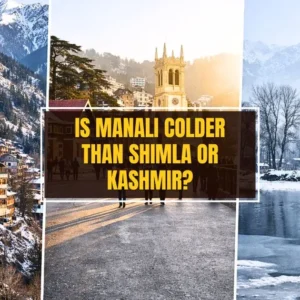
What to eat, buy and explore in Manali becomes clear the moment I arrive in the cold mountain town.
The first thing I notice in Manali is the sharp white of snowy mountains catching the soft morning light. Cold air carries the smell of steaming momos and buttered Maggi, mixing with wood smoke drifting from small roadside stalls.
As I walk toward Mall Road, my shoes crunch lightly on grit, and shopkeepers pull woollen shawls into neat piles. Old Manali feels slower to me, with quiet cafés, hand-painted signs, and the faint sound of the Beas flowing somewhere below.
Many travelers assume Manali is only about views and photographs. What I experience instead is a grounded daily life where food warms me from the inside, shopping solves real cold-weather needs, and culture shows up in simple habits rather than performances.
In this guide, I share my understanding of what to eat, what to buy, and what to explore in Manali with real expectations. I look at food, markets, and local culture the way I experience them as a first-time visitor settling into the mountain pace.
Why Manali Feels So Special to First-Time Visitors

Most first-time travelers think Manali will feel crowded, noisy, and rushed because it appears that way online. What surprises them is how quickly the town slows everything down, including my own pace.
Snowy Mountains feel close and quiet rather than distant photo points. Cold air, soft light, and long pauses between sounds quietly shape how I walk, eat, and spend my day here.
What actually makes Manali famous goes beyond views and shows up in everyday mountain life:
- Natural mountain setting that controls weather, routines, and market timings
- The Himachali lifestyle that feels slow, practical, and grounded
- Local behavior that stays calm and polite, even during busy seasons
- Peaceful lanes beyond Mall Road that feel lived-in rather than touristic
Many visitors assume Mall Road shows the real Manali. In reality, it is only the busiest layer. A short walk away, the town feels calmer, residential, and emotionally lighter.
This gap between expectation and reality is why Manali stays special for first-time visitors. When I slow down early, the place feels welcoming instead of overwhelming.
For deeper clarity on this balance, I also refer to What Makes Manali Famous, Beautiful & Worth Visiting.
Famous Food in Manali You Must Try

Many first-time visitors underestimate the food in Manali and regret it by evening. Cold weather quietly increases hunger, and light meals leave the body tired faster than expected. Over time, I have learned that food here is not about variety but about warmth and balance.
Simple dishes matter because they support long walks, shopping, and constant exposure to mountain weather.
Manali Famous Food Siddu

Siddu is the one local food I always recommend trying without hesitation. It is a steamed wheat bread, lightly stuffed, and served hot with ghee or chutney.
The texture feels soft and dense, and the steam warms the hands before the first bite. Locals usually eat Siddu slowly while standing near the stall, treating it as proper food rather than a snack. It is easy to find around Mall Road and nearby local eateries, especially by late afternoon.
Online photos make Siddu look basic, but in real cold weather, it feels deeply satisfying.
Famous Street Food in Manali

Street food becomes active in the evening when temperatures drop, and people step out after resting. Eating feels quick, warm, and social at this time.
Common evening street food choices include:
- Momos for a hot, filling bite
- Maggi cooked thicker and heavier than usual
- Thukpa, when warmth matters more than spice
- Sweet corn for light snacking while walking
Crowds stay patient, queues move slowly, and most people eat while standing in jackets and gloves.
Manali Famous Sweets and Bakery Items

Cold weather increases sweet cravings, but desserts in Manali stay simple and comforting.
Popular choices include:
- Mittha, a traditional Himachali sweet with dry fruits
- Tibetan desserts that feel light and warm
- Local bakery items are commonly paired with evening tea
These are not elaborate desserts, but they suit the climate well.
Food Experience Around Mall Road and Old Manali
Mall Road works best for quick street food and short stops between shopping walks. Old Manali feels slower, with cafés designed for sitting longer and warming up.
Street food stays budget-friendly and practical. Cafés cost more, but they offer heat, seating, and recovery time from the cold. Mixing both usually works best during the trip.
For deeper clarity on local food habits, I also refer to What is the Main Food of Manali?
Mini Summary
Manali food is simple, filling, and designed for cold weather. Street food provides quick warmth, while cafés offer slow comfort and a place to rest.
Manali Famous Food Places Travelers Actually Enjoy

I have noticed that most travelers search for famous restaurant names before reaching Manali. From my experience, food places here work best when chosen by area, walking fatigue, and cold weather rather than popularity alone.
Different parts of Manali serve different food needs, and understanding this makes eating simpler and less tiring.
Mall Road food zones
- Best for quick, vegetarian-friendly street food
- Budget-friendly and easy to combine with evening walks
- Crowded after sunset, but movement usually stays manageable
Old Manali cafés
- Better for long sitting and warming up
- Useful when walking fatigue starts showing
- Slightly higher prices, but comfort and seating matter in cold weather
Local food near the Hidimba area
- Simple vegetarian meals with fewer crowds
- Calmer atmosphere compared to Mall Road
- Works well for afternoon breaks between sightseeing
Quick eats near the Tibetan Market
- Popular for momos and light meals
- Easy to pair with shopping walks
- Limited seating, so food stops stay short
When I choose where to eat in Manali, I usually focus on:
- Easy availability of vegetarian food
- Places that fit within my daily budget
- Warm seating when the cold feels uncomfortable
- Food stops that do not add extra walking
Most visitors look for one single “best” food area. What I have experienced is that in Manali, the best place to eat changes with time, temperature, and how tired the body feels.
What to Buy in Manali – Local Shopping Reality

Most travelers assume Manali shopping is about souvenirs and impulse buying. In reality, I experience shopping here as practical first, shaped by cold weather, walking comfort, and how much I can realistically carry.
Markets look colorful, but the smartest purchases for me are the ones that keep me warm during the trip and still feel useful once I return home.
Shopping Items Women Usually Enjoy in Manali
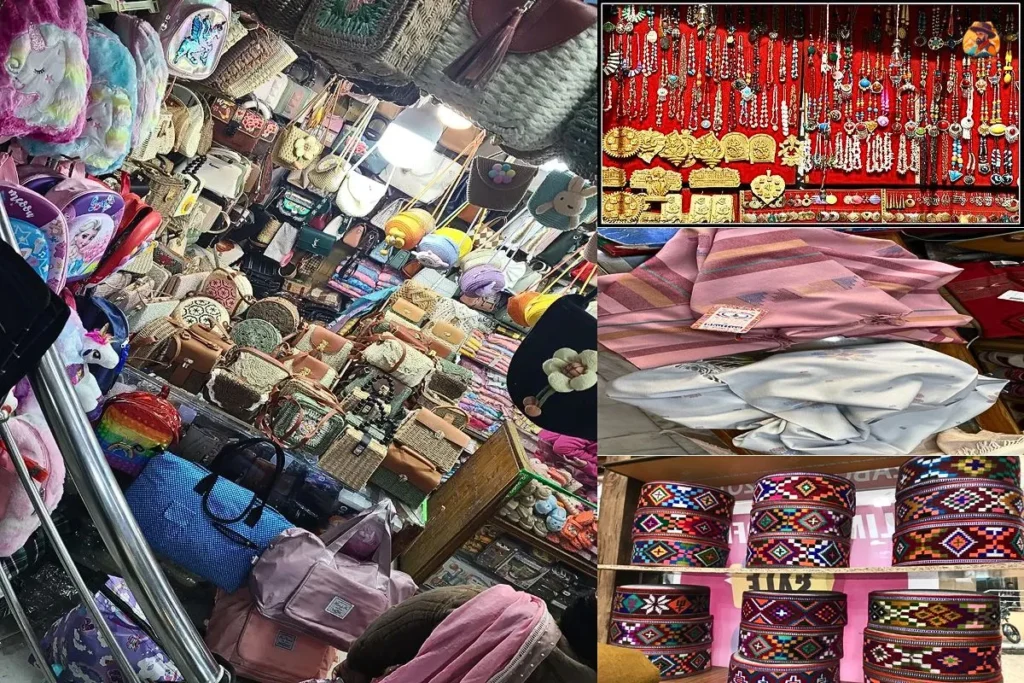
I notice that women travelers often look for items that balance warmth with everyday usability. From what I see in local markets, these are picked up most often:
- I notice woollen shawls that provide warmth without feeling bulky
- I see handmade jewellery with simple mountain and Tibetan designs
- I observe bags and winter fashion items that suit cold weather use
These items feel easy to pack, easy to gift, and practical even after the trip ends.
Shopping Items Men Usually Buy in Manali

I see that men usually shop with function and comfort in mind, especially when temperatures drop suddenly.
- I see men picking jackets and hoodies for cold mornings and evenings
- I notice caps and gloves getting used immediately during the trip
- I observe basic trekking or winter gear bought for short hikes or snow walks
Buying these locally often makes sense to me because the weather needs to become clearer after arrival.
Manali Famous Shopping Items Loved by Travelers

Some items appeal to almost every first-time visitor, regardless of age or travel style.
- I notice woollen clothes designed for mountain conditions
- I see dry fruits packed for travel and gifting
- I observe handicrafts reflecting Himachali and Tibetan influence
- I notice Tibetan items are commonly found across local markets
These products are widely available, but I find that quality varies, so checking before buying matters.
For a deeper breakdown of smart shopping choices and common mistakes, I also refer to What is Best to Buy in Manali?
Mini Summary
Manali shopping feels practical rather than flashy. The best buys balance warmth and everyday usability, and I have learned that bargaining and quality checks matter.
Local Culture of Manali You Feel, Not Just See
Most travelers arrive in Manali expecting local culture to reveal itself through temples, festivals, or visible traditions. What I experience instead is much quieter, and I notice many people miss it because they keep looking for something obvious.
Himachali culture here feels practical and inward-focused, shaped by weather and mountains rather than performance. I begin noticing it when I sit down for a simple local meal and realize how little variety matters compared to warmth and fullness.
What defines Manali’s local culture in everyday life:
- Traditional food habits are built around simple, filling meals that I eat slowly, often without conversation
- Simple daily routines where I see mornings start late, afternoons stretch quietly, and evenings settle early
- Festivals and community life that locals observe among themselves, often in quiet courtyards or homes rather than on main streets
- Calm and reserved local behavior, polite but private, especially once I move away from busy tourist areas
One mistake I see travelers make is trying too hard to “experience culture” through activities. I feel Manali’s culture more when I sit silently in the sun, watch shop shutters close early, or wait without impatience while nothing seems to be happening.
The mountain lifestyle leaves a subtle emotional impact on me as well. I notice people speak less, rush less, and treat silence as normal, and after a day or two, my own pace starts slowing down without effort.
Many visitors assume culture is something to be watched. In Manali, culture is something I absorb through weather, routine, and ordinary moments rather than planned events.
Manali is not just a place. It feels like a slow, grounded state of being.
How Food, Shopping & Culture Change in Winter and for Families
Many travelers picture winter in Manali as slow walks in fresh snow and cozy cafés throughout the day. What I experience instead is that winter reshapes daily choices very quickly, especially when cold temperatures and family needs come together.
In winter, my food preferences shift almost automatically. Light meals stop working, and I start looking for food that keeps the body warm for longer hours.
- I notice a clear preference for heavy, warm food, especially in the morning and after sunset
- I find hot meals become necessary, not optional, once the temperature drops in the evening
Shopping habits also change as soon as the snow season sets in. I see comfort replacing curiosity in most buying decisions.
- I notice jackets, boots, caps, and gloves take priority over decorative shopping
- I find woollen layers matter more than fashion pieces, because they get used daily
- I see quality checks become important, since winter items are worn immediately
Markets behave differently in winter as well. I often experience a slower rhythm that affects planning.
- I notice shops open later and close earlier, especially on colder days
- I find long market walks feel tiring faster, even if distances look short online
For families, winter in Manali feels more comfortable when plans stay simple. I observe that trips go more smoothly when walking is limited and breaks are planned early.
- I see families prefer easy walking areas close to Mall Road or calm residential lanes
- I notice families look for simple, kid-friendly food, such as plain parathas, mild soups, or basic pasta in cafés with warm seating
- I find that fewer activities per day work better than packed sightseeing schedules
One common mistake I notice, especially among families, is booking hotels far from the market area in winter. Walking back in the cold feels much harder than expected, and many people regret the distance by the second evening.
What looks romantic online often feels demanding on the ground. In winter, cold increases tiredness, slows movement, and makes pacing more important than chasing experiences.
Quick Travel Decisions Guide: Is Manali Right for Me?
I use this section as a quick reality check before committing time, money, and energy. It helps me decide if Manali fits my travel style rather than forcing expectations onto the place.
Manali works well for me if:
- I enjoy food for comfort, not variety
I find that warm, filling meals matter more to me than having endless options. - I like practical shopping over souvenirs
I prefer buying jackets, shawls, or winter layers that I can actually use later. - I want a real snow experience at a slower pace
I find that I am comfortable with shorter days, cold air, and slower movement. - I am traveling with family and value manageable days
I notice trips feel smoother when walks stay short, and plans stay flexible. - I enjoy solo or slow travel
I feel at ease with quiet afternoons, early evenings, and doing less each day.
Manali feels tiring for me when:
- I notice that if I expect nonstop sightseeing, I get exhausted quickly
- I find the experience difficult when I dislike the cold, but I still push long walks
- I feel frustrated when plans depend on late evenings or constant activity
I have seen travelers regret their trip because they did not realize how much cold drains energy by mid-afternoon, especially in winter.
This checklist helps me decide honestly whether Manali suits my pace before I plan anything else.
Final Local Experience Summary
When I look back on Manali, the mountains quietly set the mood, food brings steady warmth, and daily life moves at an unhurried pace. I remember simple meals, cool air, and a calm rhythm that slowly replaces urgency with comfort.
Local culture feels gentle rather than expressive, shaped by quiet routines, simple conversations, and people who value ease over display. Over time, a deep sense of peace settles in, and I have learned that the biggest mistake is trying to see everything in a hurry, because Manali does not just take me around, it makes itself felt slowly and naturally.
If you love writing step-by-step travel guides, our write for us travel guest post page explains how to submit your article.
FAQs About Food, Shopping & Local Culture in Manali
These are the questions I hear most often from first-time visitors. I answer them based on my personal experiences while eating, shopping, and spending time in Manali.
Manali is most famous for its mountain setting, cold-weather comfort food, walkable markets, and calm pace of life. First-time visitors remember the overall feeling more than any single sight.
I always recommend not missing Siddu when it is available. It is filling, warm, and closely connected to local food habits, especially during colder months.
From what I experience, Manali is very vegetarian-friendly. Non-vegetarian food is available, but most everyday meals and street food options suit other vegetarian travelers easily.
I usually rely on Mall Road and the area near the Tibetan Market. These places have steady crowds, which helps keep food fresh and service consistent.
I find woollen shawls, dry fruits, small handicrafts, and Tibetan items to be the most practical souvenirs. They are easy to carry and still useful after returning home.
I notice prices are similar to those in other popular hill towns. Some items feel affordable, but quality varies, so checking fabric and stitching matters more than expecting low prices.
Mall Road works well for convenience and quick shopping. When I want calmer browsing, I usually step slightly away into nearby local markets.
From what I observe, women travelers usually enjoy buying woollen shawls, handmade jewellery, winter bags, and simple fashion items suitable for cold weather.
I feel Mall Road and the nearby areas are generally safe for families in the evening. Crowds are present, but behavior stays calm and respectful.
In winter, I notice food becomes heavier and shopping shifts toward jackets, boots, and warm layers. Market timings are also shortened, which affects relaxed browsing.
I often see people underestimating the cold, skipping warm meals, or choosing stays far from markets. These choices usually lead to faster fatigue and regret.
I can experience it partially, but I feel it more clearly when I step into quieter lanes, observe daily routines, and slow my pace beyond the main street.

Hi, I am Manoj Kumar, the voice behind Trip Guru Go. I am a travel researcher, SEO content expert, and founder of this blog. With over 12 years of experience in digital travel research, I simplify complex destinations into real, helpful, and trustworthy guides.
Every article I write is backed by local sources, real traveler experiences, and deep fact-checking. Even if I have not visited every place personally, I never share anything without strong on-ground insight.
I do not sell travel packages or promote anything paid. My only goal is to help you travel smarter — with zero fluff, 100% honesty, and a deep focus on your safety and experience.