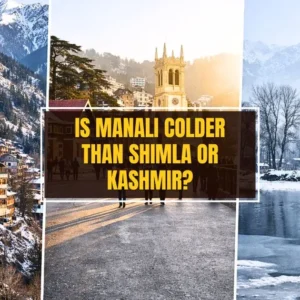
Most first-time travelers planning a Himachal trip get stuck on one basic question: which place to go first – Shimla or Manali. Many people assume the order does not really matter and decide based on photos, availability, or quick online suggestions. That single choice, however, often decides whether the trip feels like a relaxed mountain break or an exhausting struggle from the very first day. The confusion grows because most advice online talks about what to see, not how mountain travel actually feels.
If you are trying to finalize your travel sequence, this guide takes a different approach. I will not list sightseeing spots or suggest ready-made itineraries. Instead, I will help you choose the right order based on distance, fatigue, altitude, and comfort. By the end, you will clearly know which destination should come first, without second-guessing your plan or going back to Google.
Why Most First-Time Travelers Get This Shimla vs Manali Order Wrong
Most first-time travelers make one quiet assumption before planning. They believe Shimla and Manali can be visited in any order, so they choose based on photos, popularity, or what feels exciting at the moment. This looks harmless on a screen, but in the mountains, the first decision usually decides how the body and mind respond to the rest of the trip.
The confusion deepens because online answers rarely talk to each other. One blog pushes Manali first for adventure, another suggests Shimla because it is closer, and a third casually says the order does not matter at all. When advice points in three directions at once, it feels informative but solves nothing. What is missing is how distance, road curves, and fatigue actually feel on the first travel day.
The impact of a wrong order does not show immediately. It appears quietly by the second evening, when walks feel heavier than expected and simple plans start feeling like effort. This is why first-time trips often feel tiring without a clear reason. The truth most guides skip is simple and practical: between Shimla and Manali, the order you choose affects your energy, patience, and enjoyment far more than which place you visit first.
Shimla or Manali First? The One Rule Most Blogs Never Explain
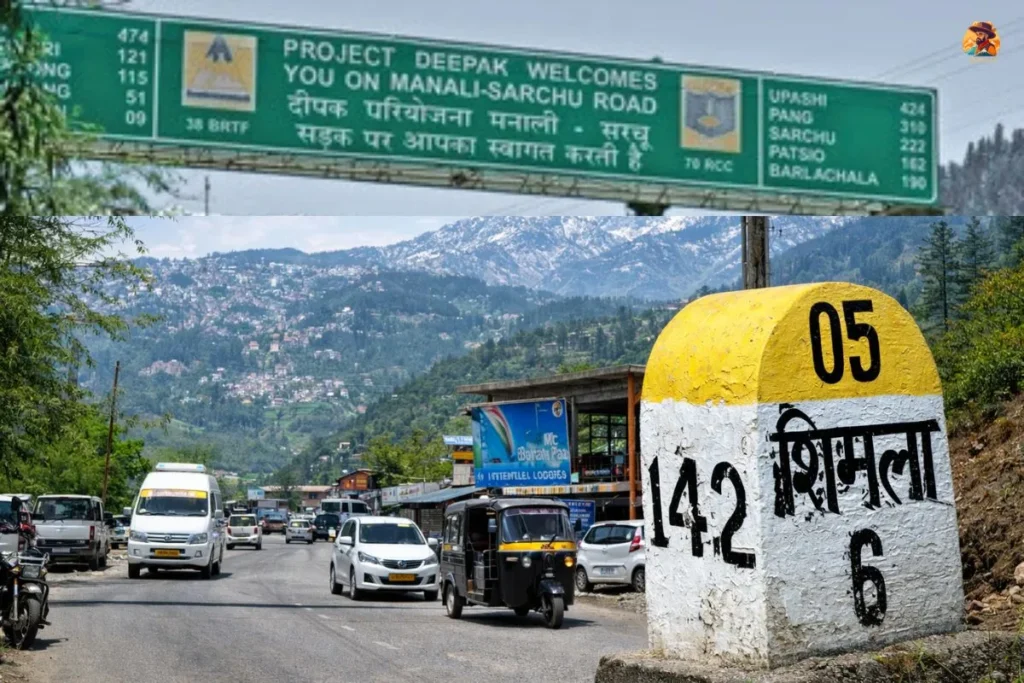
Most first-time travelers think this decision depends on preference, but the real deciding factor is something most guides ignore completely: the altitude ladder. Mountain travel is a physical experience before it becomes a sightseeing one. Your energy, mood, and comfort depend on how gradually your body adjusts to height and terrain.
The One Rule
Start low, build gradually, then go higher.
For most beginners, Shimla works better as the starting point because it acts as a natural conditioning base:
- The 8-hour vs 14-hour reality:
Shimla is usually a manageable 7–8 hour journey from Delhi, while Manali can stretch to 13–14 tiring hours on the road. - Gradual altitude gain:
Shimla sits around 2,200 meters, giving your lungs time to adjust before you reach Manali’s higher sightseeing zones that often cross 3,000 meters. - Lower risk of early discomfort:
Starting gently reduces the chances of headaches, nausea, or breathlessness that can quietly ruin the first two days.
Many travelers expect to jump straight into Manali to feel excited. The reality is different. Long travel hours combined with sudden altitude gain often turn the first forty-eight hours into recovery time instead of enjoyment. Starting with Shimla prepares your body for Manali’s rugged terrain later, when you are actually ready to enjoy it. If you are still weighing the overall experience and wondering whether Manali actually feels better than Shimla, this comparison breaks it down clearly.
If this is your first Himachal trip, pause here and slow down. Treat Shimla as your base for adjustment, and Manali as the place where you spend your energy, not where you lose it.
If You Are Coming from Delhi – Which Place to Go First and Why
Most first-time travelers plan this route by trusting Google Maps, but the Delhi–Shimla and Delhi–Manali journeys feel completely different in real life. On paper, both look like long drives. On the road, one feels manageable, while the other feels like an endurance test. That difference decides how your trip actually begins.
Why 340 km to Shimla Feels Easier Than 530 km to Manali
Delhi to Shimla is roughly 340 kilometers, and thanks to the four-lane highway till Kalka, the drive feels predictable. The road widens early, traffic flows better, and the transition into the hills is gradual. Most travelers reach Shimla feeling tired but functional.
Delhi to Manali is a different story. Beyond Mandi, especially on the Mandi–Pandoh–Kullu stretch, the road tightens, curves increase, and progress slows sharply. This route difference often matters most to travelers deciding whether Kullu or Manali is the better place to stay, especially when factoring in road fatigue and travel time. Add tunnel queues, construction zones, or tourist traffic, and a fourteen-hour journey can quietly turn into sixteen. In buses and shared cabs, this constant braking and turning drains energy faster than people expect.
Time, Energy, and First-Day Travel Fatigue
Your first travel day sets the tone for everything that follows. Reaching Shimla usually means you can check in, freshen up, and still step out for a short Mall Road walk. Legs feel cooperative, breathing feels normal, and the evening does not feel wasted.
Starting with Manali often feels heavier. Long sitting hours, unpredictable traffic, and sharp curves after Mandi increase the risk of motion sickness, even for people who rarely experience it. Headaches or nausea may not cancel plans immediately, but they quietly pull down excitement. When the first day becomes about recovery, the trip already feels shorter than planned.
Train or Bus – Which Order Feels Easier First?
For travelers choosing trains or buses, the order matters even more.
- By train, the Kalka–Shimla toy train breaks the journey naturally and feels gentle for first-time hill travelers.
- By bus or cab, Shimla comes sooner and with smoother curves than the long haul to Manali.
Starting with Shimla works like body conditioning. It lets your system adjust to hill movement before you face the longer, curvier Manali route. That is why, for those asking which place to go first, Shimla or Manali by train, Shimla usually feels like the safer and calmer start.
Best Travel Order from Delhi for First-Time Visitors
For most beginners, the most balanced order remains Delhi → Shimla → Manali. If you are wondering whether you can cover Shimla and Manali together in one trip, this guide explains how realistic it is and what actually works on the ground. This keeps the toughest travel when your body is already adjusted, not when it is fresh but unprepared. Families, senior travelers, and anyone prone to motion sickness benefit the most from this sequence.
Think of it simply. Would you rather spend your first evening resting in a hotel room or walking comfortably on Mall Road? Your starting point quietly decides that.
Mini Summary
From Delhi, Shimla is shorter, smoother, and more predictable than Manali. Starting with Shimla reduces first-day fatigue, lowers motion sickness risk, and provides a buffer before longer and curvier roads. For first-time travelers, this order usually leads to a calmer start and a more enjoyable trip overall.
Which Place to Go First in Winter – Shimla or Manali
Winter trips usually fail not because of the destination, but because of unrealistic expectations. Snow may look beautiful online, but winter travel in the mountains is less about romance and more about access, road safety, and physical tolerance. In colder months, the order you choose directly affects how safely and comfortably your trip begins.
Snowfall Expectations vs Reality
The most common winter question remains: Shimla or Manali, which is better for snowfall?
The honest answer is that snowfall in both places is unpredictable. It depends on weather systems and timing, not fixed calendars or guarantees.
What matters more than snow quantity is how safely you can experience it:
- Shimla usually receives lighter but more accessible snow, especially around Kufri and nearby slopes
- Manali often sees heavier snowfall, but mostly in higher areas like Solang and beyond
- Fresh snowfall increases the risk of black ice, especially early mornings, making roads slippery and unpredictable
Because Shimla’s winter routes are shorter and more urbanized, these conditions are generally easier to manage for first-time travelers. Many travelers confuse snowfall with actual temperature, especially when asking whether Manali is colder than Shimla or Kashmir.
Road Closures and Access Reliability in Winter
Winter roads define the success of a trip more than hotels or sightseeing plans. Routes toward Manali are more exposed to closures after snowfall, particularly near high-altitude stretches and tunnel approaches. Even minor snowfall can temporarily stop traffic for hours in remote zones.
Shimla benefits from shorter access routes that reopen faster after snow clearance. Medical facilities, fuel stations, and essential services remain closer, which becomes critical in cold conditions. For families and senior travelers, this access reliability matters far more than snow depth.
December-Specific Advice for First-Time Travelers
Many travelers ask which is better Shimla or Manali in December, assuming both offer similar winter experiences. December in Shimla usually feels manageable and settled, even when snowfall is light. Roads stay relatively reliable, and daily movement remains easier.
Manali in December can feel exciting, but only when the weather and road access cooperate. A reality many first-time travelers miss is the Atal Tunnel factor. Heavy snowfall can temporarily restrict access, turning Manali-first plans into long delays or cancellations.
Cold weather already reduces energy on day one. Starting with Shimla’s shorter and more predictable journey allows your body to adjust to both temperature and altitude gradually. Beginning with Manali and facing a snow-delayed fourteen-hour journey often means spending the first night exhausted instead of enjoying the surroundings.
Mini Summary: In winter, snowfall alone should never decide your route. Access reliability, road safety, and recovery support matter more than snow quantity. Shimla usually remains easier to reach and safer to navigate for first-time travelers, while Manali carries higher risks of closures and delays. Starting with Shimla in winter allows a calmer adjustment before moving toward heavier snow zones later.
Which Place to Go First for Family Trips
Family trips feel successful when parents feel in control of the day, not rushed by it. Scenic views matter, but comfort comes from manageable walking, predictable crowds, and low mental fatigue. From that point of view, the starting destination quietly decides whether the trip feels smooth or stressful.
Walking, Slopes, and Daily Fatigue Comparison
Shimla feels gentler for families because movement stays compact and predictable. Mall Road and the Ridge are largely flat, paved, and vehicle-free, which makes them among the most stroller- and wheelchair-friendly areas in Himachal. Older people can walk slowly, children can move freely, and frequent pauses feel natural rather than forced.
Manali requires more physical effort. Popular spots like Solang, Old Manali, and Vashisht are spread out, which means longer drives and more time sitting in vehicles. Slopes feel steeper, and fatigue builds faster by afternoon, especially for elders and younger children.
In simple terms:
- Shimla suits slow walking and flexible pacing
- Manali demands more stamina and longer transfers
Crowd Control, Safety, and Local Behavior
Crowd behavior plays a big role in family comfort. Shimla’s Mall Road remains busy, but it stays pedestrian-focused and well-policed. Shops, cafés, washrooms, and medical help stay open, giving parents a stronger sense of control even during peak hours.
In Manali, crowds feel more scattered and traffic-driven. Honking, congestion, and waiting near popular spots increase noise levels, which often leads to mental fatigue. For families, this constant stimulation can make children restless and elders irritable much sooner than expected.
Budget Control and Comfort for Families
Family budgets often feel tight because of early decisions, not high prices. Shimla’s Mall Road and Lakkar Bazaar encourage emotional shopping, especially wooden souvenirs and heavy woolens. Many families buy more than planned in the first few days.
This becomes a problem later. Heavier bags move tiring, and budgets shrink before reaching Manali, where expenses for local transport, warm layers, or small activities feel more necessary.
Pro tip for families:
If you start with Shimla, keep shopping light. Dragging heavy wooden souvenirs and multiple woolen layers through Manali’s winding roads quickly turns into a logistical headache most families realize too late.
Mini Summary
For family trips, Shimla feels easier to walk, calmer to manage, and more predictable for daily comfort. Flat, vehicle-free spaces improve safety and accessibility, while controlled crowds reduce mental fatigue. Starting with Shimla helps families conserve energy, budget, and patience before moving to Manali’s more demanding terrain later.
Which Month Is Best to Visit Shimla and Manali – And How That Changes the Order
Most travelers choose travel months by checking temperatures, but timing affects crowds, patience, and fatigue far more than weather numbers. The same route can feel smooth in one month and exhausting in another, which is why the month quietly decides which place should come first.
Across the year, Shimla and Manali behave very differently. Spring feels pleasant, but crowds build quickly. Peak summer brings heavy traffic and long delays. Monsoon looks green, but unpredictable delays test patience and make long journeys mentally exhausting. Early winter feels calmer before harsher cold sets in. In most of these phases, Shimla works better as a starting point, while Manali feels easier once travel momentum is already built.
Weather and crowd flow also change how days feel. Shimla’s compact, pedestrian-friendly areas keep movement organized and manageable in most months. Manali depends heavily on vehicle movement, which increases noise, traffic jams, and mental fatigue during peak or unpredictable seasons.
Timing mistakes usually happen when travelers ignore travel buffers:
- An extra two to three hours on the Shimla route feels manageable
- The same delay on the Manali route can turn a long day into exhaustion
Golden Rule for first-time travelers:
If you are visiting in May–June or July–August, avoid starting with Manali. Long journeys stretch easily during these months, and using Shimla as the entry point helps you test weather and road conditions before committing to tougher travel days.
What Your Actual Day Will Feel Like in Shimla vs Manali
This is where planning turns into real understanding. Instead of counting attractions, imagine how your body and mind move through an ordinary day. Shimla and Manali create very different daily rhythms, and first-time travelers feel this difference almost immediately.
Mornings decide the tone. In Shimla, you can step out late, reach Mall Road quickly, and let the day unfold at your pace. In Manali, mornings often begin early because long drives control the schedule. Many travelers leave around 7:00 AM just to stay ahead of traffic, which quietly adds pressure to what is supposed to be a relaxed holiday.
How your day actually flows feels very different:
In Shimla
- Your day stays in your control
- Mall Road strolls, cafés, and benches create natural pauses
- Walking feels continuous and unhurried
- Crowds are pedestrian-driven and organized
- Noise stays lower and more predictable
In Manali
- Your day often stays in your driver’s control
- Long jeep or cab journeys take up large parts of the day
- Movement depends on traffic and road conditions
- Crowds are vehicle-driven, with jams and honking
- Noise and waiting increase mental fatigue
By evening, the contrast becomes obvious. In Shimla, tiredness feels light, and a short walk or café stop still feels pleasant. In Manali, evenings often arrive with heavier fatigue after hours spent sitting in vehicles or waiting on the road. This does not make Manali less enjoyable, but it explains why it feels better once your body is already adjusted to mountain travel.
If this is your first trip, pause for a moment. Do you want to end your day sitting on a bench, watching the hills slow down, or recovering from a long drive? That single image usually makes the right order clear.
My Honest Traveler Note After Multiple Trips to Shimla and Manali
After visiting Himachal multiple times, I realized that the biggest mistake is not choosing the wrong hotel. What looks like a simple five-inch line on Google Maps often feels like an endurance test on the ground. Long hours of curves, traffic slowdowns, and constant sitting drain energy faster than most first-time travelers expect.
I have seen travelers reach Manali directly, looking more exhausted than excited. Instead of beginning a holiday, they spend their first one or two days inside the hotel room, trying to recover their energy.
The truth is simple and repeatable. Mountains reward a slow start. When you ease into the journey by starting with Shimla, the rest of the trip feels lighter and more enjoyable. When you rush the beginning, the entire holiday turns into an effort to catch up with your own fatigue. Do not let your first trip become a lesson in exhaustion.
Final Clear Answer – Which Place Should You Visit First?
For most travelers, especially on a first Himachal trip, the answer is clear.
Start with Shimla.
Once your body is adjusted, Manali rewards you with bigger landscapes, stronger adventure energy, and a more dramatic mountain feel. If you are still comparing Manali with other Himalayan destinations like Shimla, Kullu, or Kashmir, this detailed comparison can help you decide which region actually suits your travel style best.
Choose Shimla First if
- This is your first time in the mountains
- You are traveling with family or older citizens
- You want a relaxed pace with walkable, pedestrian-friendly areas
- You prefer gradual altitude gain to avoid early fatigue or sickness
Choose Manali First ONLY if
- You are an experienced mountain traveler, not a first-timer
- You are comfortable with long, tiring road journeys
- Your priority is high-altitude adventure, not comfort
- You have the stamina to handle a fourteen-hour drive without it affecting your mood or health
Many travelers worry about the return journey and assume that ending in Shimla feels easier. What matters more is how you begin. Starting to get tired ruins the entire holiday. Ending tired simply means the trip is complete. The beginning shapes your energy, patience, and memories.
Mountains reward a slow start. Choose the order that lets you enjoy the journey, not recover from it.
Experienced travelers from India and beyond can share their journey through our write for us travel India contributor page.
FAQs – Shimla or Manali First?
For most travelers, the right order is Shimla first, then Manali. Shimla helps your body adjust to mountain travel with less fatigue, which makes the later Manali journey more enjoyable.
For first-time visitors, Shimla is usually better. It is easier to reach, more walkable, and less physically demanding than Manali.
The best months are March to June and October to early December. During peak summer or monsoon, starting with Shimla helps manage crowds, delays, and travel fatigue more comfortably.
Manali gets heavier snowfall, especially near Solang and beyond the Atal Tunnel. However, Shimla and Kufri offer more accessible and safer snow, which suits first-time travelers better when roads become unpredictable.
From Delhi, the practical route is Delhi → Shimla → Manali. Shimla is a shorter and smoother seven- to eight-hour journey, while Manali can take fourteen hours or more, depending on traffic and weather conditions.
For families, Shimla is generally the better starting point. Its vehicle-free Mall Road, shorter walking distances, and easier access to facilities make it a suitable destination for children and older citizens.

Hi, I am Manoj Kumar, the voice behind Trip Guru Go. I am a travel researcher, SEO content expert, and founder of this blog. With over 12 years of experience in digital travel research, I simplify complex destinations into real, helpful, and trustworthy guides.
Every article I write is backed by local sources, real traveler experiences, and deep fact-checking. Even if I have not visited every place personally, I never share anything without strong on-ground insight.
I do not sell travel packages or promote anything paid. My only goal is to help you travel smarter — with zero fluff, 100% honesty, and a deep focus on your safety and experience.