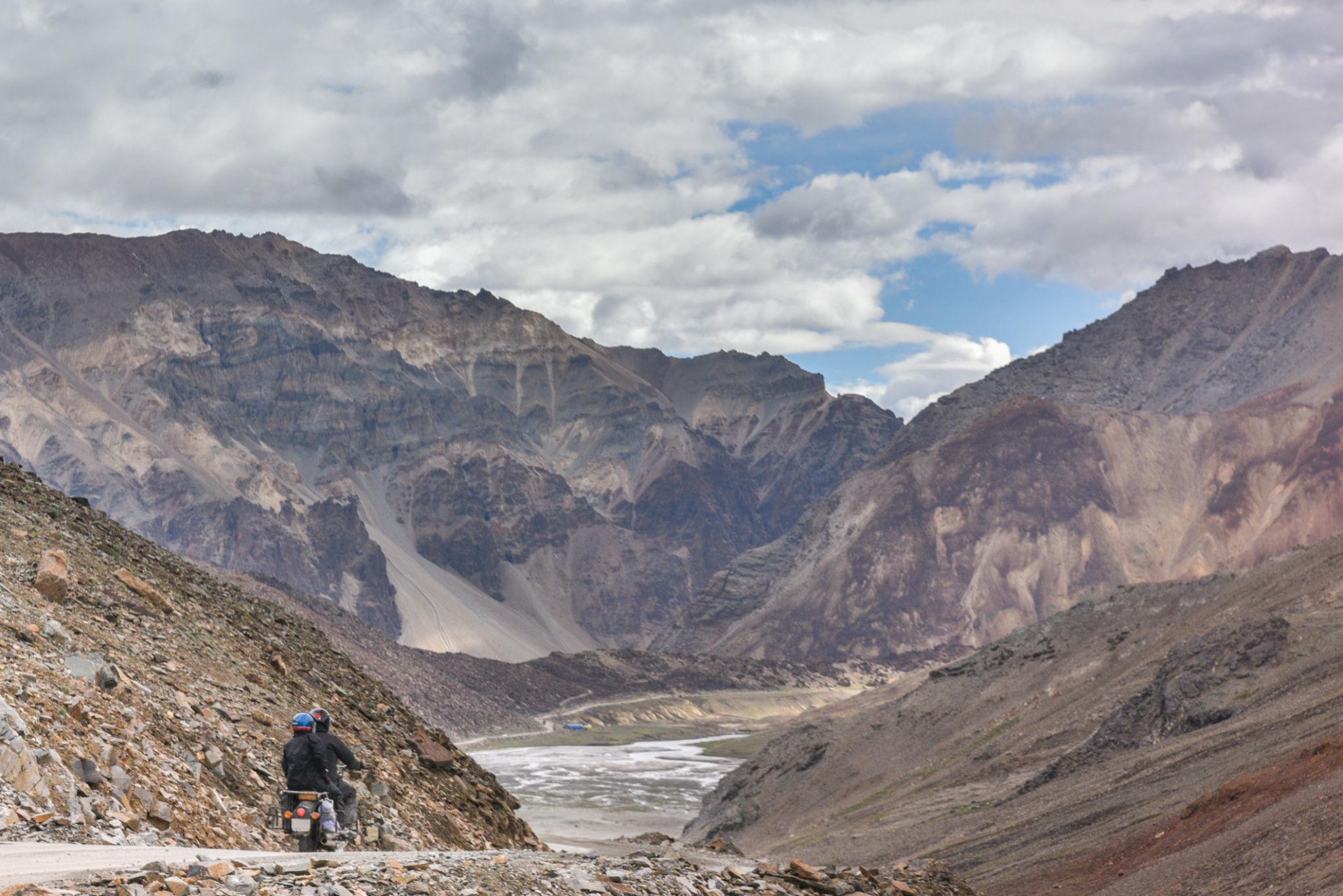
Have you ever planned a Himalayan trip and landed at a place only to find the roads closed or the weather too harsh to enjoy anything? That is exactly what happens to many travellers who visit Jispa at the wrong time. Jispa is a small, high-altitude village in the Lahaul Valley of Himachal Pradesh, sitting along the banks of the Bhaga River at about 3,200 metres above sea level. It is a key stop on the famous Leh-Manali Highway, and it gets its fair share of first-timers who arrive unprepared.
Knowing the best time to visit Jispa can genuinely change your entire experience. A good trip here means open roads, clear mountain skies, and the freedom to explore. A bad one can mean snowed-in roads and shut guesthouses. If you are building a broader Himachal Pradesh trip, the Himachal Pradesh Travel Guide gives a great starting point for planning your full route. In this blog, you will know about the best seasons to visit Jispa, what each month feels like, how to match your travel goals to the right time, and tips that actually help.
Best Time to Visit Jispa: Season by Season Guide
Jispa in Summer (May to June)
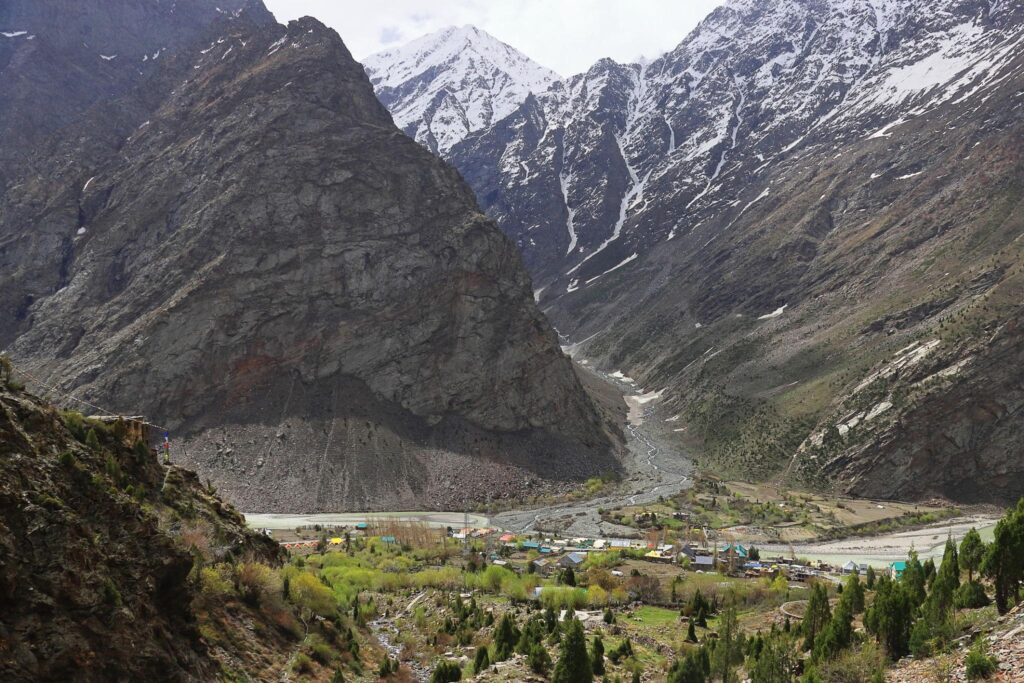
Summer in Jispa runs from May to June. After a long winter, the snow on the lower stretches of the highway begins to melt, and the Leh-Manali Highway gradually reopens. By late May, the route is usually clear up to Jispa, and by early June it extends further toward Leh.
Temperatures during the day hover between 10°C and 22°C, making it comfortable for outdoor activities. Nights are still cold, dropping to around 4°C to 6°C, so carrying a warm jacket is a must even in summer.
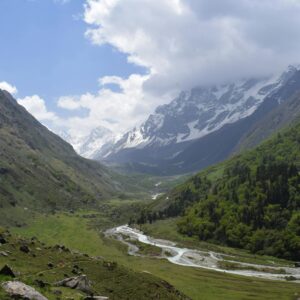
This is widely considered the best weather to visit in Jispa. The air is fresh, the Bhaga River flows strongly from snowmelt, and the surrounding mountains look dramatic against clear blue skies. Trekkers love this window because trail conditions are good and visibility is excellent. If you are new to high-altitude trekking in India, the Best Himalayan Treks for Beginners guide will help you understand what to expect before heading out from Jispa.
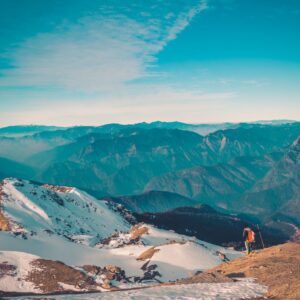
For those asking about the best time to visit Jispa for trekking, May to June tops the list. Trails toward Baralacha Pass, Suraj Tal, and Deepak Tal open up during this period, and the landscape is full of colour after winter.
Families also prefer this season because the roads are safe, the weather is predictable, and kids can enjoy riverside activities, campfire nights, and stargazing without risk. The best season to visit in Jispa for families is definitely this summer window. If your trip starts from Manali, the Manali Tourism guide will help you plan the Manali to Jispa leg well.
Things to do in summer include camping along the Bhaga River, trekking toward Darcha and beyond, visiting Keylong and Kardang Monastery, spotting wildlife, and doing short drives to Deepak Tal. The Lahaul area also sees local Buddhists celebrating seasonal rituals and prayer ceremonies around monasteries during early summer.
Avoid if: You are on a very tight budget. June is the busiest month and guesthouse prices are at their peak. Book at least three to four weeks in advance.
Jispa in Monsoon (July to September)
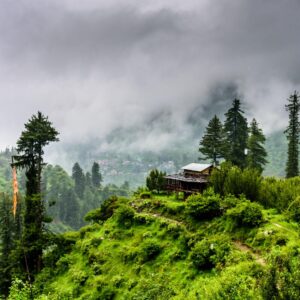
Monsoon in Jispa is not as intense as in other parts of India. The Lahaul Valley sits in a rain shadow zone, which means it receives far less rainfall compared to places like Manali or Dharamshala. July to September brings occasional light showers and cloudy days, but prolonged rainfall is uncommon.
Temperatures remain between 12°C and 20°C during the day and dip to around 6°C to 8°C at night. The valley turns a beautiful shade of green during this time, and wildflowers bloom across the slopes.
Road conditions can sometimes be affected by landslides on the Manali side of the journey, especially on the stretch between Manali and Rohtang or near Gramphoo. The Atal Tunnel has reduced this risk significantly, but it is still wise to check road conditions before departing. If you are travelling from Delhi, the guide on how to reach Manali from Delhi explains the route options clearly so you can plan your drive to Jispa safely.
This season is good for budget travellers. Fewer crowds mean lower hotel rates, and you can often negotiate better deals on guided treks and camping. The Bhaga River is full and fast during this time, making it good for watching the river rush through the valley.
Things to do include nature walks along the Bhaga riverbank, short day treks, visiting the Tandi confluence where Chandra and Bhaga rivers meet, and exploring Keylong. Avoid doing high-altitude passes like Baralacha in bad weather. Keep checking weather forecasts daily.
Jispa in Autumn (October to November)
Autumn brings one of the most visually striking versions of Jispa. The skies are impossibly clear, the air is sharp and dry, and the mountains look like paintings. October is widely considered among the best months to visit Jispa for photography and quiet travel.
So, is October the best time to visit Jispa? For many experienced travellers, yes. Temperatures range from -2°C to 14°C during the day, and by nightfall they can drop to -8°C or lower. The tourist crowd thins out significantly, and you get the village almost to yourself. Nearby destinations also look spectacular in autumn — the Sissu places to visit guide shows what the Lahaul region offers during this golden season.
Is November the best time to visit Jispa? It depends on what you want. Early November still offers clear skies and some access, but by mid-to-late November snowfall begins and the highway starts closing. If you plan a November visit, aim for the first two weeks and be prepared for very cold nights.
Autumn is one of the finest seasons for honeymooners who want privacy, mountain views, and a peaceful atmosphere without crowds. The riverside guesthouses and glamping options offer a cosy, romantic setting. Couples can enjoy evening walks along the Bhaga River, sit by a warm fire, and stargaze under some of the clearest skies in the Himalayas.
The golden light during sunrise and sunset in October hits the mountain faces in a way that makes even phone camera photos look stunning. Photographers planning landscape shoots should prioritise this window.
Jispa in Winter (December to February)
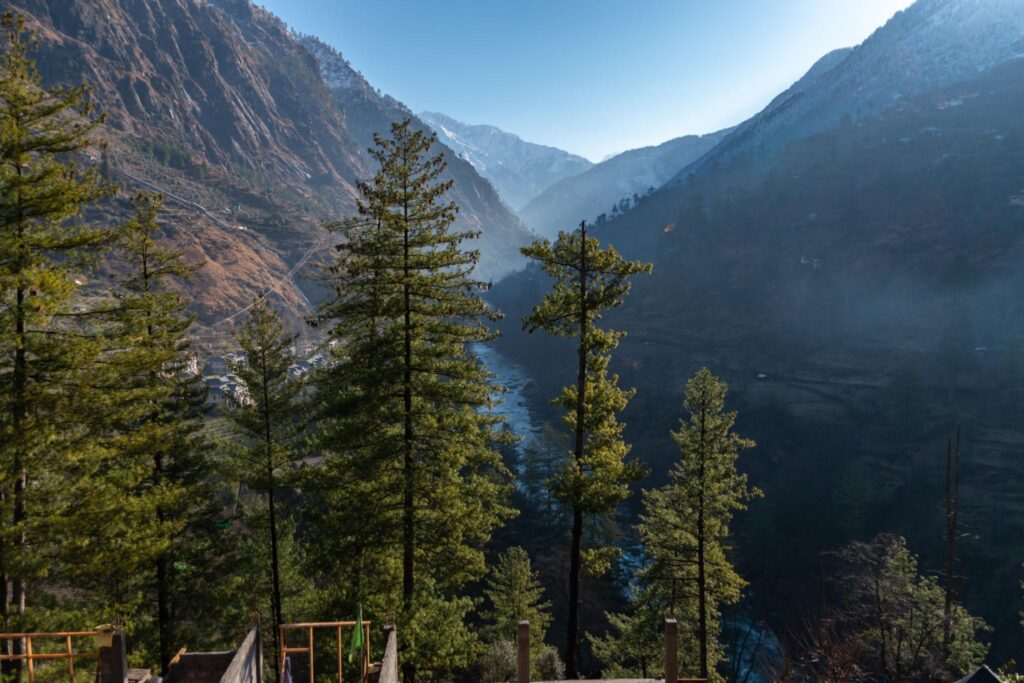
Winter in Jispa is not for everyone. From December through February, temperatures can drop to -15°C and below. Heavy snowfall covers the valley, the highway closes completely, and most guesthouses shut down for the season. Very few locals stay, and outside visitors are rare.
For those asking about the best time to visit Jispa for snowfall, December and January are when Jispa gets its heaviest snow. The entire landscape turns white, the Bhaga River partially freezes at its edges, and the silence is complete. Travellers who love snow but want a more accessible option may also compare with Manali’s heavy snowfall months to decide which destination better suits their winter plans.
Some adventurous travellers do visit Jispa in winter, but they require proper preparation. You need high-altitude cold-weather gear, a reliable 4×4 vehicle, a local guide, and the understanding that you may get stuck for days if weather worsens.
For honeymooners who love snow and do not mind the cold, a winter trip can be unforgettable. Snow-covered mountains, a frozen valley, warm guesthouse meals, and complete isolation from the rest of the world create a deeply private and magical experience. If this matches your vision of a honeymoon, then this is the best time to visit Jispa for honeymoon purposes. But plan only with an experienced local operator. Those who want winter snow activities in a more organised setting may also consider Gulmarg winter adventures as an alternative or an add-on.
The best time to go to Jispa in winter is late December to early January, when snowfall is fresh and the landscape is at its most dramatic. After mid-January, cold becomes more brutal than scenic.
Key highlights of winter: frozen waterfalls near Darcha, snow-covered Baralacha Pass views from afar, silent monasteries in Keylong draped in snow, and skies filled with stars at night due to zero light pollution. Lahaul valley locals celebrate Halda, a traditional winter fire festival marking the end of harvest. If you time your visit well, you may witness this cultural event in nearby villages.
Jispa Weather Throughout the Year
Planning around Jispa’s weather can save your entire trip. Here is a clear breakdown of what each period looks like, so you can pick your travel window with confidence. For packing guidance across seasons, the How to Pack for a Winter Trip in India guide is very practical for high-altitude destinations like Jispa.
| Months | Temperature | Weather Condition | Best For |
| March to April | 0°C to 12°C | Cold, snow melting, roads reopening gradually | Early arrivals, photography of snow landscapes |
| May to June | 10°C to 22°C | Clear skies, pleasant days, cool nights | Trekking, camping, road trips, family travel |
| July to September | 12°C to 20°C | Occasional rain, lush green valleys, mild monsoon | River activities, nature walks, budget trips |
| October to November | -2°C to 14°C | Crisp air, clear blue skies, light snowfall starts | Photography, peaceful travel, honeymoon |
| December to February | -15°C to -2°C | Heavy snow, roads closed, extremely cold | Snow lovers (with prior prep), adventurous explorers |
Matching the Best Time to Visit Jispa with Your Travel Goals
Every traveller has a different reason to visit Jispa. The best seasons to visit Jispa for travelers depend entirely on what you are hoping to experience. If you are comparing destinations before deciding, top winter destinations in India and cold places to visit in India in summer can help you see how Jispa stacks up. Here is a quick guide to match your travel style with the right season.
| Traveler Type | Best Season | Reasons |
| Adventure Seekers | May to June | Trekking to Baralacha Pass, Shingo La, camping by Bhaga River, biking the Leh-Manali Highway |
| Snow Enthusiasts | October to November | First snowfall of the season, scenic frozen landscapes, quieter roads and village atmosphere |
| Budget Travelers | July to September | Lower accommodation rates, fewer crowds, open roads, great for those doing Leh-Manali on a tight budget |
| Honeymooners | October | Crystal-clear skies, quiet village, romantic riverside stays, dramatic mountain backdrop, cool weather |
| Families | May to June | Safe roads, pleasant weather, kid-friendly activities like river walks, stargazing, and cultural visits |
Is It Safe to Visit Jispa During Winter?
Visiting Jispa in winter is possible, but it comes with real risks that you should understand before making that decision.
Road safety is the biggest concern. The Leh-Manali Highway officially closes between November and May depending on snowfall. Even with the Atal Tunnel improving access from the Manali side, the roads beyond Keylong can become impassable. Carry chains for your vehicle if driving, and never drive alone. If you are planning to drive through the region, read about how to reach Sissu from Manali for a real sense of what the road conditions can be like closer to winter.
Snowfall precautions matter a lot. Pack multiple layers of thermal clothing, a high-quality sleeping bag rated for sub-zero temperatures, waterproof boots, and hand warmers. Hypothermia is a real risk if you are unprepared.
Health considerations include altitude sickness. Jispa sits above 3,200 metres, and the cold combined with altitude can be tough on the body. Acclimatise properly before heading higher. Carry a personal medical kit with medicines for cold, altitude sickness (Diamox if prescribed), and basic first aid.
Jispa has only a primary health centre. For serious emergencies, the nearest hospital is in Keylong, about 22 km away, or Manali, about 140 km away. Mobile network connectivity is limited, so inform your contacts about your plans in advance.
Key Festivals and Cultural Events in Jispa
Jispa and the broader Lahaul region have a rich calendar of local festivals rooted in Tibetan Buddhist culture. These events give travellers a rare window into mountain village life. The broader Himachal Pradesh offbeat places guide also highlights lesser-known cultural spots near the Lahaul region that pair well with a Jispa trip.
Halda Festival is a winter celebration in the Lahaul Valley, traditionally held after harvest. Locals light large bonfires, sing folk songs, and perform rituals to welcome the new year according to the local calendar. It usually falls around December and January.
Triloknath Fair is held near Udaipur in Lahaul, about 70 km from Jispa, in August. It draws Hindu and Buddhist devotees together at the Triloknath temple, making it one of the most unique multi-faith gatherings in the region.
Gochi Festival is a harvest and fertility festival celebrated in September across several Lahaul villages. Locals wear traditional dress, perform folk dances, and share seasonal food. Travellers visiting Jispa in September may witness celebrations in nearby villages.
Monastery prayer ceremonies happen throughout the year at the Kardang Monastery near Keylong. Butter lamp offerings, masked dance rituals known as Cham dance, and quiet meditation sessions are part of the monastic calendar.
Peak Season in Jispa
The busiest months in Jispa are June, July, and early September. During this period, the Leh-Manali Highway sees maximum traffic from bikers, road-trippers, and trekkers heading to Ladakh. Guesthouses, campsites, and glamping grounds fill up fast.
Hotel pricing goes up during peak season. Expect to pay 30 to 50 percent more compared to the quieter months of August or October. Budget options like hostel beds and shared rooms can be hard to find without prior booking. If you are watching your budget, the 5-Day Manali Budget Itinerary shows realistic costs for the Manali–Lahaul corridor that includes Jispa.
Advance booking advice: if you are travelling in June or during Dussehra and Navratri holidays in October, book your stay at least three to four weeks ahead. This is especially true for riverside camping and glamping sites, which are limited in number and extremely popular.
Important Travel Tips for Jispa
Clothing: Always pack warm layers regardless of the season. Summer days can be warm, but evenings and early mornings get cold fast. Carry a waterproof jacket, thermal inner layers, a fleece, and warm socks. In winter, a heavy down jacket and thermal base layers are non-negotiable. The detailed How to Pack for a Winter Trip in India guide covers Himalayan packing thoroughly.
Packing: Carry cash. ATMs are extremely scarce in Jispa and often not functional. The nearest reliable ATM is in Keylong. Keep enough cash for three to four days of expenses. Also pack a power bank, as electricity can be unreliable.
Budget tips: Travelling in August or early October instead of June can save you 30 to 40 percent on accommodation. Eating at local dhabas instead of guesthouse kitchens cuts food costs without sacrificing taste.
Safety: Do not trek alone to high-altitude areas like Baralacha Pass or Suraj Tal without a local guide. Trails can be unclear and weather can change without warning. Always inform your guesthouse about your planned route.
Transport: Shared taxis and buses run from Manali to Keylong and occasionally extend to Jispa in peak season. Private taxis offer more flexibility. For bikers, fuel up at Tandi, about 35 km before Jispa, as it has one of the last reliable petrol stations. For a full breakdown of how to reach Manali from major cities, the guide covers all transport modes including bus, taxi, and flight options to Bhuntar airport.
Weather preparation: Check road conditions via the Himachal Pradesh road department before leaving Manali. The Border Roads Organisation (BRO) updates road status daily during the travel season.
Plan Your Jispa Trip with Trip Guru Go
Figuring out the right time, the right route, and the right stays for a Jispa trip takes real local knowledge. Trip Guru Go helps travellers plan Himalayan trips with detailed guidance on routes, seasons, and accommodation options that suit different travel styles and budgets.
Whether you are planning a summer road trip along the Leh-Manali Highway, a quiet autumn retreat by the Bhaga River, or a snow adventure in winter, Trip Guru Go can help you put together a practical and enjoyable itinerary. You might also want to explore the best time to visit Shimla or best time to visit Kasol if you are combining multiple Himachal destinations in one trip. Reach out to Trip Guru Go for personalized advice on when and how to visit Jispa based on your goals.
Conclusion
Jispa is one of those places that rewards travellers who show up at the right time. It is not a destination you can just drop into any month of the year without thinking ahead. The best time to visit Jispa truly depends on what you are looking for.
If you want warm days, open roads, and active adventures, go between May and June. If you want solitude, great photography, and cool crisp air, October is your month. For snowfall and a once-in-a-lifetime experience, brave the December cold with proper preparation. And if you are travelling with family, May gives you the safest and most enjoyable conditions. Jispa also works beautifully as part of a larger Himachal circuit — consider reading the Spiti Valley summer trip from Delhi guide if you want to extend your journey beyond the Lahaul Valley.
The best month to visit Jispa really comes down to your personal travel goals and what kind of experience you want to carry home. When to visit Jispa is not a one-size-fits-all answer, and that is actually what makes planning for it so interesting. The valley has a different personality in every season, and each one has something real to offer.
Frequently Asked Questions
What is the best month to visit Jispa?
June is the most popular month to visit Jispa because the Leh-Manali Highway is fully open, the weather is pleasant with temperatures between 10°C and 22°C, and all accommodations are operational. September and October are also excellent choices for travellers who prefer fewer crowds and crisp autumn skies.
Which month has snowfall in Jispa?
Snowfall in Jispa typically begins in late October and peaks between December and February. January is usually the heaviest snowfall month, with temperatures dropping as low as -15°C. Light snow can also appear in November, making early November a scenic transitional time to visit. You can also check the snowfall guide for Manali for comparison.
Is 3 days enough for Jispa?
Yes, three days in Jispa is enough to cover the key highlights. You can spend one day by the Bhaga River and exploring the village, one day trekking to Deepak Tal or visiting Keylong and Kardang Monastery, and one day doing a drive toward Darcha or Baralacha Pass viewpoints.
When should you avoid a Jispa trip?
Avoid visiting Jispa between mid-November and late April unless you are an experienced winter traveller. The Leh-Manali Highway closes due to heavy snowfall, most guesthouses shut down, and temperatures become dangerously cold. There is very limited emergency support available during this period.
What is famous in Jispa?
Jispa is famous for its location on the Leh-Manali Highway, the clear Bhaga River, riverside camping and glamping, access to high-altitude treks toward Baralacha Pass and Zanskar, and its role as an acclimatisation stop before heading to Ladakh. It is also close to the Sissu places worth visiting in the Lahaul region.
Which gift is famous in Jispa?
Jispa itself does not have dedicated gift shops, but nearby Keylong sells locally made Tibetan-style woollen items, prayer flags, handmade jewellery, and Lahauli shawls. Organic local honey and dried apricots from the Lahaul Valley are also popular things to carry back home.
Anshra Zafar explores the mountains of Himachal Pradesh & Uttrakhand and writes detailed travel guides about Manali, Kasol, Sissu, Jispa.chopta and kedarnath trek She focuses on scenic road trips, backpacking experiences, café culture, snowfall destinations, and adventure activities in the Himalayas. Her content helps travelers plan smooth and memorable mountain journeys.