I reached Shri Marghat Wale Baba Hanuman Mandir with a slow and steady mind because the lane near Yamuna Bazar always brings a soft calm. The cool air touched my face, and the faint sound of bells moved through the narrow street. These small moments guide the mood here, and they help first-time visitors feel settled before they enter the temple.
I noticed light incense mixing with the smell of fresh flowers, and this simple blend created a gentle welcome. People walked with quiet faith, and their pace showed how strongly they trusted this powerful Hanuman temple. I came here to understand that feeling through my own experience so I can guide travellers with real clarity.
Although the temple stands in a busy corner of Old Delhi, the energy shifts the moment you step closer. You may feel a soft stillness even before you reach the main hall. This small change stays with you, and it helps you start your darshan with a peaceful mind.
My First Experience at Marghat Wale Baba Hanuman Mandir

The calm from the entrance stayed with me as I stepped deeper into the narrow lane, and this gentle shift made each step feel slow and steady. The street looked simple, yet the light from small flower stalls added a soft glow to the path. I kept moving with an open mind because the lane always sets the mood before the darshan.
I heard a mix of distant bells and quiet footsteps, and both sounds created a peaceful rhythm around me. The smell of dhoop drifted through the air, and fresh marigold garlands added a warm touch. These small details wrapped the place in a kind of stillness that I did not expect, and this calm helped me understand why many locals trust this temple so deeply.
People often say that Marghat Wale Baba listens fast, and I felt that belief the moment I saw devotees pause near the inner gate. Their faces carried a strong, quiet hope, and that look explained more than any story. Although the temple sits close to a busy road, the energy here feels heavy in a grounding way, and this weight creates the sense of power that visitors talk about.
One moment stayed with me for a long time. A young boy held a tiny diya with both hands, and the small flame shook gently in the wind. His eyes stayed fixed on the idol inside, and his quiet focus touched something in me. I carried that picture forward, and it shaped the rest of my visit.
Marghat Wale Baba Hanuman Mandir Timings

The calm from my first moments stayed in my mind when I reached the main hall, so I checked the Marghat Wale Baba Hanuman Mandir timings first. Clear timings help every visitor plan the darshan without stress, and I always note them before entering the shrine.
Daily darshan timings
- Morning darshan usually begins around 5:30 AM
- The temple stays open till 12:00 PM
- Evening darshan begins again from 4:00 PM
- The gates close around 10:00 PM
The aarti timings feel special because the energy rises softly during these moments.
- Morning aarti takes place around 6:00 AM
- Evening aarti usually starts around 7:00 PM
I believe the best time to visit is early morning because the air remains cool and the crowd stays light. The path feels calm, and the darshan becomes smoother for first-time visitors. Evening also feels peaceful, although a small crowd gathers during aarti.
If you want to check Marghat Wale Baba Mandir timing today, remember that the schedule may shift on Tuesdays or festival days, and the crowd moves faster during peak hours. The timing may change for festivals, so a quick check with the temple staff always helps.
Temple History in Simple Words
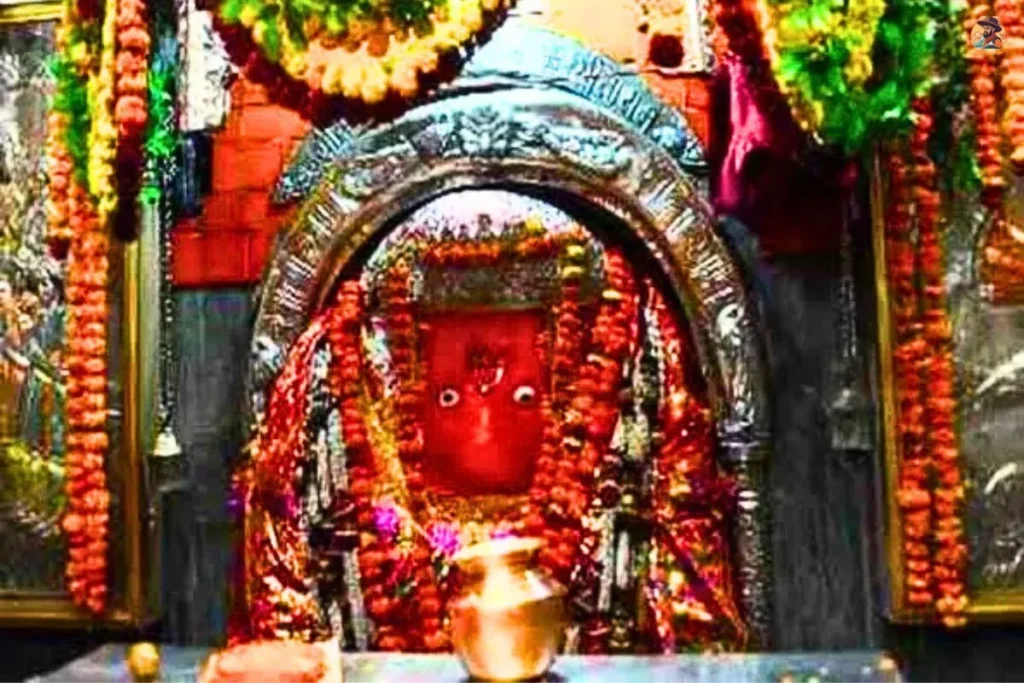
A calm mind makes history easy to understand, so I asked the priest to explain the story of Marghat Wale Baba Hanuman Mandir in simple words. His answer felt clear, and it matched what locals often tell travellers.
The temple began as a small Hanuman idol placed near the old Yamuna bank many years ago. People from nearby homes visited quietly, and the spot slowly turned into a trusted shrine. The structure grew step by step because devotees returned with strong faith.
Why do people call it Marghat Wale Baba
- The area once had cremation grounds near the river.
- Locals believed Hanuman ji protected souls from fear in this space.
- The temple’s strong protective energy gave it its name.
Local beliefs around the temple
- Prayers offered here reach fast.
- The temple helps remove fear and heavy thoughts.
- Devotees feel supported during difficult moments.
How old is the temple
- Exact records are not available.
- Locals say the shrine has stood here for several decades.
- The older base still shows signs of early construction.
I felt a steady, grounding energy near the inner hall. The air stayed still, yet it carried a quiet strength, and this soft power explained why devotees trust this temple so deeply.
How to Reach Shri Marghat Wale Baba Hanuman Mandir
The steady feeling from the inner hall helped me plan my return path, and this same calm makes it easy to guide first-time visitors toward Marghat Wale Baba Hanuman Mandir. The temple sits in a busy part of Old Delhi, yet the route stays simple when you follow a few clear steps.
Marghat Wale Baba Hanuman Mandir Nearest Metro

The nearest metro station is Kashmere Gate, which is best for most travellers because three metro lines meet here. This makes the route smooth even during rush hours.
Important details
- Station: Kashmere Gate
- Distance: Around 900 to 1100 metres
- Lines: Yellow Line, Red Line, Violet Line
For first-time visitors, the best exit is the Lothian Road Exit, because the path stays direct and the turns remain clear. You will avoid confusing side lanes, and the route stays comfortable even during mild traffic.
Simple Route Guide
The route feels easier when you know the landmarks, so I follow the same steps every time.
Walking route
- Exit the station toward Lothian Road
- Walk straight with the ISBT building on your right
- Move ahead till the gentle curve in the road
- Continue toward the lane that heads to the Yamuna Bazaar police station
- Take the left lane that leads directly to the temple
Auto route
- Ask for “Marghat Wale Baba Hanuman Mandir, Yamuna Bazar”
- Most auto drivers know the spot
- The ride stays short, and the turn near the police station marks the correct lane
Landmark-based directions
- Start from the Kashmere Gate ISBT
- Follow the road that slopes slightly toward Yamuna Bazaar
- Look for the Yamuna Bazaar police station, because the temple lane begins close to this point
These steps keep the route simple, and they help first-time travellers avoid unnecessary turns or crowded lanes.
Temple Details You Should Know


The smooth route helped me reach the gate without confusion, and this small ease allowed me to notice practical details that many first-time travellers ask me about. I always check these things during every temple visit because they shape the full darshan experience.
Entry fee
- The temple has no entry fee, and this simple openness creates a warm welcome.
Opening time
- Gates open around 5:30 AM
- The temple closes near 10:00 PM
I have seen the crowd pattern change every hour, so I always tell travellers to plan wisely.
- Mornings stay calm with soft temple bells.
- Evenings feel alive during aarti, and devotees gather quickly.
- Tuesdays and Saturdays become slow-moving, and you may need patience near the inner hall.
Photography rules
- Photos are usually allowed outside.
- Inner hall rules may change, and staff members guide politely.
- I always ask once because festival days bring stricter steps.
Available facilities
- Drinking water stands near the side corridor.
- Prasad stalls stay active through most timings.
- Parking remains tight, and autos save time during rush hours.
During one late evening visit, I noticed the lane turning quieter near the curve, so I moved slowly and stayed close to the main lit path. Because of that small choice, I felt safe and steady, and this simple habit helps every traveller when the light becomes low.
These small details keep your visit smooth, and they help you enjoy the temple with a relaxed mind.
Marghat Wale Baba Hanuman Mandir Photos


The quiet mood from the last section stayed with me, so I looked around to see what kind of photos travellers usually capture here. I always check the light and colours because these small things shape real memories.
What type of photos can you expect
- Narrow lane with garland stalls
- Soft lamps near the entry
- Calm walking path toward the inner hall
Inside the temple, the interior carries warm red and yellow shades, and the light feels gentle in the mornings. I liked the soft shadows near the pillars because they give the photos a peaceful tone.
The idol’s appearance looks powerful with bright sindoor, fresh flowers, and steady diya light. I paused here for a moment because the glow around the idol felt calm and grounding.
Aarti moments create beautiful frames.
- Rising dhoop smoke
- Flickering diyas
- Hands moving together
This section works well for your image gallery, and these visuals help travellers imagine the temple before they arrive.
What Makes This Hanuman Temple So Powerful
I felt a soft stillness near the inner hall, and this quiet moment helped me understand why people call this place powerful. The bell sound came slowly from the lane, and the air carried a light smell of dhoop. These small things create a strong mood here.
Local stories and beliefs
- People say prayers get heard quickly.
- Many come here when they feel fear or confusion.
- Small wishes often feel supported.
On Tuesdays and Saturdays, the energy changes. The crowd moves slowly, yet everyone stays calm. I noticed this many times, especially when devotees wait silently near the door.
Common offerings
- Marigold garlands
- Sindoor
- Jaggery and chana
- A small diya
One moment stayed with me. I saw an old man light a tiny diya with both hands. His face looked peaceful, and that simple scene showed the depth of faith here.
My Helpful Tips for First-Time Visitors
The peaceful energy inside the hall made me think about the small things that help first-time visitors stay comfortable. These tips come from my own simple mistakes and small lessons from many visits.
When to reach
- Morning feels calm, and the path stays clear.
- Evening works well, but come ten minutes before aarti to find a good spot.
What to carry
- A small cloth for prasad
- One water bottle
- Light offerings like flowers or a diya
- Cash for prasad stalls, because online payment does not always work here
Where to stand during aarti
- Stand near the right-side pillar for a clear view.
- This spot keeps the crowd behind you, and the flow stays smooth.
- Avoid standing at the main entrance because movement becomes tight.
Small insider tips
- Walk slowly near the curve outside because autos and people mix in one lane.
- Keep your phone inside your pocket during aarti so you can move without worry.
- After aarti, wait for a short moment. The lane clears quickly, and your walk back becomes easier.
These simple steps keep the visit peaceful, and they help first-time travellers feel steady from the start of the darshan till the end.
Related Temples Near Shri Marghat Wale Baba Hanuman Mandir
I like exploring the nearby area after my visit because this part of Delhi holds many peaceful places. These spots stay close to Marghat Wale Baba Hanuman Mandir and help travellers discover old Delhi with a slow and simple mood. Many visitors also cover a few famous temples in Delhi on the same route because the walk stays easy and the atmosphere feels calm.
St. James’ Church, Kashmere Gate
I often walk toward St. James’ Church in Kashmere Gate after the temple because the garden stays calm and the yellow building feels warm in soft sunlight. The quiet corners make it a good stop for travellers who enjoy peaceful heritage spaces.
Nigambodh Ghat Temples
If you want more quiet moments, the Nigambodh Ghat temples offer a simple and open area near the river. The light breeze stays steady here, and the slow surroundings help your mind settle after a crowded aarti.
Neeli Chhatri Temple, Delhi
A short walk from Yamuna Bazar brings you to the Neeli Chhatri Temple, a small Shiva temple with a bright blue roof. The hall stays peaceful through the day, and many locals visit here for short prayers before heading toward the market side.
Jhandewalan Mata Mandir
Travellers who enjoy exploring powerful Mata temples often add the Jhandewalan Mata Mandir on the same route. The tall statue and strong evening aarti create a different mood, and the visit feels complete when you cover both temples in a single trip.
Karol Bagh Hanuman Mandir
If you move toward the market area, the Karol Bagh Hanuman Mandir stays active through the day. The sound of bells, steady foot steps, and the lively lane around the temple make it a good stop for travellers who enjoy busy yet warm spaces.
Companies serving travelers can publish a guest article and connect with our planning audience.
Conclusion – Marghat Wale Baba Hanuman Mandir Experience
My time at Marghat Wale Baba Hanuman Mandir ended with the same quiet feeling that greeted me at the gate. The soft bell sound, the steady diya light, and the calm faces around me created a peaceful mood that stayed long after I stepped back into the lane. This temple does not depend on size or decoration. Its strength comes from the stillness that settles inside you when you stand near the idol.
I believe first-time visitors enjoy this place most when they walk slowly and give themselves a few moments near the inner hall. Even a short pause brings a gentle clarity, and the busy world outside feels a little lighter. I felt that shift myself, and it stayed with me through the walk back toward Kashmere Gate.
If you visit with an open mind, this small corner of Yamuna Bazar can offer more peace than you expect. I hope your time here brings the same quiet comfort that I carried home that day. If you want to explore more peaceful Hanuman temples across Delhi, you can read my complete guide on Hanuman temples in Delhi for easy routes and timings.
Video of Shri Marghat Wale Baba Hanuman Mandir
FAQs About Marghat Wale Baba Hanuman Mandir
Marghat Wale Baba is Lord Hanuman, worshipped here as a protector. The temple stands near the old cremation area of Yamuna Bazar, and people believe Hanuman ji removes fear and gives strength during difficult moments.
The temple usually opens around 5:30 AM and closes around 10:00 PM. Timings may shift on Tuesdays, Saturdays, or festival days, so asking the temple staff once is always helpful.
No tickets are needed. The temple is free for everyone, and you can visit anytime during open hours.
Weekday mornings feel calm for first-time visitors. Tuesdays and Saturdays carry strong spiritual energy, but they are more crowded.
Photos are allowed outside the main hall. Inner hall photography may be limited, and rules change during festivals. It is better to ask the staff before taking close pictures.
India has many powerful Hanuman temples. People often consider Salasar Balaji, Mehandipur Balaji, Sankat Mochan Mandir, and Jhandewalan Hanuman Mandir as some of the most respected places.
Devotees trust many temples, but Marghat Wale Baba Hanuman Mandir, Jhandewalan Hanuman Mandir, and the Connaught Place Hanuman Mandir remain the most visited. The experience of power feels different for each person.

Hi, I am Manoj Kumar, the voice behind Trip Guru Go. I am a travel researcher, SEO content expert, and founder of this blog. With over 12 years of experience in digital travel research, I simplify complex destinations into real, helpful, and trustworthy guides.
Every article I write is backed by local sources, real traveler experiences, and deep fact-checking. Even if I have not visited every place personally, I never share anything without strong on-ground insight.
I do not sell travel packages or promote anything paid. My only goal is to help you travel smarter — with zero fluff, 100% honesty, and a deep focus on your safety and experience.