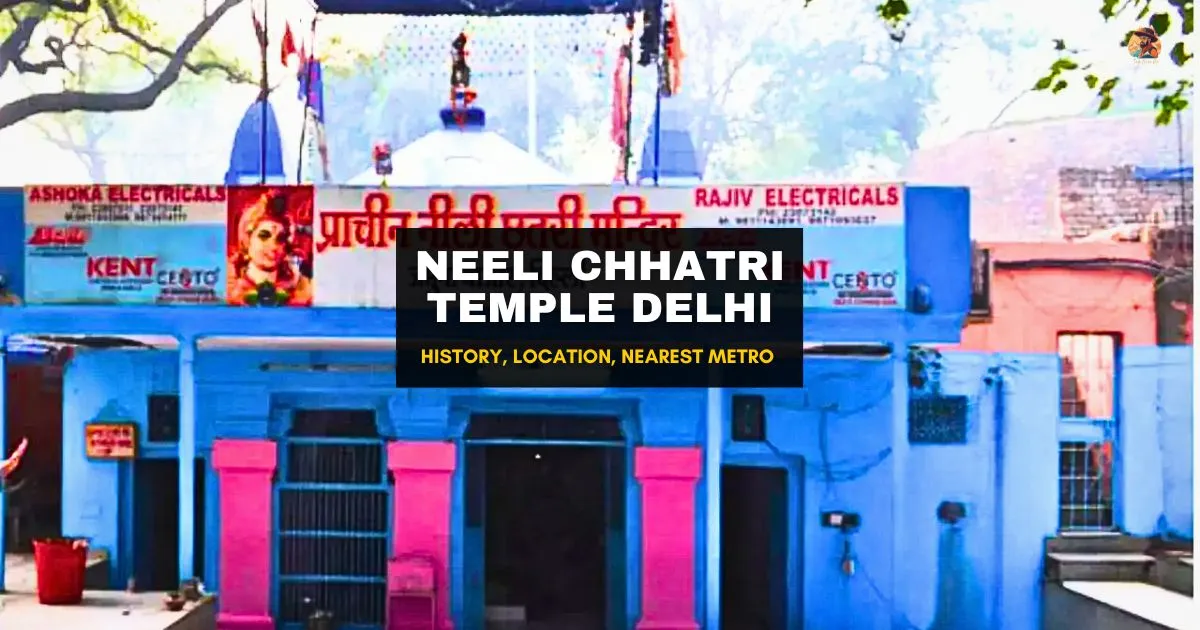
The first time I walked towards Neeli Chhatri Temple in Delhi, I felt as if I had stepped back into another era. The buzzing streets of Yamuna Bazaar were filled with rickshaw bells, spice sellers shouting prices, and the fragrance of chai drifting from roadside stalls. Yet, just a few steps closer to the temple, everything began to soften — the chaos of Delhi gave way to a calm silence.
This temple, known for its striking blue dome, always felt to me like a quiet storyteller of history. I still remember during my first visit, a local priest smiled and pointed me to leave my slippers in a narrow lane beside the entrance. That small gesture reminded me that respect here does not begin inside the shrine, but right from the moment you step towards it.
Neeli Chhatri Temple History – Pandav Era & Legends
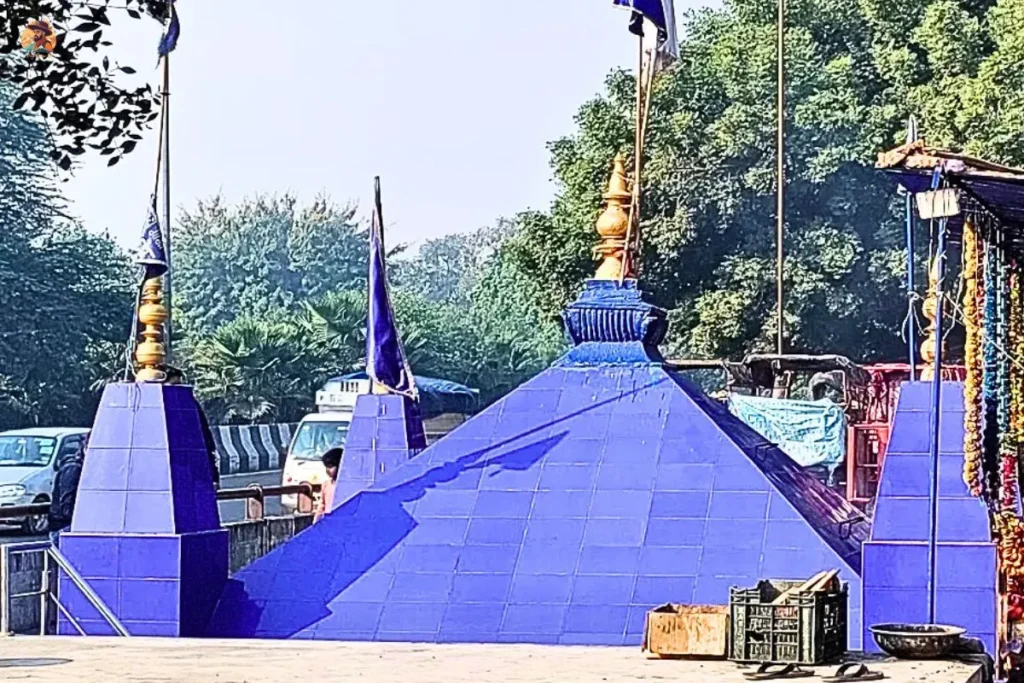
The first time I visited Neeli Chhatri Mandir in Delhi, an old priest quietly told me, “Yudhishthira ji built this temple in the Pandav era.” That moment stayed with me because the place really feels ancient. Many still call it the Pandav Kalin Neeli Chhatri Mandir.
Located near Nigambodh Ghat, the temple is linked to the sacred ground where Lord Brahma is believed to have performed the first yajna. Sitting on the steps, I heard the Yamuna carrying centuries of stories.
The famous blue dome is what makes the temple unique. Local lore suggests that Mughal rulers admired its glazed tiles, and some parts may have been repaired during their rule. Nobody knows exactly how old it is. As one devotee put it, “Faith remembers what history forgets.”
For me, this temple feels less like a monument and more like a bridge between epic legends and Delhi’s living history.
Neeli Chhatri Temple Location & How to Reach
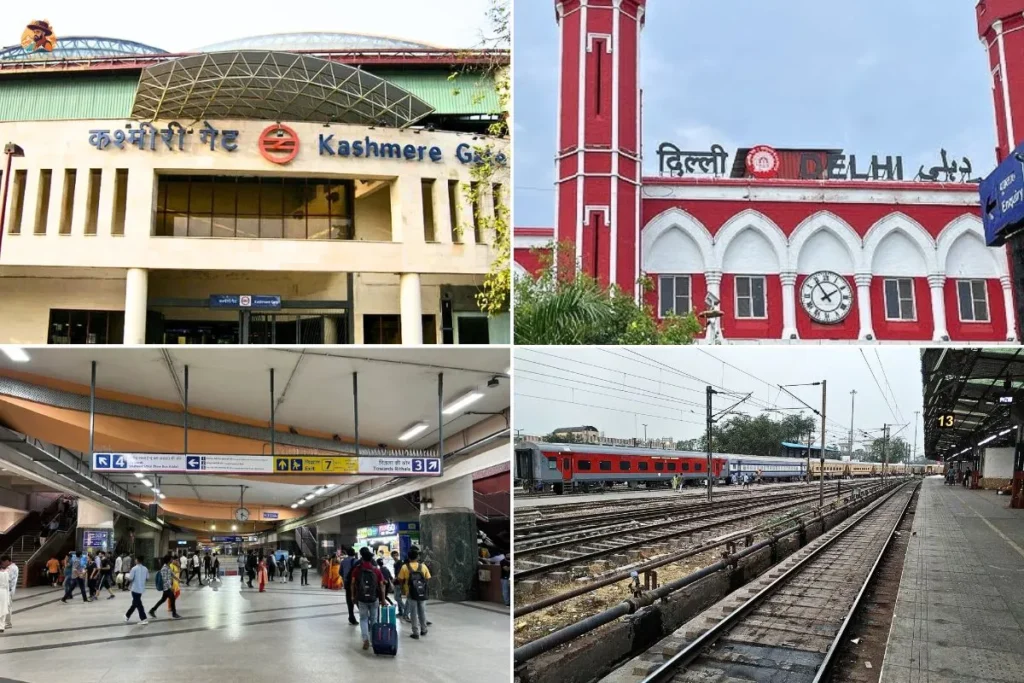
The Neeli Chhatri Mandir is tucked away in Yamuna Bazaar, next to Nigambodh Ghat and close to Chandni Chowk. If you are asking locals, mention “Nigambodh Ghat Mandir” — they will guide you better.
- By Metro: Kashmere Gate (1.5 km) is the easiest. From there, take an e-rickshaw or walk through busy lanes. Chandni Chowk Metro is another option, but the walk is more chaotic.
- By Train: Old Delhi Railway Station is about 2 km away. Cycle rickshaws outside the station usually know the spot well.
- By Road: Parking is almost impossible here, so I always avoid taking a car. Instead, I hop on an e-rickshaw (₹40–₹50).
- Walking: If you enjoy Old Delhi’s raw vibe, walk the last stretch. You will pass spice sellers, chai stalls, and small shrines before the blue dome suddenly appears above the rooftops. That moment feels magical.
Whenever I visit, I take a short rickshaw ride from Kashmere Gate and then walk the last few minutes. That small walk feels like part of the darshan itself.
👉 For those exploring more heritage temples, check out the nearby Famous Temples in Delhi guide, or read the Nigambodh Ghat Delhi Guide to understand the spiritual connection between the ghat and this shrine. If you love old-city stories, my Old Delhi Walk Experiences article adds even more local flavor.
Timings & Best Hours to Visit Neeli Chhatri Mandir
When I first came here on a winter morning, the temple doors had just opened. The marble floor was cold, and I could hear the arti begin as the sky turned pink. That memory still stays with me.
⏰ Daily Timings
- Opens around 6:00 AM with morning arti
- Evening puja begins around 6:30–7:30 PM
- Temple usually closes by 8:30–9:00 PM
- (Timings vary slightly; the pujari always guides kindly if you ask.)
⏰ Best Hours
- 🌅 Early morning: peaceful darshan, quiet lanes
- 🌸 Weekdays: less crowded, good for families
- 🌙 Evenings: festive lights and arti vibes
Festivals Worth Experiencing
- Maha Shivratri: Diyas line the courtyard, chants echo late into the night
- Sawan Mondays: Streams of devotees carrying water for Jal Abhishek
- Navratri: Bright flowers, drums, and longer evening aartis
💡 My tip: arrive before 7 AM. The mix of silence, the smell of incense, and the first ring of bells feels magical.
Rituals, Arti & Spiritual Experience
I still remember the first time I joined the evening arti. The pujari raised the glowing lamp, the bell rang loud, and the chants seemed to rise with the smoke of incense. For a moment, the noisy Yamuna Bazaar outside just melted away.
Main Rituals
- Shivling Abhishek: Devotees pour water or milk with bel leaves
- Morning arti: Rhythmic mantras, flower offerings, temple bells
- Evening arti: Lamps circling the lingam while the crowd hums softly
Inside vs Outside
- Inside: cool stone floor, marigolds, diyas. Outside: vendors, rickshaw bells, Yamuna breeze.
- Outside lanes: vendors shouting, rickshaw bells, wind from the Yamuna
- The contrast always hits me—chaos outside, calm inside.
Nigambodh Ghat Connection
- Just steps away, families perform ancestral rituals by the river
- Many stop here after ghat prayers, making the temple feel part of a larger spiritual circle
✨ Once, during Sawan, I sat cross-legged near the Shivling. Drops of milk slid down its surface while chants filled the hall. I felt the noise of Delhi vanish, leaving only devotion.
Neeli Chhatri Mandir Photos & Photography Etiquette
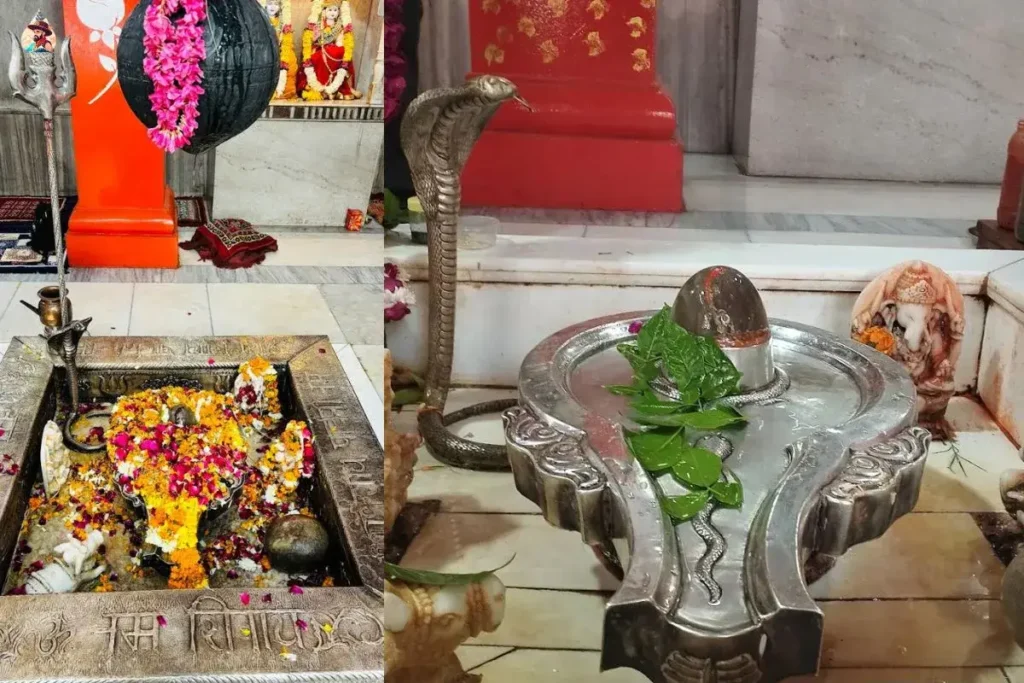
I still remember standing near the courtyard, camera in hand, as the blue dome caught the soft glow of sunrise. The reflection from the Yamuna Ghat side made it even more surreal. By evening, lamps around the sanctum add a golden warmth that makes photos glow naturally.
📸 Best Photo Spots
- The Neeli dome framed against the open Yamuna sky
- Courtyard arches with devotees walking in and out
- The steps near Nigambodh Ghat, where rituals meet the river
Tips & Etiquette
- Morning light brings out the blue dome’s true shade; evenings are best for lamps.
- Photography is usually fine outside, but avoid clicking inside during arti or puja.
- Keep in mind: sometimes monkeys roam near the ghat, so keep food hidden and your camera safe.
Tripods are usually discouraged due to space and crowds, but a wide-angle lens works best for the dome and courtyard. For me, the best photo was not the dome itself, but the moment when the smell of incense mixed with sunlight — a frame I still carry in memory more than on my phone.
Neeli Chhatri Mandir for Tourists & Devotees
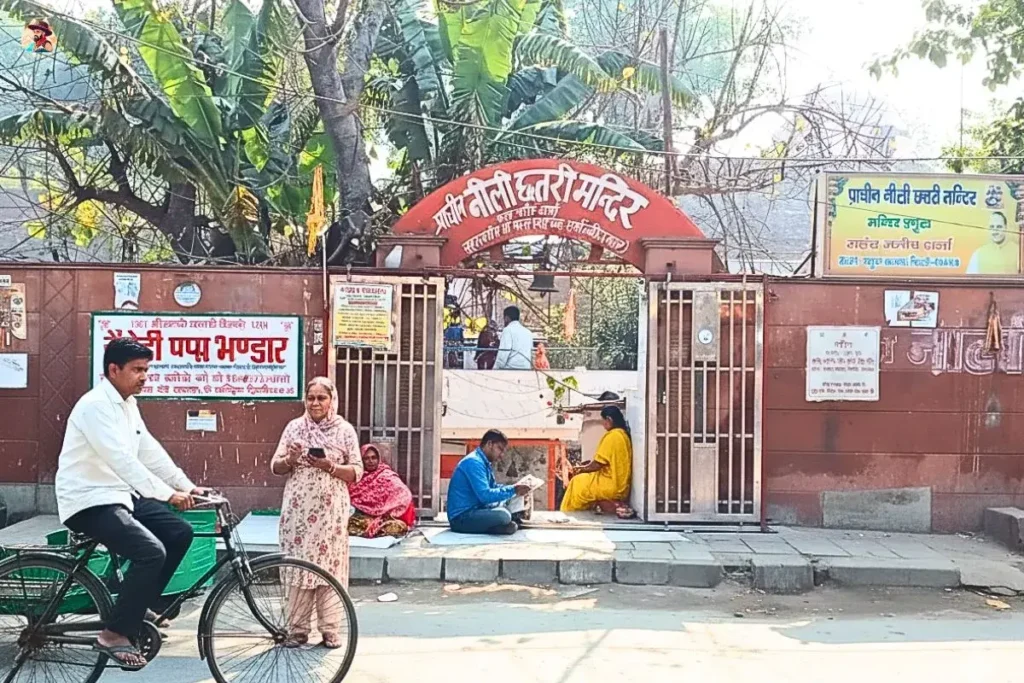
Visiting Neeli Chhatri Mandir feels less like sightseeing and more like stepping into a living story of Old Delhi. Over time, I have noticed a few things that help both foreign travelers and local devotees.
Do’s & Don’ts (Quick Guide)
✔️ Do’s
- Cover your head with a scarf or dupatta before entering
- Dress modestly; keep shoulders and knees covered
- Carry a small offering of flowers or incense if you wish
❌ Don’ts
- Do not click photos inside the sanctum during puja
- Avoid carrying heavy bags; the lanes are crowded
- Do not skip the handwash before joining the river or temple rituals
Practical Travel Flow (How I Experienced It)
- I reached by rickshaw through the Yamuna Bazaar lanes.
- At the entrance, I covered my head and left my shoes at the stand.
- The arti bells drowned the noise of Chandni Chowk outside.
- After darshan, I gave a small cash donation — not fixed, but appreciated.
Safety & Comfort
- Chandni Chowk crowds can be overwhelming, so keep your belongings close.
- Foreigners are warmly welcomed, and locals often help guide them inside.
- Even if you go alone, you will never feel out of place — the sangat (community) spirit makes you part of it.
For me, stepping out after darshan always feels like a shift — from the calm chants inside to the colorful chaos of Delhi outside. It is this contrast that makes the visit unforgettable.
Neeli Chhatri Mandir vs Other Delhi Temples
When I first walked into Neeli Chhatri Mandir, I could not stop staring at the blue dome glowing above the Yamuna. It felt quieter compared to the bigger temples in Delhi.
Here is how I see it:
- Neeli Chhatri Mandir: Feels hidden and timeless. Locals whisper about its Pandav connection. The dome, painted blue, gives it a unique identity.
- Gauri Shankar Temple (Chandni Chowk): Always full of marigold fragrance and the sound of conch shells. A classic Shiva temple experience.
- Hanuman Mandir (Connaught Place): Here I had to squeeze through long queues while hearing loud chants of “Jai Bajrang Bali.”
- Nigambodh Ghat shrines: Small but deeply spiritual, often with Yamuna rituals happening nearby.
👉 Honestly, Neeli Chhatri is not as grand as the others, but that is what makes it special. It feels like a forgotten corner of Delhi that still breathes legends.
Festivals & Seasonal Experience
I once visited Neeli Chhatri Mandir on Shivratri, and I still remember the sound of hundreds of bells ringing together. The chants of “Har Har Mahadev” carried across the Yamuna breeze, and even the crowded lanes could not break the energy inside.
Different times bring different moods:
- Shivratri: Crowds, bells, flowers, and an electric devotion that you can feel in your chest.
- Monsoon: The courtyard feels damp, and diyas float gently on the Yamuna. In the drizzle, the diyas shimmered — unforgettable.
- Kartik Purnima (November): My favorite. The dome glows under fairy lights, and outside, sweet shops sell hot jalebis that mix with the smell of incense.
👉 If you can plan only once, I would say go on Kartik Purnima. It feels like Delhi itself is celebrating around you.
Nearby Attractions Around Neeli Chhatri Temple Delhi
Every time I visit Neeli Chhatri, I end up turning the trip into a mini Delhi walk. Here is the path I usually take:
- Red Fort (5–7 mins): I like catching the sunset on its walls — they shine golden at that hour.
- Jama Masjid: Climbing the minaret is tiring, but the view of Old Delhi chaos below makes it worth it.
- Chandni Chowk food lanes: After darshan, I often stop for parathas dripping with ghee or piping hot jalebis.
- Khari Baoli spice market: The moment you enter, the air itself changes — it burns your nose with red chili but smells addictive.
- Yamuna Ghat: Early mornings are magical. Priests chant while marigold lamps float on the river.
👉 My ritual is simple: darshan at Neeli Chhatri, jalebis in Chandni Chowk, and a sunset walk near Red Fort. Faith, food, and history — all in one flow.
Essential Visitor Tips for Neeli Chhatri Mandir Delhi
When I first visited Neeli Chhatri Mandir, I noticed how many new visitors looked confused — some searching for tickets, others asking if it was the “National Temple of India.” Here are the things I wish someone had told me before my own visit:
- Free Entry: There are no tickets here. The temple is open for everyone, and donations are voluntary.
- Carry Small Offerings: Most devotees bring belpatra, fresh flowers, or a little milk for Lord Shiva. I carried bell leaves from a nearby shop — it cost barely ₹20.
- Best Time to Visit: Early morning after arti is peaceful. By noon, the Yamuna Bazaar lanes get crowded and noisy.
- Safety in Yamuna Bazaar: Keep cash and phones close. Lanes are narrow with sudden rickshaws. I kept my bag close while walking.
- Name Confusions:
- Some people call it the “national temple of India” online — that is incorrect. Neeli Chhatri is a local, historic Shiva temple in Delhi.
- Another confusion is “Neeli Chhatri Mandir Karnal.” That is a different shrine in Haryana. The original Pandav-era legend belongs here, near Nigambodh Ghat in Delhi.
- Some people call it the “national temple of India” online — that is incorrect. Neeli Chhatri is a local, historic Shiva temple in Delhi.
👉 My personal tip: buy your offerings from small vendors just outside. It supports locals and saves you from carrying things from home.
My Experience & Final Word
When I stood inside Neeli Chhatri Mandir during the morning arti, the sound of bells mingled with the fragrance of incense. Outside, Old Delhi roared with rickshaws and vendors, but inside, it felt like time had slowed down.
Walking through this shrine, I often imagine the Pandavas once praying here. That thought alone gives the place a timeless weight. If you ever visit, pause for a moment of silence, let the chants sink in, and carry that peace with you.
Before you leave, listen closely — the temple bells echo softly through the Yamuna breeze, as if the city itself is whispering an old prayer to you.
Local Insight: A Slice of Old Delhi After Darshan
After you visit Neeli Chhatri Temple in Delhi, do not rush back immediately. Just outside Nigambodh Ghat, you will find a few tiny tea stalls that serve kadak chai and crispy paranthas for about ₹20. The chai here tastes stronger because it is made on old coal stoves, giving it a smoky edge.
I often sit on the stone steps, sipping my tea as the Yamuna breeze carries temple bells in the distance. That small moment — chai in hand, prayers in the air — feels like a quiet reward after darshan.
💡 Traveler Tip: Visit before 8 AM. The lanes are calmer, and the golden light makes the temple dome glow like it belongs to another time.
FAQs about Neeli Chhatri Mandir Delhi
It is in Yamuna Bazaar, near Nigambodh Ghat, just 10 minutes from Chandni Chowk.
Local legends claim that it was built by Yudhishthira of the Pandavas, making it a Pandava-kalin shrine. The “blue dome” gave it its name.
The Kashmere Gate Metro Station (Yellow, Red, and Violet Lines) is closest, about 1 km away. From there, a short rickshaw ride or 10–12 minutes’ walk takes you to the temple.
Photography is allowed in the outer courtyard and dome area. Inside, avoid clicking during arti or rituals out of respect.
Maha Shivratri is the biggest day, with chants of “Har Har Mahadev” echoing across Yamuna Bazaar. Kartik Purnima also draws large crowds.
It is considered Pandav-era, more than 2,000 years old, though the dome and later structures reflect Mughal-period restorations.
The temple is safe, but the lanes get quiet at night. Mornings and evenings are safer.
Yes, absolutely. Many foreign travelers come here for a cultural experience. Just dress modestly, cover your head, and join the arti if you wish.
Kashmere Gate Metro Station is the nearest, about 1.5 km away. It connects the Yellow, Red, and Violet lines, making it easy to reach from anywhere in Delhi. From there, take an e-rickshaw through the Yamuna Bazaar lanes for around ₹30–₹40 to reach the temple.
The temple is roughly 10 minutes from Chandni Chowk by e-rickshaw. The route passes through Yamuna Bazaar, where you will see local vendors, chai stalls, and small shrines before spotting the blue dome near Nigambodh Ghat.
Yes, the temple is free and open to everyone. It is located near Nigambodh Ghat in Old Delhi and is easy to reach by metro or rickshaw. Foreigners and local visitors are always welcome — just dress modestly and cover your head before entering.

Hi, I am Manoj Kumar, a travel researcher and SEO content expert writing for Trip Guru Go, focused on Delhi and nearby travel destinations.
Being from Delhi NCR, I understand the travel preferences, routes, budgets, and experiences that travelers from this region actually look for. Every article I write is backed by local insights, real traveler experiences and detailed research to provide accurate and useful travel information.