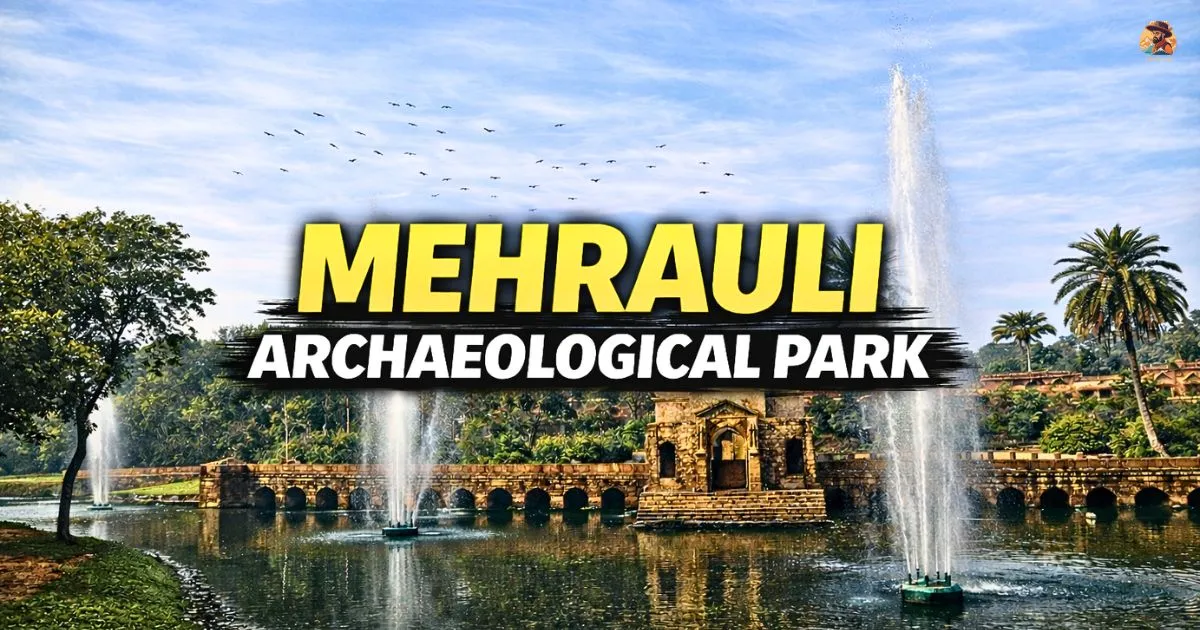
Most people enter Mehrauli Archaeological Park thinking it is a quick add-on to Qutub Minar. That small assumption often turns a relaxed morning into a tiring walk. I have explored Mehrauli Archaeological Park in Delhi several times, and each visit reminded me that this space is larger and quieter than it first appears. If you are planning to see Mehrauli Heritage Park, prepare in advance. Knowing what to expect makes the visit smoother.
On a cool winter morning, I entered just after sunrise when the stone paths still felt cold under my shoes. Scattered Delhi Sultanate monuments stood in open silence, far more spread out than most visitors expect. This is not a compact garden like the Qutub Minar Complex. It is nearly two hundred acres of layered history that requires patience and comfortable walking.
Keep two to three hours, wear closed shoes, and carry water. You will enjoy this place far more if you slow down. If you are exploring open heritage spaces, you may also want to see the best parks and gardens in Delhi for quieter green escapes.
Mehrauli Archaeological Park – At a Glance
- Location: Mehrauli, South Delhi
- Entry Fee (2026): ₹50 (General), ₹25 (Older Citizens with ID), ₹200 (Foreign Nationals)
- Free Entry: Children/Students up to 13 years (with valid proof)
- Nearest Metro: Qutub Minar Metro Station, Yellow Line
- Time Needed: 2 to 3 hours minimum
- Footwear: Closed shoes are strongly recommended
- Photography: Allowed for personal use, no extra camera fee
- Closed On: Open all days
Before the monuments, the history — because Mehrauli Archaeological Park makes far more sense when you know what you are actually standing inside.
What is Mehrauli Archaeological Park?
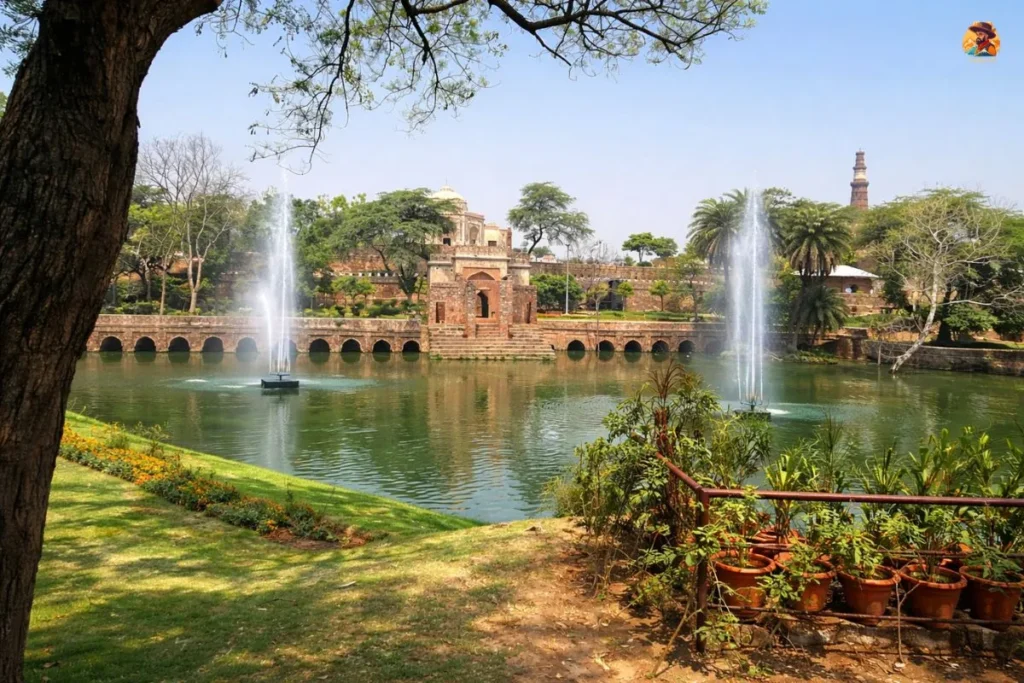
The first time I entered Mehrauli Archaeological Park in Delhi, I expected something similar to the Qutub Minar Complex next door. Within minutes, the silence and open space made it clear this was different. Mehrauli Heritage Park is not a compact monument complex. It is a wide historical area holding over a thousand years of Delhi’s history.
This landscape connects to the Seven Cities of Delhi, starting from the early Rajput period and continuing through the Delhi Sultanate and Mughal era. Monuments stand across open ground instead of inside a single boundary wall. Major structures are maintained under ASI protection, with restoration work supported by DDA.
On my first visit, I missed an entire tomb because the signboards were minimal. That is when I realized this park rewards slow exploration.
What defines Mehrauli Archaeological Park:
- An entry ticket is required under DDA management
- Monuments from multiple dynasties in one walking stretch
- Large open ground with noticeable distances between structures
Many visitors expect a short sightseeing loop. In reality, the area feels wider, quieter, and far less structured than Qutub Minar. If you enjoy walking and discovering history at your own pace, this setting feels far more real.
Now, let us move to the main monuments inside Mehrauli Archaeological Park so you can plan your route with clarity.
Main Monuments Inside Mehrauli Archaeological Park
Many visitors look for a clear Mehrauli Archaeological Park monuments list, but there is no fixed walking loop. The monuments are spread across open ground, and although people mention Mehrauli Park 100 monuments, most visitors cover selected highlights in one visit.
Must-See Structures
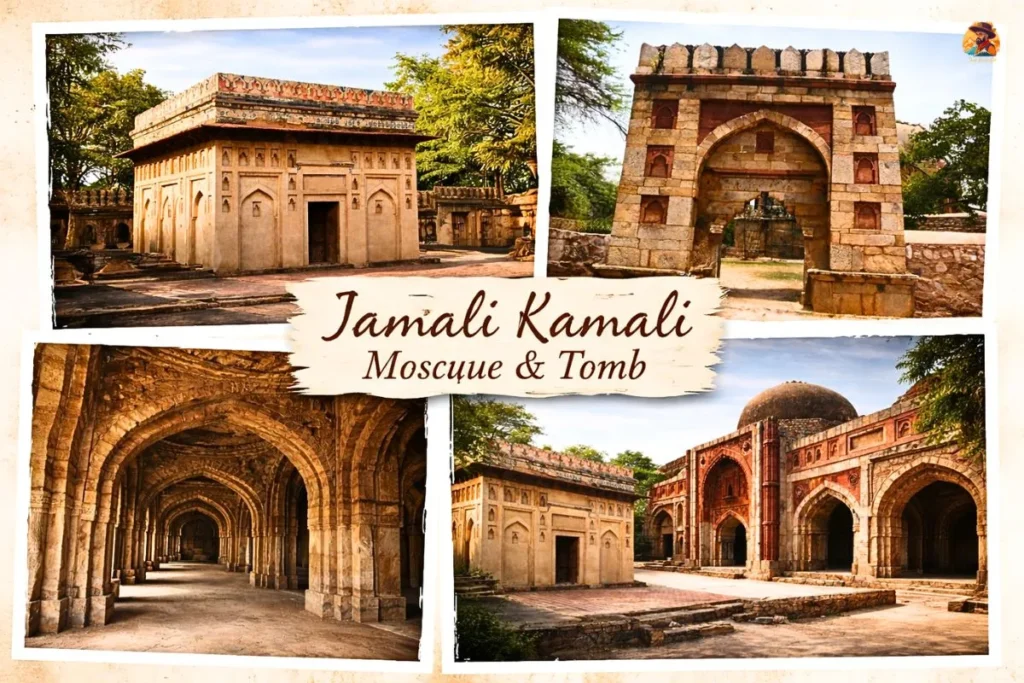
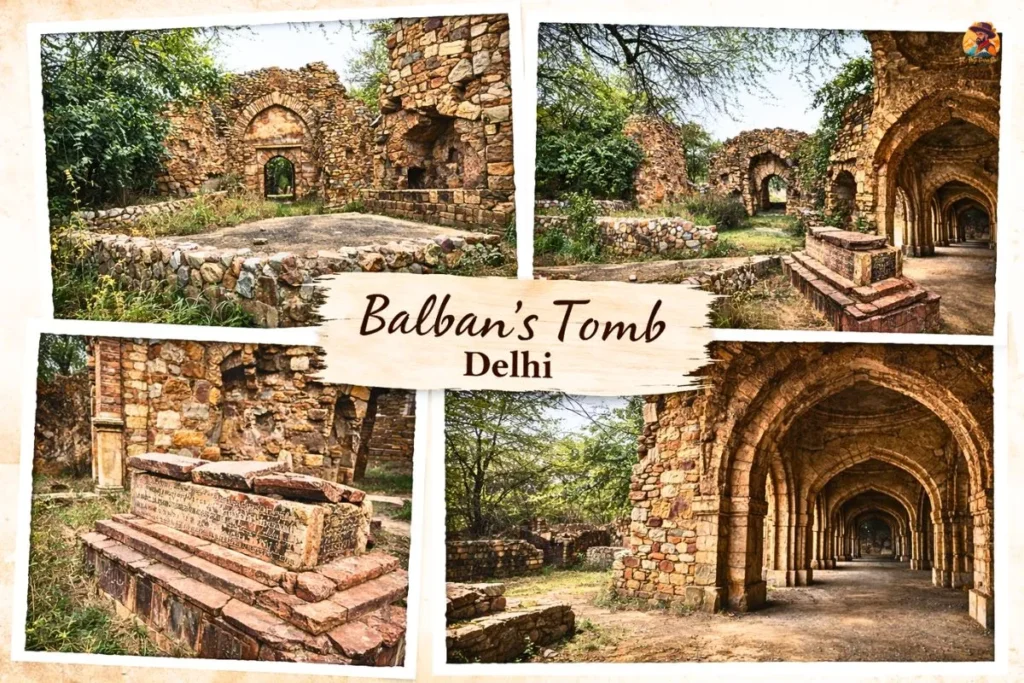
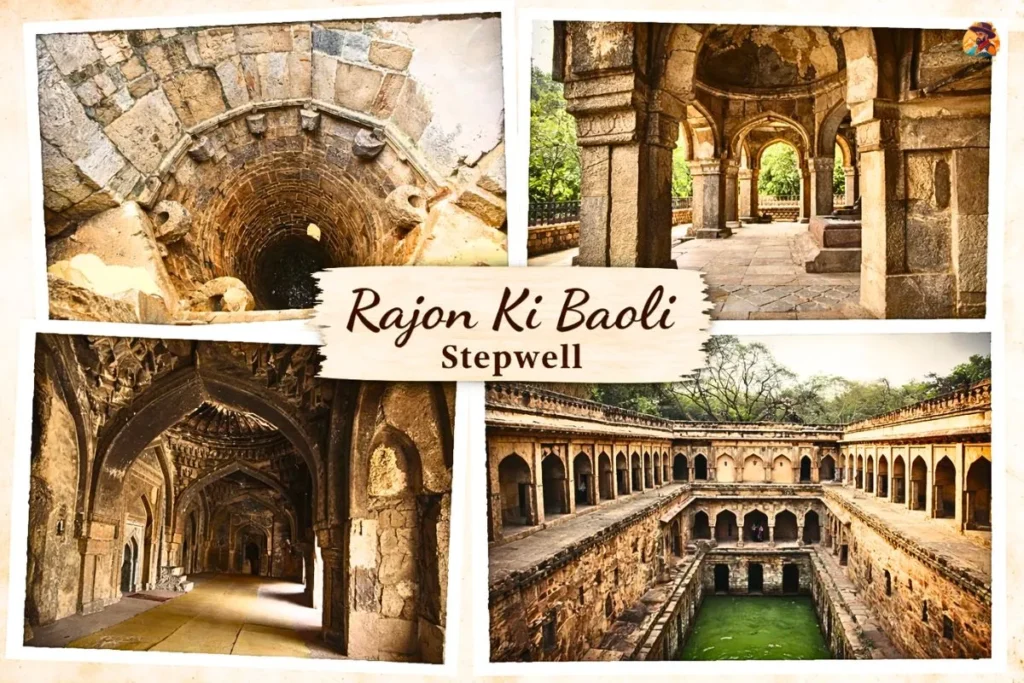
- Jamali Kamali Mosque and Tomb
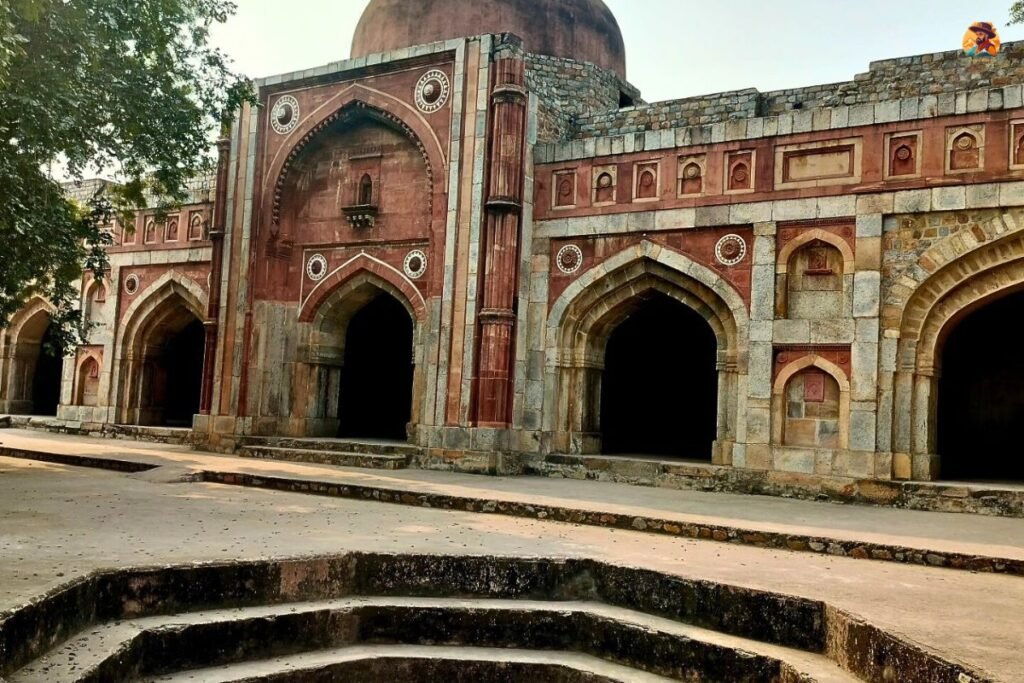
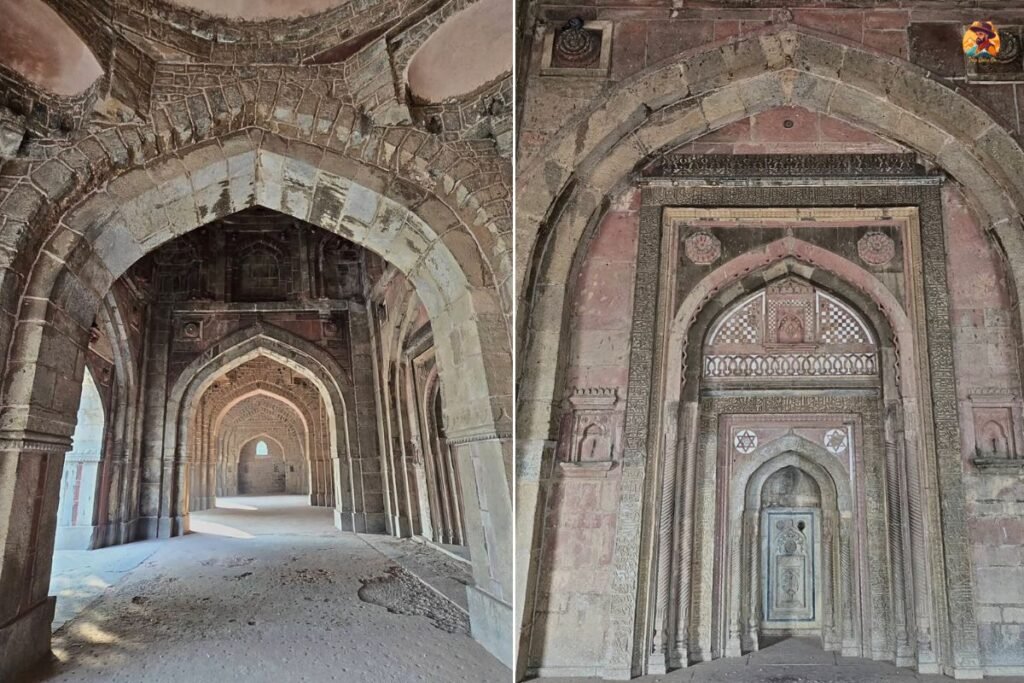
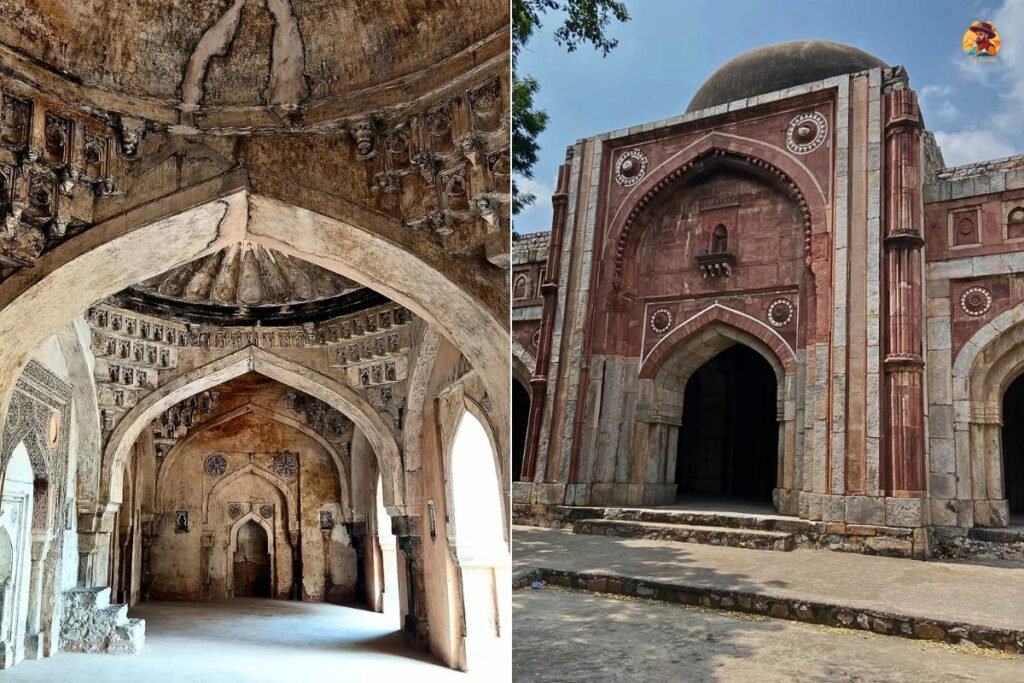
This is the most striking monument inside Mehrauli Heritage Park. Built around 1528, it houses the tomb of the Sufi poet Jamali. The painted ceiling and red sandstone details still stand out, especially in the morning light. - Balban’s Tomb Delhi
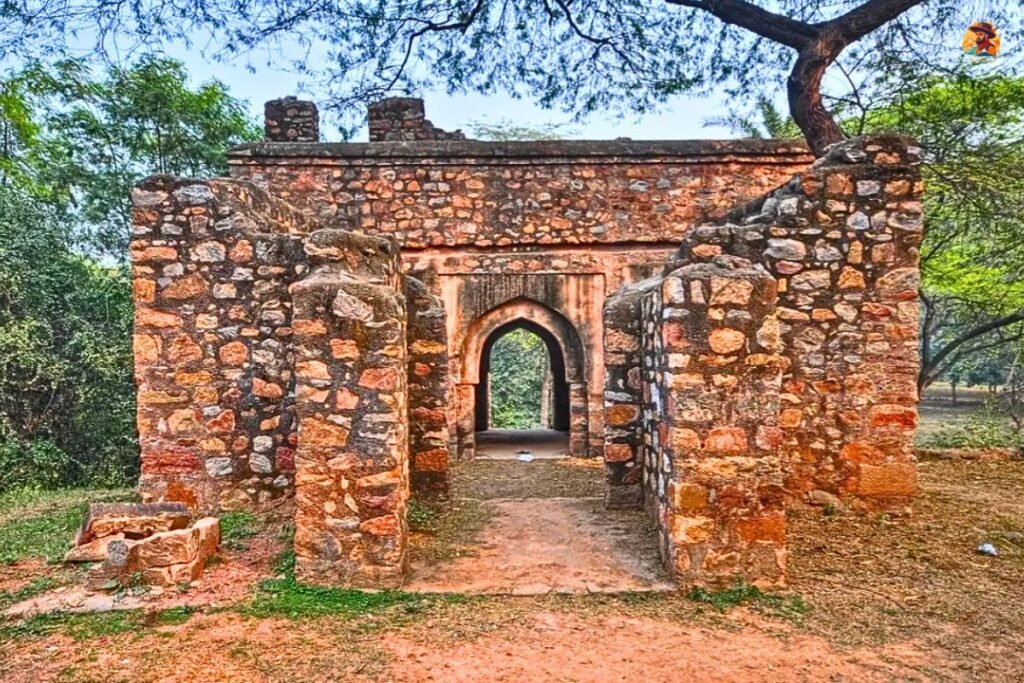
Simple in appearance, but historically important. This site is known for the first true arch in India, which later influenced Indo-Islamic architecture across North India. There is little shade here, so visit early. - Rajon Ki Baoli Stepwell
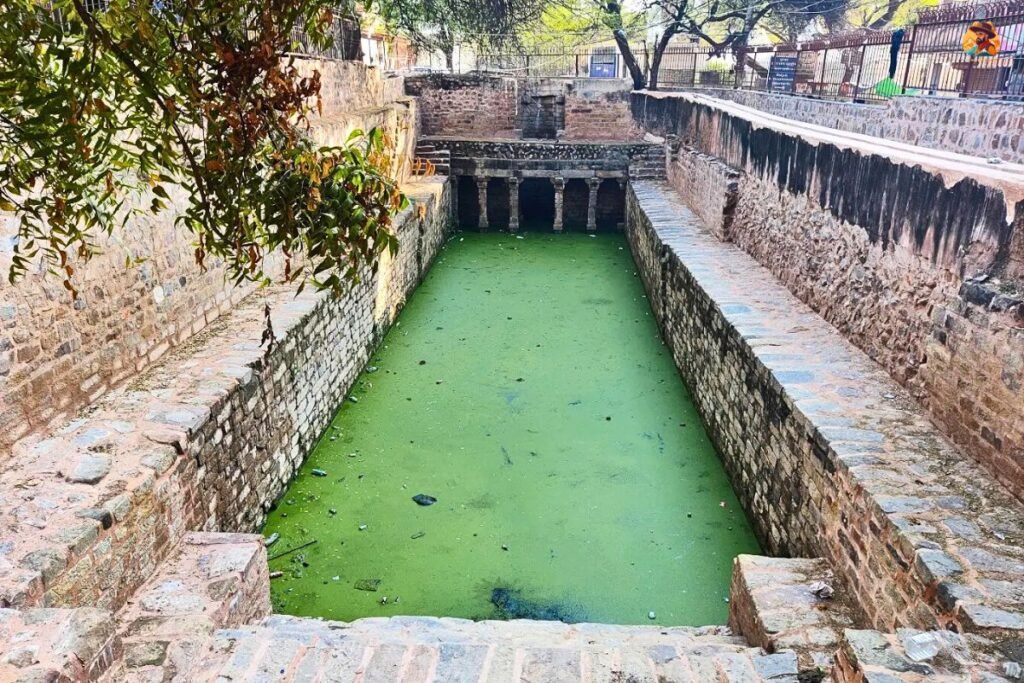
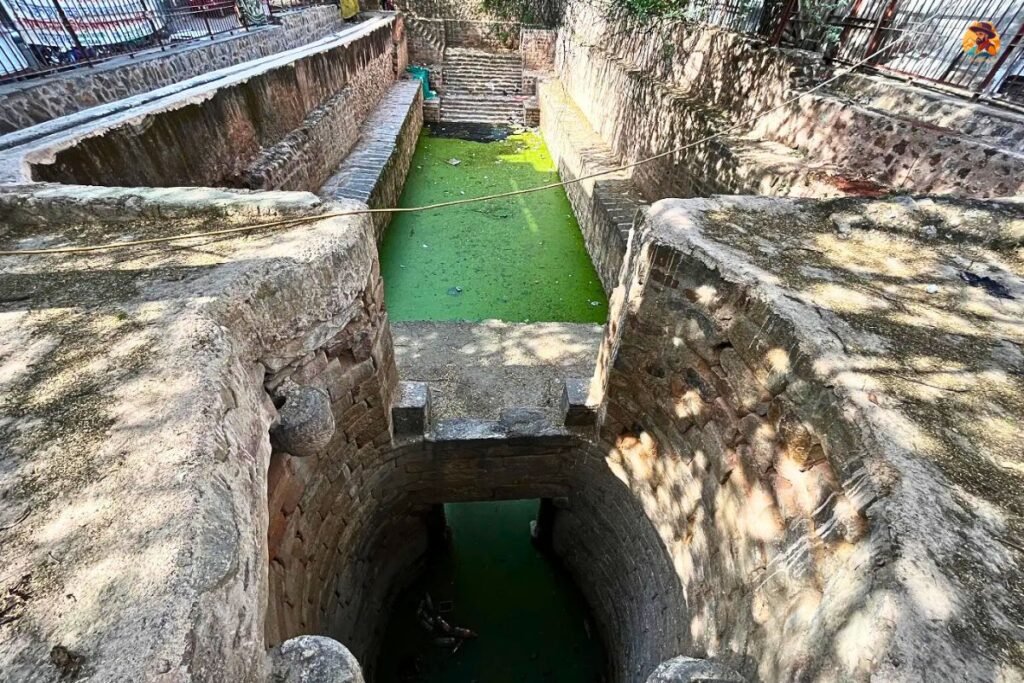
A Lodhi-era stepwell built for local workers. The descending arches create symmetry and make it one of the calmest corners of the park.
Other Notable Sites
- Lal Kot Fort Ruins – Remains of early Delhi fortifications.
- Quli Khan Tomb and Metcalfe’s Dilkusha – A Mughal tomb later reused by British official Thomas Metcalfe as a retreat.
- Zafar Mahal – The last Mughal palace built in Delhi.
- Hauz-i-Shamsi – A 13th-century water reservoir linked to local legend.
- Madhi Masjid – A small Lodhi-era mosque with simple arches.
Bonus Detour
Adham Khan Tomb, Mehrauli (Bhool Bhulaiya), lies just outside the park boundary. Its massive dome and circular interior make it worth a short walk.
Expect long internal trails and uneven ground between monuments. Download an offline map before entering. Weekday mornings are noticeably quieter than weekends.
⭐ Architect’s Note: The pointed arch visible here became the defining structural element of later Sultanate and Mughal architecture across North India.
Mehrauli Archaeological Park Timings, Entry Fee & Facilities
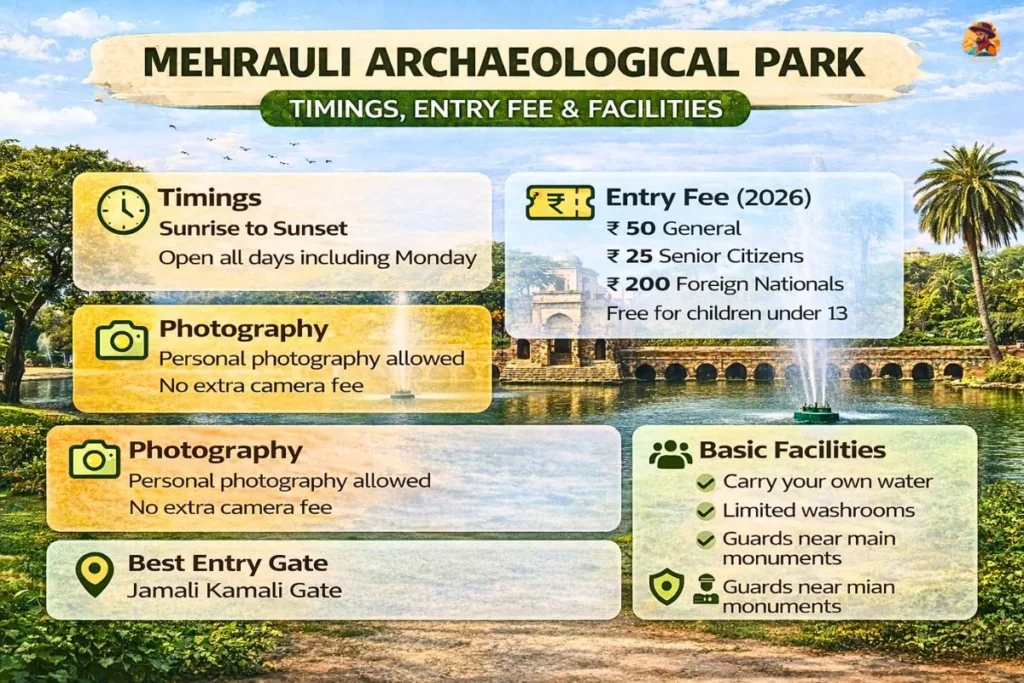
This is where small assumptions can quietly spoil your plan. Mehrauli Archaeological Park may appear informal from the outside, but knowing the exact timings, entry structure, and on-site facilities prevents confusion once you enter.
| Detail | Information |
| Timings | Sunrise to Sunset, open all seven days |
| Is Mehrauli Archaeological Park open on Monday? | Yes, open on Mondays, unlike the Qutub Minar Complex |
| Mehrauli Archaeological Park entry fee (2026) | ₹50 (General), ₹25 (Older Citizens with ID), ₹200 (Foreign Nationals) |
| Free Entry | Children/Students up to 13 years (with valid proof) |
| Monthly Pass | ₹500 (General), ₹250 (Older Citizens) |
| Photography charges at Mehrauli Park | Personal photography allowed; no separate camera ticket |
| Drone rules | Yes, open on Mondays, unlike the Qutub Minar Complex |
| Weekday vs Weekend crowd | Weekdays are quieter; weekends are moderately busy near Jamali Kamali |
| Drinking water | Not reliably available inside; carry your own bottle |
| Washrooms | Limited and not near every monument |
| Security presence | Guards near major monuments only |
| Yes, open on Mondays unlike the Qutub Minar Complex | Generally safe in daylight; avoid isolated trails near sunset |
| Main entry point tip | Use the Jamali Kamali gate near Lado Sarai for the easiest access |
On a recent weekday morning visit, the first hour felt calm with only a few photographers around Rajon Ki Baoli. By Sunday afternoon, the same stretch near Jamali Kamali felt noticeably busier. Timing still shapes the overall experience here.
Although an entry fee is now in place, the facilities remain basic. Carry water, wear comfortable shoes, and plan around daylight. A little preparation keeps the visit smooth and stress-free.
Next, let us look at how to reach Mehrauli Archaeological Park without confusion, especially from the nearest metro station.
What to Carry for Mehrauli Archaeological Park
Many visitors underestimate how exposed and spread out this park feels. A small packing checklist makes the visit far more comfortable.
Here is what I recommend:
- Water bottle – No reliable drinking water inside
- Closed shoes – Uneven terrain and dusty trails
- Cap or hat – Limited shade between monuments
- Sunscreen – Direct sunlight most of the year
- Offline map – Mobile signals feel patchy in deeper sections
- Power bank – Photography drains the battery quickly
- Light snack – No food vendors inside
- Hand sanitizer – Washrooms are limited
This is not a picnic park. It feels more like an open historical land. Come prepared, and the experience improves instantly.
How to Reach Mehrauli Archaeological Park
The Mehrauli Archaeological Park location is in Mehrauli, South Delhi, very close to the Qutub Minar Complex. The overall route is simple, but the entry gates can confuse first-time visitors. Choosing the correct drop-off point saves unnecessary walking before you even begin exploring.
- Mehrauli Archaeological Park address: Near Jamali Kamali Mosque, Mehrauli, New Delhi.
- Nearest metro station to Mehrauli Archaeological Park: Qutub Minar Metro Station, Yellow Line.
- Mehrauli Archaeological Park metro route: Take the Yellow Line and exit at Qutub Minar.
- Metro exit: Use Exit 1 and head toward Mehrauli Road.
- Walking distance from metro: Approximately 1 to 1.5 kilometers on a mostly flat road, slightly uneven near the boundary.
- By cab or auto: Tell the driver clearly, “Jamali Kamali gate, Lado Sarai side.”
- Mehrauli Park parking: Limited roadside parking near the Jamali Kamali entrance; no dedicated parking lot.
- Mehrauli Archaeological Park Google Maps tip: Search “Jamali Kamali Mosque” for the most accurate entry point.
One important clarification: if you only search the Mehrauli Archaeological Park map, the pin may drop you near a boundary wall instead of the usable entrance. Searching Jamali Kamali Mosque leads you directly to the motorable gate.
The walk from Qutub Minar Metro takes about fifteen minutes in pleasant weather. In summer, I usually take a short auto to save energy for the long internal trails inside the park.
Next, let us look at whether you should explore the park independently or consider a heritage walk.
Sample Half-Day Plan: Mehrauli Archaeological Park + Qutub Minar
Many travelers ask if Mehrauli Archaeological Park and Qutub Minar can fit in one day. Yes, they can. However, you must plan timing carefully.
Here is a realistic half-day structure.
8:00 AM – Enter Mehrauli Archaeological Park
Start from the Jamali Kamali gate. Explore Jamali Kamali, Rajon Ki Baoli, and Balban’s Tomb while the light remains soft.
10:30 AM – Exit the Park
Take a short break and hydrate.
11:00 AM – Visit Qutub Minar
Spend around one to one and a half hours inside the complex.
1:00 PM – Lunch Break
Choose a café nearby based on your budget.
Optional – Evening Visit
If you have energy left, walk toward the Dargah of Qutbuddin Bakhtiyar Kaki in the evening. The atmosphere feels completely different, especially during qawwali evenings.
Important Reality Check
There is no internal connecting gate between the Qutub Minar and the Mehrauli Archaeological Park. You must exit and re-enter from the Jamali Kamali side.
Plan energy, not just time.
Mehrauli Archaeological Park Heritage Walk – Guided vs Self Exploration
Many visitors consider a Mehrauli Archaeological Park heritage walk because the monuments are spread out and the signboards are limited. INTACH and other organizers conduct guided walks here, usually on weekends. Details and booking information are available on their official websites.
Here are your main options:
| Option | Cost Level | Best For |
|---|---|---|
| INTACH Heritage Walk | Low to Moderate (varies) | First-time visitors and history enthusiasts |
| Private Guide | Moderate to High | Families or groups wanting deeper background |
| Self Exploration | Free | Solo travelers and photographers |
Note: Prices change periodically. Always confirm before booking.
When to book a guide:
Choose a guided walk if this is your first visit or if you want detailed historical context. Some operators also offer combined Qutub Minar and Mehrauli tours as part of a South Delhi historical tour.
When self-exploration works better:
Explore on your own if you prefer moving at your own pace. Download an offline map before entering, as signals can weaken in deeper sections.
On my first visit, I explored alone and missed important details. A guided walk later helped me understand the park much better. Choose based on how deeply you want to engage with the history.
Mehrauli Archaeological Park for Photography – Best Spots & Golden Hours
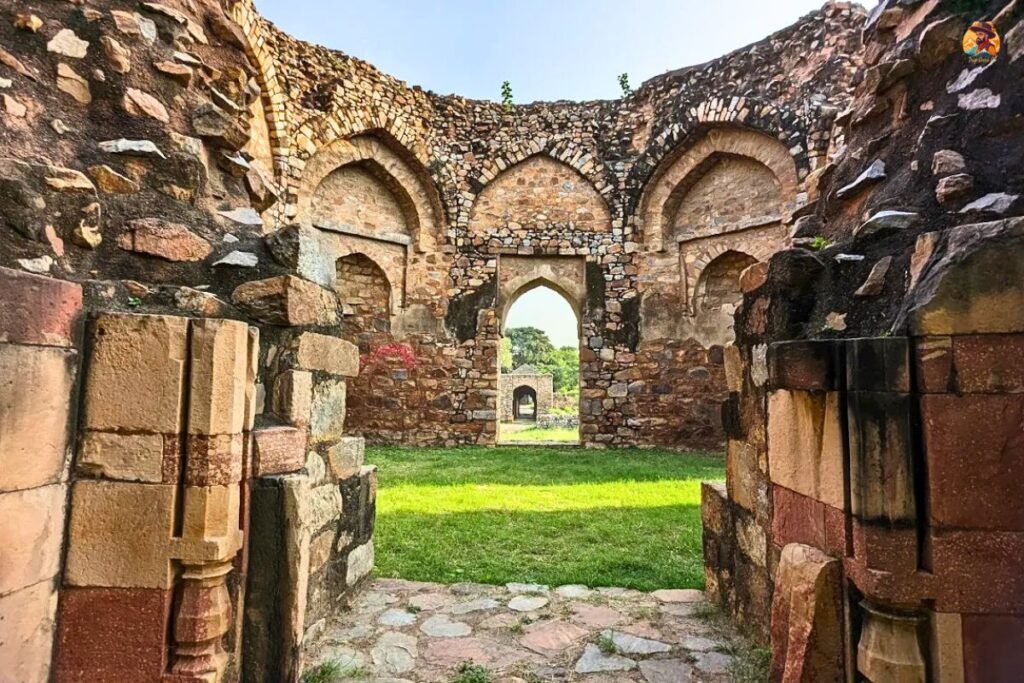
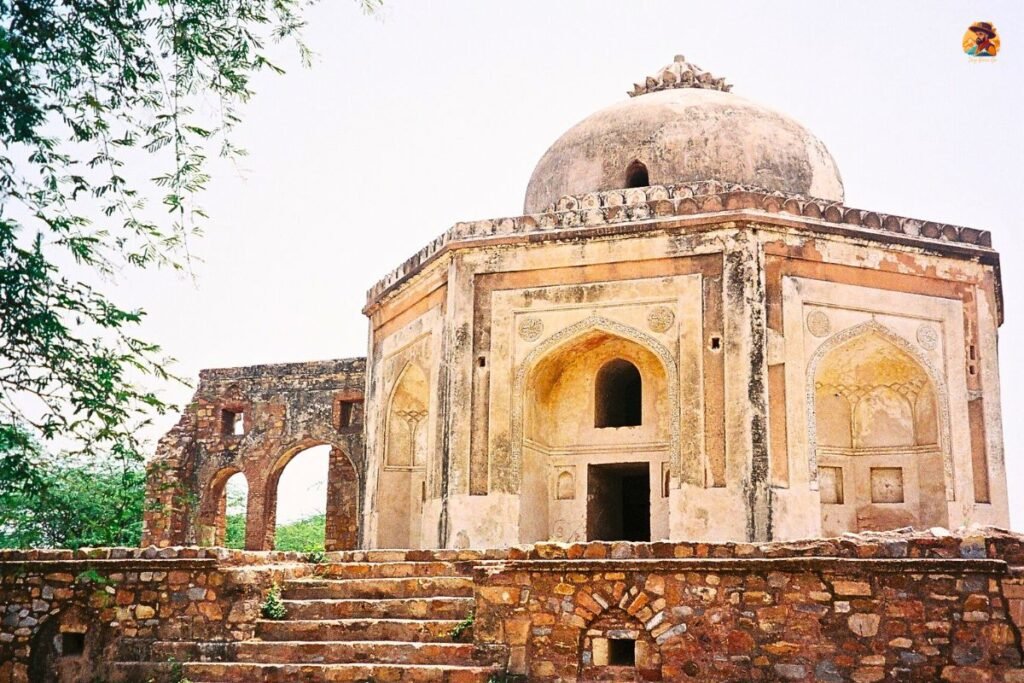
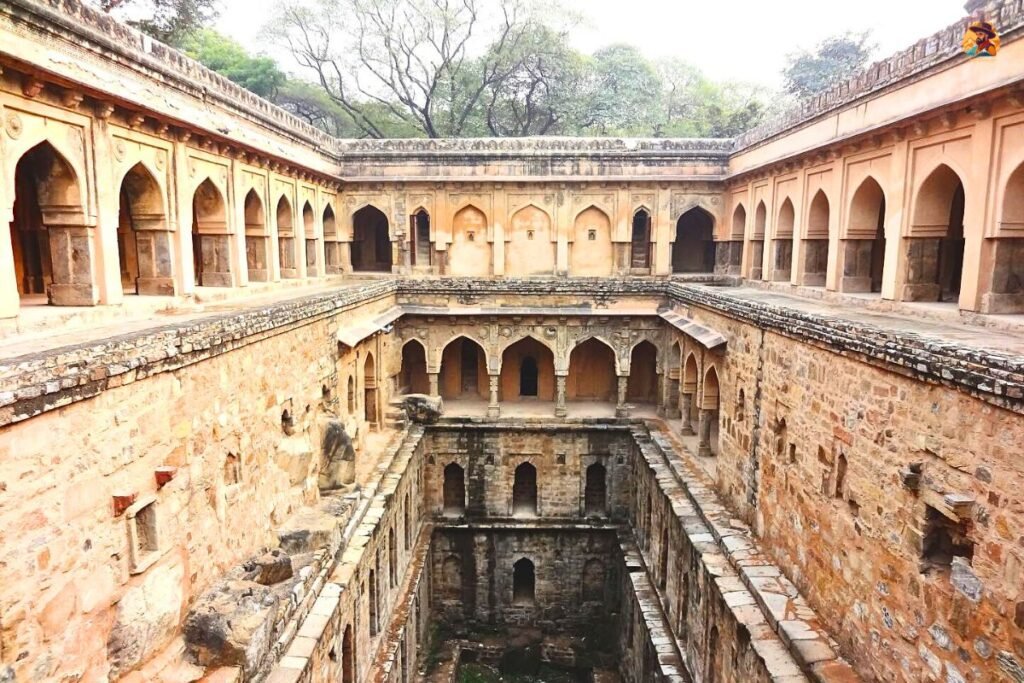
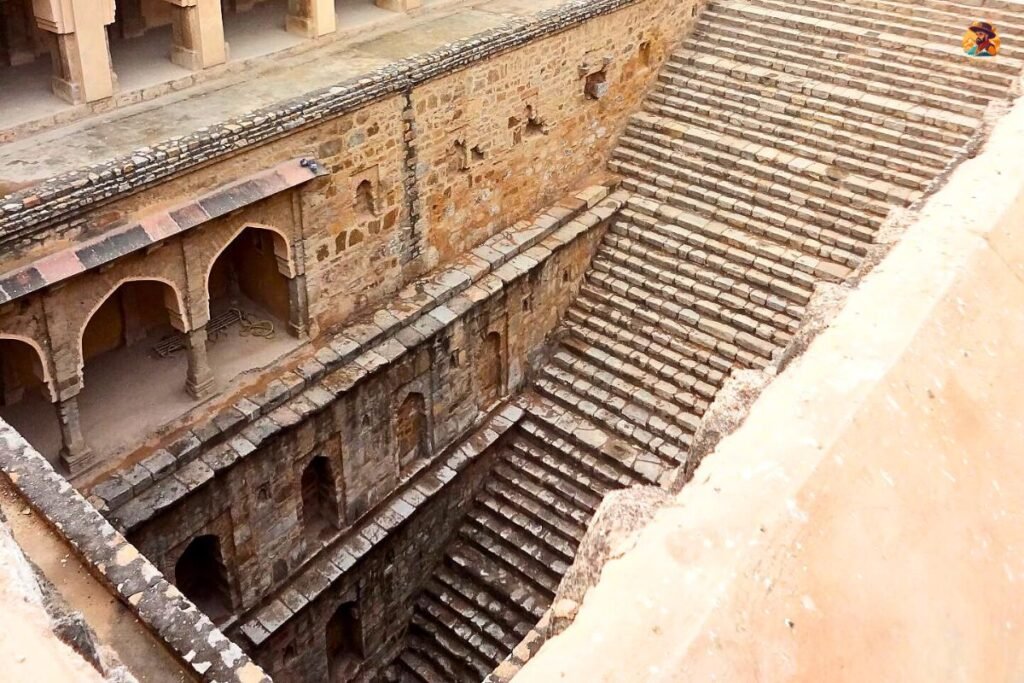
In this park, light decides everything. Mehrauli Archaeological Park photography can look flat at noon, but it turns cinematic during soft morning hours. If you are planning professional content, travel reels, or clean Mehrauli Archaeological Park photos, timing matters more than your gear.
Golden Hour
Best Time: First 60 minutes after sunrise.
Morning light works better than afternoon heat, particularly in summer.
Best Photo Spots in Mehrauli Archaeological Park
- Jamali Kamali – Front façade and interior arches offer strong framing.
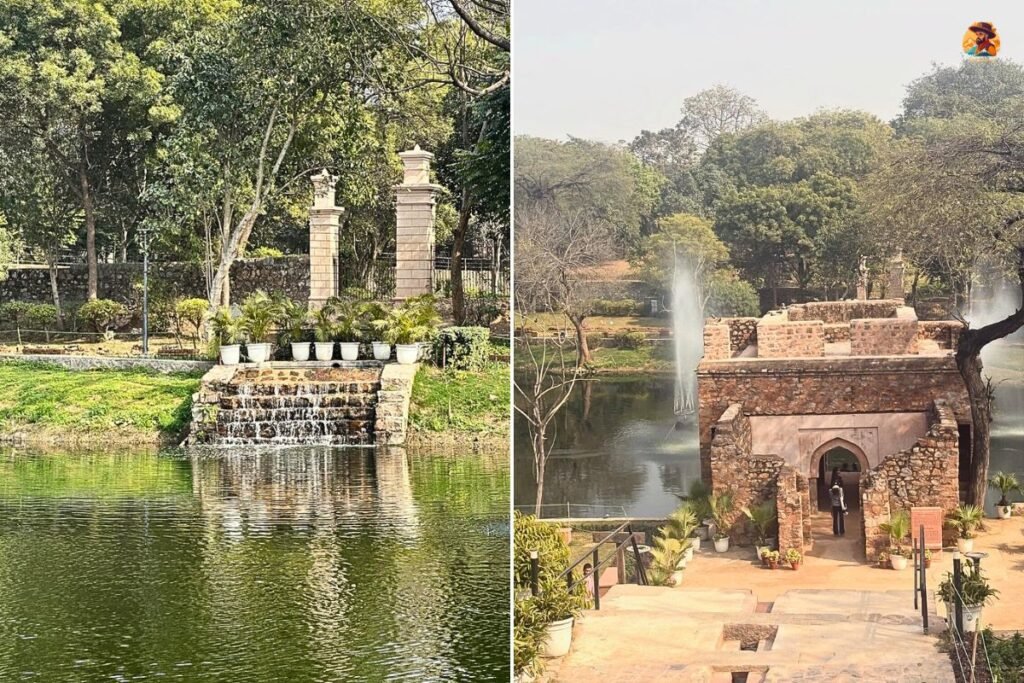
- Rajon Ki Baoli – The most photogenic structure. The layered arches create natural symmetry, and the staircase works well for real-style shots.
- Gandhak Ki Baoli – Quieter alternative with fewer visitors.
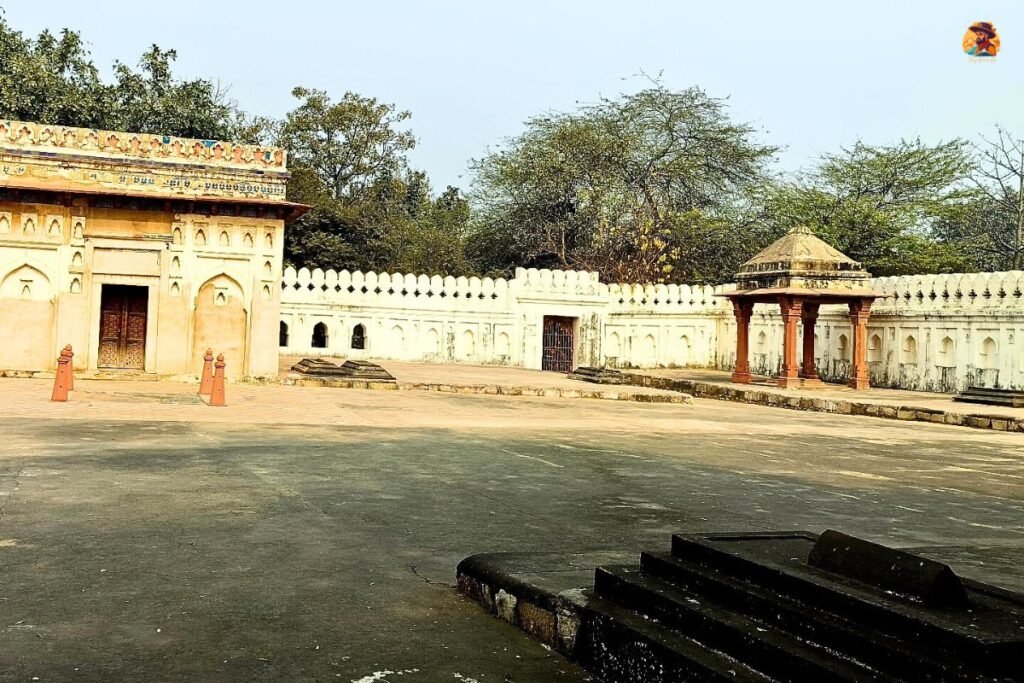
- Balban’s Tomb – Simple backdrop for wide or silhouette shots.
- Metcalfe’s Dilkusha Area – Elevated ground with distant views toward Qutub Minar.
On one early visit, I spent nearly forty minutes at Rajon Ki Baoli alone. Fewer crowds made framing much easier.
🚫 Rules & Permissions
- Photography charges: Personal photography with a phone or a DSLR is free.
- Professional shoots: Pre-wedding or commercial shoots may require permission from DDA or ASI authorities.
- Drone rules: Drone photography is strictly prohibited without prior ASI clearance and can result in fines.
Next, let us answer the most frequently asked questions about Mehrauli Archaeological Park.
Is Mehrauli Archaeological Park Worth Visiting?
Whether Mehrauli Archaeological Park is worth visiting depends entirely on your expectations. Comparing it directly with the Qutub Minar is where most visitors misjudge it.
- Choose Qutub Minar if: You want a compact, famous monument with clear pathways and limited walking time.
- Choose Mehrauli Archaeological Park if: You prefer quieter spaces, photography, and can comfortably walk for two to three hours across open ground.
Honest Reality Check:
There is no internal connecting gate between the Qutub Minar and the park. After finishing Qutub, you must exit and re-enter from the Jamali Kamali side. Distances inside the park feel longer than they appear on maps.
On my first visit, I underestimated the walking distance and reached Rajon Ki Baoli already feeling tired. When I returned with better timing and realistic expectations, the experience felt far more rewarding.
My Advice:
If you dislike heat, long walking stretches, or unstructured exploration, you may find it demanding. Also, avoid it if you are traveling with older family members or young children who may struggle with uneven ground and distances between monuments.
Nearby Places to Explore Near Mehrauli Archaeological Park
If you are already in Mehrauli, you can combine several nearby spots in half or one full day. You can combine several nearby places in the same half or full day.
Walkable from Mehrauli Archaeological Park:
- Qutub Minar Complex (0.5–1 km) – Famous monument complex, best visited early morning.
- Adham Khan’s Tomb – Bhool Bhulaiya (5 minutes walk) – Large octagonal tomb with upper-level views.
- Jahaz Mahal & Hauz-i-Shamsi (short walk inside Mehrauli village) – Lodhi-era pavilion beside a historic reservoir.
- Dargah of Qutbuddin Bakhtiyar Kaki (a few minutes walk) – Evening qawwali and Sufi atmosphere.
- Mehrauli Village & Zafar Mahal (walkable) – Mughal-era ruins and local lanes.
Short Drive (20–30 minutes):
- Garden of Five Senses (4 km) – Landscaped park and cafés.
- Chhatarpur Temple (5 km) – Large temple complex.
- Sanjay Van (6 km) – Forest trails and birdwatching.
- Hauz Khas Village & Deer Park (7 km) – Evening walks and cafés.
Plan half a day for walkable sites, or a full, relaxed day if combining multiple stops.
Where to Eat Near Mehrauli Archaeological Park
After two to three hours of walking across open ruins and uneven terrain, hunger feels very real. Mehrauli Archaeological Park has no food stalls or cafés inside, so you must step out for a proper meal.
Here are practical options based on budget and mood.
Budget Options – Mehrauli Village
If you want something quick and local, walk toward Mehrauli village near the Jamali Kamali gate.
You will find:
- Small chai stalls
- Basic North Indian dhabas
- Simple snack counters
Seating remains limited, but prices stay low, and service feels fast.
Approximate cost: ₹50 to ₹200 per person.
This works best if you only want tea, paratha, or a quick snack before heading home.
Mid-Range Cafés – Comfortable Sit-Down Lunch
If you want air-conditioning and proper seating, walk or take a short auto toward the Qutub Minar side.
Good options include:
- Grammar Room – Light meals, fresh juices, vegan-friendly dishes, and calm garden-style seating. It works well for a relaxed post-walk lunch without feeling heavy.
- Lavaash by Saby – Armenian and Bengali fusion cuisine with a warm indoor setting. The menu feels different from regular café food and suits a slow afternoon meal.
Approximate cost: ₹800 to ₹1500 per person.
These cafés sit close to the Qutub Minar complex, around 1 kilometer from the park entrance.
Premium Dining – Qutub View Experience
If you want to turn your outing into a full heritage dining experience, consider:
- Olive Bar & Kitchen – A Mediterranean restaurant located approximately 1 kilometer from the park. It offers outdoor seating and refined interiors, with parts of Qutub Minar visible nearby. The atmosphere feels elegant and slow-paced.
Approximate cost: ₹2000 or more per person.
This option works well if you are combining Mehrauli Archaeological Park with a visit to Qutub Minar and want to end the day in comfort.
Practical Tips
- Do not eat a heavy meal before entering the park. Long walking stretches feel easier on a lighter stomach.
- Most cafés near Qutub Minar will refill your water bottle if you ask politely. This helps if you plan to re-enter the park or continue exploring nearby sites.
Plan the walk first. Plan the meal afterward. That order makes the experience smoother.
Best Time to Visit Mehrauli Archaeological Park
Timing changes your entire experience here. The park is open and exposed, so weather, light, and walking comfort matter more than most visitors expect.
- Winter (October to February):
This is the most comfortable season. Cool air makes long walking stretches manageable, and morning light enhances stone textures beautifully. However, dense winter fog in December and January can reduce visibility during early hours. - Summer (April to June):
Midday heat becomes exhausting because there is limited shade between monuments. If visiting in summer, enter right at sunrise and finish before late morning. - Monsoon (July to September):
The area turns greener and less dusty, but trails can feel slippery after rain. Humidity may make long exploration tiring. - Morning vs Afternoon:
The first hour after sunrise is ideal for both comfort and photography. By late afternoon, especially on weekends, the Jamali Kamali side becomes noticeably busier. - Walking Fatigue Reality:
Distances between monuments feel longer than they appear on maps. Plan two to three hours and pace yourself, especially in warmer months.
If you want the calmest experience, choose a weekday morning in winter. That combination usually offers the best balance of light, temperature, and manageable crowds.
Conclusion – Should You Add Mehrauli Archaeological Park to Your Delhi Itinerary?
Mehrauli Archaeological Park belongs on your Delhi itinerary if you want something beyond the usual monument queue — a place that feels open, unhurried, and full of history without heavy tourist administration.
You will love it if you enjoy photography, quiet walking, and discovering ruins at your own pace. Plan at least two to three hours, preferably in the morning, to experience it properly. You may skip it if you have less than one hour. Avoid it if you are traveling with older family members who may struggle on uneven ground. It is also not ideal if you expect shaded seating and managed facilities throughout.
Come with water, comfortable shoes, and no fixed agenda. The park will do the rest. If you have first-hand experience visiting places across India, consider submitting to our write for us travel India page.
FAQs About Mehrauli Archaeological Park
No. As of March 2025, the Delhi Development Authority has introduced an entry fee. The current charges are ₹50 for general visitors, ₹25 for Older citizens with a valid ID, and ₹200 for foreign nationals. Children or students up to 13 years can enter for free with a valid proof.
Minimum two hours if you focus on must-see structures. Three hours or more if you plan photography, a heritage walk, or want to explore lesser-known ruins comfortably.
It is generally safe during daylight hours near the main monuments. Avoid isolated sections as sunset approaches.
It is generally safe during morning and early afternoon hours when other visitors are present. Avoid walking alone into deeper, isolated trails later in the day.
The nearest metro station to Mehrauli Archaeological Park is Qutub Minar Metro Station on the Yellow Line.
Yes, it is open until sunset. However, light fades quickly, and facilities are minimal, so early visits are more comfortable.
Yes. Personal photography is allowed and free. Drone photography is not permitted without official ASI clearance.
Yes, but expect long walking stretches and uneven ground. It is more suitable for older children who can walk comfortably.
Yes. It remains open all seven days, including Monday, unlike the nearby Qutub Minar Complex.
Yes. Qutub Minar is a ticketed, compact monument complex. Mehrauli Archaeological Park is a free, open area with multiple scattered historical structures.
October to February is ideal due to the comfortable temperatures and better photography light. Avoid peak summer months like May and June when midday heat makes walking exhausting.

Hi, I am Manoj Kumar, the voice behind Trip Guru Go. I am a travel researcher, SEO content expert, and founder of this blog. With over 12 years of experience in digital travel research, I simplify complex destinations into real, helpful, and trustworthy guides.
Every article I write is backed by local sources, real traveler experiences, and deep fact-checking. Even if I have not visited every place personally, I never share anything without strong on-ground insight.
I do not sell travel packages or promote anything paid. My only goal is to help you travel smarter — with zero fluff, 100% honesty, and a deep focus on your safety and experience.