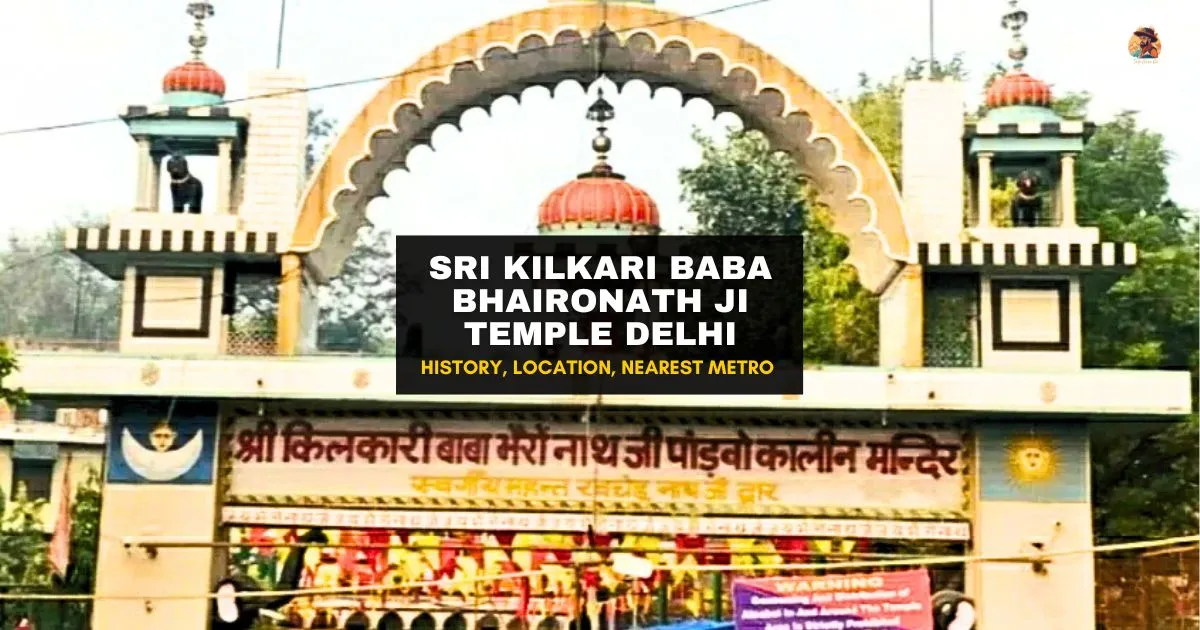
Sri Kilkari Baba Bhaironath Ji Pandav Kalin Mandir is one of the oldest Bhairav temples in Delhi, located near Purana Qila. Devotees believe it dates back to the Pandav era, and the temple is famous for its unique ritual of offering alcohol as prasad. Thousands of people visit here every month, especially during Kalashtami and Shivratri. The nearest metro stations are Pragati Maidan and Indraprastha, so reaching the temple is quite easy for both locals and tourists.
My First Visit to Bhairon Mandir near Purana Qila
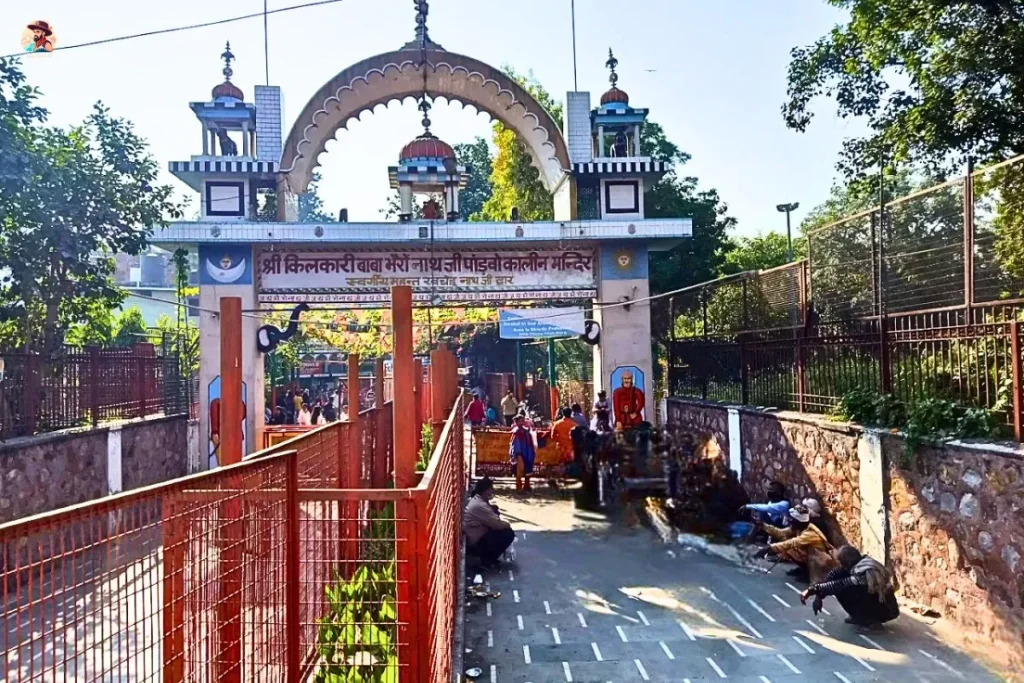
That morning, Purana Qila’s road was buzzing with life — rickshaws ringing, vendors shouting for chai, and the smell of hot samosas drifting through the air. As I turned into a narrow lane beside the fort wall, the noise slowly faded away. Suddenly, I felt a stillness that I did not expect in central Delhi.
The Kilkari dome shimmered under the sun. Inside, bells echoed softly while quiet chants filled the hall. People sat cross-legged in prayer, and soon, I felt like I had stepped out of modern Delhi into another time.
History of Sri Kilkari Baba Bhaironath Ji Mandir – Pandav Kalin Legends
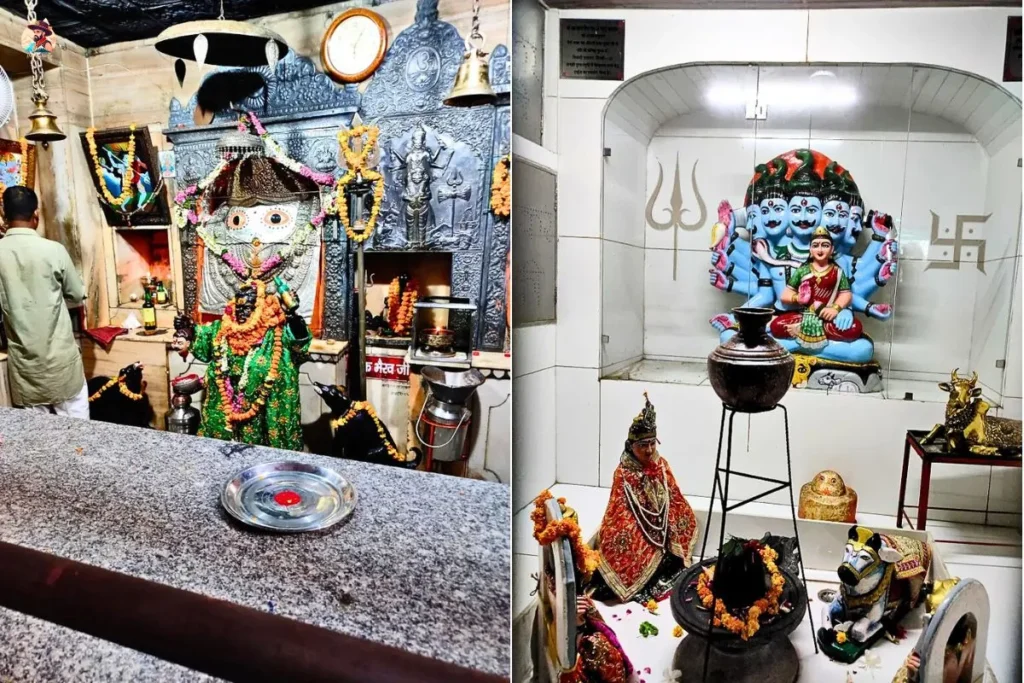
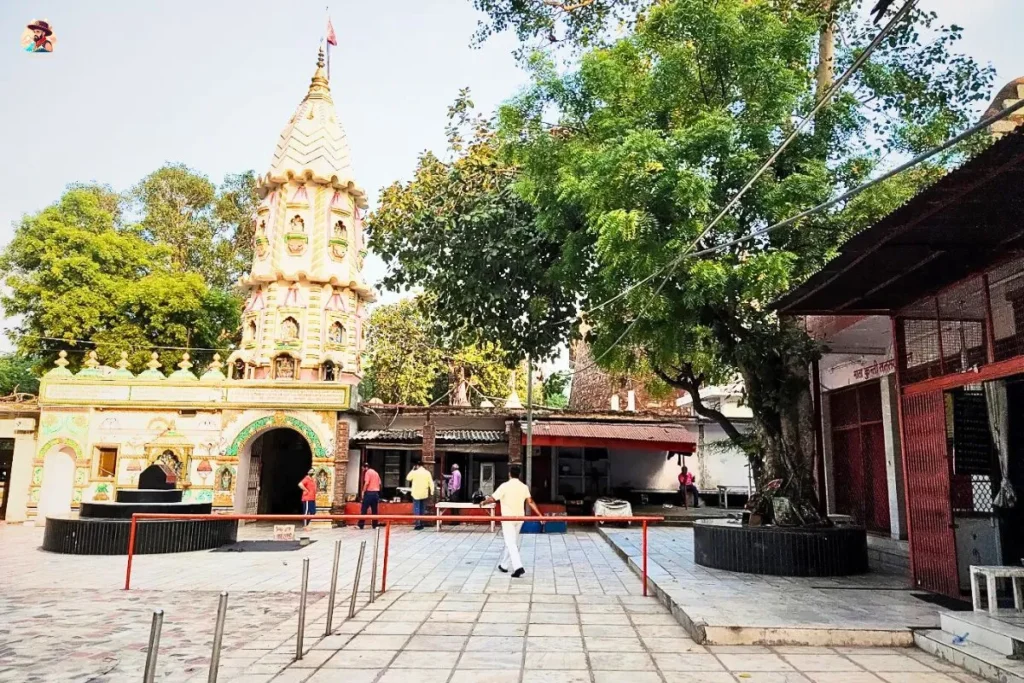
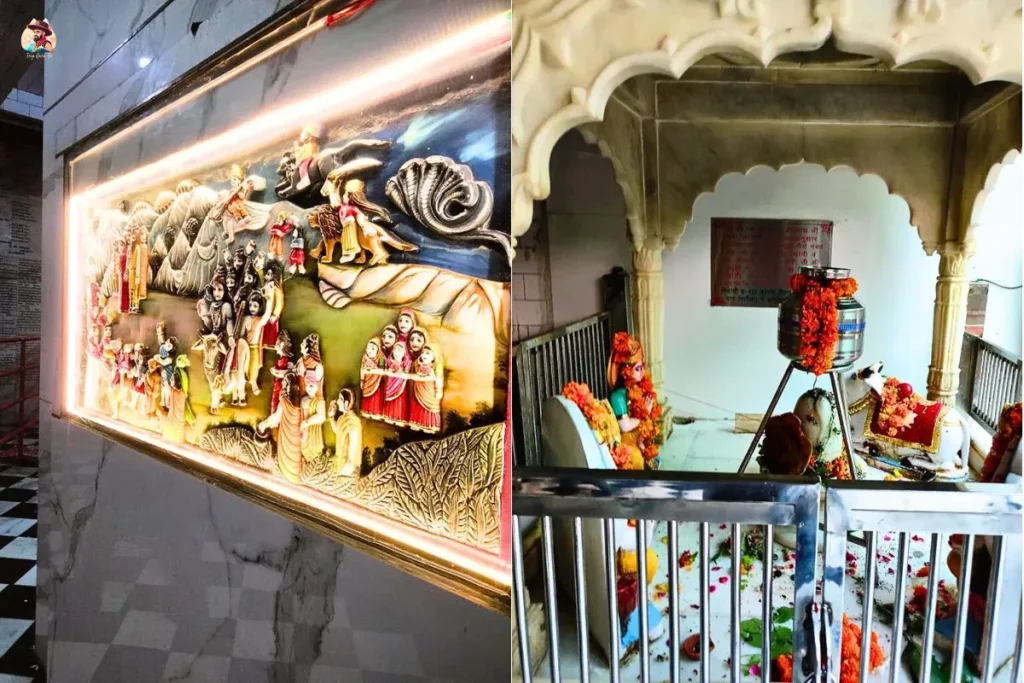
Many believe the Pandavas built this temple while establishing the city of Indraprastha. They dedicated it to Bhairav Nath, the fierce guardian form of Lord Shiva. Interestingly, its placement beside Purana Qila follows the tradition of Bhairav shrines guarding forts and ancient cities.
Key points to remember:
- The temple’s origin links to the Mahabharata era.
- The Pandavas built it during Indraprastha’s foundation.
- It is dedicated to Kaal Bhairav, a protector form of Shiva.
- Its location beside Purana Qila adds symbolic strength.
Moreover, standing here almost feels like the stones whisper the Pandavas’ story into the present.
Location & Nearest Metro to Bhairon Mandir Delhi
The temple stands beside Purana Qila (Old Fort) and Pragati Maidan in Delhi. The narrow lane and small local gali confuse many first-time visitors.
Nearest Metro Stations:
- Supreme Court (Pragati Maidan) Delhi Metro Station (Blue Line) → Approx. 1 km (10–12 minutes walk or ₹30–40 e-rickshaw ride).
- Indraprastha Metro (Blue Line) → Approx. 1.5 km (5–7 minutes by auto).
Nearby Landmarks:
- India Gate stands just 2 km away and fits easily into the same trip.
- Supreme Court & ITO Crossing – less than 1 km.
- Delhi Zoo & Purana Qila – walking distance, ideal for combining a half-day plan.
👉 Helpful Tip: Put “Bhairon Mandir Pragati Maidan” on Google Maps. Many users type only “Bhairav Mandir” and land at a different temple.
Bhairon Mandir Timings & Aarti Schedule
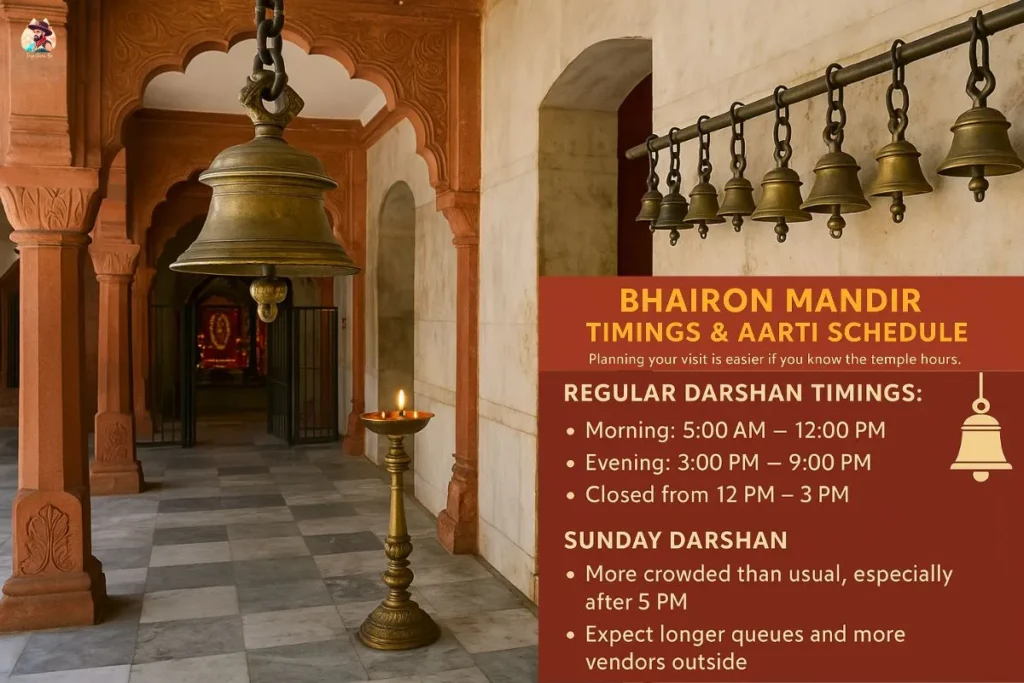
Planning your visit is easier if you know the temple hours.
Regular Darshan Timings:
- Morning: 5:00 AM – 12:00 PM
- Evening: 3:00 PM – 9:00 PM
- Afternoon: Closed from 12 PM – 3 PM
Sunday Darshan:
- More crowded than usual, especially after 5 PM.
- Expect longer queues and more vendors outside.
Festival Days (Kalashtami & Shivratri):
- The temple remains open late into the night.
- Special aartis, drums, and long lines of devotees create a charged atmosphere.
👉 Best Time to Visit: Weekday mornings between 7 AM – 9 AM for a calm darshan. Avoid Sunday evenings if you prefer a smaller crowd.
Rituals, Prasad & Beliefs at Kilkari Bhairav Temple
The first thing that surprised me here was the unique prasad. Devotees carry liquor bottles, the priest sprinkles a few drops on the idol, and returns it as a blessed offering. Most families keep it at home for protection.
The temple actually has two faces of Bhairav:
- Kilkari Bhairav → where alcohol is offered.
- Doodhiya Bhairav → where devotees bring milk instead.
I once visited Kalashtami, and the atmosphere was intense – drums, chants, and a queue stretching outside the gate. Locals say this day is Bhairav’s most powerful blessing.
Festivals & Best Time to Visit Bhairon Mandir
Crowd and experience change a lot with festivals:
- Kalashtami (monthly): temple stays open late into the night.
- Shivratri & Sawan: heaviest rush, darshan continues past midnight.
- Sundays: Even on normal days, evenings after 5 PM draw heavy crowds.
👉 From my visits, the best time is weekday mornings (7–9 AM). The temple is calm, bells ring softly, and you actually get a chance to sit for a few minutes.
How to Reach Bhairon Mandir Delhi (Metro, Bus & Parking)
The easiest way to reach Bhairon Mandir is by metro.
- From Connaught Place (Rajiv Chowk, Blue Line): Change at Mandi House → get down at Supreme Court (Pragati Maidan) Metro Station. From there, it is a 10–12 minute walk. I usually take a shared e-rickshaw (₹30–40) because the lane stays crowded.
- From Noida (Sector 18 / Botanical Garden): Take the Blue Line towards Dwarka → get down at Pragati Maidan.
- From South Delhi (Hauz Khas / Saket): Take the Yellow Line → change at Rajiv Chowk → Blue Line → Pragati Maidan.
👉 My Note: Indraprastha Metro is another option (1.5 km). The walk from here feels quieter than the one from Pragati Maidan.
Bus Routes (DTC):
If you don’t want the metro, several DTC buses stop at Purana Qila / Pragati Maidan. Common ones include 355, 374, 966, 447. I once boarded from ITO, and the bus dropped me almost at the fort gate — just a 5-minute walk to the temple.
Parking:
Driving is possible, but not always smooth. You will find parking near Purana Qila and Pragati Maidan gates. I once parked near the zoo area, about 5 minutes away. On Sundays or Kalashtami, these spots fill fast, so mornings are safer if you are bringing your car.
Visiting Bhairon Mandir – Tips for Devotees & Tourists
The temple is simple, but a few small things make the visit smoother:
- Dress & Etiquette: Modest attire is recommended. Shoes must be left outside at the racks near the entrance.
- Cash & Offerings: Carry small cash for prasad. Flowers, coconuts, and liquor bottles (as per ritual) are sold right outside. UPI works sometimes, but cash is quicker.
- Crowd Safety: On Sundays and Kalashtami, the lane becomes extremely crowded. I once had to wait almost 20 minutes just to reach the main gate. Keep wallets, phones, and kids close.
- Nearby Attractions: Combine the visit with Purana Qila and Delhi Zoo next door, or walk to India Gate in the evening. It makes a complete half-day plan.
👉 Best advice from my side: Weekday mornings are the most peaceful. You get a quiet darshan and also enough time to enjoy the fort and zoo nearby without the rush. You can also explore more spiritual places in the city, and my guide on Most famous temples in Delhi will help you plan your next visit.
My Experience & Final Thoughts
Bhairon Mandir is one of those places where Delhi shows its raw, spiritual side. Outside, the city rushes with autos, tea stalls, and noise. Inside, bells echo, chants rise, and the walls carry whispers of the Pandavas.
For me, the temple is not about rituals alone. It is about feeling how faith survives in the middle of chaos. Every visit reminded me that in Delhi, peace often hides just a lane away from noise.
👉 I would love to hear about your visit. Did you feel the same sudden calm I felt here? Share your experience below.
Final takeaway: For me, Bhairon Mandir is where Delhi’s noise ends and its soul begins. If your brand supports pilgrims and tourists, a travel blog partnership can help you reach them.
Watch Kilkari Bhairon Mandir Delhi Video Guide
FAQs About Sri Kilkari Baba Bhaironath Ji Mandir
Pragati Maidan Metro (Blue Line) is the closest, about 1 km away. Once, I walked from here in under 12 minutes.
Open 5 AM–12 PM and 3 PM–9 PM. On my Sunday visit, the line stretched outside the gate after 5 PM.
Yes, devotees bring liquor bottles. The priest sprinkles a few drops on the idol and returns it as prasad.
Kilkari Bhairav is more crowded, while Doodhiya Bhairav feels calmer. I usually stop at both.
Barely a 5–7-minute walk from the fort entrance.
Locals say the Pandavas built this ancient temple during the Mahabharata era when they founded Indraprastha, making it one of Delhi’s oldest sacred sites.
Yes, Kilkari Bhairav and Doodhiya Bhairav stand beside each other.
At Kilkari, liquor is offered. At Doodhiya, devotees bring milk.
No, it is free for everyone. I have never seen any ticket counter here.
Sundays and Kalashtami. I once waited 20 minutes just to get inside on a Kalashtami night.
Yes, women are allowed, and many families visit together.
Flowers, coconuts, incense, and sweets are common.
Outside the shrine, yes. Inside, priests often stop visitors, so it is better to avoid.
Around 2 km, a short 5–10 minute ride by auto or cab.
It is generally safe, but I recommend early morning or daytime visits. Festival nights get too crowded.

Hi, I am Manoj Kumar, the voice behind Trip Guru Go. I am a travel researcher, SEO content expert, and founder of this blog. With over 12 years of experience in digital travel research, I simplify complex destinations into real, helpful, and trustworthy guides.
Every article I write is backed by local sources, real traveler experiences, and deep fact-checking. Even if I have not visited every place personally, I never share anything without strong on-ground insight.
I do not sell travel packages or promote anything paid. My only goal is to help you travel smarter — with zero fluff, 100% honesty, and a deep focus on your safety and experience.