Tughlaqabad Fort Delhi is not just a fort, but the remains of a 14th-century fortified city built by Ghiyas-ud-din Tughlaq in South Delhi’s Tughlaqabad area near Mehrauli-Badarpur Road. Recognised as the Third City of Delhi, it was designed as a powerful military capital during the Delhi Sultanate and is now protected by the Archaeological Survey of India. The fort remains open from 7:00 AM to 5:00 PM, with an entry fee of around ₹20–₹25 for Indians. What stands today are the vast ruins of an entire planned medieval city spread across rocky land.
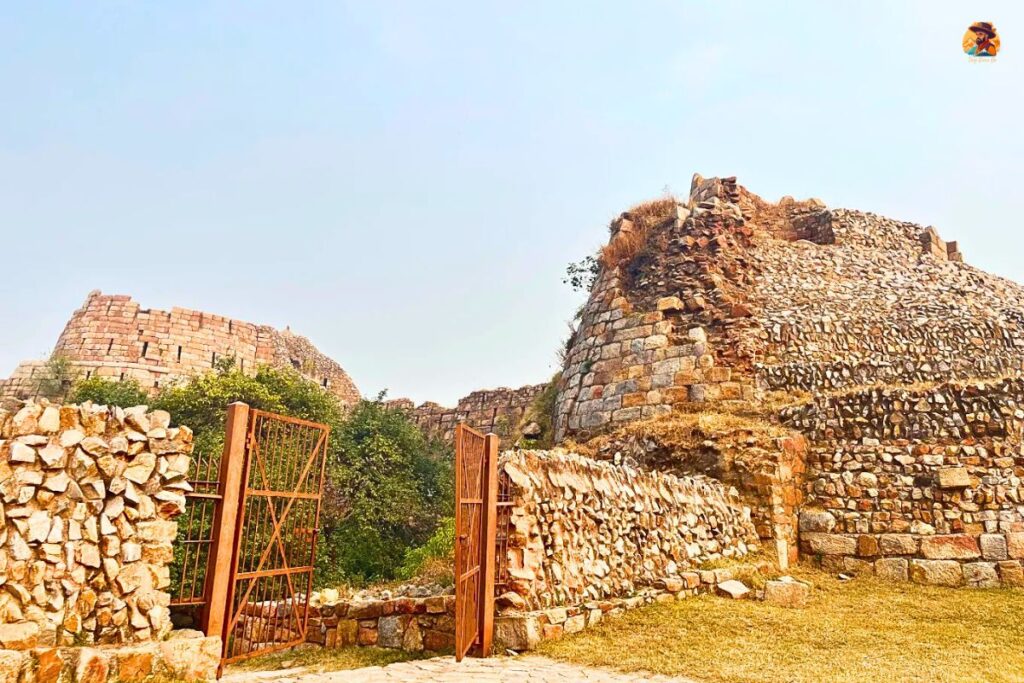
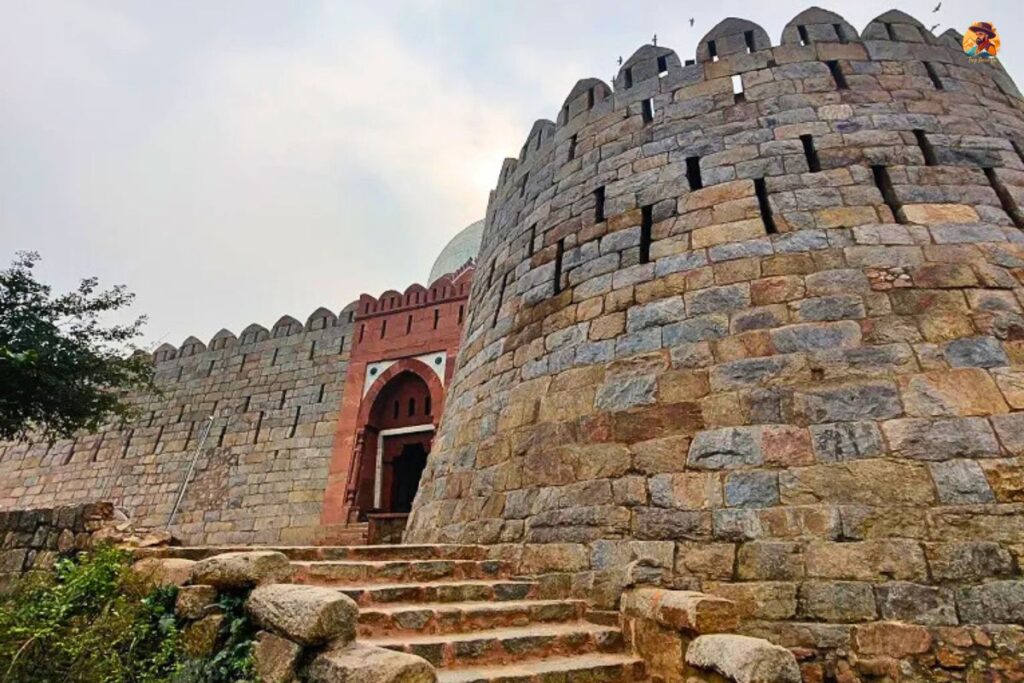
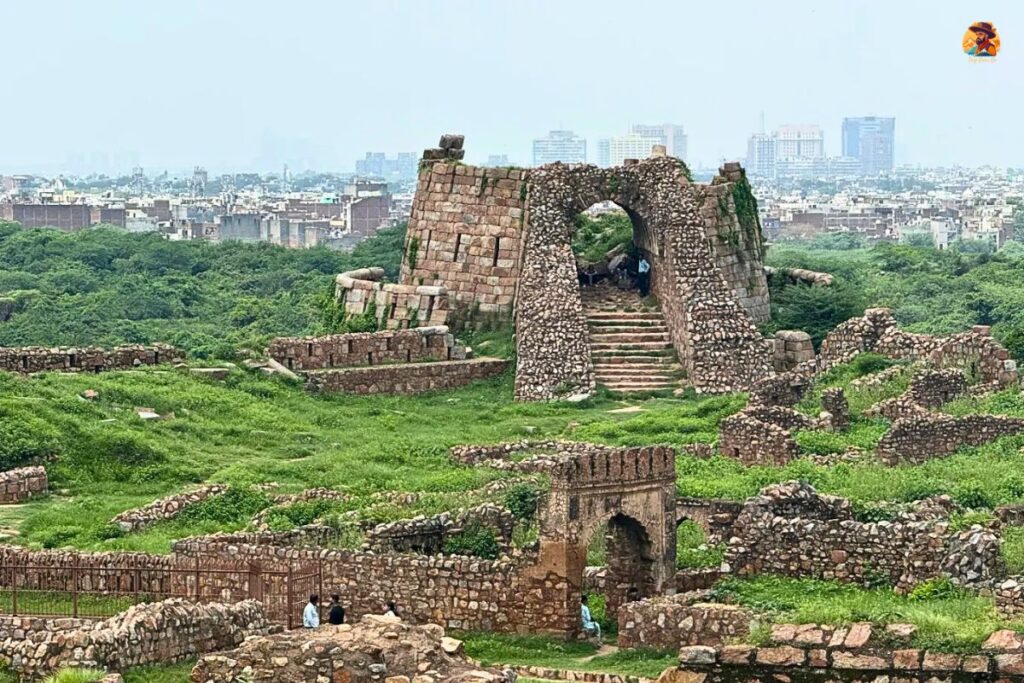
The experience feels very different from what quick online images suggest. Photos make it appear compact and dramatic, yet the ground reality is wide, uneven, and physically demanding, with broken stone paths and long exposed stretches under the sun. When I walked through the massive gateway for the first time, the dry wind against the silent walls made the place feel strategic and severe rather than decorative. The walk demands good footwear, patience, and more stamina than a casual monument visit.
History of Tughlaqabad Fort
Tughlaqabad Fort was built by Ghiyas-ud-din Tughlaq
Tughlaqabad Fort was built by Ghiyas-ud-din Tughlaq in 1321 AD when he founded the Tughlaq dynasty. He was a military commander before becoming Sultan, and that mindset shaped the entire project. This was planned as a defensive capital, not a decorative palace.
You can feel that intention even today. The walls are thick, the design is strict, and beauty clearly came second to security. Understanding this helps you see the fort differently when you walk inside.
The Third City of Delhi Vision
Tughlaqabad became known as the Third City of Delhi, after Qila Rai Pithora and Siri. Instead of expanding older cities, the Sultan built a completely new fortified settlement. It included residential sections, storage areas, and layered protection walls.
The ambition was huge, but the city did not stay active for long after his sudden death. What you explore today are the remains of that unfinished political vision.
Curse of Nizamuddin Auliya and the Haunted Stories of Tughlaqabad Fort
The most famous story linked to this fort is the curse of Nizamuddin Auliya. Tradition says he declared, “Ya rahe hissar, ya base gujar,” meaning the fort would remain empty or be occupied by shepherds. When the city declined early, the legend gained strength.
Historical evidence points toward political instability rather than a real curse. Still, when wind moves through the empty stone passages, the silence can feel heavy. The ruined image grew from both real decline and powerful storytelling.
Tughlaqabad Fort Architecture & Layout
Tughlaqabad Fort’s architecture is built for defense, not decoration. Sloping stone walls, elevated citadel areas, and layered protection show clear military planning. Nearby Adilabad Fort and the tomb of Ghiyas-ud-din Tughlaq complete this fortified capital design.
Tughlaqabad Fort Architecture Style
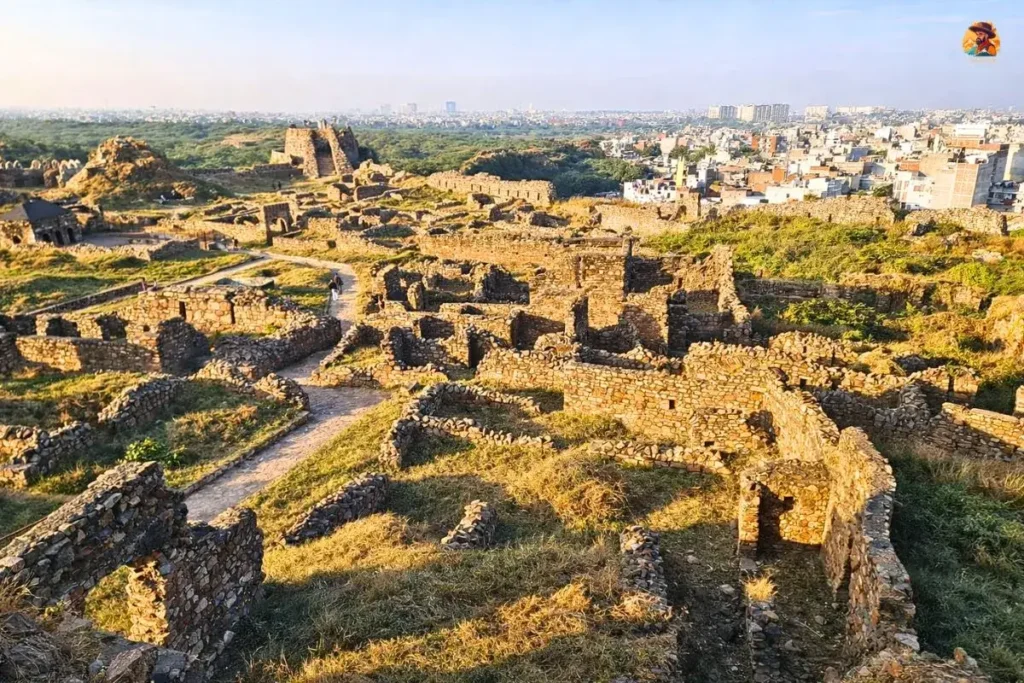
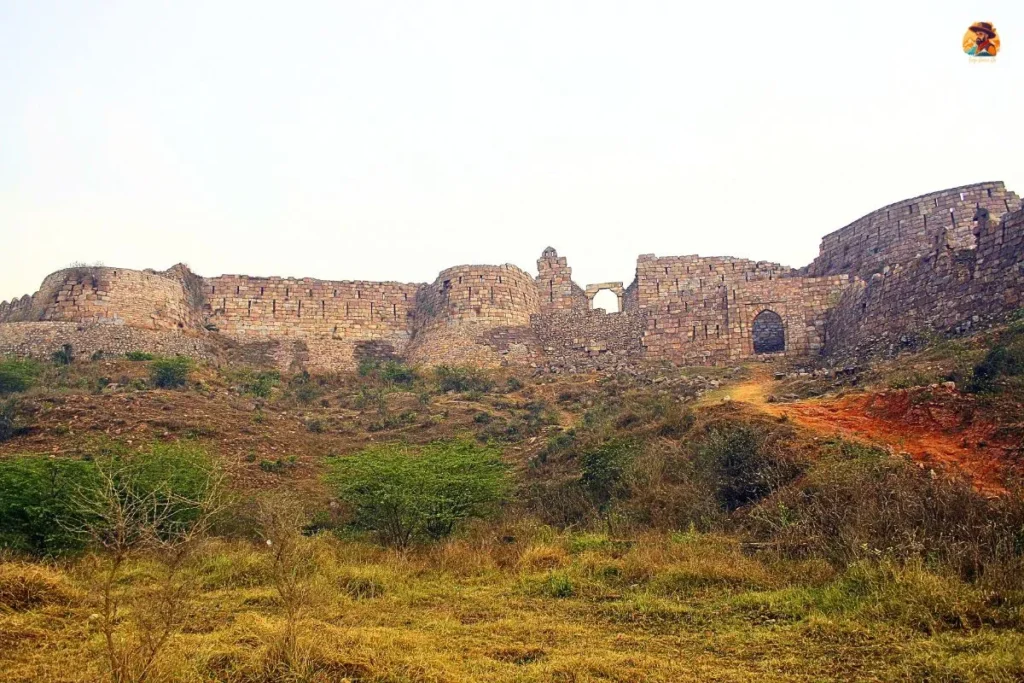
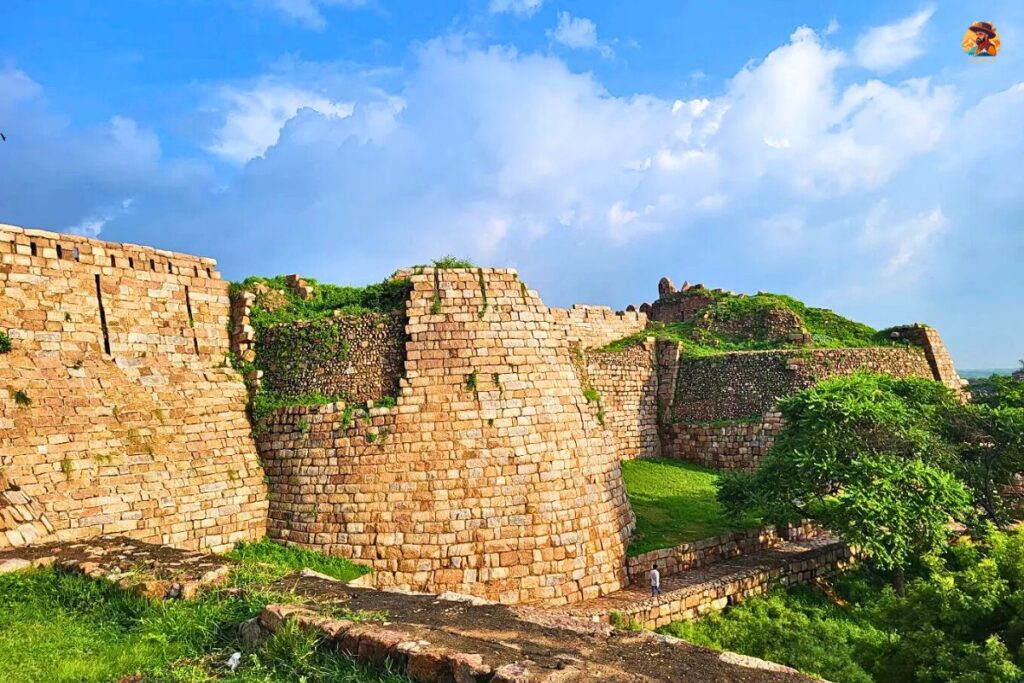
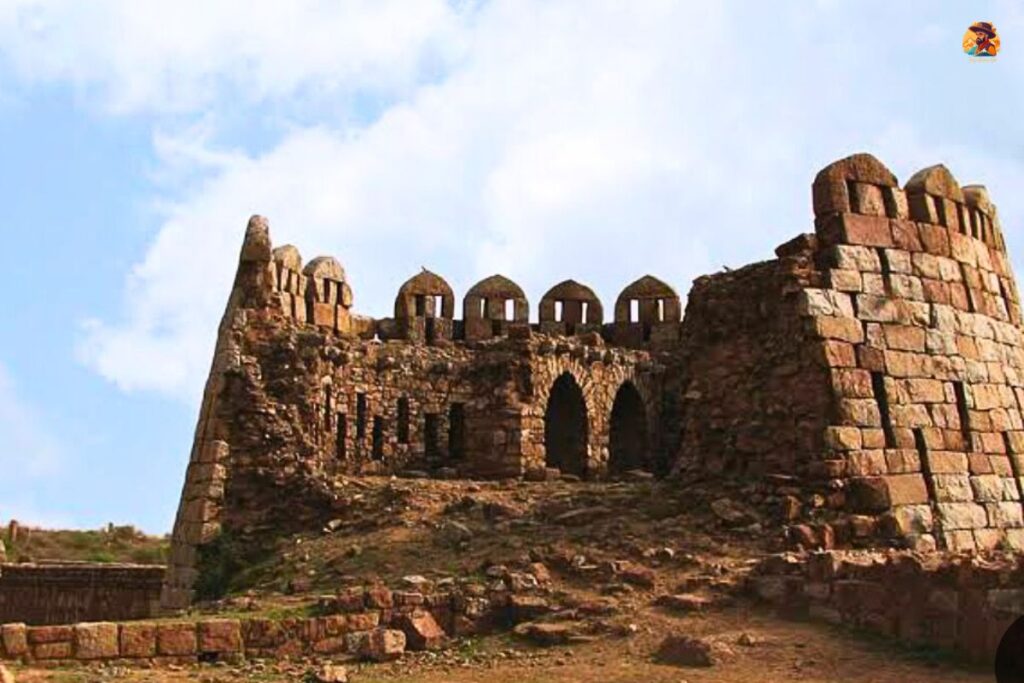
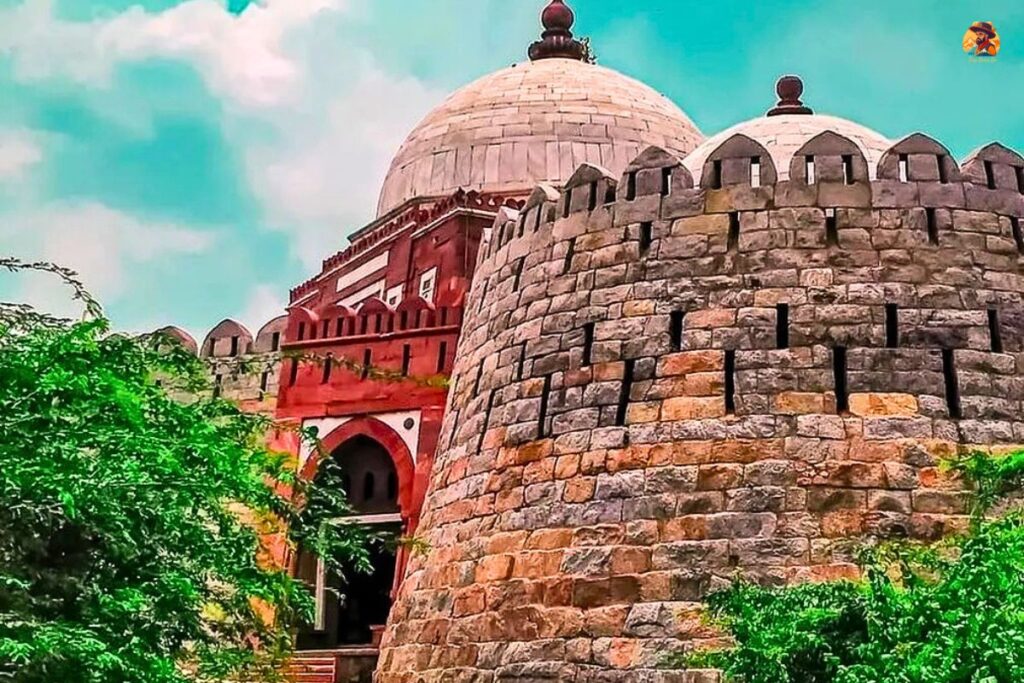
Tughlaqabad Fort’s architecture reflects strong Indo-Islamic military design. The focus was security, not decoration. Massive sloping stone walls, some rising over 10 to 15 meters, were built to resist direct attack.
The outer perimeter stretches for several kilometers, reinforced with defensive bastions placed at intervals for surveillance. Standing below those angled walls, you can feel how the design was meant to intimidate invaders rather than impress visitors.
Adilabad Fort and Ghiyas-ud-din Tughlaq Tomb
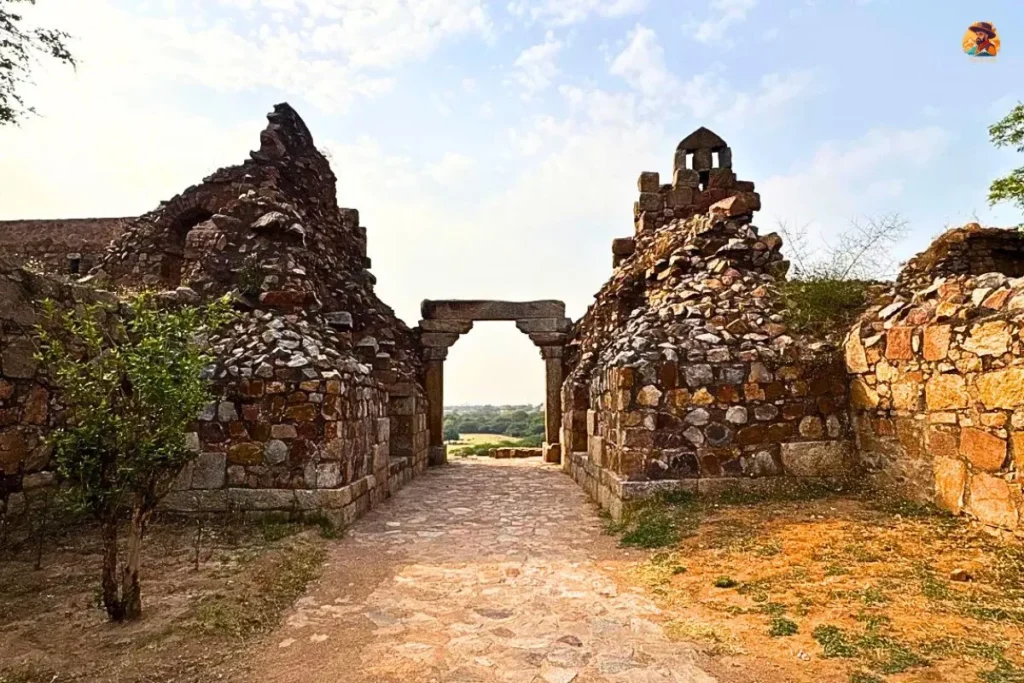
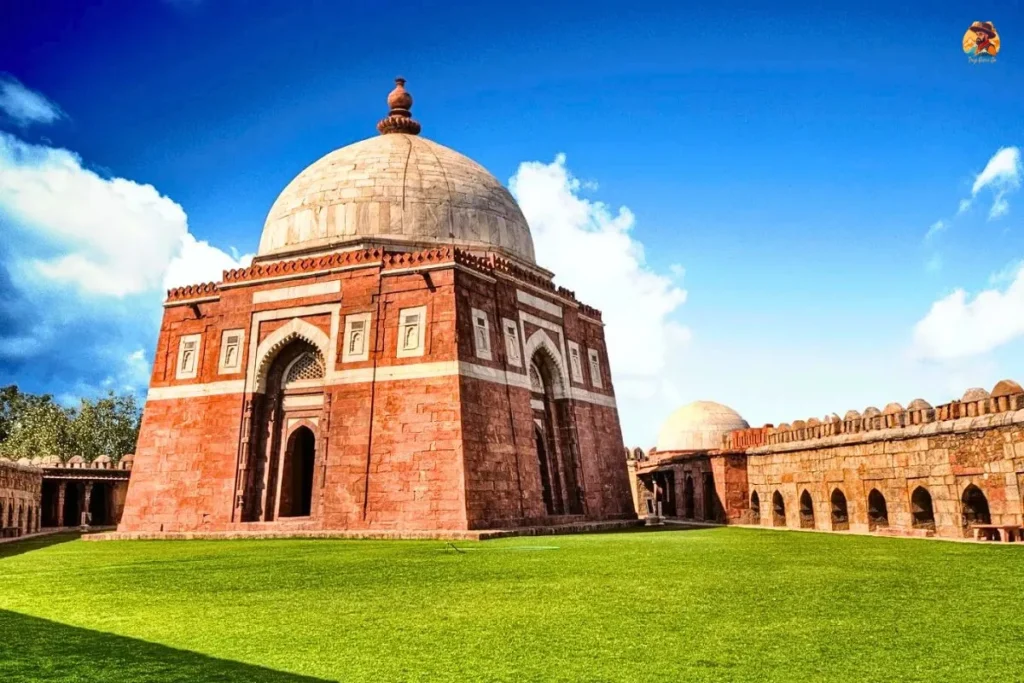
Adilabad Fort lies just south of the main complex and worked as an additional defensive extension. It was built to strengthen the southern side and create a layered protection system around the capital.
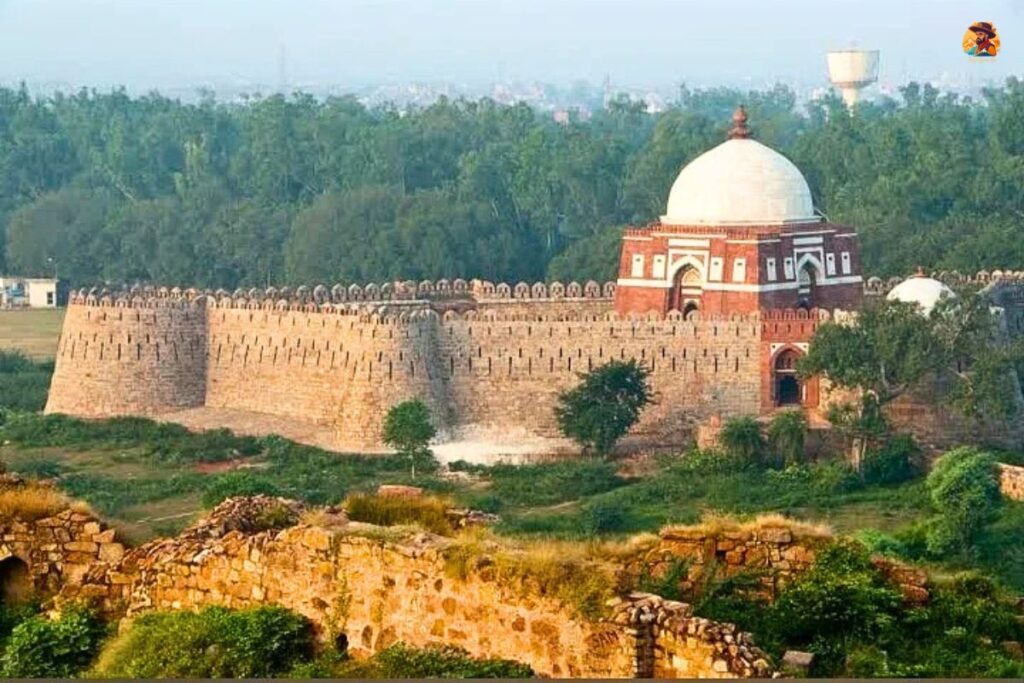
Across a raised causeway stands the tomb of Ghiyas-ud-din Tughlaq. Unlike the harsh fort walls, the tomb has balanced proportions and a fortified enclosure of its own. Seeing the fort, Adilabad, and the tomb together shows the ruler’s clear vision: a capital that combined military strength, political authority, and personal legacy in one secured zone.
Tughlaqabad Fort Layout Map and Drawing
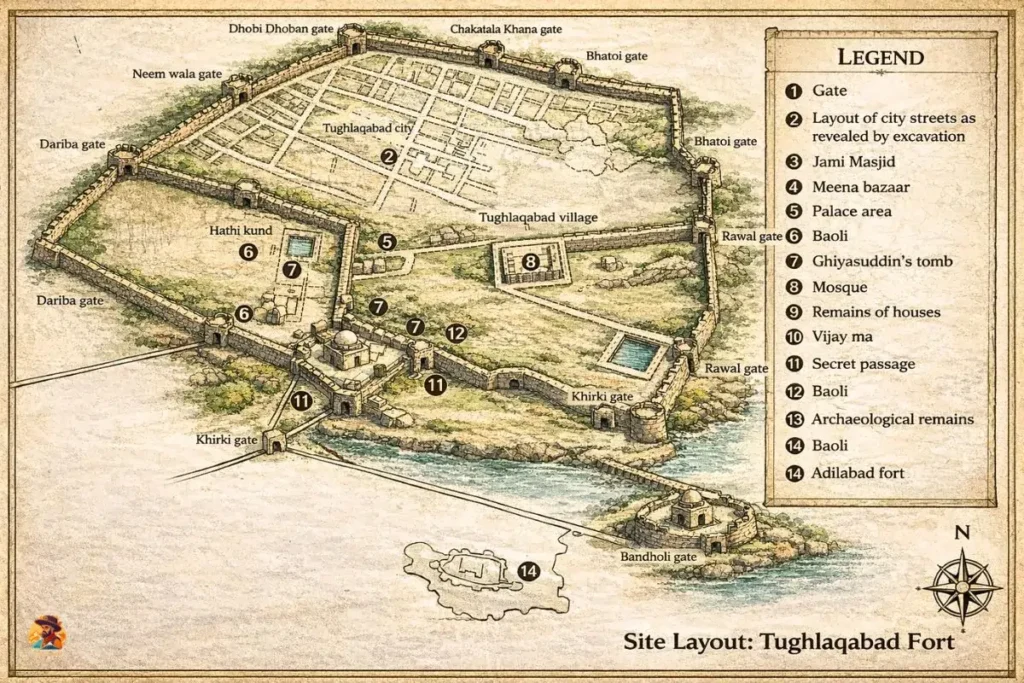
A Tughlaqabad Fort layout map reveals three main sections: the outer city area, the fortified citadel at the highest point, and the royal residential zone inside. The citadel was positioned on elevated ground for maximum defense, while massive gateways controlled entry into different sections.
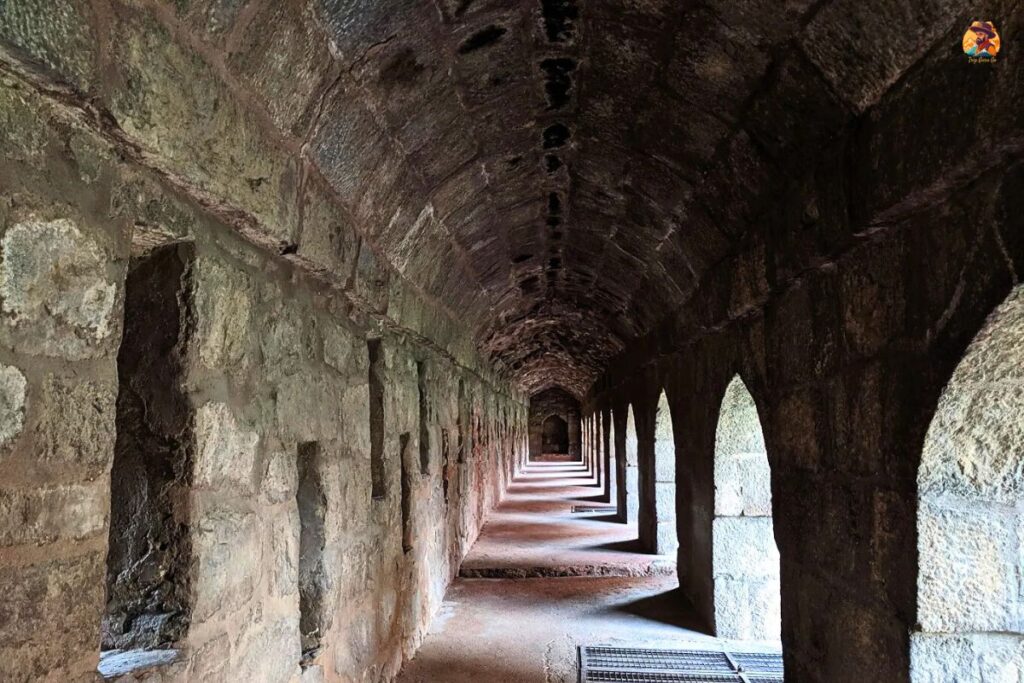
There were multiple guarded entrances, each designed to slow down invading forces. Once you understand this planning logic, the scattered ruins stop feeling random. The structure begins to look like a carefully layered military city rather than a broken maze.
Tughlaqabad Fort Timings, Entry Fee and Ticket Price

Before visiting Tughlaqabad Fort in Delhi, checking the timings and ticket prices helps you avoid unnecessary hassle. The fort is large and mostly open to direct sunlight, so arrival time matters more than people assume.
Tughlaqabad Fort Timings
The fort remains open daily.
- Opening Time: 7:00 AM
- Closing Time: 5:00 PM
- Entry usually stops around 4:30 PM
I recommend reaching close to opening time. The morning light is softer, and walking feels easier before the heat builds up.
Tughlaqabad Fort Entry Fee and Ticket Price
As per ASI rules, the current entry fee is:
- Indian Adults: ₹20 (online) | ₹25 (cash)
- Foreigners: ₹250 (online) | ₹300 (cash)
- SAARC & BIMSTEC Visitors: ₹20
- Children below 15 years: Free
Basic mobile photography is allowed. Professional cameras or tripods require separate permission.
Tughlaqabad Fort Tickets Online and Delhi Booking
Tughlaqabad Fort tickets online can be booked through the official ASI platform or by scanning the QR code at the entrance. An on-site ticket counter is also available.
Lines here are usually shorter than at major Delhi monuments, but digital payment is smoother. Carry a valid ID, especially if you are using an online ticket.
How to Reach Tughlaqabad Fort Delhi
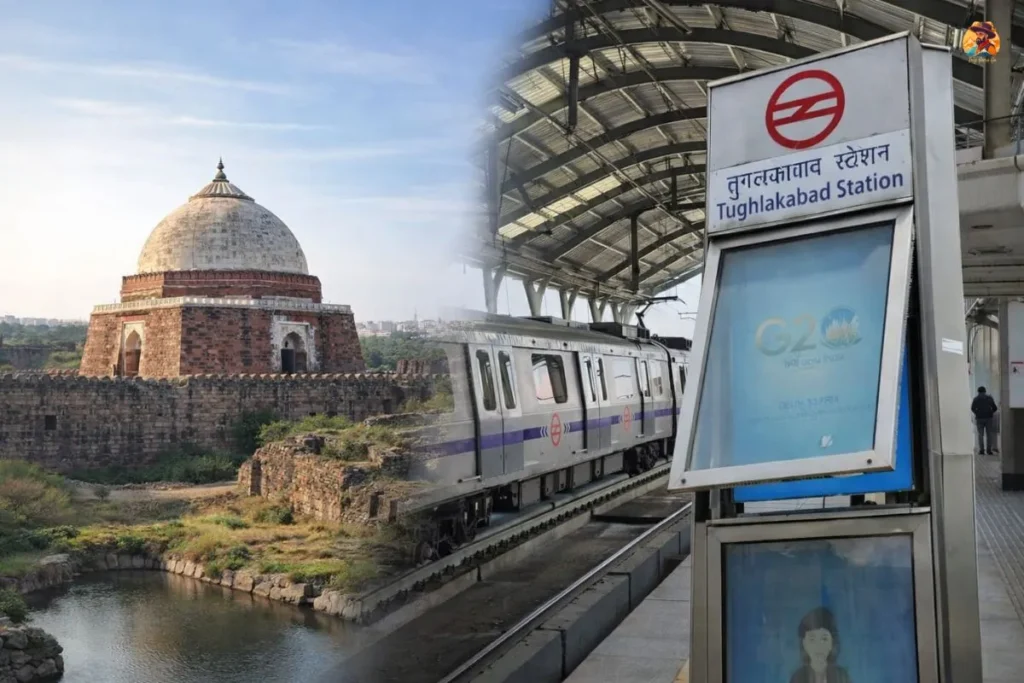
Tughlaqabad Fort Delhi, is located in South Delhi’s Tughlaqabad area along Mehrauli-Badarpur Road. The route is simple, but the entrance sits slightly inside the main road, so first-time visitors should watch the map carefully.
Tughlaqabad Fort Nearest Metro Station
The Tughlaqabad Fort nearest metro station is Tughlakabad Station on the Violet Line.
- Distance from metro: approx. 2–3 km
- Walking recommended: No
- Auto travel time: 5–10 minutes
Walking from the metro is not practical due to traffic and a lack of shade. Taking an auto-rickshaw from outside the station is the easiest option. Govindpuri Metro Station can also work if you are coming from South Delhi.
Tughlaqabad Fort Distance
- From IGI Airport: approx. 20–22 km
- From Connaught Place: approx. 18–20 km
In both cases, the main route connects through Mehrauli-Badarpur Road. Traffic during peak office hours can slow things down, so keeping a 20–30 minute buffer is sensible.
Tughlaqabad Fort Location & Parking
Searching “Tughlaqabad Fort” on Google Maps leads directly to the main entrance.
- Address: Tughlakabad, New Delhi – 110044
- Parking: Open ground area outside the fort
Parking is available in an open space near the entrance. It is not a fully structured or heavily guarded facility, though vehicles are generally safe during daytime visits. Arriving by cab can feel more convenient if you want to avoid parking concerns.
Tughlaqabad Fort Photos
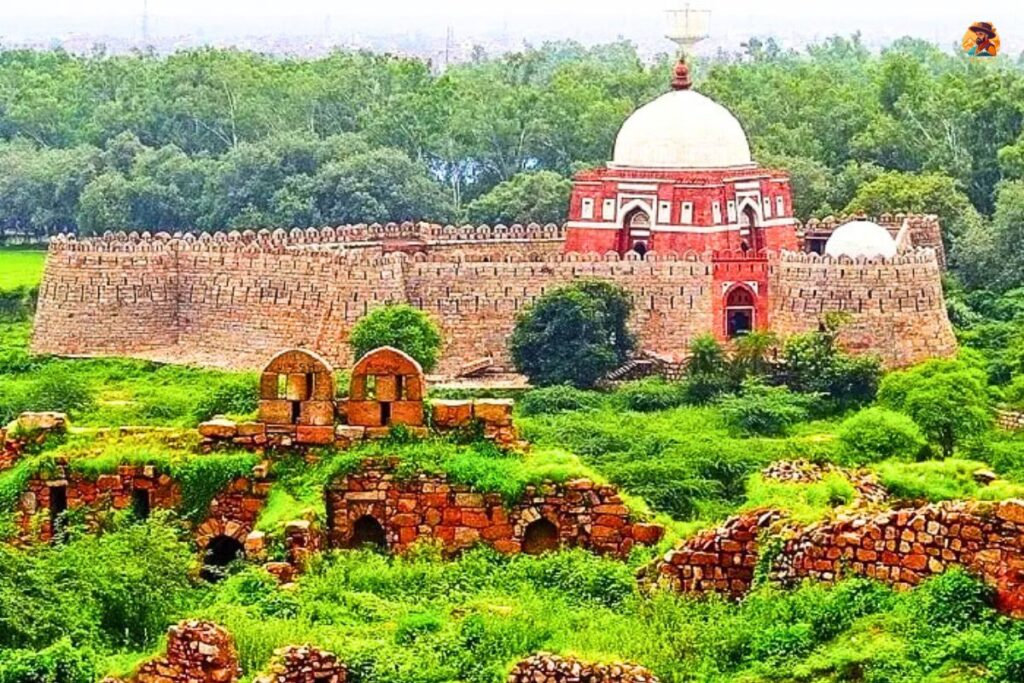
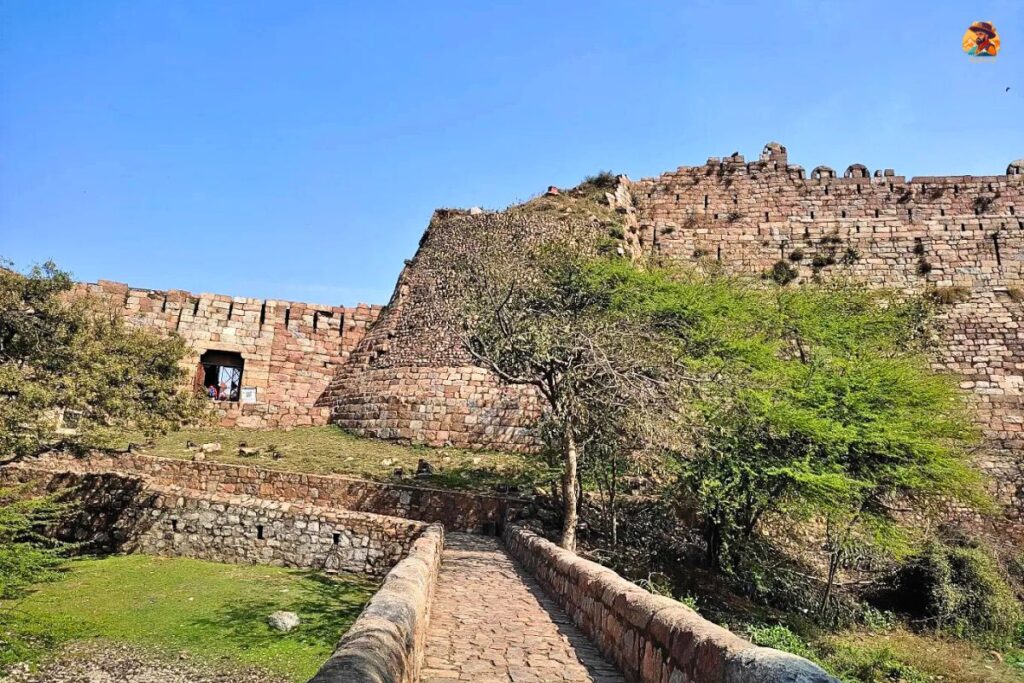
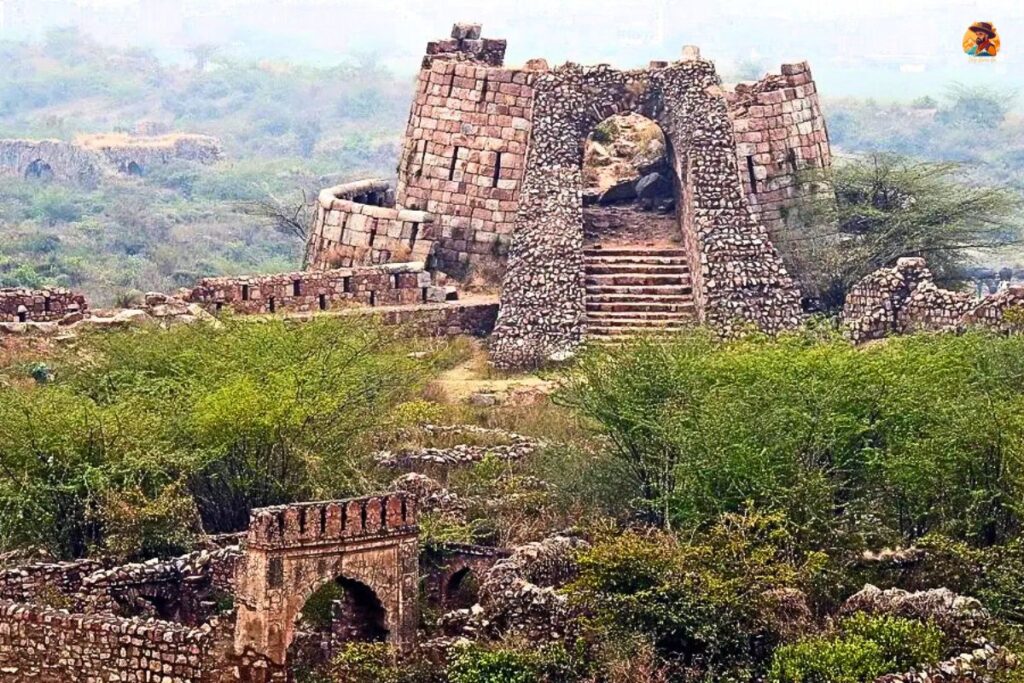
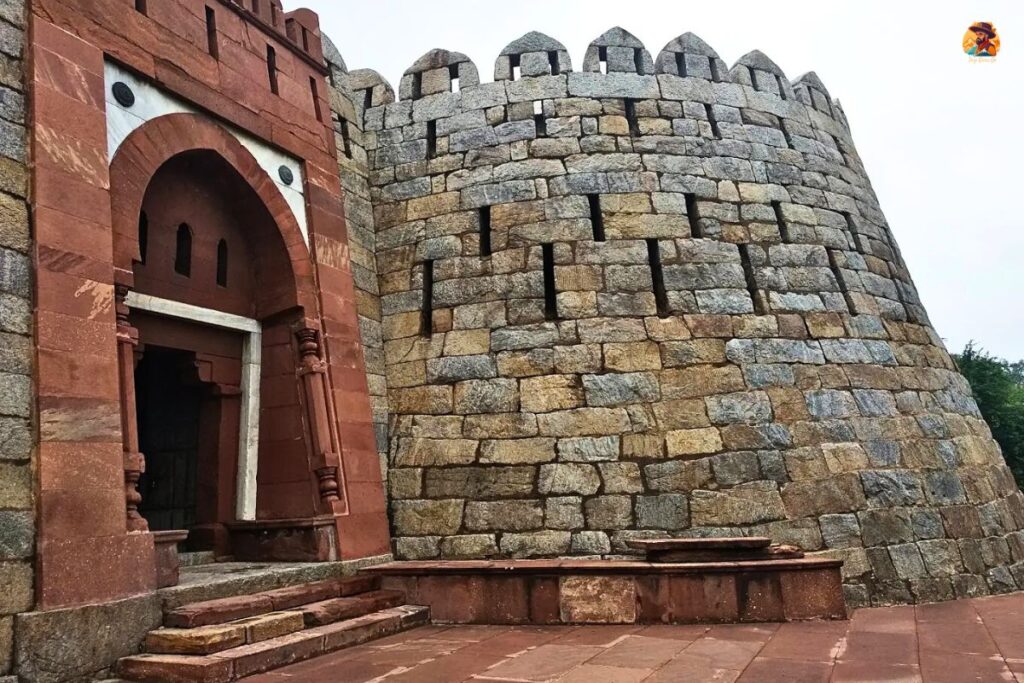
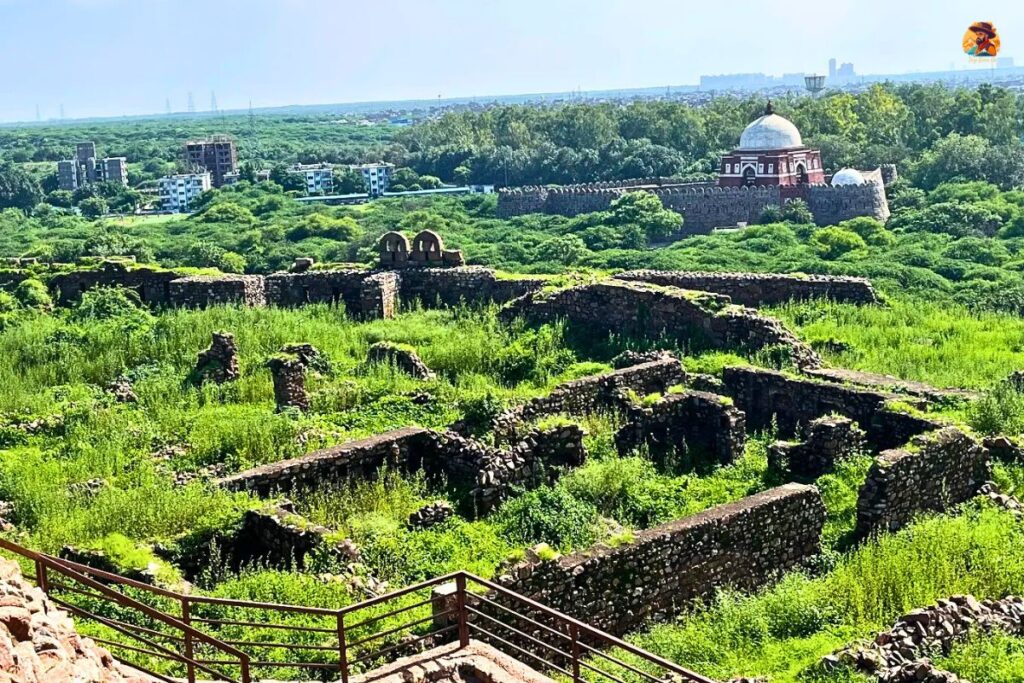
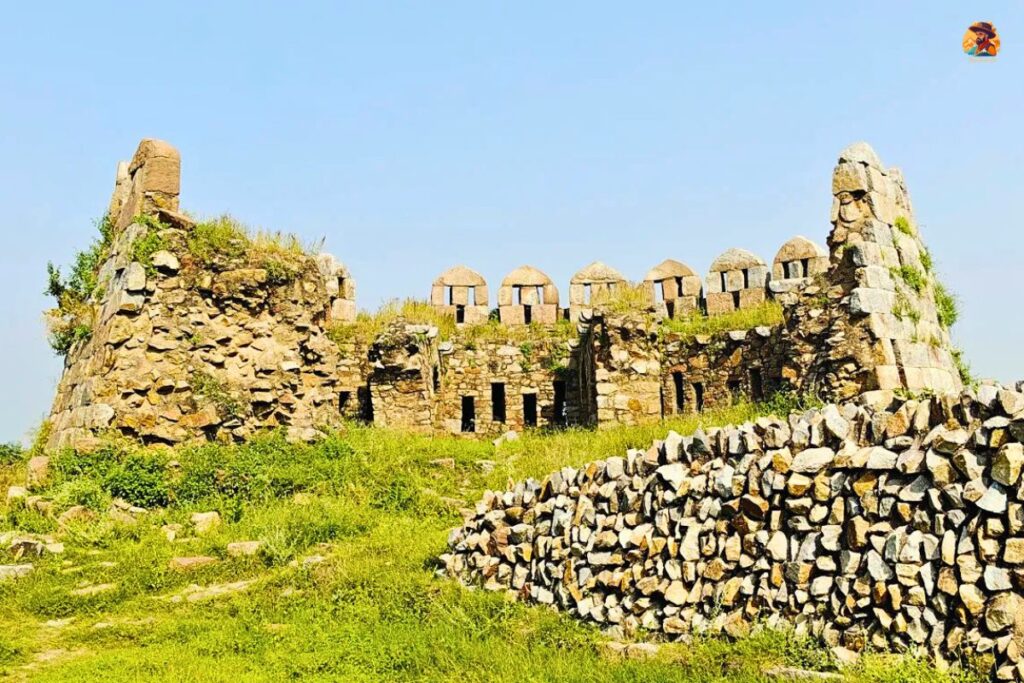
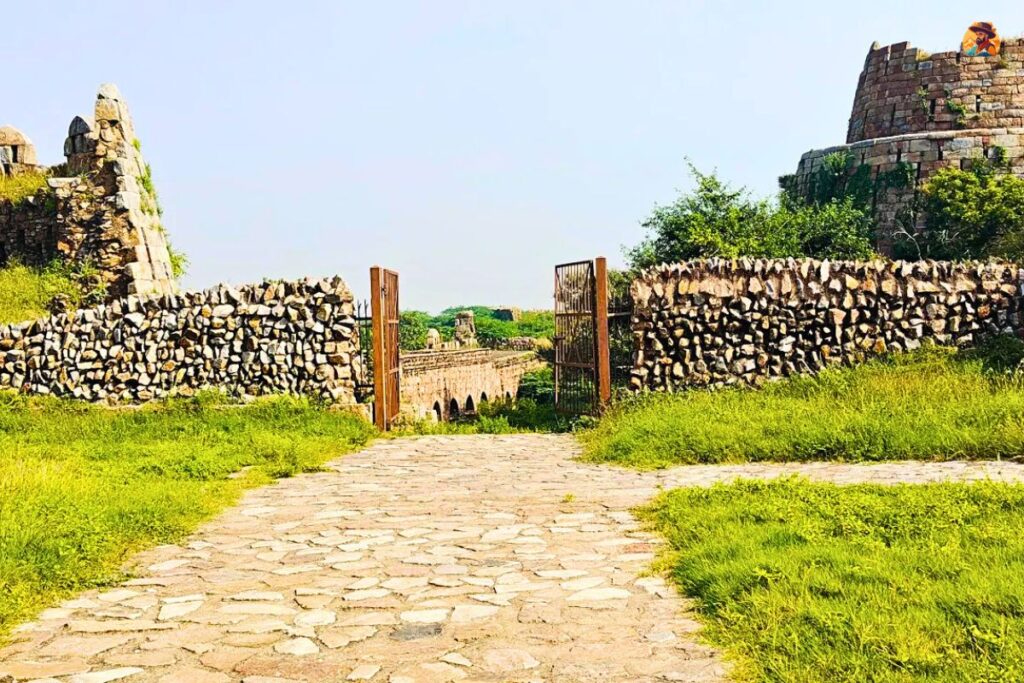
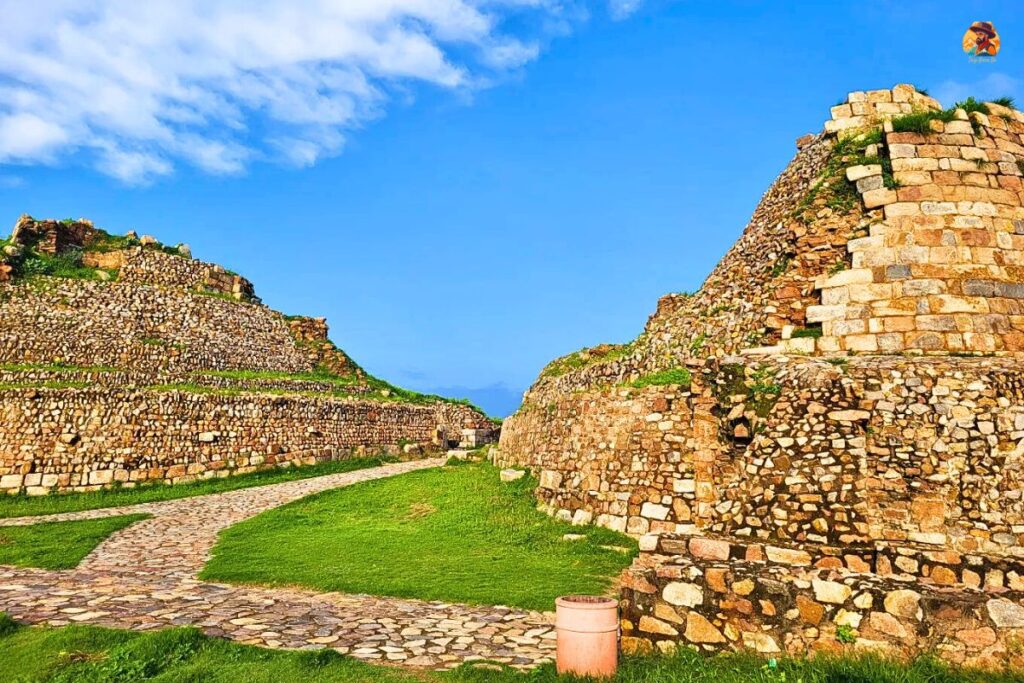
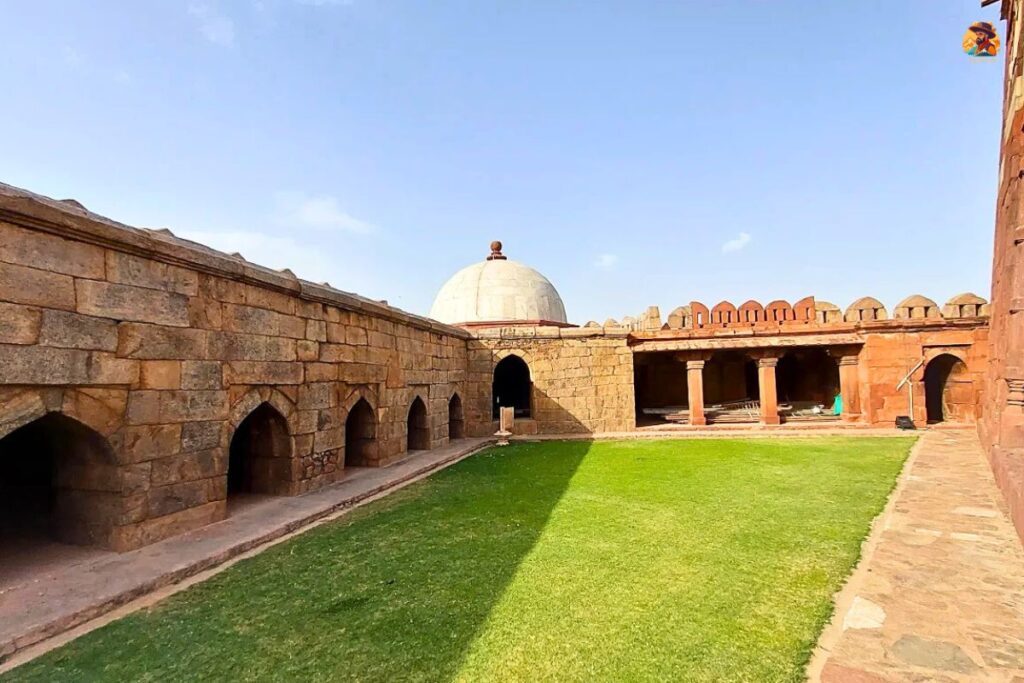
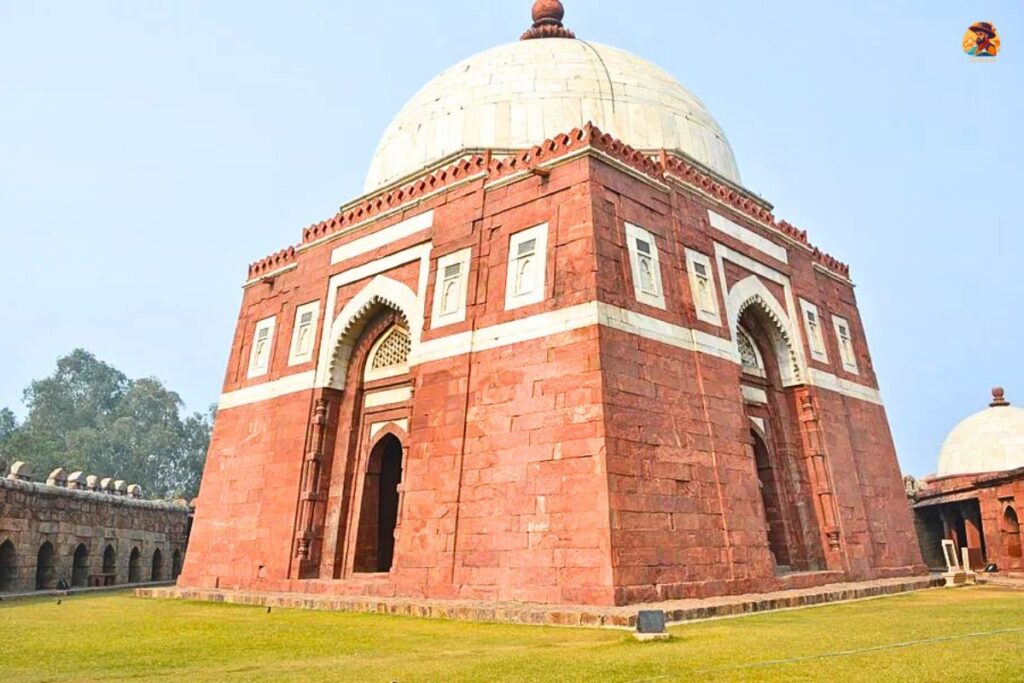
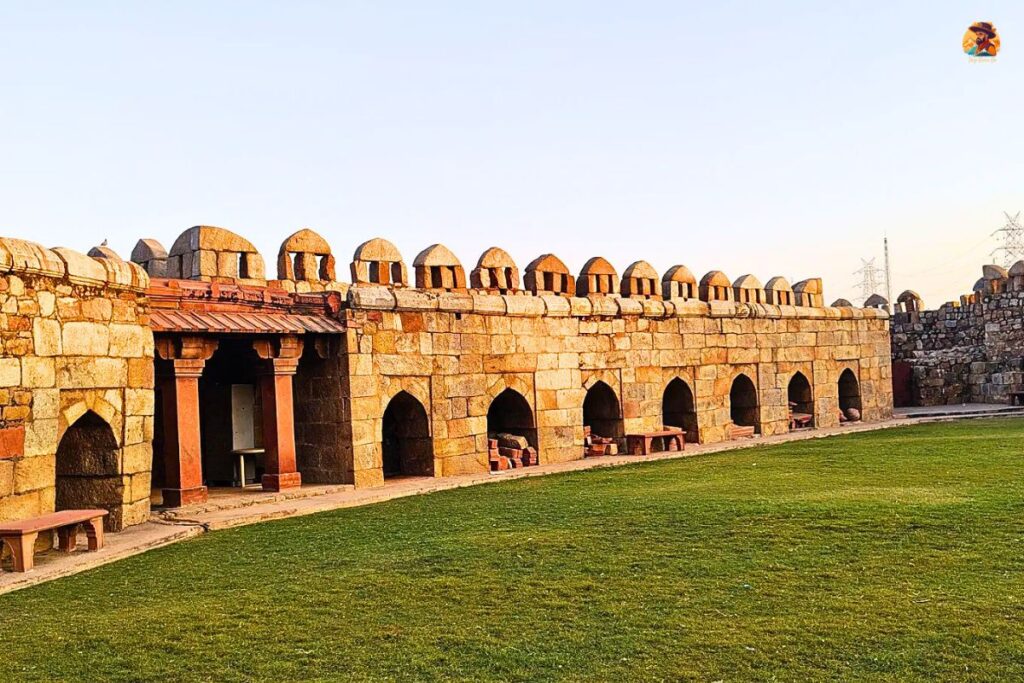
Important Travel Tips Before Visiting Tughlaqabad Fort
Tughlaqabad Fort is not a smooth, garden-style monument. The terrain and conditions require basic preparation to avoid discomfort.
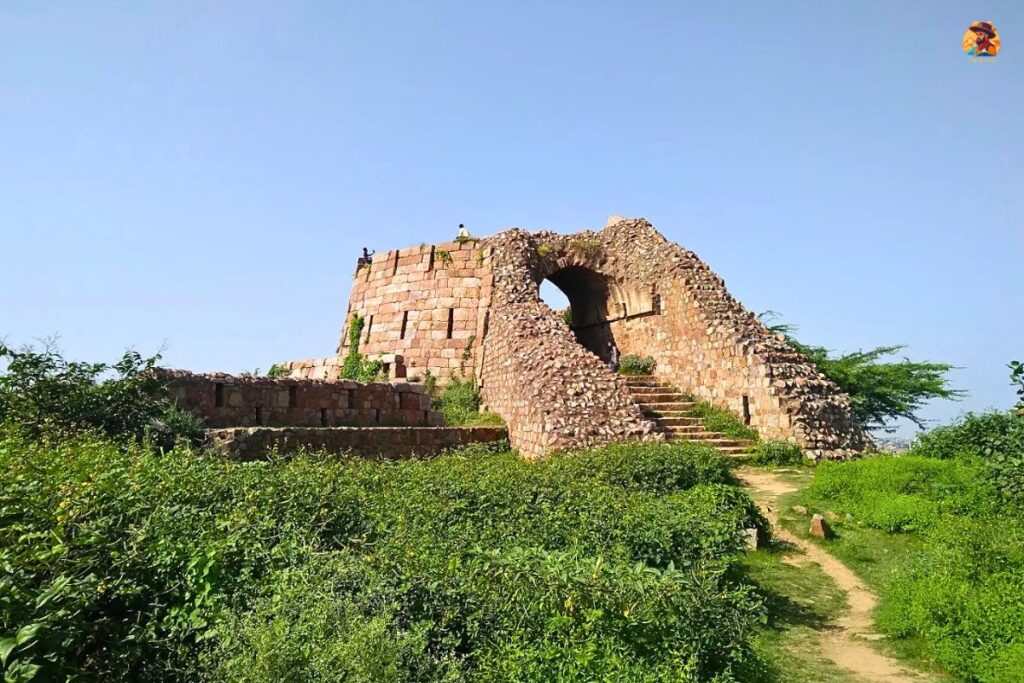
- Uneven rocky terrain and steep stone steps:
The pathways inside are broken and irregular. Wear proper walking shoes. Slippers or flat sandals can make climbing difficult. - Monkeys inside the fort premises:
Monkeys move freely within the complex. Do not carry visible food. Keep bags zipped and avoid feeding them. - Strong sun exposure and limited shade:
Large sections of the fort are fully exposed. Afternoon heat feels intense, especially in warmer months. Carry sufficient water since refill options are limited inside. - No proper food stalls inside:
There are no reliable food or snack counters within the fort area. Eat beforehand or carry light snacks. - Fort is spread out with long walking distances:
This is not a compact monument. Exploring properly requires time and steady movement. - Limited signage in deeper sections:
Direction boards are minimal in inner areas. Keep track of the main entrance direction. - Best light for photography:
Early morning or late afternoon provides softer light on the stone walls. Midday sun feels harsh and flattens textures.
If you prefer shaded walking areas and landscaped greenery instead of open rocky terrain, you may enjoy exploring some of the best parks and gardens in Delhi.
Food Options and Nearby Places Around Tughlaqabad Fort
There are no food facilities inside Tughlaqabad Fort, and the surrounding area is not a café-lined tourist zone. Planning your meal and nearby visits makes the outing smoother. A few practical food hubs and interesting attractions lie within short driving distance, which can easily turn your Fort Worth visit into a well-balanced half-day plan.
Food Options Near Tughlaqabad Fort
There are no food stalls or water facilities inside Tughlaqabad Fort. Once you enter, you are inside a large, open complex with no refreshment points.
Outside the main gate, local hawkers usually sell bottled water, cold drinks, and packaged snacks. However, do not expect proper meal options within walking distance.
For a proper lunch or café break, these areas work better:
- Tughlaqabad Industrial Area – Closest practical option with small restaurants and local food joints.
- Epicuria (Nehru Place) – Around 20–25 minutes by car, with multiple dining choices.
- Select CITYWALK (Saket) – Good option if you prefer mall-based restaurants.
- Hauz Khas Village – Ideal for cafés and relaxed evening dining, especially popular with younger visitors.
Planning your meal after the visit works far better than searching randomly nearby.
Nearby Places to Visit After Tughlaqabad Fort
Tughlaqabad Fort can feel physically demanding, so combining it with one nearby site makes the outing more balanced.
- Ghiyas-ud-din Tughlaq Tomb – Located across the road, connected by a causeway. It takes about 30 minutes and is easier to explore.
- Adilabad Fort – Just southeast of the main fort, quieter and less crowded.
- Asola Bhatti Wildlife Sanctuary – Very close to the fort and suitable if you enjoy nature trails, though it requires extra time and planning.
- Lotus Temple and Kalkaji Mandir – Around 7–8 km away, good for a peaceful stop after the fort.
Combining one historical site and one relaxed location makes the day feel more complete.
Conclusion – Is Tughlaqabad Fort in Delhi Worth Visiting?
Tughlaqabad Fort in Delhi is worth visiting if you enjoy raw history, wide open ruins, and quiet exploration. This place suits travelers who do not mind walking, climbing uneven paths, and spending time understanding structure and scale. If you appreciate military architecture and less-crowded heritage spaces, the experience feels powerful and different from typical Delhi monuments.
You may feel disappointed if you expect manicured gardens, detailed information boards, or a relaxed picnic atmosphere. The fort is physically demanding, exposed to the sun, and largely unrestored. Setting the right expectation makes all the difference. Visit with patience, good footwear, and enough water, and you will see it as a bold unfinished capital rather than just another broken fort.
FAQs About Tughlaqabad Fort Delhi
Tughlaqabad Fort was built by Ghiyas-ud-din Tughlaq in 1321 AD when he founded the Tughlaq dynasty. It was designed as a fortified military capital.
The fort is open daily from 7:00 AM to 5:00 PM. Entry usually stops around 4:30 PM.
The entry fee is ₹20–₹25 for Indian adults and ₹250–₹300 for foreign visitors, depending on whether you purchase online or at the counter. Children below 15 years can enter free as per ASI guidelines.
The nearest metro station is Tughlakabad Station on the Violet Line. The fort is about 2–3 km away from the station.
The fort is approximately 20–22 km from Indira Gandhi International Airport and about 18–20 km from Connaught Place, usually accessed via Mehrauli-Badarpur Road.
Online tickets may be available through official ASI booking platforms, depending on current guidelines. Tickets can also be purchased directly at the on-site counter.
Tughlaqabad Fort is located in South Delhi’s Tughlaqabad area along Mehrauli-Badarpur Road. Google Maps navigation accurately guides visitors to the main entrance.
There is a popular legend linked to a curse by Nizamuddin Auliya, which gave the fort a haunted reputation. However, there is no historical evidence confirming paranormal activity. The abandoned setting and silence often create that impression.
The Third City of Delhi refers to Tughlaqabad, built after Qila Rai Pithora and Siri. It was planned as a new fortified capital under the Tughlaq dynasty.

Hi, I am Manoj Kumar, the voice behind Trip Guru Go. I am a travel researcher, SEO content expert, and founder of this blog. With over 12 years of experience in digital travel research, I simplify complex destinations into real, helpful, and trustworthy guides.
Every article I write is backed by local sources, real traveler experiences, and deep fact-checking. Even if I have not visited every place personally, I never share anything without strong on-ground insight.
I do not sell travel packages or promote anything paid. My only goal is to help you travel smarter — with zero fluff, 100% honesty, and a deep focus on your safety and experience.