
I was standing at a crowded stall in Sarojini Nagar, running my fingers over a rugged denim jacket. The fabric felt sturdy, with just the right amount of worn-in charm. The shopkeeper glanced at me and said, “One thousand two hundred, sir.” I smiled to myself. In Delhi’s street markets, the first price is rarely the real price. This moment taught me some of the best Bargaining Tips Delhi Markets have to offer. I started at four hundred. He chuckled, called me “diler” with a grin, and we began the bargaining dance every Delhi shopper knows.
Bargaining in Delhi markets is not just about saving money. It is part theatre, part strategy, and part connection. In this guide, I am sharing exactly how I approach it, not as a stranger, but as someone who has learned the game from the voices, lanes, and unspoken rules of Delhi itself.
Why Bargaining is Part of Delhi’s Market DNA
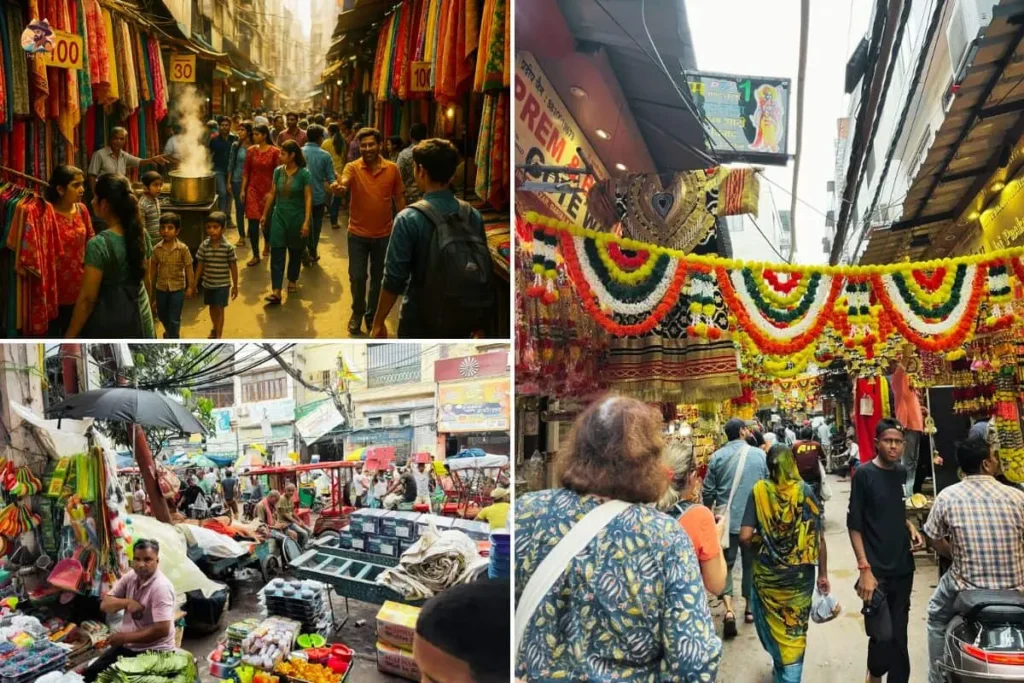
Delhi’s street markets are alive in a way fixed-price shops can never be. The air is thick with the smell of fresh samosas from a nearby stall. Vendors call out, “Bhaiya, dekho na!” while colourful fabrics sway in the breeze. A steady hum of laughter, friendly arguments, and the occasional clink of coins fills the lanes.
Over the years, I have noticed three truths about Delhi’s market culture:
- It is interactive, not transactional: Bargaining is a conversation. Even if you do not buy, you part with a smile.
- Tourist vs local pricing is real: A bag quoted at ₹800 to a tourist might be offered at ₹400 to a local.
- It is a social ritual: A good bargain is not about defeating the seller — it is about finding middle ground.
When you walk into a Delhi market, the price tag is only a starting point. Sellers expect you to negotiate. They often start high, not to trick you, but to leave room for this back-and-forth. If you approach with respect, humour, and a little street-smart attitude, the whole process feels less like a transaction and more like a game you both enjoy playing.
For me, the magic of bargaining lies in that moment when the vendor finally nods, says, “Theek hai, le jaiye,” and slides the item into a bag. You walk away not just with a deal, but with a tiny piece of Delhi’s soul tucked inside.
Where to Bargain – Best Delhi Markets for Haggling
After years of wandering through Delhi’s busiest lanes, I have realised that every market has its own bargaining personality. Some reward a quick “half-price” counter, others demand patience and charm. Here are my favourites, and how I handle them.
Sarojini Nagar – Fashion Bargain Capital
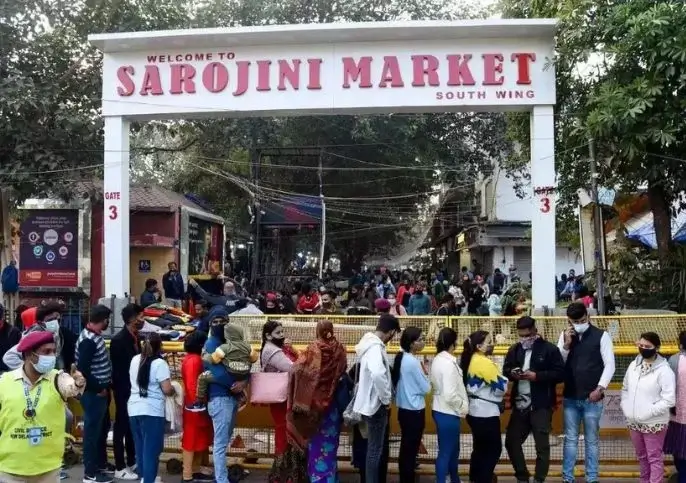
If Delhi had a crown for street fashion at throwaway prices, Sarojini Nagar Market would wear it proudly. Racks overflow with export-surplus jackets, dresses, and shoes, and vendors shout offers that sound tempting but are often twice the actual value.
My golden rule here? Start at half the quoted price. The magic hours are in the morning during Bohni — the first sale of the day. Vendors believe it brings good luck, so they are quicker to agree. I once picked up a Zara coat for ₹500 after a lighthearted two-minute haggle, while another shopper paid ₹800 for the same coat simply because she looked too excited.
(If you are planning a fashion hunt here, my Sarojini Nagar Market Delhi Guide has all the metro directions and shop tips.)
Lajpat Nagar Market – Wedding Wear Negotiations

When Delhi shops for weddings, it often ends up in Lajpat Nagar Market. Bridal lehengas sparkle under bright lights, stacks of embroidered fabrics lean casually against shop walls, and jewellery counters glitter from every angle.
Here, discounts depend on how much you are buying. One lehenga will get you a polite smile; ten for the entire wedding party will get you bulk rates that make your jaw drop. I have seen families leave with bags full of clothes, grinning as if they had just pulled off a master heist. Once, a shopkeeper quietly leaned in and said, “Sir, aap puri party ka order do, main rate aur kam kar dunga,” and he did.
(You can find my full Lajpat Nagar Market Delhi Guide with fabric shops, food stops, and metro routes.)
Chandni Chowk – Wholesale & Bulk Shopping

Chandni Chowk is pure chaos and charm rolled into one. Picture fabrics stacked floor to ceiling, gold-toned wedding jewellery catching the light, and lanes so narrow you brush past strangers every few steps. The air smells faintly of jalebis frying somewhere nearby, blending strangely well with the scent of fresh fabric.
My go-to move here is the walk-away tactic. If the price is too high, I thank the seller, take a slow step back, and turn away. Before I even reach the corner, someone usually calls out, “Sir, aapka rate theek hai, aa jaiye.” It works like a charm in the wholesale lanes.
(For a deep dive into its legendary lanes, my Chandni Chowk Shopping Guide is worth reading before you go.)
Janpath & Tibetan Market – Handicraft & Hippie Vibes
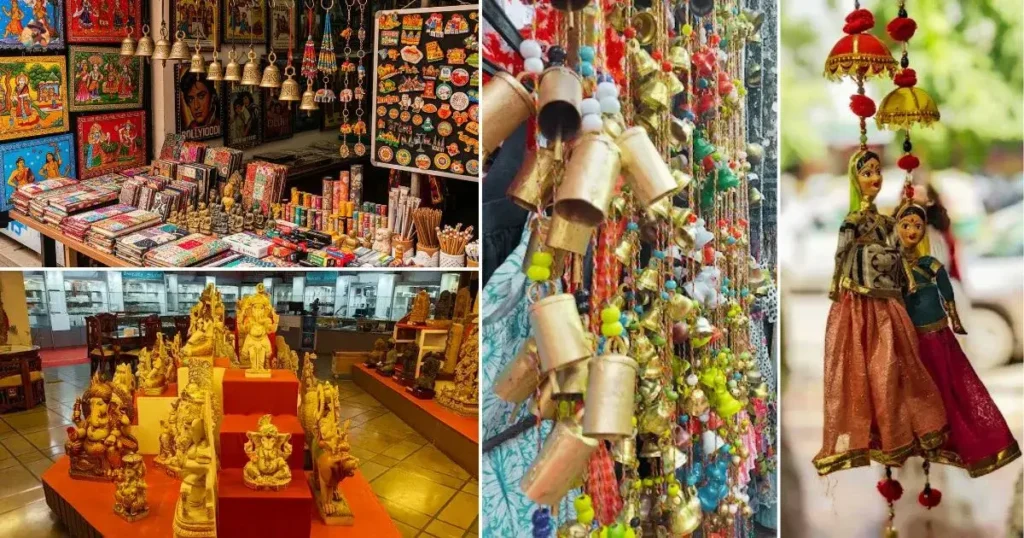
Whenever I want something quirky, I head to Janpath Market or the nearby Tibetan Market. You will find handwoven scarves, chunky silver jewellery, and leather-bound notebooks. The smell of incense mixes with street food, and you can hear tourists comparing prices in half a dozen languages.
I use price anchoring here — check two stalls for the same item, then return to your favourite and quote the lower price. Once, I brought down a scarf from ₹500 to ₹300 simply by smiling, waiting, and pretending to walk away. The seller grinned and tossed in a beaded bracelet for free.
(If this vibe excites you, my Janpath & Tibetan Market Delhi Guide has shop suggestions and bargaining phrases.)
Other Spots Worth Trying
- Kamla Nagar: A student favourite for casual clothes and accessories. The calls of “Madam, latest fashion dekh lo!” bounce through the narrow lanes, and the smell of roadside chaat follows you everywhere. I once bargained a T-shirt from ₹250 to ₹150 here. (Read my Kamla Nagar Market Delhi Guide for shop and snack tips.)
- Karol Bagh: A mix of electronics, fabrics, and street food. The real deals hide in side lanes where shopkeepers are hungrier for customers. (See my Karol Bagh Market Delhi Guide for the best finds.)
- Meena Bazaar: Known for traditional clothes, shoes, and jewellery. Bargaining works best here with a polite but firm tone. (My Meena Bazaar Delhi Guide covers shop recommendations and etiquette.)
- Tip Top Market: Locals head here for budget-friendly household items. I once bargained for a set of ceramic cups from ₹350 to ₹220 by simply saying, “Thoda sasta karo, bhaiya.” (Find directions in my Tip Top Market Delhi Guide.)
- Cheapest Teddy Bear Market in Delhi: If you love soft toys, this place is a gem. I saw a father negotiate a giant teddy from ₹1,200 to ₹700, his child hugging it like a trophy. (My Cheapest Teddy Bear Market Guide shares the exact location and best stalls.)
Proven Bargaining Tips & Tricks (2025 Edition)
These rules have saved me hundreds of rupees and turned countless shopping trips into fun conversations:
- Start at half the quoted price: It sets the stage for meeting in the middle.
- Bundle items for better deals: Three shirts often cost less per piece than one.
- Keep a poker face: Avoid showing too much excitement when you like something.
- Use friendly Hindi phrases: “Thoda sasta karo” or “Bhaiya, last kitna doge?” to break the ice.
- Walk away if overpriced: Vendors often call you back with a better rate.
- Carry small notes: Paying exact amounts keeps things smooth.
- Dress casually: Avoid looking like a first-time tourist to prevent inflated prices.
Bargaining Etiquette – Do’s & Don’ts

Infographic of bargaining etiquette in Delhi’s markets – quick do’s and don’ts for smart shopping.Delhi’s markets have taught me that bargaining is not about “winning” over the seller — it is about finding a price where both walk away happy. And the tone you use often decides the price you get.
One winter afternoon in Chandni Chowk, I stepped into a tiny shop stacked high with colourful fabrics. Before I could even touch the first roll, I smiled and said, “Namaste, bhaiya.” The vendor’s shoulders relaxed instantly, and we ended up laughing over tea before settling on a price that suited us both. That one smile probably saved me a hundred rupees.
Do’s
- Smile and greet first: It sets a friendly tone before the bargaining even begins.
- Know the market rate: In Janpath, I once spotted the same leather journal at ₹450 in one stall and ₹300 in two shops down. Walking a little can save a lot.
- Respect the vendor’s time: If you are not buying, step aside and let others browse — it maintains goodwill.
Don’ts
- Argue aggressively: I once saw a tourist raise his voice over ₹50, and the vendor refused to sell.
- Push too hard on handmade work: In the Tibetan Market, those hand-embroidered bags take hours of work — offering too little feels wrong.
- Block other customers: Small stalls get crowded quickly, and staying too long without buying can frustrate the seller.
Best Time & Season for Bargaining in Delhi
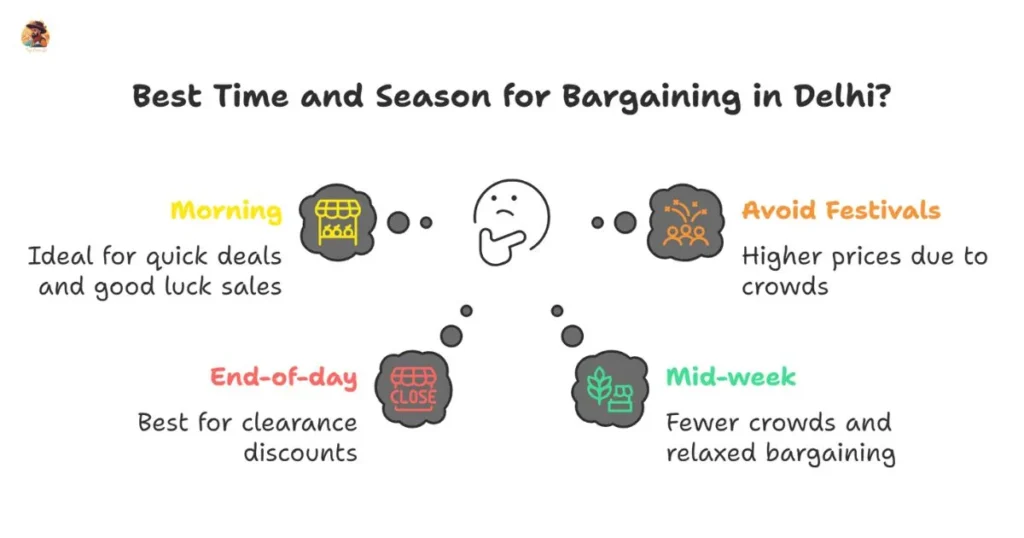
I have learned that in Delhi’s markets, timing is just as important as your words. The same bag can feel “too expensive” in the evening rush, but turn into a great deal if you visit at the right moment.
My favourite time is in the morning, roughly between 10 and 12. In Sarojini Nagar, the air still smells of fresh pakoras from the street stalls, and shopkeepers are eager to secure their first sale of the day for good luck. I once walked away with a jacket for ₹450 at 10:15 AM, which was later quoted at ₹650 to someone else that afternoon.
Evenings have their magic. In Lajpat Nagar, just before the shutters roll down, I have seen lehenga prices drop by nearly 20% simply because sellers do not want to haul heavy stock back inside. Their “Theek hai, le jaiye” at closing time often sounds more like relief than business.
If you want fewer crowds and more patient vendors, mid-week shopping is the real trick. A Wednesday in Karol Bagh feels calmer, and shopkeepers have the time to chat, joke, and meet you halfway on the price. (More ideas in my Karol Bagh Market Delhi Guide)
Quick timing tips:
- Morning (10–12 AM): Best for quick deals during bohni.
- End-of-day: Great for clearance discounts.
- Mid-week: Fewer shoppers, more relaxed bargaining.
- Avoid festival peaks: Crowds mean sellers stick to higher rates.
Bargaining for Foreign Tourists

If you are visiting Delhi from abroad, bargaining can feel like stepping into a fast-moving play where everyone knows their lines but you. But vendors here expect it, and many enjoy the exchange.
One afternoon in Janpath, I watched a tourist from Spain open his phone, type “Thoda sasta karo” into a translation app, and say it in halting Hindi. The vendor burst into laughter, clapped him on the shoulder, and dropped the price by nearly a third. That small effort to connect turned the negotiation into a friendly moment.
I have seen similar moments in Sarojini Nagar, where a simple “Kitna last?” from a foreign visitor has made vendors grin and shave 20% off the price. Once, I even guided a traveller from Canada through Lajpat Nagar — by the end, she was bargaining confidently on her own and walked away with two lehengas for less than the price of one.
Here’s what helps if you’re new to Delhi’s markets:
- Learn the local price range: A cotton scarf in Janpath should start around ₹250–₹300 for locals. If you are quoted ₹600, negotiate.
- Use basic Hindi phrases: Even a few words like “Kitna last?” or “Thoda kam karo” can break the ice.
- Start in bigger markets: Sarojini Nagar or Lajpat Nagar are easier for first-timers. Prices are more competitive, and you will quickly learn the rhythm of bargaining. (Check my Lajpat Nagar Market Delhi Guide)
- Be aware of tourist mark-ups: In Chandni Chowk, foreign visitors sometimes get double quotes. Check 2–3 stalls before buying. (See my Chandni Chowk Shopping Guide)
- Know your currency conversion: It helps you recognise a good deal instantly without overpaying.
Common Mistakes to Avoid
I still remember the day in Sarojini Nagar when I was so caught up in haggling that the vendor’s smile slowly faded. He folded the kurti back, shrugged, and turned to the next customer. I had pushed too hard, and the moment was gone. Since then, I have learned that sometimes it is better to seal the deal with a smile than lose it over fifty rupees.
Here are the big mistakes I see most often:
- Over-bargaining until the vendor loses interest – Instead, offer a fair number. Many times, I have seen vendors agree instantly when the price feels reasonable.
- Skipping the quality check – I once found a gorgeous stole in Janpath, but realised later it had a small tear. Always check stitching, zippers, and fabric before sealing the deal.
- Comparing prices loudly with other shops – Delhi markets are like a big family; word travels fast. A quiet comparison works better.
Bargaining in Delhi vs Bargaining in Other Indian Cities
Standing in Janpath on a Saturday, I could hear vendors calling out to each other — “Madam, best price!”, “Bhaiya, yahan dekh lo!” The energy is sharper here than in many other cities I have visited. Delhi’s bargaining style is quick, competitive, and full of playful challenges.
- More competitive vendors – The mix of locals, students, and tourists means shopkeepers sharpen their prices to win sales.
- A bigger mix of tourists and locals – In Chandni Chowk, you might see a foreign traveler bargaining for silver jewellery right next to a local buying wholesale kitchenware.
- Wholesale culture in Old Delhi – Here, bargaining is an art form. Buy in quantity, and the price per piece drops like magic.
Final Word – Bargaining as a Fun Delhi Memory
One winter evening in Lajpat Nagar, I spotted a woollen jacket I liked. The vendor quoted ₹850. I smiled, made a friendly offer, and after a short back-and-forth, we agreed at ₹550. As I handed over the cash, he said, “Aapka style achha hai, jaldi deal ho gayi.” That jacket still hangs in my wardrobe, not just as clothing but as a story.
These moments are why I created this guide of Bargaining Tips for Delhi Markets – to show that negotiating here is more than saving money. Think of bargaining in Delhi as a friendly game. Some days you win big, some days you pay a little more, but every time you walk away with a memory richer than the price tag. Ready to test your bargaining skills? Here’s the Complete Delhi Local Markets Shopping Guide to explore all the best places to practice them.
🔗 More Helpful Delhi Market Guides You Should Read
Planning more shopping adventures in Delhi? These market guides will help you find the best deals, safe spots, and local shopping secrets.
- 🛍️ Sarojini Nagar Market Delhi – The ultimate budget fashion destination
- 🏛️ Chandni Chowk Market Delhi – Heritage lanes, jewellery shops, and food that lets you bargain
- 🎨 Dilli Haat INA Delhi – For handicrafts and local art with cultural stories
- 👗 Karol Bagh Market Delhi – Wedding wear, jewelry, and festive deals
- 📚 Connaught Place Shopping Delhi – From branded stores to Palika Bazaar bargains
- 🕰️ Chor Bazaar Delhi – Vintage goods, antiques — perfect for bargaining challengers
- 🛒 Sadar Bazaar Delhi – Wholesale zone where bargaining is a must
- 🧣 Lajpat Nagar Market Delhi – Ethnic wear, dupattas — haggle gently
- 👟 Kamla Nagar Market Delhi – Youth styles, trendy items — great for small talk and deals
- 🎒 Janpath & Tibetan Market Delhi – Souvenirs, jackets, and haggle culture
- 📷 Khan Market Delhi – Boutique finds — less bargaining, more value
- 🏛️ Palika Bazaar Delhi – Underground electronics & deals
- 🌍 Safe Shopping Tips for Foreign Tourists in Delhi – Combine safety and bargaining smartness
Find all Delhi market guides on Trip Guru Go – your trusted travel companion for real experiences.
FAQs – Bargaining Tips for Delhi Markets (2025)
If you want energy and variety, head to Sarojini Nagar. Every lane bursts with shopkeepers calling you in. But if you prefer a slower pace, Janpath’s Tibetan stalls have more breathing space — and you might even hear a vendor telling you the story behind a scarf.
I usually start at half the quoted price, then meet somewhere in the middle. Once in Karol Bagh, I offered too low and the shopkeeper laughed — then offered me chai instead of the bag. We both knew the game had gone too far.
Yes, but gently. These places often have artisans selling handmade work. Once at INA, I saw a woman bargaining over a handwoven shawl, and the vendor explained how it took three days to make. She still got a discount, but with respect.
Sarojini Nagar is unbeatable for sheer value. Piles of jeans, racks of dresses, even leather jackets at prices you would not believe. Just check the stitching before you buy.
Sometimes, a vendor might switch the item after you agree on a price — the same style, but with cheaper fabric. I learned this the hard way in Chandni Chowk while distracted by the smell of frying samosas nearby.
Absolutely, and you should. I once helped a Spanish tourist in Janpath bring a silk scarf down from ₹1,200 to ₹700 — the smile on her face was priceless.
Morning “bohni” (first sale) between 10–12 AM is golden. Vendors believe the first sale sets the tone for the day. Evenings can work too, when they are packing up.
Sadar Bazaar is toy heaven — colorful stalls stacked so high you wonder how nothing falls. Bargaining is expected here.
Yes, but Meena Bazaar leans more towards fixed pricing for jewellery. In Tip Top, clothes and accessories are open for negotiation.
Say “Thoda kam karo na” with a smile. Works better than any calculator app.
Not really. Fruit vendors and snack stalls usually have fixed rates, and haggling over ₹5 just feels wrong when you are biting into hot golgappas.
Both have charm — mornings are calmer, evenings are more dramatic with glowing lights and the chorus of vendors calling out deals.

Hi, I am Manoj Kumar, the voice behind Trip Guru Go. I am a travel researcher, SEO content expert, and founder of this blog. With over 12 years of experience in digital travel research, I simplify complex destinations into real, helpful, and trustworthy guides.
Every article I write is backed by local sources, real traveler experiences, and deep fact-checking. Even if I have not visited every place personally, I never share anything without strong on-ground insight.
I do not sell travel packages or promote anything paid. My only goal is to help you travel smarter — with zero fluff, 100% honesty, and a deep focus on your safety and experience.