From real temple stories to date-wise tips, I have packed this guide with everything you need to experience Janmashtami in India. You will find regional celebrations, spiritual rituals, puja timings, food traditions, temple insights, and even how foreigners can feel at home during this divine night. Whether you are planning a trip or celebrating from home, this guide will help you connect with Krishna in your own way.
Janmashtami in India – A Festival That Still Gives Me Goosebumps
I once stood barefoot in a crowded temple in Vrindavan. The air smelled of agarbatti, fresh marigold, and homemade ghee. Bells rang wildly, yet my heart felt calm. That moment stayed with me.
Janmashtami in India is not just about Krishna’s birth. It is about childhood memories, shared prayers, midnight magic, and that rare feeling of being part of something bigger than yourself.
👉 If you love spiritual journeys like this, you might also enjoy our full collection of spiritual places in India where devotion meets travel.
Every year, this festival brings back a soft lump in my throat. I remember decorating swings with my mother, skipping dinner for a fast I barely understood, and waiting past midnight to hear, “Krishna is born!”

🗓️ Quick Janmashtami 2025 Overview:
- 🕉️ Occasion: 5252nd birth anniversary of Lord Krishna
- 📅 Dates: August 15 and 16, 2025 (celebrated across both days)
- ⏰ Main Puja Muhurat: Midnight of August 15 (Nishita Kaal – 12:04 AM to 12:47 AM, Aug 16)
- 📍 Key Cities: Mathura, Vrindavan, Mumbai, Delhi, Dwarka, Udupi
In this guide, I will walk you through Janmashtami 2025 — from vivid temple stories to date-wise tips, from emotional moments to local travel hacks. Whether you are traveling solo, with family, or just your thoughts, I will help you plan each step with honesty, feeling, and real ground-level help.
When is Janmashtami in 2025 Celebrated in India?

Janmashtami in 2025 will be observed on two dates across India — August 15 and August 16.
I know, it doesn’t sound very clear. I recall asking the same question during my visit to the temple in Udupi last year. A priest gently explained, “There is no mistake — both days are right. It depends on your tradition.”
🕯️ Why Two Dates for Janmashtami?
The confusion comes from different sampradayas (sects) following different calendars.
- Smarta Sampradaya celebrates Janmashtami on August 15, 2025
- Vaishnava Sampradaya celebrates it on August 16, 2025
Even some temples observe both dates with separate rituals. The midnight aarti, known as Nishita Puja, falls in the early hours of August 16, just past midnight.
Here is a clear breakdown:
- Ashtami Tithi Begins: August 15, 2025, at 11:49 PM
- Ashtami Tithi Ends: August 16, 2025, at 9:34 PM
- Nishita Puja Muhurat: August 16, 2025 | 12:04 AM – 12:47 AM
Note: Most ISKCON temples will celebrate on August 16 (Vaishnava tradition), but some local mandirs may hold festivities a day earlier.
📌 Quick Tips for 2025 Travelers:
- ✅ Plan for both dates if you want to catch all the arts and celebrations.
- 🕗 Temple crowds start building by 7 PM on both evenings.
- 📸 Midnight darshans and jhanki displays happen post 11 PM.
- 🧘♂️ Fasting may differ by tradition — check with your local temple.
I usually keep my evening free on both days. That way, I never miss the real magic when the bells ring at midnight and someone softly whispers, “Krishna is born.”
How Janmashtami is Celebrated in India: State-Wise Temple Rituals & Events

No matter where you go in India, Janmashtami takes on a different flavor. In some places, it is a quiet temple aarti with oil lamps. In others, it is a roaring Dahi Handi competition with thousands cheering from balconies. That is what makes this festival so magical — every region celebrates Krishna in its own way, yet somehow, it feels like one giant family prayer.
In this section, I will walk you through how Janmashtami feels across India — from the sacred calm of Mathura to the thrill of Dahi Handi in Mumbai and the devotional arts of the Northeast. These are not just locations. They are moods, stories, and living traditions.
📍 Mathura – The Spiritual Epicenter

Mathura during Janmashtami feels like standing at the very heart of Lord Krishna’s story. This is not just his birthplace — it is a river of emotion, rituals, and faith flowing through every street.
From the moment you enter the city, there is something in the air: marigold-scented pujas, blaring bhajans, and chants echoing off the temple walls. The Krishna Janmabhoomi temple becomes the core of midnight celebrations, where the divine birth is reenacted in front of thousands of believers.
What to expect in Mathura during Janmashtami:
- Midnight aarti at Krishna Janmabhoomi, where silence breaks into thunderous “Jai Kanhaiya Lal Ki!”
- Spiritual processions, bhajan mandalis, and glowing street jhankis
- Live Raas Leela performances at various akharas
- Expect massive crowds, special security, and additional train arrangements
- Photography may be restricted in inner temple sanctums — always ask politely
🚇 Nearest railway station: Mathura Junction (connected to Delhi, Agra, and Vrindavan)
🔗 Related guide: Janmashtami in Mathura – The Spiritual Epicenter
🛕 Vrindavan – Raas Leela & Midnight Aarti

Vrindavan feels like poetry during Janmashtami. I remember walking through the narrow alleys where walls were covered in butter-yellow paint, and every window glowed with flickering diyas. The sound of flute melodies floated in the air like a whisper from the past. This is not just a place. It is a feeling.
In Janmashtami week, that feeling intensifies. Everything moves to Krishna’s rhythm — even the wind.
What to Expect:
- Thousands gather in Banke Bihari Temple, Rangji Mandir, Prem Mandir, and dozens of smaller ashrams
- Live Raas Leela dance dramas unfold across temple courtyards — stories come alive in every movement
- Midnight aarti (usually between 11:30 PM to 12:30 AM) fills the air with synchronized chants and a sea of people
- Expect massive crowds, special security, and long queues near temple areas
- For peace, try early morning darshans or walk towards Gopi Talab and Seva Kunj
- Photography might be restricted in some temples, so ask before clicking
Vrindavan’s Janmashtami is not about just watching. It is about dissolving into devotion — whether through aarti, silence, or the flute’s soft cry.
🔗 Read my full travel guide to Janmashtami in Vrindavan
🏙️ Mumbai – Dahi Handi Thrill & Local Mandals

Janmashtami in Mumbai hits you like a drumbeat — loud, energetic, and unforgettable. I once stood near Dadar station, drenched in rain, as a human pyramid rose before me. The crowd was roaring, dhols were thundering, and for a moment, it felt like the entire city had paused to look up.
What to Expect:
- Streets buzz with Govinda Pathak’s forming human pyramids to break the hanging Dahi Handi pots
- Localities like Dadar, Thane, Ghatkopar, and Worli host major competitions with loudspeakers and cheering crowds
- Prizes range from ₹11,000 to over ₹10 lakh, and the energy is electric
- Expect road blockages, tight security, and dense crowds from afternoon till night
- Evening (around 4 PM onwards) is usually when the biggest events begin
- Keep a raincoat or cap handy — Mumbai’s monsoon rarely misses this day
- Stay alert: pyramids fall, people rush, and the ground gets slippery
Dahi Handi in Mumbai is not a quiet temple moment. It is a festival of the streets — bold, dramatic, and pulsing with youth energy. If you want to see devotion mixed with adrenaline, this is the place.
🔗 Explore my full guide on Dahi Handi Events in Mumbai (2025) (Coming Soon)
🏙️ Delhi – ISKCON Jhankis, Bhajans & Crowds

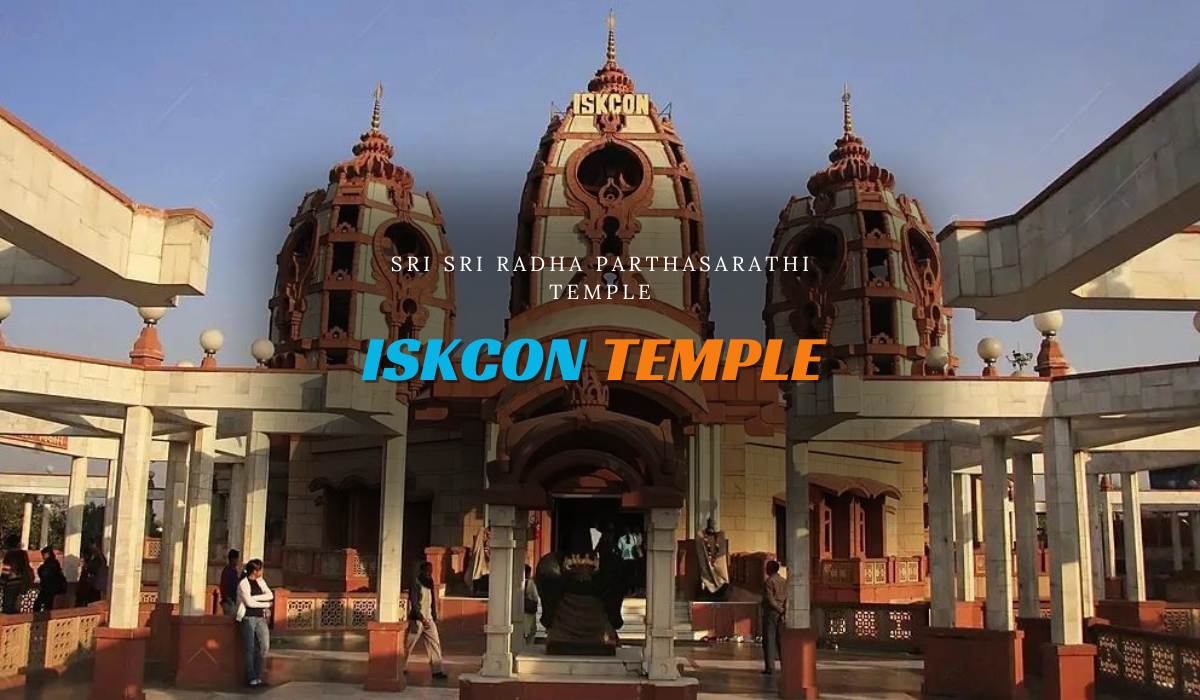
Janmashtami in Delhi feels like a thousand lamps glowing in sync. ISKCON temples lead the celebration here, with midnight aarti, soulful kirtans, and a stunning display of Krishna’s life in the form of Jhankis.
The most iconic is the ISKCON Temple, East of Kailash. I once stood shoulder-to-shoulder with strangers, yet felt oddly at peace — the murti of baby Krishna in a cradle glowing under fairy lights.
By sunset, the temples glow. Devotees sing “Hare Krishna” in one rhythm. Foreigners often join too — just dress modestly and follow temple etiquette. Expect massive crowds, special security, and packed metro stations.
👉 If you are planning to explore more Delhi temples on Janmashtami night, the nearby Akshardham Temple Delhi is also a glowing spectacle.
Quick Tips:
- Best Venue: ISKCON East of Kailash (others: Punjabi Bagh, Rohini, Dwarka)
- Getting There: Nehru Place or Kailash Colony Metro (Violet Line)
- Safety Tip: Photography may be restricted inside sanctum areas
- Local Tip: Visit early evening; the crowd swells post 9 PM
👉 Want to explore more sacred places in the capital? Here is our full list of Famous Temples in Delhi you should not miss.
🛕 Gujarat – Dwarka’s Grand Janmashtami Celebrations

The sea breeze felt cooler that night. Outside Dwarkadhish Temple, bhajans echoed like waves, and the temple glowed with thousands of diyas. Locals whispered stories of Krishna ruling this sacred city, while pilgrims folded their hands with teary eyes.
Why Dwarka Feels Divine:
- This is where Lord Krishna ruled after leaving Mathura.
- The temple’s midnight aarti feels powerful, ancient, and emotional — you will feel it in your chest.
- Local markets stay open late. Devotees buy prasad, incense, and peacock feather souvenirs.
Travel Notes:
- Expect huge crowds, traffic slowdowns, and special train bookings from Ahmedabad or Rajkot.
- Some areas around the temple restrict photography, so check before clicking.
- Morning darshan is quieter if you want peace over celebration.
🛕 Udupi & Karnataka – South Indian Rituals, Veshas & Temple Calm
The chants in Udupi are softer, more rhythmic — like waves meeting the shore. Here, Janmashtami does not shout. It hums. It lingers in the jasmine-scented air, the quiet morning bhajans, and the calm of temple corridors lit by ghee diyas.
Udupi celebrates Ashtami Rohini, the South Indian version of Janmashtami. The temple town comes alive with discipline, tradition, and deep-rooted devotion. The celebrations follow a fixed sequence, with less chaos and more calm compared to North India.
📿 Traditions That Make It Unique:
- Veshas (Costumes): Local boys dress up as Krishna, Radha, and gopas. These are not casual – they follow detailed customs.
- Vittal Pindi Procession: The idol of Krishna is taken through the streets after the midnight puja, accompanied by folk drums and temple elephants.
- Chanting & Recitations: Devotees gather for slow, melodic recitations of the Bhagavad Gita — often continuing till early dawn.
🧳 If You Are Visiting Udupi:
- Expect a quiet, structured celebration. Ideal for solo travelers, spiritual seekers, or families wanting fewer crowds and more devotion.
- Book your temple stay in advance. Udupi mutts (monasteries) offer simple accommodation with sattvik meals.
- Dress conservatively, especially if attending temple pujas. Veshti or saree will help you blend in respectfully.
- Avoid using flash photography. Many temples restrict photos inside the sanctum.
This is Janmashtami as meditation — steady, grounded, and deeply touching.
Manipur – Krishna Devotion in the Northeast
Manipur celebrates Janmashtami with a calm devotion that feels like storytelling through silence. There are no loud mandals or towering Dahi Handi pyramids. Instead, the beauty lies in soft bhajans, oil lamps, and quiet Raas Leela performances that feel more like prayer than theater.
This Northeastern state has followed Vaishnav traditions for centuries, ever since King Pamheiba adopted Krishna bhakti in the 18th century. Today, you will find older women whispering mantras while young performers dance barefoot in courtyards lit only by diyas. Temples are small but soul-stirring, especially in areas like Imphal.
Here, Janmashtami is not a show. It is a moment of surrender.
📸 If You Are Visiting:
- Raas Leela dances in Imphal are the main highlight, especially near the Govindajee Temple
- Expect peaceful, deeply spiritual gatherings rather than large crowds
- Photography may be restricted in some temple performances – always ask first
- Respect local customs. Dress modestly and remove shoes before entering any courtyard or prayer space
- Stay options are best in central Imphal; book early if Janmashtami overlaps with other festivals
🪔 Kerala – Temple Arts & Cultural Blend
Kerala’s Janmashtami has a quiet soul. While most of India celebrates with drums and midnight fireworks, here it is the deep sound of temple bells, oil lamps, and graceful dance that marks the festival.
I remember walking barefoot through the wet stone floor of a temple courtyard. The scent of sandalwood and burning ghee lingered in the monsoon air. A group of children, dressed as little Krishnas, passed by giggling, holding flutes and peacock feathers. My heart softened instantly.
One of the highlights is watching Krishnanattam — an ancient temple art form based on Krishna’s life. The performers wear vivid face paint, dance in slow, expressive gestures, and tell the story without saying a word. It feels like meditation.
🌿 What to Expect in Kerala During Janmashtami:
- Guruvayur Temple hosts major rituals, including baby Krishna processions and early morning bhajans
- Kathakali and Krishnanattam performances take place in temple courtyards and cultural halls
- Homes and temples decorate small “Krishna trails” using rice flour footprints symbolizing Krishna’s steps
- Children dress as Krishna and Radha and visit nearby temples in playful groups
- Expect peaceful crowds, rich traditions, and lots of local sweets like pal payasam and unniyappam
🧳 Travel Tip: Avoid flash photography inside temples. Dress modestly and carry an umbrella — August rains are frequent.
🪔 Other Celebrations (Rajasthan, Odisha, Puri & Beyond)
Not every Janmashtami celebration in India is grand — some are quiet, soulful, and deeply rooted in local traditions.
In Rajasthan, I once watched kids dressed as Radha and Krishna dance in a courtyard temple lit with fairy lights. No stage, no crowd. Just halwa-puri bhog, folk bhajans, and neighbors clapping softly under a neem tree.
In Odisha, especially at Puri’s Jagannath Temple, the festival turns deeply spiritual. Priests offer chappan bhog, decorate deities with traditional silk, and chant age-old Vaishnavite hymns that echo through the stone walls.
Across small towns — from Jharkhand to Punjab — you will find simple Jhankis, home-cooked bhog, and folk plays that bring Krishna’s story to life in their own unique way.
What to Expect:
- Peaceful temple atmospheres
- Regional bhog and bhajans
- Local legends told through music or plays
- Fewer crowds, more intimacy
🧳 Travel Tip: Arrive early and stay close to the temple. Local hosts often become your best guides.
Janmashtami Rituals, Fasting Rules & Bhog Offerings
Celebrating Janmashtami in India is deeply personal, emotional, and steeped in tradition. Every home has its way, but the essence remains the same — love, devotion, and Krishna’s playful spirit.
🌙 Midnight Puja & Celebration Rituals
At midnight, we welcome Krishna into our hearts and homes. I remember gently bathing a tiny idol in milk and honey, wiping it with a soft cloth, and placing it on a swing decorated with marigolds and peacock feathers. We light incense, offer fresh flowers, and sing bhajans while ringing bells in joy. The most moving part? When the clock strikes 12 and someone whispers, “Krishna is born.” It still gives me goosebumps.
🌿 Janmashtami Fasting Rules (Kids, Elders & Everyone)
Fasting on Janmashtami is a personal choice. Some do Nirjala (without water), while many opt for Phalahar — eating fruits and vrat-friendly meals. I usually prepare simple dishes like:
- Sabudana khichdi
- Makhan-mishri (Krishna’s favorite)
- Roasted peanuts or coconut laddoos
For kids or elders, keep it light and sattvik. Do not force a strict fast — Krishna loves your devotion, not your hunger.
🍛 Bhog Offerings – What to Cook for Kanha
After the puja, we offer homemade sweets and snacks to Krishna. My mother always made:
- Panjiri (a dry mix of atta, ghee, and dry fruits)
- Panchamrit (a holy mix of milk, curd, honey, sugar, and ghee)
Offer what you can — even a spoonful of butter with love means everything.
🎨 Janmashtami Decorations & Jhanki Ideas (DIY)
Decorating the home feels like preparing for a divine guest. Here are a few ideas that always bring joy:
- Dress up your home mandir with fairy lights, torans, and flowers
- Create a Krishna Jhanki (table display) with toys, cotton clouds, and butter pots
- Decorate the aarti thali with rice rangoli, diya, and tulsi leaves
If you enjoy visual ideas, you can check my [DIY Krishna Decoration Guide] for Pinterest-style tips.
Must-Visit Temples During Janmashtami in India
If you want to feel the soul of Janmashtami in India, visit these legendary Krishna temples. Each one lights up with chants, lamps, bhajans, and emotional energy. Whether you love midnight aartis or morning darshans, these places offer unforgettable moments.
👉 I have also written a full temple travel guide here: Best Krishna Temples in India to Visit for Janmashtami
Here are some iconic stops I deeply recommend:
🕉️ ISKCON Temple, Delhi – Peaceful Yet Powerful
The white marble glows at night. The hall echoes with “Hare Krishna” chants. I remember seeing foreign tourists joining hands with locals, dancing without any judgment.
What to Expect:
- Huge crowds, live bhajans, Krishna play (Raas Leela)
- Midnight aarti is the peak moment
- Entry is free, but reach early
- Metro: Nehru Place or Kailash Colony
🧍 Tip: Modest clothing is advised. Keep your phone silent inside.
🛕 Dwarkadhish Temple, Gujarat – Krishna’s Kingdom Comes Alive
This temple in Dwarka town is believed to have been built by Krishna’s great-grandson. On Janmashtami, the spiritual aura here feels electric. I once stood in the darshan queue for an hour, but I did not feel tired.
What to Expect:
- Traditional pujas, chants, and prasad
- The golden idol of Dwarkadhish is adorned with flowers
- Darshan may be restricted briefly during abhishek
🧍 Tip: Arrive early morning or late evening to avoid peak rush.
🪔 Banke Bihari Temple, Vrindavan – A Sea of Emotion
I still get goosebumps thinking about the night I attended Janmashtami here. The crowd moves like a single wave. You cannot see much, but you feel everything.
What to Expect:
- Darshan happens only in quick glimpses
- “Jhulan Utsav” (swing festival) is held before Janmashtami
- Dress code is traditional; photography is restricted inside
🧍 Tip: Expect massive crowds, tight lanes, and spiritual chaos. Be alert but stay soft-hearted.
🎨 Nathdwara Temple, Rajasthan – Art Meets Devotion
Famous for Pichwai paintings and royal-style Krishna darshan, this temple has its own rhythm. I visited once during Janmashtami, and the sweetness of the bhog still lingers in my memory.
What to Expect:
- “Shringar” darshan (Krishna dressed in royal clothes)
- Delicate flowers and art-based decorations
- Darshan timings are fixed and very brief
🧍 Tip: Follow the silence rules inside. Dress conservatively.
Janmashtami for Foreign Tourists in India (Safety & Culture Tips)
If you are a foreigner planning to witness Janmashtami in India, let me say this — you are in for something truly special. It will be chaotic, loud, spiritual, and strangely moving, all at once. But to make it joyful instead of overwhelming, you need to know a few things in advance.
🧭 What to Expect as a Tourist
Expect massive crowds, long queues for darshan (temple visit), and emotional aartis filled with music and chants. Many people may not speak English, but most will smile and help if you look confused. Temples will be decorated with flowers, fairy lights, and idols of baby Krishna placed in swings.
I once saw a tourist in ISKCON Delhi using Google Translate to ask, “When is Krishna born?” The priest just smiled, touched his heart, and said, “Midnight.”
👕 Dress Code & Modesty
Indian temples expect respectful clothing from everyone, especially during festivals. For people of all genders:
- Wear full-length pants or long skirts
- Cover shoulders and chest
- Avoid sleeveless tops or shorts
- In some temples, you may be asked to remove your footwear and cover your head
Tip: Carry a light cotton scarf or stole — useful for both covering and wiping sweat during the crowd push.
🙏 Cultural Etiquette: Do’s & Don’ts
Here are a few local habits that will make your experience smoother:
✅ Do’s:
- 🙏 Greet with “Radhe Radhe” or “Hare Krishna”
- 👣 Follow the crowd’s lead inside the temple
- 🍬 Accept prasad (offering) with your right hand
- 🕯️ Observe silence during aarti, even if you do not know the language
❌ Don’ts:
- 🚫 Do not touch idols or the main altar
- ⚡ Do not take flash photos unless allowed
- 💑 Avoid public display of affection inside or near temple areas
- 😠 Do not argue with volunteers — most are unpaid and emotional
🌍 Foreign-Friendly Cities for Janmashtami
Some cities are more foreigner-friendly, with ISKCON temples and English-speaking volunteers:
- Delhi – ISKCON East of Kailash is very organized
- Vrindavan – Spiritual yet welcoming; many foreign devotees
- Mumbai (Juhu) – Large crowds but English signboards and volunteers
- Bangalore – ISKCON Rajajinagar is structured, peaceful
- Mayapur – ISKCON headquarters, often visited by global Krishna devotees
These places usually have:
- Cloakrooms
- English signage
- Filtered drinking water
- Volunteer guides
🚇 Navigation & Travel Help
- Metro-friendly cities: Delhi, Mumbai, Bengaluru — use metro apps or Google Maps for temple routes
- Shared autos/taxis: Common near temple areas — just say “ISKCON temple” or show the map
- Travel articles: I have added local metro routes and transport tips in each city guide. You can check our Delhi temple guides or the ISKCON temple in Delhi.
Janmashtami Travel Tips – Budget, Crowds & Monsoon
Traveling for Janmashtami in India sounds divine, but it needs some smart planning. From drenched temple lanes to sudden hotel price surges, here is what I wish someone had told me before my first festival trip.
✈️ How to Reach Major Janmashtami Destinations
Each city has its own rhythm, and knowing how to get there is the first step:
- Mathura & Vrindavan: The Nearest airport is Delhi. Take a train to Mathura Junction or a private cab (3 hrs). Avoid festival-day roads — they get blocked.
- Dwarka (Gujarat): Jamnagar Airport is closest. From there, drive or take a local bus to Dwarka (about 2 hours).
- Udupi (Karnataka): Fly to Mangalore, then a scenic drive or train to Udupi. Book well in advance.
- Nathdwara (Rajasthan): Fly into Udaipur, then take a taxi (1 hour). Roads get crowded — plan early.
👉 Pro Tip: Download offline maps. I lost signal during a temple trip and had to ask locals in broken Hindi!
🛏️ Budget Tips for a 3-Day Janmashtami Trip
If you are visiting from outside the city, here is a sample budget for solo travelers:
| Expense Category | Estimated Cost (INR) |
| Train/Bus Travel | ₹800 – ₹1,500 |
| Hotel (2 Nights) | ₹1,500 – ₹3,000 |
| Food & Snacks | ₹600 – ₹1,000 |
| Rickshaw/Auto | ₹400 – ₹600 |
| Entry + Donation | ₹200 – ₹500 |
| Total | ₹3,500 – ₹6,500 |
👉 Skip city-center hotels. I found a quiet guesthouse 2 km from the temple and saved ₹1,000!
🌧️ Weather & Crowd Tips
The festival falls during the Indian monsoon, so expect:
- 🌦️ Light rain or humidity — carry a light raincoat or umbrella
- 🩴 Slippery temple floors — wear good sandals with grip
- 🚶♂️ Long queues — especially for darshan after midnight
There is something magical about standing barefoot in a temple courtyard, watching diyas glow as raindrops fall. But pack smart — wet socks and slippery tiles are no fun.
🏨 Accommodation & Booking Tips
- 📍 Stay close to temples, but not too close — avoid noisy central lanes
- 🔐 Book early! Rooms fill up 1–2 weeks before the festival
- 🌐 Use trusted sites like Booking.com or go for homestays with good reviews
- 🧼 Ask about hot water, clean washrooms, and generator backup (many areas face power cuts)
👉 I stayed in a Krishna-themed hostel in Vrindavan — even the lobby had bhajans playing!
📸 Photography & Festival Etiquette
- 📷 Many temples do not allow photography inside — respect signs and ask first
- ⚠️ Flash can be disturbing during aarti — switch to night mode or step back
- 🧘♂️ Be mindful during pujas — stay quiet and do not block other devotees
It is tempting to capture every moment, but sometimes the real magic is in putting the phone away and just watching.
The Real Story & Deeper Meaning Behind Krishna Janmashtami in India
Krishna was born in the quiet midnight hour, far from celebration, inside a prison cell. Yet, the moment held no fear — only light. It reminds me that Janmashtami is not just about rituals or crowds. It is about the belief that something divine can still take birth inside us, even in the darkest moments. Every year, when I see the baby Krishna placed gently in a cradle, I feel the same lump in my throat. This festival connects us to our roots, our childhood, and our longing for hope. Maybe that is why we stay up past midnight, whisper prayers, light ghee lamps, and wait. Not just for Krishna, but for faith to arrive again. 👉 If you are exploring more spiritual experiences in India, check out our guide to Adiyogi for Foreign Visitors.
🙏 Planning a Janmashtami trip?
Use this guide as your trusted path — from temple routes to local tips, it is built to help you experience Krishna, not just read about him.
Plan Your Janmashtami Yatra
Want to explore Janmashtami beyond just one city? I am working on detailed travel guides that will help you plan your yatra with local insights, darshan tips, temple details, and budget ideas. These helpful articles will be available soon:
- Janmashtami in Mathura – Midnight aarti, temple routes, crowd tips (Coming Soon)
- Janmashtami in Vrindavan – Raas Leela nights, ISKCON, bhajan moments (Coming Soon)
- Janmashtami in Delhi – Jhanki processions, metro guides, ISKCON celebrations (Coming Soon)
- Dahi Handi in Mumbai – Best locations, safety, and local mandals (Coming Soon)
- ISKCON Celebrations Across India – Foreign-friendly temples and festival vibes (Coming Soon)
- Best Krishna Temples in India – Pilgrimage route + spiritual highlights (Coming Soon)
- Guide for Foreign Tourists – Dress code, safety tips, and what to expect (Coming Soon)
🪔 All links will be updated as new articles go live on Trip Guru Go. Stay tuned.
🙏 Also read: Our Adiyogi Shiva Statue Guide for a peaceful journey into meditation and devotion.
Conclusion: Janmashtami is Not Just a Festival — It Is a Feeling
As I walked barefoot through the crowd in Vrindavan, I did not just see a celebration — I felt a presence.
Janmashtami in India is more than rituals and temples. It is the flute playing softly in your heart. It is the sweet smile of Bal Krishna in a swing. It is the midnight aarti where strangers become family. Whether you are in Mathura, Mumbai, or Manipur, the devotion feels the same — raw, glowing, and timeless.
So this Janmashtami, do not just plan a trip. Let your heart arrive first. Be part of a tradition that is not only spiritual but deeply human. Light a diya. Offer butter. Listen to stories under temple bells.
Because sometimes, in this noisy world, all we need… is a little Krishna in our lives.
Watch, Read & Experience
Want a visual Janmashtami tour? 👉 Check our web story for Janmashtami 2025 celebrations.

FAQs About Janmashtami
Janmashtami will be celebrated on August 15 and 16, 2025. Dates vary by region and tradition
Yes, absolutely. Foreigners are warmly welcomed at most temples, especially ISKCON and tourist-friendly cities.
Devotees eat phalahar items like sabudana khichdi, fruits, makhan-mishri, and vrat-friendly sweets during the fast.
Mathura and Vrindavan offer the most intense spiritual energy and traditional midnight celebrations in India.
Temples perform abhishek, aarti, bhajans, and Krishna idol darshan at midnight when the Lord is “born.”
Wear modest, comfortable Indian clothing. Women can wear sarees or suits. Men should prefer kurta-pajamas.

Hi, I am Manoj Kumar, the voice behind Trip Guru Go. I am a travel researcher, SEO content expert, and founder of this blog. With over 12 years of experience in digital travel research, I simplify complex destinations into real, helpful, and trustworthy guides.
Every article I write is backed by local sources, real traveler experiences, and deep fact-checking. Even if I have not visited every place personally, I never share anything without strong on-ground insight.
I do not sell travel packages or promote anything paid. My only goal is to help you travel smarter — with zero fluff, 100% honesty, and a deep focus on your safety and experience.