I reached St. James’ Church, Delhi, on a quiet morning, and the calm outside surprised me instantly. The soft yellow dome looked warm in the sunlight, and the slow wind around the trees helped me breathe a little easier. I felt that this place still carries its old charm, and that gentle mood makes every visit peaceful for first-time travelers.
My Personal Visit to St. James’ Church, Delhi
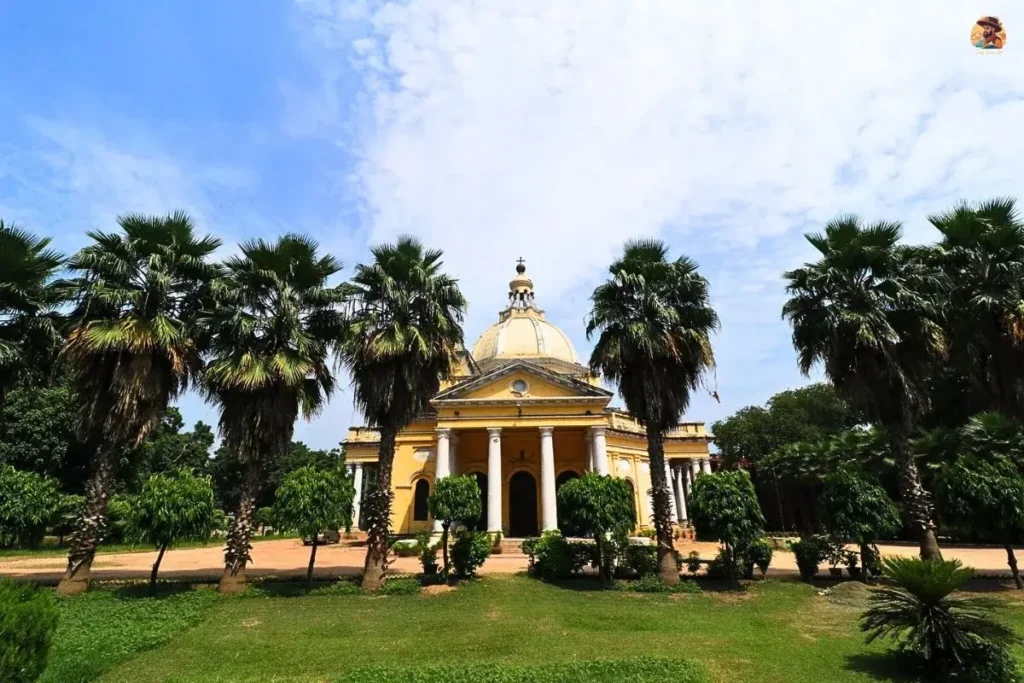
The quiet mood near Kashmere Gate felt soothing when I reached St. James’ Church, and the yellow facade looked warm in the soft morning light. I moved slowly through the small gate, the air carrying a light, earthy scent that reminded me of old Delhi mornings.
As I stepped closer, the city noise dropped gently, and that calm shift helped me settle my thoughts. The entrance looked simple, yet it held a kind of steady charm that made me pause for a moment before walking inside.
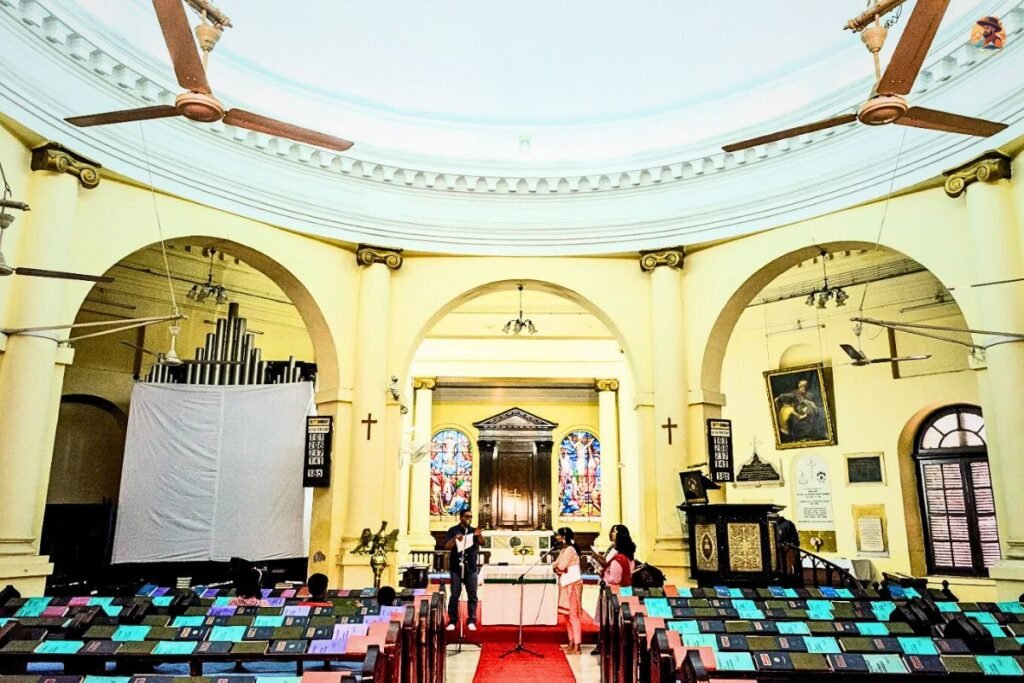
When I entered the dome hall, the warm light gently touched the wooden benches. The round ceiling carried every small sound clearly, and the quiet space felt grounding. I noticed a few people sitting peacefully, and their presence created a steady, comforting mood.
During my visit, one small moment stood out to me. A man placed a small prayer book on the bench with slow care, and his gentle movement showed how deeply people connect with this place. That simple scene felt honest, and it helped me understand why visitors return.
If you visit for the first time, these early moments will help you adjust to the quiet environment. You will feel the shift as soon as you walk in.
What you will notice in the first few minutes
- Soft yellow facade glowing in gentle light
- Calm walkway with old trees
- Sudden drop in city noise near the gate
- Warm dome hall with wooden benches
- Slow, peaceful atmosphere inside
If you prefer a steady start, arrive a little early because the morning light and empty hall create the best mood for your visit.
About St. James’ Church Delhi (Skinner’s Church)
I moved towards the front yard of St. James’ Church, Delhi, with slow steps because the soft quietness around the yellow walls made me feel calm right away. The warm colour looked steady in the daylight, and the air carried a light, earthy smell that reminded me of early Delhi mornings. This gentle start helped me sense how old this place truly is, even before I walked inside.
Why is this the oldest church in Delhi
Many visitors expect a modern church here, but the moment you stand near the stone base, the age becomes clear. I touched the wall lightly, and the cool, rough surface made me understand its long journey. The church survived the early colonial years because people maintained it with consistent care, and this slow preservation kept its original form alive.
If you love old heritage spots, this quiet setting helps you feel the history without any rush.
If you visit for the first time, expect a simple structure and a very calm mood.
Who built St. James’ Church and why
Colonel James Skinner built this church because he made a promise during a difficult period in his life. I felt a sense of purpose when I saw the plaque near the entrance, and that small detail connects his intention with today’s peaceful atmosphere. He wanted a space where people could feel steady and safe, and that intention still guides the mood of this place.
A small tip:
Read the plaque near the left corridor. It explains his vow in simple words.
Quick history summary (1836, Skinner family, colonial era)
The church opened in 1836, and the Skinner family supported it for many decades. I walked along the side path because the stones looked untouched, and this natural wear helped me imagine how the area looked during the colonial period. The bright facade and the neat layout reflect the common design of that time, and this gives the building a gentle balance between simplicity and strength.
Key points at a glance
- Built in 1836
- Founded by Colonel James Skinner
- Supported by the Skinner family
- Part of early colonial Delhi
- Still active for daily prayer
When you keep these points in mind, the whole place feels easier to understand.
Architectural style of St. James’ Church
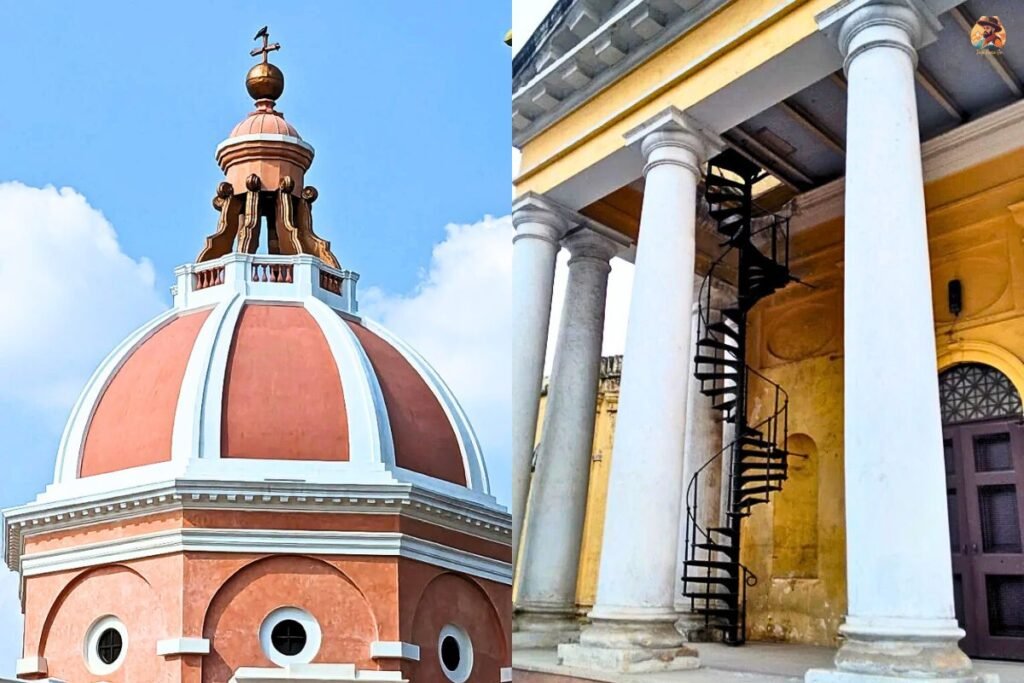
I enjoyed exploring the architecture slowly because each part added a new layer to the experience. The design looks simple at first, but the small details grow clearer when you walk around.
Dome
The dome stands tall above the hall, and it shines softly in the morning light. When I stood under it, I heard a calm echo that made the space feel deeper and more peaceful.
Portico
The portico felt steady and cool when I paused there. The tall pillars create a soft shade, and this corner works well when you need a quiet moment before entering the hall.
Cross-shaped layout
The cross-shaped layout guides you naturally towards the altar, and it keeps the inside movement slow. This structure also reduces noise, which helps maintain the calm mood even on busier days.
Old graveyard
The graveyard behind the church holds many old memorial stones. I walked slowly here because the space carries deep emotional weight for local families. Move with respect because the silence feels meaningful.
If you enjoy architecture, take your time around the dome and portico because the light changes beautifully during early hours.
St. James’ Church Delhi Photos (Visual Guide)
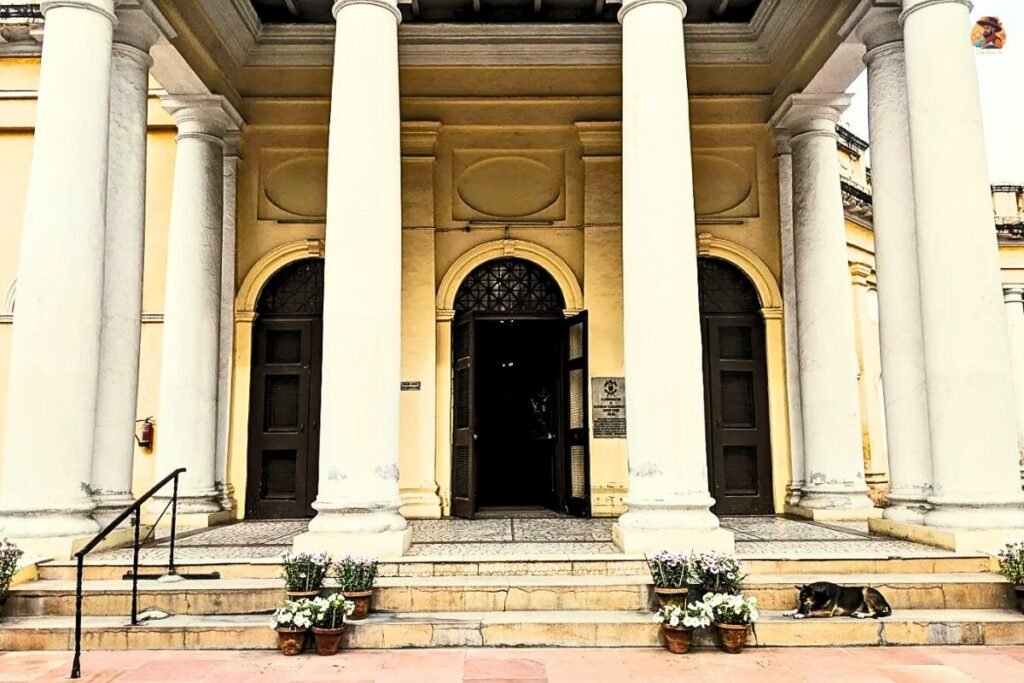
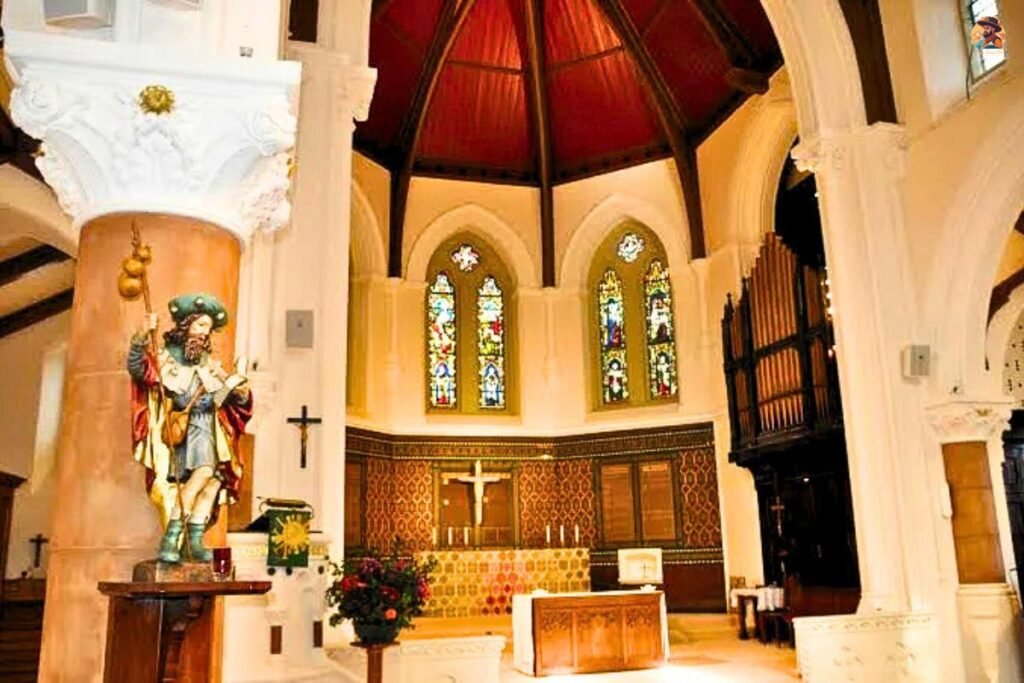
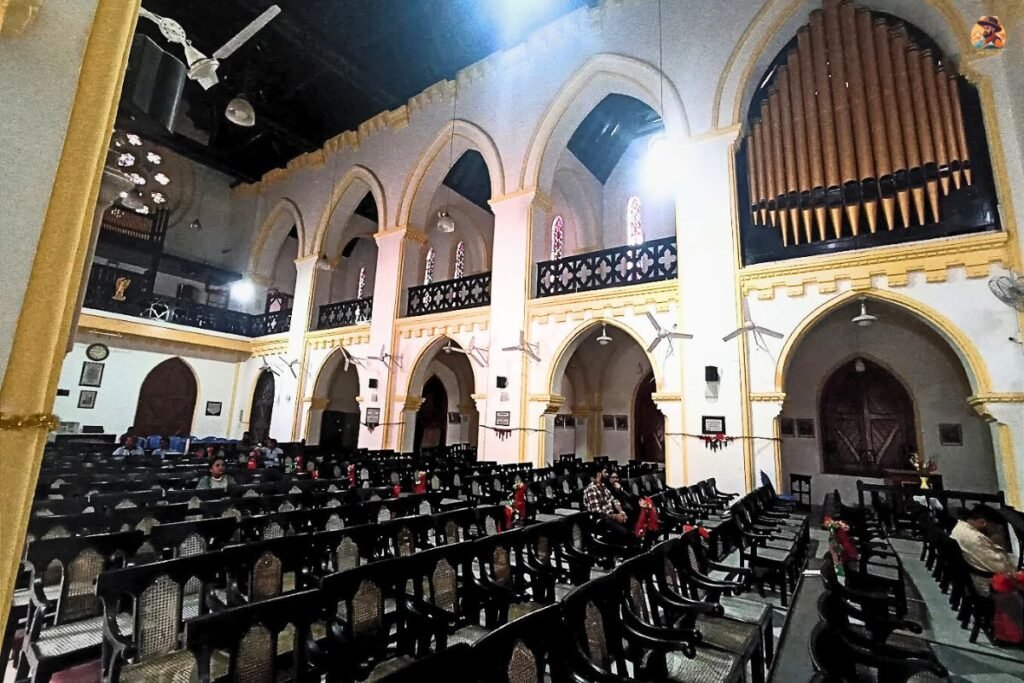
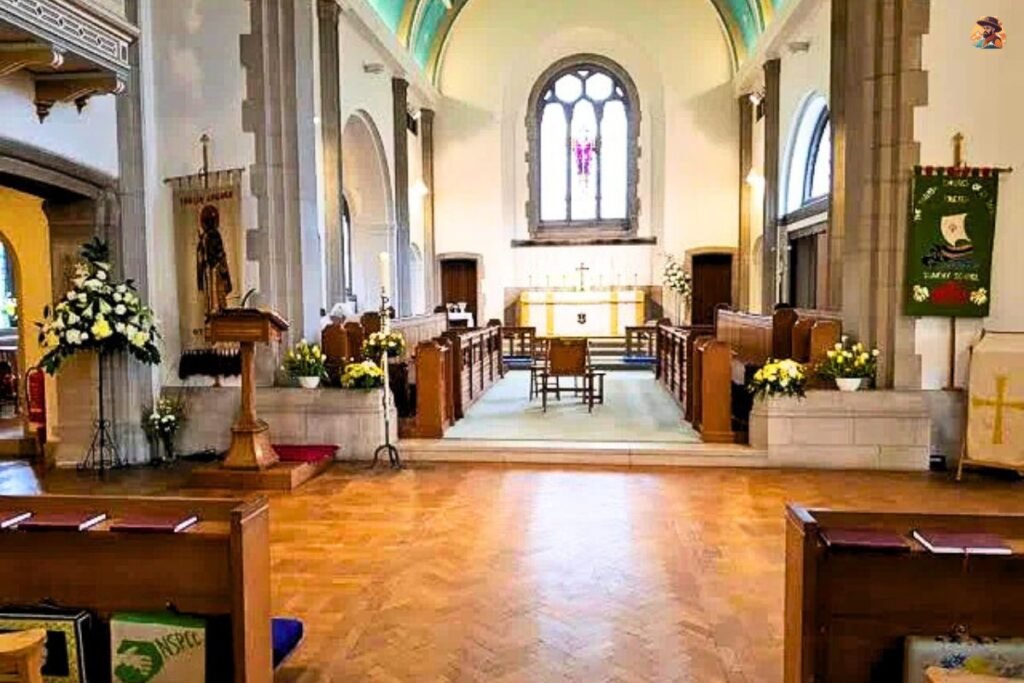
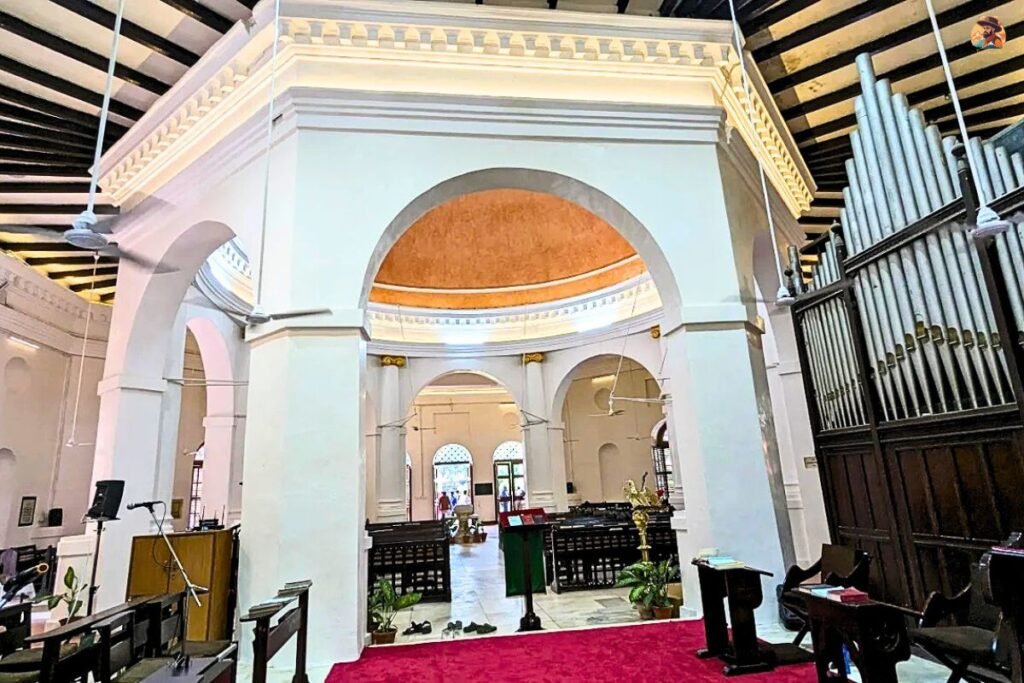
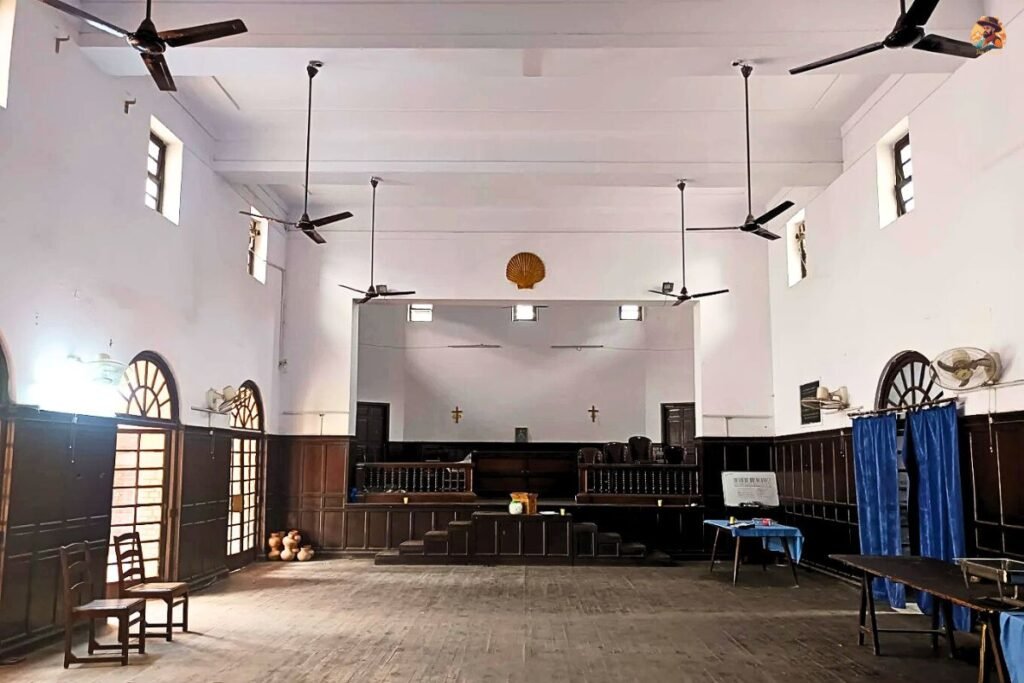
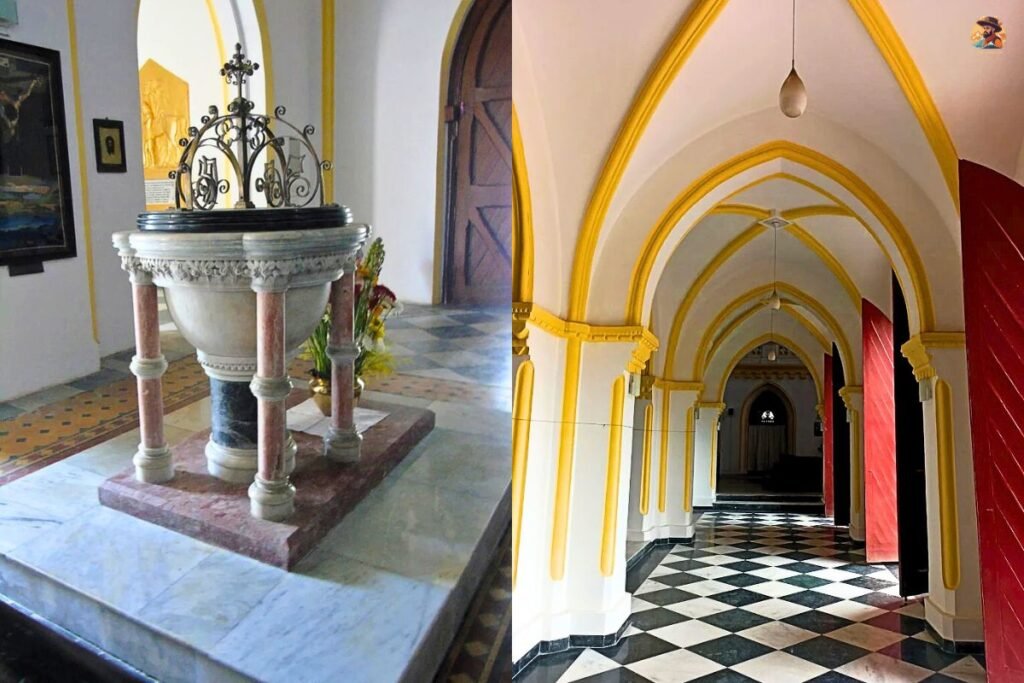
I clicked a few photos during my visit, and each angle offered a different mood. Many travelers rush through this part, but slow photography works best here.
Photo ideas
- Yellow dome with soft morning light
- Portico pillars from a low angle
- Wooden benches inside the hall
- Side walkway with tall trees
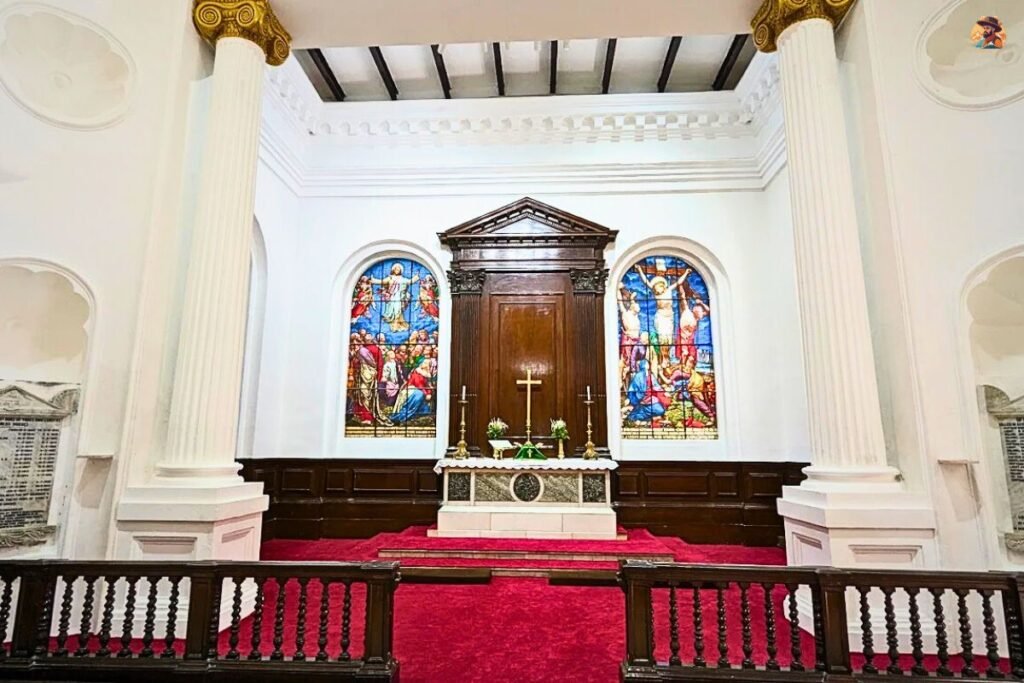
- Carved plaques near the altar
What to click
- Texture of the old outer wall
- Warm light inside the dome hall
- Memorial stones in the graveyard
- Front gate with the church background
Best angles
- Straight front view of the portico
- Slight side angle to capture dome height
- Center aisle shot for interior symmetry
- Vertical frame from under the dome
Early light gives the most natural colours, so reach before the crowd builds up.
St. James’ Church Delhi Timings, Entry Fee, Contact Number

I checked the basic details during my visit because heritage churches often follow simple but flexible schedules. The quiet mood outside St. James’ Church in Delhi felt steady, and I wanted to make sure I entered at the right hour for a calm experience.
St. James’ Church Delhi timings today
The church usually opens in the morning and again in the evening, but the exact hours may shift during special events or maintenance work. During my visit, the staff shared a simple tip that helped me a lot.
General visiting pattern
- Open in the morning hours
- Open again in the evening hours
- Afternoon is often kept quiet for internal work
Because timings can change, the best step is to call the office before visiting. I did the same, and it saved me from waiting at the gate.
Tip:
Reach early in the morning because the hall stays peaceful and the sunlight enters beautifully through the windows.
Sunday mass timings
Sunday service starts in the early hours, but the exact timing can differ across weeks. The staff told me that announcements are usually made on the notice board and at the office.
What you should know
- Sunday mass takes place in the morning
- Exact timing should be confirmed directly from the church office
If you plan to attend the service, call once before leaving home. This small step helps avoid last-minute confusion.
Entry fee and photography rules
I asked the staff about entry rules, and the process stayed simple and visitor-friendly.
Entry
- No entry fee for general visitors
Photography
- Phone photography is usually allowed in open spaces
- Flash use depends on the moment
- Photography near the altar is allowed only when no service is active
- Staff guidance should be followed
Many visitors walk too close to the altar for pictures. I stepped back when the staff requested, and it kept everything respectful and smooth.
St. James’ Church Delhi contact number
I saved the official numbers because the staff encouraged visitors to call for timings, Sunday mass details, or any special event.
Official contact numbers
📞 011-41097414 (Office)
📞 011-23860873 (Vestry)
You can call during the day, and the team responds kindly.
Best time to visit
The light mood around Kashmere Gate changes through the day, and these small shifts affect the experience.
Best visiting window
- Morning hours for soft light and a calm space
- Evening hours for warm colours and cooler air
If you visit for the first time, choose the morning slot.
The hall feels peaceful, the benches stay quiet, and the dome looks beautiful in natural daylight.
Soft tip:
Sit for a moment before exploring. This short pause helps you settle into the slow, grounding mood of this historic church.
Location and How to Reach St. James’ Church, Delhi

I wanted a simple route, so I checked the location before leaving. The church sits on a quiet corner of Kashmere Gate, and the path stays easy once you know the right turn.
St. James’ Church, Delhi, nearest metro
The nearest metro is Kashmere Gate Metro Station, and it works best for most visitors.
Details
- Station: Kashmere Gate
- Lines: Yellow, Red, Violet
- Distance: About 700 to 900 metres
If you come for the first time, choose the Lothian Road exit because it brings you closest to the walking path.
Kashmere Gate route guide
I used a simple route that stayed clear even during mild traffic.
How to reach
- Exit towards Lothian Road
- Walk straight with the ISBT building on your right
- Continue till the gentle curve
- Move towards the lane marked for St. James’ Church
If you take an auto, say “Skinner’s Church” because locals recognise this name quickly.
St. James’ Church Parking Information
Parking remains limited because this is an old Delhi zone.
Parking help
- Small parking area near the church gate
- Roadside parking at a few short stretches
- Sunday mornings fill early
I arrived early, and it made parking easier.
Exact address, landmark, Google Maps point
Address
St. James’ Church, Lothian Road, Kashmere Gate, Delhi 110006
Nearby landmarks
- Kashmere Gate ISBT
- Lothian Road
- Ambedkar University
Maps
Search: “St. James’ Church Delhi”
The pin lands correctly at the gate.
From Kashmere Gate to the church (walking path)
The walking route stays straightforward, and the last stretch feels quiet.
Walking steps
- Exit towards Lothian Road
- Walk straight till the old ISBT wall
- Keep right and follow the curve
- Look for the yellow dome through the trees
- The church gate appears on the left
Walk slowly near the last turn because the dome looks beautiful from a distance.
Things to See Inside St. James’ Church
I entered the hall slowly because the soft light under the dome felt grounding. The air carried a mild wooden smell, and the quiet inside made me pause naturally. Many visitors expect a bright modern hall here, but the reality feels older, calmer, and more intimate. I walked a little to the left because the dome looked clearer from that angle, and that small shift helped me see every detail better.
What you will see inside
- Main prayer hall with warm wooden benches and a steady echo under the dome
- Skinner family memorial plaques that show short stories from the early years
- An old pipe organ is placed near the altar with visible signs of age
- Garden and cemetery area with shaded corners and silent pathways
- Historic graves that reflect Delhi’s early colonial period
- Unique dome and architectural details that catch morning light beautifully
When you explore slowly, you notice how the church blends colonial design with a peaceful Delhi mood. The textured walls, the gentle curves, and the quiet garden create a steady flow that feels soothing for first-time visitors. If the hall feels a bit dim at first, let your eyes adjust because the soft light reveals the details gradually. Take a short moment on any bench before moving ahead, because this small pause makes the whole experience calmer and more meaningful.
St. James’ Church Delhi Tours, Tickets and Visitor Experience
I spent some extra minutes near the portico because I wanted to understand how visitors usually explore this church. The gentle quietness around the yellow walls felt steady, and I saw people moving with calm steps. Many travelers expect a busy tourist spot here, but the reality feels slow, simple, and peaceful. I asked the staff a few questions, and their answers helped me understand how tours and visits work in this colonial church.
Important things to know
- Guided tours take place only when church volunteers or heritage groups plan them
- Tours usually cover history, Skinner family stories, architecture, and the old graveyard
- No official ticket system exists because entry remains free for general visitors
- Special visit requests for groups need a prior call to the church office
- Reviews mention peaceful interiors, helpful staff, and warm morning light
- Visitors also appreciate the clean benches and well-kept central hall
- Safety feels stable in the daytime, but walk slowly around the cemetery paths
- The garden area stays clean on most days, but leaves may collect after rain
- Most visitors highlight how the dome looks beautiful during the early hours
While walking around, I noticed how gently everyone interacted with the space. The hall stayed quiet even with a few visitors present, and the staff guided people with soft reminders. If you plan a longer visit, call the office and ask about any ongoing tours because timings change often. Many travelers exit after a quick look, but you will enjoy the place more if you sit for a moment near the last bench and let the soft dome light settle in. This simple pause always adds a warm comfort to the visit.
St. James’ Church Delhi for Photography Lovers
I paused near the portico because the soft yellow tone of the wall looked warm in the early light. The air felt still, and the faint smell of old wood came from the main hall. Many visitors expect bright interiors inside this colonial church, but the reality stays softer and more gentle, especially during morning hours. I shifted two steps back for a better dome frame, and that simple move improved the shot instantly.
What works best for photography
- Morning vs afternoon light
Morning light stays warm and balanced. Afternoon light becomes sharp and bright on the yellow dome. Evening light feels calm, and the portico pillars cast soft shadows. The hall looks dim, but the gentle glow suits close shots. - Best photo spots inside the church
The last bench gives a clean dome view. The left aisle catches the most natural light. The doorway frame works well for wide shots. The wooden benches create smooth lines for interior photos. - Tips for DSLR and phone photos
Use a low ISO in the morning. Tap focus on the dome to avoid blur. Move slightly left for better symmetry. Phone users should stand near the entrance because the backlight creates a soft outline. I often tilt the camera a little to capture the curve of the dome. - What not to photograph (respectful shooting)
Avoid photos during prayer. Skip flash because it disturbs the hall. Do not take tight shots of people sitting silently. Stay away from the altar during service. The cemetery area also needs slow and respectful movement.
When you walk through this heritage site in Old Delhi, the light shifts gently across the walls. A short pause always helps you see the scene more clearly. If you visit for the first time, move slowly and let the light guide your angle. Sit for a moment before your next shot because this calm rhythm brings more beauty into every photograph you take.
Nearby Places to Visit from St. James’ Church
I stepped out of the quiet gate and felt the old Delhi mood return slowly. The roads around Kashmere Gate stay full of history, and you can explore a few peaceful spots without going far. I walked towards the nearby lanes with a simple plan to see whatever felt natural in the moment.
If you enjoy visiting peaceful spiritual places in the city, you can also explore a few beautiful temples listed in my Most Famous Temples in Delhi guide.
Kashmere Gate Heritage Lanes
The narrow paths near the old gate still carry traces of early Delhi. The shaded corners, soft light, and slow-moving crowd create a calm walking experience.
If you enjoy exploring old structures, the area connects easily to places like Purana Qila and Humayun’s Tomb, and both spots help you understand Delhi’s deeper history.
Good for
- Slow heritage walks
- Simple photography
- Light exploration
Nicholson Cemetery
This peaceful cemetery sits a short walk from the church. The tall trees cover the old stones with soft shade, and the silence stays steady through the day. It feels similar to the calm mood you find at Famous Historical Places in Delhi, where the stories rest quietly behind the walls.
Worth noticing
- Colonial-era memorials
- Cool green shade
- Silent pathways
Civil Lines Colonial Area
I walked towards Civil Lines because the wide roads and old bungalows feel refreshing after the busy junctions. The calm atmosphere makes it a good break spot. This zone sits close to places like Sunder Nursery and Lodhi Garden, both known for peaceful green walks.
Nice for
- Morning walks
- Old architecture
- Quiet corners
Red Fort
A short auto ride took me to the Red Fort. The tall red walls and wide open spaces create a strong shift from the intimate feel of St. James’ Church. The evening glow near the main gate looks beautiful.
If you plan to explore more, Chandni Chowk and the old Digambar Jain Lal Mandir sit close enough for a simple day plan.
What I liked
- Open courtyards
- Evening light
- Strong Mughal design
St Stephen’s Church
This church sits near Civil Lines, and the peaceful hall reminded me of the same steady calm I felt at St. James’. The campus stays clean, and the light through the windows looks warm in the morning. You can pair this visit with Sacred Heart Cathedral if you love church architecture.
Nice details
- Simple altar
- Quiet benches
- Soft natural light
Cafe Spots and Light Eats
After a small walk, I often stop at the cafes near Civil Lines because they offer warm tea and quiet seating. If you enjoy lively spaces, the cafes around Khan Market also make a good option later in the day.
Easy options
- Tea and snacks
- Light lunch
- Calm seating areas
St. James’ Church Delhi vs Other Delhi Churches
I stepped outside the hall with a calm feeling because the soft dome light stayed in my mind. I have visited many churches in Delhi, but the mood at St. James’ Church always feels different. Many visitors expect a simple stop here, yet the quietness surprises them the moment they enter.
Cathedral of Redemption vs St. James’ Church
I walked into the Cathedral of Redemption earlier this year, and the space felt grand and bright. The tall windows and wide hall give a very open feeling, and the design looks polished.
Key differences I noticed
- The Cathedral feels larger and brighter
- St. James feels smaller and warmer
- The Cathedral has a formal mood
- St. James carries an old Delhi calm
Personal moment
I stepped two feet back in St. James because the dome looked cleaner from that angle.
Expectation vs reality
People expect the Cathedral to feel louder, but mornings stay quiet.
People expect St. James to feel small, but the calm mood feels deep.
Sacred Heart Cathedral vs St. James’ Church
The Sacred Heart Cathedral near Connaught Place carries a lively atmosphere. The pillars look tall, and the hall feels wide and bright.
Main differences
- Sacred Heart looks grand from every side
- St. James stays soft and slow
- Sacred Heart has a stronger light
- St. James has warm dome shadows
Problem–solution
At Sacred Heart, I moved to the side aisle because the centre stayed busy.
At St. James, the last bench gave me the best view.
Helpful note
Sacred Heart suits visitors who enjoy large church spaces.
St. James suits visitors who want a peaceful, gentle experience.
What makes Skinner’s Church special
St. James’ Church feels special because the calm settles inside you slowly. The plaques, the yellow dome, and the quiet garden create a simple emotional layer that stays long after you leave.
Why it stands out
- Warm colonial design
- Steady dome light
- Small, peaceful hall
- Old plaques with real stories
- Calm garden area
Emotional comfort
Take a slow pause near the side bench. The silence here sinks in gently and makes the whole visit meaningful.
Final Local Tips from Me (Manoj Kumar)
I always visit St. James’ Church with a slow mind because the space feels better when you move gently. These small tips come from my own visits, and they can help you enjoy the church in a calmer way.
Best time to sit quietly inside
I like sitting inside between 8:30 AM and 10 AM because the dome light stays warm and steady. The hall feels quiet, and the footsteps around you stay soft.
Why this slot works
- Light stays gentle
- The crowd remains low
- The air feels cool near the benches
Hidden corners most people miss
Many visitors explore only the central hall, but a few corners add a deeper mood.
Do not miss
- The side bench under the dome shade
- The old plaques on the left wall
- The quiet patch near the small garden
I often stand near the side wall because the silence feels stronger there.
How to pair this visit with Old Delhi exploration
St. James’ Church sits close to places that hold strong Old Delhi charm. I always plan a short route after the church visit because the flow feels natural.
Good pairings
- Walk to Nicholson Cemetery for calm lanes
- Take a short ride to the Red Fort
- Explore Chandni Chowk for food and old shops
Move slowly if you are starting your day here because the old lanes feel better with steady steps.
Safety tips and crowd behaviour
The area stays safe in daylight, and I walk here alone without worry. The lanes around Kashmere Gate can get busy, so I prefer clear routes.
Simple safety steps
- Visit during the morning or the afternoon
- Keep your phone in front pockets
- Use the Lothian Road exit at Kashmere Gate
- Avoid walking late near silent corners
Take a small pause before heading out because the calm mood inside helps you move with ease.
Conclusion
I left St. James’ Church with a quiet mind because the warm dome light stayed with me for a long time. The small hall, old plaques, and gentle silence make this place different from any other church in Delhi. Every visit feels calm, and the soft air around the garden adds a slow comfort to your day.
If you enjoy peaceful corners, this church gives you that simple break. Move gently inside, notice the slow shadows on the walls, and sit for a short moment before leaving. This small pause helps you feel the true charm of this old Delhi landmark.
St. James’ Church may look small from the gate, but the experience stays deep and memorable. I always walk out with a lighter feeling, and I believe you will feel the same when you visit.
FAQs about St. James’ Church Delhi
St. James’ Church is known as one of the oldest churches in Delhi. I felt its age the moment I touched the cool stone near the entrance. Many visitors expect a modern structure, but the warm colonial design shows how old this place truly is.
The church opens in the morning and again in the evening. I always call the office before going because timings change during events. This small step saves time and avoids waiting at the gate.
I walk out from the Lothian Road exit, follow the ISBT wall, and turn right when the curve appears. The yellow dome becomes visible a few steps later. Visitors expect a confusing path, but the walk stays simple if you follow this line.
Phone photography is still allowed, and the hall looks beautiful in soft light. I avoid flash because it breaks the calm mood. Move slowly near the altar because the staff may guide you gently during prayer time.
Yes, Sunday service happens in the morning. I called once before visiting because the timing changes during special days. This quick check always helps me reach the right moment.
No ticket is needed. Entry stays free, and the process remains simple for all visitors. Many people expect a fee, but the church keeps it open for everyone.
Yes, the area feels safe during the daytime. I walk alone here without worry, but I avoid late evenings near the quieter lanes. Moving during morning hours feels best.
The nearest station is Kashmere Gate Metro Station. The Lothian Road side exit keeps the walk short and comfortable. I prefer this route because the road feels open and easy to follow.
I save these numbers whenever I plan a visit:
011-41097414 (Office)
011-23860873 (Vestry)
Calling once always helps me confirm timings and check service hours.

Hi, I am Manoj Kumar, the voice behind Trip Guru Go. I am a travel researcher, SEO content expert, and founder of this blog. With over 12 years of experience in digital travel research, I simplify complex destinations into real, helpful, and trustworthy guides.
Every article I write is backed by local sources, real traveler experiences, and deep fact-checking. Even if I have not visited every place personally, I never share anything without strong on-ground insight.
I do not sell travel packages or promote anything paid. My only goal is to help you travel smarter — with zero fluff, 100% honesty, and a deep focus on your safety and experience.