

Digambar Jain Lal Mandir Delhi is the city’s oldest Jain temple, known for its red sandstone beauty, Jain Bird Hospital, and peaceful aura opposite the Red Fort.
When I first walked through the crowded lanes of Chandni Chowk, my eyes caught the glowing red walls of Digambar Jain Lal Mandir Delhi. This temple, built in 1656, felt less like stone and more like a living soul in the middle of Old Delhi. The smell of incense floated through the air while pigeons fluttered above the courtyard. Inside, I felt a calm that silenced the chaos outside. The soft ringing of bells mixing with rickshaw horns created an almost unreal contrast. For travelers looking to experience more of Delhi’s spiritual side, a Full Day Spiritual Tour of Delhi can be a great way to explore places like this along with other important religious landmarks across the city.
In this comprehensive guide, you will find:
- Timings and Dharamshala information
- How to reach the temple by metro
- Contact details and address
- My personal tips for a smooth visit, whether you are a local or a foreign tourist
My First Glimpse of Digambar Jain Lal Mandir Delhi in Chandni Chowk
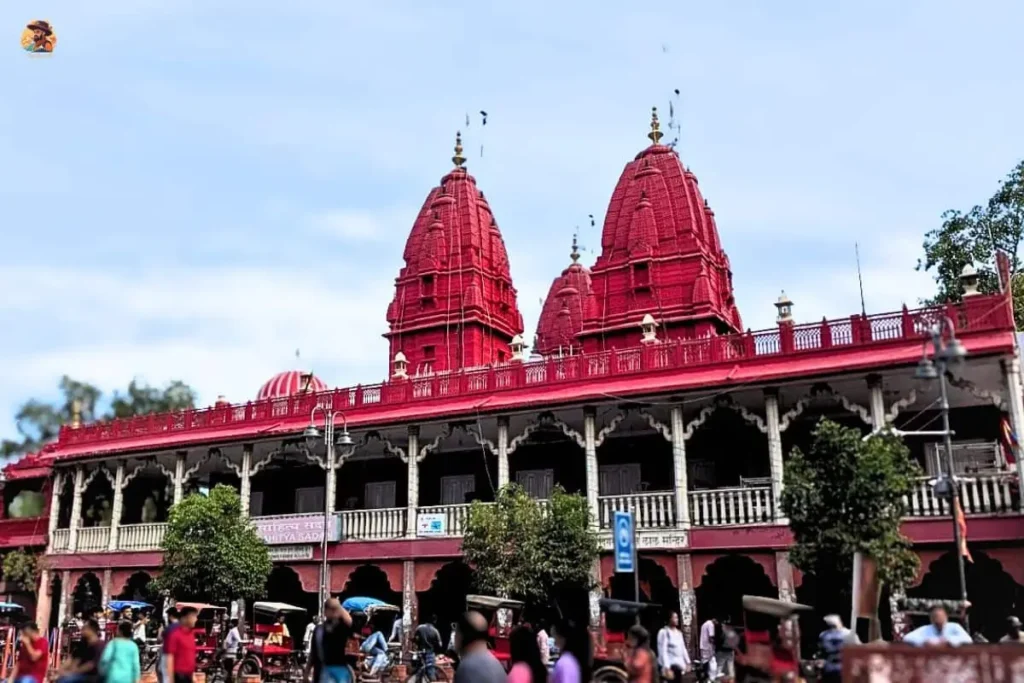
I still remember stepping out of the Red Fort’s Lahori Gate one winter afternoon. The air smelled of roasted peanuts mixed with the sharp dust of Old Delhi. Hawkers shouted “chai, samosa, chai,” and rickshaw bells cut through the crowd. It felt like the whole street was alive and pulling me into its noise.
Then, through all that rush, I noticed the glowing red walls of Digambar Jain Lal Mandir, Chandni Chowk. The temple looked calm, almost glowing under the pale sun. I paused at the divider with buses honking around me, just to take in the sight. That contrast between chaos outside and silence inside was striking.
What stood out to me in that moment:
- The red walls looked fresh, not centuries old
- Pigeons circled above the courtyard louder than the rickshaw bells
- A devotee folded his hands quietly at the entrance, blocking the push of shoppers
That first glimpse made me realise something simple: even in Old Delhi’s rush, peace hides in small corners.
History of Digambar Jain Lal Mandir Delhi
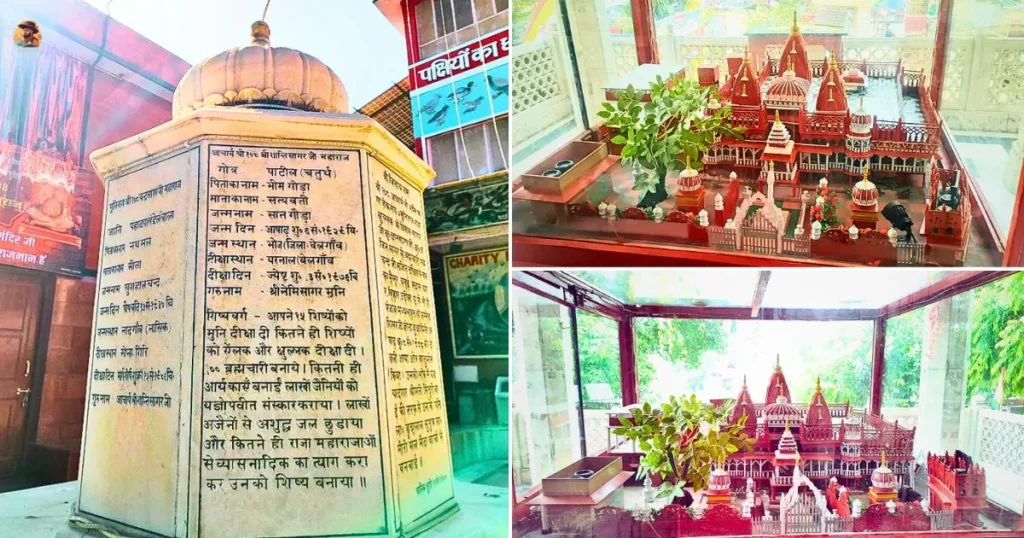
The Jain community built the Digambar Jain Lal Mandir in 1656 during the Mughal period. Unlike most Delhi monuments, no emperor ordered its construction. Instead, Jain merchants and soldiers in Shah Jahan’s court came together to build it with devotion. That is why the temple feels like a living community space rather than a royal creation.
When visitors ask, “Who built Digambar Jain Lal Mandir?”, the truth is simple:
- Built by: The Jain community of Shahjahanabad
- Dedicated to: Lord Parshvanatha, the 23rd Tirthankara
- Material: Red sandstone, giving it the name “Lal Mandir”
- Location: Directly facing the Red Fort, in Chandni Chowk
I noticed a small board inside the temple courtyard that briefly explains this history. Reading it while hearing the faint chant of prayers around me, I felt how powerful it was that common people, not kings, had raised this temple. The Jain community chose to build Digambar Jain Lal Mandir in Chandni Chowk to remind everyone that faith lives at the very heart of Delhi’s life.
If you love exploring historic and spiritual places like this, you can read my detailed guide on Powerful Temples in Delhi, where I have shared the most peaceful and ancient temples worth visiting.
Jain Bird Hospital at Digambar Jain Lal Mandir Delhi – The Living Soul of the Temple
The moment I stepped closer to the courtyard of Digambar Jain Lal Mandir, Chandni Chowk, the sound of birds surprised me. Their chirping was louder than the traffic outside. I followed the sound and reached the entrance of the Jain Bird Hospital in Delhi.
Inside, the smell of medicines mixed with incense. Volunteers in simple clothes moved quietly, checking cages filled with pigeons, parrots, and tiny sparrows. I watched a young boy feed grains to an injured myna, while an older man carefully cleaned a pigeon’s bandaged wing. That sight stayed with me longer than the temple walls themselves.
Why the Bird Hospital is special:
- It is one of the oldest avian hospitals in Asia.
- Entry is free, but donations are welcome for treatment and food.
- Open daily (usually morning till evening, timings linked to temple hours).
- The temple staff allows visitors to see the treatment area but restricts photography.
- People from across Delhi bring injured birds here after accidents with wires, storms, or city traffic.
As I stood there, their struggle weighed on me, yet hope filled me when I watched volunteers treat every bird like family. I see this hospital as the real soul of Lal Mandir because it shows how the Jain faith in ahimsa lives every single day.
How to Reach Digambar Jain Lal Mandir Delhi (Metro, Bus & Map Tips)
Many travelers find it confusing to reach the Digambar Jain Lal Mandir at first. The crowded lanes of Chandni Chowk and Google Maps often misguide them into narrow gullies. On my last visit, I found the easiest way was to get down at Lal Qila Metro and simply walk towards the Red Fort. Within 5–7 minutes, the red walls of the temple were right in front of me.
Nearest Metro Stations:
- Lal Qila Metro (Violet Line): Closest and easiest, about a 5-minute walk.
- Jama Masjid Metro (Violet Line): Around an 8-minute walk, through lively bazaar lanes.
- Chandni Chowk Metro (Yellow Line): About a 10-minute walk, but more crowded and confusing exits.
Other Helpful Tips:
- Tell auto-rickshaw drivers “Red Fort ke saamne wala Lal Mandir” instead of just “Jain Mandir” to avoid confusion.
- Peak hours (10 AM–6 PM) are very slow for traffic, so the metro is better.
- If walking from the Chandni Chowk metro, carry water because the lanes are narrow and hot in summer.
- Foreign tourists should save the Google Maps pin of “Shree Digambar Jain Lal Mandir” — it avoids mix-ups with other Jain temples nearby.
I personally prefer Lal Qila Metro. Stepping out into the noise of Netaji Subhas Marg, I crossed the road with the crowd, and within minutes, Jain Mandir Lal Quila appeared like a calm refuge opposite the massive Red Fort walls. That contrast still gives me goosebumps.
Digambar Jain Lal Mandir Delhi Timings (Summer & Winter Schedule
I still remember the first time I went in winter, around 12:15 PM, and the guard just smiled, saying, “Mandir band ho gaya hai, ab shaam ko aana.” I was not the only one. Two families from Ghaziabad were also standing there with prasad in their hands, looking disappointed. That day I learned: temple timings here matter more than your travel plan.
Summer Timings (March–October):
- Morning: 5:30 AM to 11:30 AM
- Evening: 6:00 PM to 9:00 PM
Winter Timings (November–February):
- Morning: 6:00 AM to 12:00 Noon
- Evening: 5:30 PM to 8:30 PM
Helpful notes from my experience:
- Sundays after 10 AM feel more like Chandni Chowk market than a temple — packed.
- On Jain festivals like Mahavir Jayanti, I once waited 40 minutes just to step inside.
- Google timings sometimes show the wrong closing hours. I once asked a guard why, and he laughed, “Google ko mat puchho, phone karke poochho.”
- If you want silence, mornings before 8 AM are golden.
For me, mornings are always better. The streets are half asleep, the temple bells echo clearly, and you feel Delhi at its softest.
Entry Rules, Dress Code & Visitor Tips for Digambar Jain Lal Mandir Delhi
On my first visit, I casually walked in with a leather belt. The guard at the shoe stand pointed at it and said, “Yeh andar allowed nahi hai.” I had to leave it with my shoes. Since then, I have always warned friends about the rules before we go in.
Entry Rules I have personally faced:
- You must leave your shoes outside, and the caretaker gives you a small token.
- The temple staff refuse leather items like belts, wallets, and handbags, so it is better to avoid carrying them.
- The temple guards do not allow food packets inside, and one foreign tourist threw his chips at the gate.
- Smoking or tobacco — strictly not permitted.
Dress Code Advice:
- Modest clothes work best; I once saw a tourist asked to cover her shoulders before entering
- Cotton clothes help in summer when you need to walk crowded lanes
- Avoid flashy fashion, especially during Jain events — it feels out of place
Phones & Photography:
- The temple staff restricts photography inside the prayer hall.
- You can click outside walls and pigeons in the courtyard
- Once my phone buzzed during prayers, and a devotee gave me such a sharp look that I instantly switched it off. Since then, I have always kept it on silent before entering.
These small rules may sound strict, but together they create a space where silence feels alive. Every time I step in, with shoes and belt left outside, I feel lighter — not just physically, but mentally.
Dharamshala & Stay Options Near Digambar Jain Lal Mandir Delhi
When I visited Digambar Jain Lal Mandir Dharamshala, I noticed it was simple but full of warmth. The rooms are mainly for Jain pilgrims, yet if space is free, other travelers may request a stay. Facilities are basic — a cot, clean bedding, and vegetarian food served on donation. It reminded me more of a community home than a guesthouse.
What I learned about the Dharamshala:
- Located right behind the temple complex.
- The temple office usually allots rooms, and you need to request them in person or call ahead.
- Temple staff mostly reserve rooms for Jain yatris, but sometimes accommodate non-Jain visitors.
- Nominal charges or a donation-based system.
- During festivals like Mahavir Jayanti or Paryushan, booking is a must
Once, I met a family from Bhopal who told me they booked their stay by calling the temple office number a week in advance. That small tip can save you from last-minute disappointment.
Nearby Stay Options (if Dharamshala is full):
- Hotel Aiwan-e-Shahi, Daryaganj – budget-friendly, rooms from ₹1,200/night, walking distance
- Haveli Dharampura, Chandni Chowk – heritage stay, around ₹7,000/night, perfect for culture lovers
- Small guesthouses near Jama Masjid – ₹800–1,200/night, good for backpackers
If you want spiritual quiet, try the Dharamshala first. If you prefer comfort with Old Delhi charm, nearby hotels and havelis are a better choice.
Digambar Jain Lal Mandir Delhi Contact Number & Address
I once called the temple office to confirm winter timings, and the priest politely explained the schedule. The call was short and clear, but it saved me from standing outside locked gates. That one experience taught me: always call before visiting.
Official Contact Details (latest verified):
| Detail | Information |
| Temple Name | Shri Digambar Jain Lal Mandir |
| Address | Netaji Subhas Marg, Opposite Red Fort, Chandni Chowk, Delhi – 110006 |
| Phone (Temple Office 1) | +91-11-23968501 |
| Phone (Temple Office 2) | +91-11-23974265 |
| info@digambarjainlalmandir.org (officially listed, but responses may be delayed) | |
| Nearest Landmark | Opposite Lahori Gate, Red Fort |
My quick tips before you call:
- Best time to call: morning (before 11 AM) or evening (after 6 PM)
- People mostly speak Hindi, and you may need to be patient when they speak English.
- Keep your query ready — the office staff usually answers briefly and directly
The last time I called, the person said, “Aaj shaam ko 5:30 baje khulega, aa jaiye.” Simple, clear, and to the point — exactly what you need before planning a trip.
Other Famous Digambar Jain Mandirs in India (Quick Mentions)
Apart from Lal Mandir Delhi, many travelers ask me about similar temples in India. Here is just a quick list — not a full guide.
- Digambar Jain Mandir Noida: Small but peaceful in Sector 50, easy to reach by Blue Line metro.
- Digambar Jain Lal Mandir, Jaipur: Near Johari Bazaar, idols sparkle in the morning light. I loved the caretaker sprinkling water on the marble floor.
- Digambar Jain Lal Mandir Bhusawal: I have not visited yet, but photos showed a white dome and bright painted walls, very different from Delhi’s red sandstone.
👉 These are only short notes. I will write separate, detailed guides for each soon.
Travel Tips for Foreign Tourists Visiting Digambar Jain Lal Mandir Delhi
I often meet foreign travelers near Lal Mandir. They can visit easily, but a few tips help.
Do’s & Don’ts:
- Dress modestly (shoulders and knees covered). I once saw two French girls borrow scarves from a shop.
- Temple staff do not allow leather items. I helped a German couple leave their backpacks at the shoe stand.
- Shoes outside, photography restricted inside.
Navigation & Crowds:
- Best metro: Lal Qila Metro (Violet Line), just opposite the temple.
- Save the Google Maps pin “Shree Digambar Jain Lal Mandir” to avoid confusion.
- Crowds fill the temple after 10 AM on weekends, but mornings offer a calmer and safer experience.
Most foreigners I have spoken to say the temple feels like a window into India’s culture — peaceful, strict, yet welcoming.
My Final Word on Visiting Digambar Jain Lal Mandir Delhi
Whenever I walk into Digambar Jain Lal Mandir Delhi, I feel an instant calm. The sound of temple bells and the smell of incense silence the noise of Chandni Chowk outside. Once, after a tiring walk through the market, I sat inside for ten quiet minutes and felt the chaos melt away. This place creates its own magic by hiding peace in the heart of Delhi’s busiest street.
👉 Every time I visit Digambar Jain Lal Mandir Delhi, I rediscover how peace can live in the heart of chaos.
Lal Mandir is not just a temple; it is the heartbeat of Delhi’s faith and compassion. If you have ever felt lost in Delhi’s chaos, Lal Mandir will remind you that peace still lives here.
FAQs About Digambar Jain Lal Mandir Delhi
The Jain community established the temple in 1656 during the reign of Shah Jahan. Devotees consider it Delhi’s oldest Jain temple, and it has served as a central spiritual hub since then.
The easiest stop is Lal Qila Metro (Violet Line), right opposite the Red Fort. If you come via Chandni Chowk or Jama Masjid metro, be ready for a 10–15 minute walk through crowded lanes.
Summer (Mar–Oct): 5:30 AM–11:30 AM & 6:00 PM–9:00 PM
Winter (Nov–Feb): 6:00 AM–12 Noon & 5:30 PM–8:30 PM
I suggest mornings before 8 AM for a calmer experience, especially on weekends.
No, entry to Digambar Jain Lal Mandir, Delhi, is completely free. However, visitors can offer donations that help maintain the temple and support the Jain Bird Hospital.
Yes. Visitors should wear modest clothing that covers their shoulders and knees. Leather goods like belts, wallets, and handbags are not allowed and must be left outside with shoes.
Digambar Jain Lal Mandir in Delhi is famous for being the oldest Jain temple in the city and for its unique Jain Bird Hospital. Every day, the hospital treats injured and sick birds, reflecting the Jain faith’s deep belief in non-violence and compassion.
Yes, visitors can walk inside and observe treatment areas. The smell of medicines and the sound of chirping birds create a powerful atmosphere. But remember, photography is not allowed inside.
Yes, a Dharamshala exists behind the temple. It is mainly for Jain yatris, though others can sometimes get rooms if available. Rooms are simple, and booking is usually done through the temple office.
Digambar Jain Lal Mandir Delhi, closes by 8:30–9:00 PM. After that, Chandni Chowk becomes quiet and less crowded. The area is generally safe, but it is better to plan your visit during the day or early evening for a more comfortable experience.

Hi, I am Manoj Kumar, a travel researcher and SEO content expert writing for Trip Guru Go, focused on Delhi and nearby travel destinations.
Being from Delhi NCR, I understand the travel preferences, routes, budgets, and experiences that travelers from this region actually look for. Every article I write is backed by local insights, real traveler experiences and detailed research to provide accurate and useful travel information.