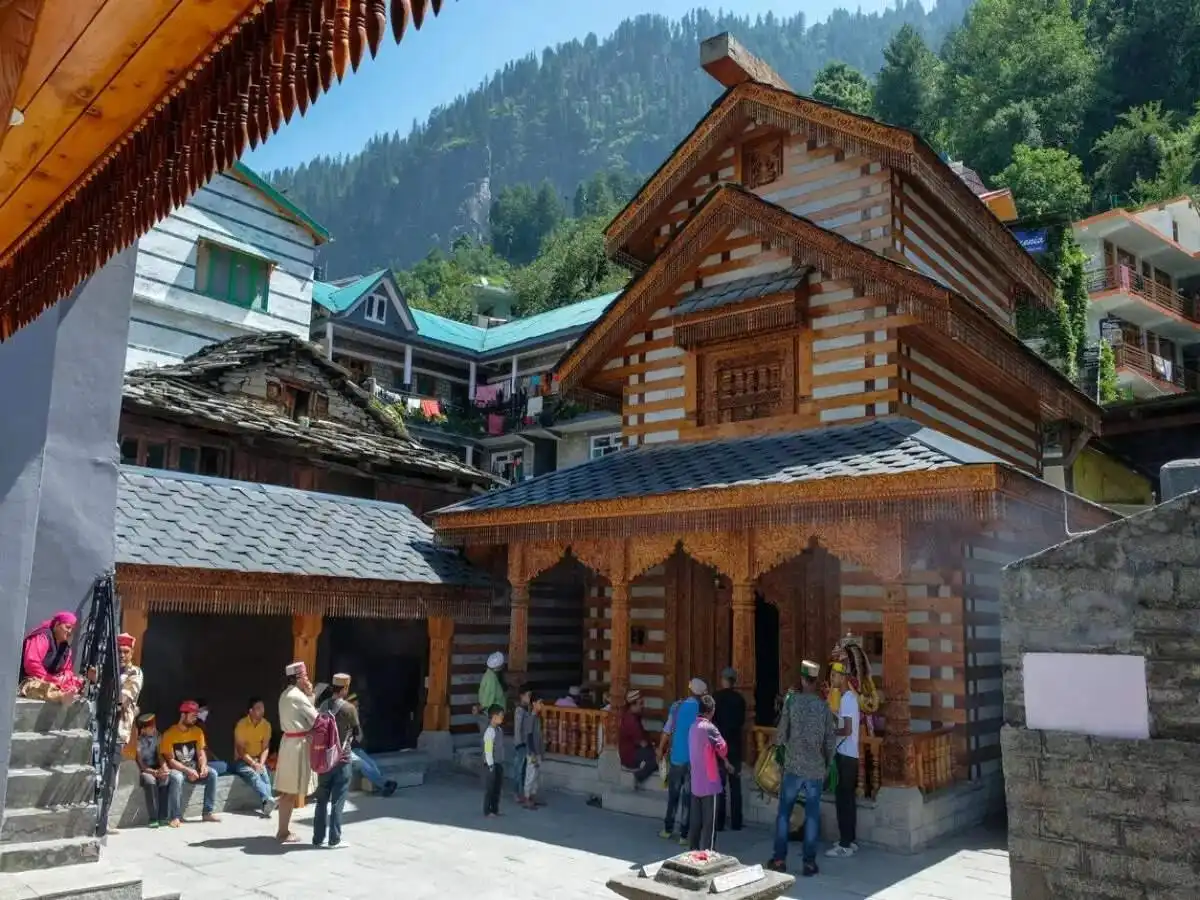
Imagine a sacred place where ancient scriptures echo through the mountains, where steaming mineral water rises straight from the earth, and where the slow rhythm of the Himalayas calms your mind the moment you arrive. That’s Vashisht Temple in Manali, a spiritual gem and cultural landmark sitting quietly beside the Beas River.
Just a short distance from central Manali, the temple complex offers more than a place of worship. It’s also home to the famous Vashisht Kund hot springs, where travelers can soak away the chill of the mountains in naturally heated water. Pilgrims, families, backpackers, and anyone simply looking for a peaceful pause come here for this rare mix of devotion, scenery, and warmth.
This guide walks you through everything you need to know about history, architecture, hot springs, timings, how to reach, and the best nearby places to explore. If you’re still finalizing your Manali plans, our Things to Do in Manali guide is a good place to start.
Quick Overview: Vashisht Temple at a Glance
| Detail | Information |
| Location | Vashisht Village, Manali, Kullu District, Himachal Pradesh |
| Distance from Manali | About 3–3.5 km |
| Timings | 7:00 AM to 9:00 PM daily |
| Best time for darshan | 9:00 AM to 6:00 PM |
| Entry fee | Free (hot springs may have a small maintenance fee) |
| Best time to visit | March–June and September–November |
| Dedicated to | Sage Vashisht |
| Known for | Ancient temple architecture and natural hot springs |
The History Behind Vashisht Temple
Vashisht Temple is one of the oldest spiritual sites in the Himalayas, with roots going back more than 4,000 years. It’s dedicated to Sage Vashisht, one of the seven great sages (Saptarishis) of Hindu tradition, known for his wisdom and teachings.
According to local legend, Sage Vashisht meditated at this very spot, and the hot springs emerged as a divine blessing, a lasting symbol of spiritual endurance and healing. Another version ties the springs to the Ramayana, where Lakshman is said to have created them as a gift for the sage. Whichever story you lean toward, the sense of history here is impossible to miss.
A Look at the Temple’s Architecture
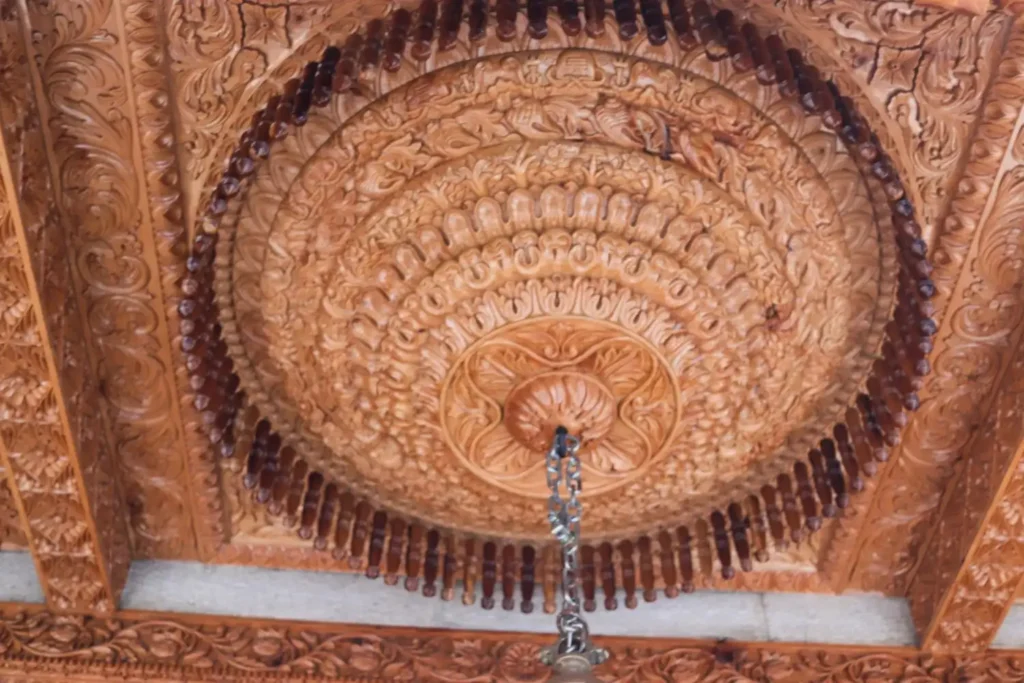
The temple’s architecture blends ancient Himalayan craftsmanship with devotional artistry. Built from locally sourced wood and stone in the traditional Kath Kuni style, the structure is designed to withstand harsh mountain winters interlocking wooden beams and stone layers, with no mortar needed, built to handle cold, wind, and heavy snowfall.
Look closely at the walls and pillars and you’ll find intricate wood carvings of mythological figures and local motifs, reflecting the rich artistic traditions of Himachali culture.
Vashisht Kund — The Famous Hot Springs
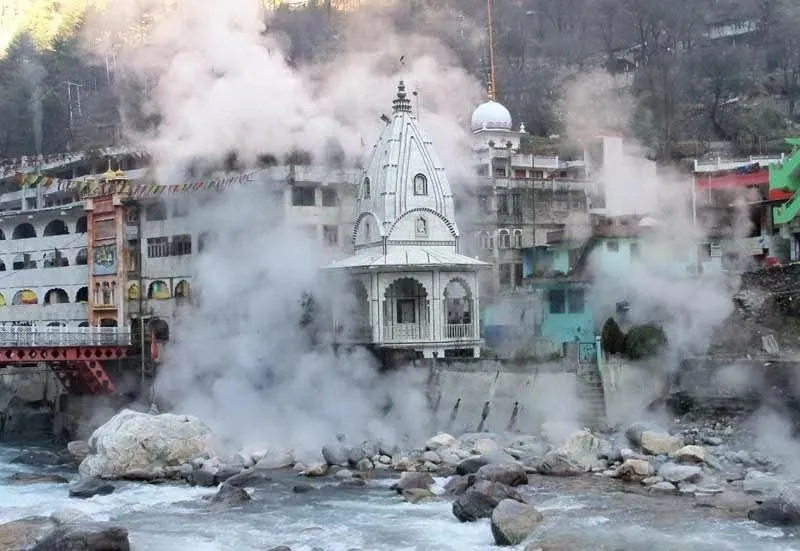
The standout feature of the complex is Vashisht Kund, natural hot water springs rich in minerals and long believed to have healing properties. Both pilgrims and travelers visit these springs regularly, with many believing the sulphurous water helps with skin conditions, joint pain, and general fatigue.
The water emerges naturally from deep within the Himalayan granite, with temperatures ranging between roughly 110°F and 123°F (43°C to 50°C). Separate bathing areas are available for men and women. It’s a good idea to carry an extra set of clothes after a day of sightseeing in the cool mountain air, soaking in this warm water feels especially good.
Best Time to Visit Vashisht Temple
The best time to visit is between March and June, and again from September to November. During these months, the weather stays mild and clear, making it comfortable for both sightseeing and a dip in the hot springs. Summers bring cool, bright days, while autumn offers crisp air and stunning mountain views.
The temple and springs remain open year-round, but winters (December to February) get extremely cold, and snow can sometimes limit access unless, of course, you’re after that snowy Himalayan experience
How to Reach Vashisht Temple
Getting to Vashisht Temple from Manali is simple. The temple sits in Vashisht Village, roughly 3 to 3.5 km from the town centre, and a quick taxi, auto-rickshaw, or local cab ride gets you there easily. If you’d rather walk, the route from Manali is scenic and offers lovely mountain views along the way.
If you’re travelling from outside Himachal, the nearest airport is Bhuntar Airport near Kullu, about 50 km from Manali. From there, it’s a straightforward drive to Manali and on to Vashisht Village.
Places to Visit Near Vashisht Temple
Once you’ve finished your visit to the temple and springs, there’s plenty nearby worth exploring.
| Place | Distance from Vashisht Temple | Best Time to Visit | Highlights |
| Hadimba Devi Temple | 4–5 km | Spring to autumn | Ancient cedar forests, peaceful walking paths, dedicated to Goddess Hadimba |
| Jogini Waterfall | 6–7 km | Summer and post-monsoon | Scenic trek, cool mist, panoramic Himalayan views |
| Old Manali | Approx. 2 km | All year | Laid-back cafes, boutiques, bohemian village feel |
| Mall Road, Manali | Approx. 3 km | Evening hours | Shopping, street food, lively evening atmosphere |
Hadimba Devi Temple
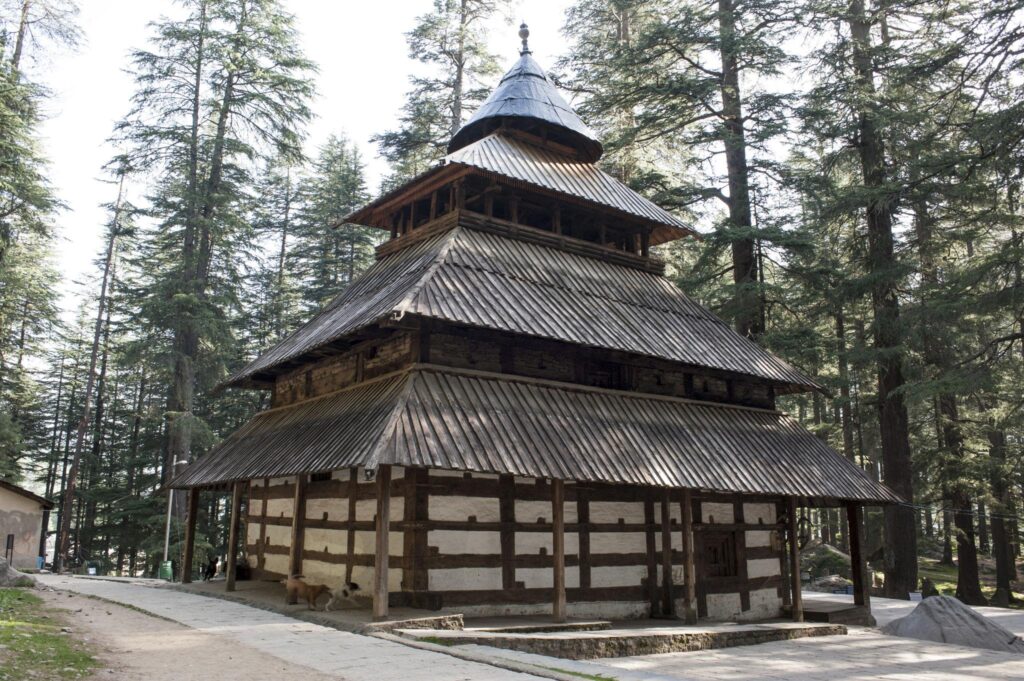
Set amid ancient cedar forests, this Hadimba temple is dedicated to Goddess Hadimba from the Mahabharata. It’s a peaceful spot for a walk among centuries-old trees, with a good chance of spotting local wildlife along the way.
Jogini Waterfall
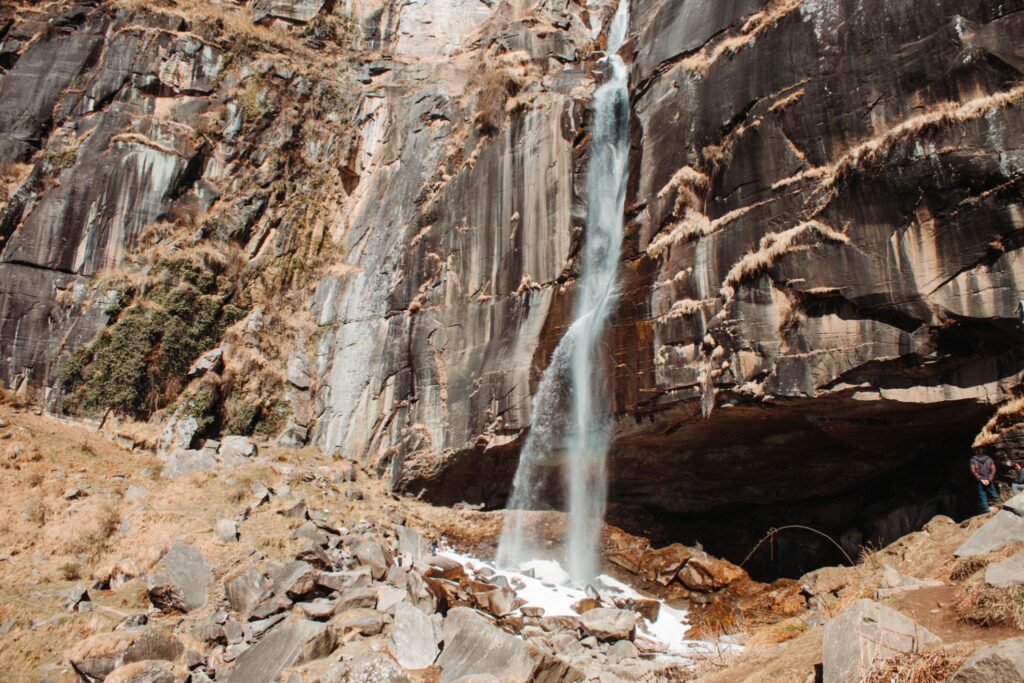
A scenic trek from the Vashisht area leads to Jogini Waterfall, a favorite for nature lovers, and often combined with a hot springs visit for a full day outdoors. The trail is well-marked, ending in cool mist and sweeping Himalayan views.
Old Manali
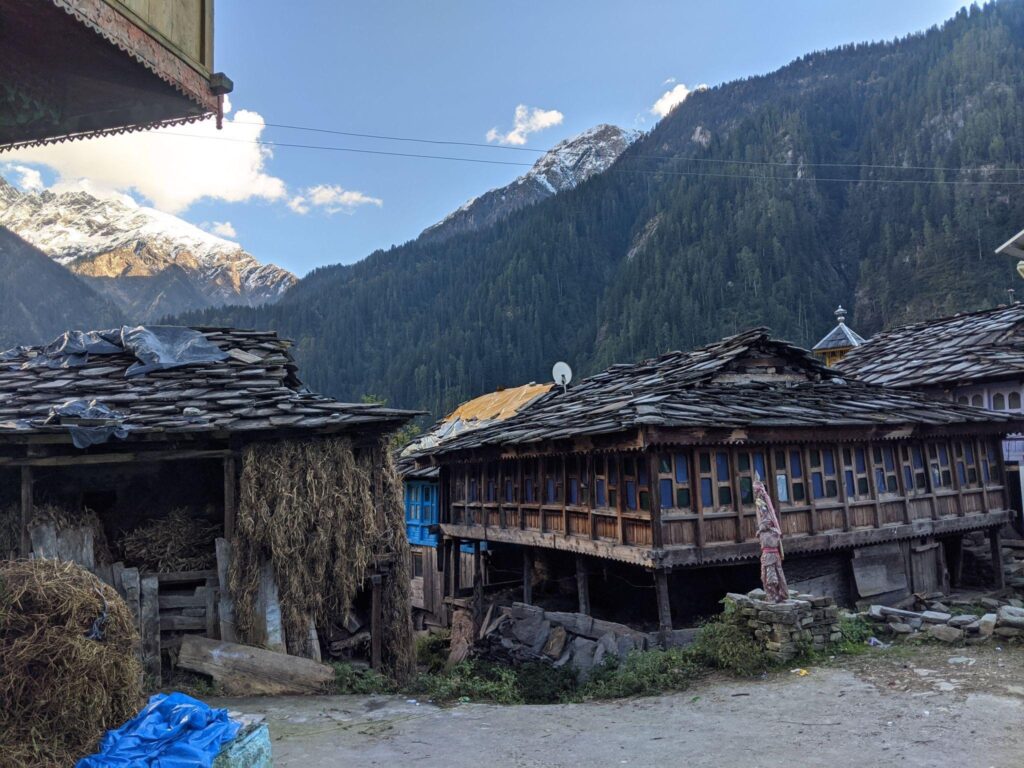
A short walk or drive from Vashisht village brings you to Old Manali known for its laid-back vibe, quirky cafes, and small boutiques. It has a more village-like, bohemian feel compared to the busier parts of town, perfect for an unhurried afternoon.
Mall Road, Manali
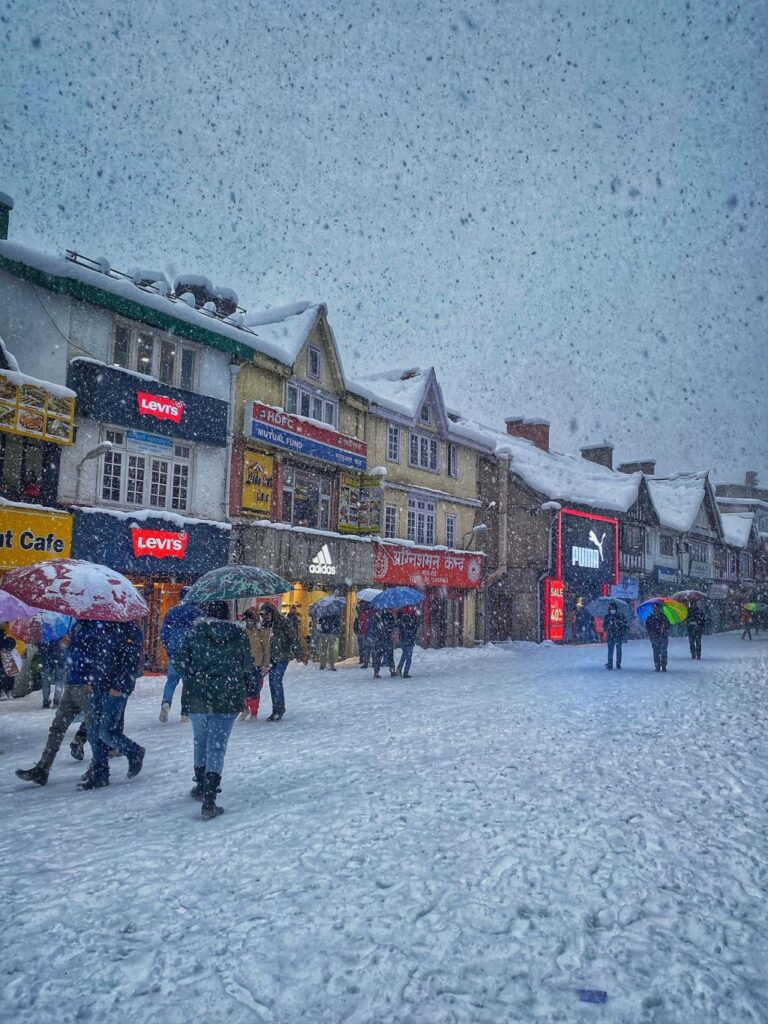
A short drive away takes you to Mall Road, the lively centre of Manali. Lined with shops, local markets, and eateries, it’s a great place to pick up Himachali handicrafts, warm woollens, and street food. Evenings here are especially lively, with lights, music, and a relaxed crowd enjoying the cool air.
Conclusion
Vashisht Temple is more than just a religious site; it’s a place that quietly soothes the soul, where spirituality, natural beauty, and Himalayan culture come together. From centuries of devotion to Sage Vashisht to the rejuvenating warmth of Vashisht Kund, a visit here feels like a gentle pilgrimage wrapped in mountain serenity.
Whether you’re seeking blessings, healing waters, or simply a quiet moment in the hills, Vashisht Temple and its surroundings deserve a place on your Manali itinerary. Plan your visit during the pleasant months, and don’t just pass through and give it the time it deserves. While you’re planning, you might also enjoy exploring nearby activities in Solang Valley for a bit of adventure after your temple visit.
Frequently Asked Questions
What is Vashisht Temple famous for?
Vashisht Temple is known for its ancient connection to Sage Vashisht and for the natural hot water springs (Vashisht Kund) located within the temple complex, believed to have healing properties.
What is the timing of the Vashisht hot water springs in Manali?
The temple and hot springs are generally open from 7:00 AM to 9:00 PM daily, with 9:00 AM to 6:00 PM considered ideal for darshan and bathing.
Who is the god of the Vashisht Temple?
The temple is dedicated to Sage Vashisht, one of the seven great sages (Saptarishis) in Hindu tradition.
What is the entry fee for Vashisht Temple?
Entry to the temple is free, though the hot springs may have a small maintenance fee.
What is special about the Hadimba Devi Temple?
Hadimba Devi Temple, located 4–5 km away, is set amid ancient cedar forests and dedicated to Goddess Hadimba from the Mahabharata, offering a peaceful walk through historic woodland.

Anshra Zafar explores the mountains of Himachal Pradesh & Uttrakhand and writes detailed travel guides about Manali, Kasol, Sissu, Jispa.chopta and kedarnath trek She focuses on scenic road trips, backpacking experiences, café culture, snowfall destinations, and adventure activities in the Himalayas. Her content helps travelers plan smooth and memorable mountain journeys.