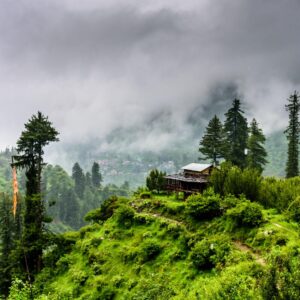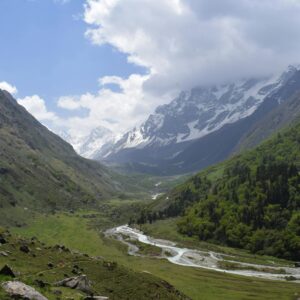
Most travellers visiting Manali spend time exploring cafés, markets, and adventure spots like Solang Valley. But among all attractions, one place holds a special spiritual and historical significance — Hadimba Devi Temple. Surrounded by towering deodar forests, this ancient wooden temple is one of the most famous landmarks in Manali and attracts pilgrims, photographers, couples, families, and nature lovers throughout the year.
Where is Hadimba Devi Temple?
Hadimba Devi Temple is located in the Dhungri Forest area of Manali in Himachal Pradesh.
Distance from Major Places
- Manali Mall Road to Hadimba Temple: Around 2 km
- Old Manali to Hadimba Temple: Around 3 km
- Solang Valley to Hadimba Temple: Around 15 km
- Delhi to Hadimba Temple: Around 530 km
The temple is surrounded by dense cedar forests, making the journey itself peaceful and scenic.
History of Hadimba Devi Temple
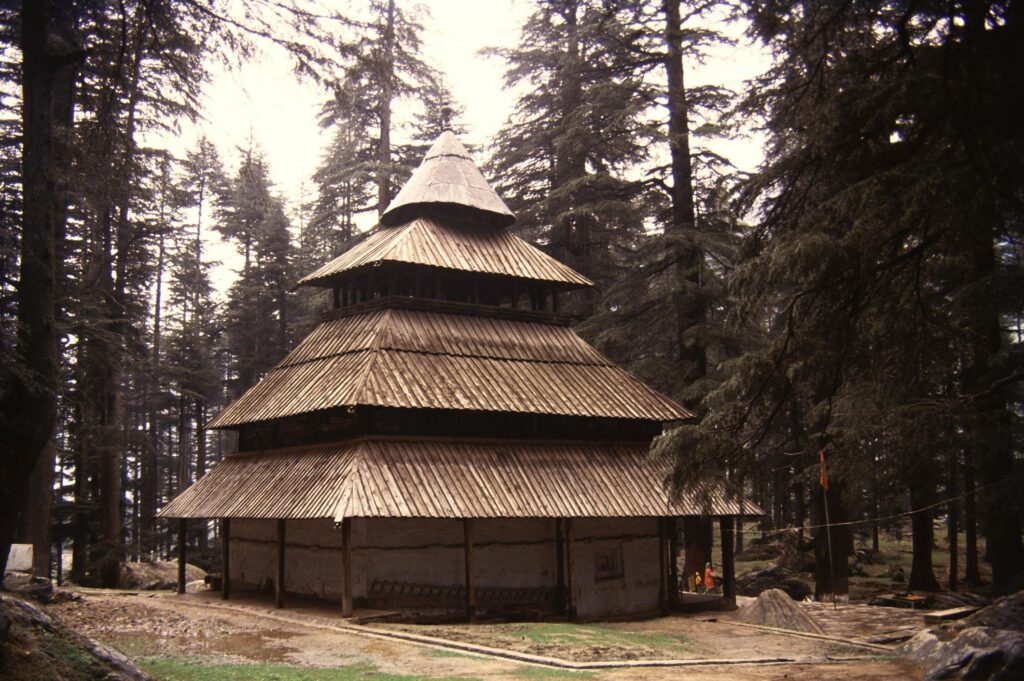
Hadimba Devi Temple is dedicated to Goddess Hadimba, who is believed to be the wife of Bhima from the Indian epic Mahabharata.
According to local legends, Hadimba lived in the forests around present-day Manali. After marrying Bhima, she devoted her life to meditation and spiritual practices. Over time, local communities began worshipping her as a goddess and protector of the region.
The temple was built in 1553 AD by Raja Bahadur Singh and remains one of the oldest and most respected temples in Himachal Pradesh.
Today, Hadimba Devi is regarded as the guardian deity of Manali.
Why is Hadimba Devi Temple Famous?
Hadimba Temple is famous because of its unique wooden architecture, mythological significance, and beautiful forest setting.
Visitors come here for:
- Ancient Himalayan architecture
- Mahabharata connection
- Dense deodar forests
- Spiritual atmosphere
- Traditional Himachali culture
- Photography and sightseeing
Unlike many temples in India, Hadimba Temple stands out because it is built entirely using traditional wood and stone craftsmanship.
What Makes Hadimba Temple Different?
| Typical Temple Experience | Hadimba Temple Experience |
| Crowded religious complexes | Ancient wooden architecture |
| Modern construction | Dense forest surroundings |
| Urban surroundings | Mountain atmosphere |
The natural setting makes it one of the most photogenic attractions in Manali.
Architecture of Hadimba Devi Temple
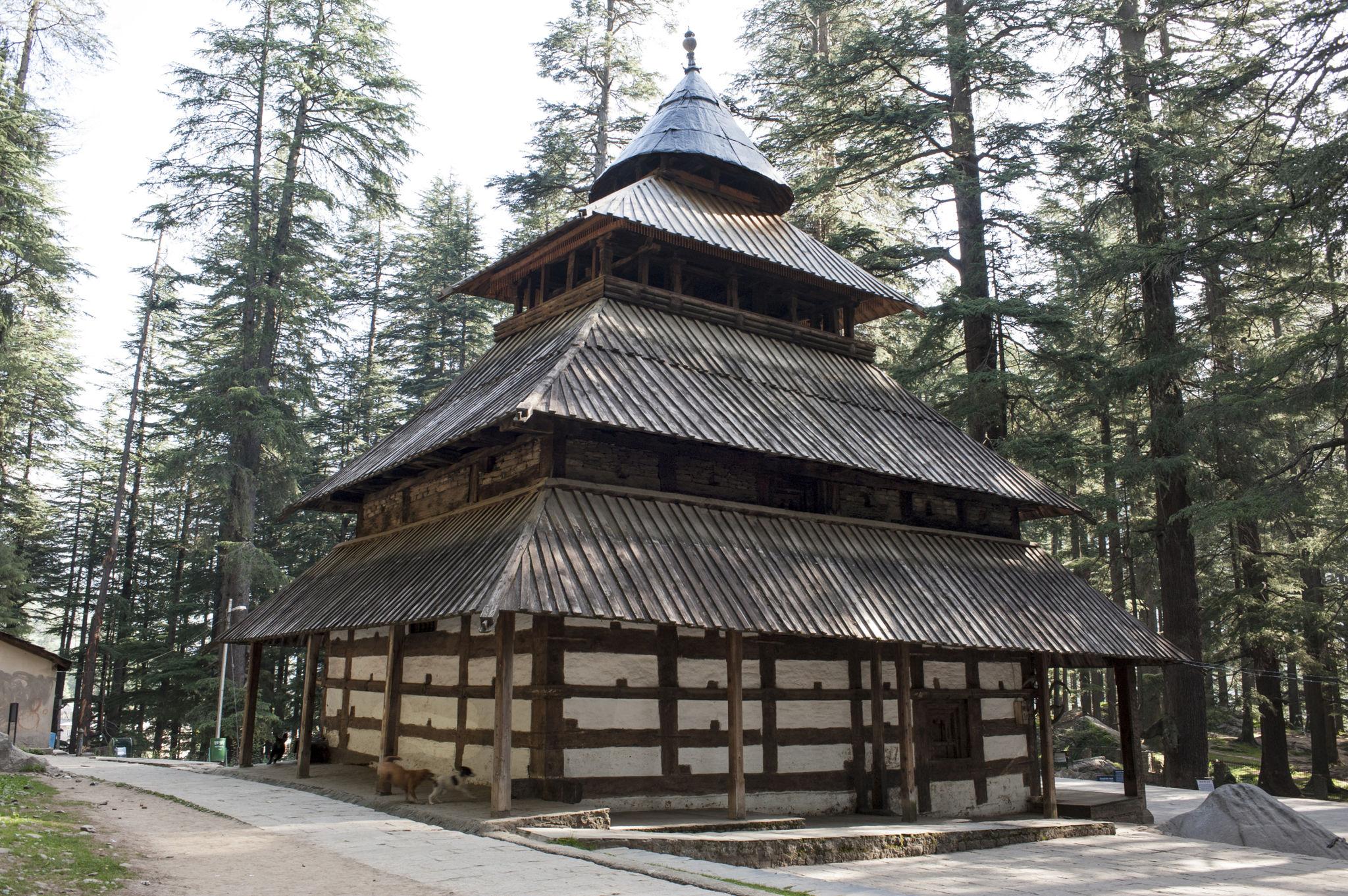
The temple showcases traditional Himalayan pagoda-style architecture.
Key features include:
- Four-tier wooden roof
- Intricate wood carvings
- Stone foundation
- Carved doors depicting mythological scenes
- Traditional Himachali craftsmanship
The temple structure blends perfectly with the surrounding cedar forest and reflects centuries-old mountain architecture.
Best Time to Visit Hadimba Devi Temple
Summer (March to June)
Summer offers pleasant weather and comfortable sightseeing conditions. For a detailed seasonal breakdown, see our guide on the best time to visit Manali.
Best for:
- Families
- Sightseeing
- Photography
- Temple visits
- Nature walks
Monsoon (July to September)
The forest becomes greener and more beautiful during monsoon.
Best for:
- Nature lovers
- Photography enthusiasts
- Peaceful exploration
Carry rain protection as occasional showers are common.
Autumn (October to November)
Cool weather and fewer crowds make this season ideal for a relaxed visit.
Best for:
- Couples
- Photography
- Spiritual travellers
Winter (December to February)
Snowfall in Manali transforms the temple surroundings into a magical winter landscape.
Best for:
- Snow lovers
- Couples
- Winter photography
- Scenic experiences
Snow-covered deodar trees create some of the most beautiful views in Manali. Check out the top Manali winter attractions and activities to plan your cold-season visit.
Snowfall at Hadimba Temple
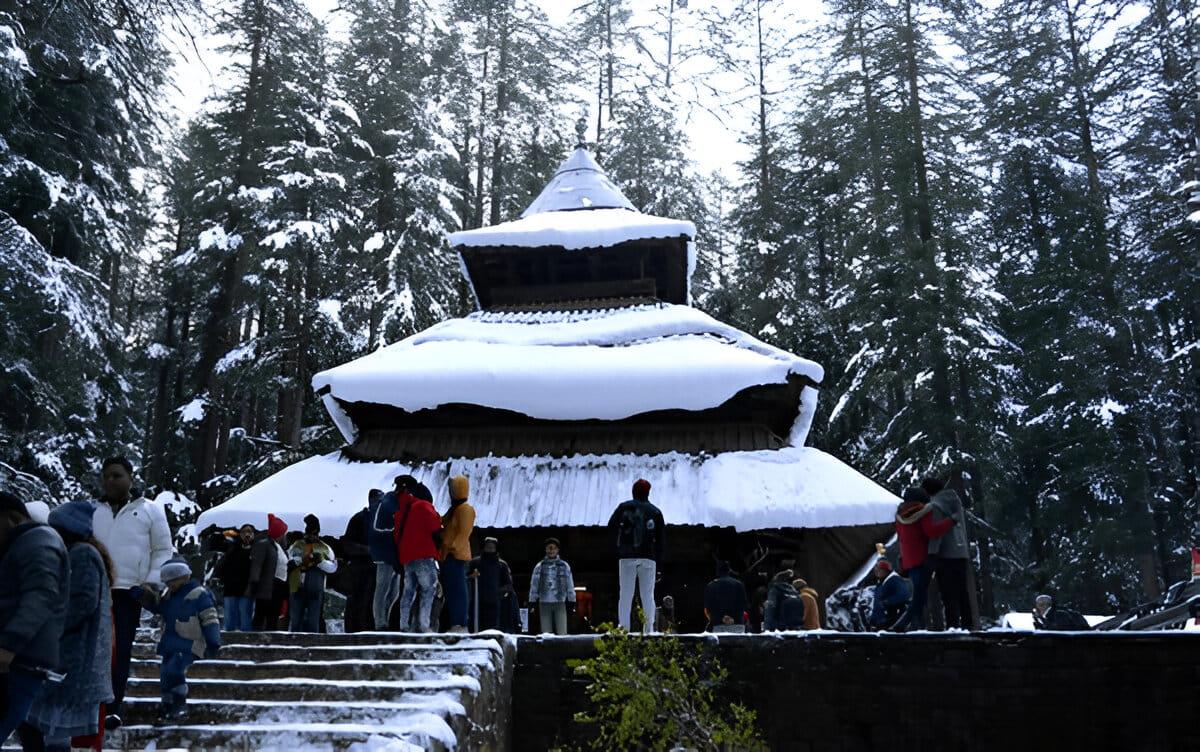
The temple becomes particularly popular during winter snowfall. To plan your trip around snowfall, read our complete guide on the best time to see snowfall in Manali.
During peak snow season:
- Temple surroundings turn white
- Forest paths become highly scenic
- Photography opportunities increase
- Tourist footfall rises significantly
January usually experiences the heaviest snowfall around the temple area.
How to Reach Hadimba Devi Temple
Reaching Hadimba Temple is simple from anywhere in Manali. For a broader look at getting to the region, see our guide on how to reach Manali.
By Taxi
Local taxis are easily available from:
- Mall Road
- Old Manali
- Bus Stand
Travel time is approximately 10–15 minutes.
By Walking
Many travellers prefer walking from Mall Road through scenic forest roads.
Walking time: Around 20–30 minutes
By Scooty or Bike
Rental bikes and scooties are available across Manali and provide a convenient option for visiting the temple.
Things to Do at Hadimba Temple
Explore the Temple Architecture
Observe the detailed wooden carvings and traditional Himalayan construction style.
Walk Through Dhungri Forest
The surrounding cedar forest offers peaceful walking trails and fresh mountain air.
Photography
Popular photography spots include:
- Temple entrance
- Snow-covered surroundings
- Forest pathways
- Traditional Himachali structures
Visit Ghatotkach Temple
Near Hadimba Temple lies a smaller temple dedicated to Ghatotkach, the son of Bhima and Hadimba.
Experience Local Culture
Visitors can enjoy:
- Traditional Himachali attire photography
- Local handicraft stalls
- Cultural performances during festivals
Hadimba Temple for Different Travellers
Solo Travellers
Backpackers often visit Hadimba Temple for its peaceful environment and historical importance.
You can combine it with:
- Old Manali
- Solang Valley
- Vashisht Temple
- Jogini Waterfall
Couples
Couples love the temple surroundings because of:
- Quiet forest atmosphere
- Snow-covered landscapes
- Scenic walking paths
- Beautiful photography locations
Families
Families appreciate the easy accessibility and cultural significance of the temple. Check our Manali entry fee guide to budget your visit.
Friend Groups
Groups often combine Hadimba Temple with local sightseeing and adventure activities. Our 3-day Manali budget itinerary and 5-day Manali budget itinerary are great starting points for planning your trip.
Nearby Places to Explore
Old Manali
Known for:
- Riverside cafés
- Backpacker culture
- Mountain views
Explore our full Old Manali guide for what to see and do.
Vashisht Temple
A famous temple known for natural hot water springs.
Jogini Waterfall
A scenic waterfall trek located near Vashisht Village.
Solang Valley
One of the most popular adventure destinations near Manali. Read our complete Solang Valley guide before visiting.
Mall Road Manali
Perfect for shopping, food, and evening walks.
Food to Try Near Hadimba Temple
Travellers should try:
- Himachali Siddu
- Momos
- Thukpa
- Butter Tea
- Chana Madra
- Local street snacks
Many cafés and restaurants around Manali serve authentic Himachali and Tibetan cuisine. For a full breakdown of food options and costs, see our Manali food cost guide and our guide on what to eat, buy, and explore in Manali.
Travel Tips for Visitors
- Visit early morning for fewer crowds
- Wear comfortable walking shoes
- Carry warm clothes during winter — check our guide on how to reach Manali from Delhi for planning your journey
- Respect temple rules and traditions
- Keep the forest area clean
- Carry a camera for scenic photography
- Avoid visiting during peak afternoon rush hours
For more hidden gems in the region, explore our guide to offbeat places in Himachal Pradesh.
Is Hadimba Devi Temple Worth Visiting?
Absolutely. While Manali is famous for adventure activities and mountain landscapes, Hadimba Devi Temple offers a unique blend of history, spirituality, mythology, architecture, and natural beauty. The ancient wooden temple, surrounded by centuries-old deodar forests, creates an experience that feels completely different from the busy tourist areas of Manali.
Frequently Asked Question
Where is Hadimba Devi Temple located?
Hadimba Devi Temple is located in the Dhungri Forest area of Manali, Himachal Pradesh, approximately 2 km from Mall Road.
What is the history of Hadimba Devi Temple?
The temple was built in 1553 AD by Raja Bahadur Singh and is dedicated to Goddess Hadimba, believed to be the wife of Bhima from the Mahabharata. It is one of the oldest temples in Himachal Pradesh.
What is the best time to visit Hadimba Devi Temple?
The temple can be visited throughout the year. Summer (March to June) is ideal for families and sightseeing, while winter (December to February) offers stunning snow-covered surroundings. Autumn is best for couples and peaceful visits.
Is there an entry fee for Hadimba Devi Temple?
There is no entry fee to visit Hadimba Devi Temple. However, there may be a small charge for photography or wearing traditional Himachali attire available near the temple premises.
How do I reach Hadimba Devi Temple from Mall Road?
You can reach the temple by taxi in around 10 to 15 minutes, by walking in around 20 to 30 minutes through scenic forest roads, or by renting a scooty or bike available across Manali.

Anshra Zafar explores the mountains of Himachal Pradesh & Uttrakhand and writes detailed travel guides about Manali, Kasol, Sissu, Jispa.chopta and kedarnath trek She focuses on scenic road trips, backpacking experiences, café culture, snowfall destinations, and adventure activities in the Himalayas. Her content helps travelers plan smooth and memorable mountain journeys.