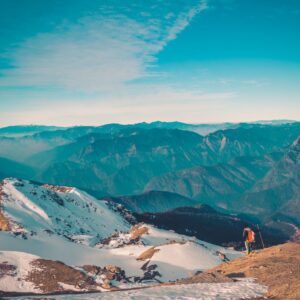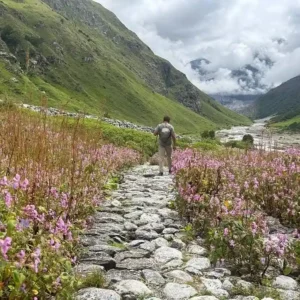
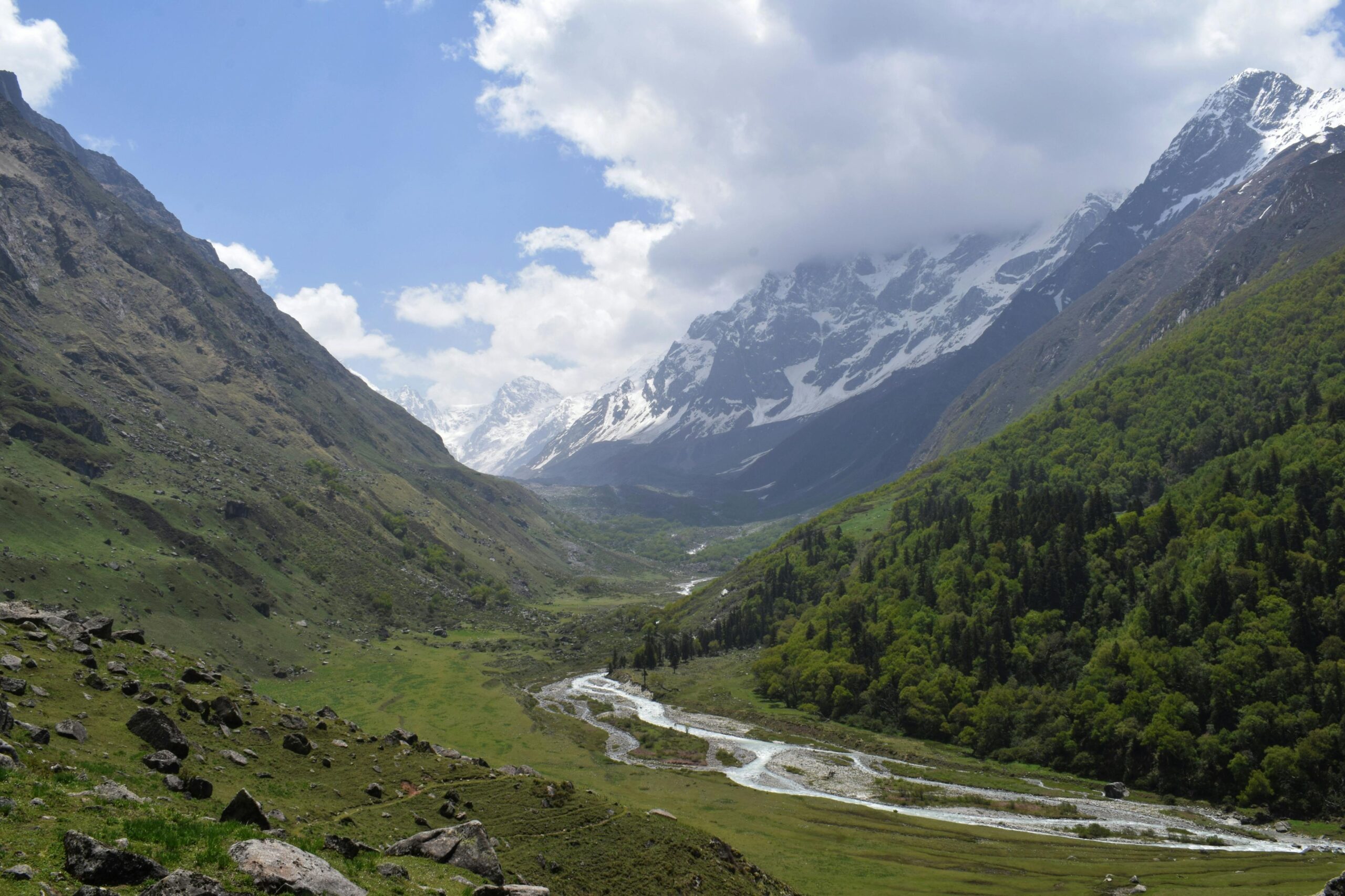
Har Ki Dun is one of the easiest ways to start trekking in Uttarakhand. You walk for 7 days from Sankri village, through pine forests, river side trails and old wooden villages, and end up in a wide valley with Swargarohini standing right in front of you.
But before booking, almost everyone asks the same four things. How hard is it? How much does it cost? How many kilometres do you actually walk? And is there a tougher trek in the state? We checked what other trek companies say, cross checked the numbers, and put simple answers in one place.
In this blog, you will know about the real difficulty level of Har Ki Dun, the cost you should expect, the total distance, and which treks in Uttarakhand are actually the toughest.
Har Ki Dun Trek Quick Overview
| Detail | Info |
| Region | Garhwal Himalayas, Govind National Park, Uttarakhand |
| Base village | Sankri |
| Duration | 7 days (Dehradun to Dehradun) |
| Highest point | About 11,700 ft (3,566 m) |
| Total distance | About 43 km round trip (35 to 50 km depending on operator) |
| Difficulty | Easy to moderate |
| Cost | Roughly ₹7,500 to ₹14,000 per person + 5% GST |
| Best time | April to June and September to November |
| Who can do it | Fit beginners, families with older kids, first time trekkers |
How Difficult Is the Har Ki Dun Trek?
Har Ki Dun is rated easy to moderate, and that rating is fair. It is one of the better first treks in the Himalayas. The climb is slow and steady, there is no steep pass to cross, and most days are 4 to 7 hours of walking with a proper lunch break. If you are picking your first trek, check our list of best Himalayan treks for beginners.
What makes it easy
• The trail goes up slowly, so your body gets time to adjust to the height.
• Villages like Osla and Gangad come on the way, so you are not walking in empty wilderness all day.
• The path follows the Supin and Tamsa rivers, so the trail is easy to follow and water is always nearby.
What makes it a little hard
• Har Ki Dun day is the longest. Walking to the valley and back can be 14 to 17 km in one day, depending on whether you also visit Marinda Tal.
• You gain height up to about 11,700 ft. That is not extreme, but some people still feel headache or tiredness.
• Trails get slippery in rain and buried in snow in winter. The same trek feels very different by season.
Difficulty by season
| Season | How it feels |
| April to June | Easy to moderate. Dry trails, pleasant weather, some crowd. |
| July to September | Moderate. Slippery trails and landslide risk. Fewer people. |
| October to November | Easy to moderate. Clear skies, but nights get cold. |
| December to March | Hard. Heavy snow. Only for experienced trekkers with a good team. |
How fit should you be? A simple test that many operators use: you should be able to walk 5 km in around 35 minutes without struggling, and carry a 10 to 15 kg backpack. If you cannot carry it, you can pay for offloading and just carry a small day bag.
Safety Tip: Start walking 4 to 5 km daily at least 3 to 4 weeks before the trek. Drink water regularly on the trail, and tell your trek leader early if you get a headache or feel dizzy. Do not hide it.
How Much Does the Har Ki Dun Trek Cost?
Most group treks for Har Ki Dun cost around ₹7,500 to ₹14,000 per person, and 5% GST is added on top. The price changes with the operator, the season, and what is included. Very premium departures with hotel stays cost much more than this.
The big thing to check is where the price starts. Some operators price from Dehradun. Other prices from Sankri, which means the drive from Dehradun is extra.
| Cost item | Usually |
| Trek fee (camping, meals, guide, permits) | ₹7,500 to ₹14,000 |
| Dehradun to Sankri and back | ₹2,000 to ₹2,500 per person, if shared and not included |
| Trek insurance | About ₹250 to ₹800 |
| Offloading your bag (porter or mule) | About ₹2,000 for the trek, or ₹300 to ₹400 per day |
| Single tent | About ₹1,600 extra |
| GST | 5% on top |
Always ask what the price covers before you pay. Also check if forest and national park permits, tents, sleeping bags and meals on the way are included. And keep a little cash, because the last ATM is at Purola, before Sankri.
Travel Tip: Compare two or three operators on the same basis: same start point, same number of days, same inclusions. A cheaper trip can end up costing more once transport, insurance and offloading are added.
Best Time to Visit Har Ki Dun
| Months | What to expect |
| April to June | Spring flowers, clear mountain views, comfortable temperatures. Best for first timers. |
| July to September | Monsoon. Green valley and fewer people, but wet and slippery trails. |
| October to November | Clear skies and crisp air, colder evenings and nights. |
| December to March | Snow all around. Very cold. Only for experienced trekkers. |
If you are starting in September, check the rain forecast first, because the monsoon can hang around till late in the month.
Want a snow trek instead? See our list of winter treks near Delhi. Planning other treks too? Check the best time to visit Chopta for trekking and the best time to visit Hampta Pass trek.
Which Is the Toughest Trek in Uttarakhand?
There is no official answer, but a few treks are known as the hardest in the state. These are high altitude routes with glaciers, ice and technical sections. Some need previous mountain experience, and a few are closer to mountaineering than trekking.
| Trek | Why it is tough |
| Auden’s Col (about 5,490 m) | Crosses a glacier and a steep icy pass between the Gangotri and Kedar valleys. Needs strong fitness and technical help. |
| Kalindi Khal (about 5,940 m) | Very high pass with glacier walking and long days, going from Gangotri side to Badrinath side. |
| Black Peak (about 6,380 m) | An expedition, not a normal trek. Snow, steep climbing and a very early summit push. |
| Bali Pass (about 4,950 m) | Long, steep and tiring days. It starts from the same Sankri area as Har Ki Dun. |
Har Ki Dun is nowhere near this level. A lot of trekkers do Har Ki Dun first, feel confident, and then try something like Bali Pass later. You can read more about these in our guide to high altitude treks in India. If you want another easy trek next, look at the Kasol Kheerganga trek guide or the Valley of Flowers guide.
Travel Tip: Build up slowly. Do an easy trek like Har Ki Dun first, then a moderate one, and only then think about high passes. Your body and your confidence both need that time.
What to Pack
Pack light, because you will carry your bag on your back for 5 to 6 hours a day.
Clothes and Shoes
- Good trekking shoes with a proper grip. Wear them a few times before the trip so they do not bite your feet.
- 3 to 4 layers instead of one heavy jacket: a base layer, a fleece, a padded or down jacket, and a rain jacket or poncho.
- 2 to 3 quick dry t-shirts.
- 1 or 2 trek pants.
- 3 pairs of socks (wool or thick cotton).
- Gloves and a woollen cap.
- Sun cap and sunglasses.
Gear and Small Things
- 20 to 30 litre backpack with a rain cover.
- 1 litre water bottle.
- Headlamp with extra batteries.
- Sunscreen and lip balm.
- Trekking pole.
- Small towel.
- Personal first aid kit with your regular medicines.
- Power bank, because charging points are hard to find on the trail.
- Sleeping bag. Carry or rent one if your trek company does not give it, since nights at camp get cold.
Documents and Other Tips
- ID card and a printed copy of your permits, kept in a waterproof pouch.
- Leave extra clothes and valuables at your hotel in Dehradun.
Planning a different trek? Use our Kedarkantha trek packing list or our Hampta Pass trek packing list.
Tips Before You Go
• Book your trek at least a few weeks early for April to June and October, when batches fill up.
• Reach Dehradun a day before the trek starts. The pickup is usually around 6 to 6:30 AM.
• The network is patchy after Sankri, so tell your family in advance.
• Carry your ID card. Permits for the Govind National Park side are handled at Sankri, and most operators do this for you.
• Do not smoke or drink on the trek. It is bad for your body at height and bad for the forest.
Conclusion
Har Ki Dun is a good pick if you want a real Himalayan trek without a very hard climb. It is easy to moderate, about 43 km in total, and costs roughly ₹7,500 to ₹14,000 depending on what is included. Go in spring or autumn, train for a few weeks, and you will be fine.
Travel with TripGuruGo
Want to do Har Ki Dun without the planning stress? TripGuruGo runs fixed departure group trips and solo joiner packages for the Har Ki Dun trek. Dates, pickup points and the plan are fixed in advance, so you do not have to sort out transport, stays or permits on your own.
Travelling solo? You can join a group and meet people on the way. Not sure which month or batch suits you for Har Ki Dun? Message the TripGuruGo team on WhatsApp, tell us your dates and fitness level, and we will help you pick the right one
FAQs
1. Is the Har Ki Dun trek good for beginners?
Yes. It is one of the most beginner friendly treks in Uttarakhand. If you can walk 5 km comfortably and do some basic fitness training, you can do it.
2. Can I do the Har Ki Dun trek solo?
You can, but it is better with a guide or a group, especially for the first time. Trails are clear, but weather can change quickly and permits, food and camping need planning.
3. What is the highest point of the Har Ki Dun trek?
The valley is at about 11,700 ft (3,566 m). Some optional side walks, like the Jaundhar Glacier viewpoint, go higher.
4. Which month is best for Har Ki Dun?
April to June and September to November are the best months. Pick spring for flowers and autumn for clear skies.
5. Is Har Ki Dun open in winter?
The trail is covered in heavy snow from December to March. It is possible, but only for experienced trekkers who go with a good team.
6. What permits do I need for Har Ki Dun?
You need a forest entry permit and a Govind National Park permit. These are usually taken at Sankri, and most trek companies arrange them.
7. Is there a mobile network on the trail?
Not reliably. Sankri has patchy network, and there is almost none once you start walking. Keep your family informed before you go.
8. How many days do you need for Har Ki Dun?
Most itineraries take 7 days from Dehradun to Dehradun. That includes two days of road travel.

Anshra Zafar explores the mountains of Himachal Pradesh & Uttrakhand and writes detailed travel guides about Manali, Kasol, Sissu, Jispa.chopta and kedarnath trek She focuses on scenic road trips, backpacking experiences, café culture, snowfall destinations, and adventure activities in the Himalayas. Her content helps travelers plan smooth and memorable mountain journeys.