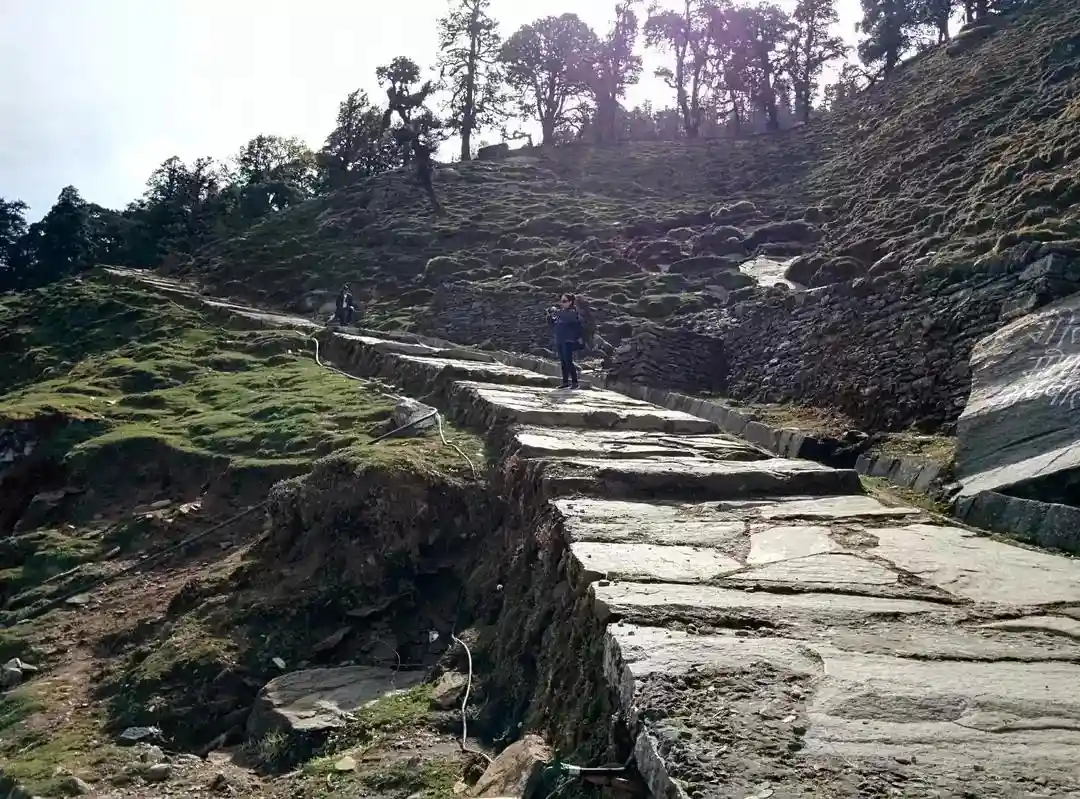
Chopta is one of Uttarakhand’s most loved trekking destinations, attracting travelers throughout the year with its peaceful landscapes, mountain views, and the famous Tungnath and Chandrashila Trek. Whether you want to hike through green meadows in summer, witness vibrant forests after the monsoon, or walk on snow-covered trails in winter, every season offers a different experience.
Before planning your trip, knowing the best time to visit Chopta for trekking is important because weather conditions directly affect trail accessibility, visibility, road conditions, and the overall trekking experience.
The trek from Chopta to Tungnath is around 3.5 km, followed by another 1.5 km to Chandrashila Summit. Since the trail is well-paved and moderately challenging, it is suitable for beginners as well as experienced trekkers.
In this guide, you’ll learn about Chopta’s weather in every season, the best months for trekking and snowfall, what to expect throughout the year, travel tips, and how to choose the perfect time based on your travel style.
Quick Information
| Details | Information |
| Location | Rudraprayag District, Uttarakhand |
| Region | Garhwal Himalayas |
| Altitude | Approx. 2,680 meters |
| Famous For | Tungnath Temple & Chandrashila Trek |
| Trek Distance | 3.5 km (Tungnath), 5 km (Chandrashila) |
| Trek Difficulty | Easy to Moderate |
| Best Time to Visit | April–June & December–February |
| Snowfall Season | Late December to February |
| Ideal Trip Duration | 2–3 Days |
| Nearest Airport | Jolly Grant Airport, Dehradun |
| Nearest Railway Station | Haridwar & Rishikesh |
| Entry Fee | No Entry Fee |
| Trek Timing | Sunrise to Sunset |
Why Visit Chopta for Trekking?
Chopta offers one of the most rewarding short Himalayan treks in North India. Unlike many high-altitude treks that require several days of hiking, the Chopta–Tungnath–Chandrashila route can be completed within a day while still offering incredible mountain scenery.
Beautiful Himalayan Views
The trek rewards visitors with panoramic views of famous Himalayan peaks like Chaukhamba, Nanda Devi, Trishul, Kedarnath, and Bandarpoonch on clear days.
Home to the World’s Highest Shiva Temple
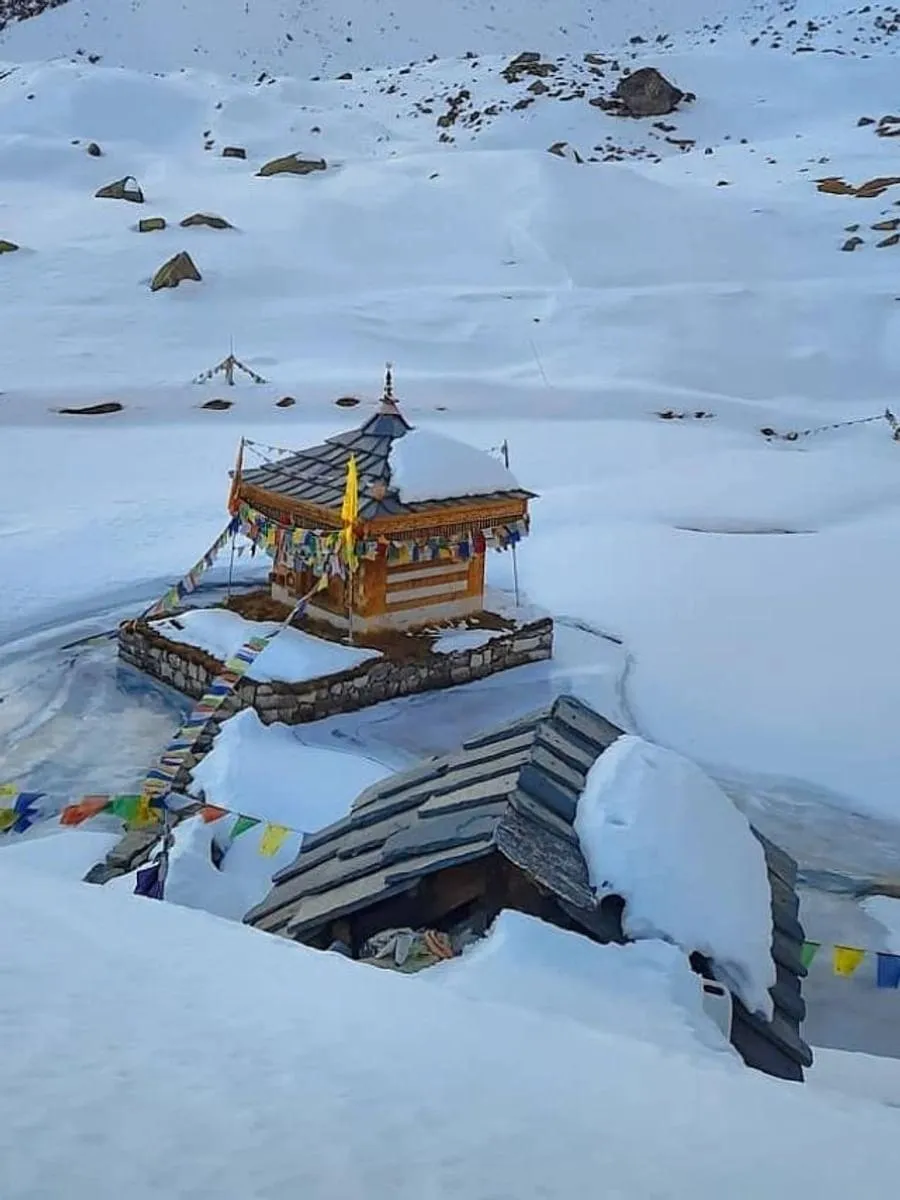
Tungnath Temple is the highest Shiva temple in the world and one of the Panch Kedar shrines, making the trek both spiritual and adventurous. Travelers who are also interested in sacred Himalayan shrines can explore
Perfect for Beginners
With a gradual climb and a well-maintained stone path, the Chopta Trek is ideal for first-time trekkers looking to experience the Himalayas without technical challenges.
Different Experience Every Season
• Spring brings blooming rhododendrons.
• Summer offers pleasant trekking weather.
• Monsoon covers the valley in lush greenery.
• Winter transforms the trail into a snowy wonderland.
Excellent Photography Destination
From sunrise over Chandrashila Summit to alpine forests, mountain ranges, temples, and snowfall, Chopta provides countless opportunities for landscape and nature photography.
Suitable for All Types of Travelers
Whether you’re traveling solo, with friends, your partner, or family, Chopta offers a peaceful and refreshing escape from city life.
Best Time to Visit Chopta for Trek
The best time depends on what kind of experience you’re looking for. Some travelers prefer clear mountain views, while others visit specifically for snowfall. Let’s look at each season in detail.
Summer (April to June)
Summer is considered the most popular trekking season in Chopta. As the snow melts, trekking routes become fully accessible, the skies remain clear, and temperatures stay pleasant throughout the day. This is the perfect season for first-time visitors.
| Factor | Details |
| Day Temperature | 12°C to 22°C |
| Night Temperature | 4°C to 10°C |
| Crowd | High (May–June peak season) |
| Trail Condition | Fully open and accessible |
Pros: Pleasant climate, Beautiful sunrise views, Open Tungnath Temple, Great for camping, Ideal for photography
Cons: More tourists during weekends. Hotels may cost slightly more in May and June.
Best For: First-time trekkers, Families, Couples, Photography, Camping
Monsoon (July to September)
Monsoon paints Chopta in shades of green. Dense forests, meadows, and valleys become fresh and vibrant after regular rainfall. Although the scenery is beautiful, trekking becomes more challenging because trails can be slippery.
| Factor | Details |
| Day Temperature | 10°C to 18°C |
| Night Temperature | 6°C to 10°C |
| Crowd | Low |
| Trail Condition | Slippery – caution advised |
Pros: Lush greenery, Peaceful atmosphere, Lower hotel prices, Fresh mountain air
Cons: Frequent rain, Slippery trekking trails, Possible landslides on mountain roads, Cloud-covered views
Best For: Nature photographers, Budget travelers, Travelers seeking solitude
Winter (December to February)
Winter is the most magical season in Chopta. Snow blankets the forests, trekking paths, and surrounding mountains, creating one of the most beautiful winter landscapes in Uttarakhand. If your goal is to enjoy snow trekking, this is undoubtedly the best time to visit. Chopta is also featured among the Top Winter Destinations in India for travelers seeking snow-covered Himalayan experiences.
| Factor | Details |
| Day Temperature | -2°C to 8°C |
| Night Temperature | -8°C to -2°C |
| Crowd | Moderate (fewer than summer) |
| Trail Condition | Snow-covered – guide recommended |
Pros: Spectacular snowfall, Stunning mountain scenery, Unique trekking experience, Fewer tourists compared to summer
Cons: Extremely cold temperatures, Snow may block sections of the trail, Warm clothing is essential
Best For: Snow lovers, Adventure seekers, Winter photographers, Experienced trekkers
Which Season is Best?
If you’re visiting Chopta for the first time, April to June offers the safest and most comfortable trekking conditions with pleasant weather and clear mountain views. However, if your dream is to experience snow-covered Himalayan trails, late December to February is the best time to visit Chopta for trekking.
Month-wise Weather Guide
Choosing the right month can make a big difference in your trekking experience. Here’s what you can expect throughout the year.
| Month | Temperature | Weather | Crowd | Best Activities |
| January | -8°C to 5°C | Heavy snowfall | Low | Snow trekking, photography |
| February | -6°C to 8°C | Snow continues | Low | Winter trek, camping |
| March | 0°C to 12°C | Snow starts melting | Moderate | Scenic trekking, views |
| April | 5°C to 18°C | Pleasant weather | Moderate | Trekking, camping |
| May | 8°C to 22°C | Clear skies | High | Best trekking month |
| June | 10°C to 24°C | Warm days | High | Family trips, photography |
| July | 12°C to 20°C | Rainy | Low | Nature walks |
| August | 12°C to 18°C | Heavy rainfall | Low | Green landscapes |
| September | 10°C to 18°C | Rain ends | Moderate | Fresh mountain views |
| October | 5°C to 16°C | Cool & clear | High | Best autumn trekking |
| November | 2°C to 12°C | Cold mornings | Moderate | Peaceful trekking |
| December | -2°C to 8°C | Early snowfall | High | Snow trekking |
Best Months for Trekking: April, May, June, October, and November offer pleasant temperatures, clear skies, and safe trail conditions.
Chopta Snowfall Guide
Many travelers visit Chopta only to witness snowfall. Winter completely changes the landscape, turning forests, meadows, and trekking trails into a white paradise.
When Does Snowfall Start in Chopta?
Snowfall generally begins in late December, although early snowfall may occur during the last week of November if temperatures drop significantly. The exact timing depends on yearly weather conditions.
Peak Snowfall Season
The heaviest snowfall usually occurs during January and early February. During these months, several feet of snow can accumulate around Chopta, creating breathtaking views.
Snow Conditions on the Trek
• The Chopta–Tungnath trail is covered in snow during winter.
• The route to Chandrashila becomes more adventurous.
• Local guides may recommend microspikes depending on snowfall.
• Even if Tungnath Temple remains closed during peak winter, many trekkers still hike to enjoy the snowy landscapes.
Best Months for Snow Lovers
Visit between late December, January, and early February for the highest chances of fresh snowfall and beautiful winter scenery.
Winter Travel Tips
• Carry waterproof trekking shoes.
• Wear thermal clothing in layers.
• Start your trek early in the morning.
• Check weather forecasts before departure.
• Avoid trekking alone after heavy snowfall.
Top Things to Do in Chopta
1. Trek to Tungnath Temple
The 3.5 km trek to Tungnath Temple is the biggest attraction. The trail passes through alpine meadows and offers stunning mountain views throughout the journey.
2. Reach Chandrashila Summit
Continue another 1.5 km beyond Tungnath to reach Chandrashila Peak, where you’ll be rewarded with panoramic views of the Garhwal Himalayas.
3. Watch Sunrise from Chandrashila
Watching the sunrise from the summit is one of the most unforgettable experiences in Uttarakhand.
4. Experience Snow Trekking
Visit during winter to walk through snow-covered forests and trails.
5. Camp Under the Stars
Camping in Chopta allows you to enjoy peaceful nights surrounded by mountains and fresh air.
6. Visit Deoria Tal
This beautiful lake reflects the snow-covered Himalayan peaks on clear days and is a popular stop near Chopta. Distance from Chopta: Approx. 20 km.
7. Photography
Capture Himalayan peaks, rhododendron forests, sunrise, snowfall, wildlife, and alpine meadows.
8. Bird Watching
The forests around Chopta are home to many Himalayan bird species, making it a great destination for bird lovers.
9. Explore Local Villages
Nearby villages offer a glimpse into the traditional lifestyle of Uttarakhand’s mountain communities.
10. Enjoy Peaceful Nature Walks
Even if you don’t complete the full trek, short walks around Chopta provide beautiful views and fresh mountain air.
Major Attractions Near Chopta
| Attraction | Distance | Highlight | Best Time |
| Tungnath Temple | 3.5 km Trek | World’s highest Shiva temple – Panch Kedar | May–June & October |
| Chandrashila Summit | 5 km Trek | Panoramic Himalayan views at ~4,000 m | April–June & October |
| Deoria Tal | 20 km | High-altitude lake, Chaukhamba reflections | April–June & October |
| Ukhimath | 30 km | Kedarnath idols worshipped here in winter | October–March |
| Kanchula Korak Musk Deer Sanctuary | ~7 km | Himalayan flora and fauna | Year-round |
How to Reach Chopta
By Air
The nearest airport is Jolly Grant Airport, Dehradun, located about 220 km from Chopta. From the airport, taxis and shared cabs are available.
By Train
Nearest railway stations are Haridwar and Rishikesh. Both are well-connected with Delhi and other major cities.
By Road
Chopta has good road connectivity from Delhi, Dehradun, Haridwar, and Rishikesh. Many travelers prefer driving because the route offers beautiful Himalayan scenery.
By Bus
Take a bus to Haridwar, Rishikesh, or Rudraprayag. From there, hire a taxi or shared jeep to reach Chopta.
Self-Drive Tips
• Start early from Delhi.
• Keep fuel tanks full before entering mountain roads.
• Avoid night driving.
• Drive carefully during monsoon and winter.
Where to Stay in Chopta
Although Chopta is a small hill destination, you’ll find plenty of accommodation options for every budget. Most hotels and camps are located near the trek starting point, making it convenient for early morning hikes to Tungnath and Chandrashila.
| Stay Type | Price Range | Best For |
| Budget Guest Houses / Homestays | ₹800–₹1,500 per night | Backpackers & Solo Travelers |
| Mid-Range Hotels | ₹2,000–₹4,500 per night | Families & Couples |
| Luxury Camps & Resorts | ₹5,000+ per night | Honeymoon & Premium Travelers |
Camping in Chopta
Camping is one of the best experiences in Chopta. You’ll wake up to snow-covered peaks, fresh mountain air, and peaceful surroundings. Camping is especially popular during April to June, October, and early December. Avoid camping during heavy snowfall unless you’re with an experienced operator.
What to Eat in Chopta
Must-Try Local Dishes
Aloo ke Gutke, Kafuli, Chainsoo, Mandua Roti, Garhwali Rajma, Pahadi Dal, Jhangora Kheer — these dishes are healthy, filling, and perfect after a long trek.
Popular Food Options
Most cafés and dhabas also serve: Maggi, Paratha, Tea, Coffee, Momos, Noodles, Rice Thali, Paneer Curry, and Egg Dishes.
Suggested Itinerary
2-Day Itinerary
| Day | Plan |
| Day 1 | Reach Chopta → Check in → Explore meadows → Sunset views → Bonfire & overnight stay |
| Day 2 | Early morning trek → Tungnath Temple → Chandrashila Summit → Return to Chopta → Head back |
3-Day Itinerary
| Day | Plan |
| Day 1 | Delhi → Chopta. Relax after arrival. |
| Day 2 | Complete Tungnath and Chandrashila Trek. Explore local cafés. |
| Day 3 | Visit Deoria Tal before returning home. |
4-Day Itinerary
| Day | Plan |
| Day 1 | Delhi to Chopta |
| Day 2 | Trek to Tungnath and Chandrashila |
| Day 3 | Visit Deoria Tal and Ukhimath |
| Day 4 | Return journey with scenic stops |
Travel Tips
• Start your trek early in the morning.
• Wear comfortable trekking shoes with good grip.
• Carry enough drinking water.
• Avoid littering on the trail.
• Keep warm clothing even during summer.
• Check the weather forecast before your trip.
• Carry cash, as digital payments may not work everywhere.
• Keep a power bank for your devices.
• Walk slowly to adjust to the altitude.
• Avoid trekking after sunset.
• Carry rain gear during the monsoon.
• Book accommodation in advance during peak season.
• Respect local culture and temple customs.
• Don’t feed wild animals.
• Hire a local guide during heavy snowfall if needed.
Packing Checklist
| Season | Essential Items |
| Summer | Light jacket, Trekking shoes, Sunglasses, Sunscreen, Water bottle, Cap, Trekking pole (optional) |
| Monsoon | Raincoat, Waterproof backpack cover, Extra socks, Quick-dry clothes, Anti-slip trekking shoes |
| Winter | Thermal wear, Heavy jacket, Woollen cap, Gloves, Woollen socks, Waterproof boots, Hand warmers, Snow gaiters (optional) |
Estimated Trip Budget
| Travel Style | Approximate Cost (Per Person) |
| Budget Trip | ₹4,000–₹7,000 |
| Mid-Range Trip | ₹8,000–₹12,000 |
| Luxury Trip | ₹15,000–₹25,000+ |
The budget may vary depending on your mode of transport, accommodation, and travel season.
Why Choose TripGuruGo for Your Chopta Trek?
Planning a Himalayan trek becomes much easier when your transport, accommodation, and itinerary are well organized. With TripGuruGo, you can choose from carefully planned Chopta tour packages designed for solo travelers, couples, groups, and families.
Whether you’re visiting for the spiritual journey to Tungnath Temple, the scenic Chandrashila Trek, or the magical winter snowfall, TripGuruGo offers hassle-free travel experiences with comfortable stays, reliable transportation, and experienced trip coordinators. If you love Himalayan winter adventures, also explore our guide to the Top Winter Destinations in India to discover more snow-covered getaways across the country.
Conclusion
Chopta is one of the best trekking destinations in Uttarakhand, offering beautiful landscapes, peaceful surroundings, and breathtaking Himalayan views throughout the year. Every season has something unique to offer, from colorful meadows in spring to lush greenery during the monsoon and snow-covered trails in winter.
If you’re looking for comfortable trekking conditions and clear mountain views, plan your trip between April and June or October and November. If walking through fresh snow is on your bucket list, late December to February is the perfect time to visit.
No matter when you travel, the Chopta–Tungnath–Chandrashila Trek promises an unforgettable Himalayan adventure that combines natural beauty, spirituality, and adventure in one journey.
Frequently Asked Questions
1. What is the best time to visit Chopta for trekking?
The best time is April to June and October to November when the weather is pleasant and trekking trails are easily accessible.
2. Which month is best for the Chopta Tungnath Trek?
May and October are considered the best months due to clear skies, comfortable temperatures, and excellent visibility.
3. When does snowfall start in Chopta?
Snowfall generally starts in late December and continues until February, depending on weather conditions.
4. Is the Chopta Trek suitable for beginners?
Yes. The Chopta to Tungnath Trek is an easy to moderate trek and is suitable for beginners with basic fitness.
5. How long is the Chopta to Chandrashila Trek?
The trek is approximately 5 km one way, including 3.5 km to Tungnath Temple and 1.5 km further to Chandrashila Summit.
6. Can I visit Chopta during the monsoon?
Yes, but be prepared for rainfall, slippery trails, and occasional roadblocks due to landslides.
7. How many days are enough for a Chopta trip?
A 2 to 3-day trip is enough to complete the trek and explore nearby attractions.
8. Is camping available in Chopta?
Yes. Campsites and Swiss tents are available during most of the year, except in periods of heavy snowfall.
9. What clothes should I carry for the Chopta Trek?
Carry layered clothing, trekking shoes, a waterproof jacket, gloves in winter, and rain gear if traveling during the monsoon.
10. Is Chopta worth visiting in winter?
Absolutely. Winter transforms Chopta into a snowy paradise, making it one of the best destinations in Uttarakhand for snow trekking and winter photography.
Anshra Zafar explores the mountains of Himachal Pradesh & Uttrakhand and writes detailed travel guides about Manali, Kasol, Sissu, Jispa.chopta and kedarnath trek She focuses on scenic road trips, backpacking experiences, café culture, snowfall destinations, and adventure activities in the Himalayas. Her content helps travelers plan smooth and memorable mountain journeys.