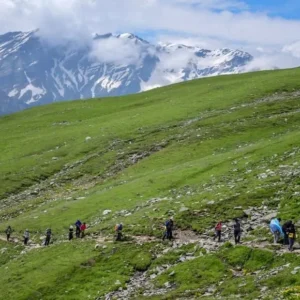
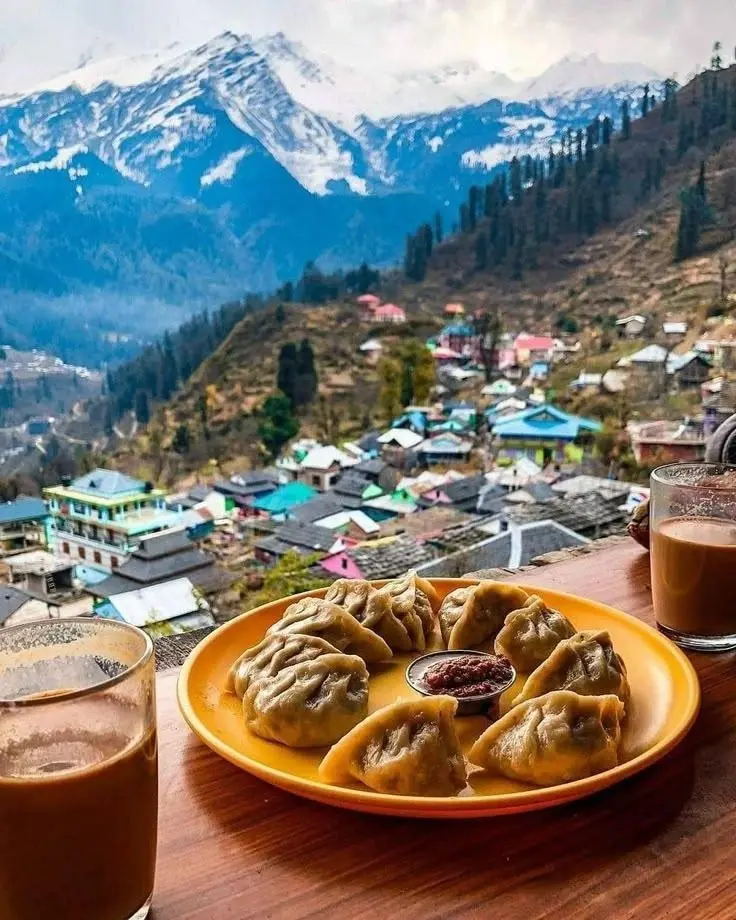
Spiti Valley is known for its rugged mountains, ancient monasteries, and breathtaking landscapes. However, one experience that often surprises travelers is the local food. While the region may seem remote, its cuisine is simple, comforting, and perfectly suited to the harsh Himalayan climate.
The food in Spiti Valley is heavily influenced by Tibetan and Himalayan traditions. Most dishes are prepared using locally grown barley, peas, potatoes, fresh vegetables, and dairy products from yaks and cows. Since winters are long and temperatures drop well below freezing, meals are designed to provide warmth and energy.
Whether you’re stopping at a roadside dhaba during a road trip or enjoying a cozy meal in a café in Kaza, every dish reflects the lifestyle of the people who call Spiti home. From steaming bowls of Thukpa to buttery Tibetan tea, tasting local food is one of the best ways to experience the culture of the valley.
If you’re planning your first visit, this guide covers everything you need to know about what to eat in Spiti Valley, where to find the best local dishes, and the cafés and dhabas worth adding to your itinerary.
Quick Overview
| Detail | Information |
| Cuisine Type | Tibetan, Himalayan & North Indian |
| Famous Dishes | Thukpa, Momos, Thenthuk, Tingmo, Skyu |
| Vegetarian Options | Excellent |
| Non-Vegetarian Options | Available in selected cafés and restaurants |
| Best Town for Food | Kaza |
| Best Cafés | Sol Cafe, The Himalayan Cafe, Cafe Kunzum Top |
| Best Dhabas | Roadside dhabas in Losar, Tabo, Dhankar & Nako |
| Average Meal Cost | ₹150–₹500 per person |
| Must-Try Drinks | Butter Tea, Herbal Tea, Sea Buckthorn Juice |
| Best Time for Local Food | May to October |
Why Food in Spiti Valley is Different
The food in Spiti Valley is shaped by its geography. Sitting at an altitude of over 3,000 metres, the valley experiences short summers and long, freezing winters. These conditions influence both farming and cooking traditions.
High-Altitude Farming
Unlike many parts of India, farming in Spiti is seasonal. Local farmers mainly grow barley, green peas, potatoes, and a few hardy vegetables that can survive the cold climate. Fresh produce is available only during the warmer months, making every harvest valuable.
Organic Ingredients
Most vegetables grown in Spiti are cultivated using traditional farming methods with little or no chemical fertilizers. This gives local dishes a fresh, natural flavour that many visitors appreciate.
Barley – The Staple Crop
Barley is one of the oldest crops grown in Spiti Valley. It is used to make Tsampa (roasted barley flour), traditional breads, and several local recipes. Rich in nutrients, barley provides the energy needed for daily life at high altitudes.
Tibetan Influence
Spiti shares deep cultural and religious ties with Tibet. This influence is reflected in popular dishes such as Thukpa, Momos, Tingmo, and Butter Tea, which are commonly served in homes, cafés, and monasteries.
Yak Products
Yaks play an important role in the local economy. Their milk is used to prepare butter, cheese, and traditional beverages, while yak meat is available in a few local restaurants for non-vegetarian travelers.
Seasonal Menus
Many cafés and dhabas adjust their menus depending on the season. During winter, ingredients become harder to source, so restaurants focus on warm soups, noodles, and preserved foods.
Must-Try Local Dishes in Spiti Valley
1. Thukpa
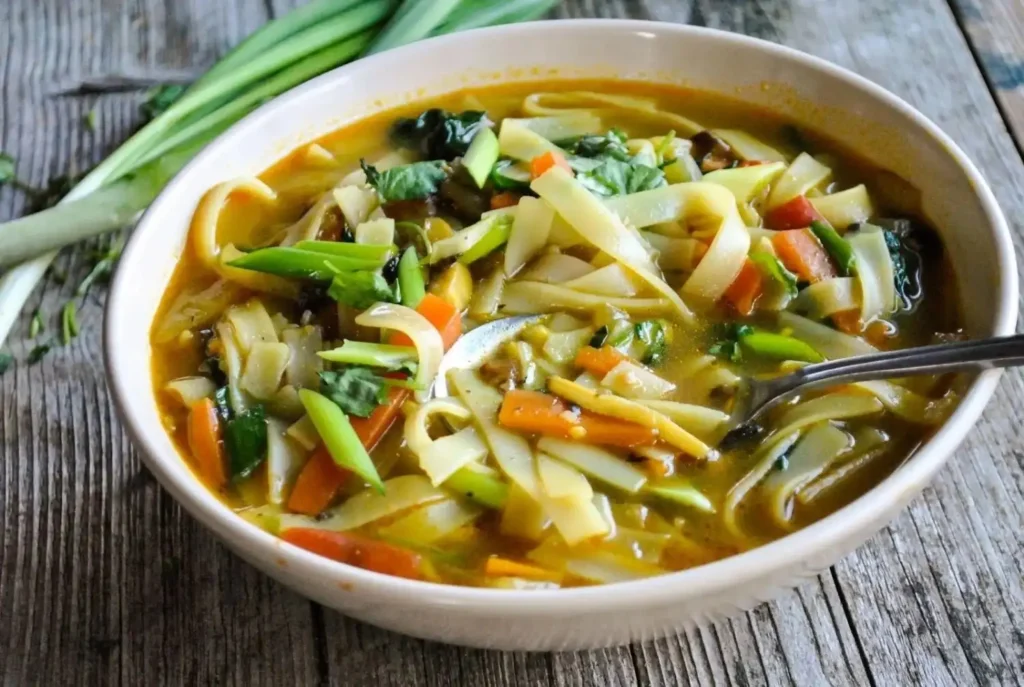
| What is it? | Thukpa is one of the most popular dishes in Spiti Valley. It is a warm noodle soup filled with vegetables and aromatic spices, making it perfect for cold mountain weather. |
| Ingredients | Handmade noodles, carrots, cabbage, spinach, green onions, vegetable or meat broth |
| Taste | Light, mildly spicy, and incredibly comforting. |
| Where to Try | Most cafés and restaurants in Kaza serve excellent Thukpa. |
| Approx. Price | ₹180 – ₹300 |
| Best Time | Lunch or dinner, especially after sightseeing or trekking. |
| Travel Tip | Pair your Thukpa with Butter Tea for an authentic Tibetan meal. |
2. Momos
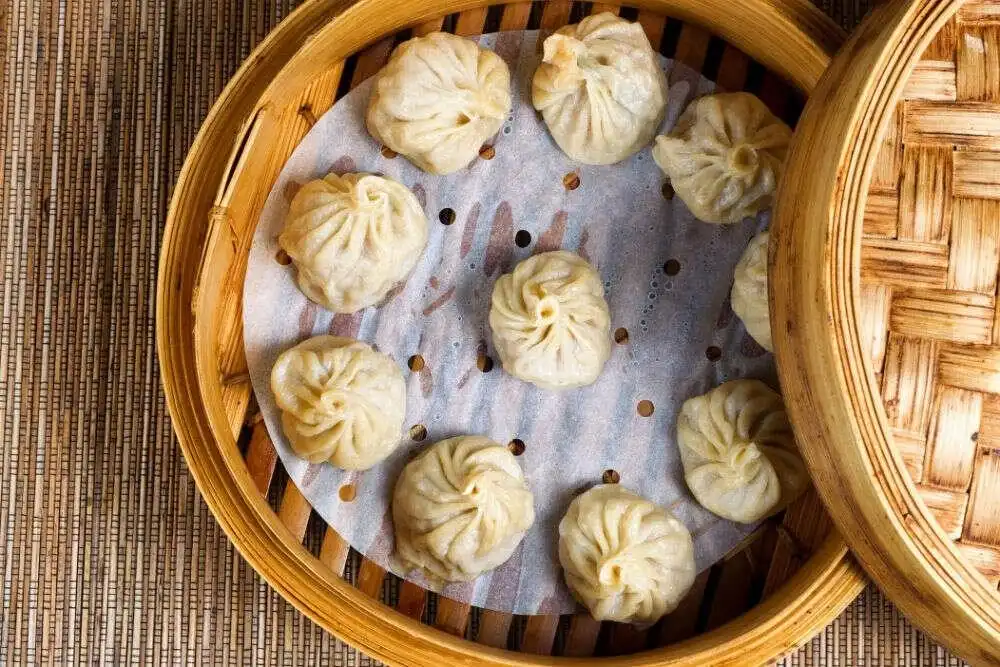
| What is it? | Momos are steamed dumplings that have become one of the most loved foods across the Himalayas. In Spiti, they are freshly prepared and served with spicy homemade chutney. |
| Ingredients | Wheat flour, cabbage, onion, carrot, paneer or meat filling |
| Taste | Soft, juicy, and lightly seasoned. |
| Where to Try | Roadside cafés in Kaza and Tabo. |
| Approx. Price | ₹120 – ₹250 |
| Best Time | Evening snacks. |
| Travel Tip | Order steamed momos instead of fried ones for a more authentic experience. |
3. Thenthuk
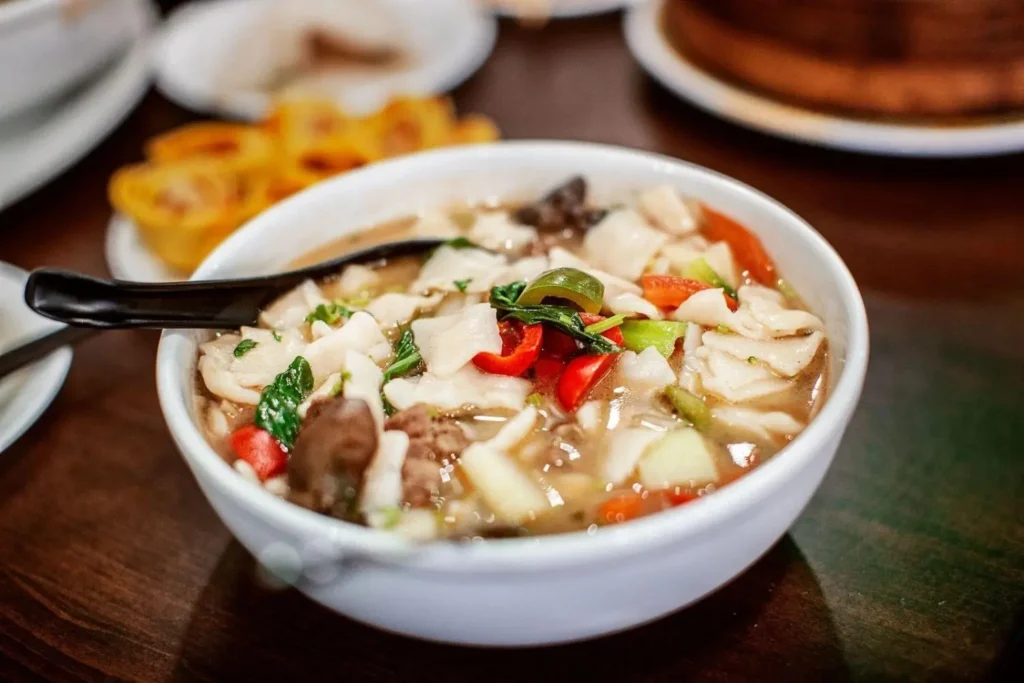
| What is it? | Thenthuk is a traditional Tibetan soup made with hand-pulled flat noodles. Unlike regular noodles, each piece is shaped by hand, giving the dish a rustic texture. |
| Ingredients | Flat wheat noodles, seasonal vegetables, garlic, ginger, herbs, broth |
| Taste | Rich, filling, and mildly flavoured. |
| Where to Try | Family-run restaurants in Kaza and nearby villages. |
| Approx. Price | ₹200 – ₹320 |
| Best Time | Dinner during chilly evenings. |
| Travel Tip | It’s an ideal meal if you’re adjusting to Spiti’s high altitude. |
4. Tingmo
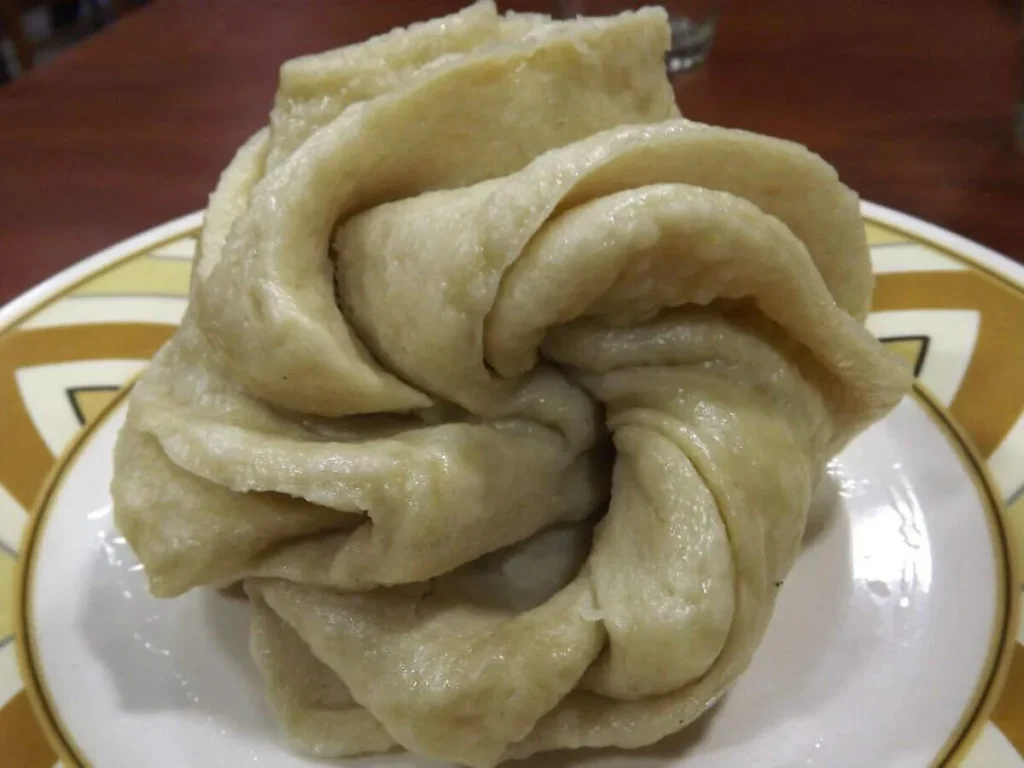
| What is it? | Tingmo is a soft, fluffy steamed Tibetan bread often served alongside curries or vegetable stews. |
| Ingredients | Wheat flour, yeast, water |
| Taste | Soft, slightly chewy, and mildly sweet. |
| Where to Try | Local Tibetan cafés and monastery kitchens. |
| Approx. Price | ₹80 – ₹180 |
| Best Time | Lunch or dinner. |
| Travel Tip | Try Tingmo with vegetable curry or yak stew for a complete local meal. |
5. Skyu
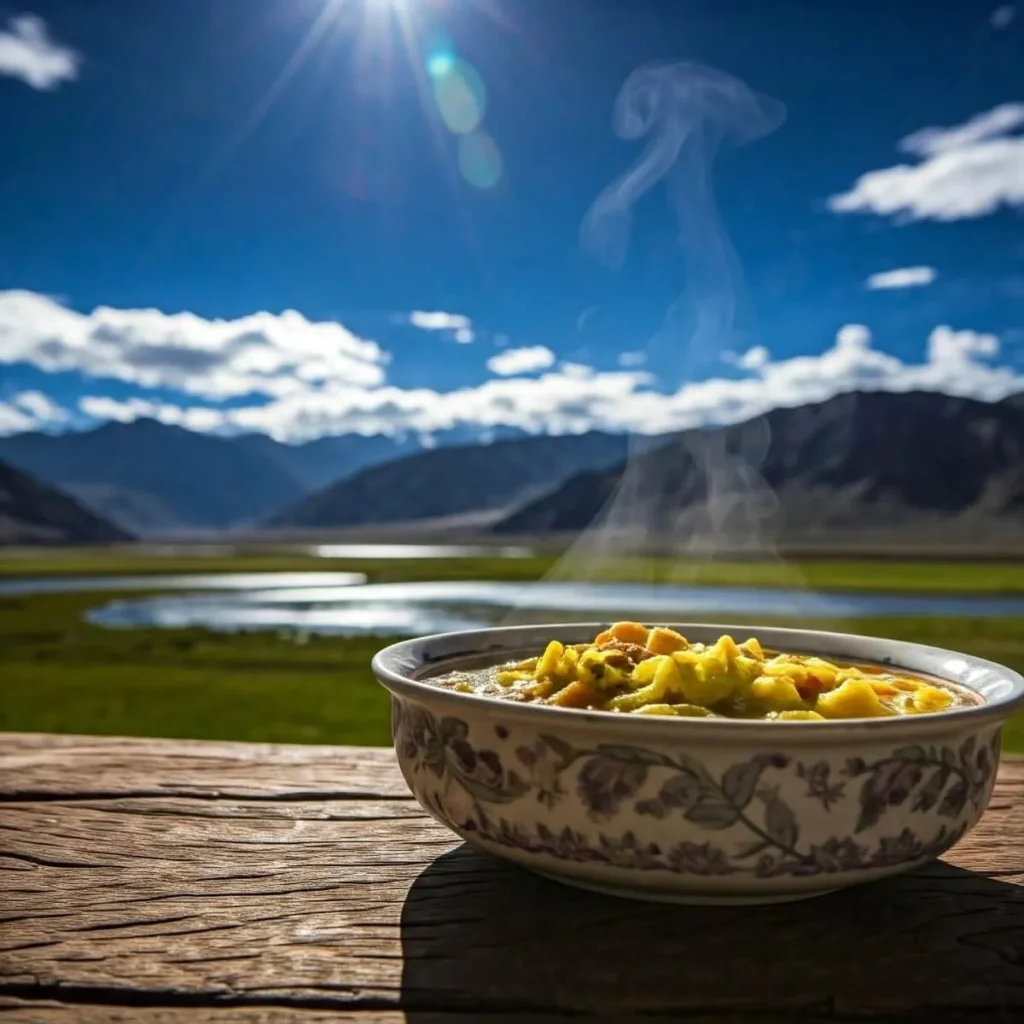
| What is it? | Skyu is a traditional Himalayan comfort food made with hand-shaped wheat dough cooked slowly with vegetables in a thick broth. It is one of the oldest recipes still prepared in many Spitian homes. |
| Ingredients | Wheat dough, potatoes, green peas, carrots, local herbs |
| Taste | Creamy, wholesome, and mildly seasoned. |
| Where to Try | Homestays, local cafés, and traditional restaurants in Kaza. |
| Approx. Price | ₹220 – ₹350 |
| Best Time | Lunch or dinner during colder days. |
| Travel Tip | If you’re staying in a local homestay, ask your host to prepare Skyu. Homemade versions are often more authentic than restaurant servings. |
6. Chhurpi (Yak Cheese)
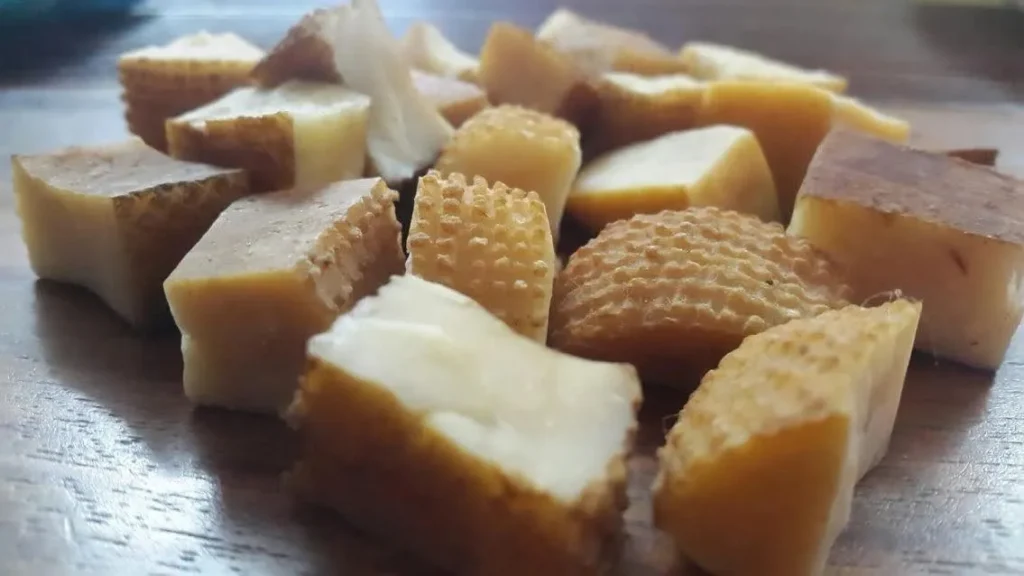
| What is it? | Chhurpi is a traditional Himalayan cheese made from yak or cow’s milk. It is one of the oldest dairy products in Spiti Valley and is enjoyed by both locals and visitors. There are two varieties — soft Chhurpi, which is eaten fresh, and hard Chhurpi, which is chewed like a natural snack. |
| Ingredients | Yak or cow milk, natural starter culture |
| Taste | Soft Chhurpi is creamy and mildly salty, while hard Chhurpi has a chewy texture and a rich smoky flavor. |
| Where to Try | Local cafés in Kaza, village homestays, small dairy shops |
| Approx. Price | ₹150 – ₹350 |
| Best Time | Any time of the day as a snack. |
| Travel Tip | Buy vacuum-packed Chhurpi if you want to carry it home. |
7. Butter Tea (Gur Gur Cha)
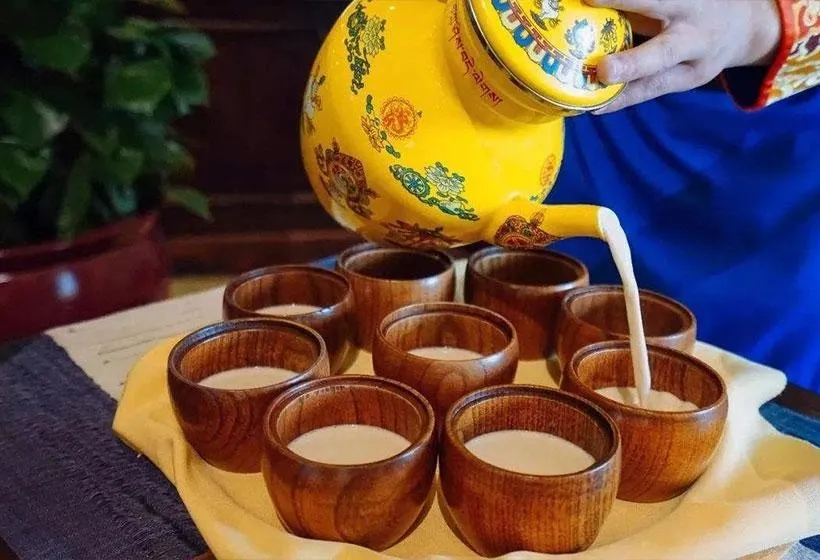
| What is it? | Butter Tea, locally known as Gur Gur Cha, is one of the most famous drinks in the Himalayas. It is prepared using tea leaves, yak butter, salt, and milk, creating a warm and energy-rich beverage. |
| Ingredients | Tea leaves, yak butter, milk, salt |
| Taste | Creamy, slightly salty, and very different from regular Indian tea. |
| Where to Try | Monastery guest houses, Tibetan cafés, local homes |
| Approx. Price | ₹80 – ₹150 |
| Best Time | Morning or evening during cold weather. |
| Travel Tip | Don’t expect it to taste like masala chai. Butter Tea is an acquired taste but worth trying for the cultural experience. |
8. Tsampa
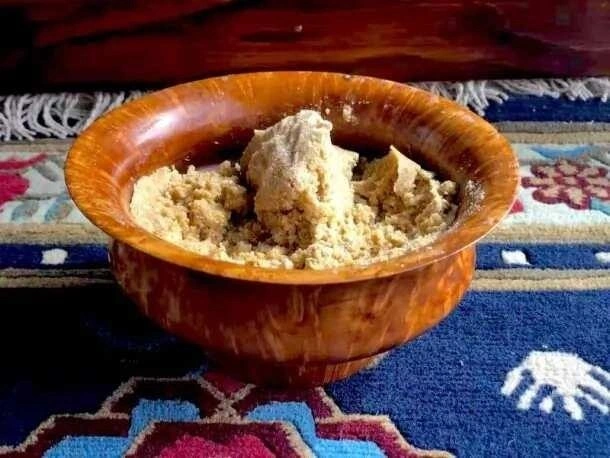
| What is it? | Tsampa is roasted barley flour mixed with butter tea or milk. It has been a staple food in the Himalayan region for centuries because it is nutritious, lightweight, and easy to prepare. |
| Ingredients | Roasted barley flour, butter tea or milk |
| Taste | Nutty, earthy, and filling. |
| Where to Try | Homestays and traditional households. |
| Approx. Price | ₹100 – ₹180 |
| Best Time | Breakfast. |
| Travel Tip | If you’re trekking in Spiti, Tsampa provides long-lasting energy. |
9. Yak Meat Curry (Optional)
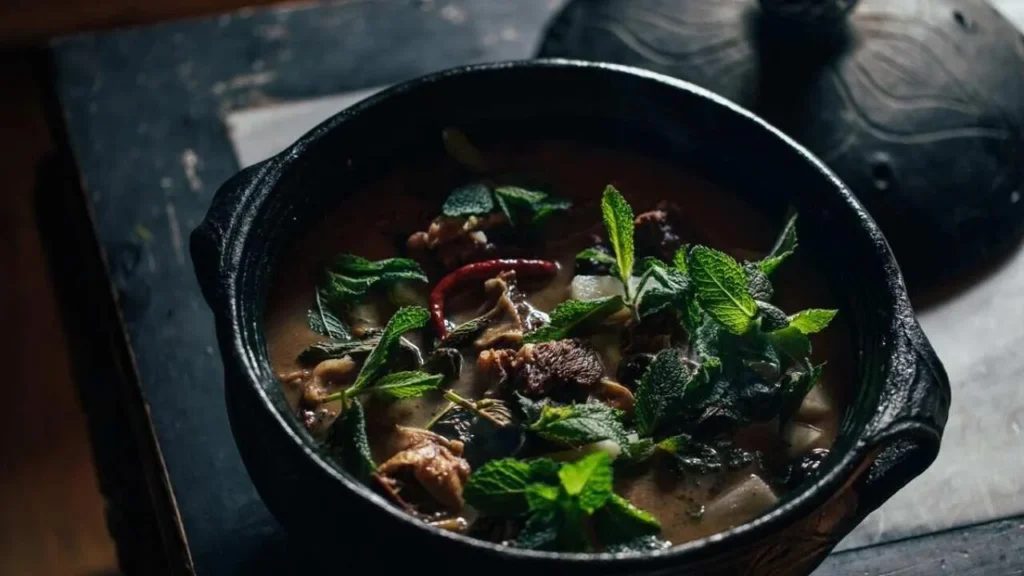
| What is it? | Yak Meat Curry is a local delicacy served in selected restaurants. The meat is slow-cooked with Himalayan spices until tender. |
| Ingredients | Yak meat, onion, garlic, ginger, local spices |
| Taste | Rich, smoky, and slightly gamey. |
| Where to Try | Selected restaurants in Kaza. |
| Approx. Price | ₹350 – ₹650 |
| Best Time | Dinner. |
| Travel Tip | Availability depends on the season, so ask before ordering. |
10. Local Barley Bread
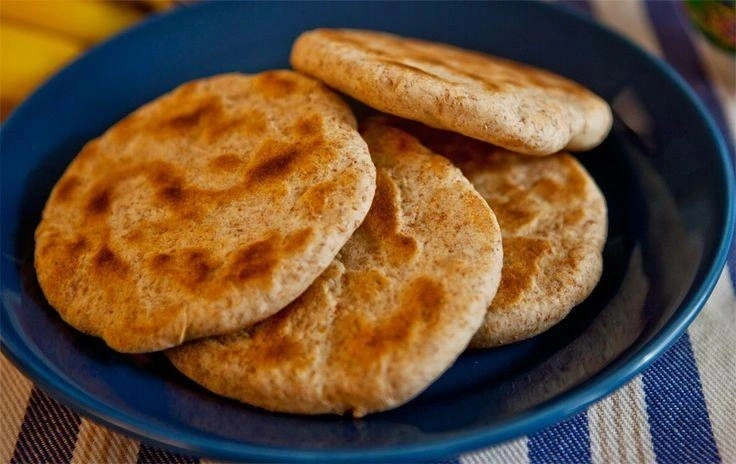
| What is it? | Barley bread is a healthy local bread made from freshly milled barley flour. It is often served with butter, jam, or vegetable curry. |
| Ingredients | Barley flour, water, salt |
| Taste | Soft with a mild nutty flavor. |
| Where to Try | Village cafés and homestays. |
| Approx. Price | ₹80 – ₹150 |
| Best Time | Breakfast. |
| Travel Tip | Enjoy it with homemade apricot jam for a delicious local breakfast. |
Best Cafés in Spiti Valley
| Café | Location | Famous For | Veg/Non-Veg | Avg Cost | Must Try |
| Sol Café | Kaza | Organic meals | Veg | ₹300–500 | Pizza & Coffee |
| The Himalayan Café | Kaza | Tibetan cuisine | Both | ₹250–450 | Thukpa |
| Café Kunzum Top | Kaza | Bakery & Coffee | Veg | ₹250–400 | Brownies |
| Tara Traveller’s Café | Kaza | Breakfast | Veg | ₹200–400 | Pancakes |
| Yak Café | Kaza Market | Local meals | Both | ₹200–350 | Momos |
Best Dhabas in Spiti Valley
Roadside dhabas are an important part of every Spiti road trip. They serve freshly prepared meals, hot tea, and simple local dishes that are perfect after long hours of driving through the mountains.
| Location | What’s Available |
| Kaza | Several family-run dhabas serve Rajma Chawal, Thukpa, Momos, and fresh parathas. |
| Tabo | Known for homemade Tibetan food and simple vegetarian meals. |
| Dhankar | Small eateries offering Maggi, tea, momos, and basic thalis. |
| Losar | A popular stop before entering or leaving Spiti. Fresh aloo parathas, noodles, and tea are traveler favorites. |
| Nako | Dhabas around Nako Lake serve traditional Tibetan dishes along with North Indian meals. |
| Pin Valley Route | Small local cafés offer freshly cooked rice, dal, momos, and seasonal vegetables. |
Best Places to Eat in Kaza
| Restaurant | Specialty | Budget | Atmosphere | Recommended Dish |
| Sol Café | Continental & Local | ₹300–600 | Modern | Pizza |
| Himalayan Café | Tibetan | ₹250–500 | Cozy | Thukpa |
| Taste of Spiti | Local Cuisine | ₹200–400 | Traditional | Skyu |
| Tara Traveller’s Café | Breakfast | ₹250–450 | Relaxed | Pancakes |
| Yak Café | Local Food | ₹200–350 | Casual | Vegetable Momos |
Best Drinks to Try
Apart from delicious food, Spiti Valley offers a variety of traditional beverages that help keep travelers warm and refreshed.
• Butter Tea – A salty tea made with yak butter and milk.
• Herbal Tea – Prepared with locally grown mountain herbs.
• Sea Buckthorn Juice – A tangy drink packed with antioxidants and Vitamin C.
• Apricot Juice – Made from fresh Himalayan apricots during summer.
• Local Coffee – Served in cafés around Kaza.
• Hot Chocolate – Perfect after a cold evening walk.
Vegetarian Food in Spiti Valley
Vegetarian travelers will have no trouble finding good food in Spiti Valley. Most cafés and restaurants serve fresh vegetable dishes, soups, noodles, rice meals, and Tibetan specialties.
Jain-Friendly Options
Jain food is not commonly available, but many restaurants can prepare simple meals without onion and garlic if requested in advance. It is always best to inform the staff before placing your order.
Vegan Choices
Many cafés offer vegan-friendly dishes, including vegetable soups, steamed momos, noodles, salads, and herbal teas.
Budget for Food in Spiti Valley
| Traveler Type | Average Daily Food Budget |
| Backpacker | ₹600 – ₹900 |
| Bike Rider | ₹800 – ₹1,200 |
| Family | ₹1,500 – ₹2,500 |
| Luxury Traveler | ₹2,500 – ₹4,000 |
Food Safety Tips
• Drink boiled or filtered water instead of untreated water.
• Eat freshly cooked meals whenever possible.
• Carry dry snacks for long road journeys.
• Stay hydrated throughout the trip.
• Avoid heavy meals on your first day at high altitude.
• Eat slowly and allow your body time to adjust to the climate.
Best Time to Enjoy Local Food
Summer (May–June)
Fresh vegetables, local fruits, and café menus are at their best.
Monsoon (July–August)
Although rainfall is limited in Spiti, some ingredients may be less readily available due to road conditions.
Autumn (September–October)
One of the best seasons to enjoy local dishes with pleasant weather and fewer crowds.
Winter (November–March)
Most cafés close for the season, but homestays continue serving traditional comfort food such as Thukpa, Skyu, and Butter Tea.
What Food Should You Carry?
• Dry fruits
• Energy bars
• Instant noodles
• Chocolates
• ORS sachets
• Tea bags
• Ready-to-eat meals
• Protein bars
• Biscuits
These are especially useful while traveling between remote villages where restaurants may be limited.
Nearby Attractions to Combine with Your Food Trail
After enjoying Spiti’s local cuisine, explore these nearby attractions:
• Kaza Market
• Hikkim
• Komic
• Pin Valley National Park
• Dhankar Monastery
These destinations are easily combined with a food trail through the valley.
Why Choose TripGuruGo for Your Spiti Adventure
Planning a trip to Spiti becomes easier with TripGuruGo. From well-planned itineraries and comfortable stays to local sightseeing and experienced trip leaders, everything is designed to help you experience the valley without worrying about logistics. Whether you want to explore monasteries, enjoy authentic local food, or discover hidden villages, TripGuruGo offers hassle-free travel experiences for every type of traveler.
Conclusion
The food in Spiti Valley is much more than a collection of local recipesit’s a reflection of the region’s culture, climate, and way of life. Every bowl of Thukpa, every cup of Butter Tea, and every homemade loaf of barley bread tells a story of living in one of India’s most remote Himalayan landscapes.
While Kaza offers the widest variety of cafés and restaurants, don’t miss the opportunity to eat at village homestays and roadside dhabas. These simple meals often become the most memorable part of the journey. Whether you’re a backpacker, road trip enthusiast, or family traveler, exploring Spiti’s local cuisine will add a whole new dimension to your adventure.
Frequently Asked Questions
1. What is the most famous food in Spiti Valley?
Thukpa, Momos, Butter Tea, Skyu, and Tsampa are among the most popular traditional dishes.
2. Is vegetarian food easily available in Spiti Valley?
Yes. Most restaurants serve a wide range of vegetarian meals.
3. Which is the best café in Kaza?
Sol Café and The Himalayan Café are among the most popular choices.
4. Can I get Jain food in Spiti Valley?
Limited Jain-friendly meals can be prepared at some restaurants if requested in advance.
5. Is alcohol available in Spiti Valley?
Yes, alcohol is available in selected restaurants and licensed shops, but it is best consumed in moderation due to the high altitude.
6. What is Butter Tea?
Butter Tea is a traditional Himalayan drink made using tea leaves, yak butter, milk, and salt.
7. What is the average food cost in Spiti Valley?
A meal generally costs between ₹150 and ₹500, depending on the restaurant.
8. Are restaurants open throughout the year?
Most cafés operate from May to October, while a few local restaurants remain open during winter.
9. Is local food spicy?
No. Traditional Spitian food is generally mild and lightly seasoned.
10. Which dish should first-time visitors try?
Start with Thukpa, Vegetable Momos, and Butter Tea for an authentic introduction to Spiti’s cuisine.

Abdullah Khan specializes in adventure travel across Spiti Valley and the high-altitude regions of Himachal Pradesh. He writes about road trips, bike expeditions, hidden villages, monasteries, and offbeat Himalayan experiences. His guides focus on route planning, acclimatization, travel safety, and the best experiences across Spiti Valley.