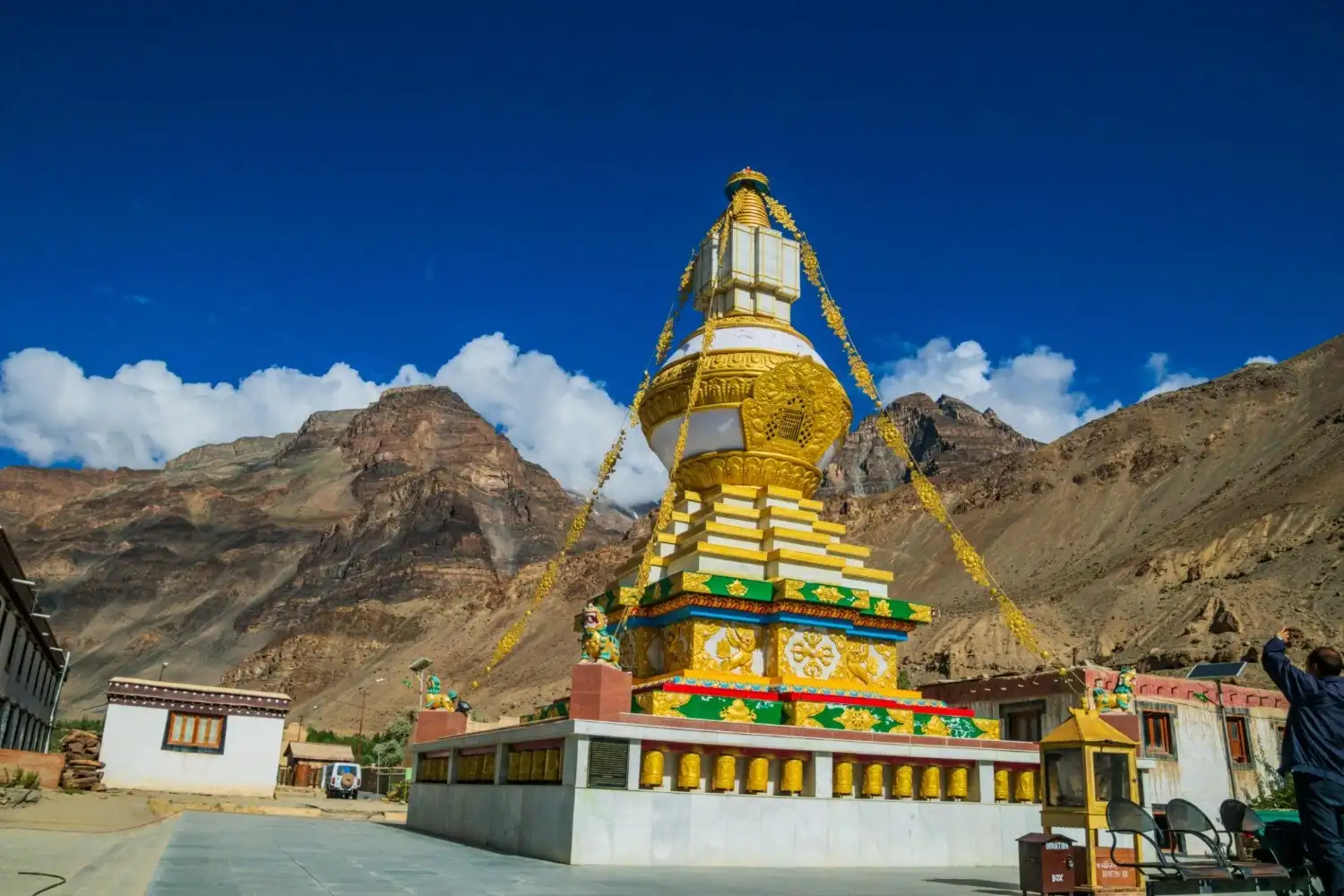
There are many monasteries in the Himalayas, but very few leave the kind of impression that Tabo Monastery does. Travelers often arrive expecting another quick sightseeing stop on the Complete Guide to Spiti Valley Travel route and end up spending hours wandering through ancient prayer halls, mud-walled structures, meditation caves, and quiet courtyards.
Located in the village of Tabo at an altitude of around 3,280 meters (10,760 ft), Tabo Monastery is one of the oldest continuously functioning Buddhist monasteries in India. Founded in 996 AD, it has survived invasions, harsh winters, earthquakes, and centuries of change while remaining an active center of Buddhist learning.
Unlike the dramatic cliffside setting of places like Key Monastery, Tabo feels grounded and peaceful. The experience is less about panoramic views and more about history, spirituality, art, and the feeling of stepping into a thousand-year-old living heritage site.For travelers exploring places to visit in Spiti Valley, Tabo is often one of the most memorable stops between Dhankar and Nako.
Why Visit Tabo Monastery
Most visitors come for three reasons:
1. Ancient Buddhist Art Inside the monastery complex are centuries-old murals, sculptures, prayer halls, and frescoes that have earned Tabo the nickname “Ajanta of the Himalayas.” Many travelers say the artwork feels surprisingly well-preserved considering its age. The dimly lit interiors create an atmosphere that photographs cannot fully capture.
2. Unlike crowded tourist attractions, Tabo remains a working monastery. Monks continue their studies, prayers, and daily routines here. Visitors often mention the silence as one of the most powerful parts of the experience.
3. Rich History Tabo has been active for more than 1,000 years. Standing inside its ancient assembly halls gives travelers a rare chance to experience a place that has remained culturally significant for an entire millennium.
Spiti Valley Batches to Explore Tabo Monastery
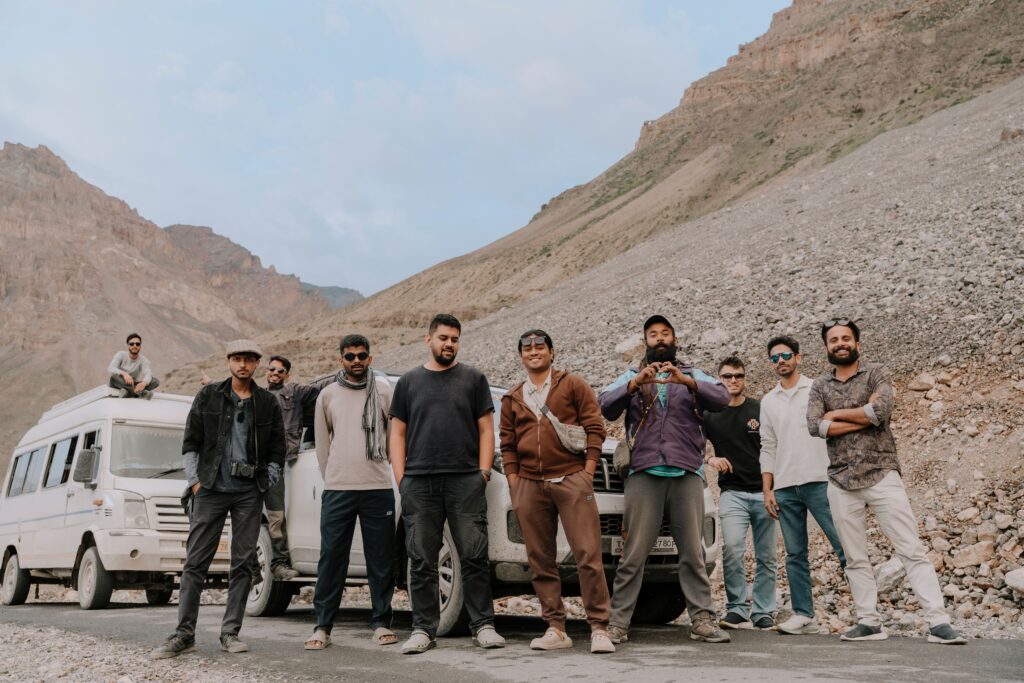 Group Trip
26 September
Group Trip
26 September
Spiti Valley Short Circuit Trip
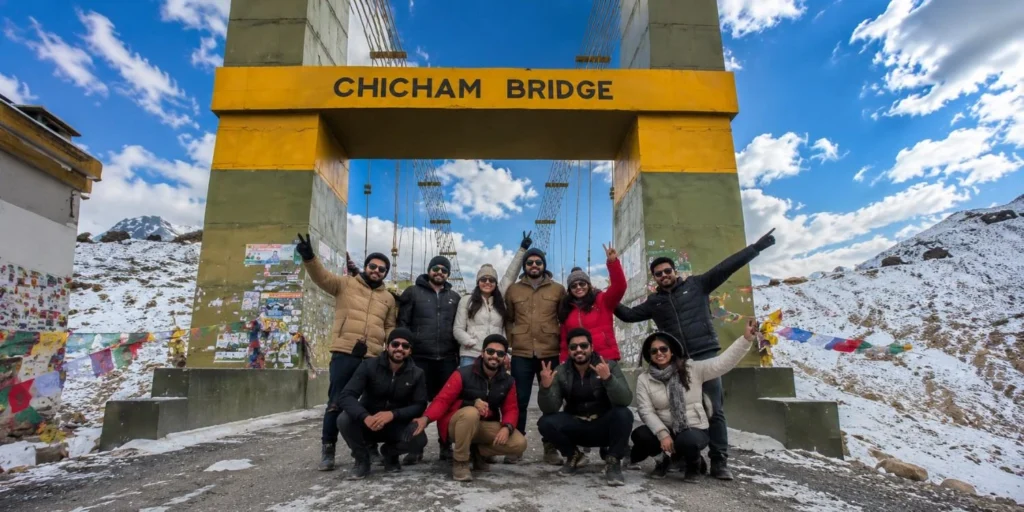 Group Trip
26 September
Group Trip
26 September
Spiti Valley Full Circuit Trip
How to Reach Tabo Monastery
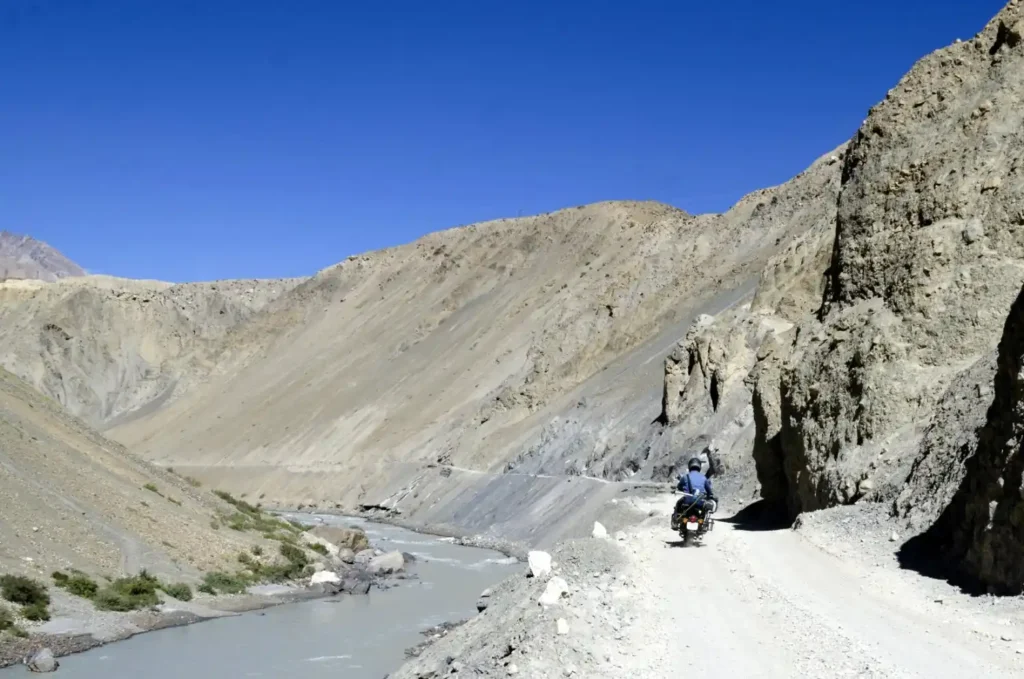
From Kaza Distance: Approximately 48 km | Travel Time: 1.5–2 hours The road follows the Spiti River and is generally in decent condition during the tourist season.
From Dhankar Distance: Around 34 km | Travel Time: About 1 hour Many travelers visit Dhankar Monastery in the morning and reach Tabo by afternoon.
From Nako Distance: Around 65 km | Travel Time: 2–3 hours This route passes through dramatic mountain landscapes and several small villages.
Nearest Major Access Points
- Shimla to Tabo: Around 365 km
- Manali to Tabo: Around 200 km
- Chandigarh to Tabo: Around 500 km+
Most travelers either drive their own vehicle, rent bikes from Manali, hire a taxi, or join a Spiti group departure. For first-time visitors uncomfortable driving mountain roads, organized departures through Trip Guru Go can simplify transportation, accommodation coordination, and local logistics while allowing travelers to experience Spiti with a group.
Route Experience
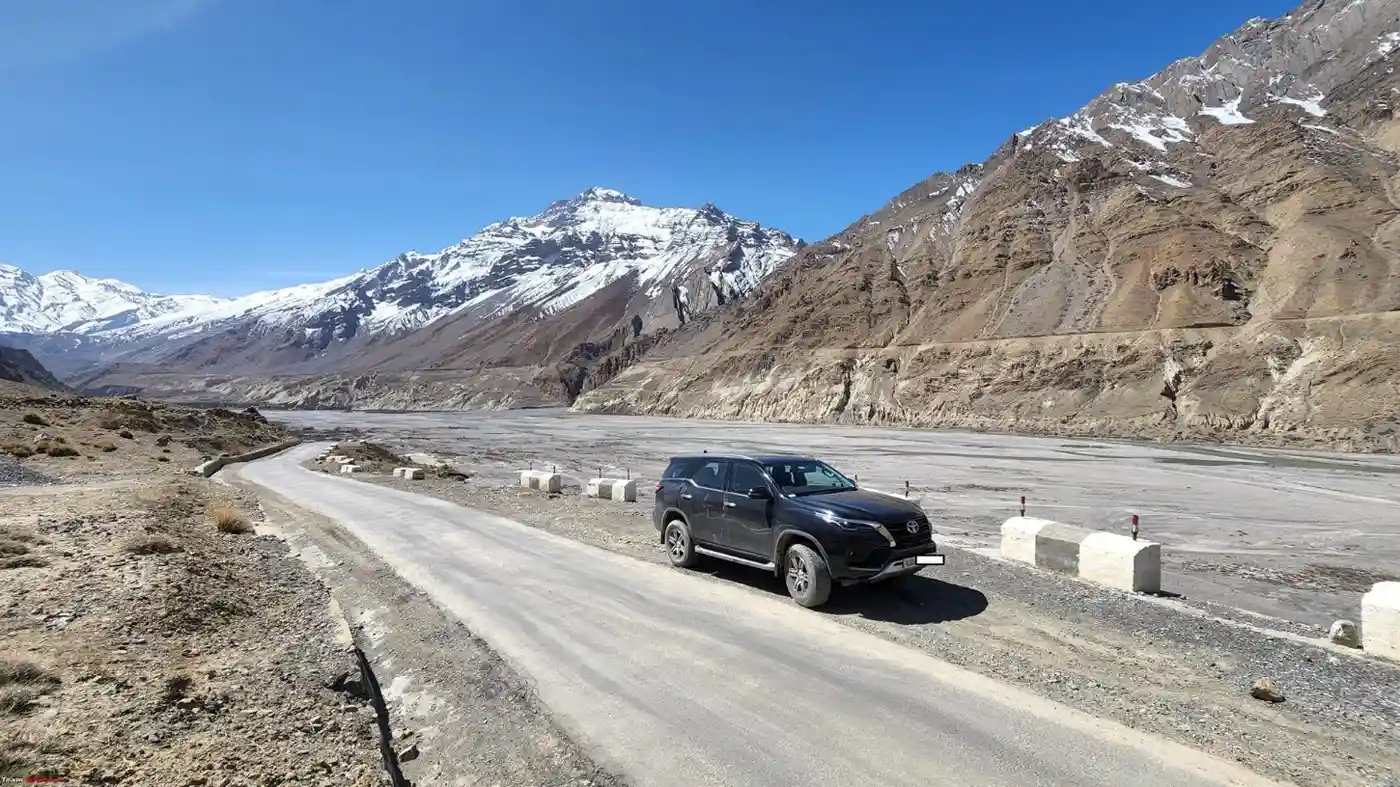
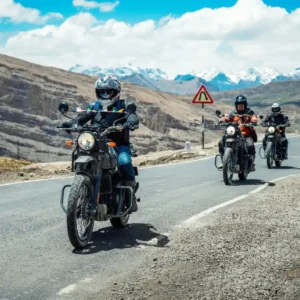
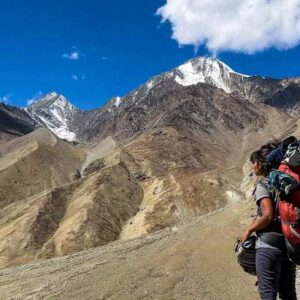
The drive to Tabo is part of the attraction. Travelers frequently describe massive barren mountains, deep river valleys, tiny villages appearing unexpectedly, long stretches without major settlements, and constant changes in landscape color throughout the day.
The route between Dhankar and Tabo is particularly memorable because the scenery shifts from dramatic cliffs to wider valley sections. Sunrise and sunset often transform the mountains into shades of gold, orange, and pink.
Best Places to Visit Around Tabo
1. Tabo Monastery Complex The main attraction includes assembly halls, ancient temples, prayer rooms, courtyards, and monastic residences. Allow at least 2–3 hours.
2. Tabo Meditation Caves Located on the hillside above the monastery. A short uphill walk leads to caves where monks are believed to have meditated for centuries. Great for panoramic village views, peaceful atmosphere, fewer tourists, and photography.
3. Dhankar Monastery Distance: Approximately 34 km. One of Spiti’s most dramatic monastery locations, perched high above the valley. Read our complete guide to Dhankar Monastery before you visit.
4. Dhankar Lake A rewarding hike for travelers wanting a mix of culture and adventure. The lake offers beautiful reflections of surrounding mountains during calm weather.
5. Pin Valley National Park Known for snow leopard habitat, traditional villages, distinct cultural identity, and scenic landscapes one of the most exciting places to visit in Spiti Valley.
6. Gue Village and Mummy One of the most unusual attractions in the region. Visitors can see the naturally preserved mummy of a Buddhist monk believed to be several centuries old.
7. Nako Village A charming Himalayan settlement featuring traditional houses, a small lake, a monastery, and mountain views.
Real Traveler Experiences
Many travelers arrive expecting a quick stop and end up staying longer than planned. A common observation is how different Tabo feels from other monasteries in Spiti. While Key Monastery impresses with its dramatic location, Tabo often leaves a deeper emotional impact because of its age and atmosphere.
Visitors frequently mention feeling transported into another era, appreciating the lack of crowds, enjoying conversations with monks, spending time quietly exploring courtyards, and being surprised by the quality of ancient artwork.
Several travelers who rushed through Tabo later regretted not staying overnight. Those who spent a night in the village often enjoyed early morning walks when the monastery surroundings were at their quietest.
Food Recommendations
Tabo has simple food options rather than luxury dining. Popular choices include:
- Thukpa — A warm noodle soup ideal for cold evenings
- Momos — Available in most local cafés and guesthouses
- Butter Tea — A traditional Himalayan drink worth trying at least once
- Tibetan Bread — Often served with jam, butter, or tea
- Dal, Rice, and Local Meals — Many guesthouses provide home-cooked meals that travelers frequently rate as better than restaurant food
Budget meal cost: ₹150–₹350 per person
Stay Recommendations
Budget Guesthouses — ₹600–₹1,500 per night Suitable for backpackers, solo travelers, and budget travelers.
Mid-Range Homestays — ₹1,500–₹3,500 per night Often include hot meals, mountain views, and local family interaction.
Monastery Guest Accommodation — Availability varies. Some travelers choose monastery-managed stays for a more immersive experience.
Budget Breakdown
| Traveler Type | Stay | Food | Transport | Daily Total |
| Budget | ₹800 | ₹400 | ₹600 | ₹1,800–₹2,500 |
| Mid-Range | ₹2,000 | ₹700 | ₹1,000 | ₹3,500–₹5,000 |
| Bike Trip | — | — | — | ₹18,000–₹35,000+ (total trip) |
Road Conditions and Travel Tips
Road Conditions
- Kaza–Tabo Road: Usually manageable during season, occasional rough patches
- Nako–Tabo Road: Narrow sections, potential landslide zones
Practical Tips
- Carry cash before entering remote areas
- Fuel stations are limited
- Download offline maps
- Start driving early
- Keep a power bank
- Carry warm layers even in summer
- Stay hydrated to reduce altitude-related discomfort
Photography Spots
- Tabo Meditation Caves — Best for sunrise, village views, and landscape shots
- Monastery Courtyard — Ideal for architecture photography and cultural storytelling
- Village Roads — Great for everyday life, traditional homes, and mountain backdrops
- Sunset Viewpoints — The surrounding hills create dramatic light during golden hour
Hidden Gems
Early Morning Monastery Walk — Many travelers miss this. The monastery before tourist arrivals feels completely different.
Village Exploration — Walk beyond the main road to discover traditional mud houses, small fields, prayer flags, and quiet corners rarely photographed.
Hills Above Tabo — Short hikes reveal expansive valley views that many visitors overlook.
Best Time to Visit
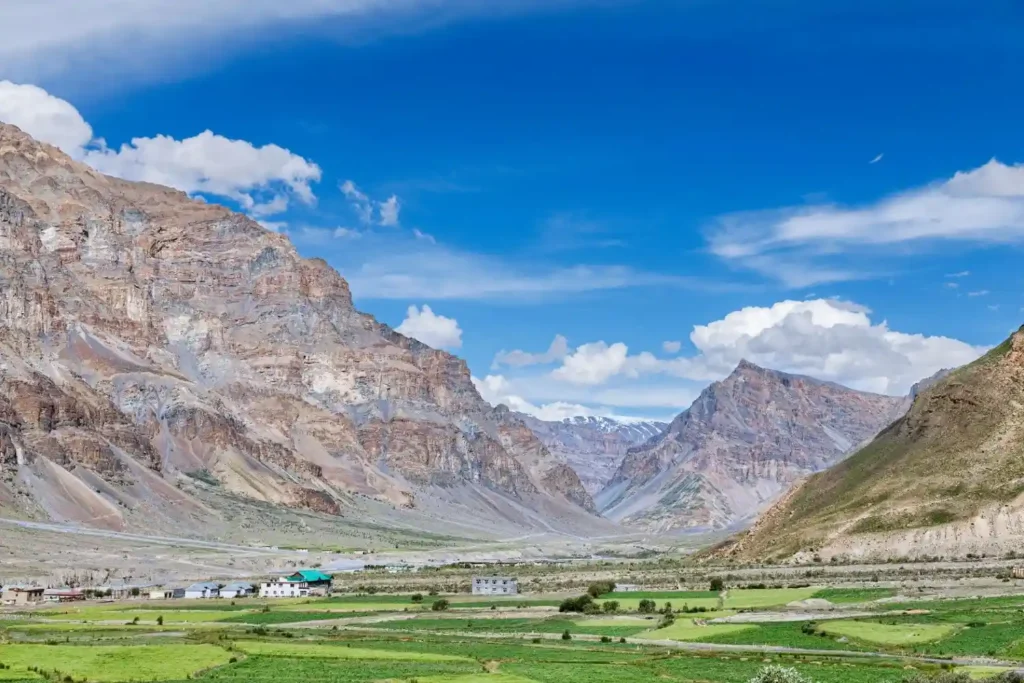
Wondering about the best time to visit Spiti Valley? Here’s a quick breakdown for Tabo specifically:
May to June — Pleasant weather, road trips, photography. Temperature: 5°C to 20°C.
July to August — Green patches appear in villages; comfortable travel conditions. Spiti in August for detailed conditions.
September to October — Often considered the best period. Clear skies, crisp mountain views, pleasant temperatures. Read our Spiti Valley in September guide for more.
November to April — Suitable only for experienced winter travelers. Expect extreme cold, limited services, and snowfall in surrounding regions.
Who Should Visit
Perfect For: History lovers, spiritual travelers, backpackers, solo travelers (including solo female travelers), photographers, culture enthusiasts, and road-trip explorers.
Less Suitable For: Travelers seeking luxury experiences, visitors wanting nightlife, or people with extremely tight schedules.
Common Mistakes to Avoid
Spending Too Little Time — Many visitors allocate only 30–45 minutes. Plan at least half a day.
Ignoring Altitude — Tabo sits above 3,000 meters. Take it easy if arriving directly from lower elevations.
Arriving Late — Most travelers agree the monastery feels best in the morning.
Not Carrying Cash — Digital payments can be unreliable.
Rushing Through Spiti — The valley rewards slower travel. Trying to cover everything in a few days often becomes exhausting. Use our Spiti Valley travel guide to plan a realistic pace.
Suggested Itinerary
Day 1 Arrive from Nako or Dhankar → Check into guesthouse → Explore Tabo village → Sunset walk
Day 2 Visit Tabo Monastery → Explore prayer halls → Walk to meditation caves → Lunch in local café → Continue toward Dhankar or Kaza
Frequently Asked Questions
1. How old is Tabo Monastery?
Tabo Monastery was established in 996 AD and is over 1,000 years old.
2. How much time is needed to visit Tabo Monastery?
Most travelers spend 2–4 hours exploring the monastery complex and nearby caves.
3. Is Tabo Monastery worth visiting?
Yes. It is one of the most historically significant Buddhist monasteries in the Himalayas and offers a very different experience from other monasteries in Spiti. See all places to visit in Spiti Valley to plan your full itinerary.
4. Is there an entry fee?
Fees may change over time. Carry some cash for entry and photography charges.
5. Can I stay overnight in Tabo?
Yes. Tabo has guesthouses, homestays, and accommodation options suitable for most budgets.
6. Is mobile network available in Tabo?
BSNL generally offers the best connectivity. Other networks may work intermittently.
7. Are ATMs available in Tabo?
ATM availability is limited and unreliable. Withdraw cash in larger towns before arriving.
8. Can families visit Tabo Monastery?
Yes. Families, couples, solo travelers, and senior travelers commonly include Tabo in their Spiti itinerary.
9. Is Tabo safe for solo travelers?
Yes. Tabo is considered one of the safer destinations in Spiti Valley. Solo travelers frequently stay here without issues. For women traveling alone, read our dedicated guide on solo female travel in Spiti Valley.
10. What is the altitude of Tabo?
Approximately 3,280 meters (10,760 ft).
11. Can I reach Tabo by public transport?
Yes. Himachal Pradesh buses and shared taxis connect Tabo with nearby towns, though schedules can be limited.
12. Is altitude sickness common in Tabo?
Some travelers experience mild symptoms. Acclimatization and hydration help reduce risk.
13. Which is better: Key Monastery or Tabo Monastery?
Key Monastery is known for dramatic mountain views, while Tabo Monastery is famous for ancient art, history, and spiritual significance. Most travelers recommend visiting both — plan your route with our Spiti Valley travel guide.
14. Is Tabo suitable for bike trips?
Absolutely. Tabo is one of the most popular stops on the Spiti motorcycle circuit. Check how to reach Spiti Valley from Delhi for route planning.
15. What is the best month to visit Tabo Monastery?
September is often considered one of the best months because of clear skies, comfortable temperatures, and excellent visibility across the valley.

Abdullah Khan specializes in adventure travel across Spiti Valley and the high-altitude regions of Himachal Pradesh. He writes about road trips, bike expeditions, hidden villages, monasteries, and offbeat Himalayan experiences. His guides focus on route planning, acclimatization, travel safety, and the best experiences across Spiti Valley.