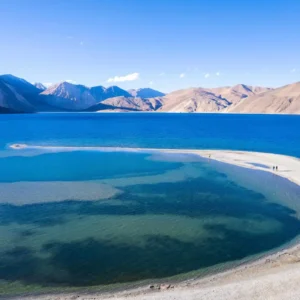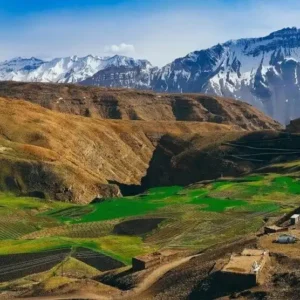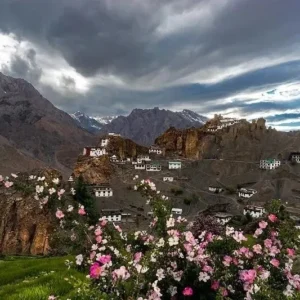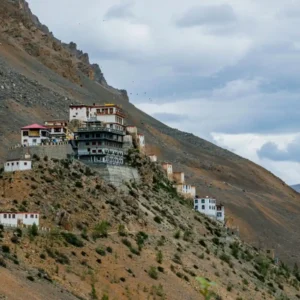
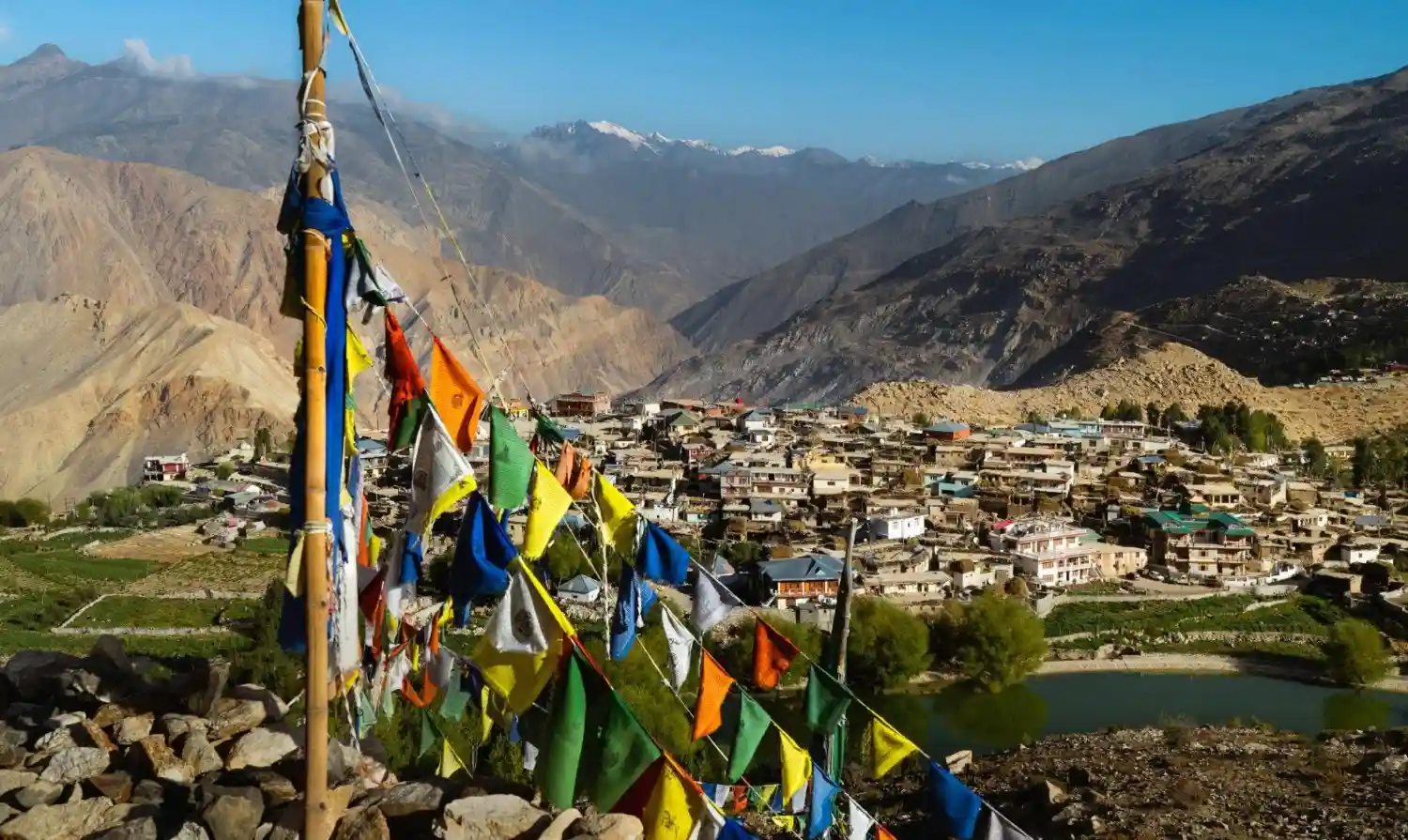
Spiti Valley is one of the most beautiful and peaceful places in India. Surrounded by high mountains, ancient monasteries, charming villages, and crystal-clear lakes, it offers a travel experience unlike anywhere else. Life moves slowly here, making it the perfect destination for anyone looking to escape the noise of city life.
Whether you’re planning a road trip with friends, a solo adventure, or a family vacation, Spiti has something special for everyone. From the famous Key Monastery and Chandratal Lake to remote villages like Langza and Komic, every stop has its own unique charm. In this guide, you’ll discover the best places to visit in Spiti Valley, along with useful travel tips, the best time to visit, and everything you need to plan an unforgettable journey.
Quick Overview: Spiti Valley at a Glance
| Category | Details |
| Location | Lahaul and Spiti district, Himachal Pradesh |
| Famous For | Ancient monasteries, high-altitude lakes, cold desert landscape, snow leopard |
| Best Time to Visit | June to September (summer); December to February (winter, advanced travellers) |
| Ideal Trip Duration | 8 to 12 days |
| Nearest Airport | Bhuntar (Kullu) for Manali route; Chandigarh for Shimla-Kinnaur route |
| Average Altitude | 3,800 metres |
| Best For | Solo travellers, photographers, trekkers, bikers, Buddhist culture enthusiasts |
Best Time to Visit Spiti Valley
Spiti Valley is accessible through two very different routes and each route has its own seasonal window. The best time depends entirely on what type of experience you are looking for.
| Season | Months | What to Expect |
| Summer | June to September | Best season for most travellers. Kunzum Pass and Rohtang Pass are open. All major attractions are accessible. Day temperatures 15–22°C, nights drop to 5–8°C |
| Autumn | October to November | Crisp air, clear mountain views, fewer tourists. Kunzum Pass closes around late October. Shimla-Kinnaur route stays open longer |
| Winter | December to March | The valley is cut off from the Manali route. Entry via Shimla-Kinnaur only. Temperatures drop to -20°C. Best for snow leopard sightings near Kibber. For experienced Himalayan travellers only |
| Spring | April to May | Snow starts melting. Roads slowly reopen. Unpredictable weather. Tabo and Kaza are accessible. Manali route usually still closed in April |
Our Upcoming Spiti Trips
 Group Trip
19 September
Group Trip
19 September
Spiti Valley Short Circuit Trip
 Group Trip
19 September
Group Trip
19 September
Spiti Valley Full Circuit Trip
Places to Visit in Spiti Valley
Spiti Valley has places that suit every kind of traveller from first-timers who want the monasteries and lakes to serious adventurers chasing snow leopards and fossil beds. The places below cover the full range.
1. Kaza
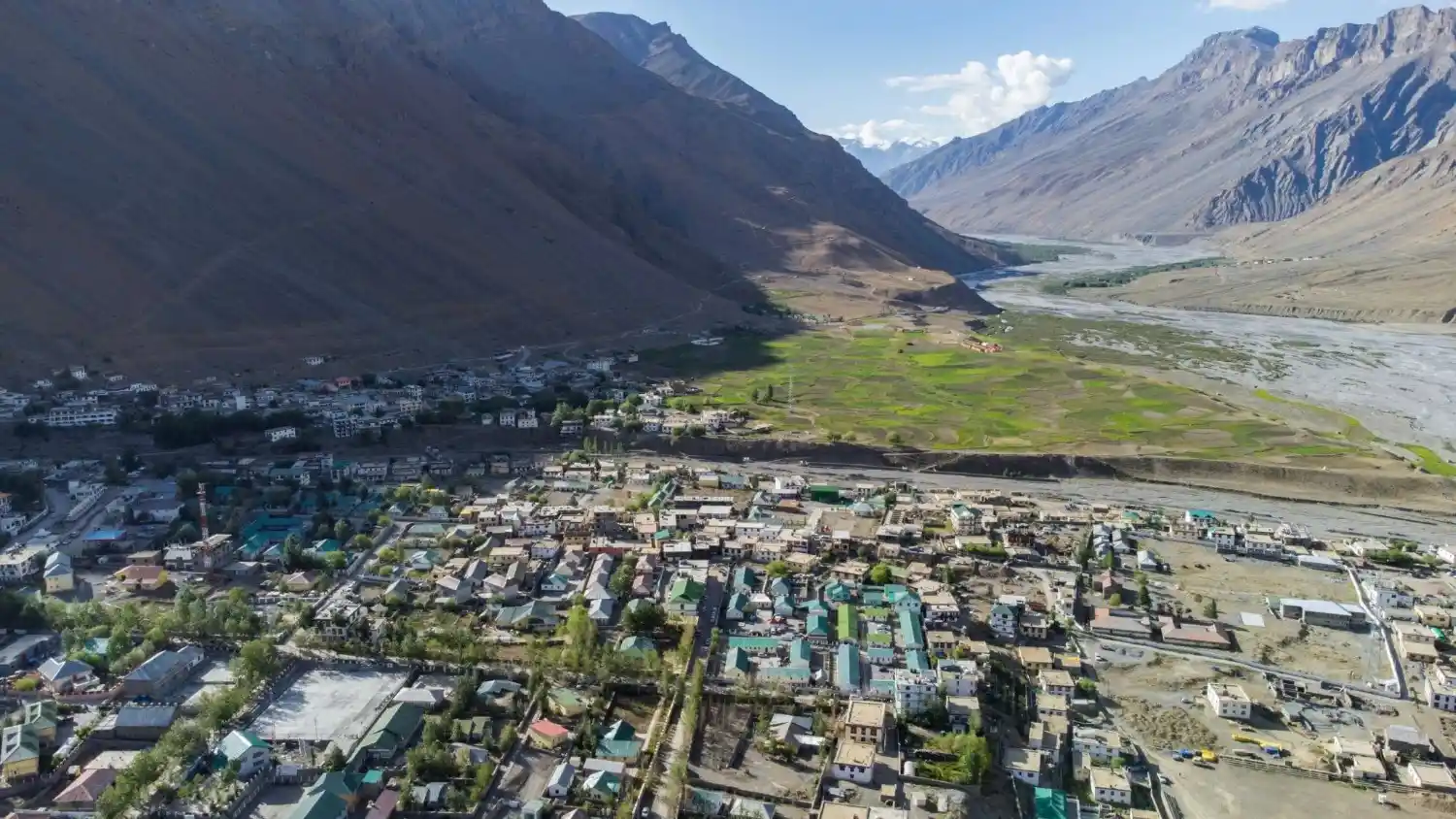
Kaza is the administrative centre of Spiti and the one place in the entire valley that has proper amenities. At 3,800 metres, it is the hub from which most travellers explore the surrounding villages and attractions. The town is split into two sections Old Kaza, with its stone houses, narrow lanes, prayer flags, and small monastery, and New Kaza, where you will find ATMs, petrol pumps, cafes, and guesthouses.
Most people arrive in Kaza after a long drive and spend their first day here doing nothing except adjusting to the altitude. That is not laziness, it is good sense. The Sakya Tangyud Monastery sits above the town and can be visited in an hour. The cafes in Kaza serve everything from momos to wood-fired pizza, which feels like a genuine surprise after several days on mountain roads.
| Detail | Information |
| Location | Spiti Valley, Lahaul and Spiti district |
| Altitude | 3,800 metres |
| Distance from Manali | 202 km |
| Distance from Shimla | 412 km |
| Entry Fee | Free |
| ATM | Available (SBI and PNB; withdraw extra cash here) |
| Best Time to Visit | June to October |
| Temperature Range | -18°C to 22°C |
| How to Reach | Road from Manali via Rohtang and Kunzum passes (seasonal); road from Shimla via Kinnaur (year-round) |
| Best For | All travellers; base camp for Spiti exploration |
Travel Tip: Spend at least one full rest day in Kaza before heading to higher-altitude villages. Acclimatisation here makes a significant difference to how you feel at Komic and Langza.
Safety Tip: Do not skip the rest day even if you feel fine on arrival. Altitude sickness symptoms often appear on the second day, not the first.
2. Key Monastery (Kee Gompa)
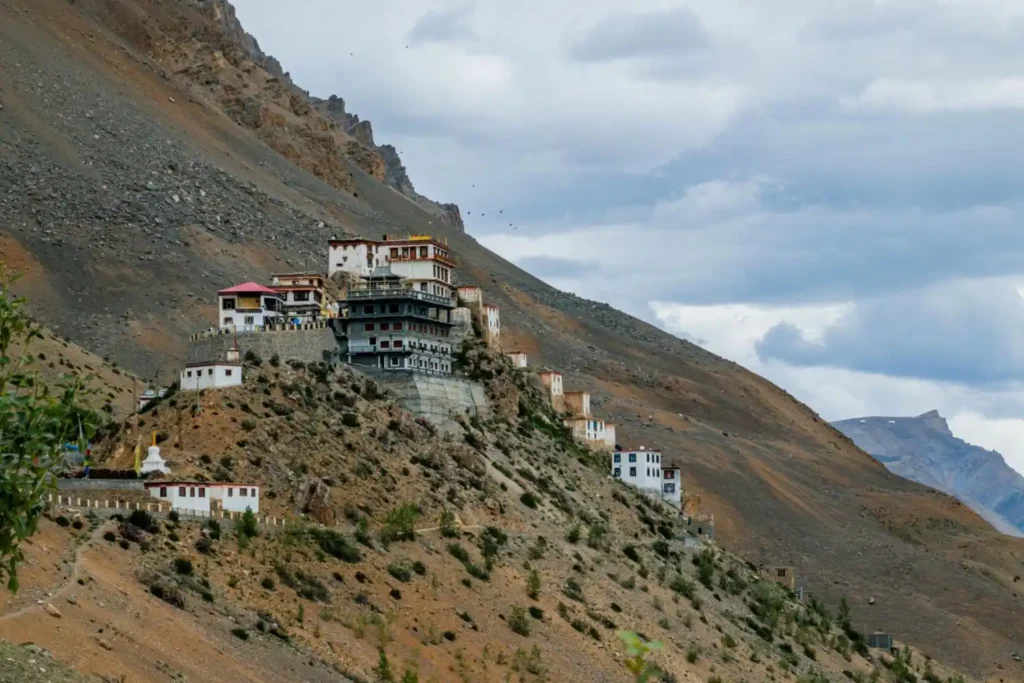
Key Monastery is 12 kilometres from Kaza and sits at 4,166 metres on a conical rocky hillock above the Spiti River. It is the largest monastery in the valley and one of the most important Tibetan Buddhist institutions in all of Himachal Pradesh. The current structure has been rebuilt multiple times over its history; it survived raids by Mongol and Sikh armies in earlier centuries and a significant earthquake in 1975.
Today it is home to around 300 monks and functions as both a religious centre and a school of Buddhist studies. Inside, the prayer halls have centuries-old thangka paintings, bronze statues, and manuscript collections. The Kee Festival, held in June or July, involves ceremonial Cham dance performances open to visitors. If you want to plan the perfect timing for your visit, our Spiti Valley in July guide covers what to expect during peak festival season.
| Detail | Information |
| Location | 12 km from Kaza, above the Spiti River |
| Altitude | 4,166 metres |
| Entry Fee | Free (donation box inside) |
| Timings | 6:00 AM to 6:00 PM |
| Best Time to Visit | June to September; festival visits in June-July |
| Temperature Range | -20°C to 18°C |
| How to Reach | Shared jeep or hired vehicle from Kaza |
| Best For | All travellers; especially cultural enthusiasts and photographers |
Travel Tip: Arrive before 8 AM for the morning prayer session. The monks’ chanting in the low-lit prayer hall, with butter lamps burning and incense in the air, is one of the most memorable experiences in Spiti.
Safety Tip: Remove shoes before entering any prayer hall. Ask permission before photographing monks, murals, or religious objects inside.
3. Chandratal Lake
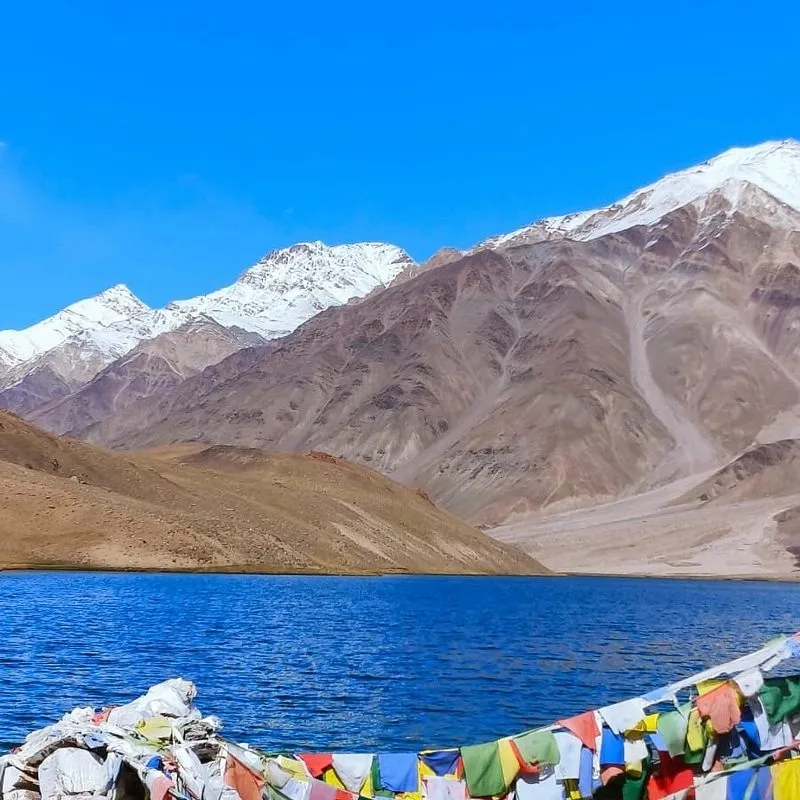
Chandratal, which translates to “Moon Lake,” is a crescent-shaped glacial lake at 4,300 metres, roughly 70 kilometres from Kaza near the Kunzum Pass. The water colour shifts between turquoise and deep blue depending on cloud cover and time of day. The lake is a Ramsar-designated wetland, which means it has international conservation status. Motorised vehicles cannot go all the way to the lake; the last 3 kilometres must be walked on a flat, easy trail through open alpine meadow.
Camping near Chandratal is one of the most popular activities in the region. On clear nights, the absence of light pollution at this altitude makes the Milky Way visible to the naked eye and stargazing here is widely considered among the best in India. The lake is accessible only from late May or June through October, after which snowfall closes the access road.
| Detail | Information |
| Location | Near Kunzum Pass, 70 km from Kaza |
| Altitude | 4,300 metres |
| Trek Distance | 3 km from road to lake (flat trail) |
| Entry Fee | No direct entry fee; camping fee collected at site |
| Best Time to Visit | Late June to September |
| Temperature Range | -5°C to 15°C |
| How to Reach | Hired vehicle to road point near Batal; 3 km walk to lake |
| Best For | Trekkers, campers, stargazers, photographers |
Travel Tip: If camping at Chandratal, carry all your rubbish out. There are no waste disposal facilities and the lake ecosystem is fragile. Camping is only permitted in designated zones.
Safety Tip: Nights at Chandratal are genuinely cold even in July. Bring a sleeping bag rated to at least -10°C. Windproof clothing is essential; the open meadow has no shelter from wind.
4. Tabo Monastery
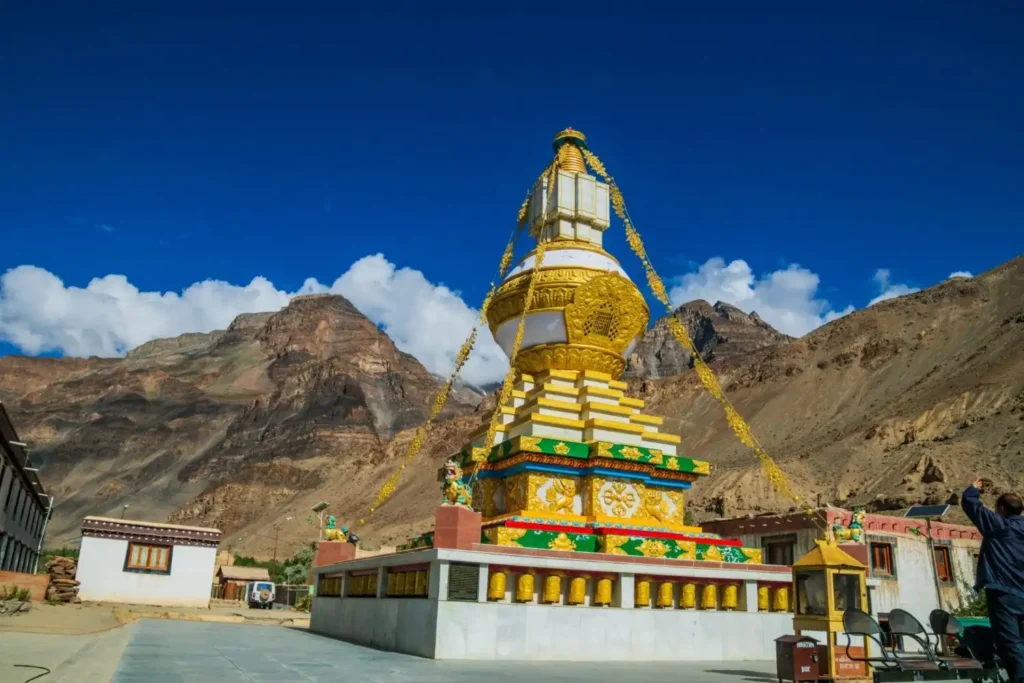
Tabo is 47 kilometres from Kaza along the Spiti River and the monastery here was founded in 996 CE making it one of the oldest continuously operating monasteries in the world. It was established by Lochen Rinchen Zangpo, the great Tibetan Buddhist translator, as part of a wave of monastery construction across the western Himalayas during the period of the Second Propagation of Buddhism in Tibet.
The main complex has nine temples and multiple stupas, all decorated with murals, stucco sculptures, and illuminated manuscripts that art historians describe as the finest surviving examples of 10th and 11th century Tibetan Buddhist art. The Dalai Lama has visited on several occasions and has reportedly expressed a wish to spend his retirement years in meditation here. Behind the monastery, ancient meditation caves carved into the soft hillside are open to visitors. These were once used for extended retreats lasting months or even years.
| Detail | Information |
| Location | Tabo village, 47 km from Kaza |
| Altitude | 3,050 metres |
| Entry Fee | ₹50 per person (photography fee extra) |
| Timings | 8:00 AM to 6:00 PM |
| Best Time to Visit | June to October; Tabo Festival (May-June, biennial) |
| Temperature Range | -15°C to 25°C |
| How to Reach | Road from Kaza (1 hour); shared buses available |
| Best For | History enthusiasts, Buddhist culture travellers, photographers, solo travellers |
Travel Tip: Budget two hours for Tabo Monastery. The main temples are small but the detail inside each is extraordinary. A monk or caretaker guide is available on-site and provides invaluable context.
Safety Tip: Photography inside the oldest temples may be restricted to protect the ancient frescoes from flash damage. Always confirm before taking photos inside.
5. Dhankar Monastery and Dhankar Lake
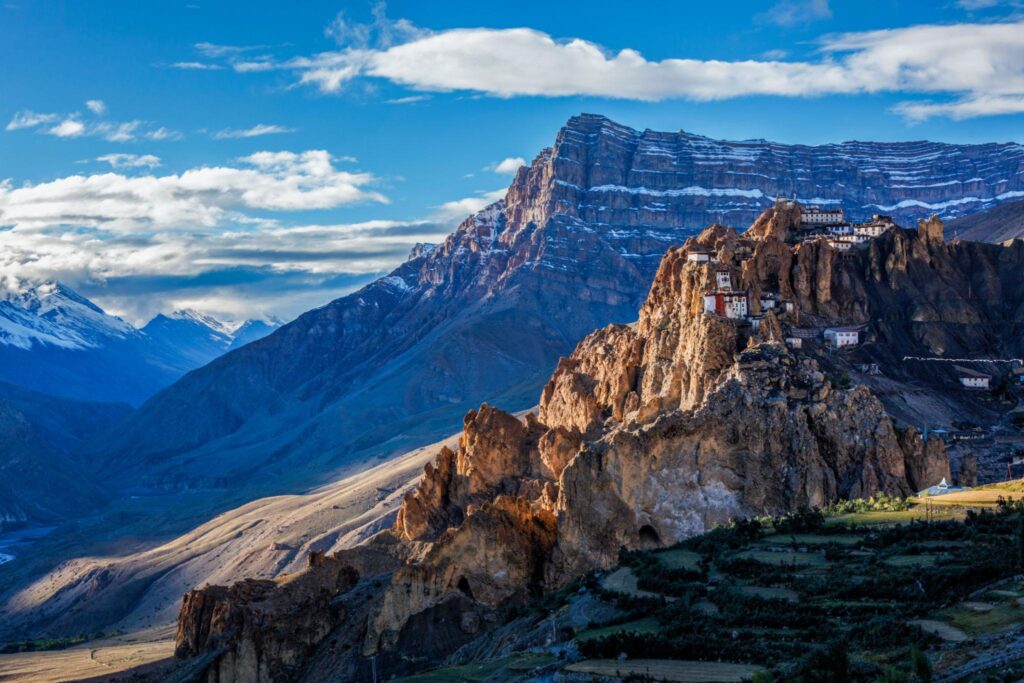
Dhankar Monastery and the lake above it offer two very different but equally worthwhile experiences within two hours of each other. The monastery sits at 3,894 metres on a sheer cliff edge above the confluence of the Spiti and Pin rivers. The World Monuments Fund has listed Dhankar Gompa among the hundred most endangered historic structures on the planet the cliff it sits on is slowly eroding. The fort-monastery was once the seat of the Nono, the king of Spiti, and dates back approximately a thousand years.
The entire structure blends so completely with the cliff face that from a distance it looks like a natural rock formation. A 45-minute trek above the monastery leads to Dhankar Lake, a glacial body of water sitting in a quiet bowl of ridges with nothing around it except mountains and wind. The combination of the monastery visit and the lake trek makes this one of the best half-day excursions in the entire valley.
| Detail | Information |
| Location | 32 km from Kaza, above Dhankar village |
| Altitude | 3,894 m (monastery); 4,100 m (lake) |
| Trek to Lake | 45 minutes from monastery (moderate trail) |
| Entry Fee | Free |
| Timings | Open all day |
| Best Time to Visit | May to October |
| Temperature Range | -15°C to 20°C |
| How to Reach | Hired vehicle from Kaza to Dhankar village; 20-minute uphill walk to monastery |
| Best For | Trekkers, history enthusiasts, photographers, couples |
Travel Tip: Start the Dhankar Lake trek before 10 AM. The trail has no shade and the afternoon sun at this altitude can be harsh. Carry at least 1.5 litres of water per person.
Safety Tip: The monastery path from the village is steep and uneven. Wear shoes with grip. The elderly and young children should take care of the loose stone sections.
6. Langza Village
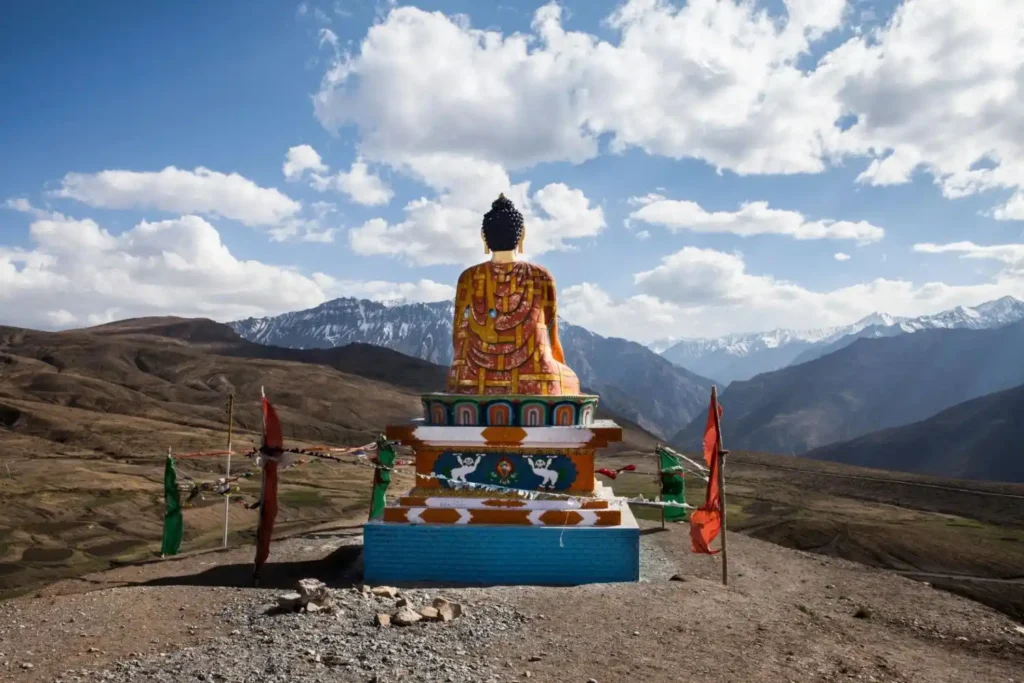
Langza sits at 4,400 metres with a giant golden Buddha statue visible from a distance as you approach. The Buddha looks out over the valley and the Pin Parvati range beyond, and the composition makes for one of the most photographed images in all of Spiti. But what makes Langza truly unusual is what lies beneath it. The entire landscape of this village was once the floor of the ancient Tethys Sea, which existed before the Himalayas rose.
As tectonic plates pushed the land skyward over 50 million years, marine fossils, ammonites, cephalopods, and sea creatures were preserved in the rock and soil. Today, local children collect and sell these fossils. Holding a marine fossil at 14,400 feet above sea level is one of those strange and memorable moments that Spiti consistently delivers. There is also a 500-year-old Buddhist monastery in the village that most visitors walk past too quickly.
| Detail | Information |
| Location | 15 km from Kaza |
| Altitude | 4,400 metres |
| Entry Fee | Free |
| Timings | Open all day |
| Best Time to Visit | June to October |
| Temperature Range | -20°C to 15°C |
| How to Reach | Hired vehicle or motorcycle from Kaza (30 minutes) |
| Best For | Photographers, families, nature lovers, solo travellers |
Travel Tip: Buy fossils from local village children directly rather than from tour operators in Kaza. The money goes straight to the family and the interaction is more genuine.
Safety Tip: Do not remove fossils from the natural landscape. Purchase only from sellers. Taking geological specimens from protected areas is illegal under Indian law.
7. Hikkim Village
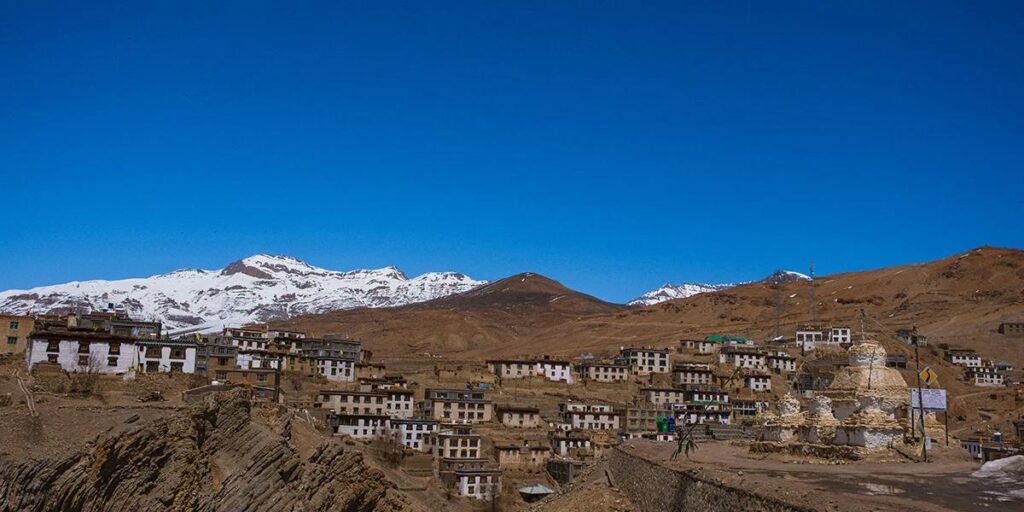
Hikkim is 5 kilometres from Langza at the same altitude of 4,400 metres and is famous specifically because of one small room: the world’s highest post office. The post office has been operating since 1983. The postmaster comes in daily, handles real mail, sells stamps, and sends letters to addresses across India and internationally. The post office has an official India Post cancellation stamp reading “World’s Highest Post Office, Hikkim” which goes on every letter and postcard sent from here.
Beyond the post office, the village is photogenic in the way that most Spiti villages are flat-roofed stone homes, terraced barley fields, prayer flags, and a wide open sky that feels bigger than anywhere else. A short walk through the village takes about 20 minutes. It is easy to combine Hikkim, Langza, and Komic into a single full day excursion from Kaza.
| Detail | Information |
| Location | 17 km from Kaza, 5 km from Langza |
| Altitude | 4,400 metres |
| Post Office Timings | 9:00 AM to 5:00 PM (Mon to Sat) |
| Entry Fee | Free |
| Best Time to Visit | June to October |
| Temperature Range | -22°C to 15°C |
| How to Reach | Hired vehicle or motorcycle from Kaza or Langza |
| Best For | All travellers; families, couples, solo travellers |
Travel Tip: Carry a postcard with the address already written. The postmaster is friendly but the post office is small and gets busy when tour groups arrive. Get there before 11 AM for a relaxed experience.
Safety Tip: The altitude at Hikkim is significant. If you are combining it with Langza and Komic on the same day, drink water consistently and take short rest stops between villages.
8. Komic Village
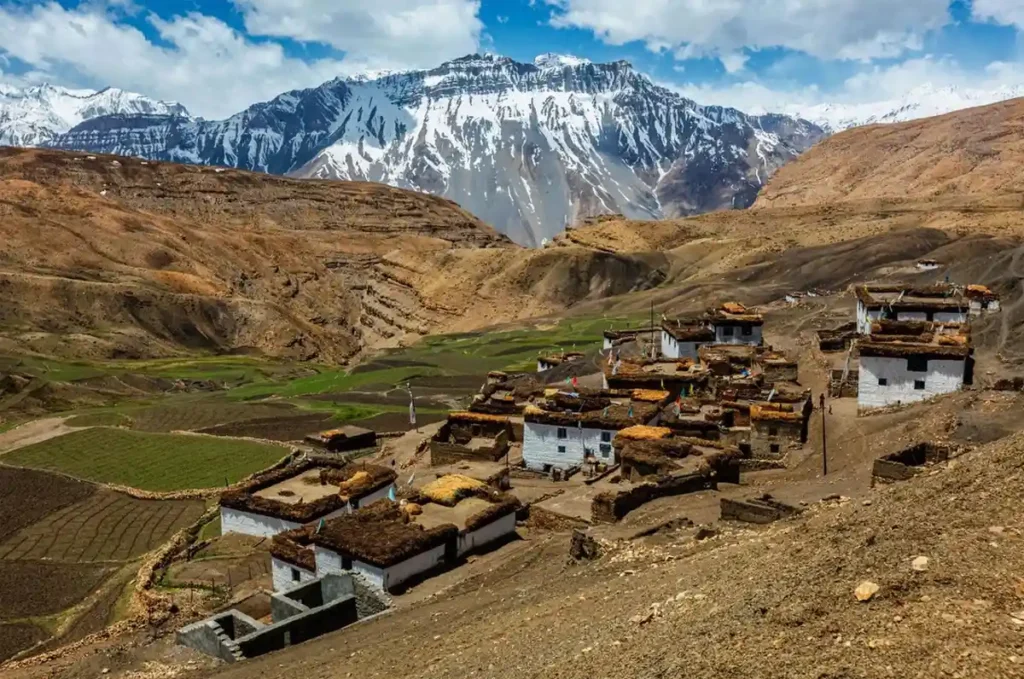
Komic is at 4,587 metres and is widely recognised as the highest motorable village in Asia. The road up from Hikkim spirals through hairpin bends until the landscape becomes almost bare rock, sky, and distant snow peaks. The Tangyud Monastery in Komic is believed to be around 700 years old and has a small community of resident monks. The monastery holds a collection of ancient religious texts and murals. From Komic, on a clear day, you can see peaks in Ladakh, Spiti, and the Kinnaur range simultaneously.
The village itself has about 20 households and a couple of simple homestays. The silence here is absolute. There is no traffic, no background noise, and no phone signal. Many travellers describe the experience of sitting outside at Komic as unlike anything they have felt anywhere else.
| Detail | Information |
| Location | 23 km from Kaza |
| Altitude | 4,587 metres |
| Entry Fee | Free |
| Timings | Village open all day; monastery timings vary |
| Best Time to Visit | June to September |
| Temperature Range | -25°C to 12°C |
| How to Reach | Hired vehicle from Kaza via Langza and Hikkim (1.5 hours total) |
| Best For | Adventure travellers, photographers, trekkers, solo explorers |
Travel Tip: Komic, Langza, and Hikkim form a natural triangle that can be done in a single day from Kaza. Hire a local jeep driver who knows the road; some sections are narrow with significant drops on one side.
Safety Tip: If you feel any headache, dizziness, or nausea while at Komic, descend to Kaza immediately without delay. At 4,587 metres, altitude sickness can develop quickly.
9. Kibber
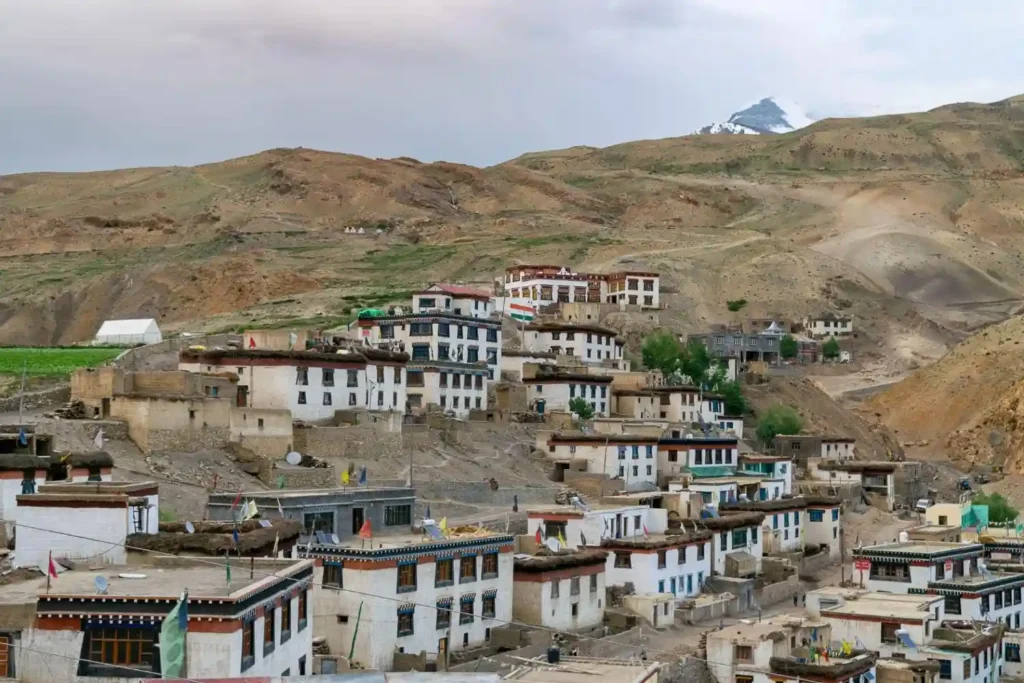
Kibber is at 4,205 metres, about 18 kilometres from Kaza, and is best known as the base for snow leopard watching expeditions. The village sits within the Kibber Wildlife Sanctuary, which also has Himalayan blue sheep, Tibetan wolf, red fox, and high-altitude bird species including the golden eagle and Himalayan griffon.
In winter, when snow pushes prey animals down from higher elevations, snow leopards follow and Kibber becomes one of the most reliable locations in India for sightings. Local naturalist guides organise multi-day wildlife watching treks from December through March. In summer, Kibber is the starting point for several excellent trekking routes. For those wondering about the best approach into the valley, our guide on how to reach Spiti Valley from Delhi covers both the Manali and Shimla-Kinnaur routes in detail.
| Detail | Information |
| Location | 18 km from Kaza |
| Altitude | 4,205 metres |
| Entry Fee | Free (sanctuary entry included) |
| Best Time for Snow Leopard | December to February |
| Best Time for Trekking | June to September |
| Temperature Range | -25°C to 18°C |
| How to Reach | Hired vehicle from Kaza (30 minutes) |
| Best For | Wildlife enthusiasts, trekkers, photographers, winter adventurers |
Travel Tip: Book a wildlife trek with a local Kibber guide rather than a Kaza-based operator. Local naturalists have better knowledge of movement patterns and the money stays in the village community.
Safety Tip: Snow leopard sightings are never guaranteed. These are wild animals in a large protected area. Do not approach any wildlife and keep a minimum distance of 100 metres at all times.
10. Pin Valley National Park and Mudh Village
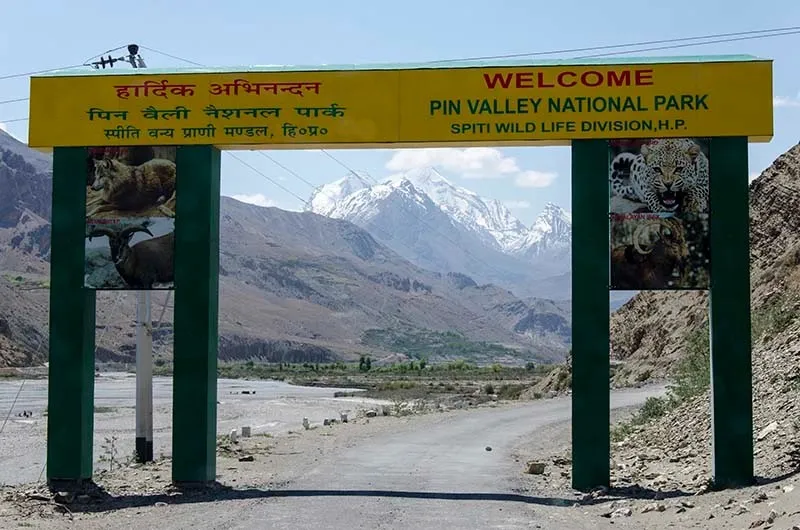
Pin Valley National Park sits on the other side of the Pin River from the main Spiti Valley, accessed from a turning point near Attargo village. The park covers 675 square kilometres and is designated as a biosphere reserve. It is one of the few places in India where you can see snow leopard, Himalayan brown bear, ibex, Tibetan gazelle, and the rare bar-headed goose in the same protected area.
The Pin River valley itself is visually striking, wide flat meadows flanked by jagged grey and brown ridges with snow peaks above. Mudh village, at the far end of the motorable road inside the park at 3,750 metres, is the last village in the valley. It has simple homestays and serves as the base for the Pin Parvati Pass trek, one of the most demanding high-altitude crossings in the Indian Himalayas. A permit is required to enter the national park.
| Detail | Information |
| Location | Pin River valley, 25 km from Kaza via Attargo |
| Altitude | 3,500–3,750 m (valley); up to 5,300 m (Pin-Parvati Pass) |
| Entry Fee | ₹200 per person (Indian nationals); permit required |
| Timings | 6:00 AM to 6:00 PM |
| Best Time to Visit | June to September |
| Temperature Range | -15°C to 20°C |
| How to Reach | Hired vehicle from Kaza to Mudh village (1.5 hours) |
| Best For | Wildlife enthusiasts, trekkers, nature lovers, photographers |
Travel Tip: The drive through Pin Valley to Mudh is itself one of the most photogenic routes in Spiti. Take the drive slowly and stop frequently. The scale of the landscape changes around every bend.
Safety Tip: The Pin-Parvati Pass trek is a Grade 4 technical route that requires prior experience, a guide, and proper equipment. Do not attempt it without preparation and a registered mountaineer guide.
11. Tashigang Village
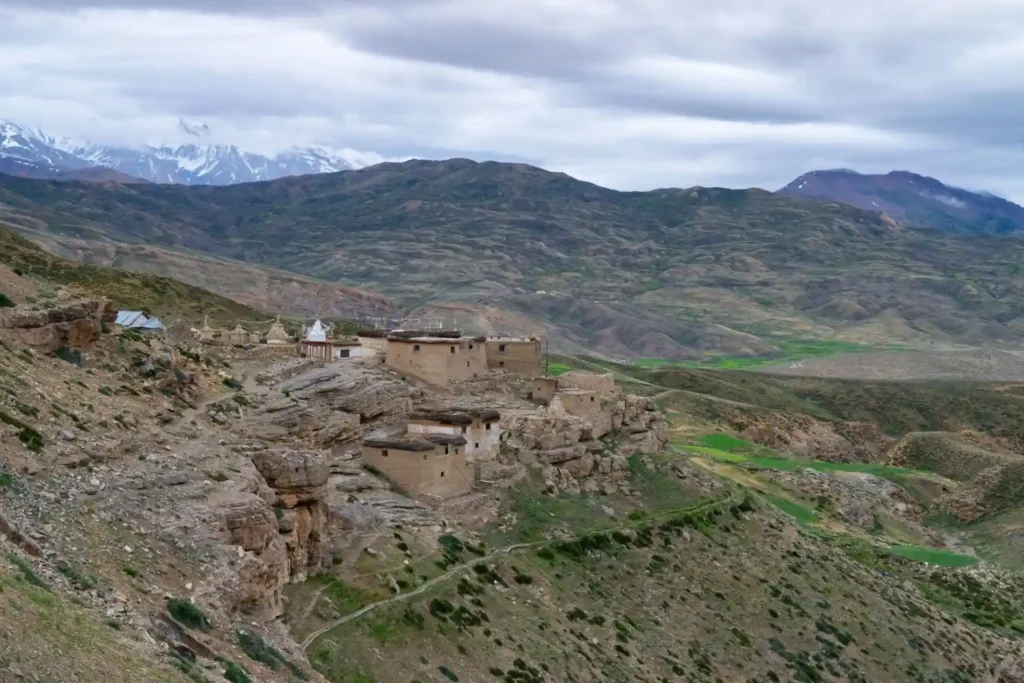
Tashigang is at 4,650 metres and holds the record for the world’s highest polling station, a distinction that earned it significant media attention during the 2022 Himachal Pradesh elections. The village has around 50 residents and sits above the tree line on a bare ridge with 360-degree mountain views. Traditional Tibetan-style homes, a small monastery, and a community deeply connected to its landscape make Tashigang a meaningful stop for anyone interested in how life works at extreme altitude.
The road to Tashigang is unpaved in sections and requires a capable vehicle. Most tourists in the Kaza area do not make it up here, which means the village retains a quality of everyday quiet life that more popular villages have started to lose.
| Detail | Information |
| Location | 22 km from Kaza (above Komic) |
| Altitude | 4,650 metres |
| Entry Fee | Free |
| Timings | Open all day |
| Best Time to Visit | June to September |
| Temperature Range | -28°C to 10°C |
| How to Reach | 4WD vehicle from Kaza; road is rough beyond Komic |
| Best For | Adventurous travellers, photographers, off-the-beaten-path explorers |
Travel Tip: Combine Tashigang with Komic on the same day. The additional altitude gain from Komic to Tashigang is around 60 metres but the road adds 30–40 minutes each way on a rough track.
Safety Tip: Tashigang is the highest point most travellers reach in Spiti. At 4,650 metres, any physical exertion should be minimal. Walk slowly, breathe steadily, and do not rush.
12. Chicham Bridge
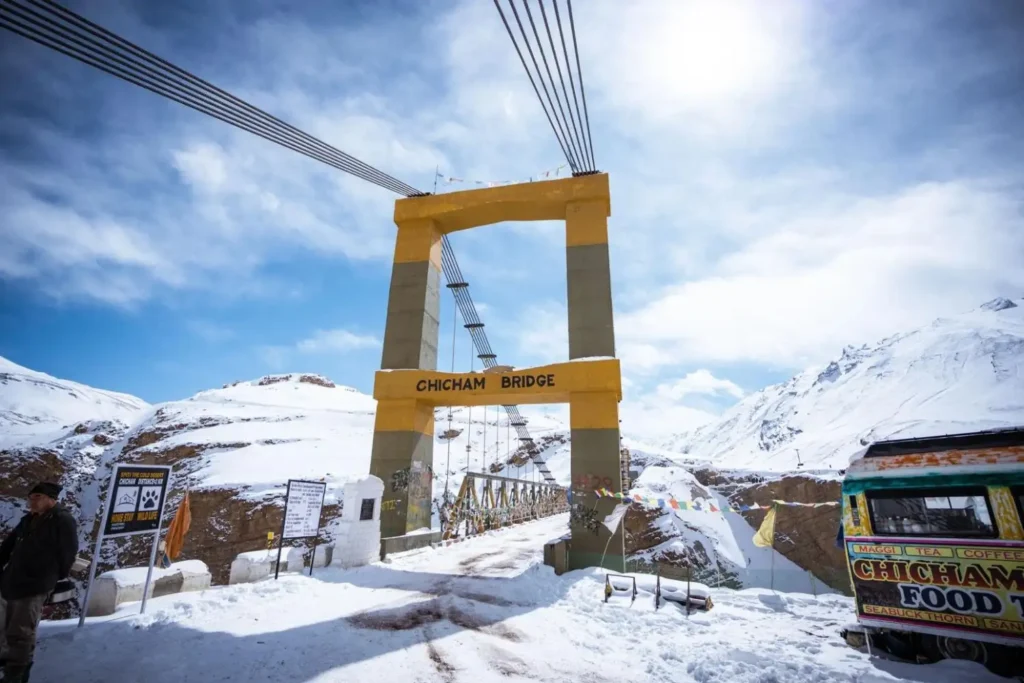
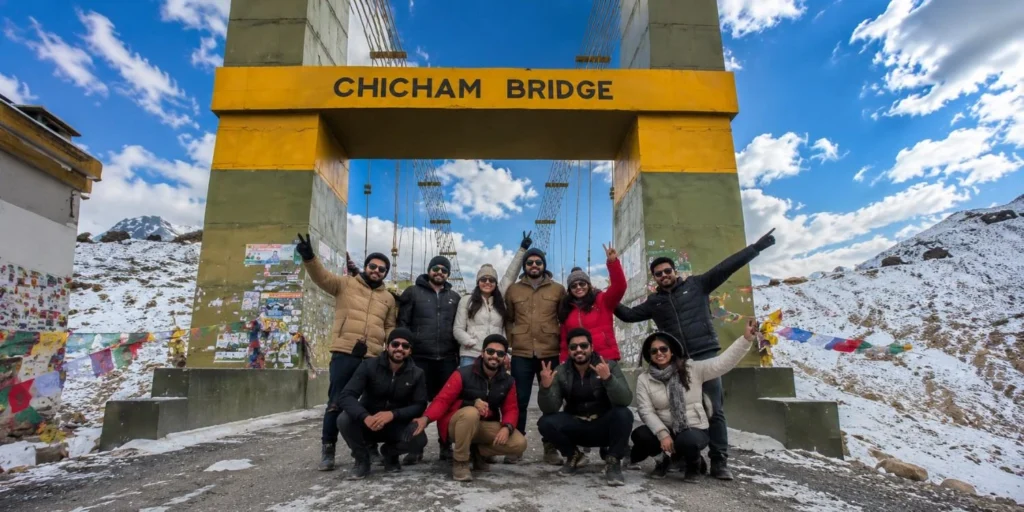
Chicham Bridge opened in 2017 and connects the villages of Chicham and Kibber across a deep gorge of the Spiti River. It is Asia’s highest suspension bridge at 4,300 metres, replacing a dangerous rope-and-pulley system that villagers used before its construction. For residents of Chicham, the bridge reduced a 4-hour detour through the valley to a 2-minute walk.
For travellers, it is one of the most dramatic single-photo locations in all of Spiti; the bridge spans a sheer vertical gorge and the views up and down the valley from the bridge are extraordinary. The drive to Chicham village from Kibber takes about 20 minutes on a rough road with a final descent into the gorge.
| Detail | Information |
| Location | Between Chicham and Kibber villages, near Kibber |
| Altitude | 4,300 metres |
| Entry Fee | Free |
| Timings | Open all day |
| Best Time to Visit | June to October |
| Temperature Range | -20°C to 18°C |
| How to Reach | Drive from Kibber (20 minutes on rough road) |
| Best For | Photographers, adventure travellers, couples |
Travel Tip: The best photo of the bridge is taken from the Chicham side looking toward Kibber. Arrive in the late afternoon when the low-angle light hits the gorge and the bridge is lit from the side.
Safety Tip: The bridge is safe for pedestrians but be careful in strong winds, which are common in the gorge. Hold the cables and cross steadily rather than rushing.
13. Kunzum Pass
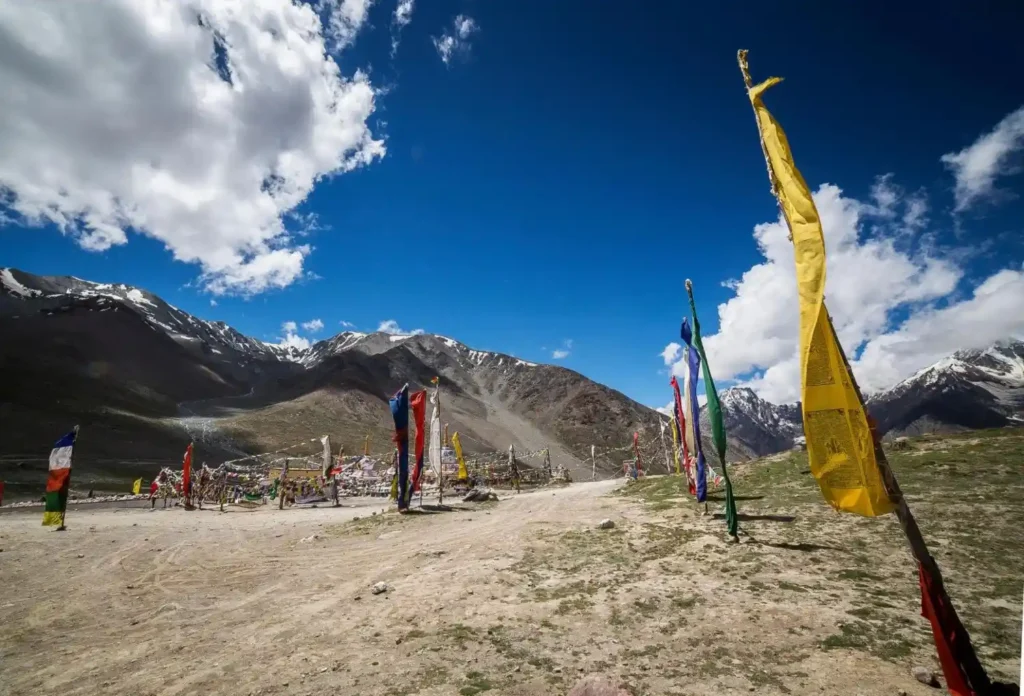
Kunzum Pass at 4,551 metres is the high mountain gateway between Lahaul Valley and Spiti Valley on the Manali route. Crossing it from the Lahaul side is the moment that marks your official entry into Spiti. The pass has 15 hairpin bends on the approach from Batal, and the landscape at the top is completely bare — just rock, sky, and distant glaciers. The Kunzum Devi temple at the top is a small shrine where most travellers stop to offer prayers. Riders who come via the Manali to Spiti route often describe crossing Kunzum Pass as the most memorable moment of the journey.
| Detail | Information |
| Location | Lahaul-Spiti border, 77 km from Kaza |
| Altitude | 4,551 metres |
| Entry Fee | Free |
| Open Season | Late May to October (weather dependent) |
| Best Time to Visit | June to September |
| Temperature Range | -25°C to 10°C |
| How to Reach | Road from Kaza via Batal (3 hours); road from Manali via Rohtang Pass (7–8 hours) |
| Best For | Bikers, road trip travellers, photographers |
Travel Tip: Check road and pass conditions on the HRTC Himachal Pradesh official website or call the local police helpline before attempting Kunzum Pass. Conditions can change within hours.
Safety Tip: Never attempt Kunzum Pass after 2 PM. Afternoon thunderstorms are common from July onwards and the descent from the pass becomes dangerous in rain or hail.
14. Gue Mummy Stupa
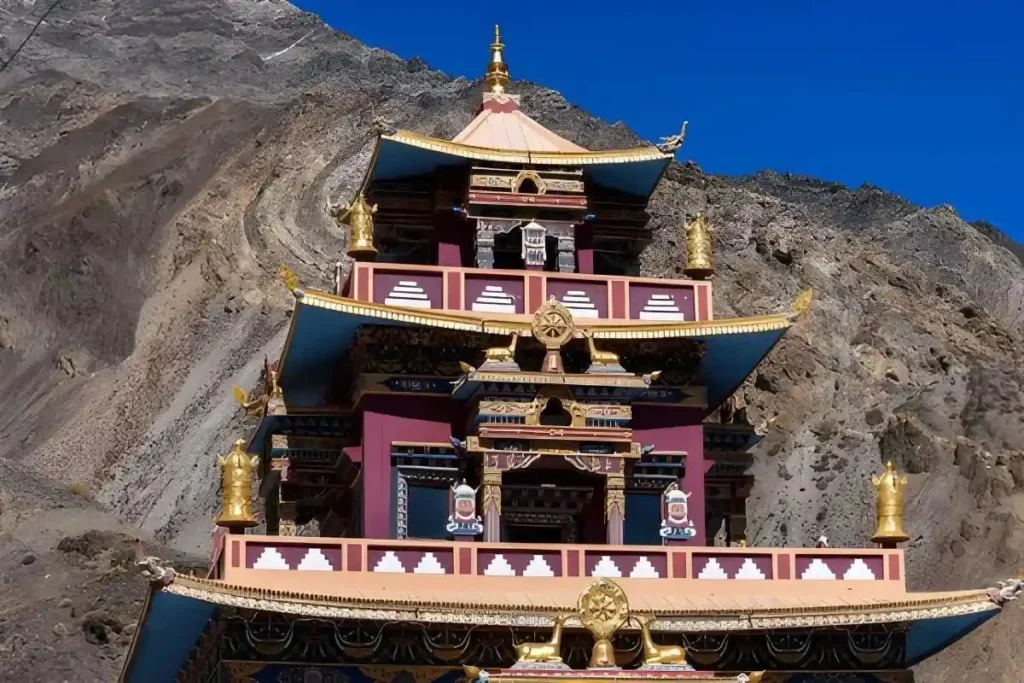
Gue is a small village near Sumdo, close to the Himachal Pradesh-Tibet border, about 60 kilometres from Kaza. The village has one specific attraction that makes the considerable detour worthwhile: the naturally preserved mummy of a Buddhist monk named Sangha Tenzin. The mummy is believed to be approximately 500 years old. The monk’s body was found in 1975 when an earthquake cracked open a stupa. Scientific examination has confirmed both its authenticity and approximate age. His hair, teeth, and skin remain intact and his posture is that of a seated meditating monk.
Local tradition holds that Sangha Tenzin voluntarily entered a state of deep meditation from which he never emerged, a practice documented in certain Tibetan Buddhist traditions. The mummy is housed in a small clean room adjacent to the stupa and is open to respectful visitors.
| Detail | Information |
| Location | Gue village, near Sumdo, 60 km from Kaza |
| Altitude | 3,000 metres |
| Entry Fee | Free (donation appreciated) |
| Timings | 8:00 AM to 6:00 PM |
| Best Time to Visit | May to October |
| Temperature Range | -15°C to 22°C |
| How to Reach | Hired vehicle from Kaza (2 hours one way) |
| Best For | History enthusiasts, Buddhist culture travellers, off-route explorers |
Travel Tip: Gue is a significant detour from the main Kaza-Tabo road. Plan it as a dedicated half-day trip and combine it with Tabo Monastery on the same day to maximise the journey.
Safety Tip: Maintain respectful behaviour at the site. No shouting, flash photography restrictions apply, and remove footwear before entering the stupa room. The site is considered sacred by local residents.
15. Nako Lake and Nako Village
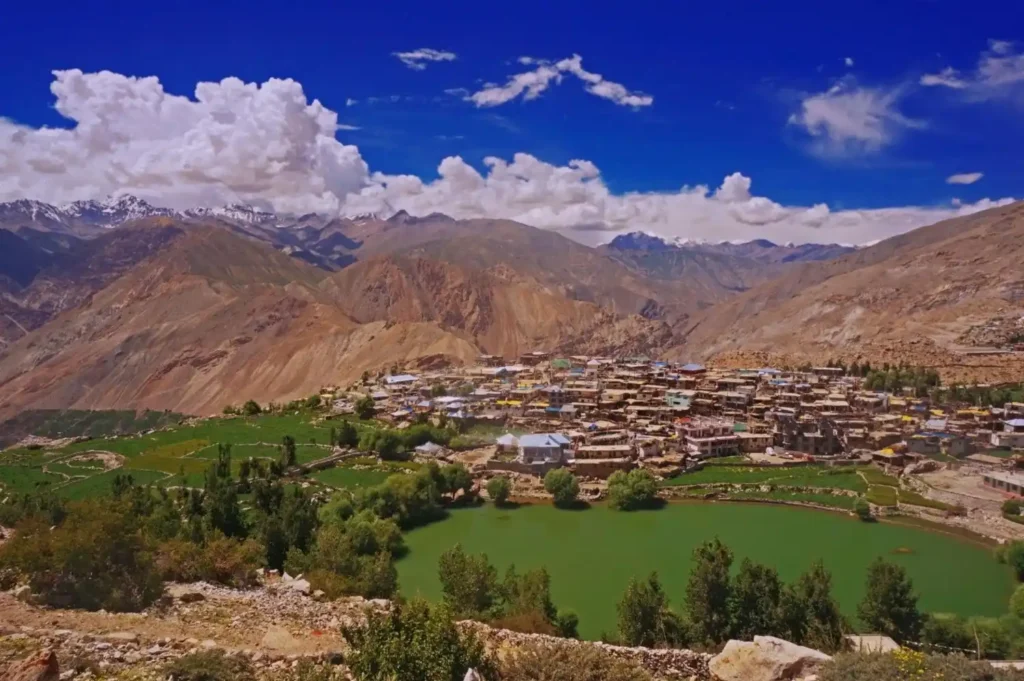
Nako is technically in the Kinnaur district rather than Spiti proper, but it sits on the Shimla-Kaza highway and is a standard stop on the approach from the Kinnaur side. The village is at 3,662 metres and has a naturally formed lake believed to have been blessed by Padmasambhava, the great saint associated with Tibetan Buddhism. Local custom prohibits swimming, bathing, or placing feet in the water; the lake is treated as a sacred site.
The surrounding willow forests and the backdrop of barren Pir Panjal peaks give Nako an unusual visual quality of green and water in a landscape that is otherwise entirely arid rock. The Nako Monastery within the village is small but has well-preserved 11th-century murals. It is one of the few places on the Kinnaur-Spiti highway where you can slow down and genuinely rest for a few hours.
| Detail | Information |
| Location | Kinnaur district, on Spiti-Kinnaur highway |
| Altitude | 3,662 metres |
| Entry Fee | Free |
| Timings | Open all day |
| Best Time to Visit | May to October |
| Temperature Range | -12°C to 24°C |
| How to Reach | On the main Shimla-Kaza highway; road stop between Pooh and Kaza |
| Best For | All travellers on the Kinnaur route; spiritual seekers, photographers |
Travel Tip: Nako is the last comfortable rest point before the road conditions worsen significantly on the approach to Kaza. Have lunch here, refuel, and check tyre pressure before continuing.
Safety Tip: Do not swim in or disturb the lake in any way. This is a matter of local religious sentiment and also practically the lake is the primary water source for the village.
16. Suraj Tal
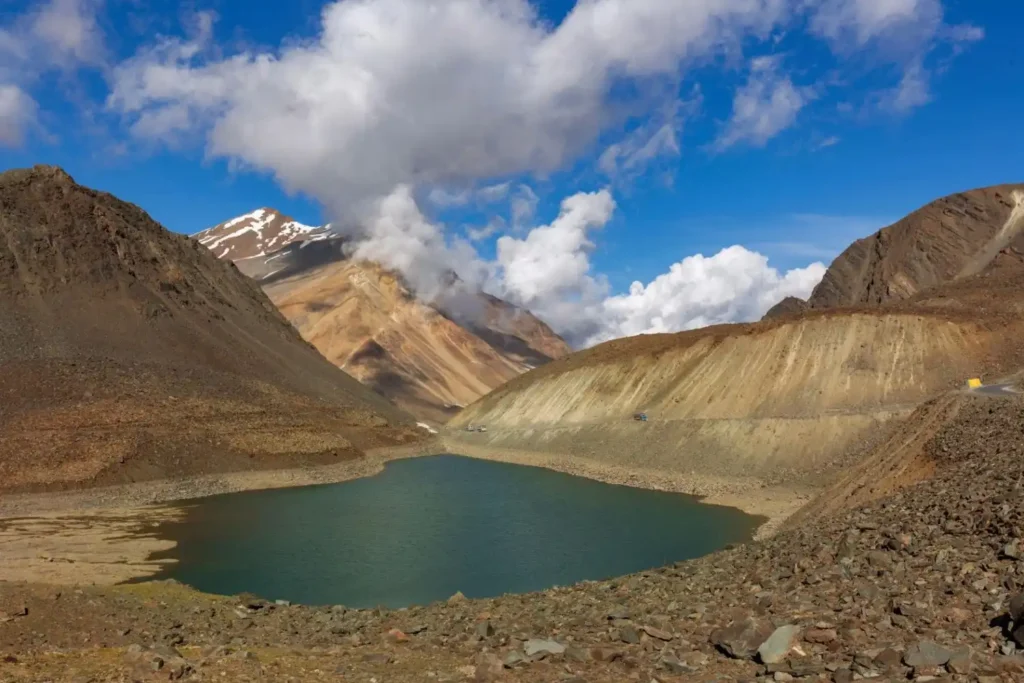
Suraj Tal, meaning “Sun Lake,” is at 4,883 metres and is one of the highest lakes in India. It sits just below the Baralacha La pass on the Manali-Leh highway and is often seen by travellers on the Manali to Kaza route. The lake feeds the Bhaga River, one of the tributaries that eventually forms the Chenab. The water is a striking shade of blue-green and the mountain backdrop is one of the most dramatic of any lake in the region.
Unlike Chandratal, Suraj Tal is accessible directly from the road; there is no trek required, though a short walk gives better views. The altitude here is significant and the wind on the lakeshore can be very cold at any time of year. The lake is a popular stop for motorbike expeditions on the Manali-Leh highway.
| Detail | Information |
| Location | Below Baralacha La pass, on Manali-Leh highway |
| Altitude | 4,883 metres |
| Entry Fee | Free |
| Timings | Open all day (daylight only recommended) |
| Best Time to Visit | June to September |
| Temperature Range | -15°C to 8°C |
| How to Reach | On the Manali-Leh highway, approximately 40 km from Keylong |
| Best For | Road trip travellers, photographers, altitude experience seekers |
Travel Tip: Suraj Tal is usually a drive-by stop on Manali-Leh expeditions. If your itinerary allows, spend 30–45 minutes at the lake rather than just stopping for photos from the road.
Safety Tip: The altitude here is 4,883 metres significantly higher than Kaza. If you have not already acclimatised properly, limit your time at the lake and avoid physical exertion on the shoreline.
17. Lhalung Monastery
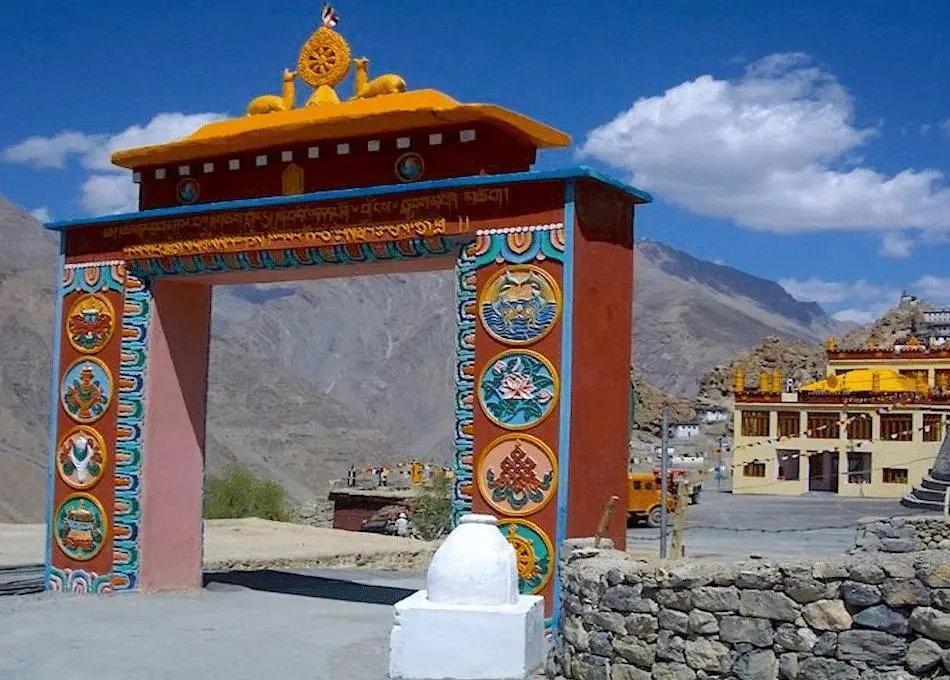
Lhalung is a small village about 28 kilometres from Kaza on a side road off the main Spiti Valley highway. The monastery here is one of the lesser-visited religious sites in the valley but is significant historically and architecturally. It was founded around the 10th century as part of the same wave of Buddhist institution-building that produced Tabo and Key.
The main assembly hall has ancient murals in reasonable condition and a collection of old manuscripts. The village around the monastery is tiny, perhaps 15 to 20 households and the quiet here is of a different quality from Kaza or even Komic. Very few organised tours include Lhalung, which means visitors who make the effort to find it usually have it entirely to themselves.
| Detail | Information |
| Location | Lhalung village, 28 km from Kaza |
| Altitude | ~3,850 metres |
| Entry Fee | Free |
| Timings | Daylight hours; check with monks at site |
| Best Time to Visit | June to October |
| Temperature Range | -18°C to 20°C |
| How to Reach | Hired vehicle from Kaza; road is unsealed for the final section |
| Best For | Buddhist culture enthusiasts, solo travellers, off-route explorers |
Travel Tip: The monastery caretaker or a resident monk can provide a short guided explanation of the murals if you ask. This adds enormous context that you cannot get from any guidebook or website.
Safety Tip: Lhalung road has one rough river crossing section. Do not attempt it in a standard sedan — use a 4WD or motorcycle only.
18. Spiti River Valley Drive (Kaza to Sumdo Road)
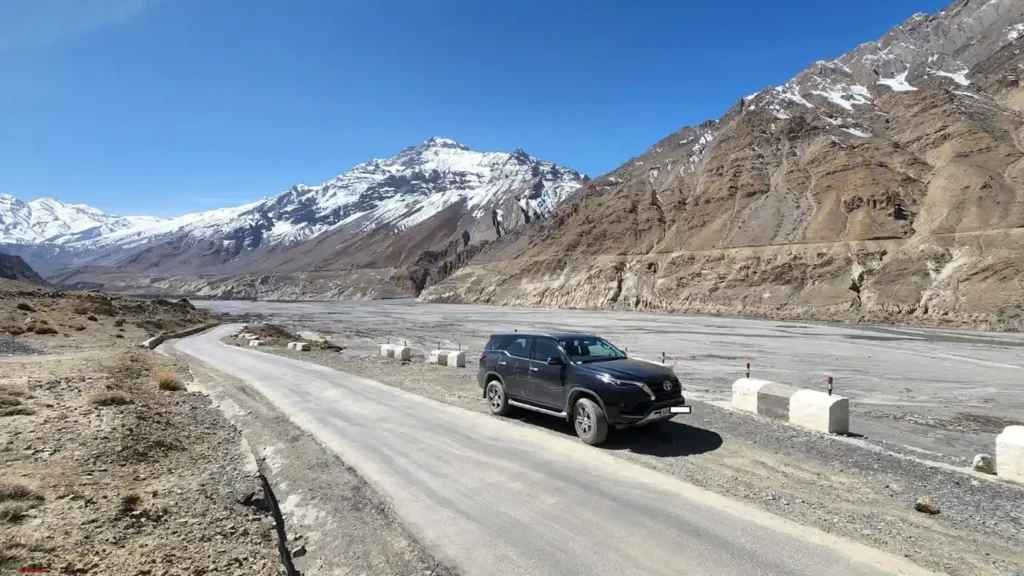
The drive from Kaza toward Sumdo and the Tibet border along the Spiti River is not a single destination but an experience in itself. The road follows the Spiti River through a landscape of extraordinary geological variety sections where the mountains are red, then grey, then white, then striped. Small villages cling to slopes above the river.
Monasteries appear suddenly on clifftops. The river itself changes colour as tributary streams and glacial melts join it. This 60-kilometre stretch passes through Tabo, Dhankar, and several unmarked viewpoints that appear with no warning and disappear just as quickly. If you are the type of traveller who finds the journey as meaningful as the destination, this road will stay with you.
| Detail | Information |
| Location | Kaza to Sumdo, along Spiti River |
| Length | 60 km one way |
| Road Condition | Paved with rough sections; generally passable |
| Best Time to Drive | May to October |
| Temperature Range | -15°C to 25°C |
| How to Reach | Start from Kaza; hired vehicle or self-drive motorcycle |
| Best For | Road trip lovers, photographers, bikers, solo travellers |
Travel Tip: Stop at the viewpoint approximately 12 kilometres from Dhankar where the road climbs above the river. The view of the valley in both directions from here is one of the finest on the entire route.
Safety Tip: The road narrows in several places and there is no barrier on the river side. Drive at low speed and do not overtake on blind bends. Sections near Dhankar are particularly narrow.
Travel Tips for Spiti Valley
Clothing: Pack for cold no matter what month you visit. Summer days can feel warm in direct sun but temperatures drop to near zero every night. A down jacket, thermal base layers, waterproof outer shell, and warm sleeping gear are essential throughout the season.
Altitude Safety: Most of Spiti is between 3,500 and 4,600 metres. Take altitude sickness seriously. Spend at least one rest day in Kaza before visiting higher villages. Drink 3 to 4 litres of water daily. Avoid alcohol for the first two to three days. Consult a doctor about Acetazolamide before travel if you have any prior concerns.
Cash: Withdraw all the cash you need in Kaza or Recong Peo before entering the valley. ATMs in Kaza work most of the time but run out of cash occasionally. There are no ATMs in any of the surrounding villages.
Network Coverage: BSNL has the widest coverage across Spiti. Jio and Airtel work in Kaza and a few other large settlements but drop out quickly outside town. Buy a BSNL SIM before entering the valley if your current SIM is not BSNL.
Permits: Indian nationals do not need a permit for the main Spiti circuit. For areas near the Indo-Tibet border such as Gue village and Sumdo, check current Inner Line Permit requirements at the Sub-Divisional Magistrate office in Kaza. Foreign nationals should confirm permit requirements in advance as regulations change.
Transport: Shared jeeps and buses run from Kaza to Tabo and back. For villages like Kibber, Langza, Hikkim, and Komic, hire a local jeep or motorcycle for the day. Motorcycle hire is available in Kaza for travellers with a valid driving licence.
Food: Kaza has good food options thukpa, momos, dal-rice, and surprisingly good coffee. Outside Kaza, eat at homestays. Homestay meals are cooked fresh with local ingredients and are usually the best food you will have in the valley. Tell your host about dietary requirements in advance.
Safety for Solo Travellers and Girls: Spiti is one of the safest destinations in India. The local population is small, close-knit, and traditionally hospitable. The challenges here are geographic — altitude, weather, and road conditions not security-related. Solo female travellers consistently report feeling comfortable throughout the valley.
Conclusion
Spiti Valley does not make a dramatic first impression the way beaches or green hill stations do. It takes time. You drive for hours through empty mountains and wonder if it is worth it. Then you sit outside a monastery at 4,000 metres with the whole valley silent beneath you, or you stand at the edge of Chandratal just as the last light turns the water gold, and you understand completely why people come back here every few years and why some of them never quite leave.
If you are planning your first or your fifth trip to this part of India, Trip Guru Go can help you put together an itinerary that fits your pace, your fitness level, and the season you are travelling in. Start with our complete Spiti Valley travel guide for first-time travellers to get a full picture before you book anything. Come prepared, move slowly, and give Spiti the time it deserves. It will give everything back.
FAQs
What is Spiti Valley famous for?
Spiti Valley is famous for its ancient Tibetan Buddhist monasteries (Key, Tabo, Dhankar), high-altitude glacial lakes (Chandratal, Dhankar Lake), fossil-rich villages (Langza), world records (Hikkim Post Office, Komic motorable village), and snow leopard sightings near Kibber. The cold desert landscape and the Milky Way stargazing are also widely cited by travellers.
How many days are enough for Spiti Valley?
A minimum of 8 days is recommended to cover the essential circuit from Manali or 10 days from the Shimla-Kinnaur side. This gives enough time for Kaza, Key Monastery, the high-altitude villages (Langza, Hikkim, Komic), Tabo, Dhankar, Chandratal, and Kibber, with one acclimatisation day built in at Kaza. Rushing Spiti is a mistake — the altitude alone makes slow travel necessary.
Can you see the Milky Way in Spiti Valley?
Yes. Spiti Valley is one of the best places in India for stargazing and Milky Way photography. The absence of light pollution at high altitude, combined with clear dry skies outside the monsoon season, makes the Milky Way visible to the naked eye from most parts of the valley. Chandratal campsite and the area around Langza and Komic are particularly good spots.
When does snowfall happen in Spiti Valley?
Significant snowfall in Spiti typically starts in October and continues through March. Higher locations like Komic, Tashigang, and the Kunzum Pass area start receiving snow earlier, sometimes in September. The valley floor around Kaza and Tabo stays navigable longer, but by November the Manali-Rohtang-Kunzum route closes completely. The Shimla-Kinnaur route remains open year-round under normal conditions.
Is Spiti Valley safe for solo travellers?
Yes. Solo travel in Spiti Valley is very safe. Crime rates are extremely low and the local community is known for its hospitality. The main risks are altitude-related health issues and road conditions, not personal safety. Solo female travellers consistently report positive experiences throughout the valley. Standard precautions apply — inform your accommodation host before heading to remote areas and carry a fully charged power bank.
What are the best offbeat places to visit in Spiti Valley?
Beyond the standard circuit, the best offbeat places include Lhalung Monastery (rarely visited, excellent ancient murals), Tashigang Village (world’s highest polling station, almost no tourists), Gue Mummy Stupa (requires a deliberate detour, most travellers skip it), and the Pin Valley interior beyond Mudh village. Chicham Bridge is also less visited than Kibber despite being 20 minutes away.
Do you need a permit to visit Spiti Valley?
Indian nationals do not need a permit for the main Spiti circuit including Kaza, Key Monastery, Chandratal, Tabo, Dhankar, Kibber, Langza, Hikkim, and Komic. For areas near the Indo-Tibet border such as Gue village and Sumdo, an Inner Line Permit may be required — check current requirements at the SDM office in Kaza before travelling to those areas. Foreign nationals require an ILP for most of Spiti Valley and should verify the current rules with the Himachal Pradesh Home Department before travel.
How do I reach Spiti Valley from Delhi?
There are two routes. The Manali route (open June to October) involves a bus or car to Manali, then crossing Rohtang Pass and Kunzum Pass into Kaza — approximately 560 km from Delhi, taking 2 days with a night stop in Manali. The Shimla-Kinnaur route (open year-round under normal conditions) follows NH-5 through Kinnaur to Kaza — approximately 650 km from Delhi, taking 2 days with a night stop in Recong Peo or Nako. The Kinnaur route involves lower altitudes and is better for gradual acclimatisation.

Abdullah Khan specializes in adventure travel across Spiti Valley and the high-altitude regions of Himachal Pradesh. He writes about road trips, bike expeditions, hidden villages, monasteries, and offbeat Himalayan experiences. His guides focus on route planning, acclimatization, travel safety, and the best experiences across Spiti Valley.