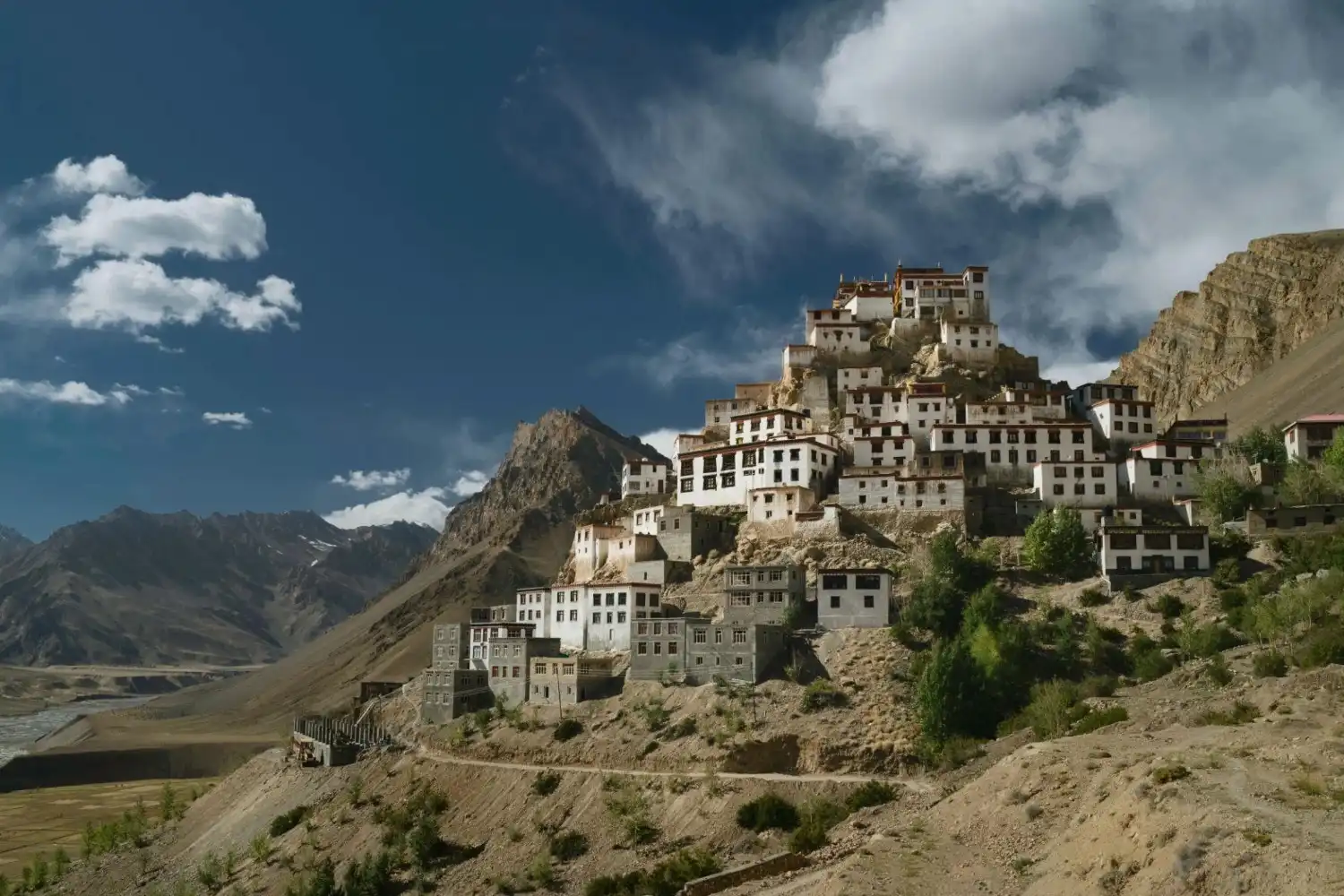
Planning a trip to Spiti Valley for the first time can feel overwhelming. Questions about weather, road conditions, permits, accommodation, budget, and itineraries often leave travellers confused. Unlike popular hill stations, Spiti Valley is a high-altitude cold desert where proper planning can make the difference between an unforgettable adventure and a difficult journey.
Whether you’re planning a Solo Spiti Valley Trip, joining a Spiti Valley Group Tour, embarking on a Spiti Valley Bike Trip, or booking a Customized Spiti Valley Tour Package, this guide covers everything you need to know before visiting the valley.
From choosing the Best Time to Visit Spiti Valley to understanding routes, permits, safety, and major attractions, this guide is designed specifically for first-time travellers.
Where is Spiti Valley Located?
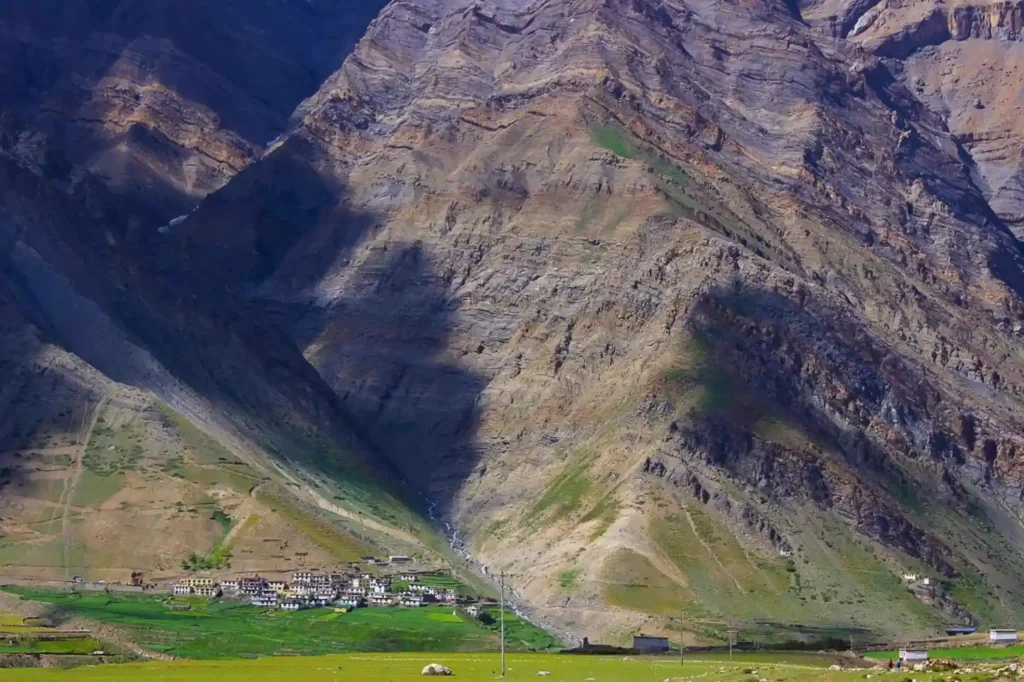
Spiti Valley is located in the northeastern region of Himachal Pradesh and forms part of the Lahaul and Spiti district. The word “Spiti” means “The Middle Land” because the region historically lies between India and Tibet.
Known for its barren mountains, dramatic landscapes, ancient monasteries, and remote villages, Spiti offers a completely different experience from destinations such as Manali and Shimla. Its unique terrain often leads travellers to compare Spiti Valley vs Ladakh before planning a Himalayan adventure.
The administrative and commercial center of the valley is Kaza, which acts as the primary base for travellers exploring the region. Most itineraries include a stay in Kaza before visiting nearby attractions such as Key Monastery, Kibber Village, Langza Village, Hikkim Village, and Komic Village.
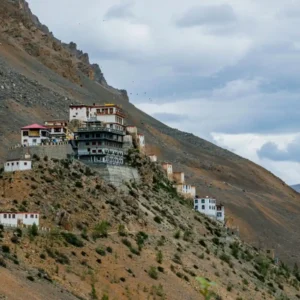
The region is heavily influenced by Tibetan Buddhism, which can be seen in its culture, architecture, festivals, and monasteries. Travellers interested in local history often visit Tabo Monastery and Dhankar Monastery, both of which are among the most important spiritual sites in the Himalayas.
Quick Facts About Spiti Valley
- State: Himachal Pradesh
- District: Lahaul and Spiti
- Main Town: Kaza
- Average Altitude: 12,500 feet
- Famous For: Monasteries, Road Trips, Stargazing, Adventure Travel
Why Visit Spiti Valley?
Spiti Valley is one of the few destinations in India where the journey itself becomes a major attraction. Every turn reveals a different landscape, whether it’s a mountain village, an ancient monastery, or a dramatic river valley.
Ancient Monasteries
One of the biggest reasons people visit Spiti is its centuries-old Buddhist monasteries. Places such as Key Monastery, Tabo Monastery, and Dhankar Monastery offer travellers a glimpse into traditions that have survived for hundreds of years.
Some visitors even choose a Monastery Stay in Spiti Valley to experience local culture beyond regular sightseeing.
High-Altitude Villages
Spiti is home to some of the highest inhabited villages in the world. Exploring Langza Village, Hikkim Village, Komic Village, and Kibber Village allows travellers to witness life in one of the most remote parts of the Himalayas.
Many travellers spend an entire day exploring the famous Kaza–Langza–Hikkim–Komic circuit because of its incredible scenery and cultural significance.
One of India’s Best Road Trips
Completing the Spiti Circuit is a dream for many travellers. Whether you enter through the Shimla to Spiti Route or the Manali to Spiti Route, the journey offers mountain passes, river crossings, traditional villages, and spectacular landscapes.
Adventure enthusiasts often choose a Spiti Valley Bike Trip to enjoy these roads in the most immersive way possible.
Stargazing & Photography
Due to its high altitude and minimal light pollution, Spiti Valley offers some of the clearest night skies in India.
Photography enthusiasts frequently visit Chandratal Lake, Chicham Bridge, and Key Monastery to capture some of the most iconic views in the Himalayas.
Best Time to Visit Spiti Valley
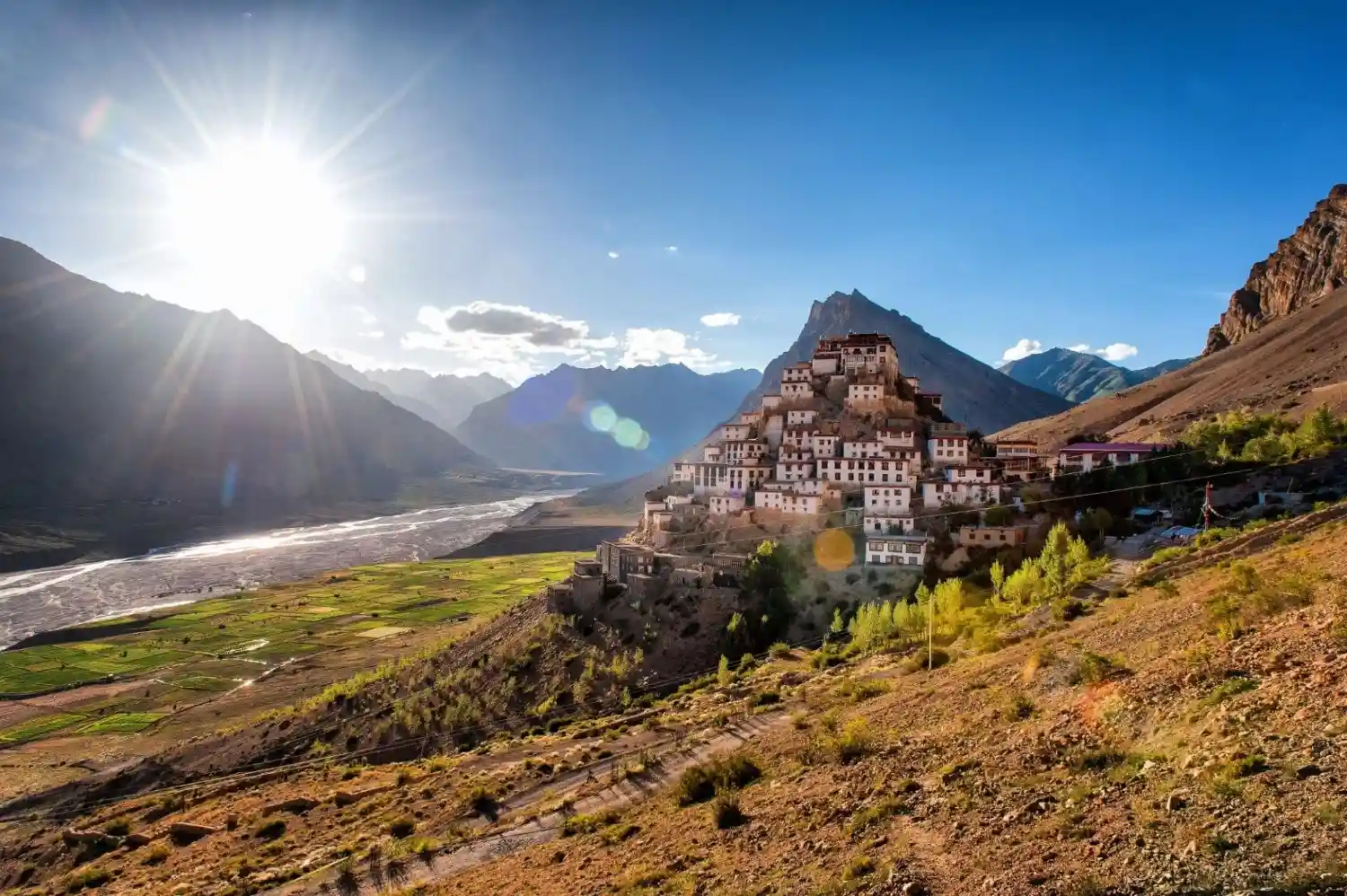
Choosing the right season can completely change your experience.
Winter (November to March)
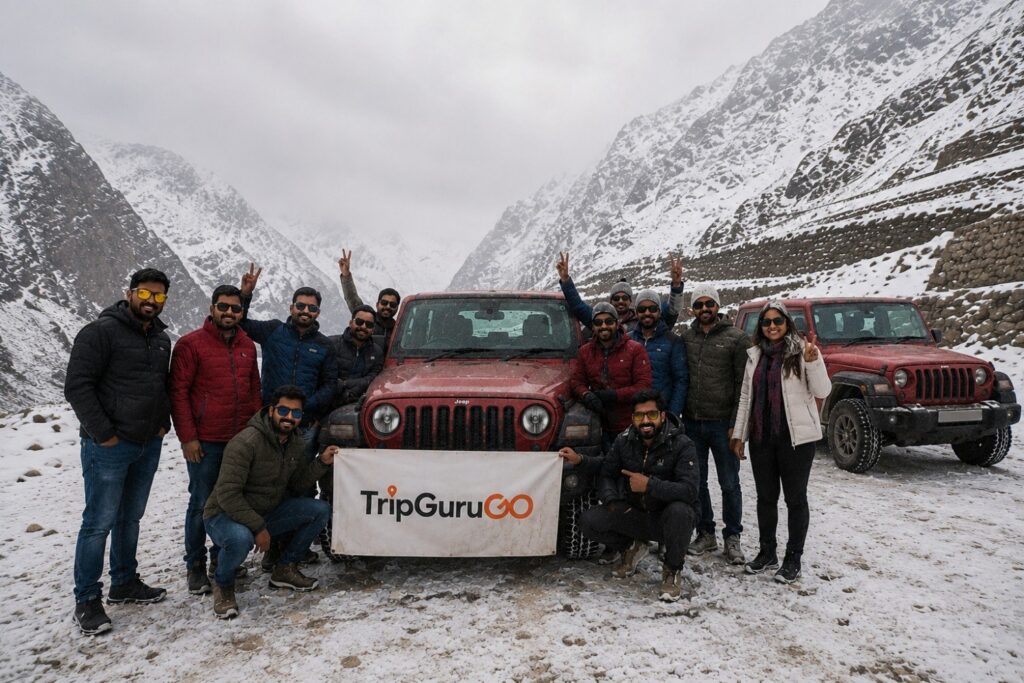
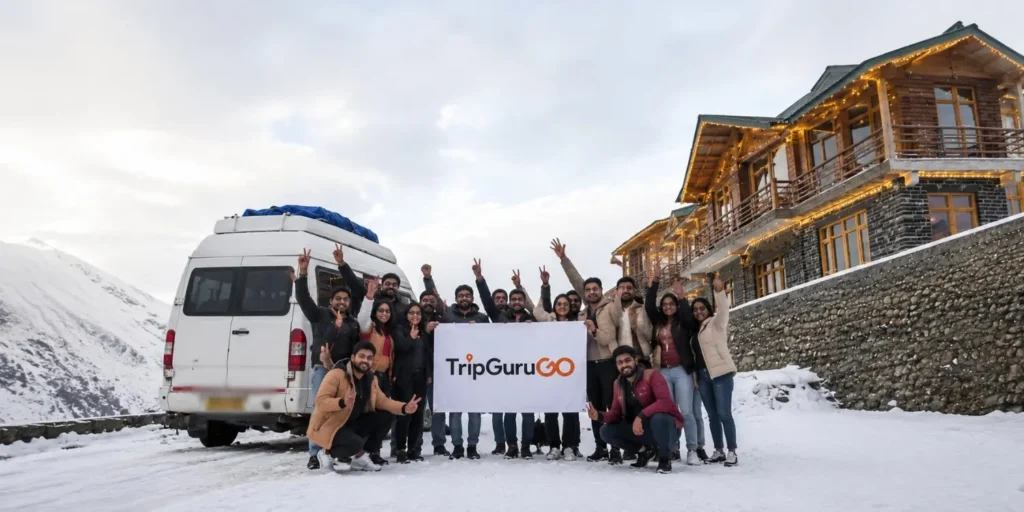
Winter transforms Spiti Valley into a snow-covered wonderland. Frozen rivers, snow-covered villages, and fewer tourists make it an attractive season for travellers looking for unique experiences.
Travellers interested in snowfall often research Spiti Valley in January, Spiti Valley in February, and Spiti Valley in December before planning their trip. Temperatures can fall below -20°C in some areas, making preparation extremely important.
Upcoming Winter Spiti Trips
 Group Trip
13 Jan 2027 (+4 dates)
Group Trip
13 Jan 2027 (+4 dates)
Winter Spiti 4×4 Expedition
 Group Trip
20 Nov ( +10 Date )
Group Trip
20 Nov ( +10 Date )
Winter Spiti Valley
Spring (April to May)
Spring marks the beginning of the travel season. Snow gradually melts, roads become more accessible, and temperatures start becoming comfortable.
Many travellers planning an early-season journey compare Spiti Valley in April and Spiti Valley in May before finalizing travel dates.
Summer (June to August)
Summer is the most popular season for visiting Spiti Valley. Most road trips, bike expeditions, and group departures operate during this period.
Travellers usually compare Spiti Valley in June, Spiti Valley in July, and Spiti Valley in August to understand weather conditions, crowd levels, and road accessibility.
Autumn (September to October)
Many experienced travellers consider autumn the best season for photography and road trips. Clear skies and pleasant weather make Spiti Valley in September and Spiti Valley in October particularly attractive.
Is Spiti Valley Safe?
One of the most common questions among first-time travellers is whether Spiti Valley is safe.
The answer is yes.
Spiti Valley is considered one of the safest destinations in the Indian Himalayas. Local communities are welcoming, crime rates are extremely low, and thousands of solo travellers visit the region every year.
However, travellers should understand the challenges associated with high-altitude travel.
Road Safety
Mountain roads can be narrow, steep, and unpredictable. Before driving in the region, it is important to understand Road Conditions in Spiti Valley, especially if you plan to travel during the shoulder season.
Altitude Sickness
Since many destinations are located above 10,000 feet, travellers should understand the symptoms and prevention methods explained in Altitude Sickness in Spiti Valley.
Solo Travel Safety
Spiti has become increasingly popular among backpackers and independent travellers. Those planning to travel alone can benefit from reading a dedicated Solo Spiti Valley Trip Guide before departure.
Permits Required for Spiti Valley
Permit requirements are often misunderstood by first-time visitors.
Indian citizens generally do not require permits for most destinations within Spiti Valley. Popular attractions including Kaza, Key Monastery, Kibber, Langza, Hikkim, Komic, Tabo, and Chandratal can typically be visited without additional permissions.
Travellers entering through Manali should remain updated regarding regulations related to Rohtang Pass and route accessibility.
Foreign nationals may require permits for certain restricted areas located near the Indo-Tibetan border. Before finalizing your trip, it is advisable to review the latest information available in the Spiti Valley Permit Guide.
For travellers entering through Manali, understanding the Rohtang Pass Permit Guide can also help avoid last-minute confusion.
Related Planning Resources
- How to Reach Spiti Valley
- Spiti Valley Route Map
- Spiti Valley Itinerary 7 Days
- Spiti Valley Budget Guide
Choosing the Right Type of Spiti Valley Trip
One of the biggest advantages of visiting Spiti Valley is that there is no single “right” way to experience it. Some travellers prefer complete freedom and adventure, while others want convenience, community, and a well-planned itinerary.
Before finalizing your trip, it is important to choose a travel style that matches your budget, comfort level, and expectations.
Solo Spiti Valley Trip
A solo trip to Spiti Valley is ideal for travellers who enjoy independence, flexibility, and self-discovery. You can spend more time at places that interest you, change plans whenever required, and travel completely at your own pace.
Spiti has become increasingly popular among backpackers, content creators, photographers, and digital nomads looking to escape crowded destinations.
The biggest advantage of solo travel is freedom. However, transportation and accommodation costs are usually higher because expenses are not shared with others.
Travellers planning an independent adventure should review the Solo Spiti Valley Trip Guide before finalizing their itinerary.
Who Should Choose Solo Travel?
- Backpackers
- Digital Nomads
- Photographers
- Adventure Seekers
- Experienced Travellers
Challenges of Solo Travel
- Higher costs
- More planning required
- Limited support during emergencies
- Long driving hours if self-driving
Group Departure Spiti Valley Trip
Group departures have become one of the most popular ways to explore Spiti Valley, especially among Gen Z travellers and young professionals.
Instead of planning transportation, hotels, routes, and logistics yourself, you join a fixed departure with other travellers heading to the same destination.
This not only simplifies planning but also significantly reduces overall travel costs.
For first-time visitors, group departures often provide the best balance between affordability, safety, and convenience.
Travellers comparing options should explore a Fixed Departure Spiti Valley Trip before making a final decision.
Benefits of Group Departures
- Lower cost per person
- Trip captain support
- Pre-planned itinerary
- Shared transportation
- Opportunity to meet like-minded travellers
Many travellers who join group departures end up making long-term friendships during the journey.
Spiti Valley Bike Trip
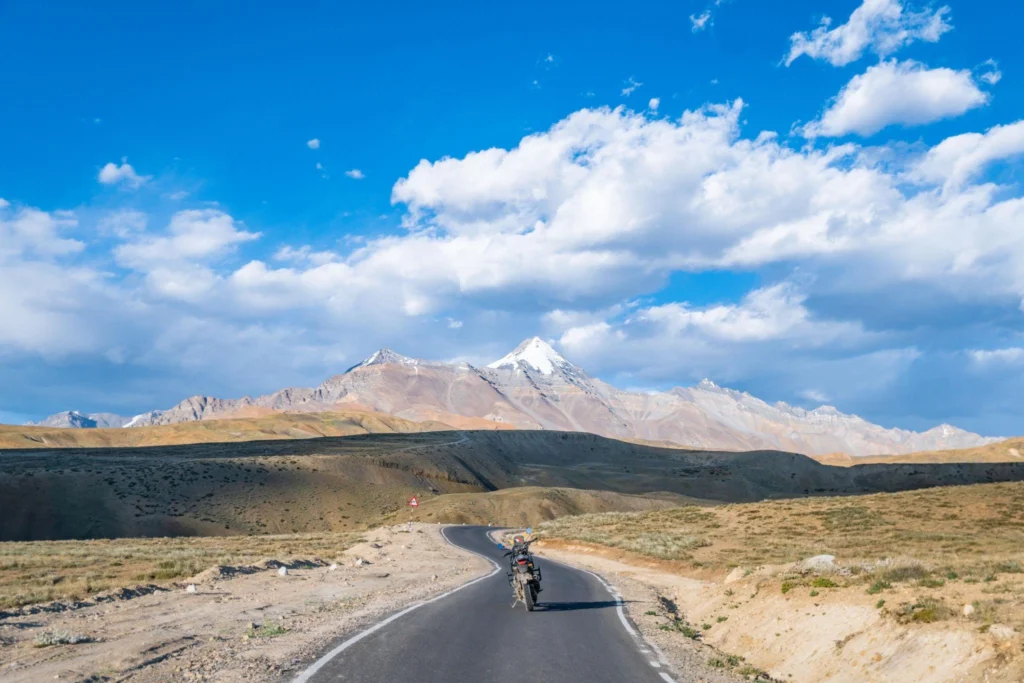
For adventure enthusiasts, few experiences match the thrill of riding through the Himalayas.
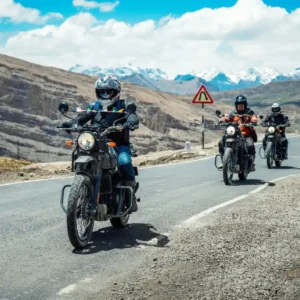
Every year, thousands of riders complete the Spiti Circuit, covering mountain passes, remote villages, river crossings, and some of India’s most scenic roads.
A motorcycle journey offers a deeper connection with the landscapes and allows travellers to experience the region more closely.
Before planning a ride, travellers should understand route conditions, preparation requirements, and bike suitability through the Spiti Valley Bike Trip Guide.
Popular motorcycle routes include:
- Delhi – Shimla – Kaza – Manali – Delhi
- Chandigarh – Spiti Circuit
- Manali – Chandratal – Kaza Route
Travellers without their own motorcycle often rent bikes from Manali before starting the journey.
Customized Spiti Valley Tour
Not everyone wants to travel in a group or follow a fixed itinerary.
A customized tour allows travellers to choose their own dates, hotels, destinations, and travel pace.
This option is ideal for couples, families, photographers, corporate groups, and travellers seeking a premium experience.
Unlike fixed departures, a Customized Spiti Valley Tour Package focuses entirely on your personal preferences.
You can spend extra days at locations you enjoy, skip destinations that don’t interest you, and travel according to your own schedule.
Who Should Choose a Customized Tour?
- Couples
- Families
- Luxury Travellers
- Corporate Groups
- Content Creators
Planning a Solo Trip to Spiti Valley
Spiti Valley is one of the best destinations in India for solo travellers. The welcoming local culture, growing tourism infrastructure, and increasing popularity among backpackers make independent travel easier than ever.
However, solo travellers should prepare carefully before arriving.
Budget for Solo Travellers
A solo traveller usually spends more than someone travelling in a group because transportation and accommodation costs cannot be shared.
The total budget depends on:
- Travel season
- Transportation mode
- Hotel category
- Trip duration
Travellers looking to reduce expenses should estimate costs using a detailed Spiti Valley Budget Guide before departure.
Best Route for Solo Travellers
Most experienced travellers recommend entering Spiti through Shimla and exiting via Manali.
The gradual increase in altitude allows your body to acclimatize more effectively and reduces the chances of altitude sickness.
Understanding the differences between the Shimla to Spiti Route and Manali to Spiti Route can help you make a better decision.
Solo Travel Tips
- Inform family about your itinerary
- Carry sufficient cash
- Avoid night driving
- Download offline maps
- Keep emergency contacts accessible
Planning a Group Trip to Spiti Valley
Travelling with a group is often the easiest and most affordable way to explore Spiti Valley.
Whether you are joining strangers through an organized departure or travelling with friends, group travel can significantly reduce costs while improving convenience.
Fixed Departure vs Self-Planned Group
A self-planned group trip offers flexibility but requires extensive coordination.
You need to arrange:
- Transportation
- Accommodation
- Daily itinerary
- Driver management
- Emergency planning
In contrast, fixed departures handle these logistics in advance, allowing travellers to focus entirely on the experience.
How Group Trips Help Save Money
Group travel reduces costs because expenses are divided among multiple travellers.
Shared costs include:
- Vehicles
- Fuel
- Accommodation
- Driver expenses
- Local transportation
For budget-conscious travellers, this often makes group departures more economical than solo travel.
Choosing the Right Group Departure
Before booking a group trip, evaluate:
- Group size
- Inclusions
- Accommodation quality
- Vehicle type
- Organizer reputation
Travellers researching different operators should compare multiple Spiti Valley Group Tour Packages before making a booking.
Why Choose a Fixed Departure for Spiti Valley?
Fixed departures have become increasingly popular because they remove many of the challenges associated with planning a Himalayan trip.
Instead of spending weeks organizing hotels, transportation, and routes, travellers can simply join an existing departure and focus on enjoying the journey.
Lower Overall Cost
Shared transportation and accommodation costs make group departures significantly more affordable.
Hassle-Free Planning
Most fixed departures include:
- Transportation
- Accommodation
- Trip coordination
- Local assistance
Trip Captain Support
Experienced trip leaders help manage logistics and assist travellers throughout the journey.
Meet Like-Minded Travellers
One of the biggest advantages of community travel is meeting people who share similar interests.
Many travellers return from Spiti with friendships that last long after the trip ends.
How to Reach Spiti Valley
Reaching Spiti Valley is an adventure in itself.
While there are multiple ways to reach the region, road travel remains the most popular option because it allows travellers to experience the dramatic landscapes of the Himalayas.
Reaching Spiti Valley by Road
Most travellers enter the valley through one of two routes:
- Shimla Route
- Manali Route
Both offer unique experiences and differ significantly in terms of road conditions, altitude gain, and scenery.
Shimla to Spiti Route
The Shimla route is generally considered the better option for first-time travellers.
The gradual increase in altitude helps with acclimatization and reduces the risk of altitude sickness.
Travellers following this route pass through Narkanda, Kalpa, Nako, and Tabo before reaching Kaza.
Manali to Spiti Route
The Manali route is shorter but more adventurous.
It includes challenging roads, water crossings, and rapid altitude gain.
While many travellers prefer this route for its dramatic landscapes, proper preparation is essential.
Reaching Spiti Valley by Air
The nearest major airport is Bhuntar Airport near Kullu.
From there, travellers continue their journey by road towards either Manali or Shimla before entering Spiti Valley.
Reaching Spiti Valley by Train
There is no railway station in Spiti Valley.
The nearest major railway stations include:
- Chandigarh
- Kalka
- Shimla
Travellers arriving by train typically continue by road towards the valley.
Before finalizing your transportation plan, it is worth reviewing a detailed How to Reach Spiti Valley Guide to compare all available options.
Spiti Valley Route Map & Road Conditions
Before heading to Spiti Valley, it is important to understand the route, road conditions, and travel distances. Unlike many destinations where reaching the location is straightforward, a Spiti trip is as much about the journey as the destination itself.
Most travellers complete the famous Spiti Circuit by entering through Shimla and exiting via Manali. This route not only covers more destinations but also allows gradual acclimatization, making it the preferred choice for first-time visitors.
Road conditions in Spiti vary significantly depending on the season. While highways near Shimla are generally smooth, travellers should expect rough patches, water crossings, landslide-prone sections, and mountain roads in several parts of the valley.
Those planning a self-drive journey should review the Road Conditions in Spiti Valley before departure.
Fuel Availability in Spiti Valley
One of the biggest mistakes first-time travellers make is assuming fuel stations are easily available throughout the circuit.
Fuel pumps are limited and long stretches of road may not have any refueling facilities.
Major fuel stations are available at:
- Shimla
- Reckong Peo
- Kaza
- Manali
Travellers planning to explore remote regions such as Pin Valley National Park, Chandratal, Losar, or Gue should always maintain sufficient fuel reserves.
Mobile Network & Internet Connectivity
Connectivity remains limited across large parts of Spiti Valley.
While Kaza offers relatively stable network coverage, villages such as Langza, Hikkim, Komic, Kibber, and Pin Valley may experience weak signals or complete network blackouts.
Travellers working remotely or requiring reliable connectivity should check the latest updates in the Mobile Network in Spiti Valley guide before planning their journey.
How Many Days Are Required for a Spiti Valley Trip?
The number of days required depends entirely on your starting point, travel style, and destinations you wish to cover.
While some travellers attempt to complete the circuit in 5 or 6 days, a longer itinerary allows better acclimatization and a more enjoyable experience.
5-Day Spiti Valley Trip
Suitable for travellers with limited time.
Focus areas usually include Kaza and nearby villages.
7-Day Spiti Valley Trip
One of the most popular options for first-time travellers.
Provides enough time to cover major attractions without feeling rushed.
9-Day Spiti Valley Trip
Ideal for travellers wanting a more relaxed pace while exploring villages, monasteries, and Chandratal Lake.
10-Day to 14-Day Spiti Valley Trip
Perfect for photographers, content creators, remote workers, and travellers who prefer slow travel.
Those planning a detailed itinerary should compare different options such as the Spiti Valley Itinerary 7 Days, Spiti Valley Itinerary 9 Days, and Spiti Valley Itinerary 10 Days before finalizing their plans.
Ideal 7-Day Spiti Valley Itinerary for First-Time Travellers
If this is your first visit, the following itinerary offers a good balance between sightseeing, acclimatization, and driving time.
Day 1: Delhi to Narkanda
Begin your journey towards Himachal Pradesh and spend the night in Narkanda.
Day 2: Narkanda to Kalpa
Travel through the scenic Kinnaur region and enjoy breathtaking Himalayan views.
Day 3: Kalpa to Tabo
Enter the Spiti region and explore one of the oldest monasteries in the Himalayas.
Day 4: Tabo to Kaza
Arrive in Kaza and explore the local market, cafes, and surroundings.
Day 5: Kaza Sightseeing
Visit Key Monastery, Kibber Village, Chicham Bridge, Langza Village, Hikkim Village, and Komic Village.
Day 6: Kaza to Chandratal Lake
Travel towards the famous Chandratal Lake and spend time enjoying the surrounding landscapes.
Day 7: Chandratal to Manali
Cross Kunzum Pass and conclude your Spiti Circuit.
Travellers with additional days can include Dhankar Monastery, Pin Valley National Park, Gue Village, and Nako Village in their itinerary.
Top Places to Visit in Spiti Valley
One of the reasons Spiti Valley attracts thousands of travellers every year is the incredible variety of attractions spread throughout the region.
From monasteries and traditional villages to lakes and mountain viewpoints, every destination offers a unique experience.
Kaza
Kaza is the largest town in Spiti Valley and serves as the main base for most travellers.
The town offers hotels, hostels, cafes, bike rentals, fuel stations, ATMs, and local markets. Almost every itinerary includes at least one or two nights here.
Travellers looking for accommodation, food, and local sightseeing recommendations should check the Kaza Travel Guide before planning their stay.
Key Monastery
Located around 15 km from Kaza, Key Monastery is the most famous monastery in Spiti Valley.
Perched on a hilltop overlooking the Spiti River, the monastery offers breathtaking views and valuable insights into Buddhist culture and history.
Kibber Village
Situated at an altitude of over 14,000 feet, Kibber Village is one of the highest inhabited villages in the world accessible by road.
The village is known for its landscapes, wildlife, and traditional Himalayan lifestyle.
Chicham Bridge
Connecting Kibber and Chicham villages, Chicham Bridge is one of the highest suspension bridges in Asia.
The dramatic gorge beneath the bridge makes it one of the most photographed attractions in the valley.
Langza Village
Known for its giant Buddha statue and fossil-rich terrain, Langza Village offers some of the most stunning views in Spiti Valley.
It is also one of the best locations for photography and village experiences.
Hikkim Village
Home to one of the world’s highest post offices, Hikkim Village attracts travellers from across the globe.
Sending a postcard from Hikkim has become a popular activity among visitors.
Komic Village
Located at an altitude of around 15,000 feet, Komic Village is often promoted as one of the highest motorable villages in the world.
The village offers incredible mountain views and a peaceful atmosphere.
Dhankar Monastery
Built dramatically on a cliff edge, Dhankar Monastery provides some of the most spectacular views in the valley.
The monastery once served as the capital of the ancient Spiti kingdom.
Tabo Monastery
Often referred to as the “Ajanta of the Himalayas,” Tabo Monastery is more than a thousand years old.
Its ancient murals and spiritual significance make it one of the most important monasteries in the region.
Pin Valley National Park
Nature lovers and trekkers should not miss Pin Valley National Park, known for its unique landscapes, wildlife, and traditional villages.
The valley offers a completely different atmosphere compared to central Spiti.
Gue Village
Gue Village is famous for the naturally preserved mummy of a Buddhist monk.
Despite being less visited than other attractions, it remains one of the most fascinating places in Spiti.
Chandratal Lake
Known as the Moon Lake, Chandratal Lake is one of the most beautiful high-altitude lakes in India.
Its crystal-clear waters and dramatic surroundings make it a must-visit destination for photographers, campers, and nature lovers.
Nako Village
Located near the Kinnaur-Spiti border, Nako Village is often included in longer Spiti itineraries.
The village is famous for its peaceful atmosphere, traditional houses, and scenic lake.
Things to Do in Spiti Valley
While sightseeing remains the primary attraction, there are several experiences that make a Spiti trip truly memorable.
Camping Under the Stars
Camping near Chandratal Lake remains one of the most unforgettable experiences in the Himalayas.
Trekking
Several trekking routes connect villages, monasteries, and remote valleys throughout the region.
Travellers interested in adventure activities should explore Trekking in Spiti Valley before planning their route.
Mountain Biking
The rugged terrain and scenic roads make Spiti a dream destination for cyclists and motorcycle enthusiasts.
Photography
From monasteries and villages to lakes and mountain passes, every corner of Spiti offers photography opportunities.
Photography enthusiasts can discover the best locations through the Spiti Valley Photography Guide.
Stargazing
Minimal light pollution makes Spiti one of the best destinations in India for observing the night sky.
Monastery Stay Experience
A few monasteries allow travellers to spend a night and experience local Buddhist culture firsthand.
Those interested can learn more through the Monastery Stay in Spiti Valley guide.
Accommodation in Spiti Valley
Finding accommodation in Spiti Valley is much easier today than it was a few years ago. From budget hostels and local homestays to comfortable hotels and luxury camps, travellers can choose accommodation based on their budget and travel style.
However, accommodation options become limited during peak season, especially in Kaza and Chandratal. Booking in advance is recommended if you are travelling between June and September.
Hotels in Spiti Valley
Hotels remain the preferred choice for travellers seeking comfort, privacy, and basic amenities.
Most hotels are concentrated around Kaza, while smaller properties are available in Tabo, Nako, Kibber, and other villages.
Travellers planning to stay in Kaza should compare options through the Best Hotels in Kaza guide before booking.
Homestays in Spiti Valley
Homestays offer one of the most authentic experiences in the region.
Instead of staying in commercial properties, travellers live with local families and experience traditional food, customs, and daily life.
Many visitors prefer staying in villages such as Langza Village, Hikkim Village, Komic Village, Kibber Village, and Pin Valley National Park for a more immersive experience.
Hostels in Spiti Valley
Backpackers, solo travellers, and digital nomads often choose hostels due to their affordability and social atmosphere.
Most hostels are concentrated in Kaza and provide opportunities to meet fellow travellers from around the world.
Travellers looking for budget-friendly options can explore the Best Hostels in Kaza before finalizing accommodation.
Camping in Spiti Valley
Camping remains one of the most memorable experiences in the Himalayas.
The most popular camping destination is Chandratal Lake, where travellers spend the night under some of the clearest skies in India.
The experience combines breathtaking scenery, stargazing, and a chance to disconnect from everyday life.
Monastery Stays
A few monasteries in the valley allow visitors to stay overnight and experience local Buddhist culture.
These stays are basic but provide a unique opportunity to understand monastic life and local traditions.
Travellers interested in this experience should explore the Monastery Stay in Spiti Valley guide before planning their visit.
Spiti Valley Trip Cost
One of the most frequently asked questions is how much a Spiti Valley trip costs.
The answer depends on factors such as travel style, duration, accommodation preferences, transportation mode, and season.
Budget Backpacker Cost
Backpackers staying in hostels, using public transport, and eating at local cafes can complete a trip at a relatively affordable budget.
This option is particularly popular among students and solo travellers.
Travellers looking to minimize expenses should calculate costs using the Spiti Valley Budget Guide before departure.
Group Departure Cost
Joining a group departure is often the most cost-effective way to visit Spiti Valley.
Since transportation, accommodation, and operational expenses are shared among multiple travellers, group departures generally provide better value than solo travel.
Those comparing travel options should understand the inclusions and exclusions of a Spiti Valley Group Tour Package before booking.
Bike Trip Cost
The cost of a motorcycle trip depends on whether you bring your own bike or rent one.
Major expenses include:
- Fuel
- Accommodation
- Food
- Bike Rental
- Maintenance
- Riding Gear
Travellers renting motorcycles should compare options in the Bike Rental in Manali guide before starting their journey.
Customized Trip Cost
Customized tours offer maximum flexibility and comfort but are usually more expensive than group departures.
The overall cost depends on:
- Hotel category
- Vehicle type
- Number of travellers
- Travel season
- Itinerary length
Travellers seeking a personalized experience can compare different Customized Spiti Valley Tour Packages before planning their trip.
Food & Shopping in Spiti Valley
Food in Spiti Valley reflects a mix of Tibetan and Himalayan influences.
While larger towns offer multiple dining options, food choices become limited in smaller villages.
Local Food to Try
A trip to Spiti is incomplete without experiencing local cuisine.
Popular dishes include:
- Thukpa
- Momos
- Tingmo
- Butter Tea
- Thenthuk
Travellers interested in regional cuisine can explore the Local Food in Spiti Valley guide to discover must-try dishes.
Cafes in Kaza
Kaza has become the food hub of Spiti Valley.
The town offers a variety of cafes serving Indian, Tibetan, Israeli, and continental cuisine.
Many travellers spend their evenings exploring local cafes after returning from sightseeing.
The Best Cafes in Kaza guide can help travellers discover popular dining spots in the town.
What to Buy in Spiti Valley
Although shopping opportunities are limited compared to major tourist destinations, travellers can still find unique local products.
Popular purchases include:
- Prayer Flags
- Handmade Wool Products
- Local Handicrafts
- Sea Buckthorn Products
- Tibetan Souvenirs
Travellers looking for authentic souvenirs can explore the Shopping in Spiti Valley guide before making purchases.
Public Transport in Spiti Valley
Travelling by public transport is entirely possible and remains one of the most affordable ways to explore the region.
While it requires more planning and flexibility, public transport can significantly reduce travel costs.
HRTC Bus Services
Government-operated buses connect Spiti Valley with major towns in Himachal Pradesh.
Bus frequency depends on the season and route conditions.
Travellers planning a budget journey should check schedules through the Spiti Valley Bus Service Guide before departure.
Shared Taxis
Shared taxis are commonly used by both locals and tourists.
They operate between major towns and villages, providing a convenient alternative to buses.
This option is especially useful for travellers who want flexibility without hiring a private vehicle.
Weather, Connectivity & Essential Facilities
Understanding the availability of basic facilities is important before visiting a remote destination like Spiti Valley.
Mobile Network in Spiti Valley
Mobile connectivity remains limited in many parts of the valley.
While Kaza offers relatively reliable coverage, remote villages often experience weak signals.
Travellers working remotely or relying on internet access should review the Mobile Network in Spiti Valley guide before departure.
ATM Availability
ATMs are primarily available in Kaza.
Travellers should carry sufficient cash because digital payments may not work reliably in remote villages.
Fuel Availability
Fuel stations are limited throughout the circuit.
Proper fuel planning is essential, especially for travellers heading towards Chandratal, Pin Valley, or Gue.
Medical Facilities
Basic healthcare services are available in larger settlements.
However, advanced medical facilities remain limited, making it important to carry personal medicines and first-aid supplies.
Travellers should also familiarize themselves with information provided in the Altitude Sickness in Spiti Valley guide before travelling to higher elevations.
Essential Packing List for Spiti Valley
Packing correctly can significantly improve your travel experience.
Weather conditions can change quickly, and many villages have limited shopping options.
Essential items include:
- Warm Jackets
- Thermal Wear
- Gloves
- Woollen Socks
- Sunglasses
- Sunscreen
- Personal Medicines
- Power Bank
- Identity Proof
- Reusable Water Bottle
Travellers planning their journey should review the complete Spiti Valley Packing List before departure.
Travel Tips for First-Time Travellers
A few simple precautions can help ensure a smooth and enjoyable trip.
Acclimatize Properly
Avoid rushing to higher altitudes immediately after entering the valley.
Carry Sufficient Cash
ATMs are limited and may occasionally be out of service.
Start Early
Weather conditions can change rapidly in the mountains.
Respect Local Culture
Spiti has a rich Buddhist heritage. Respect local customs and monastery rules.
Avoid Overpacking
Carry only essential items to make travel easier.
Travellers should also understand the common mistakes covered in Things Not to Do in Spiti Valley before beginning their trip.
Conclusion
Spiti Valley is not just another mountain destination—it is a journey through ancient monasteries, remote villages, dramatic landscapes, and some of the most unforgettable roads in the Himalayas.
Whether you choose a solo adventure, a group departure, a motorcycle expedition, or a customized tour, proper planning will help you make the most of your experience.
With the information shared in this guide, you are now ready to plan your first Spiti Valley trip with confidence and create memories that will last a lifetime.
Frequently Asked Questions About Spiti Valley
Is Spiti Valley Worth Visiting?
Absolutely. Spiti offers a unique combination of adventure, culture, monasteries, villages, and Himalayan landscapes.
Which Route is Better: Shimla or Manali?
For first-time travellers, the Shimla route is generally recommended because it allows gradual acclimatization.
Is Spiti Valley Safe for Solo Travellers?
Yes. Spiti is considered one of the safest destinations in the Himalayas for solo travellers.
How Much Does a Spiti Valley Trip Cost?
The cost depends on travel style, accommodation preferences, transportation mode, and trip duration.
Which Month is Best for Snowfall?
Travellers seeking snowfall generally prefer January and February.
Is Spiti Better Than Ladakh?
Both destinations offer incredible experiences. Travellers comparing the two can explore Spiti Valley vs Ladakh to understand the differences.

Abdullah Khan specializes in adventure travel across Spiti Valley and the high-altitude regions of Himachal Pradesh. He writes about road trips, bike expeditions, hidden villages, monasteries, and offbeat Himalayan experiences. His guides focus on route planning, acclimatization, travel safety, and the best experiences across Spiti Valley.