There is a particular kind of shopping that happens in Kasol. It is not mall shopping or bargain hunting in a crowded bazaar. It is the kind where you wander down a narrow market lane with pine trees overhead and the Parvati River audible in the background, and you stop at a small stall because something on the shelf catches your eye. Maybe it is a piece of jewellery made from stones you cannot name. Maybe it is a bag stitched from hemp that looks exactly right for a trek. Maybe it is a jar of honey that smells like the entire valley.
Kasol has built a shopping culture that is as distinct as its identity. The Parvati Valley town draws backpackers, trekkers, artists, and travellers from across India and the world, and its markets reflect that mix completely. Himachali tradition sits alongside Israeli-influenced bohemian goods, and local craft meets global hippie aesthetics in a way you genuinely do not find elsewhere.
Before you start planning what to buy, it helps to first know when to visit Kasol — because the market scene, the number of stalls open, and the variety of products available all shift significantly between summer, monsoon, and winter. In this blog, you will know about the best things to buy in Kasol, where to buy them, expected prices, and useful shopping tips.
Quick Shopping Overview
| Product | Best Market | Approx Price | Best For |
| Hemp Bags and Accessories | Main Market Road | ₹200 – ₹2,000 | Eco-conscious travellers |
| Hand-knitted Woollen Clothes | Main Market, flea stalls | ₹300 – ₹2,500 | Everyone |
| Boho Silver Jewellery | Kasol Market, Chalal stalls | ₹150 – ₹2,500 | Girls, women |
| Semi-precious Stone Jewellery | Main Market Road | ₹200 – ₹3,000 | Collectors, gifting |
| Psychedelic Art and Clothing | Flea market stalls | ₹200 – ₹1,500 | Art lovers, backpackers |
| Dream Catchers | Main Market, riverside stalls | ₹100 – ₹800 | Home décor, gifting |
| Himachali Caps | Main Market | ₹150 – ₹600 | Everyone |
| Tibetan Handicrafts and Prayer Items | Main Market, Manikaran | ₹200 – ₹3,000 | Culture and spirituality |
| Himalayan Honey | Local stores, Manikaran Market | ₹250 – ₹900 | Foodies, health-conscious |
| Herbal Teas and Mountain Spices | Local grocery shops | ₹100 – ₹500 | Gifting, everyday use |
| Trekking Essentials | Sports stalls, Main Market | ₹100 – ₹1,200 | Trekkers |
| Handmade Candles and Incense | Flea stalls, Main Market | ₹80 – ₹600 | Home, wellness |
Best Things to Buy in Kasol
Kasol’s market is compact but genuinely layered. The main shopping stretch runs along the central market lane and the road leading toward the Parvati River. A secondary cluster of stalls opens toward Chalal, the small village across the river accessible by a short bridge walk. Further toward Manikaran, about 4 km away, a larger and more traditional bazaar offers a different set of products with stronger Himachali roots. If you have not already planned a visit to Manikaran Sahib Gurudwara, combining it with your shopping trip is one of the most rewarding ways to spend a half-day from Kasol.
The best approach is to walk the entire main market first without buying anything. Get a feel for what is available, note the stalls that have what you want, and then go back to compare and buy. Kasol’s market is small enough that this entire reconnaissance walk takes twenty minutes.
1. Hemp Bags and Accessories
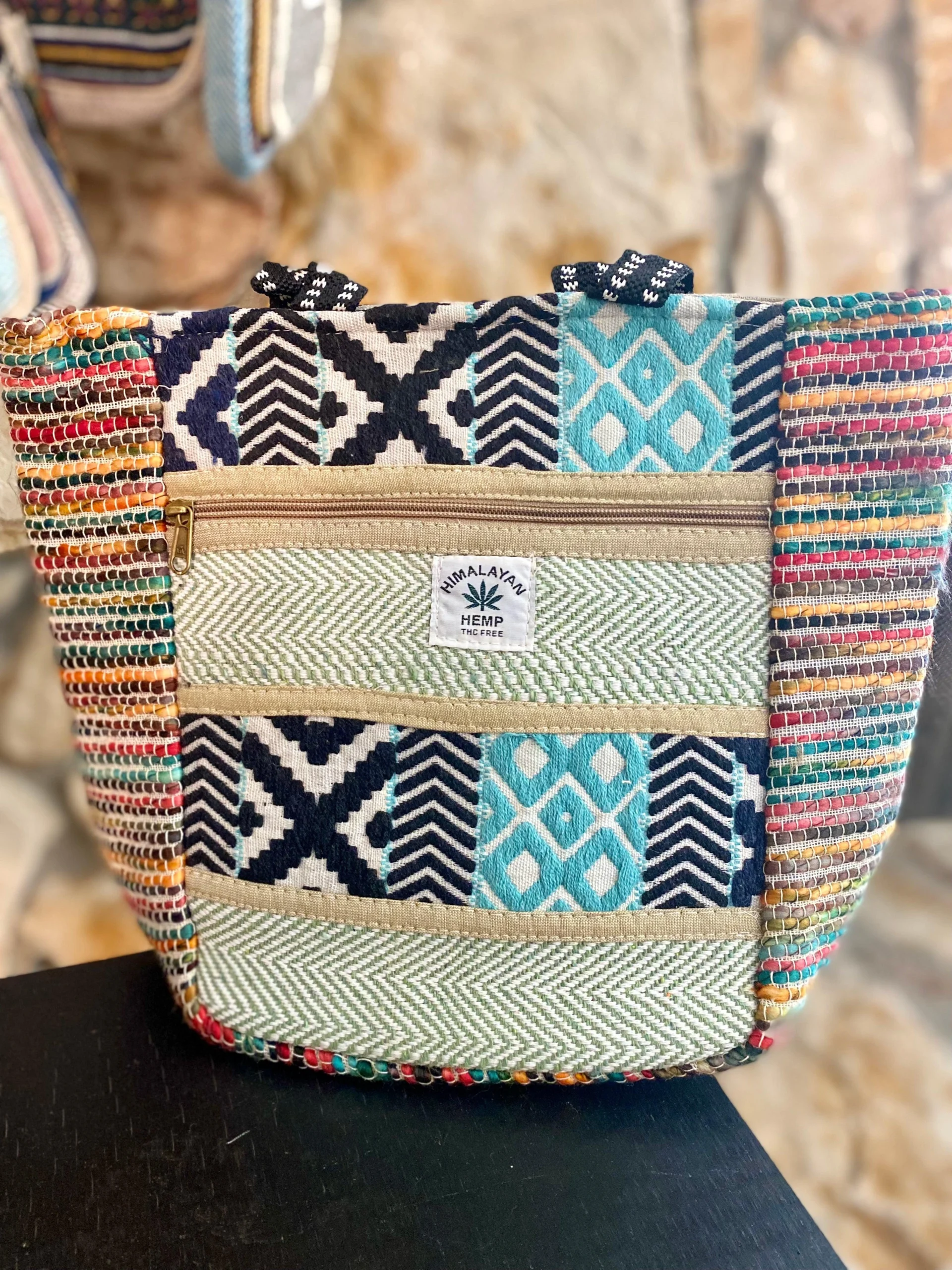
Hemp cultivation has deep roots in the Parvati Valley, and the local economy has built a genuine cottage industry around hemp-based products. Bags, pouches, wallets, hats, and keychains made from woven hemp are sold throughout Kasol’s market, and the quality is often genuinely impressive. Hemp fabric is strong, lightweight, and ages well, developing a texture that gets more interesting over time.
For backpackers and trekkers, hemp bags make practical sense beyond just being a souvenir. A good hemp tote or daypack is sturdy enough for actual use on the trail. For other travellers, hemp pouches and wallets are compact, inexpensive, and genuinely unique things to buy in Kasol that you are unlikely to find at the same quality level elsewhere. Look for stalls that stock hand-stitched pieces rather than machine-made versions, which tend to be more durable and more interesting.
Where to Buy: Main Market Road stalls, eco-craft shops near the river
Best Time to Shop: Morning (9 AM – 11 AM)
Approx Price: ₹200 – ₹2,000 depending on size and complexity
Speciality: The Main Market Road has the highest concentration of hemp product vendors in the valley. Prices are competitive between shops, and the range of items is significantly broader than what you find in Manali or Bhuntar.
2. Hand-knitted Woollen Clothes

The women of Parvati Valley and surrounding Kullu district villages have a long tradition of hand-knitting woollen garments. The sweaters, cardigans, socks, gloves, scarves, and caps sold in Kasol’s market are largely made by these women, often in patterns passed down through families. The wool is locally sourced from sheep that graze at altitude, which gives it a natural thickness and insulating quality.
What makes hand-knitted woollens from Kasol worth buying is the individuality. Each piece is slightly different because a human being made it on needles rather than a machine on a factory floor. The imperfections are part of the product. For travellers who want to bring back genuinely handcrafted clothing from Himachal Pradesh, Kasol’s woollen stalls offer excellent value compared to the more tourist-facing markets in Shimla or Manali.
Where to Buy: Main Market flea stalls, Manikaran Market
Best Time to Shop: Morning
Approx Price: ₹300 – ₹2,500 depending on garment type
Speciality: Manikaran Market, 4 km from Kasol, has a wider selection of woollen clothing at prices slightly lower than Kasol town, because the primary customers there include local residents rather than exclusively tourists. If you are already planning a visit to the Manikaran Sahib Gurudwara, combine it with a browse through the market right outside — the two are within walking distance of each other.
3. Boho Silver Jewellery
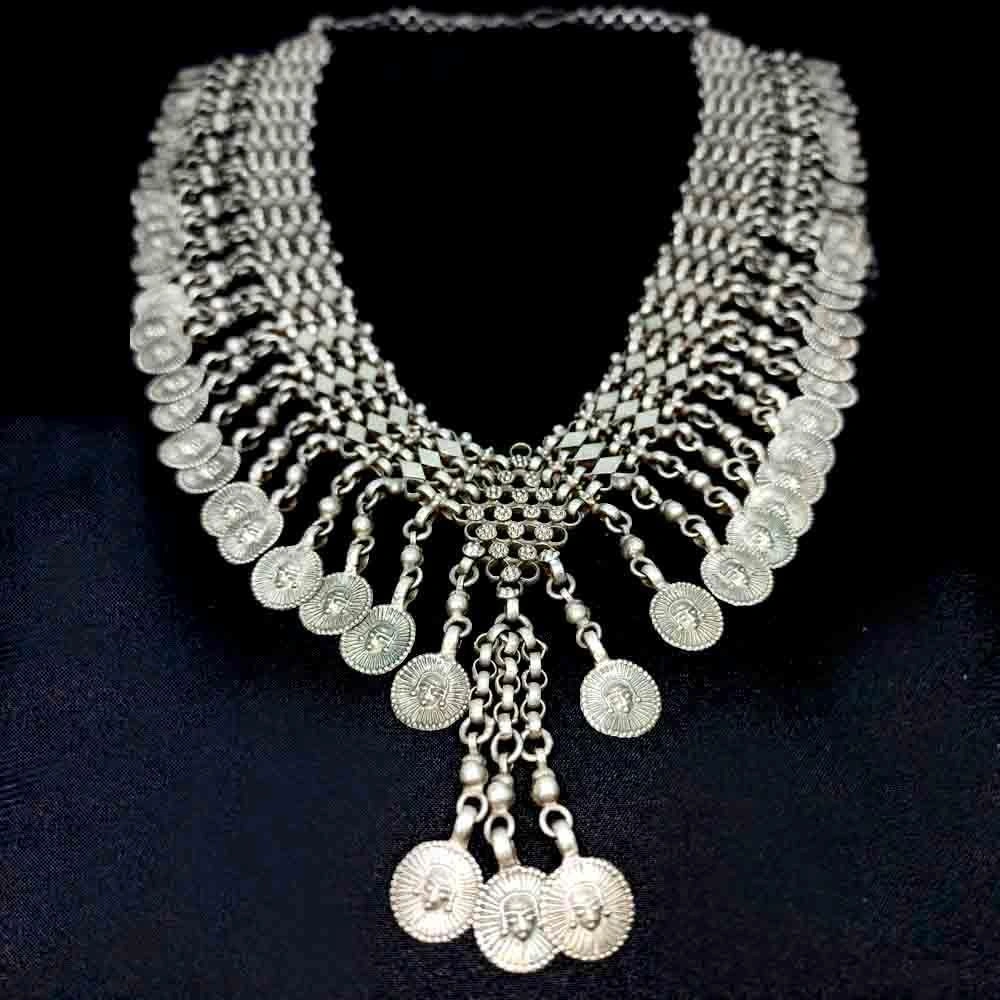
Kasol has attracted artists and craftspeople for decades, and a significant number of them work in silver. The jewellery sold in the market reflects the town’s cultural mix: you will find pieces that draw from Tibetan design traditions, Israeli boho aesthetics, Himachali craft patterns, and completely original work by independent artists.
Oxidised silver rings, wrap bracelets, layered necklaces, ear cuffs, and anklets are all available. Stones used include turquoise, labradorite, moonstone, amethyst, and coral. The pieces are usually handmade and genuinely affordable. A silver ring that would retail for ₹600 in a Delhi boutique market is available in Kasol for ₹150 to ₹250. This is one of the cheapest things to buy in Kasol for girls and women, and the selection is broader than what most people expect from a small Himalayan village.
Where to Buy: Main Market Road boutique stalls, Chalal village small shops
Best Time to Shop: Afternoon (1 PM – 4 PM)
Approx Price: ₹150 – ₹2,500
Speciality: Chalal, the small village accessible via a footbridge across the Parvati River from Kasol, has a handful of smaller stalls where individual artists sell their own work directly. Prices here are sometimes lower, and the pieces are more distinct than what is available on the main market strip.
4. Semi-precious Stone Jewellery and Raw Stones
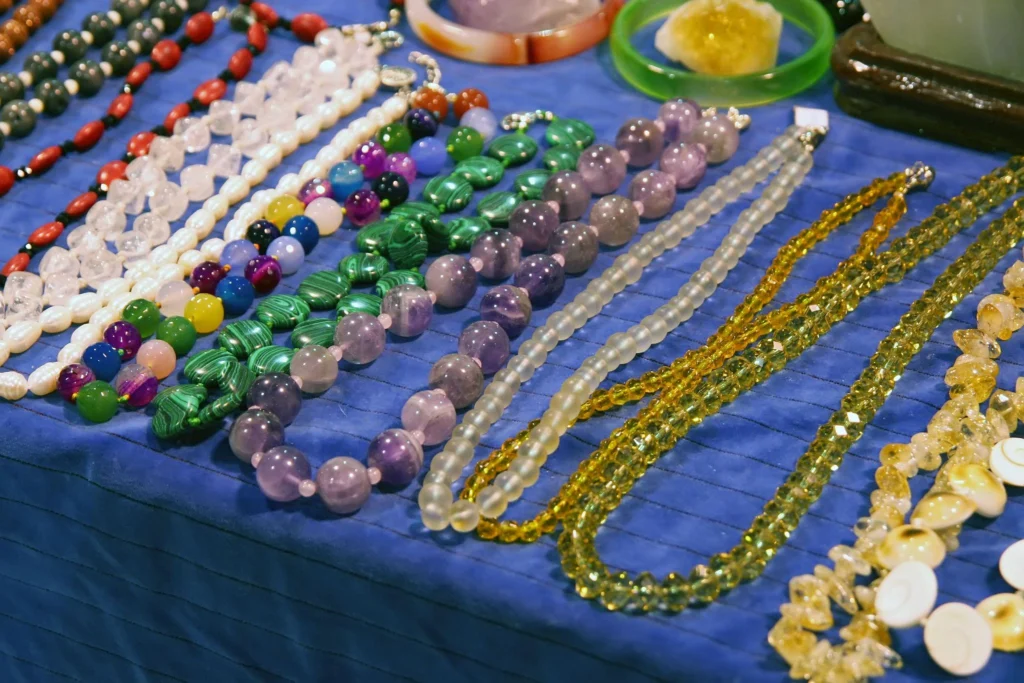
The Himalayan region produces a range of semi-precious stones, and Kasol’s market has a strong selection of both finished jewellery and raw, uncut stones for collectors. Amethyst, rose quartz, labradorite, lapis lazuli, tiger’s eye, and black tourmaline are among the most commonly available stones. Some sellers source directly from miners in the surrounding region; others bring stock from Jaipur and Manikaran.
Raw stones are particularly popular with travellers who practise crystal healing or mindfulness. A small tumbled amethyst crystal costs ₹50 to ₹150, while a larger raw lapis lazuli piece can go up to ₹1,000 or more depending on quality. These are among the most genuinely unique things to buy in Kasol because the Himalayan geological context makes them feel more directly connected to the place than similar stones sold in urban markets.
Where to Buy: Main Market Road stone stalls, Bhuntar Bazaar (10 km away)
Best Time to Shop: Morning
Approx Price: ₹50 – ₹3,000 depending on stone and size
Speciality: Kasol Main Market has several dedicated stone stalls where sellers can identify the stones and explain their properties. Buying from stalls that display clearly labelled stones suggests a more knowledgeable seller and a better chance of getting what you are actually paying for.
5. Psychedelic Art and Printed Clothing
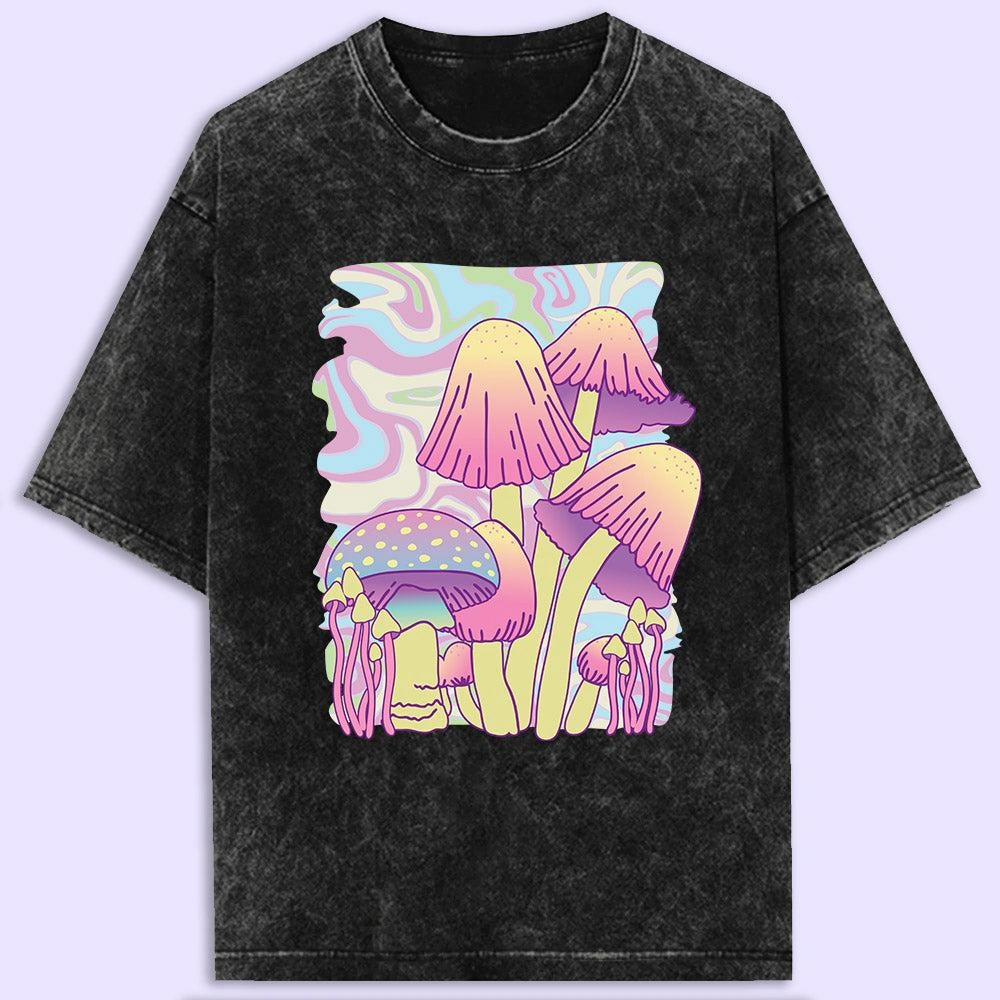
Kasol’s identity is inseparable from its artistic culture. The Parvati Valley has drawn artists, musicians, and creative travellers for decades, and that presence has produced a genuine local art scene. Psychedelic paintings, hand-painted on canvas or paper using vivid colours and surrealist imagery inspired by mountains, spirituality, and nature, are available from independent artists who sell directly in the market.
Beyond paintings, the printed clothing sold in Kasol reflects the same aesthetic. Tie-dye kurtas, harem pants with mandala prints, ponchos in geometric patterns, and t-shirts with original graphic designs are all available. The quality varies considerably between stalls, and the best pieces are from artists who do their own work rather than resellers stocking the same prints you find across every tourist market in India. Asking sellers if the designs are original is worth doing; the ones who made the work are usually proud to say so.
Where to Buy: Flea market stalls, independent art stalls near the riverside
Best Time to Shop: Afternoon and evening (3 PM – 7 PM, when artists set up)
Approx Price: ₹200 – ₹1,500 for clothing; ₹300 – ₹3,000 for original paintings
Speciality: The evening flea market atmosphere in Kasol is when the most interesting independent art appears. Artists who spend the day creating often set up their work by late afternoon.
6. Dream Catchers
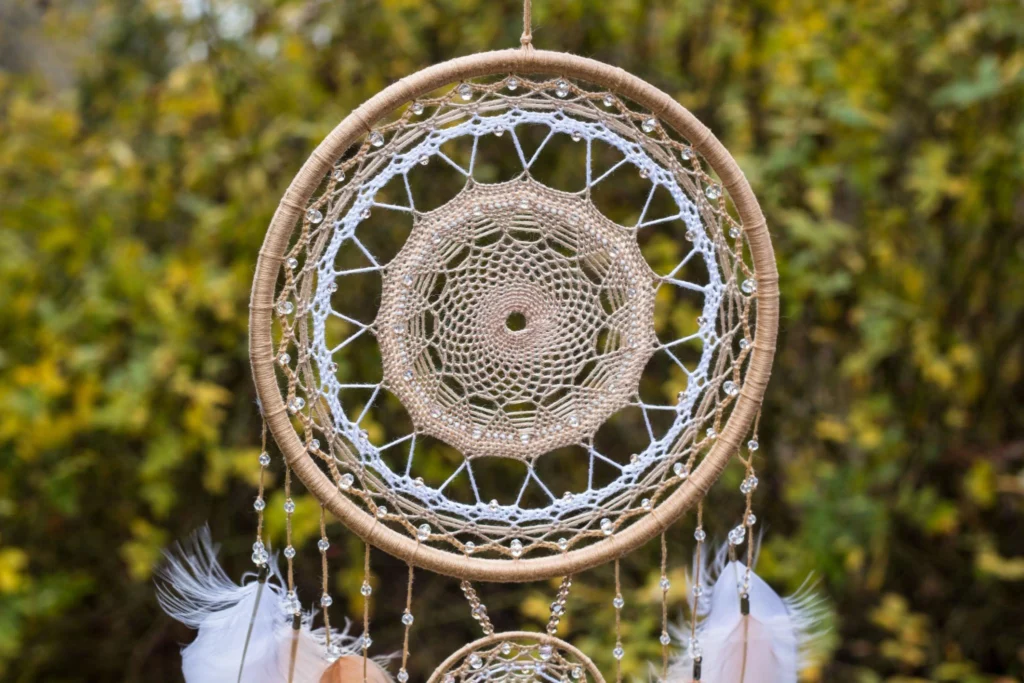
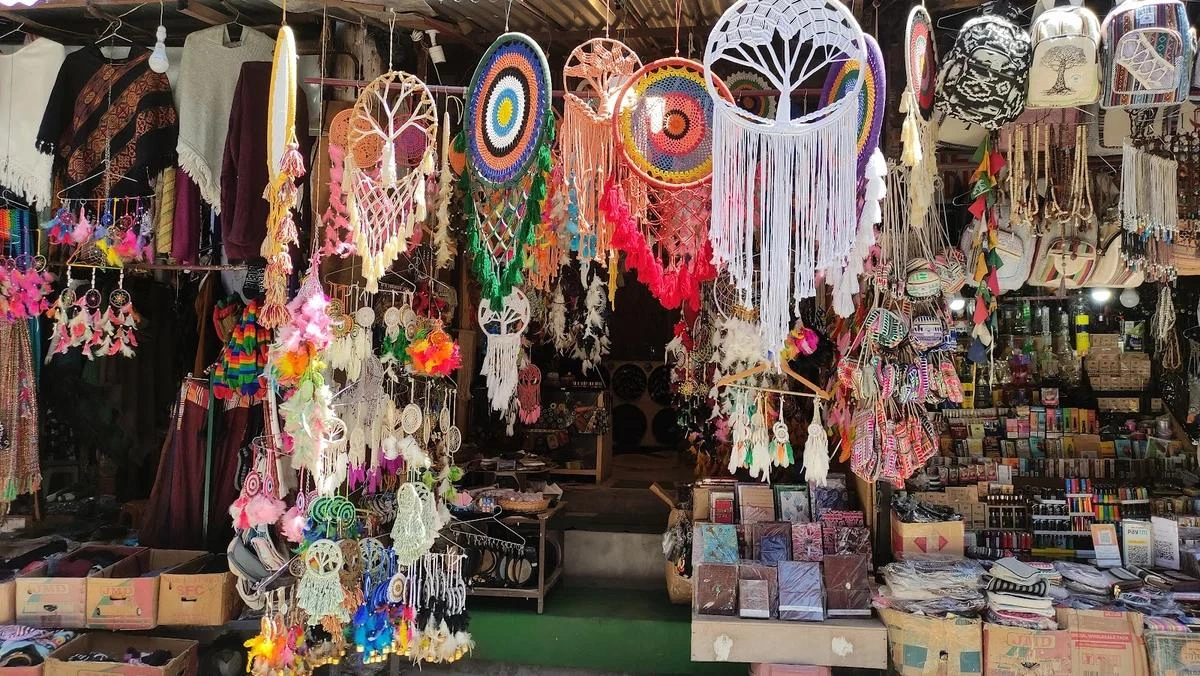
Dream catchers are among the most consistent sellers in Kasol’s market, and the ones made here are noticeably more detailed than the mass-produced versions sold in city gift shops. The Kasol versions are typically hand-woven using thread, feathers, wooden beads, shells, and semi-precious stone chips. The frame is usually willow wood or bamboo ring.
They range from small, single-hoop designs the size of a palm to elaborate multi-tiered pieces that span 60 to 80 centimetres when hung. The larger pieces make genuinely striking wall art for a room. For travellers looking for a lightweight, easy-to-carry souvenir that is also visually interesting, dream catchers are one of the most practical things to buy in Kasol’s flea market.
Where to Buy: Main Market stalls, riverside flea stalls
Best Time to Shop: Afternoon
Approx Price: ₹100 – ₹800 depending on size and complexity
Speciality: Some stalls in the Kasol market allow you to choose the colour palette and bead combination for a custom-made dream catcher, assembled while you wait. This option is worth asking about if you have a specific colour scheme in mind.
7. Himachali Caps (Topis)
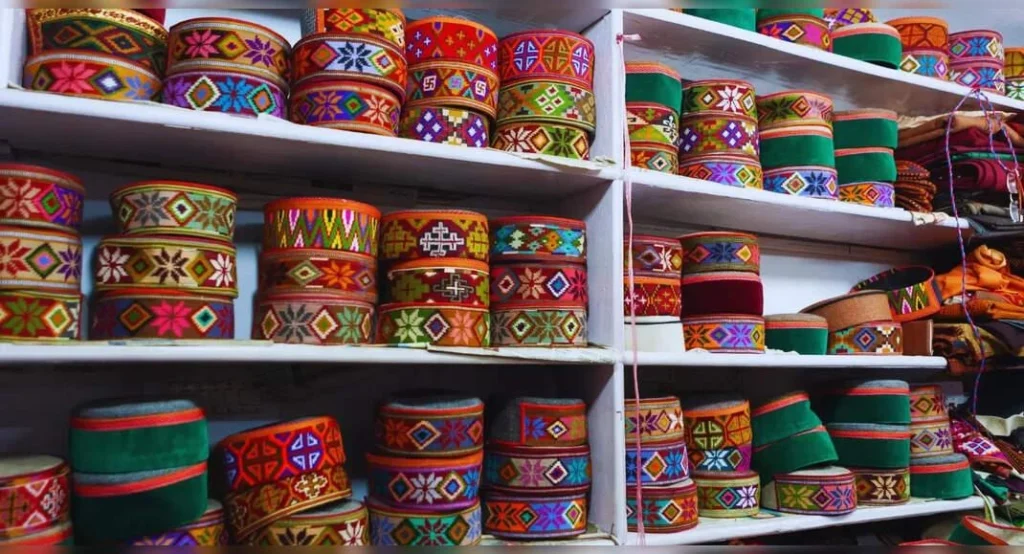
The Himachali cap is one of the most culturally significant souvenirs from the Kullu-Parvati Valley region. These flat, round woollen caps with a folded brim come in traditional district colours and patterns that have been consistent across generations. In the Kasol area, you will find both the classic solid-colour versions and caps with embroidered patterns that reflect the local craft tradition.
For children, teenagers, and anyone who wants a genuinely wearable souvenir, Himachali topics offer the best combination of cultural authenticity, affordability, and practicality. They pack flat, they are warm enough for actual use in the hills, and they are recognisably Himachali in a way that most people immediately understand. Among cheap things to buy in Kasol for kids and boys, these are at the top of the list.
Where to Buy: Main Market Road, Manikaran Market
Best Time to Shop: Anytime
Approx Price: ₹150 – ₹600
Speciality: Manikaran Market has a better selection of traditionally made Himachali caps than Kasol’s main market, at slightly lower prices, because the shop owners there cater to a broader local customer base rather than exclusively tourists.
8. Tibetan Handicrafts and Spiritual Items
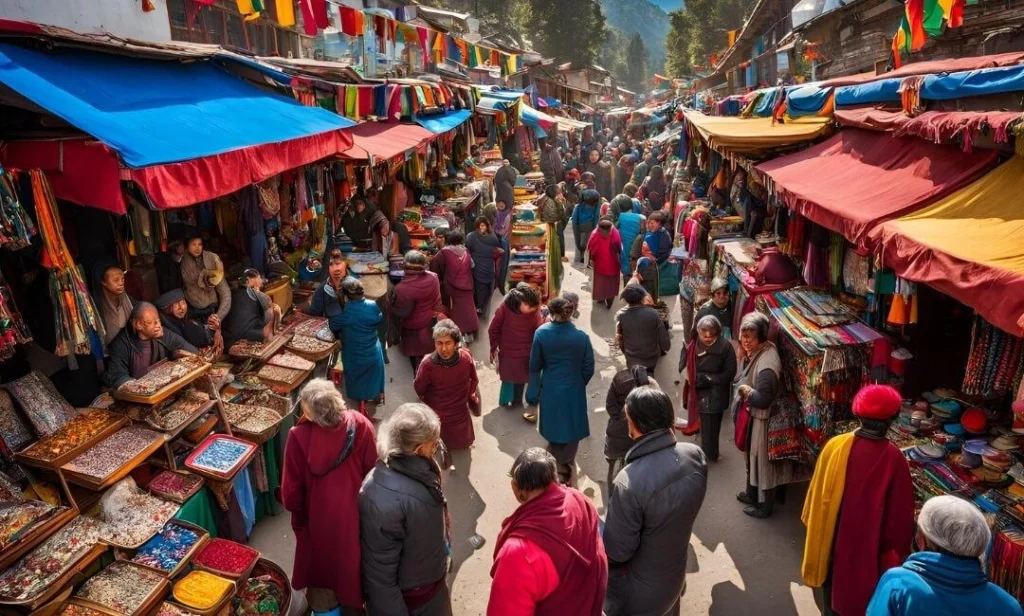
The Parvati Valley has a Tibetan cultural presence that goes back to the communities that settled in Himachal Pradesh following the 1950s. While smaller than Manali’s Tibetan community, their influence is visible in the market through prayer flags, small brass deity figurines, singing bowls, prayer wheels, incense burners, and thangka-inspired prints.
These are not only decorative items. For travellers with an interest in Tibetan Buddhism or mindfulness practices, prayer flags hung across a window or balcony carry specific meaning. Each colour represents an element: blue for sky and space, white for air and wind, red for fire, green for water, and yellow for earth. Buying a string of Tibetan prayer flags from a Kasol stall and understanding what you are bringing home makes the purchase considerably more meaningful.
Where to Buy: Main Market stalls, Manikaran Gurudwara area shops
Best Time to Shop: Morning
Approx Price: ₹200 – ₹3,000
Speciality: The shops near the Manikaran Sahib Gurudwara carry a broader range of spiritual items than Kasol’s main market and at prices that reflect a less tourist-intensive location. If spiritual and cultural shopping is a priority for your trip, the Gurudwara area shops are worth visiting specifically for this category.
9. Himalayan Honey
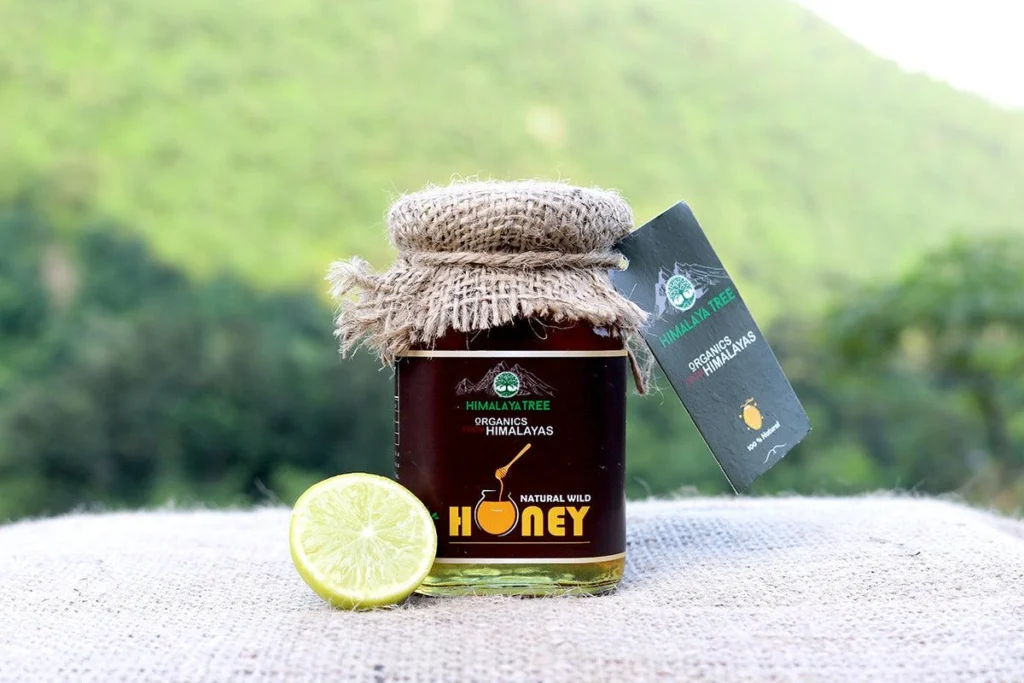
The Parvati Valley’s forests and wildflower meadows support bee populations that produce some of the most distinctive honey available in the Himalayan region. The bees forage on wild herbs, rhododendron, buckwheat, and apple blossoms depending on the season, which gives the honey a complex, layered flavour that varies between batches.
Raw mountain honey sold by local producers in and around Kasol is typically unfiltered, which means the comb fragments, pollen, and natural wax particles are still present. This is a sign of minimal processing. The texture is thicker than commercial honey, and the taste is significantly more interesting. It makes one of the most genuinely local food gifts you can buy anywhere in Himachal Pradesh, and it travels well when packed carefully.
Where to Buy: Local provision stores in Kasol, Manikaran Market, roadside sellers between Kasol and Manikaran
Best Time to Shop: Morning
Approx Price: ₹250 – ₹900 per jar depending on size and variety
Speciality: Look for sellers who keep their honey in glass jars rather than plastic, which is a basic indicator of how seriously they take the product. Roadside sellers between Kasol and Manikaran sometimes offer better prices than market stalls because they are selling directly from their own production.
10. Herbal Teas and Mountain Spices
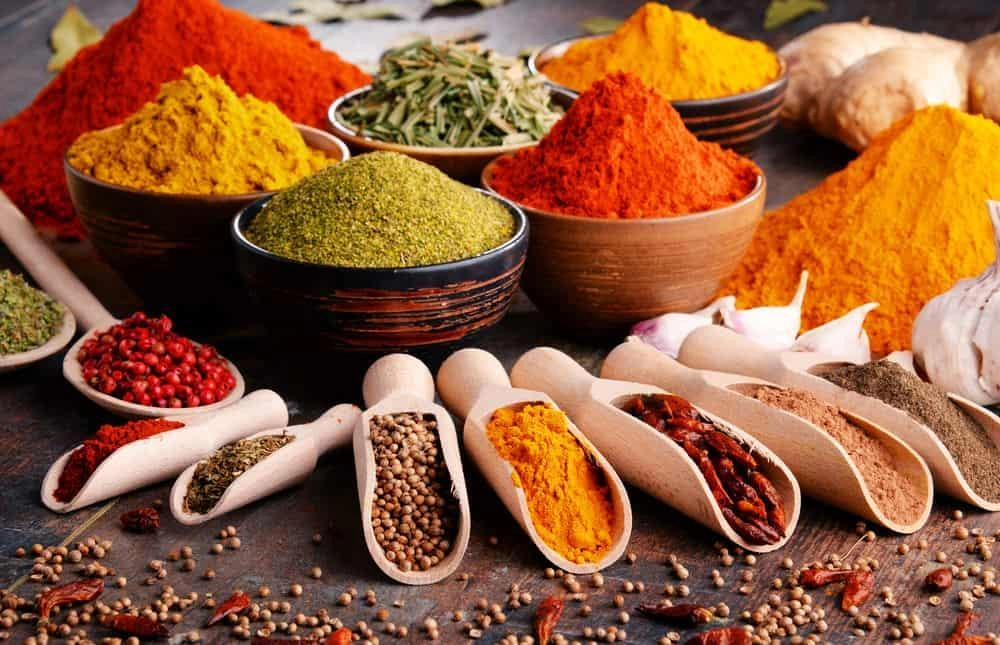
Several small shops in Kasol and Manikaran sell herbal tea blends sourced from the surrounding valley. Dried tulsi, mountain mint, Himalayan lemon grass, wild ginger, bhringraj, and bhrimsali are among the herbs commonly available. These are sold loose by weight or in hand-packed pouches, typically without commercial branding.
Mountain spice blends from this region include wild timur (Himalayan pepper), dried rhododendron, and local dried chillies. For travellers who cook or who want to bring back food gifts that are genuinely from the Parvati Valley rather than generic branded products, these herbal teas and spice pouches are excellent choices. They are lightweight, aromatic, and available at prices that make buying multiple varieties feel entirely reasonable.
Where to Buy: Kasol Main Market grocery shops, Manikaran Market provision stores
Best Time to Shop: Morning
Approx Price: ₹100 – ₹500
Speciality: The provision stores in Manikaran tend to stock a wider range of locally sourced herbs and spices than the tourist-facing stalls in Kasol, because their customer base includes local residents who use these products regularly.
11. Trekking Essentials
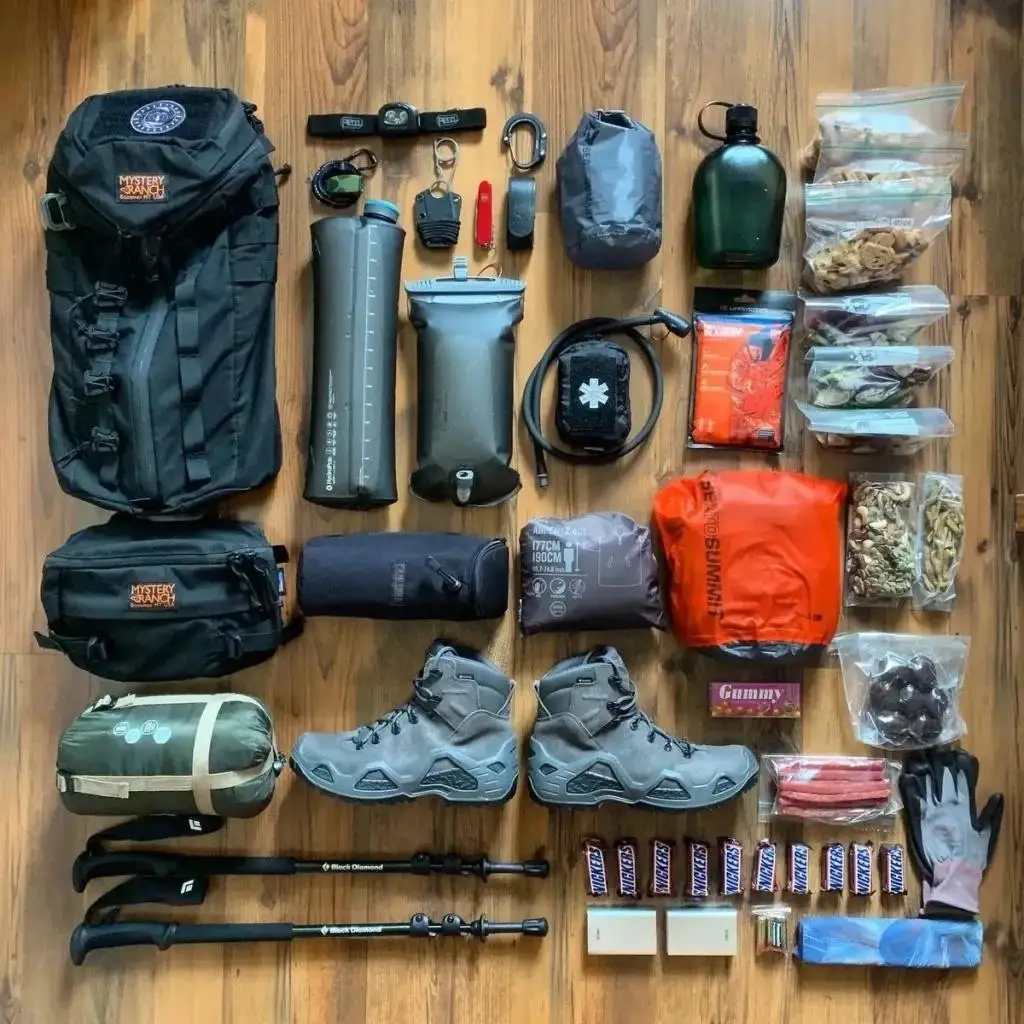
Kasol is the base camp for some of the most popular treks in Himachal Pradesh, including the Kheerganga trek and the Pin Parvati Pass trek. This has created a practical market for trekking essentials that caters specifically to travellers who arrive underprepared or who need to replace gear before heading out.
Rain ponchos, quick-dry socks, microfibre towels, trekking poles, headlamps, water purification tablets, and basic first aid kits are all available in the Kasol market. The quality is not equivalent to branded outdoor gear from specialist stores, but for budget travellers or those who need a specific item at short notice, these stalls are genuinely useful. Many backpackers who plan to trek to Kheerganga buy their final pieces of kit in Kasol rather than carrying extra weight from home. For a complete sense of what to expect in the valley before your trek, the Kasol guide covers the key sights and trails that start from the main village.
Where to Buy: Sports and gear stalls on Main Market Road
Best Time to Shop: Morning (best stock availability before afternoon rush)
Approx Price: ₹100 – ₹1,200 depending on item
Speciality: The gear stalls in Kasol are stocked specifically for the treks that start from the valley, which means they carry items that are actually relevant for those conditions rather than generic outdoor products.
12. Handmade Candles and Incense
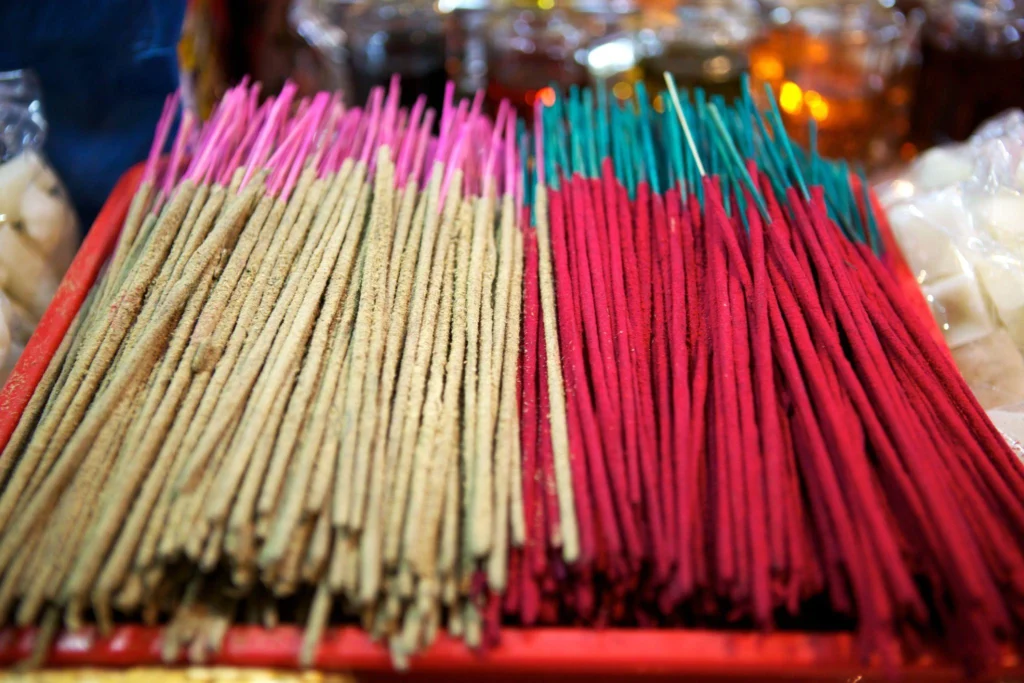
A cluster of small stalls in Kasol’s market sells handmade candles and locally produced incense that reflects the town’s meditative, artistic character. The candles are typically hand-poured in moulds shaped like chakra symbols, Himalayan peaks, lotuses, and abstract geometric forms. They use natural wax with essential oil fragrance blends sourced from local herbs.
The incense sticks available in Kasol go significantly beyond the standard sandalwood or rose varieties. You will find blends incorporating cedar, juniper, wild herbs from the Parvati Valley, and resins gathered from surrounding forests. These are genuinely aromatic products that bring something of the valley’s atmosphere home with them. For travellers who practise yoga or meditation, or who simply want a lightweight, fragrant souvenir, handmade candles and incense are among the best cheap things to buy in Kasol.
Where to Buy: Flea stalls and artisan shops on Main Market Road
Best Time to Shop: Evening
Approx Price: ₹80 – ₹600
Speciality: The evening flea market atmosphere in Kasol is when candle and incense stalls are most atmospheric. Many sellers burn their own products at their stalls, making it easy to assess the actual fragrance before buying.
Best Shopping Markets in Kasol
Kasol Main Market Road
This is the central commercial street of the town, running parallel to the Parvati River through the main settlement. It is compact, about 300 to 400 metres in walkable length, but densely stocked. Every category of Kasol’s shopping is available here: hemp products, jewellery, woollens, dream catchers, trekking gear, and food. The market has a mix of permanent shops and temporary stalls, with the latter tending to rotate based on season. Evening is the most lively time, when lights come on and the flea market section opens fully. Bargaining is expected at stalls; some fixed-price shops exist and do not negotiate. For a full picture of what else you can do in and around this area, the places to visit in Kasol guide maps out all the key spots in and around the main village.
Chalal Village Stalls
Chalal is accessible via a short footbridge across the Parvati River from Kasol’s main market area. This small village has a handful of independent artisan stalls where individual craftspeople sell their own work, primarily jewellery, paintings, and handmade accessories. The atmosphere here is quieter and more personal than the main market. Prices are sometimes lower because the sellers are the makers. The walk across the bridge alone is a pleasant five minutes, and combining it with a browse through Chalal adds a different dimension to your Kasol shopping experience.
Manikaran Market
Manikaran is 4 km from Kasol along the Parvati River road and is primarily known for the Manikaran Sahib Gurudwara and its natural hot springs. The Gurudwara itself is one of the most significant pilgrimage sites in Himachal Pradesh for both Sikhs and Hindus, and visiting it alongside the market makes the trip to Manikaran genuinely worthwhile rather than just a shopping errand. The market that surrounds the Gurudwara complex is a genuinely good shopping destination. Woollen shawls, Himachali handicrafts, local honey, herbal products, and spiritual items are all available here at prices that tend to be lower than Kasol town because the customer mix includes local residents and pilgrims rather than exclusively trekker tourists. The market has a more traditional Himachali feel than Kasol’s bohemian flea market scene.
Bhuntar Bazaar
Bhuntar is the nearest town to Kasol, about 10 km down the valley at the junction with the main Kullu-Manali highway. It has a proper local market that serves the residents of the entire lower Parvati Valley. Fresh produce, local spices, dry fruits, honey, and practical goods are all cheaper here than in Kasol. If you are passing through Bhuntar on your way to or from Kasol, it is worth a thirty-minute stop to buy food items and provisions at prices that reflect local rather than tourist economics. Travellers coming from Delhi by road or bus will pass through Bhuntar before reaching Kasol — the How to Reach Kasol from Delhi guide explains exactly where Bhuntar falls on the route and how long it takes from the capital.
Tips for Smart Shopping in Kasol
Walk the full market before buying. Kasol’s main market is small enough that a complete walk-through takes fifteen to twenty minutes. Do this before buying anything. Prices for the same product can vary by 30 to 50% between stalls, and you will only know the range once you have seen the whole market.
Bargain respectfully at flea stalls. Fixed-price shops exist in Kasol and are easy to identify because they display prices on items. At open flea stalls, an opening counter-offer of 20 to 30% below the asking price is reasonable and expected. Very aggressive bargaining often results in a seller agreeing on price but quietly substituting a lower-quality item at the last moment.
Carry cash. A significant number of smaller stalls and flea market sellers in Kasol do not accept UPI or cards reliably. The ATM in Kasol is functional but frequently runs low on cash during peak season weekends. Withdraw sufficient cash in Bhuntar or Kullu before arriving.
Buy trekking gear before the trail, not after. If you are planning the Kheerganga trek, buy any gear you need in Kasol before you start. There are no shops on the trail itself, and forgetting a rain poncho or a pair of warm socks on a mountain trek is a genuinely uncomfortable experience.
Test stone quality before buying. For semi-precious stones, a basic test is the hardness check: real quartz and amethyst will scratch glass cleanly. If a seller describes a stone as “crystal” but the price seems implausibly low, it may be dyed glass. Buying from stalls where the seller can identify stones by name and explain their origin is a reasonable quality indicator.
Pack fragile items carefully. Dream catchers, candles, and delicate jewellery need proper protection in your bag. Ask market sellers for extra wrapping. Soft clothing wrapped around fragile items is the simplest solution for backpackers.
Time your shopping around the season. The variety and number of stalls open in Kasol varies significantly across the year. The best time to visit Kasol guide explains which months see the most active market, which months are quieter, and what the shopping atmosphere looks like in each season.
Common Shopping Mistakes to Avoid in Kasol
Buying everything on day one. Many travellers buy extensively on the first day and then find better products or lower prices later in the trip. Reserve your larger purchases for day two after you have seen the full range available.
Confusing mass-produced for handmade. A portion of the clothing and jewellery sold in Kasol arrives from wholesale markets in Delhi, Jaipur, and Ludhiana. It is not locally made. Asking sellers if they made the item themselves is a reasonable question, and genuine artisans will always say yes and usually be able to describe their process.
Overpaying for hemp products. Hemp goods have a premium reputation in Kasol, and some sellers exploit this by pricing basic items at tourist-premium rates. A small hemp pouch should not cost more than ₹200 to ₹350. If a simple stitched wallet is priced at ₹600, you are being overcharged.
Skipping Manikaran Market. Many visitors shop exclusively in Kasol and miss Manikaran entirely. This is a genuine mistake. The Manikaran Sahib Gurudwara is worth visiting in its own right — the hot springs, the langar, and the spiritual atmosphere make it one of the most memorable experiences in Parvati Valley. The market right outside offers better prices on woollens, honey, and traditional handicrafts than Kasol town. Combining both in a half-day trip is one of the most efficient ways to spend a day here.
Buying large fragile art without a shipping plan. If you fall in love with a large psychedelic painting or a significant Tibetan carpet and cannot carry it comfortably, ask the seller about shipping options before buying. Some established sellers can arrange basic packaging and courier services. Buying a ₹5,000 painting and then cramming it into an overpacked bag is a reliable way to damage it before you get home.
Not planning your overall Kasol trip properly. Shopping is just one part of what Kasol offers. If you are arriving for the first time, the How to Reach Kasol from Manali guide covers every transport option from Manali with current fares and route details, so your journey into the valley is sorted before you think about what to buy once you arrive.
Plan Your Trip with Trip Guru Go
If you are planning a Kasol trip and want the practical side handled without the usual back-and-forth of booking everything independently, Trip Guru Go has Kasol packages covering transport, accommodation, and local guidance. Arriving with logistics sorted means you spend your actual time in the valley doing what you came for: walking the trails, sitting by the river, and browsing the market at your own pace.
Conclusion
The things to buy in Kasol are a direct reflection of what Kasol actually is. The market here does not sell generic souvenirs. It sells hemp bags made by people who use hemp seriously, jewellery made by artists who actually live in the valley, incense blended from herbs that grow on the surrounding slopes, and woollens hand-knitted by women from villages upstream. Even the psychedelic paintings and dream catchers have an energy that comes from being made in a place where creative people gather intentionally.
Shopping in Kasol is not a task you tick off a list. It is part of the experience of being here. The walk through the market in the evening, with the sound of the river below and the smell of incense and cooking coming from the cafes alongside, is its own kind of pleasure. You will come back with things that look and feel different from anything available elsewhere, because they genuinely are.
Before you finalise your plans, check the best time to visit Kasol to make sure your travel window gives you the fullest market experience. And once you are there, the places to visit in Kasol guide will help you plan your days so shopping fits naturally alongside everything else the valley has to offer.
Buy what you actually like. Do not rush. And leave room in your bag before you arrive.
Frequently Asked Questions
What are the best things to buy in Kasol?
The best things to buy in Kasol are hemp bags, hand-knitted woollen clothes, bohemian silver jewellery, semi-precious stone pieces, psychedelic art, dream catchers, Himachali caps, Himalayan honey, and herbal teas. These products reflect the town’s unique mix of Himachali craft tradition and the artistic, backpacker culture that defines the Parvati Valley.
What is Kasol famous for in terms of shopping?
Kasol is particularly famous for its flea market culture, hemp products, and bohemian jewellery. The combination of locally made Himachali handicrafts and goods created by the artistic traveller community that has settled in the valley gives Kasol a shopping identity unlike any other hill town in Himachal Pradesh.
Is Kasol good for shopping?
Yes, Kasol is a genuinely good shopping destination for a specific kind of traveller. If you want handmade jewellery, hemp accessories, woollen clothing, spiritual items, and artisan goods at fair prices, the Kasol market delivers well. It is not the right place for high-end shopping or branded goods, but for authentic, handcrafted, and culturally rooted products, it is one of the better markets in Himachal.
What gifts can you take for someone from Kasol?
The most appreciated gifts from Kasol include hand-knitted woollen scarves or caps, a jar of raw Himalayan honey, a handmade dream catcher, a hemp pouch or bag, a string of Tibetan prayer flags, or a piece of boho silver jewellery. These gifts are distinctive, genuinely local, and available across a wide price range suitable for different budgets.
Anshra Zafar explores the mountains of Himachal Pradesh & Uttrakhand and writes detailed travel guides about Manali, Kasol, Sissu, Jispa.chopta and kedarnath trek She focuses on scenic road trips, backpacking experiences, café culture, snowfall destinations, and adventure activities in the Himalayas. Her content helps travelers plan smooth and memorable mountain journeys.