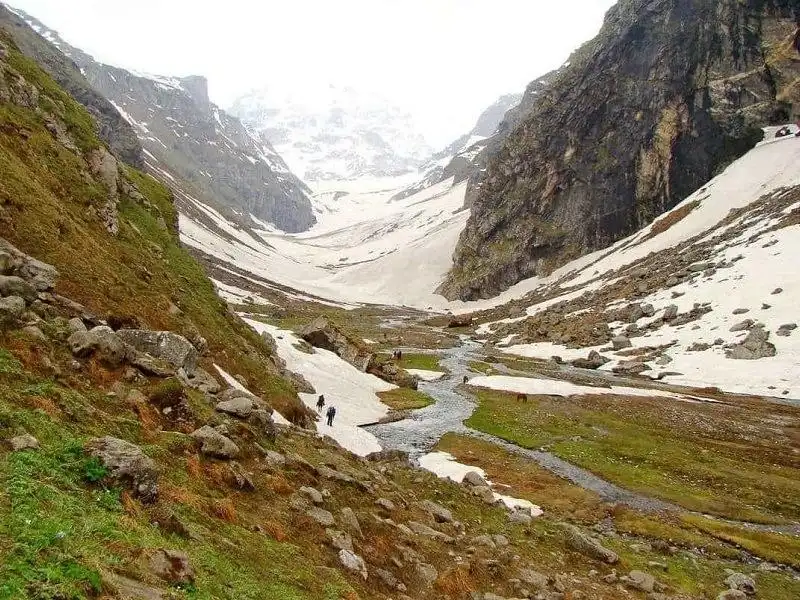
Packing for the Hampta Pass Trek is different from packing for a regular mountain trip. Once you leave Manali and begin the trek, you won’t find shops selling trekking gear, extra clothing, or forgotten essentials. Whatever you carry from the base camp is what you’ll have for the next few days.
One question we hear before almost every departure is, “How much should I pack?”
The simple answer is: pack smart, not heavy.
Most first-time trekkers assume they need multiple jackets, extra shoes, or several changes of clothes. By the second day, they realize they’re carrying unnecessary weight on every uphill climb. A lighter backpack doesn’t just make trekking easier—it also helps you enjoy the journey without feeling exhausted.
If you’re joining one of Trip Guru Go’s Hampta Pass fixed departures, our Trip Captain will share a detailed packing checklist before the trek. But understanding why each item matters will help you pack more confidently.
This list isn’t built from a generic template. It comes from watching hundreds of trekkers pack, unpack, and repack their bags at Jobra before the trail even starts. The same handful of items get pulled out and left behind every season, and the same handful of “I wish I’d carried this” comments come up on the way back. This guide is meant to save you both of those moments.
Understand the Weather Before You Pack
Hampta Pass sits at an altitude of approximately 4,270 metres (14,000 feet). During the trek, the weather can change several times in a single day.
A sunny morning in Jobra can become cloudy by afternoon, followed by rain near Chika or Balu Ka Ghera. As you gain altitude, temperatures drop quickly, especially after sunset. Even during June and July, nights are cold enough to require proper warm layers.
Instead of carrying one bulky jacket, experienced trekkers rely on the layering system. This allows you to add or remove clothing depending on the weather without carrying unnecessary weight.
The season you trek in changes what you pack more than most people expect. June batches often still see leftover snow patches near the pass and colder nights than the rest of summer. July and August are the greenest months on the Kullu side, but they also bring the highest chance of afternoon rain, so a reliable waterproof layer matters more than usual. September batches are drier and clearer, but nights at Shea Goru and near the pass get noticeably colder, so an extra warm layer is worth the additional weight.
If you’re still deciding which batch to book, it helps to look at the broader seasonal weather patterns across Himachal Pradesh before finalising your packing list, since that will tell you exactly what kind of layers to prioritise.
Clothing Checklist
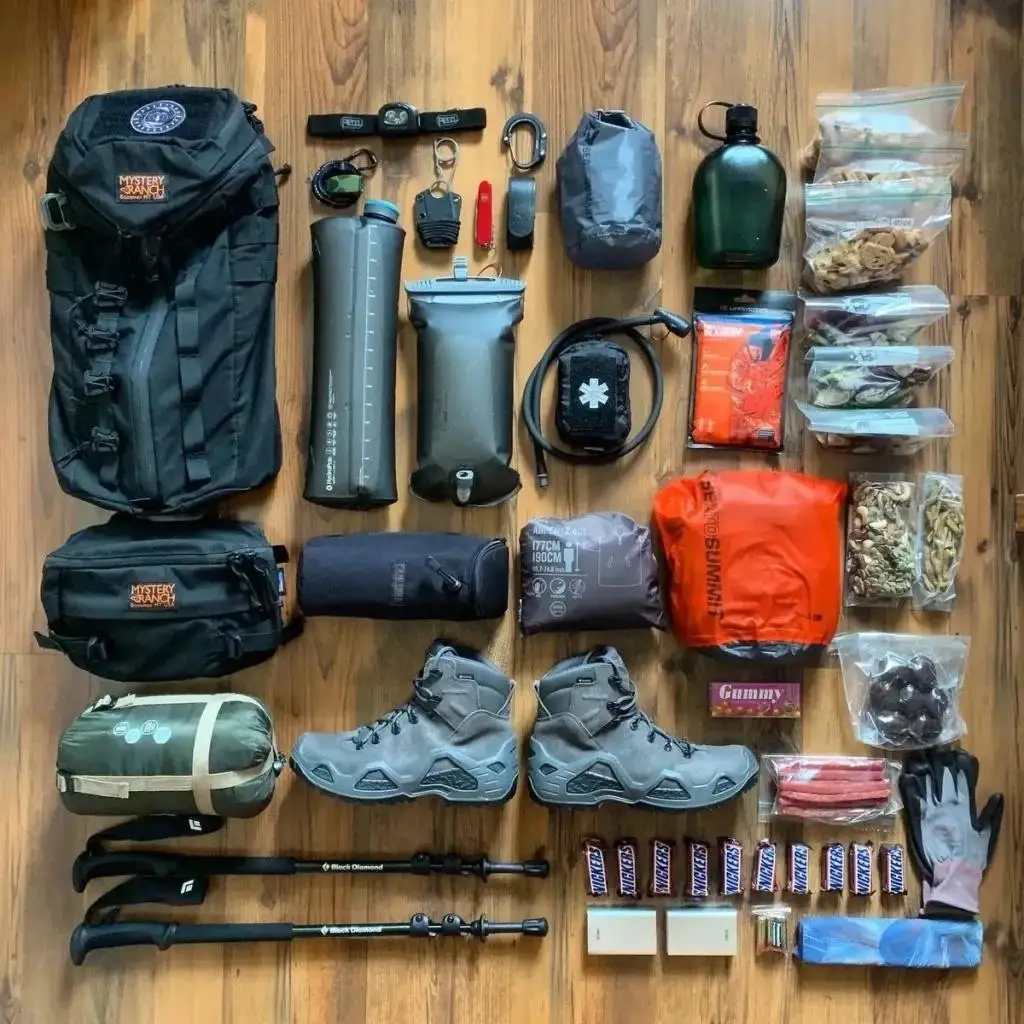
The right clothing will keep you warm, dry, and comfortable throughout the trek.
Base Layers
These are the clothes you’ll wear closest to your body.
Carry:
● 3–4 quick-dry trekking T-shirts
● 1–2 full-sleeve T-shirts for sun protection
● Thermal innerwear (especially for early or late-season treks)
● Comfortable innerwear
● 4–5 pairs of trekking socks
Avoid heavy cotton T-shirts. Once wet, they take much longer to dry and can make you feel cold at higher altitudes.
Mid Layer
A fleece jacket is one of the most useful items for Hampta Pass.
It provides warmth during early mornings, rest breaks, and evenings at the campsite without adding too much weight.
Outer Layer
Weather in the Himalayas can change unexpectedly.
Carry:
● Waterproof jacket
● Windproof shell
● Rain cover for your backpack
Even if the forecast looks clear, it’s always better to be prepared for sudden rain or strong winds.
Trekking Pants
Comfort matters more than style.
Carry:
● Two quick-dry trekking pants
● One comfortable lower or track pant for the campsite
Avoid jeans. They’re heavy, restrict movement, and become uncomfortable if they get wet.
Trekking Shoes
Your shoes are probably the most important item you’ll carry.
Choose:
● High-ankle trekking shoes with good grip
● Shoes that have already been used for a few walks or hikes
Never bring brand-new shoes directly to the trek. They often cause blisters during long walking days.
Also carry:
● Lightweight slippers or sandals for relaxing at the campsite after removing your trekking shoes.
Backpack
If you’re carrying your own gear, a 50 to 60-litre backpack is usually sufficient.
Choose one with:
● Adjustable shoulder straps
● Waist belt
● Chest strap
● Rain cover
Pack heavier items close to your back and lighter items towards the top for better balance.
A well-organized backpack matters as much as a well-packed one. Keep your rain jacket, water bottle, and snacks in the outer pockets where you can reach them without unpacking everything on the trail. Items you’ll only need at camp, like your sleeping clothes or toiletries, can go deeper inside. Packing your bag the night before rather than in a rush at Jobra also gives you a chance to notice if something doesn’t fit or if you’ve packed more than you actually need.
Documents and Money
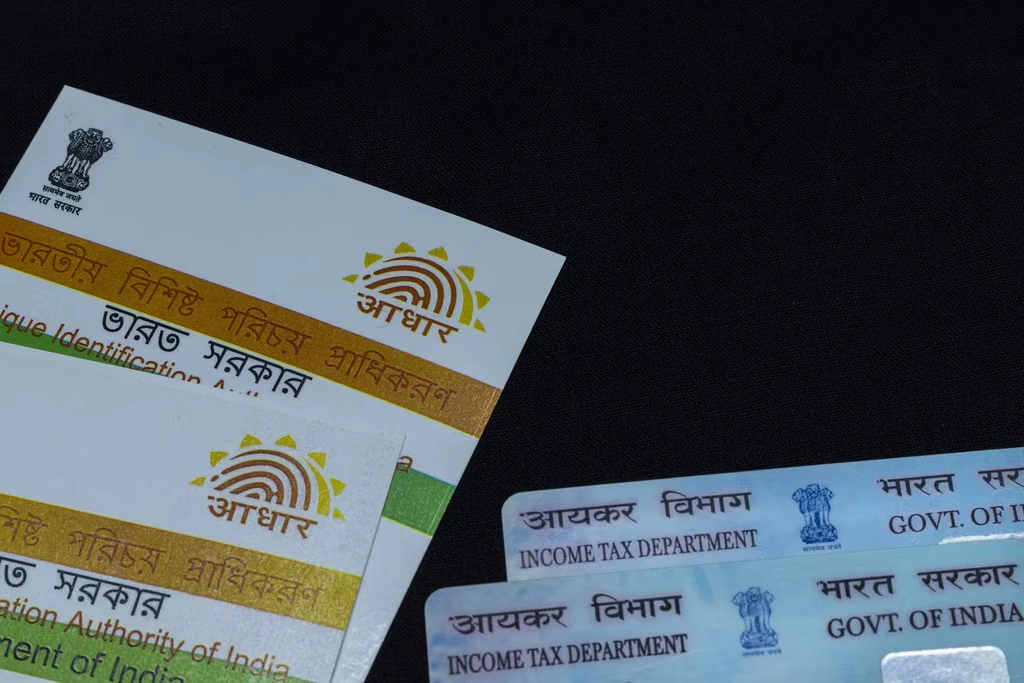
Carry a valid original photo ID, since forest checkpoints and permit counters near Manali ask for it before the trek begins. A couple of passport-sized photographs are also useful, as some permit formalities ask for them on the spot.
Keep sufficient cash with you. Once you’re past Manali, there are no ATMs, and homestays or dhabas along the base camp route don’t accept digital payments. It’s better to carry a little more than you think you’ll need rather than run short mid-trek.
Personal Essentials
Don’t forget these small items—they often become the most useful during the trek.
Carry:
● Reusable water bottle (at least 1 litre)
● Personal medicines
● Sunscreen (SPF 50+)
● Lip balm with SPF
● Sunglasses with UV protection
● Cap or sun hat
● Woollen cap
● Gloves
● Quick-dry towel
● Wet wipes
● Toothbrush and toothpaste
● Hand sanitizer
● Tissue paper
At higher altitudes, the sun is much stronger than many first-time trekkers expect. Sunscreen and sunglasses are essential, even on cloudy days.
Electronics
Electricity isn’t available throughout the trek, so charge your devices whenever possible before leaving Manali.
Recommended:
● Fully charged mobile phone
● Power bank (10,000–20,000 mAh)
● Charging cable
● Headlamp or torch with extra batteries
A headlamp is much more useful than using your phone flashlight while moving around the campsite at night.
Keep your phone in flight mode when you’re not using it to check the time or take photos. Network coverage disappears soon after Jobra, and a phone constantly searching for signal drains its battery far faster than normal use. A power bank helps, but it isn’t unlimited, so treat your phone battery as a resource to ration rather than something you can top up whenever you like.
Medicines
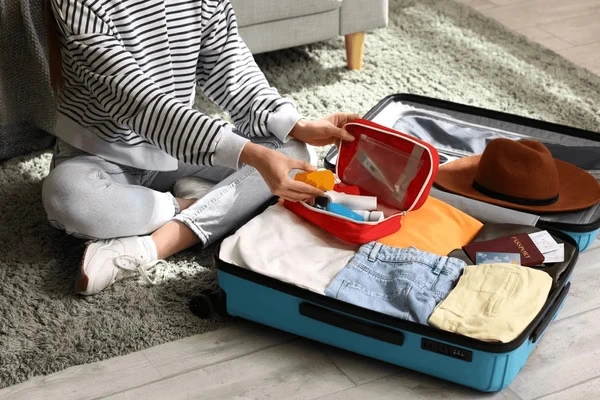
Carry a small personal medical kit containing:
● Basic pain relief medicine
● Band-aids
● Antiseptic cream
● ORS packets
● Motion sickness medicine (if required)
● Personal prescription medicines
If you’re unsure about medicines for high-altitude trekking, consult your doctor before the trip. If you’re prone to motion sickness on winding mountain roads, take your medicine before the drive from Manali to Jobra begins rather than waiting until you start feeling unwell.
What You Don’t Need
One mistake we notice every season is overpacking.
Leave these items at home:
● Heavy suitcases
● Multiple pairs of jeans
● Hair dryers
● Large perfume bottles
● Expensive jewellery
● Extra shoes
● Bulky books
Every unnecessary kilogram feels much heavier once the trail starts climbing.
Common Mistakes First-Time Trekkers Make
Beyond overpacking, a few smaller mistakes show up on almost every batch. The first is carrying cotton clothing because it feels comfortable in Manali, then struggling to dry it out once it gets damp from sweat or rain on the trail. The second is assuming the weather will match how warm it feels at the base camp, then being caught off guard by the drop in temperature at Balu Ka Ghera or Shea Goru.
The third is skipping a trial walk in new trekking shoes, which is one of the most preventable causes of blisters and discomfort on the second and third days. And the fourth is packing toiletries and extra outfits “just in case,” which adds weight without adding much real comfort on a four to five day trek.
A Tip from Our Trip Captains
The trekkers who enjoy Hampta Pass the most usually aren’t the ones with the most expensive gear—they’re the ones who pack thoughtfully.
Carry only what you’ll actually use. Dress in layers instead of one heavy jacket. Keep your backpack organized, stay hydrated, and remember that comfort matters far more than looking perfect in photographs.
If you’re joining one of our fixed departures, your Trip Captain will go through your packing list with you before the trek starts and flag anything you’re missing or carrying too much of. It’s a small check that saves a lot of discomfort once you’re a day into the trail.
The mountains don’t reward heavy packing they reward smart packing.