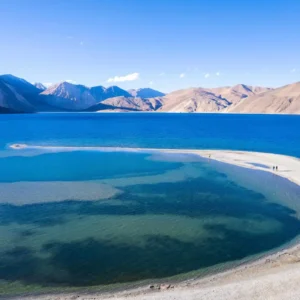
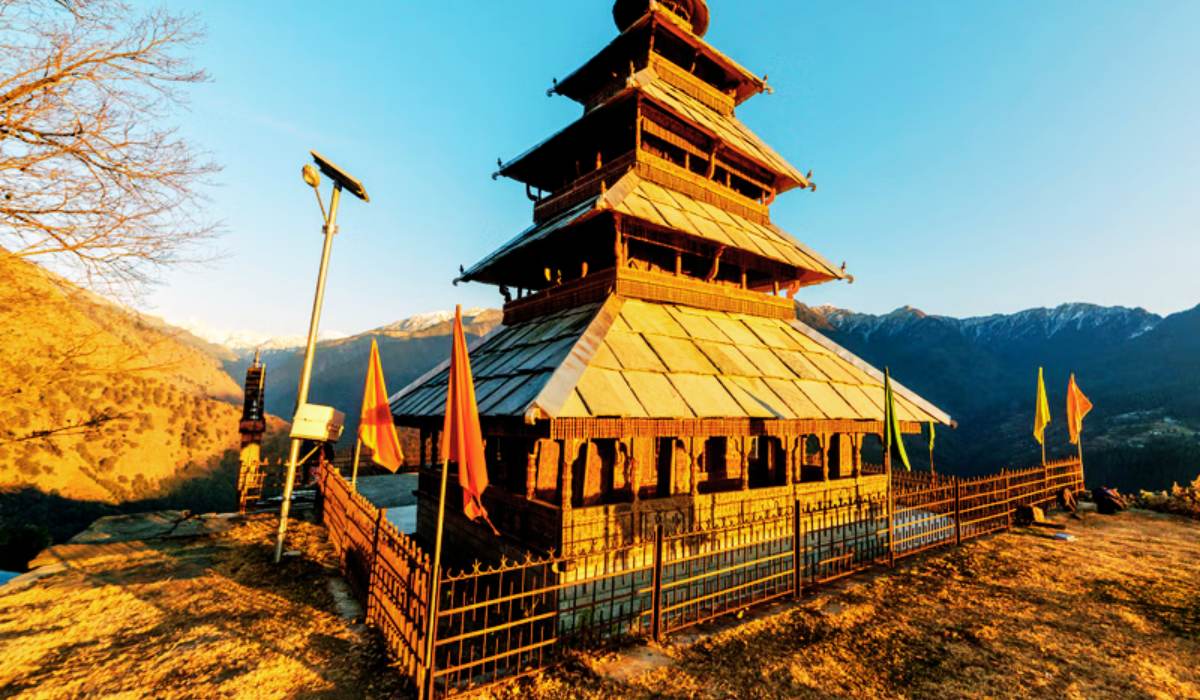
Planning to visit Old Manali? Don’t miss the famous Manu Temple, one of the town’s most important religious and cultural landmarks. Dedicated to Sage Manu, the temple is believed to stand at the place where he came after the great flood, according to Hindu mythology. Surrounded by pine trees and traditional wooden houses, it offers a peaceful atmosphere and beautiful mountain views.
Many visitors come to Manali travel guide for adventure and snow but leave without exploring this historic temple. If you’re looking for a place with history, spirituality, and local charm, Manu Temple is well worth a visit. In this guide, you’ll find everything you need to know, from its history and architecture to the best time to visit and useful travel tips.
Manu Temple Manali – Quick Information
| Detail | Information |
| Location | Old Manali, approximately 3 km from Mall Road |
| Deity | Rishi Manu (Vaivasvata Manu) |
| Architecture Style | Kath Kuni (traditional Himachali wood and stone) |
| Entry Fee | No entry fee – open to all visitors |
| Temple Timings | 6:00 AM – 8:00 PM (may vary by season) |
| Ideal Visit Duration | 30 to 45 minutes; up to 1.5 hrs with the walk |
| Best Time to Visit | March to June and September to November |
| Nearest Landmark | Old Manali Market, Hidimba Devi Temple |
| How to Reach | Cab or auto to Old Manali, then 10–15 min uphill walk |
The Mythology Behind Manu Temple Manali
To understand why this temple exists, you need to go back to one of the oldest flood myths in human memory: the story of Vaivasvata Manu.
Who Was Rishi Manu?
In Hindu cosmology, Manu is not a god but something equally rare: the first man. More precisely, Vaivasvata Manu was the seventh and current Manu being appointed to oversee and repopulate the earth after the end of each cosmic cycle (manvantara). He was the son of Vivasvat (the sun) and is considered the progenitor of the present human race.
He is also credited with authoring the Manusmriti the ancient legal and social code that laid the framework for Hindu society, covering everything from the four stages of life (brahmacharya, grihastha, vanaprastha, sannyasa) to civic duties and ethical conduct.
The Great Flood and the Matsya Avatar
The story of Manu’s survival is first told in detail in the Matsya Purana. One day, while Manu was performing his morning ablutions by a river, a tiny carp swam into his cupped hands and begged him not to throw it back into the water, warning of larger fish that would eat it.
Manu placed the carp in a pot. The fish grew. He moved it to a larger vessel. It grew again. Then to a well, then a reservoir, then back into the river, and finally into the ocean where the carp finally revealed itself as Lord Vishnu in his Matsya (fish) avatar.
Vishnu warned Manu that a catastrophic deluge would soon engulf the entire world and instructed him to build a massive boat. Into this vessel Manu loaded the seven sages (Saptarishis), the seeds of all living things, and essential knowledge to rebuild civilization. When the floodwaters rose, Vishnu in the form of the great fish tied the boat to his own horn using Vasuki Naga as a rope and guided it safely to the Himalayas.
It is widely believed in local tradition that the boat came to rest somewhere in the Kullu-Manali region. Manu stepped ashore, meditated, and began the work of repopulating the earth. The very spot where he is believed to have meditated is where Manu Temple stands today.
Did You Know? The name Manali is directly derived from ‘Manu-Alaya’ meaning ‘abode of Manu’ in Sanskrit. Over centuries, the name contracted from Manuaalaya to Manaalaya to Manali. The town literally carries the sage’s name in every road sign and train ticket.
History of Manu Temple
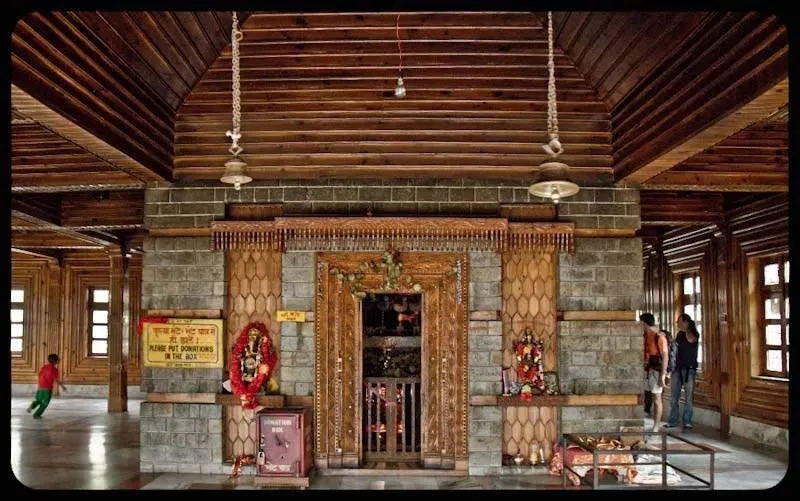
There are no stone inscriptions or copper-plate grants that give the temple an exact founding date. What exists instead are stories and in the hills of Himachal, stories carry the weight that documents do in the plains.
According to local oral tradition, the temple’s origin began not with a planned construction but with a discovery. A woman clearing dung from a cowshed near what locals still call ‘Deu ra Ghor’ (House of the Deity) struck something buried in the earth with her pickaxe. The stone idol she hit appeared to bleed. Word spread, more digging happened, and several more idols were unearthed. The villagers placed these for worship, and a small chalet-style temple was built around them.
Those original idols remain in the inner sanctum today. The small chalet temple was replaced by a larger structure, which was renovated most recently in 1991 though the heart of the shrine is the same sacred ground where those idols were found.
The temple is also associated with several recurring local festivals including a regional form of Diwali and Faagli, both celebrated to mark Manu’s liberation of the area from a demon called ‘Tundi’ with the help of Shandilya Rishi.
Architecture: Kath Kuni Style
The most immediately striking thing about Manu Temple is its appearance. It does not look like temples you might see in Rajasthan or South India. There are no domes, no white marble, no towering gopurams. Instead, the structure speaks in a distinctly Himalayan language.
What is Kath Kuni Architecture?
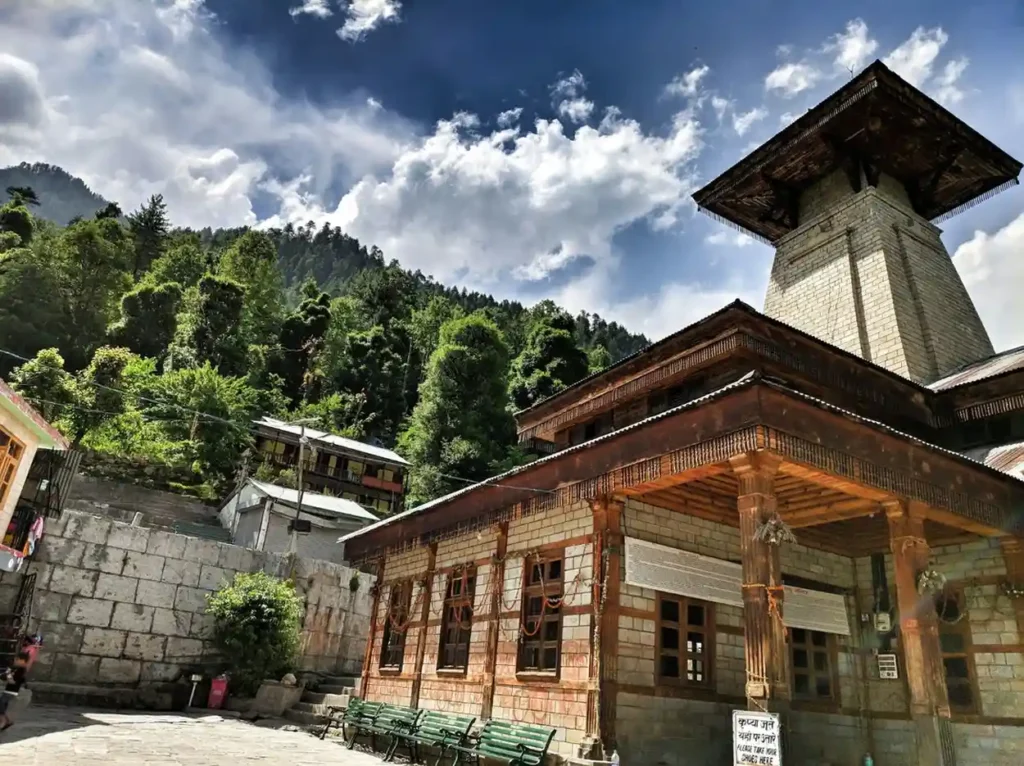
Kath Kuni (also spelled Kathkuni) is the traditional construction technique of Himachal Pradesh. ‘Kath’ means wood and ‘Kuni’ refers to a corner joint. The method involves alternating layers of stone and timber (usually deodar cedar), bonded without mortar and stacked in a pattern that makes the structure highly resistant to earthquakes, a crucial feature in a seismically active mountain zone.
Manu Temple follows this tradition faithfully. Stone and wood interlock up the walls, and the roof slopes steeply to shed heavy snow. Wooden brackets, carved beams, and decorative panels frame the entrance and the inner walkways. The craftsmanship is meticulous; these are not mass-produced ornaments but the work of mountain carpenters with generations of knowledge behind each cut.
The Shikhara Tower
The defining visual element of the temple is its pagoda-style shikhara, a multi-tiered wooden tower that rises sharply from the main structure like a pointed pyramid. Slanted wooden eaves extend outward from each tier, designed to prevent snow from accumulating and to channel meltwater away from the walls. Wooden pieces hang from the edges of each tier in a standard Himachali design, adding movement and texture to the structure.
The shikhara is best viewed from the slopes above the temple, where the full height of the tower becomes visible against the mountain backdrop.
Best Time to Visit Manu Temple Manali
| Season | Months | Weather | Experience |
| Spring / Pre-Summer | March – June | Pleasant, 10–25°C | Best for walking, clear views, full village activity |
| Monsoon | July – September | Rainy, lush, 15–22°C | Misty atmosphere; paths may be slippery, carry rain gear |
| Autumn | October – November | Cool, crisp, 5–18°C | Beautiful foliage, thinner crowds, excellent light for photos |
| Winter | December – February | Cold to very cold, -5 to 10°C | Snow-covered surroundings; scenic but carry warm gear |
Not sure which season suits your travel style? Our guide on the best time to visit Manali breaks down weather, crowd levels, and safety tips season by season.
Best Time of Day: Visit early morning (6:30–8:00 AM) for peaceful darshan when the temple is quiet and mountain light is soft. Evening visits (5:00–7:00 PM) are equally serene, with temple bells and long shadows across the courtyard.
How to Reach Manu Temple
Manu Temple is in Old Manali, roughly 3 km from the main Mall Road. The approach is part of the experience.
From Mall Road Manali
Hire a local auto-rickshaw or cab to Old Manali village. Autos typically drop you at the base of the Old Manali lanes, from where a 10 to 15 minute uphill walk takes you past apple orchards, local homes, small cafes, and souvenir shops before you arrive at the temple entrance. For detailed route options from your city, check our complete guide on how to reach Manali by road, train, and air.
On Foot
Travellers staying in Old Manali can walk the entire route. The lanes are narrow and atmospheric, giving a real sense of mountain village life that the main bazaar area completely lacks.
By Bike
A two-wheeler can navigate most of the Old Manali lanes and get you fairly close to the temple before you park and walk the final stretch. This is a convenient option if you are already exploring the area on a rented bike.
Practical Tips for Visiting Manu Temple
| Tip | Details |
| Entry Fee | None the temple is free to visit |
| Footwear | Remove before entering the sanctum; wear slip-on shoes for convenience |
| Dress Code | Modest clothing is expected; avoid sleeveless tops or shorts inside the sanctum |
| Photography | Permitted in the courtyard and exterior; be respectful during active prayers inside |
| Physical Fitness | The uphill walk involves gentle inclines and some steps; manageable for most ages |
| Carry | Water, sunscreen (summer), warm layers (winter), and a light jacket for morning visits |
| Mobile Network | Variable in Old Manali lanes; download offline maps before you go |
| Combine With | Old Manali cafes, Beas riverside, Hidimba Devi Temple for a full half-day circuit |
Planning your full day budget? Our Manali trip cost guide covers entry fees, taxi fares, and daily expenses in one place.
Places to Visit Near Manu Temple Manali
Manu Temple sits in a cluster of some of Manali’s most rewarding sights, all within easy reach.
1. Hidimba Devi Temple
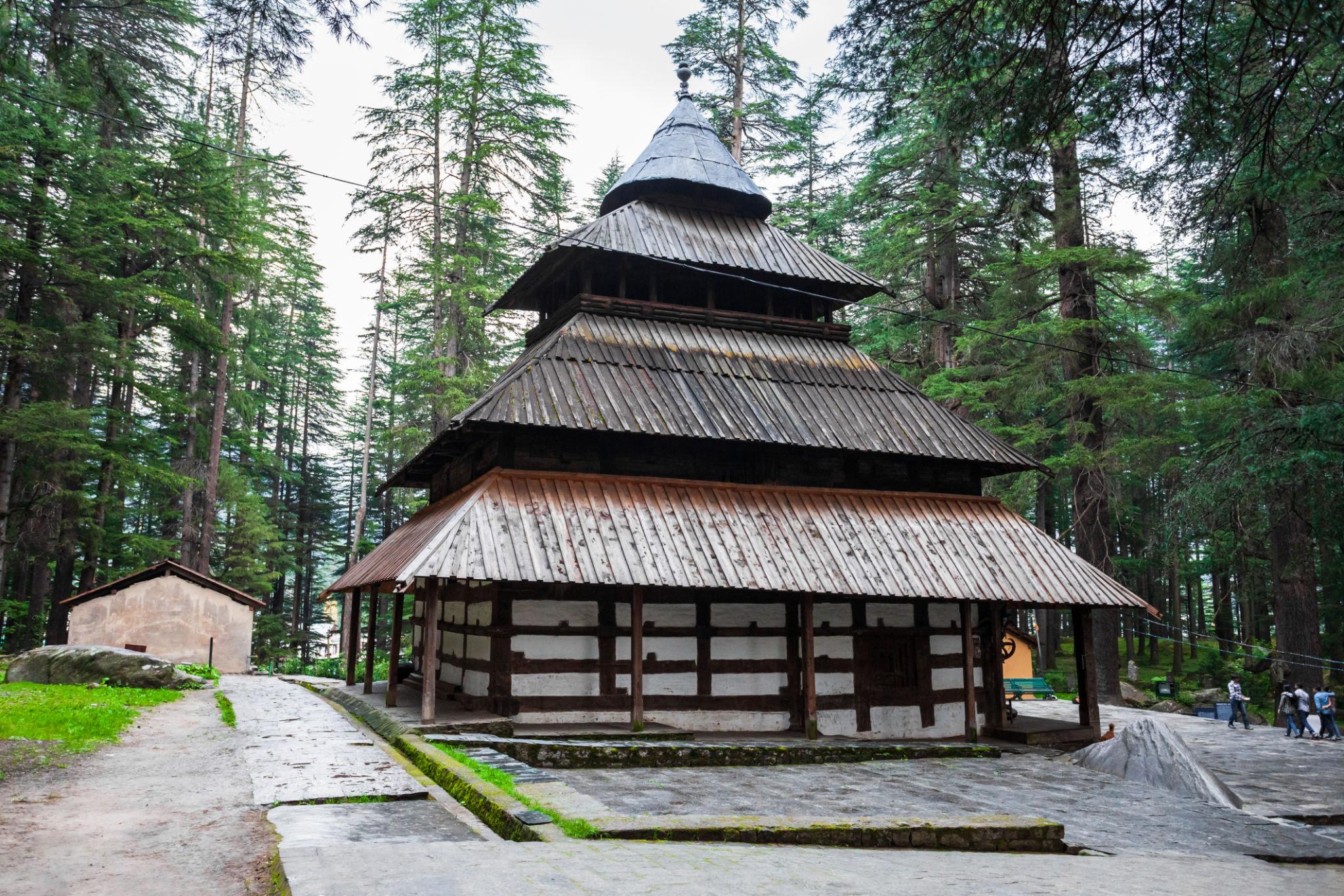
About 1.5 km from Manu Temple, Hidimba Devi Temple is Manali’s most photographed landmark. Built in 1553, this pagoda-style shrine stands inside a cedar forest and is dedicated to Hidimba, a character from the Mahabharata. The temple and the dense deodar grove around it are strikingly beautiful in any season.
2. Old Manali Market
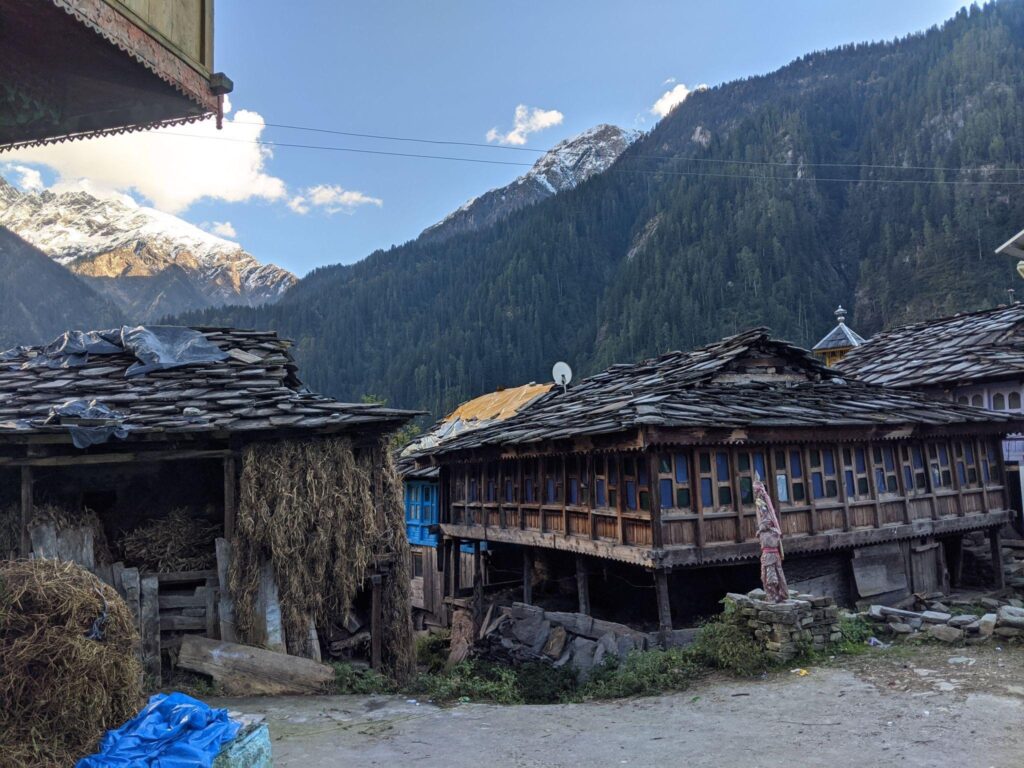
The lane below Manu Temple opens into Old Manali’s small but lively market, a strip of cafes serving Israeli and Indian food, bakeries with fresh apple pies, shops selling Kullu shawls and silver jewellery, and guesthouses beloved by backpackers. Perfect for a post-temple coffee stop.
3. Beas River Viewpoints
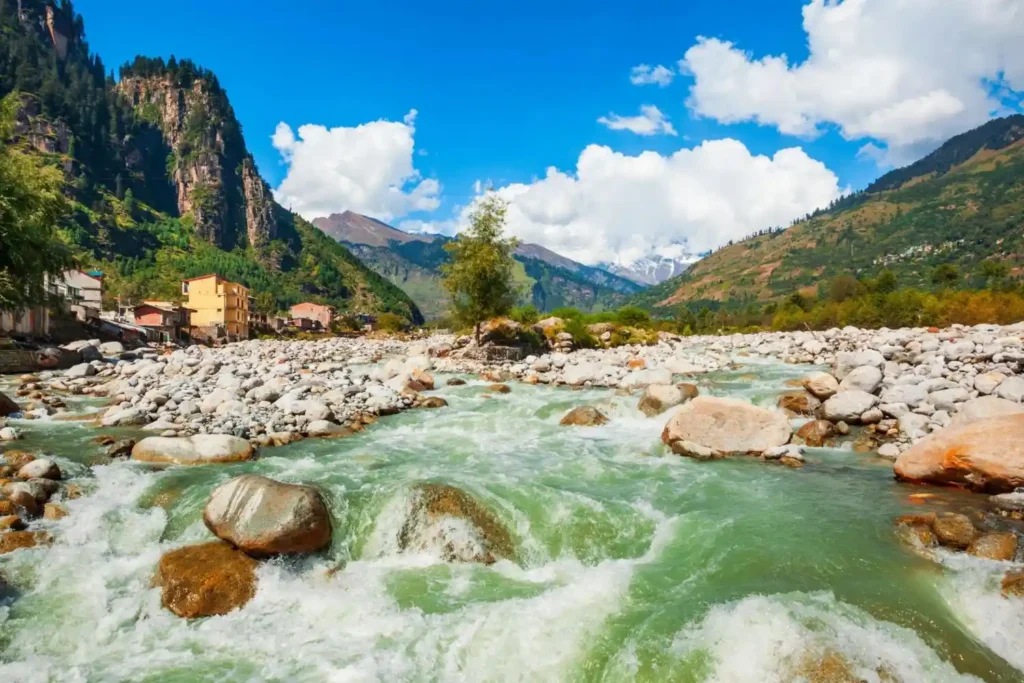
Several small paths from Old Manali wind down to the banks of the Beas River. The views of the snow-capped Rohtang range from these riverside points are some of the best in Manali. Quiet, uncrowded, and ideal for photography in the golden hour.
4. Vashisht Village and Hot Springs
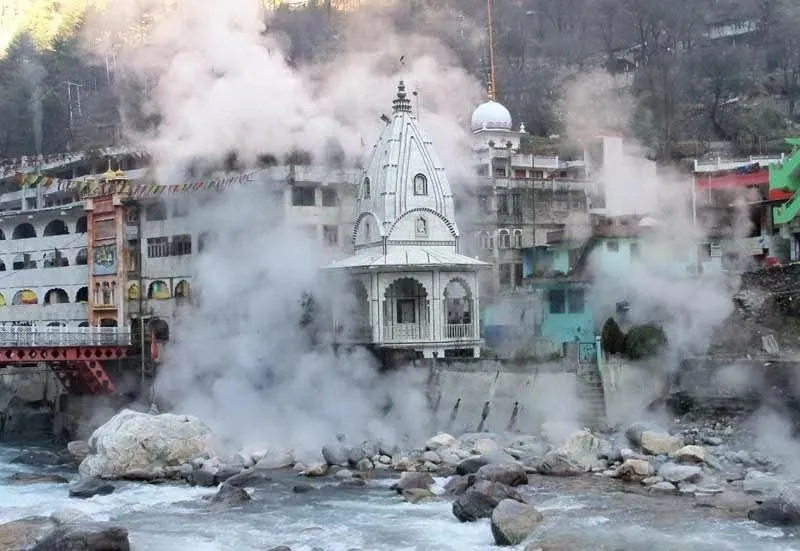
About 3 km from Old Manali, Vashisht is a traditional village with hot sulphur springs, an ancient temple, and mountain views. It is commonly paired with a Manu Temple visit on a half-day Old Manali circuit.
5. Van Vihar National Park
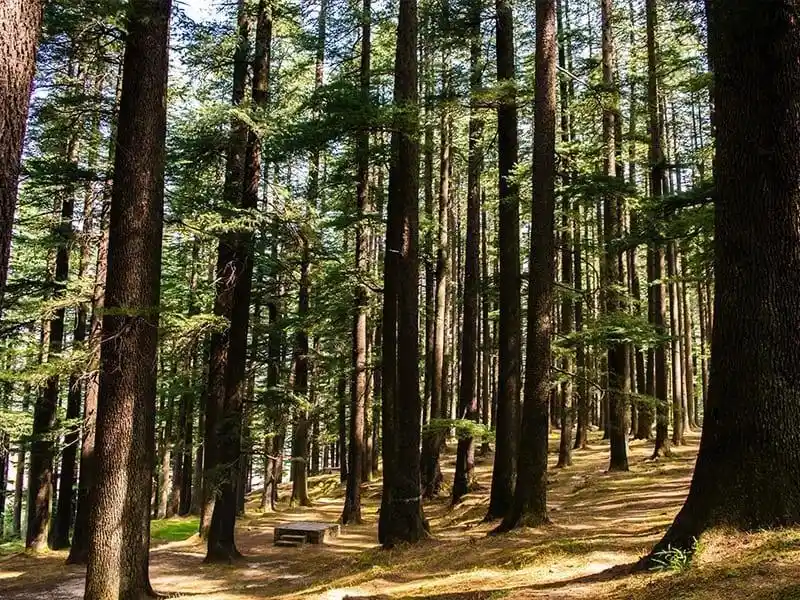
A forested park near Mall Road with tall deodar trees, a small boating lake, and walking paths. Ideal for families and anyone wanting a quiet hour among trees after the uphill temple walk.
Manu Temple – Distance from Key Manali Points
| Location | Distance from Manu Temple | Mode of Travel |
| Old Manali Market | 0.3 km | 5-min walk |
| Hidimba Devi Temple | 1.5 km | 15-min walk or 5-min cab |
| Manali Mall Road | 3 km | 10-min cab |
| Vashisht Village | 3.5 km | 10-min cab |
| Solang Valley | 14 km | 30-min drive |
| Rohtang Pass | 51 km | 1.5 to 2 hrs by road |
Conclusion
If you are in Manali only for Rohtang Pass and Solang Valley, Manu Temple can feel like an afterthought. But if you have even half a day to slow down and explore Old Manali properly, the temple is unlike anything else in the region.
The walk itself past apple trees, wooden houses, lazy dogs, and mountain cafes is reason enough to come. The temple at the end of that walk, with its soaring shikhara and unexpectedly intimate inner sanctum, offers something rarer than a view: a direct line to the oldest surviving myths of the Indian subcontinent.
Come early. Walk slowly. Remove your shoes at the entrance. And take a moment, at the spot where Manu is said to have meditated after the world’s end, to think about beginnings. For your complete Manali trip planning from itinerary and budget to what to pack and where to stay — explore our detailed Manali Tourism guide.
Frequently Asked Questions
Is Manu Temple really the only temple in the world dedicated to Rishi Manu?
Yes. As far as recorded religious history goes, Manu Temple in Old Manali is the only temple anywhere in the world that is primarily dedicated to Sage Manu (Vaivasvata Manu). Other temples may have Manu as a secondary figure, but none are built in his exclusive honour elsewhere.
What is the entry fee for Manu Temple Manali?
There is no entry fee to visit Manu Temple. The temple is open to all visitors regardless of faith or nationality. Small voluntary donations are appreciated by the temple trust.
What are Manu Temple’s opening and closing timings?
The temple is generally open from around 6:00 AM to 8:00 PM. Timings may vary slightly in winter due to shorter daylight hours. Aarti (prayer rituals) typically happen in the early morning and at dusk.
How far is Manu Temple from Manali town?
Manu Temple is approximately 3 km from Mall Road, the central commercial street of Manali. From Hadimba Temple, it is roughly 1.5 km. The approach involves an uphill lane that takes 10 to 15 minutes on foot from the nearest cab or auto drop-off point.
Which god is worshipped at Manu Temple Manali?
Manu Temple is dedicated to Rishi Manu — specifically Vaivasvata Manu, the seventh and current Manu in Hindu cosmology. He is not a god in the traditional sense but a revered sage and ancestor of humanity. Several idols discovered at the site are also housed in the sanctum and are venerated alongside Manu.
What is the story of Manu Temple Manali?
According to mythology, Vaivasvata Manu survived a great flood with the help of Lord Vishnu’s Matsya avatar. After the waters receded, his vessel landed in the Himalayas and Manu meditated at the spot that is now Old Manali. The name Manali itself comes from ‘Manu-Alaya’ meaning the abode of Manu. The temple is believed to stand on the exact spot where this meditation took place.
Is there a dress code for Manu Temple?
There is no formal written dress code, but modest clothing is expected as is standard at Hindu temples. Visitors should remove footwear before entering the sanctum. Shorts and sleeveless tops are generally considered inappropriate inside the main prayer area.
Can I visit Manu Temple and Hidimba Temple on the same day?
Yes, and most visitors do exactly that. Both temples are in or near Old Manali and can easily be combined into a half-day itinerary. Starting with Manu Temple in the morning and walking down to Hidimba Devi Temple and the cedar forest afterward is a natural and rewarding sequence. Add the Old Manali market for lunch and you have a full half-day well spent.

Anshra Zafar explores the mountains of Himachal Pradesh & Uttrakhand and writes detailed travel guides about Manali, Kasol, Sissu, Jispa.chopta and kedarnath trek She focuses on scenic road trips, backpacking experiences, café culture, snowfall destinations, and adventure activities in the Himalayas. Her content helps travelers plan smooth and memorable mountain journeys.