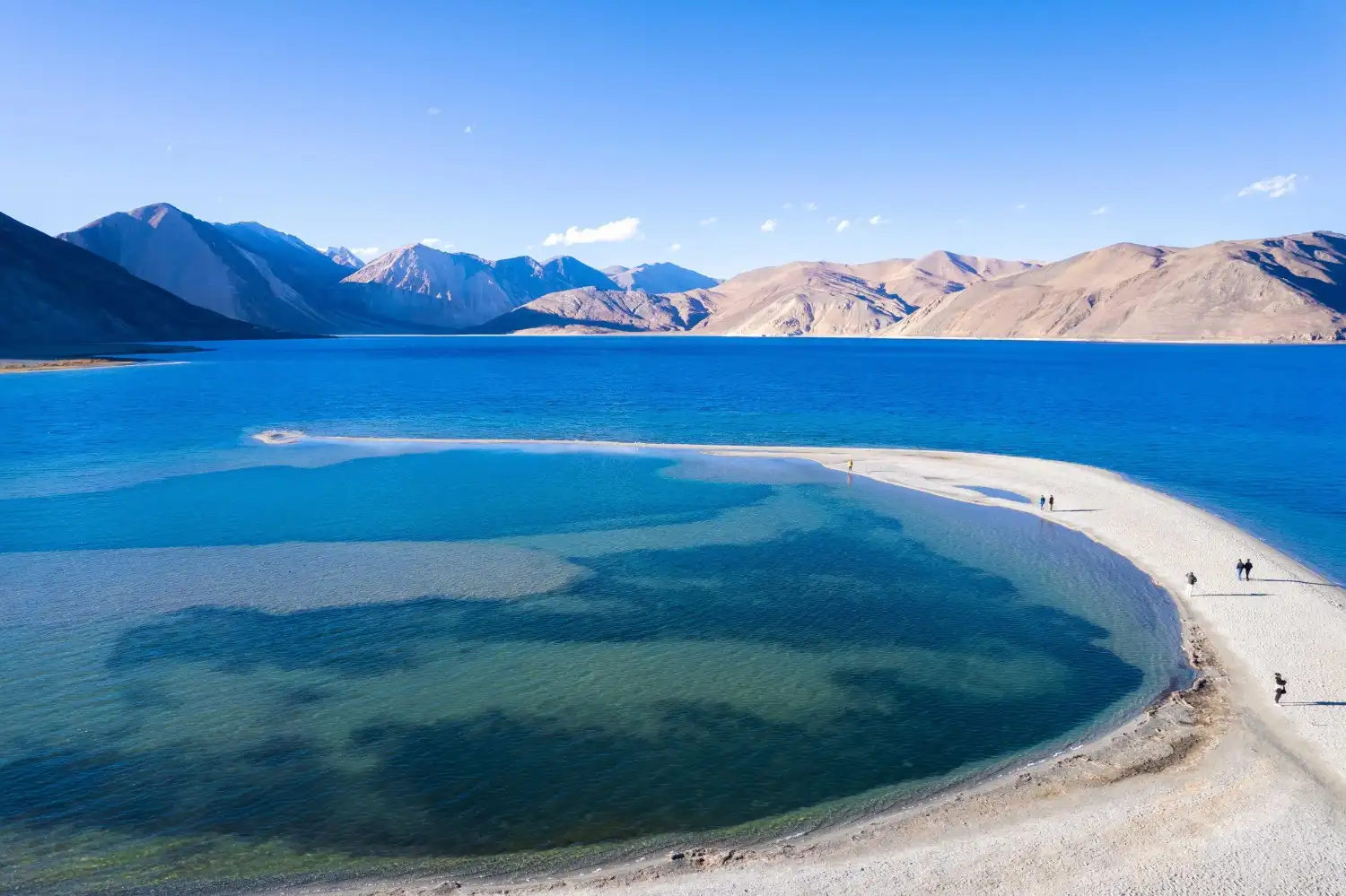
Ladakh doesn’t really have “one” best time. It has four completely different versions of itself depending on when you show up, and honestly, that’s the whole appeal. Same mountains, same lakes, but the vibe shifts entirely with the calendar.
If you’ve been scrolling reels of blue lakes and snowy passes and can’t figure out when to actually book your trip, this guide breaks it down properly with no generic “anytime is great” answer, just the real seasonal picture so you can pick what matches your vibe.
At Trip Guru Go, we run fixed departure trips to Ladakh for Indian travellers through most of the year, so this isn’t guesswork, it’s what we’ve actually seen work (and not work) trip after trip.
Quick Answer: When Should You Actually Go?
If you just want the short version:
- Best overall window: June to September
- Best if it’s your first Ladakh trip: June to August
- Best for photos and calm vibes: April and September
- Best for peaceful, low-crowd travel: April–May and September
- Best for snow and offbeat energy: December to February
Summer wins on accessibility. Spring and autumn win on aesthetics and peace. Winter is a completely different game, made for a very specific kind of traveller.
Spring is the season nobody talks about enough. As snow melts, apricot orchards burst into bloom across the lower valleys, turning the usually stark, rocky landscape into something almost unreal — pink and white blossoms against brown mountains. If your feed is full of aesthetic shots you can’t place, there’s a good chance they’re from this window.
Ladakh’s Four Seasons, Explained Properly
Spring (March to May): The Underrated Window
Daytime temperatures sit somewhere between 8°C and 15°C, with nights still properly cold. A lot of roads are still snowed in early spring, so flying into Leh is your most reliable option through this period.
Why spring works: fewer crowds, blossom season, and a slower, more photogenic version of Ladakh that most people skip entirely.
Summer (June to September): The Easy Mode
This is peak season for a reason. Roads reopen, weather turns genuinely pleasant, and this is when road trips, bike journeys, and full-on adventure itineraries make the most sense.
One thing most travellers don’t realise: roads don’t all open at once. The Srinagar–Leh highway usually opens earlier, often by May, while the Manali–Leh highway typically opens later, around early to mid-June, depending on how much snow fell that year.
Here’s the part that surprises a lot of GenZ travellers used to hearing “monsoon means rain everywhere” — Ladakh sits in a rain shadow, so while the rest of India is dealing with July-August monsoon, Ladakh mostly stays dry. The catch is the approach roads through Himachal and Kashmir do get monsoon rain, so occasional landslides and delays on the way in are real, even if Ladakh itself is bone dry.
Why summer works: everything is open, weather is comfortable, and this is the least stressful season to plan a first trip around.
Autumn (September to October): The Quiet Sweet Spot
If summer is the loud, crowded version of Ladakh, autumn is its calmer sibling. Crowds thin out fast, skies turn crisp and clear, and the landscape shifts into warm gold tones that look incredible in photos without needing a single filter.
September also often lines up with local cultural events like the Ladakh Festival, adding something beyond just scenery if you time it right.
Why autumn works: stable weather, dramatically fewer people, and honestly some of the best photography conditions of the entire year.
Winter (November to February): Not for Everyone, and That’s the Point
Winter Ladakh is a completely different destination. Snow takes over, temperatures drop far below freezing, and most highways shut down because of heavy snowfall flights become the only real way in.
This is the season for travellers chasing something specific: frozen landscapes, the Chadar Trek, and a version of Ladakh with almost no tourists in sight. It’s not a casual add-on to a trip; it needs real preparation and gear, and it rewards travellers who go in knowing exactly what they signed up for.
Why winter works: if snow and solitude are the goal, nothing else compares.
Season Comparison at a Glance
| Season | Crowd Level | Road Access | Best For |
| Spring | Low | Partial | Blossoms, slow travel |
| Summer | High | Fully open | First-timers, road trips |
| Autumn | Medium | Mostly open | Photography, calm travel |
| Winter | Very low | Limited | Snow, offbeat trips |
Best Time for First-Time Travellers
If this is your first Ladakh trip, June to September is the safest bet, hands down. Roads stay open, weather is predictable, and major spots like Nubra Valley and Pangong Lake are easy to access without extra planning stress. If remote areas like Hanle or Turtuk are on your list, it’s still worth double-checking seasonal road access before locking in your route, since these stay more weather-dependent even in summer.
Month-by-Month Quick Guide
| Month | Vibe | Why Go | Road Status |
| March | Early spring | Quiet, low-key landscapes | Flights mainly |
| April | Apricot blossoms | Photography, culture | Highways mostly closed |
| May | Pleasant spring | Early season travel | Srinagar route opening |
| June | Roads reopening | Start of road trip season | Major routes open |
| July–Aug | Peak summer | Best weather, lakes at their bluest | Fully open |
| September | Golden autumn | Clear skies, festivals | Open, fewer crowds |
| October | Calm shoulder season | Peaceful travel | Partial closures begin |
| Nov–Feb | Deep winter | Snow, Chadar Trek | Highways closed, air only |
Mistakes Travellers Actually Make With Timing
The biggest one: assuming Ladakh feels the same no matter when you go, then being surprised when half the roads are shut or the crowd is nothing like the reels made it look.
A few others we see constantly: booking peak season without factoring in how packed stays and roads get, assuming highways stay open year-round (they don’t, not even close), and underestimating winter as “just a cold version of summer” when it’s genuinely a different trip altogether requiring different gear, budget, and expectations.
Knowing the season you’re walking into isn’t boring, it’s what actually decides whether your trip feels effortless or like constant improvising.
How Trip Guru Go Builds This Into Your Trip
Since we run fixed departures across most of these seasons, our itineraries are built around exactly this seasonal logic, not a generic template reused year-round. Summer departures lean into road trips and full access to every major spot. Spring departures are timed around blossom season with routes that actually pass through orchard villages instead of skipping them. Autumn slots prioritise photography stops and calmer pacing since crowds are already thinner.
We handle the permits, routing, stays, and local transport for whichever season you pick, and our drivers plan around real road conditions for that specific month rather than a one-size-fits-all schedule. All you need to bring is the right gear for your season and the flexibility to trust a route built around what actually works that time of year.
Final Thoughts
There’s no single “best” time to visit Ladakh there’s a best time for the kind of trip you actually want. Summer gives you easy access and adventure. Spring gives you blossoms and quiet villages. Autumn gives you golden light and clear skies. Winter gives you raw, untouched Ladakh if you’re ready for it.
Pick the season that matches the trip in your head, not just the one everyone else is posting about, and the rest of the planning gets a lot easier.
Not sure which season fits your dates or travel style? Chat with our team on WhatsApp and we’ll help you match your trip to the right window, or explore our fixed departure Ladakh packages built around each season.
FAQs
1. Which is the best month to visit Ladakh?
The best months to visit Ladakh are June to September. During this period, the weather is pleasant, roads from Manali and Srinagar remain open, and most tourist attractions, high-altitude passes, and trekking routes are accessible.
2. Is Ladakh open throughout the year?
Yes, Ladakh is open all year. However, road access via the Manali-Leh and Srinagar-Leh highways is generally available only from late May or June until October. During winter, most travelers reach Leh by flight.
3. When can I see snowfall in Ladakh?
Snowfall in Ladakh usually begins in late October and continues until March. The heaviest snowfall occurs during December, January, and February, making it ideal for experiencing a winter landscape.
4. Is July a good time to visit Ladakh?
Yes, July is one of the best months to visit Ladakh. The weather is comfortable, roads are open, Pangong Lake and Nubra Valley are easily accessible, and most adventure activities operate during this time.
5. Can I visit Ladakh during the monsoon season?
Yes. Leh receives very little rainfall because it lies in a rain-shadow region. However, the Manali-Leh and Srinagar-Leh highways may experience heavy rain, landslides, or temporary road closures in July and August.
6. What is the best time for a bike trip to Ladakh?
The ideal time for a Ladakh bike trip is June to September. During these months, both the Manali-Leh and Srinagar-Leh highways are generally open, offering the best riding conditions.
7. Which season is best for photography in Ladakh?
June to September is best for landscape photography with clear skies and vibrant lakes, while December to February offers stunning snow-covered mountains and frozen rivers for winter photography.
8. Is winter a good time to visit Ladakh?
Yes, if you enjoy snow and can handle extreme cold. Winter is perfect for the Chadar Trek, frozen lakes, and fewer crowds, but temperatures can fall below -20°C, and many high-altitude roads remain closed.
9. What is the cheapest time to visit Ladakh?
The most budget-friendly months are April, May, and October, when hotels and flights are often cheaper than during the peak tourist season. However, some attractions and routes may have limited accessibility.
10. How many days are enough for a Ladakh trip?
A 7 to 10-day itinerary is ideal for exploring Leh, Nubra Valley, Pangong Lake, Tso Moriri, and nearby monasteries while allowing enough time for proper acclimatization.
11. Do I need permits to visit Ladakh?
Yes. Indian tourists need an Inner Line Permit (ILP) to visit protected areas such as Nubra Valley, Pangong Lake, and Tso Moriri. Foreign nationals require a Protected Area Permit (PAP) through authorized travel agencies.
12. Is acclimatization necessary before sightseeing in Ladakh?
Yes. Spend at least 24–48 hours in Leh after arrival before visiting higher-altitude destinations. Proper acclimatization helps reduce the risk of Acute Mountain Sickness (AMS).

Anjali is a travel content writer who creates informative and engaging articles about destinations, travel tips, itineraries, and travel experiences. She enjoys simplifying travel information to help readers plan their journeys with confidence while discovering new places and cultures.