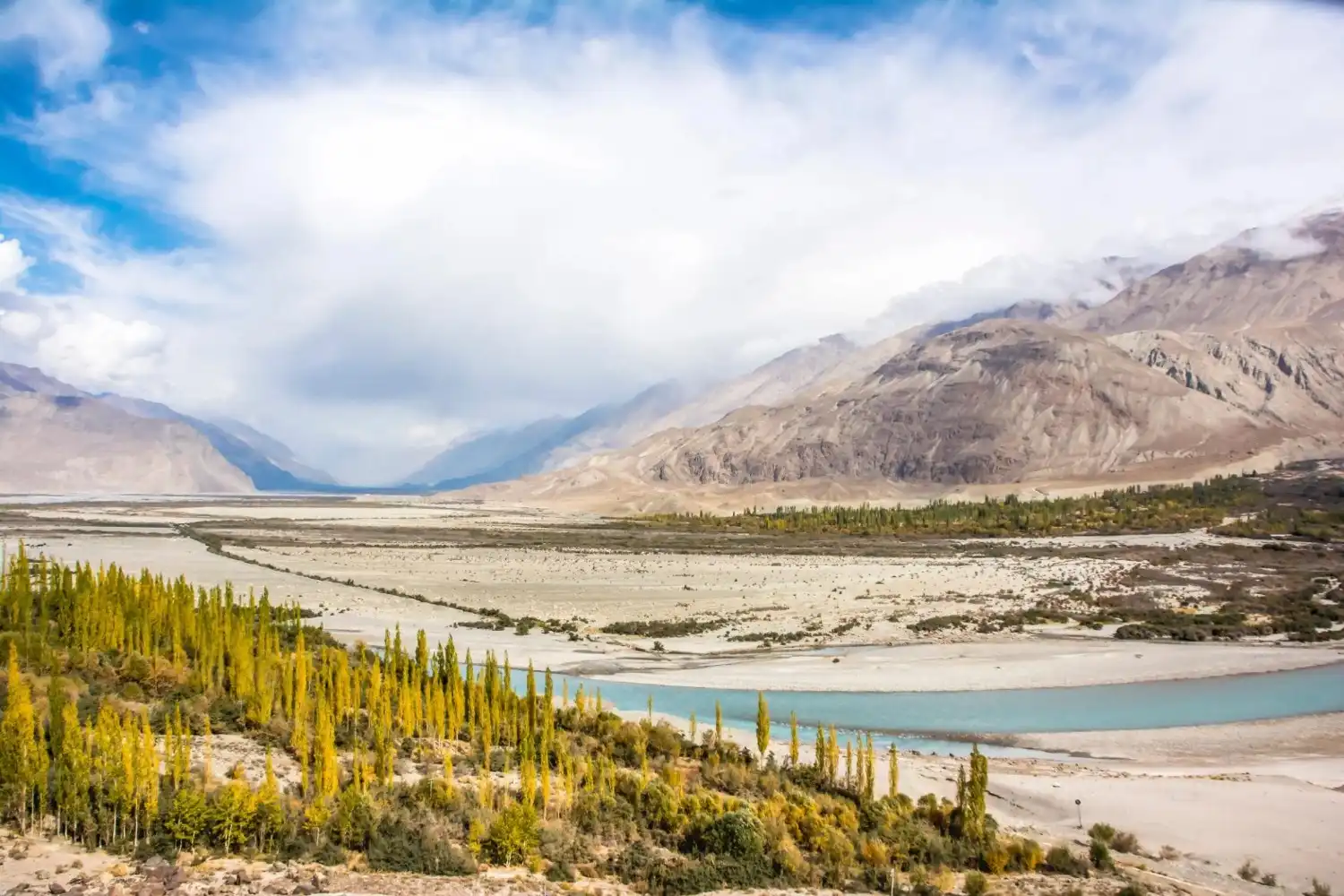
Nubra Valley is one of those rare places where every kilometre feels different from the last. Just a few hours after leaving Leh, the landscape transforms from rugged mountain passes into a breathtaking valley filled with white sand dunes, snow-covered peaks, ancient monasteries, and green villages. Home to the famous double-humped Bactrian camels and once an important stop along the historic Silk Route, Nubra Valley offers an experience unlike anywhere else in India. Before planning your journey, it’s important to understand the essential Ladakh permit requirements, as an Inner Line Permit is mandatory for visiting this protected region. You can read our complete Ladakh Permit Guide before applying for your trip.
Whether you’re crossing the iconic Khardung La Pass, watching the sunset over Hunder Sand Dunes, exploring centuries-old monasteries, or discovering the unique Balti culture in Turtuk, every stop in Nubra Valley has its own story. This guide covers everything you need to know, including how to reach Nubra Valley, its history, hidden gems, the famous Bactrian camel safari, suggested itineraries, nearby attractions, photography tips, and practical travel advice to help you experience one of Ladakh’s most extraordinary destinations.
Nubra Valley at a Glance
| Details | Information |
| Location | North of Leh, Ladakh |
| Distance from Leh | Around 130 km |
| Travel Time | Approximately 4–5 Hours |
| Altitude | Around 3,100 metres (10,170 ft) |
| Famous For | Hunder Sand Dunes, Bactrian Camels, Diskit Monastery |
| Permit Required | Inner Line Permit (ILP) |
| Entry Fee | No entry fee for the valley |
| Ideal Trip Duration | 2–3 Days |
| Best Time to Visit | July to September |
How to Reach Nubra Valley from Leh
Reaching Nubra Valley is one of the highlights of a Ladakh trip. The journey takes you across Khardung La Pass, one of the highest motorable roads in the world, before descending into the spectacular Shyok Valley. Along the route you’ll pass army camps, dramatic mountain landscapes, glaciers, and panoramic viewpoints before finally arriving at the famous sand dunes of Hunder.
By Taxi
Hiring a private taxi from Leh is the easiest and most comfortable option.
- Distance: Around 130 km
- Travel Time: 4–5 hours
- Best suited for families and small groups
- Easy stopovers at Khardung La, North Pullu and Diskit
Most taxis can be booked through hotels or local travel operators in Leh.
By Motorcycle
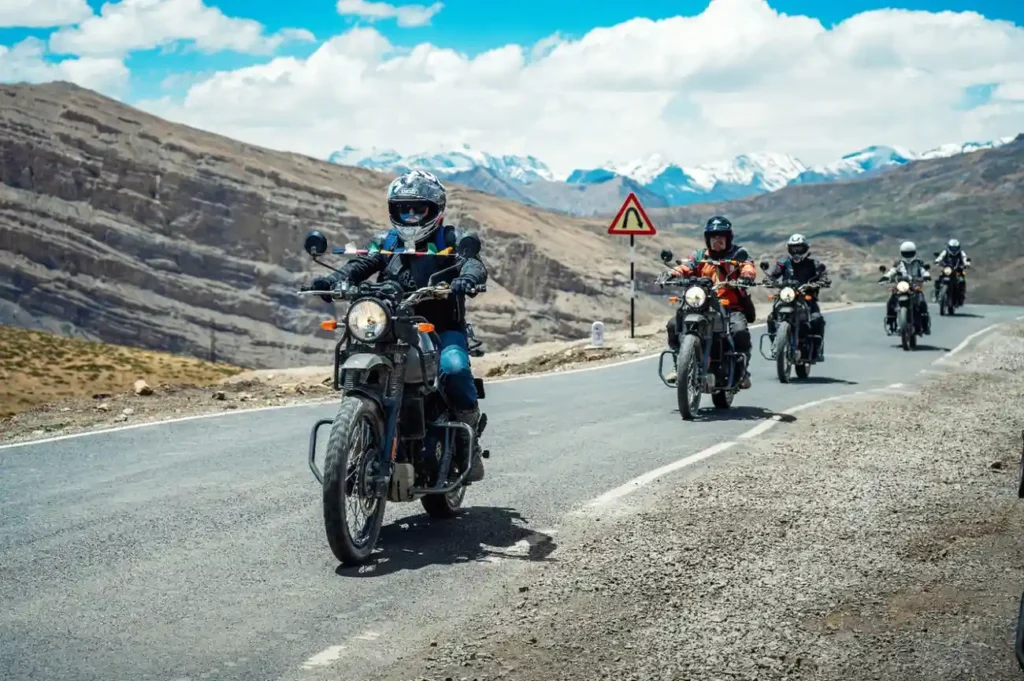
Travelling by bike is one of the most popular ways to explore Nubra Valley.
Popular rental bikes include:
- Royal Enfield Himalayan
- Royal Enfield Classic 350
- KTM Adventure
The ride offers incredible mountain views, but riders should be prepared for sudden weather changes, water crossings, and high-altitude driving conditions.
By Self-Drive Car
Visitors travelling in their own vehicle or rented self-drive SUV can also reach Nubra Valley comfortably.
Before leaving Leh:
- Carry your Inner Line Permit.
- Fill your fuel tank completely.
- Keep enough drinking water and snacks.
- Start early to avoid afternoon traffic near Khardung La.
Route via Khardung La
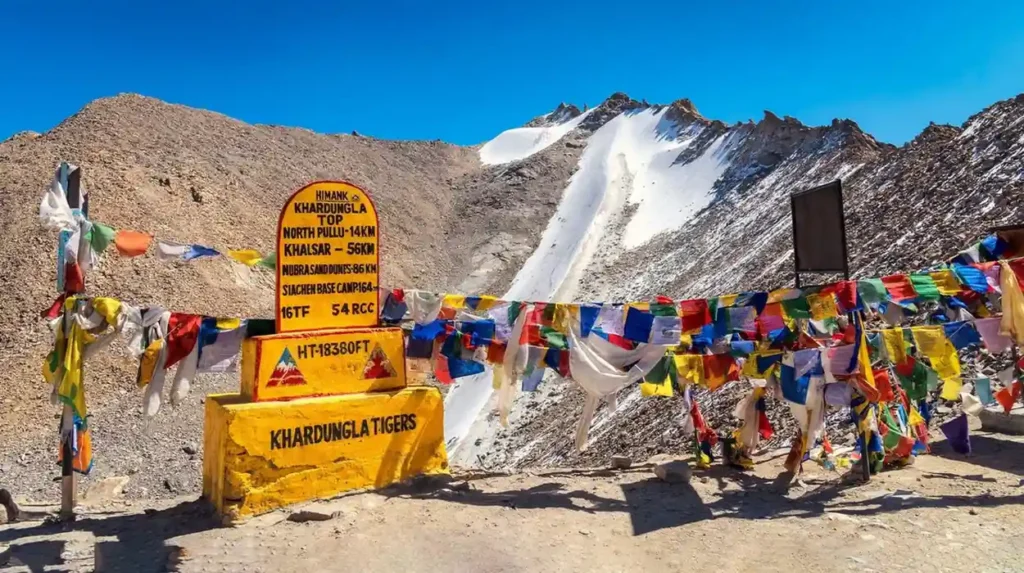
The most commonly used route is:
Leh → South Pullu → Khardung La Pass → North Pullu → Khardung Village → Diskit → Hunder
The roads remain open for most of the tourist season, although heavy snowfall during winter may temporarily affect traffic.
Why Visit Nubra Valley?
Nubra Valley is far more than just another scenic destination in Ladakh. It combines history, adventure, spirituality, wildlife, and landscapes that are rarely found together anywhere else.
Some of the biggest reasons to visit include:
- Witness the unique high-altitude cold desert.
- Ride the rare double-humped Bactrian camels.
- Explore the magnificent Diskit Monastery.
- Experience the peaceful villages of Hunder, Sumoor, and Turtuk.
- Enjoy ATV rides across the sand dunes.
- Capture spectacular sunrise and sunset photography.
- Discover Ladakh’s ancient Silk Route heritage.
- Experience traditional Ladakhi and Balti culture.
Every season reveals a different side of Nubra Valley, making it one of the most rewarding destinations in Ladakh.
Overview of Nubra Valley
Often referred to as the Valley of Flowers, Nubra Valley lies between the mighty Karakoram Range and the Ladakh Range, where the Shyok and Nubra rivers create one of the most fascinating landscapes in the Himalayas.
Centuries ago, this valley formed an important section of the ancient Silk Route connecting Central Asia, Tibet, and Ladakh. Traders travelled through these mountain passes carrying silk, spices, wool, tea, and precious stones using sturdy Bactrian camels capable of surviving the harsh climate.
Today, Nubra Valley is known for its peaceful villages, fertile farmland, dramatic mountains, monasteries, rivers, and the famous white sand dunes of Hunder. Unlike many parts of Ladakh, the valley surprises visitors with patches of greenery, apricot orchards, willow trees, and flowing rivers alongside barren mountains and desert landscapes.
Why Is Nubra Valley Called a Cold Desert?
One of the most fascinating aspects of Nubra Valley is its unusual geography. Despite being located at an altitude of more than 10,000 feet, the valley receives very little rainfall because the surrounding Himalayan ranges block moisture-rich clouds.
Over thousands of years, sediments carried by the Shyok River gradually formed vast stretches of fine sand around Hunder, creating the famous dunes seen today. The result is an extraordinary landscape where white sand dunes exist alongside snow-covered mountains, glaciers, and flowing rivers.
This rare combination of desert terrain and freezing temperatures is why Nubra Valley is known as a high-altitude cold desert. Summers remain pleasant during the day, while nights can become surprisingly cold even between July and September.
Top Places to Visit in Nubra Valley
Hunder Sand Dunes
The Hunder Sand Dunes are the most iconic attraction in Nubra Valley. Surrounded by snow-capped mountains, these rolling white sand dunes create one of the most unusual landscapes in India. Visitors come here to enjoy Bactrian camel rides, ATV adventures, sunset photography, and peaceful evening walks through the desert.
Diskit Monastery
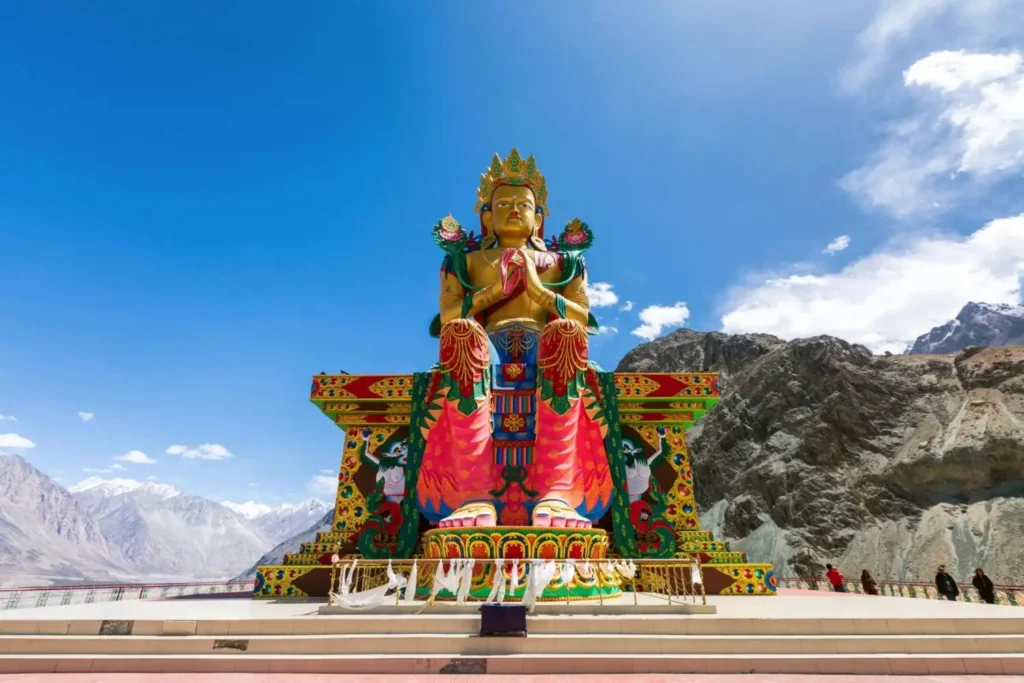
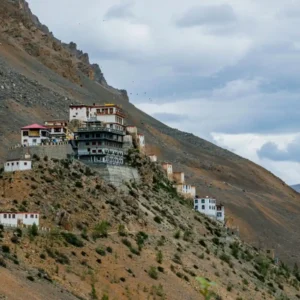
Located around 8 km from Hunder, Diskit Monastery is the oldest and largest monastery in Nubra Valley. It is famous for its towering 32-metre Maitreya Buddha statue, which overlooks the Shyok River and offers spectacular panoramic views of the valley below.
Turtuk Village
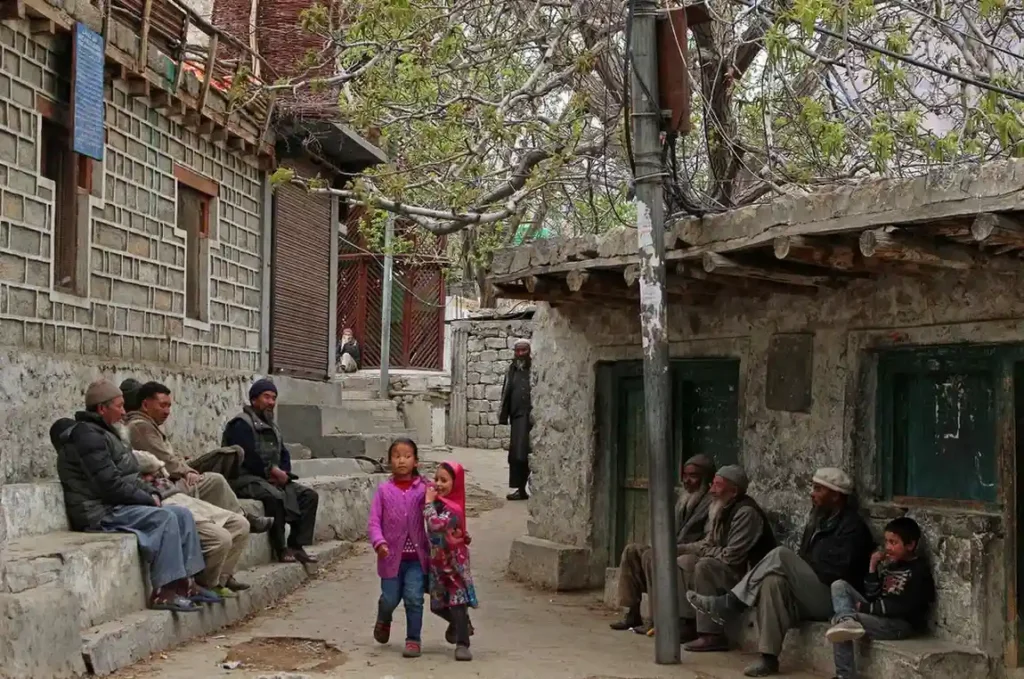
Situated approximately 85 km beyond Hunder, Turtuk is one of India’s northernmost villages and lies close to the Line of Control. Once part of Baltistan until 1971, the village is known for its unique Balti culture, traditional stone houses, apricot orchards, and scenic mountain setting.
Panamik Hot Springs
Located around 25 km from Sumoor, Panamik is famous for its naturally occurring hot sulphur springs. Many travellers stop here to relax after exploring Nubra Valley while enjoying beautiful views of the surrounding mountains.
Sumoor Village
Sumoor offers a quieter alternative to Hunder. Surrounded by green fields, monasteries, and peaceful landscapes, it’s an excellent place for travellers looking to experience the slower side of Ladakhi village life.
Yarab Tso Lake
Hidden near Sumoor, Yarab Tso is one of Nubra Valley’s most peaceful attractions. Considered sacred by local Buddhists, the lake requires a short walk from the parking area and rewards visitors with crystal-clear water and complete silence.
Hidden Gems of Nubra Valley
While Hunder and Diskit attract most visitors, Nubra Valley has several lesser-known places that deserve equal attention.
Ensa Monastery
Perched on a hill overlooking the valley, Ensa Monastery offers incredible panoramic views with very few tourists, making it a peaceful stop for photography and meditation.
Sumoor Sand Dunes
Far quieter than Hunder, the Sumoor dunes provide a more peaceful desert experience. They’re perfect for travellers looking to enjoy sunset views without large crowds.
Panamik Village
Beyond its famous hot springs, Panamik is known for traditional Ladakhi homes, small farms, and scenic walking trails that offer a glimpse into everyday life in Nubra Valley.
Yarab Tso
Although often missed by hurried travellers, Yarab Tso is one of the valley’s most serene locations. The short uphill walk is well worth the effort, especially during the early morning or late afternoon.
Bactrian Camels of Nubra Valley
One of the biggest reasons travellers visit Nubra Valley is to experience the rare double-humped Bactrian camels. Unlike the single-humped camels commonly seen in Rajasthan, Bactrian camels are specially adapted to survive freezing temperatures, strong winds, and the harsh climate of Central Asia.
Centuries ago, these camels were the backbone of the ancient Silk Route. Traders used them to transport silk, salt, wool, spices, and precious stones between Central Asia and Ladakh because they could comfortably carry heavy loads across deserts and high mountain passes.
Today, the camels are protected and have become one of Nubra Valley’s most iconic attractions. Riding one across the Hunder Sand Dunes isn’t just a tourist activity—it’s a chance to experience a small part of Ladakh’s trading history.
Camel Ride Information
- Location: Hunder Sand Dunes
- Duration: 15–20 minutes
- Approximate Cost: ₹300–₹500 per person
- Best Time: Early morning or sunset
Hunder Sand Dunes vs Sumoor Sand Dunes
Although most travellers head straight to Hunder, Sumoor offers a quieter and equally beautiful desert experience.
| Feature | Hunder Sand Dunes | Sumoor Sand Dunes |
| Tourist Crowd | High | Low |
| Camel Safari | Available | Limited |
| ATV Ride | Available | Not Common |
| Sunset Photography | Excellent | Excellent |
| Stargazing | Good | Outstanding |
| Peaceful Atmosphere | Moderate | Excellent |
| Best For | First-time visitors | Nature lovers & photographers |
If you’re staying in Nubra for more than one night, visiting both dune fields gives you two completely different experiences.
Top Experiences at the Nubra Sand Dunes
The sand dunes are much more than a place for camel rides. Spending a few hours here lets you experience one of Ladakh’s most unusual landscapes, where cold winds sweep across soft sand while snow-covered mountains dominate the horizon.
Some of the best experiences include:
- Ride a Bactrian camel across the Hunder dunes.
- Enjoy peaceful sunset sessions at the quieter Sumoor dunes.
- Join sunset yoga sessions offered by a few nearby resorts.
- Capture incredible photographs during golden hour and blue hour.
- Experience stargazing under clear Himalayan skies with almost no light pollution.
- Walk barefoot across the cool sand while enjoying panoramic mountain views.
The longer you spend here, the easier it becomes to understand why Nubra Valley feels unlike anywhere else in Ladakh.
Things to Do in Nubra Valley
Whether you’re an adventure enthusiast or someone looking for peaceful landscapes, Nubra Valley offers plenty of memorable experiences.
- Ride the famous Bactrian camels at Hunder.
- Visit the ancient Diskit Monastery.
- Explore the giant Maitreya Buddha statue.
- Take an ATV ride across the sand dunes.
- Visit Turtuk village and experience Balti culture.
- Relax at the Panamik Hot Springs.
- Walk to the peaceful Yarab Tso Lake.
- Explore traditional Ladakhi villages like Sumoor.
- Try local Ladakhi cuisine.
- Enjoy sunrise and sunset photography.
- Go stargazing on clear nights.
- Shop for locally grown apricots and handmade products.
Suggested Itinerary for 2–3 Days
A relaxed itinerary helps you experience Nubra Valley without rushing between attractions. If you’re combining Nubra with Pangong Lake and Tso Moriri, a 7-day Ladakh itinerary gives you enough time to enjoy every destination comfortably.
Day 1 – Leh to Nubra via Khardung La
Leave Leh early in the morning while traffic on Khardung La remains light. Stop for photographs at the pass before continuing towards Diskit and Hunder.
After checking into your hotel or camp, spend the evening exploring the Hunder Sand Dunes. Enjoy a Bactrian camel ride, watch the sunset over the desert, and stay back for stargazing if the weather is clear.
Day 2 – Monasteries, Villages & Adventure
Wake up early for sunrise photography before visiting Diskit Monastery and the giant Maitreya Buddha statue.
Later, enjoy an ATV ride across the dunes before exploring Hunder village and nearby farms. In the evening, drive towards Sumoor to experience its quieter sand dunes and peaceful atmosphere.
Day 3 – Turtuk or Panamik Extension
If you have an extra day, drive towards Turtuk, one of India’s northernmost villages, famous for its Balti culture and beautiful apricot orchards.
Alternatively, visit Panamik Hot Springs followed by a short walk to the sacred Yarab Tso Lake before returning towards Leh.
Travelling at a slower pace gives you enough time to enjoy Nubra’s landscapes rather than simply driving through them.
Best Time to Visit Nubra Valley
Choosing the right season makes a huge difference to your experience.
If you’re wondering when should you visit Ladakh, July to September is generally the best period to explore Nubra Valley, as roads remain open and weather conditions are ideal for sightseeing.
| Season | Experience |
| May–June | Pleasant weather, fewer crowds, occasional snow near Khardung La |
| July–September | Best road conditions, perfect for sightseeing, camel rides, and photography |
| October | Beautiful autumn colours with colder nights |
| November–April | Heavy snowfall, freezing temperatures, limited tourist facilities |
July to September remains the most recommended period for first-time visitors.
Weather in Nubra Valley
Weather changes significantly throughout the year because of Nubra Valley’s high altitude.
| Month | Average Temperature |
| May | 8°C – 18°C |
| June | 10°C – 22°C |
| July | 12°C – 25°C |
| August | 11°C – 24°C |
| September | 7°C – 20°C |
| October | 0°C – 15°C |
Carry warm clothing even during summer because evenings become surprisingly cold.
Where to Stay in Nubra Valley
Nubra Valley offers accommodation for every budget.
Hunder
Best for first-time visitors.
You’ll find:
- Luxury camps
- Boutique hotels
- Guesthouses
- Riverside stays
Diskit
Ideal for travellers interested in monasteries and local culture.
Accommodation includes:
- Budget guesthouses
- Family homestays
- Small hotels
Sumoor
Perfect for travellers looking for peaceful surroundings away from tourist crowds.
Expect eco-camps, village homestays, and scenic farm stays.
Food to Try in Nubra Valley
Exploring Nubra Valley is incomplete without tasting traditional Ladakhi food.
Must-try dishes include:
- Butter Tea
- Thukpa
- Skyu
- Momos
- Apricot Jam
- Local Apricot Juice
- Khambir Bread
Fresh apricots are widely available during the harvest season and are among Nubra Valley’s most popular local products.
Estimated Nubra Valley Travel Cost
The cost of visiting Nubra Valley depends on your travel style, accommodation, and activities. Before planning your budget, it’s worth checking our detailed Ladakh trip cost guide, which explains transportation, accommodation, permits, food, and daily expenses in detail.
Photography Tips
- Visit Hunder during golden hour for warm desert colours.
- Blue hour creates beautiful silhouettes of the mountains.
- Capture the contrast between white sand and snow-covered peaks.
- Use a wide-angle lens at Diskit Monastery.
- Carry a tripod for astrophotography and star trails.
- Respect monastery photography rules before taking pictures indoors.
Travel Tips Before Visiting Nubra Valley
- Spend at least two days in Leh before travelling to avoid altitude sickness.
- Carry sufficient cash because ATMs are limited.
- Fill your fuel tank in Leh before leaving.
- Start your journey early in the morning.
- Carry warm clothes even during summer.
- Keep your Inner Line Permit with you at all checkpoints.
- Stay hydrated throughout the trip.
Road Conditions & Driving Tips
The Leh–Nubra road is generally in good condition, but sections near Khardung La may become rough because of snow, water crossings, and road maintenance.
- Leave Leh before 7 AM.
- Drive slowly near water crossings.
- Avoid unnecessary overtaking.
- Check weather updates before departure.
- Keep your vehicle fuelled before leaving Leh.
Mobile Network & Internet
Network coverage is available but limited.
- BSNL offers the widest coverage.
- Airtel works in some villages.
- Jio works only in selected locations and may be inconsistent.
Download offline maps before leaving Leh, as mobile internet can disappear in remote parts of the valley.
Nearby Attractions from Nubra Valley
| Attraction | Distance | Travel Time |
| Leh | 130 km | 4–5 Hours |
| Diskit Monastery | 8 km from Hunder | 10–15 Minutes |
| Turtuk Village | 85 km from Hunder | 2–2.5 Hours |
| Sumoor Village | 20 km from Hunder | 30 Minutes |
| Panamik Hot Springs | 25 km from Sumoor | 35–40 Minutes |
| Yarab Tso Lake | 18 km from Sumoor | Around 30 Minutes |
Each of these places can easily be combined into a relaxed 2–3 day Nubra Valley itinerary.
Things to Carry
- Inner Line Permit copy
- Warm jacket
- Sunglasses
- Sunscreen
- Personal medicines
- Water bottle
- Cash
- Power bank
- Camera
- Trekking shoes
Common Mistakes to Avoid
- Visiting Nubra immediately after arriving in Leh.
- Leaving Leh late in the day.
- Travelling without enough fuel.
- Carrying only digital payment options.
- Skipping Turtuk if you have an extra day.
- Rushing back to Leh without spending a night in the valley.
Explore Nubra Valley the Right Way with TripGuruGo
Nubra Valley deserves more than a quick stop on your Ladakh trip. With thoughtfully planned itineraries, comfortable stays, reliable transport, and local expertise, TripGuruGo helps you experience the valley at a relaxed pace—from riding Bactrian camels on the Hunder dunes to discovering hidden villages, monasteries, and unforgettable Himalayan sunsets.
Frequently Asked Questions
Is an Inner Line Permit required for Nubra Valley?
Yes, all Indian travellers need an Inner Line Permit (ILP), while foreign nationals require the applicable protected area permissions.
How many days are enough for Nubra Valley?
A 2–3 day stay is ideal to explore Hunder, Diskit, Sumoor, Panamik, and Turtuk comfortably.
What is Nubra Valley famous for?
Nubra Valley is famous for its cold desert, Hunder Sand Dunes, double-humped Bactrian camels, Diskit Monastery, and spectacular Himalayan scenery.
Can I visit Nubra Valley in one day?
Technically yes, but it’s not recommended. An overnight stay allows you to enjoy sunrise, sunset, and the valley’s peaceful atmosphere.
Are camel rides available throughout the year?
Camel rides usually operate during the main tourist season, depending on weather conditions.
Which village is best for staying in Nubra Valley?
Hunder is the most popular choice, while Sumoor offers a quieter experience and Diskit is ideal for cultural exploration.
Is Nubra Valley suitable for families?
Yes. Nubra Valley is one of the most family-friendly destinations in Ladakh with comfortable accommodation, easy sightseeing, and beautiful landscapes.
What is the best time to visit Nubra Valley?
The best time is July to September, when roads remain open and weather conditions are ideal for exploring the valley.

Anjali is a travel content writer who creates informative and engaging articles about destinations, travel tips, itineraries, and travel experiences. She enjoys simplifying travel information to help readers plan their journeys with confidence while discovering new places and cultures.