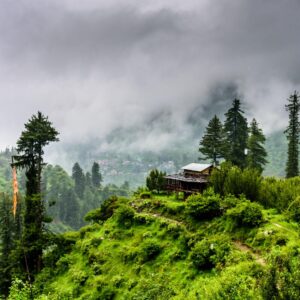
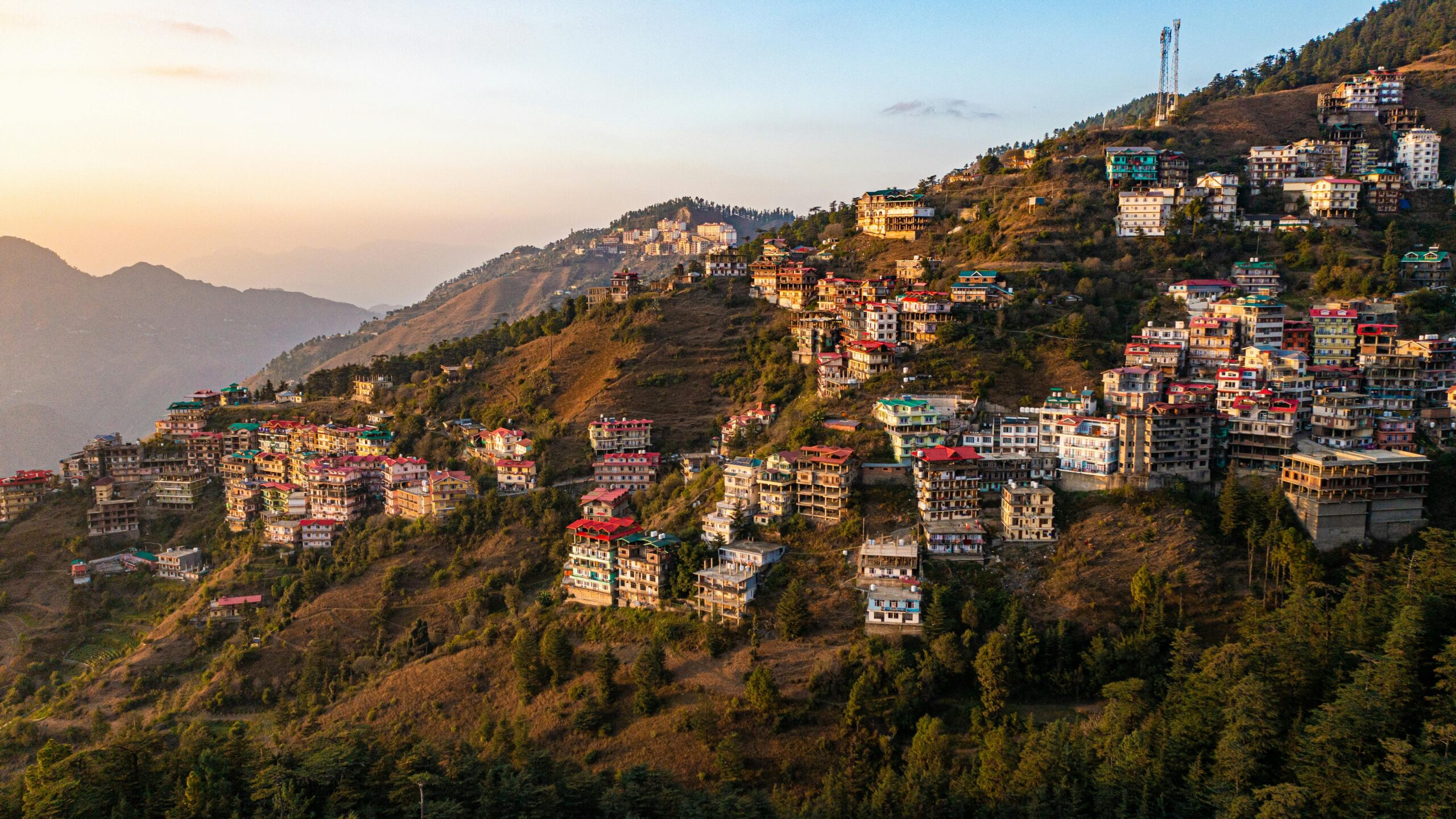
Shimla has a shopping culture that is deeply tied to its identity. This was once the summer capital of British India, and the markets here grew alongside that history. Lakkar Bazaar is filled up with woodcraft. Mall Road became the hub of social life and commerce. The surrounding Himalayan valleys sent their finest woolens, dry fruits, and orchard produce into the city’s lanes and emporiums.
Today, shopping in Shimla is a genuine pleasure. The markets are compact, walkable, and full of products you simply cannot find in the plains. Every purchase has a story attached to it — a weaver from Kullu Valley, an orchard family from Kinnaur, a craftsman who learned his trade from his grandfather in Lakkar Bazaar.
In this blog, you will find out about the best things to buy in Shimla, where to buy them, expected prices, and useful shopping tips that will help you bring home the best of the hills.
Quick Shopping Overview
| Product | Best Market | Approx Price | Best For |
| Kullu Shawls | Himachal Emporium, Mall Road | ₹800 – ₹8,000 | Everyone, gifting |
| Wooden Crafts | Lakkar Bazaar | ₹50 – ₹5,000 | Kids, collectors |
| Himachali Caps | Mall Road, Lower Bazaar | ₹100 – ₹600 | Cultural souvenir |
| Apple Jam & Preserves | Mall Road, HPMC outlets | ₹100 – ₹400 | Foodies, families |
| Dry Fruits | Lower Bazaar | ₹400 – ₹4,000/kg | Health-conscious buyers |
| Pashmina Shawls | Mall Road, Himachal Emporium | ₹3,000 – ₹30,000 | Premium gifting |
| Woolen Knitwear | Lower Bazaar, Tibetan Market | ₹300 – ₹3,000 | Winter travelers |
| Tibetan Handicrafts | Tibetan Market | ₹200 – ₹2,500 | Decor lovers |
| Herbal Teas & Honey | Mall Road, HPMC | ₹150 – ₹800 | Health gifts |
| Kinnauri Caps | Himachal Emporium | ₹200 – ₹800 | Unique souvenirs |
Best Things to Buy in Shimla
Shimla’s shopping reflects two worlds — the Himalayan craftsmanship that has existed for centuries, and the orchard-driven produce economy that the British helped develop in the hills. Together, they give you a surprisingly diverse range of things to buy, from luxury pashmina to fresh fruit jams that cost less than a restaurant meal. Here are the products you should not leave without.
1. Kullu Shawls
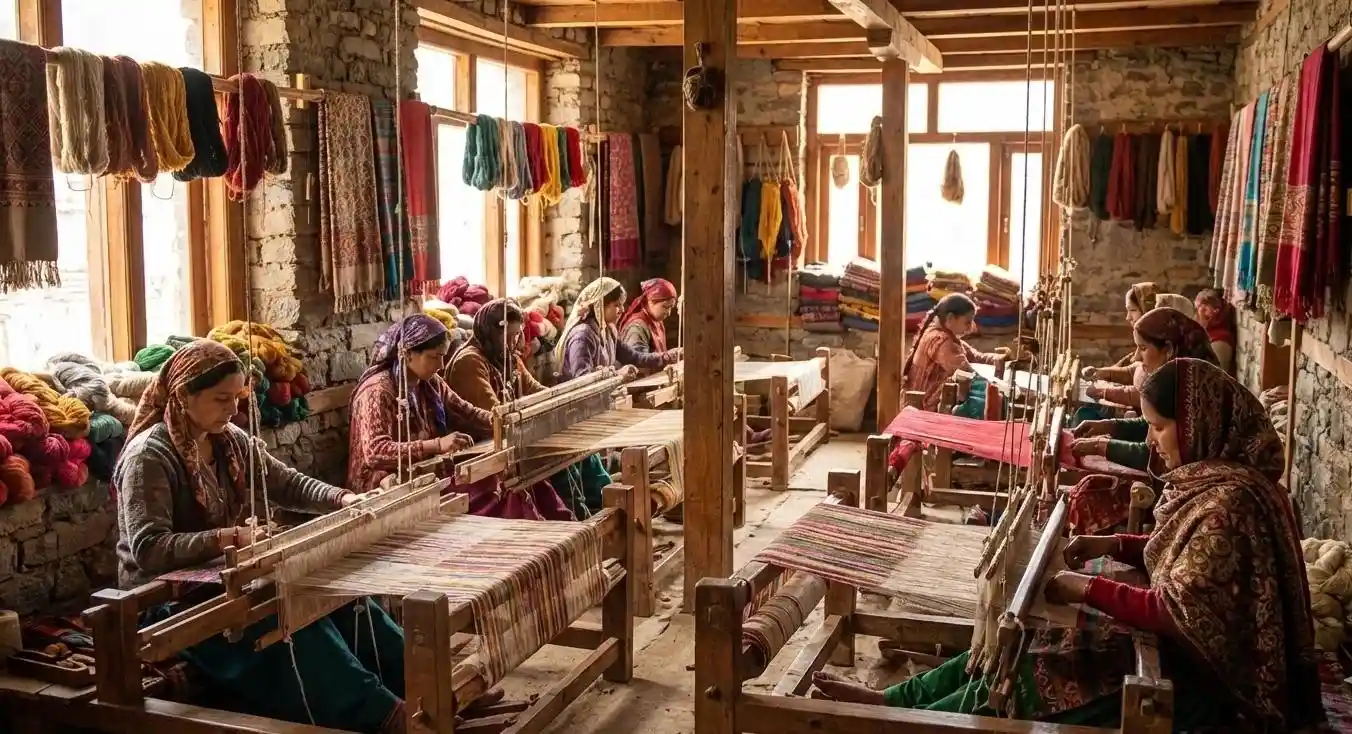
The Kullu shawl is perhaps Himachal Pradesh’s most recognised craft. These shawls are handwoven on traditional pit looms using local sheep wool, and sometimes Angora rabbit fur, in the Kullu Valley. The most striking feature is the geometric border design called the natti pattern — a repeating band of bold colours that runs along the edges and is unique to this region. Kullu shawls carry a Geographical Indication (GI) tag, which means the name is legally protected and tied to authentic production methods. They are heavier and denser than factory-made alternatives, genuinely warm in cold weather, and long-lasting. Shimla serves as the main retail market for Kullu Valley weavers, making it one of the best places to shop for these GI-tagged woolens.
Where to Buy: Himachal Emporium on Mall Road, Lower Bazaar shawl shops
Best Time to Shop: Morning (10 AM – 12 PM) for the calmest shopping experience
Approx Price: ₹800 – ₹8,000 depending on wool quality and size
Speciality: Himachal Emporium has certified, fixed-price shawls — a reliable benchmark before bargaining elsewhere
2. Wooden Crafts from Lakkar Bazaar
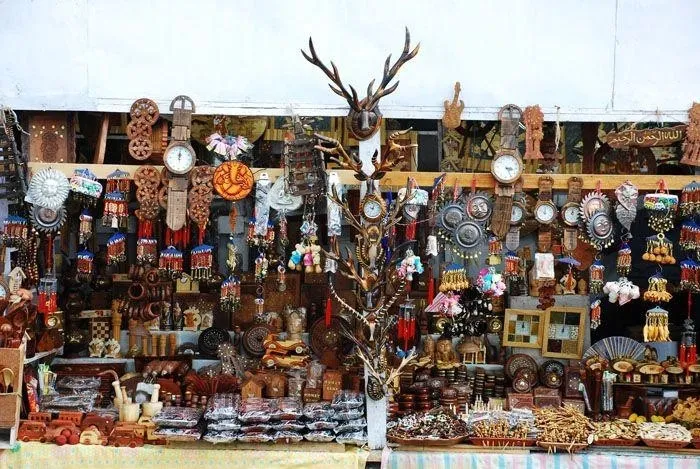
Shimla’s Lakkar Bazaar — literally “Wood Market” in Hindi — is the most iconic shopping destination in the city. The craft here goes back to the British era, when Shimla’s colonial residents commissioned local artisans to carve furniture, toys, and decorative pieces from Himalayan timber. Today the market continues that tradition. Artisans work with walnut, deodar cedar, and pine wood to produce an extraordinary range of items. The toy trains and miniature animals are popular with families, while carved chess sets, jewellery boxes, walking sticks, and kitchen utensils appeal to a broader audience. Walnut wood items are darker, denser, and more durable than pine, and noticeably heavier to hold. If you want something that will last for years as a display piece or functional item, walnut is worth the premium.
Where to Buy: Lakkar Bazaar, along the ridge near Jakhoo Temple
Best Time to Shop: Morning to early afternoon; shops further from the Ridge often have better prices
Approx Price: ₹50 – ₹5,000 (toys to elaborate chess sets)
Speciality: The market has dozens of shops; comparing a few before buying reveals significant quality differences even at the same price point
3. Himachali Caps (Pahari Topi)
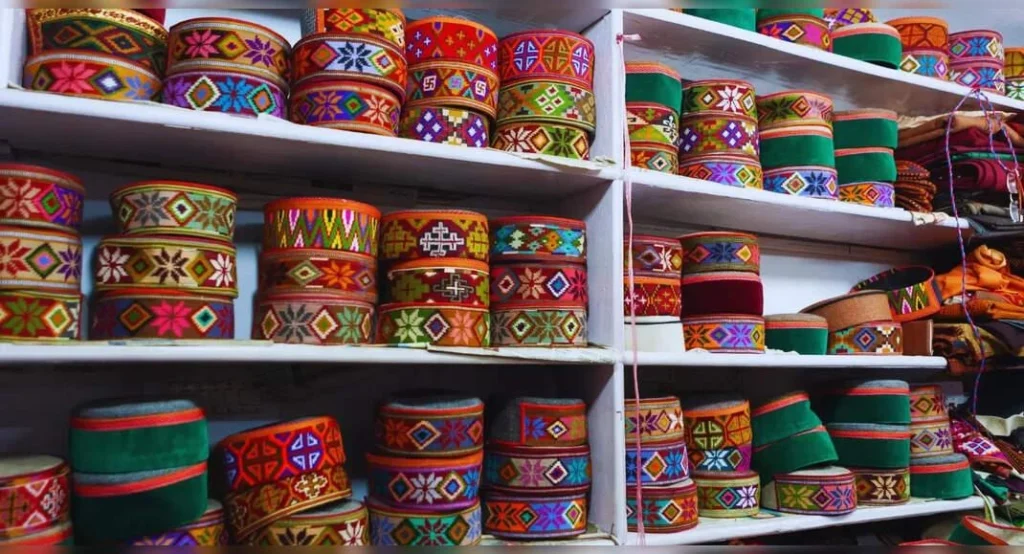
The Himachali cap, locally known as the Pahari topi, is one of the most distinctive cultural symbols of Himachal Pradesh. Men wear it at weddings, festivals, and official functions throughout the state. Different regions have their own distinct styles — the Kulluvi cap is flat-topped with colourful bands, the Kinnauri cap is green velvet with a silver piping band, and the Shimla-style cap is rounded with embroidered detail. Of these, the Kinnauri cap with its silver band is considered the most prestigious. These caps are lightweight, easy to pack, and genuinely unique to this region. They make one of the best cultural souvenirs from Shimla — inexpensive, meaningful, and instantly recognisable.
Where to Buy: Mall Road shops, Himachal Emporium, Lower Bazaar
Best Time to Shop: Any time; mall road shops stock these year-round
Approx Price: ₹100 – ₹800 (basic caps to premium Kinnauri styles)
Speciality: Himachal Emporium stocks authentic region-specific styles; street vendors near the Ridge sometimes sell machine-made imitations
4. Apple Jams, Preserves & Fruit Products
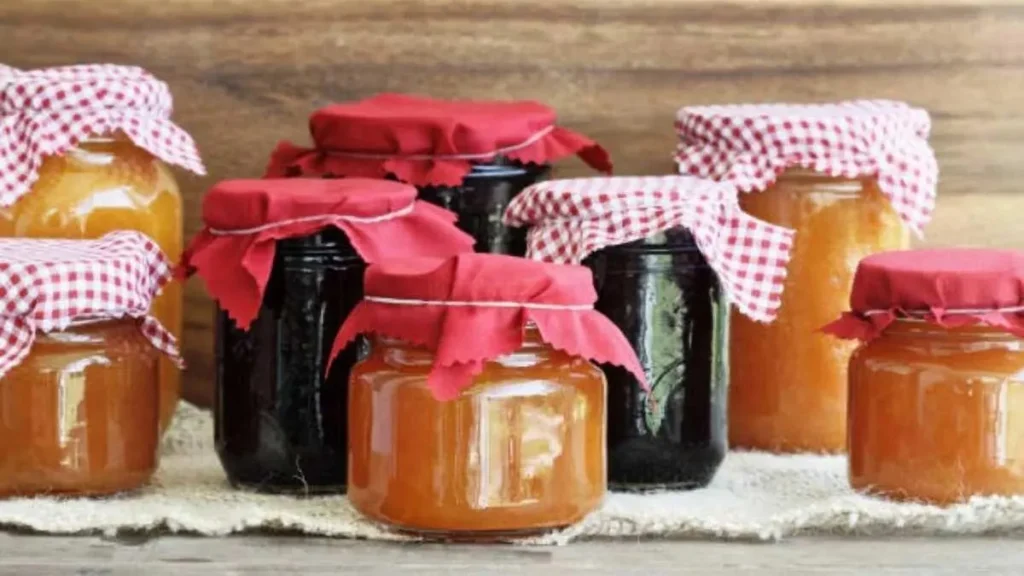
Shimla sits at the heart of India’s premier apple-growing region, and the fruit finds its way into a remarkable variety of preserved products. Local cottage industries and the government-backed HPMC (Himachal Pradesh Horticulture Produce Marketing Corporation) produce apple jams, plum preserves, mixed fruit jellies, rhododendron syrup, and apple cider vinegar that you simply cannot find in supermarkets at home. Rhododendron jam and juice are particularly worth seeking out — the flower is harvested in spring from high-altitude forests and has a distinctive tart-sweet flavour unlike anything else. Fresh apple season runs July to September when you can also buy dried apple chips and fresh-pressed juice directly from orchards near the city.
Where to Buy: HPMC outlets on Mall Road, shops near Christ Church, Lower Bazaar
Best Time to Shop: Afternoon is quieter; morning visits to Lower Bazaar get you fresher stock
Approx Price: ₹100 – ₹400 per bottle or jar
Speciality: HPMC products carry government quality assurance and are consistently good; local cottage-industry labels offer more artisanal variety
5. Dry Fruits — Walnuts, Almonds & Chilgoza
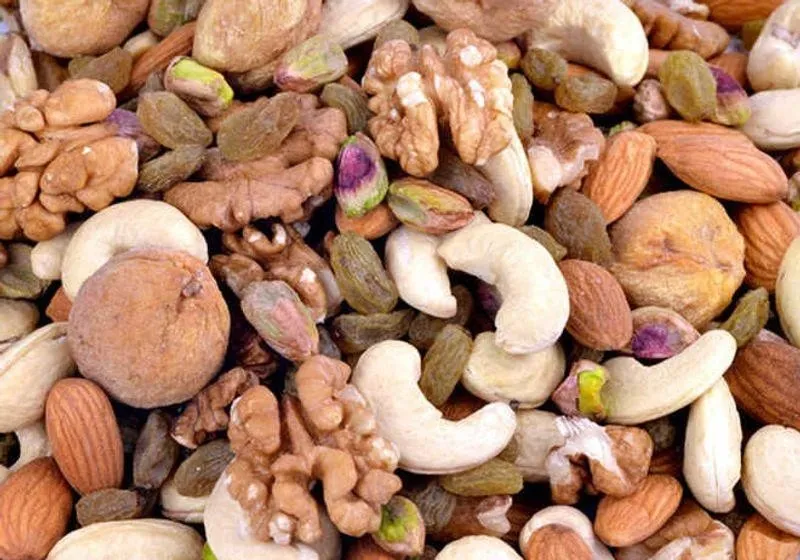
Himalayan dry fruits from Shimla are in a different category from what you find in city supermarkets. Products here come directly from hill orchards in Kinnaur, Kullu, and the surrounding valleys, with few middlemen inflating the price or compromising freshness. Kinnauri apricots are fleshy and intensely flavoured. Kullu walnuts have thin shells and rich, oily kernels. But the real prize is chilgoza — pine nuts harvested from the Chilgoza pine trees of Kinnaur. They are rare, labour-intensive to collect, and have a buttery, resinous flavour unlike imported pine nuts. Chilgoza is expensive (₹2,000 – ₹4,000 per kg) but genuinely worth it as a special-occasion ingredient or premium gift. Lower Bazaar gives you the best prices on all dry fruits.
Where to Buy: Lower Bazaar (best rates), Lakkar Bazaar area shops, Mall Road (premium packaging)
Best Time to Shop: Morning for the best selection and freshest stock
Approx Price: Walnuts ₹400–800/kg, almonds ₹600–1,200/kg, chilgoza ₹2,000–4,000/kg
Speciality: Ask specifically for Kinnauri-origin produce; local shopkeepers will tell you the source district
6. Pashmina Shawls
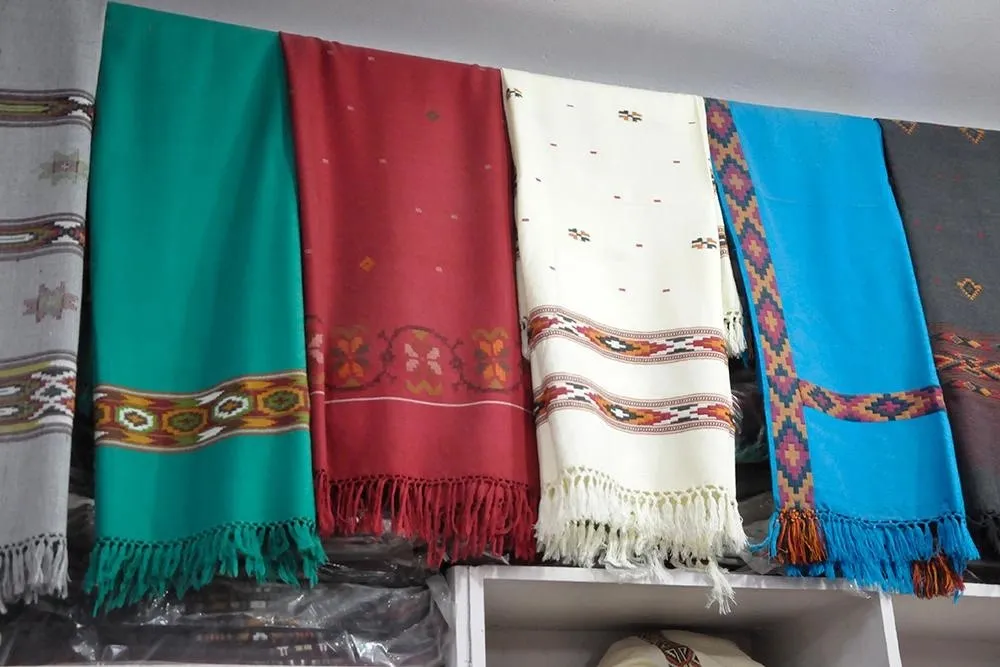
Pashmina is woven from the fine undercoat of the Changthangi goat, native to high-altitude regions of Ladakh and the Himalayas. A genuine pashmina shawl is extraordinarily soft, lightweight, and warm — qualities that no synthetic imitation can match. Shimla is a major retail market for Himalayan textiles, and several shops on Mall Road and at the Himachal Emporium stock authentic pashmina alongside Kullu woolens. When shopping for pashmina, the ring test (passing the shawl through a ring) and the burn test (wool fibres smell like burnt hair, not plastic) are traditional authenticity checks. Price is also a strong indicator — anything under ₹2,500 claiming to be pure pashmina almost certainly contains synthetic blending.
Where to Buy: Himachal Emporium, established Mall Road shawl shops
Best Time to Shop: Morning; take your time and compare a few options
Approx Price: ₹3,000 – ₹30,000 for authentic handwoven pieces
Speciality: Government emporiums carry certification; private shops vary significantly in quality
7. Woolen Knitwear
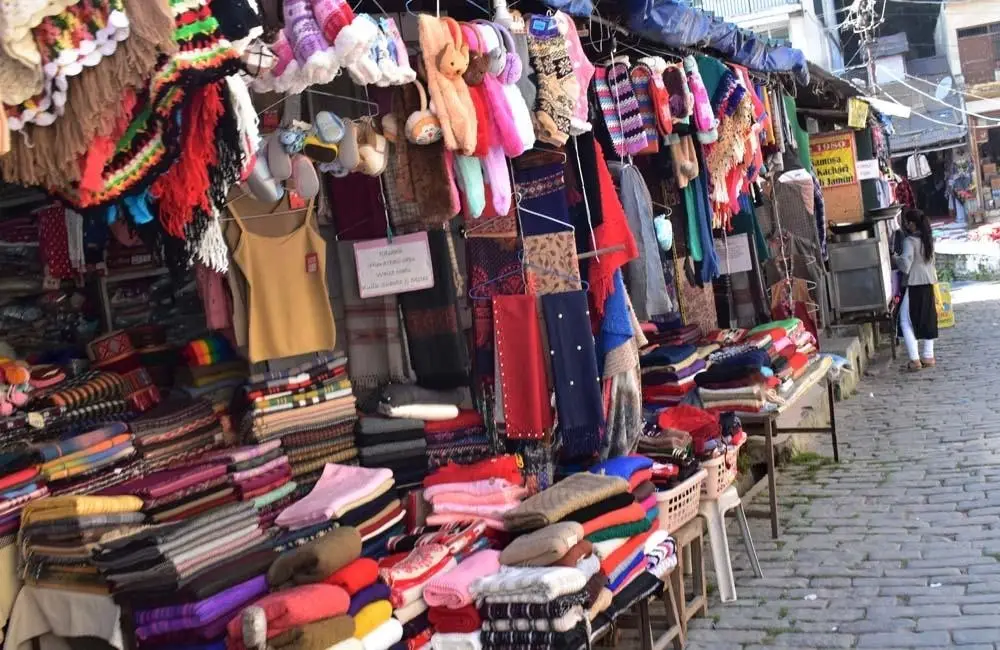
Shimla is an excellent value for warm winter clothing. The city’s cool climate means shops are stocked year-round with sweaters, cardigans, ponchos, socks, gloves, and mufflers at prices noticeably lower than what you would pay in Delhi or other metros. Both handmade cottage-industry knitwear and machine-knit options are available. The handmade pieces often have a slightly uneven texture that actually adds character and signals genuine craft. For winter travellers arriving unprepared for the cold, or for anyone looking to stock up on quality woolen wear at fair prices, Lower Bazaar and the Tibetan Market are the right places to spend an afternoon. Tibetan-design knitwear in particular has distinctive colours and patterns not commonly found elsewhere.
Where to Buy: Lower Bazaar (best variety and prices), Tibetan Market near Mall Road
Best Time to Shop: October to February for widest selection; evenings have a relaxed browsing atmosphere
Approx Price: Sweaters ₹300–2,000; hand-knit cardigans ₹500–3,000; socks ₹50–200/pair
Speciality: Look for cottage industry labels on knitwear — they indicate handmade production and support local artisans
8. Tibetan Handicrafts & Prayer Items
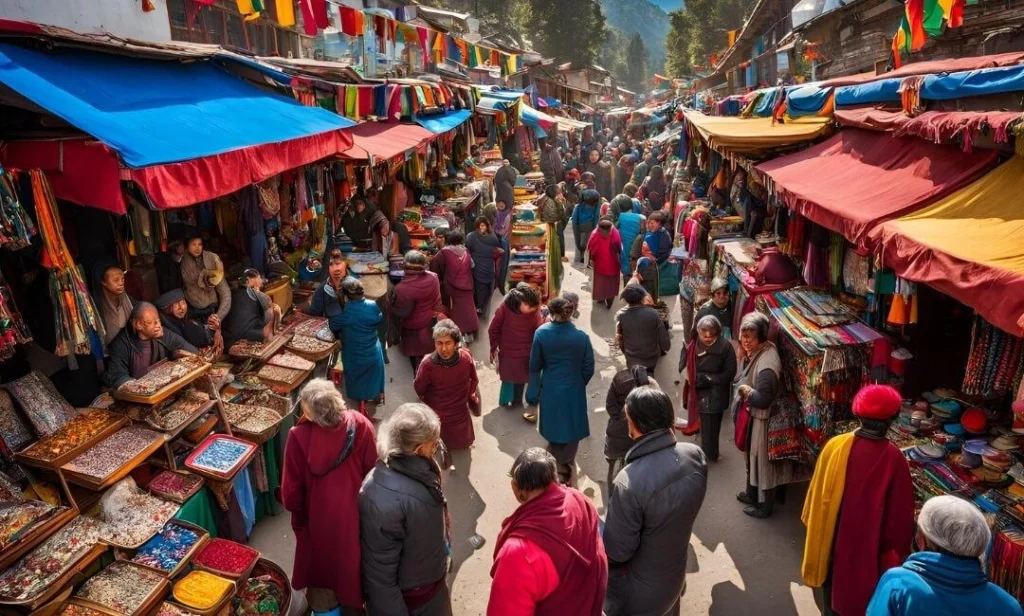
Shimla has a significant Tibetan refugee community, and their crafts have become a distinctive part of the city’s shopping culture. The Tibetan Market near Mall Road stocks singing bowls, prayer flags, prayer wheels, thangka paintings, turquoise and coral jewellery, and hand-knotted Tibetan carpets. Singing bowls are particularly popular — each bowl is hand-hammered from a blend of metals and produces a resonant sound used in meditation practice. Tibetan carpets are made using a distinct looping technique and feature bold geometric or nature-inspired patterns. These items are meaningful both as functional objects and as souvenirs with genuine cultural depth.
Where to Buy: Tibetan Market, near Mall Road
Best Time to Shop: Mornings for a quieter visit; shops typically open at 10 AM
Approx Price: Singing bowls ₹500–3,000; prayer flags ₹50–300; carpets ₹3,000 and above
Speciality: Most shopkeepers are happy to explain the purpose and origins of items — worth taking the time to learn
9. Organic Honey
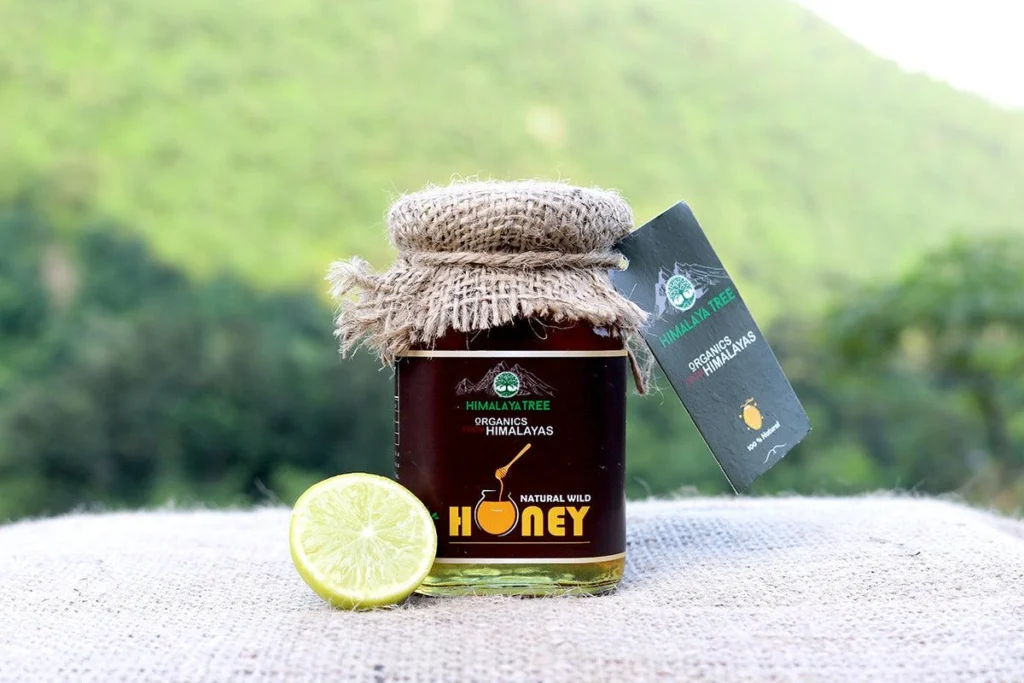
Himachali honey is genuinely different from commercial varieties. Bees in the Himalayan foothills feed on a diverse mix of wildflowers, rhododendron blossoms, and hill herbs — and the resulting honey has complex floral notes that single-source commercial honey cannot replicate. Several varieties are available: multifloral wild honey from Kullu, buckwheat honey from higher altitudes, and herb-infused varieties. The Kullu multifloral variety is the most commonly available and the most widely enjoyed. Honey from Himachal is also less processed than commercial brands, retaining more natural enzymes and pollen. It makes an excellent edible souvenir that travels well and keeps for a long time.
Where to Buy: Mall Road shops, HPMC outlets, Lower Bazaar
Best Time to Shop: Any time; look for sealed, labelled bottles from known producers
Approx Price: ₹200 – ₹800 depending on variety and jar size
Speciality: HPMC honey is a reliable choice; cottage industry variants from Kullu are often richer in flavour
10. Kinnauri Shawls
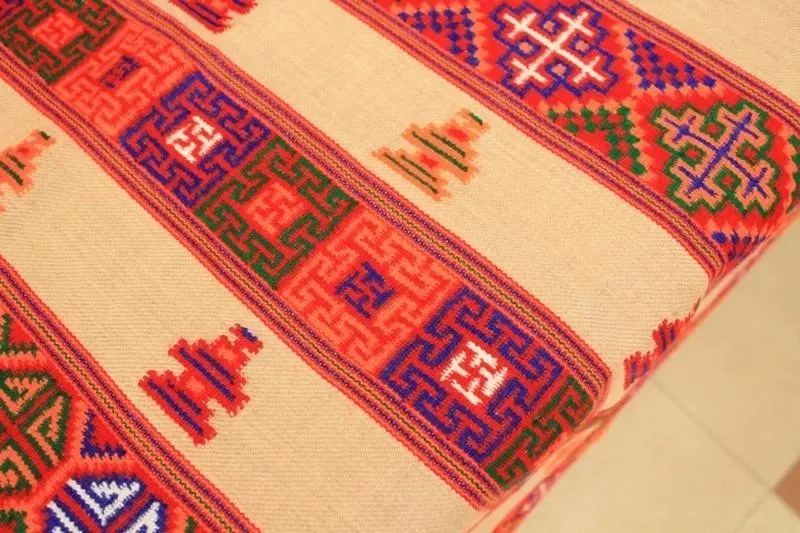
Kinnauri shawls are less well-known than Kullu shawls but equally remarkable. They come from the Kinnaur district, a remote trans-Himalayan valley bordering Tibet, and feature intricate woven patterns in earthy tones — deep burgundy, sage green, saffron, and natural undyed wool. The weaving technique used in Kinnaur is more complex than standard Kullu production, and the patterns are distinctively different. Kinnauri textiles also include a range of stoles, blankets, and caps that carry the same high-altitude craft tradition. They are rarer in Shimla markets than Kullu shawls, which makes them a more distinctive find for serious textile collectors or anyone wanting something genuinely less common.
Where to Buy: Himachal Emporium on Mall Road, select Mall Road textile shops
Best Time to Shop: Morning for unhurried browsing
Approx Price: ₹1,000 – ₹8,000 depending on size and complexity
Speciality: Far rarer than Kullu shawls; the Emporium is the most reliable source for authentic pieces
11. Herbal Teas & Mountain Herbs
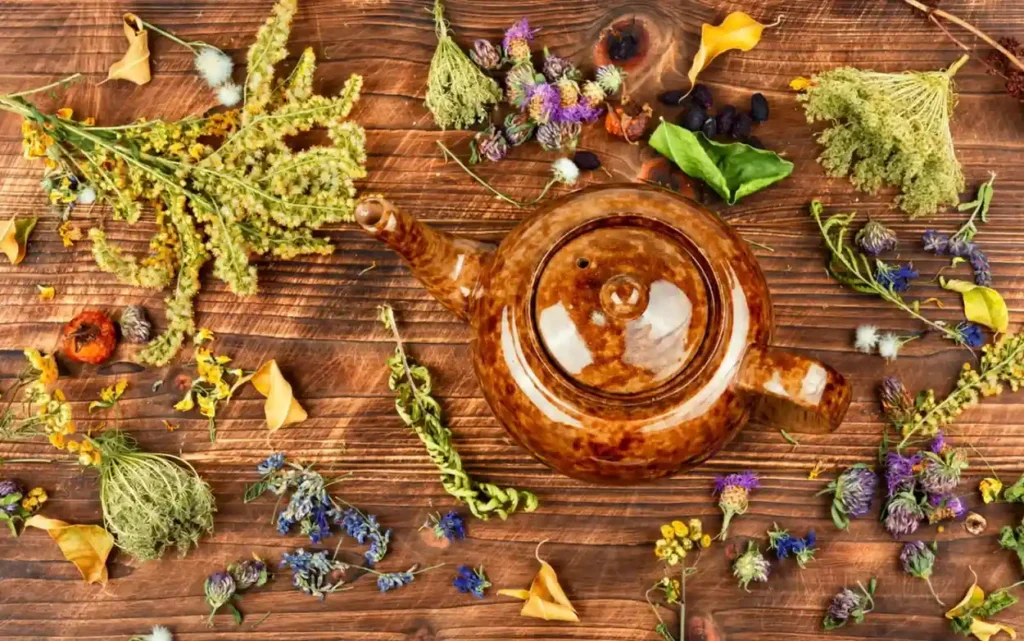
The Himalayan belt around Shimla has a rich tradition of herbal medicine, and the teas and herbs collected from these forests have become popular retail products in recent years. You can find a variety of mountain herb teas — Brahmi, Tulsi, Moringa, Nettle, and various rhododendron-based blends — sold in small cloth pouches or sealed packets at emporiums and specialty shops. These make ideal, lightweight gifts that are easy to pack. Several Ayurvedic product brands also source their raw material from Himachali forests, and their packaged oils, balms, and supplements are available in Mall Road pharmacies and health stores.
Where to Buy: Mall Road health and Ayurveda shops, Himachal Emporium
Best Time to Shop: Any time of day
Approx Price: ₹100 – ₹500 per pouch or pack
Speciality: Look for locally foraged or small-batch products rather than mass-produced commercial herb teas
12. Handmade Jewellery
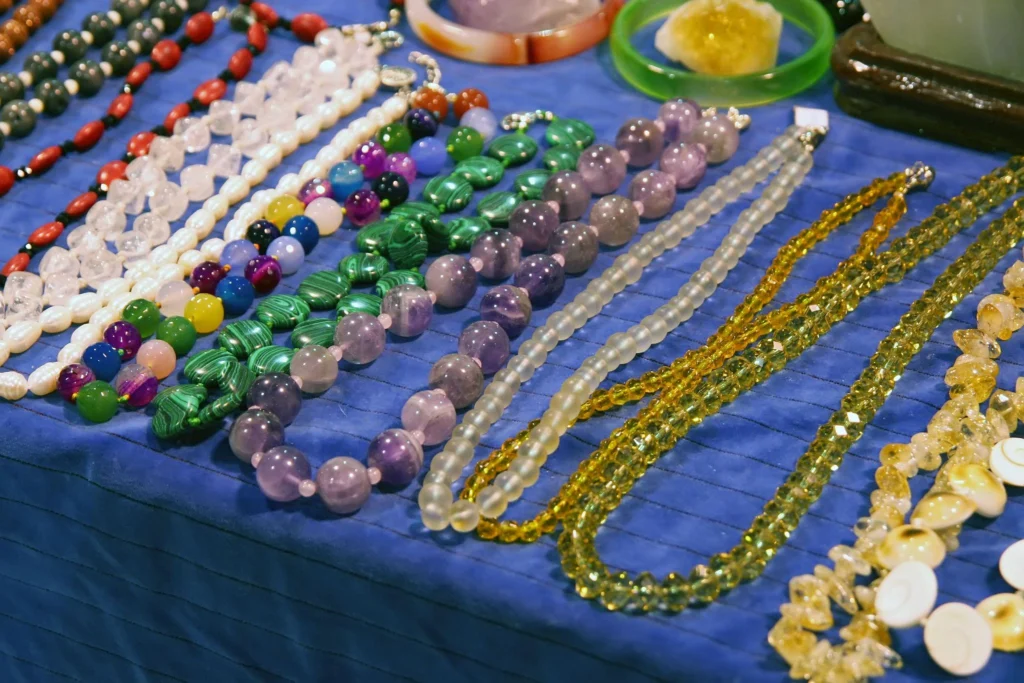
Silver jewellery with traditional Pahadi and Tibetan design motifs is a beautiful and relatively affordable buy in Shimla. Tibetan-influenced pieces use turquoise, coral, and lapis lazuli set in silver — bold, chunky designs that stand out from the delicate gold jewellery typical of Indian plains markets. Traditional Himachali silver jewellery features floral and geometric motifs used in local festival wear. The Tibetan Market and a few speciality shops on Mall Road stock a good range. As with all jewellery, it pays to spend a few minutes comparing pieces across two or three shops before committing to a purchase.
Where to Buy: Tibetan Market, selected Mall Road jewellers
Best Time to Shop: Morning; less crowded and easier to examine pieces carefully
Approx Price: ₹300 – ₹3,000 depending on silver content and stone quality
Speciality: Tibetan Market has the widest variety of turquoise and coral-set silver pieces in the city
Best Shopping Markets in Shimla
Shimla’s markets are compact enough to cover in a day’s walk, but each one has a very different character. Here is what to expect from each.
Mall Road
Shimla’s iconic pedestrian boulevard is the natural starting point for any shopping trip. The road runs along the ridge of the hill and is lined with shawl shops, bookstores, the Himachal Emporium, souvenir stores, and cafes. It is the heart of the city’s social and commercial life. The shops here cater to a mix of tourists and locals, and prices are somewhat higher than Lower Bazaar, but quality is generally reliable. The Himachal Emporium is the single most important stop on Mall Road — government-certified products at fixed prices, including authentic Kullu and Kinnauri shawls, Himachali caps, jams, and handicrafts. Use it as your quality and price benchmark before shopping elsewhere.
Lakkar Bazaar
Running along the ridge near Jakhoo Temple, Lakkar Bazaar is Shimla’s famous wood market and one of its oldest commercial traditions. Dozens of small shops sell hand-carved wooden items produced by local artisans. The range spans tiny animal figurines (under ₹100) to elaborate carved chess sets (₹2,000 – ₹5,000). Walking sticks carved from solid deodar or walnut are one of the most popular buys — practical, beautifully crafted, and unmistakably from Shimla. Shops at the far end of the market, away from the Ridge and the main tourist traffic, tend to offer better prices for the same quality. Morning visits are best for a relaxed look around before crowds arrive.
Lower Bazaar
Lower Bazaar is where Shimla’s residents actually shop, and visiting it gives you a completely different experience from the tourist-facing Mall Road. The lanes are narrow and steep, and the goods are practical and genuinely priced. This is the place to buy knitwear, dry fruits, everyday Himalayan produce, and local food items at rates significantly lower than Mall Road. It is also a more honest window into how the city actually functions. The market typically closes on Tuesdays, so plan around that. If you are buying dry fruits in bulk — walnuts, almonds, Kinnauri apricots, or chilgoza — Lower Bazaar should be your first and primary stop.
Tibetan Market
A compact but richly stocked market near Mall Road, the Tibetan Market has a character unlike anything else in Shimla. The shopkeepers here are predominantly from the Tibetan refugee community that has been settled in Himachal Pradesh since the 1960s. Their crafts — singing bowls, prayer flags, turquoise jewellery, hand-woven carpets, and painted thangka scrolls — bring a Tibetan cultural flavour that you will not find in other Shimla markets. Woolen items here have distinctive Tibetan designs and are excellent quality. Prices are fair, and gentle bargaining is accepted and expected. Open from around 10 AM to 7 PM.
Himachal Emporium (Mall Road)
Strictly speaking a single shop rather than a market, the Himachal Emporium deserves its own mention because it functions as the quality standard for everything you will buy in Shimla. Run by the state government, it stocks a curated range of certified handicrafts, textiles, food products, and souvenirs at fixed, non-negotiable prices. If you are unsure whether a Kullu shawl you have been offered at a particular price is authentic, come here first and examine their certified versions. The fixed prices also mean that if you find something cheaper elsewhere, you can be confident in assessing what is a genuine saving versus what might be a quality compromise.
Tips for Smart Shopping in Shimla
Start at the Himachal Emporium. Even if you plan to buy elsewhere, start at the government emporium on Mall Road. The fixed prices and certified stock give you a reliable quality baseline before you assess deals in private shops.
Bargaining works in some markets, not others. Lower Bazaar and Lakkar Bazaar expect polite bargaining. Start at 60–70% of the first quoted price. Mall Road shops often have semi-fixed prices. The Himachal Emporium and HPMC outlets have completely fixed prices.
Check for GI tags on woolens. Genuine Kullu shawls carry a Geographical Indication tag and a Handloom Mark. The weave on authentic hand-made shawls has a very slight irregularity — perfectly uniform weave is a sign of machine production.
Shop dry fruits in Lower Bazaar, not Mall Road. The same quality walnuts, almonds, and apricots cost noticeably less in Lower Bazaar than in tourist-facing Mall Road shops. Buy loose to check quality before committing to a larger quantity.
Mornings are best for unhurried shopping. Crowds build on Mall Road and Lakkar Bazaar from midday onwards, especially during peak summer (May–June) and winter holiday season. Early morning visits give you better access to shopkeepers’ attention and sometimes better prices.
Carry cash. Many smaller shops in Lower Bazaar and Lakkar Bazaar are cash-only or prefer it. UPI payments are widely accepted in Mall Road shops. Confirm payment method before finalising a purchase.
Pack wooden items carefully. Lakkar Bazaar shops sell cardboard and bubble wrap for wrapping wooden pieces. Intricate carvings and chess sets are best carried in your cabin baggage rather than checked-in luggage to avoid break
Common Shopping Mistakes to Avoid in Shimla
Buying pashmina without checking authenticity. Many shops sell blended or fully synthetic shawls under the pashmina label at prices that seem attractive. A genuine pashmina under ₹2,500 is almost certainly not authentic. The Himachal Emporium is the safest place for certified purchases.
Overpaying at Ridge-facing tourist stalls. Shops and stalls immediately visible to tourist foot traffic near the Ridge and Christ Church charge significantly more than equivalent shops in Lower Bazaar or even further down Mall Road. Walk a little further and you will almost always find better prices.
Ignoring HPMC for food products. Some travellers assume government outlets mean boring products. HPMC’s range of fruit preserves and orchard products is consistently high quality and clearly labelled. It is the safest buy for edible souvenirs.
Skipping Lower Bazaar because it looks less polished. Lower Bazaar does not have the colonial-era shopfronts of Mall Road. But it has real Shimla, real prices, and a better selection of dry fruits and everyday woolens than anywhere else in the city. Do not skip it.
Not asking about the origin of wooden items. Some wooden souvenirs in tourist shops are factory-made in bulk and shipped to Shimla from other cities. Always ask where the item was made. Genuine Lakkar Bazaar craftwork has visible tool marks and minor variations that factory pieces do not.
Plan your Shimla trip with Trip Guru Go.
If you are looking for well-researched travel itineraries, curated shopping guides, and destination content for Himachal Pradesh and beyond, Trip Guru Go brings together practical travel knowledge to help you make the most of every trip. From hill station guides to cultural experiences across India, it is a useful resource for any traveller planning a trip to the mountains.
Conclusion
Shopping in Shimla is an experience that goes beyond picking up souvenirs. The things to buy in Shimla are tied to the region’s geography, its craft traditions, its orchards, and its role as a crossroads between Himachali and Tibetan cultures. A handwoven Kullu shawl carries the work of a Kullu Valley weaver and a tradition of pit-loom craft that stretches back generations. A jar of rhododendron jam is the taste of a high-altitude Himalayan spring. A walnut-carved walking stick from Lakkar Bazaar is a piece of a market that has been operating since the British used this city as their summer retreat.
What makes shopping here genuinely enjoyable is the scale. The markets are walkable. The shopkeepers are mostly knowledgeable about what they sell. The prices, if you shop wisely, are fair. And the quality of the best products — the GI-tagged shawls, the Kinnauri dry fruits, the handmade knitwear — is difficult to match elsewhere.
Give yourself a full day for shopping in Shimla. Start at the Himachal Emporium to calibrate your eye, spend the late morning at Lakkar Bazaar, have lunch on Mall Road, and then work through Lower Bazaar in the afternoon. By evening, your bag will be considerably heavier — and the memories attached to each purchase will last far longer than any photograph.
Frequently Asked Questions
What is Shimla famous for?
Shimla is most famous for handwoven Kullu shawls (GI-tagged), wooden crafts from Lakkar Bazaar, Himachali caps (Pahari topi), apple-based preserves and jams, Kinnauri dry fruits including chilgoza pine nuts, Tibetan handicrafts, and woolen knitwear. Mall Road and Lower Bazaar are the primary shopping hubs.
Which products is Shimla famous for?
Shimla is known for three broad categories: textiles (Kullu shawls, Kinnauri shawls, pashmina, woolen knitwear), wooden crafts (hand-carved items from Lakkar Bazaar), and orchard produce (apple jams, rhododendron preserves, organic honey, and dry fruits from the surrounding Himalayan valleys).
What is the specialty of Shimla to buy?
The most distinctive speciality buys in Shimla are GI-tagged Kullu shawls with traditional natti border patterns, hand-carved walnut wood items from Lakkar Bazaar, and chilgoza pine nuts from Kinnaur — a rare Himalayan produce that is difficult to find outside Himachal Pradesh. These three items represent the best of the region’s craft and agricultural traditions.
What is the gift of Shimla?
The best gift from Shimla depends on who you are buying for. A Himachali cap is a unique cultural gift. A Kullu shawl from the Himachal Emporium is a high-quality, certified textile gift. Apple jam or rhododendron preserve makes an affordable, memorable edible gift. Carved wooden items from Lakkar Bazaar are ideal for home decor. Organic honey from Kullu is appreciated by health-conscious recipients.
What are the unique things to buy in Shimla?
The most unique buys in Shimla are chilgoza pine nuts (rare Himalayan produce from Kinnaur), rhododendron jam and juice (made from high-altitude forest flowers), Kinnauri shawls with trans-Himalayan weaving patterns, hand-hammered Tibetan singing bowls, and walking sticks hand-carved from solid walnut or deodar cedar at Lakkar Bazaar. These are items that cannot be easily replicated or sourced elsewhere.
What cheap things can I buy in Shimla?
Shimla offers excellent value in several categories. Himachali caps start at ₹100. Wooden toy souvenirs from Lakkar Bazaar start at ₹50. Woolen socks and gloves are ₹50–200. Apple jam and Himachali pickles cost ₹100–200. Basic woolen sweaters from Lower Bazaar start at ₹300. Shopping in Lower Bazaar consistently gives you the best prices in the city for everyday items.
What can I buy on Mall Road, Shimla?
Mall Road is the best place in Shimla for certified Kullu and Kinnauri shawls from the Himachal Emporium, apple-based food products and preserves, traditional Himachali caps, handicrafts and small souvenirs, herbal teas, and premium wooden items. It also has a wide range of clothing and fashion shops, bookstores, and cafes — making it a complete destination for both shopping and browsing.
Is shopping in Shimla expensive?
Shopping in Shimla covers a very wide price range. Basic souvenirs like wooden toys, caps, and jams are genuinely affordable. Mid-range items like Kullu shawls and knitwear are fairly priced. Premium items like authentic pashmina or Kinnauri textiles are expensive but no more so than elsewhere. Shopping in Lower Bazaar versus Mall Road makes a significant difference in price for dry fruits, knitwear, and everyday produce.

Anshra Zafar explores the mountains of Himachal Pradesh & Uttrakhand and writes detailed travel guides about Manali, Kasol, Sissu, Jispa.chopta and kedarnath trek She focuses on scenic road trips, backpacking experiences, café culture, snowfall destinations, and adventure activities in the Himalayas. Her content helps travelers plan smooth and memorable mountain journeys.