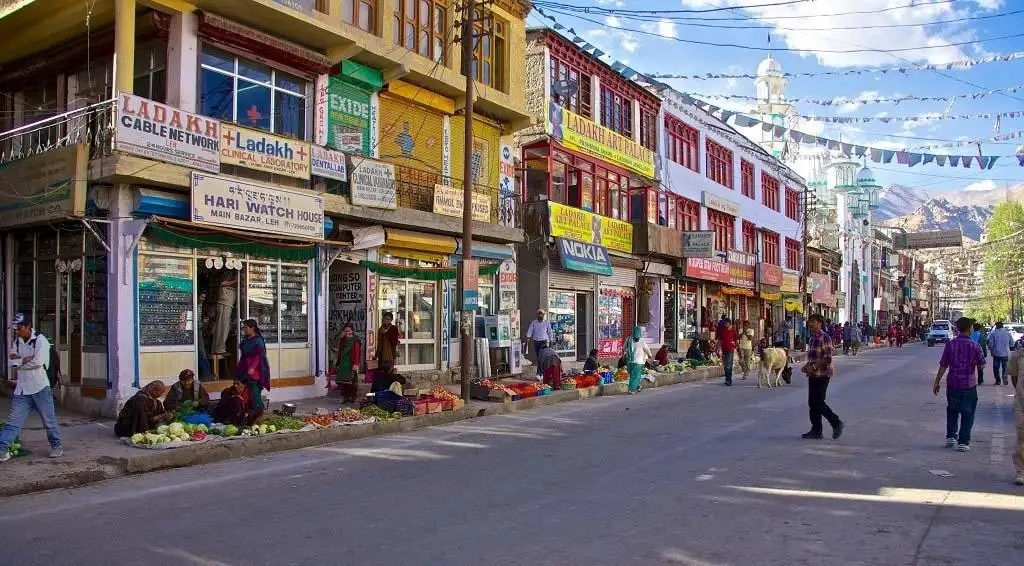
Planning to shop in Leh Market is about much more than buying souvenirs. It’s where Ladakhi culture comes alive through colourful handicrafts, Tibetan jewellery, traditional cafés, prayer flags, local spices, and friendly shopkeepers who have been welcoming travellers for decades.
Whether you’re searching for an authentic Pashmina shawl, handcrafted silver jewellery, dried apricots, or beautiful Buddhist artefacts, Leh Market offers something for every kind of traveller.
If you’re visiting Ladakh for the first time, our Ultimate Ladakh guide will help you understand everything from planning your itinerary to permits, transport, and local travel tips before you begin exploring Leh.
This guide covers the best shopping areas, market timings, famous local products, authentic food, bargaining tips, and everything you should know before spending a day at Leh’s busiest marketplace.
Leh Market at a Glance
Located in the heart of Leh town, Leh Main Bazaar is one of the busiest places in Ladakh. During the tourist season, the streets stay lively from morning until late evening with travellers exploring handicraft shops, cafés, bakeries, bookstores, and local souvenir stores.
Unlike modern shopping malls, Leh Market offers a relaxed shopping experience where every street has something different to discover. One shop may display handcrafted singing bowls, while the next sells locally woven carpets or beautifully painted Thangka artwork.
You’ll also find small family-run stores that have been selling traditional Ladakhi products for generations.
Leh Market Timings and Daily Rhythm
Although individual shops may have slightly different schedules, most businesses follow a similar routine.
| Details | Timings |
| Market Opening | Around 10:00 AM |
| Peak Shopping Hours | 11:00 AM to 6:00 PM |
| Market Closing | Around 8:00 PM |
The market usually becomes busiest during the afternoon when most tourists return from local sightseeing.
If you prefer a quieter shopping experience with better opportunities to browse, visit during the morning hours.
Evenings are perfect if you want to combine shopping with cafés, restaurants, and a relaxed walk through the illuminated streets.
Best Time to Visit Leh Market
The best time to explore Leh Market is between May and September, when almost every shop remains open and the weather is pleasant for walking around.
September is especially popular because the crowds begin reducing while the weather stays comfortable.
If you’re wondering about the perfect season to visit Ladakh, planning your shopping during the main travel season ensures you’ll find the widest variety of handicrafts, woollens, and locally made products.
How to Reach and Navigate Leh Market
Leh Market is centrally located and easily accessible from almost every hotel in Leh town.
Walking
If you’re staying near the Main Bazaar, Fort Road, Changspa Road, or Old Leh, you can comfortably reach the market on foot within 5 to 20 minutes.
Taxi
Local taxis are available throughout Leh and usually drop visitors near the market entrance.
Rental Scooters
Many travellers prefer renting scooters to explore Leh town before spending the evening shopping.
Parking is available near several market entrances, although it becomes busy during peak tourist months.
Best Shopping Places Inside Leh Market
Leh Main Bazaar
This is the largest and most popular shopping area in Leh.
You’ll find:
- Authentic Pashmina shawls
- Prayer wheels
- Prayer flags
- Thangka paintings
- Handmade jewellery
- Traditional handicrafts
- Dry fruits
- Souvenir shops
- Local cafés
If you’re buying expensive Pashmina products, always ask for authenticity certification before making a purchase.
Tibetan Refugee Market
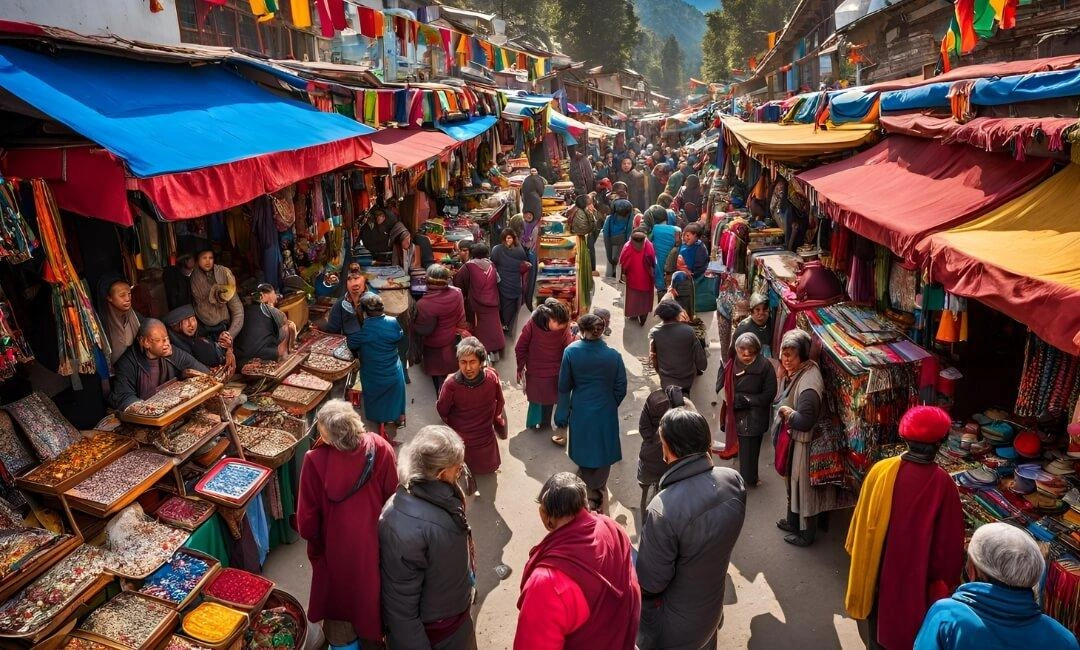
Located just off the Main Bazaar, this market is perfect for travellers looking for affordable souvenirs and Tibetan handicrafts.
Popular items include:
- Silver jewellery
- Singing bowls
- Woollen caps
- Handmade scarves
- Prayer flags
- Decorative home items
Bargaining is fairly common here, but always negotiate politely and respectfully.
Moti Market
Moti Market is well known for traditional jewellery and semi-precious stones.
Many visitors come here specifically for:
- Turquoise jewellery
- Coral jewellery
- Pearls
- Traditional Ladakhi ornaments
- Handmade silver accessories
Before buying silver jewellery, check for proper hallmark certification whenever possible.
Women’s Alliance of Ladakh

This community-run store supports local women by selling handmade products prepared across nearby villages.
Some of the best things to buy include:
- Organic apricot jam
- Apricot kernel oil
- Handmade woollens
- Local handicrafts
- Knitted scarves
- Traditional Ladakhi products
Shopping here also directly supports local artisans and women’s self-help groups.
Best Things to Buy in Leh Market
Authentic Pashmina Shawls
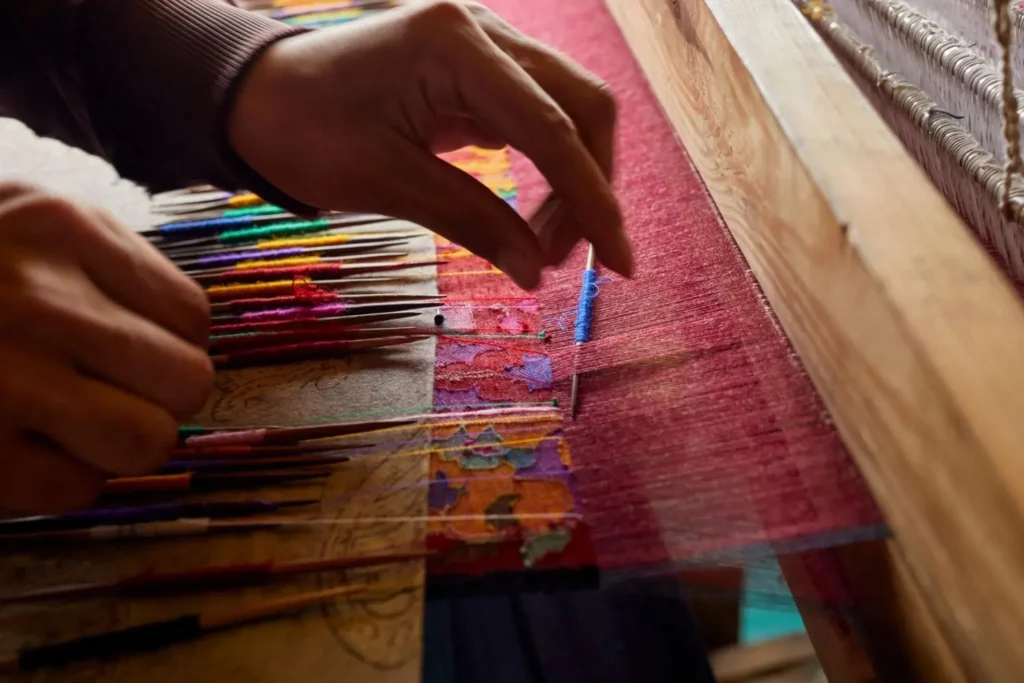
Pashmina remains one of the most famous products available in Leh.
Genuine Pashmina is soft, lightweight, and significantly more expensive than machine-made imitations.
Always ask for authenticity certification instead of relying only on the ring test.
Thangka Paintings
These traditional Buddhist paintings are among the most meaningful souvenirs you can take home from Ladakh.
Most authentic pieces are hand-painted by skilled local artists and often require several weeks to complete.
Singing Bowls
Handcrafted Tibetan singing bowls are popular among meditation enthusiasts.
Ask the shopkeeper to demonstrate the sound before purchasing, as the tone varies from bowl to bowl.
Prayer Flags and Prayer Wheels
Prayer flags remain one of the most recognisable symbols of Ladakh.
Many travellers purchase them as decorative souvenirs, but they also carry deep spiritual significance in Buddhist culture.
Dried Apricots and Apricot Products
Ladakh is famous for its naturally sweet apricots.
Besides dried fruit, you’ll also find:
- Apricot oil
- Apricot jam
- Organic skincare products
- Homemade preserves
These products make excellent gifts because they’re locally produced and easy to carry.
Traditional Jewellery
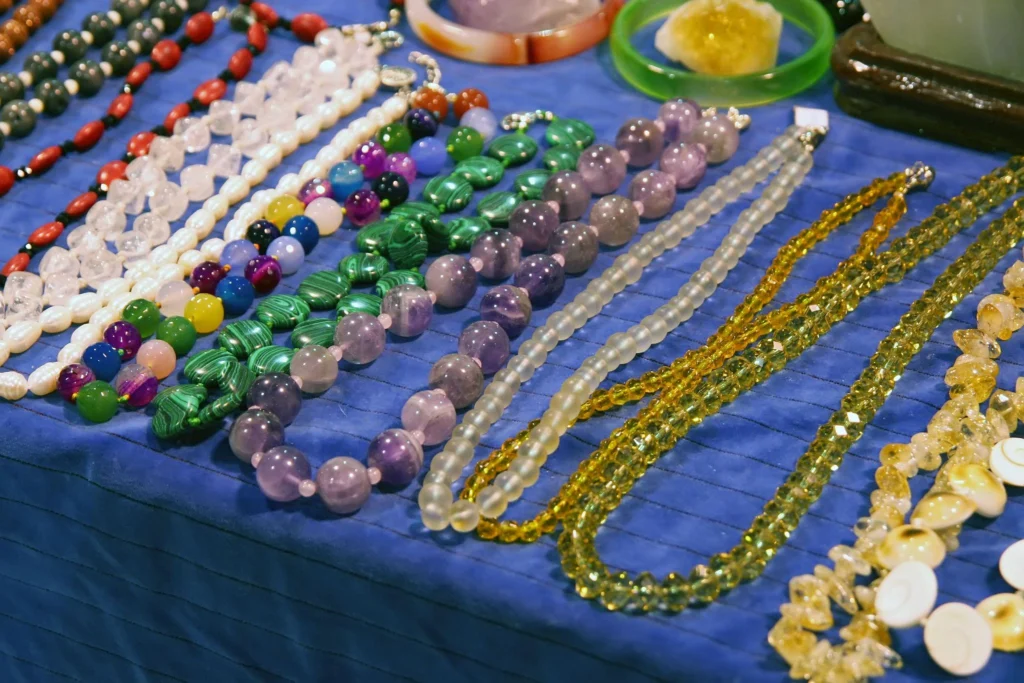
Turquoise necklaces, silver earrings, coral ornaments, and handcrafted bracelets are among the most popular jewellery items available throughout Leh Market.
Choose certified silver whenever you’re making a premium purchase.
Shopping Tips for First-Time Visitors
Shopping in Leh Market is enjoyable, but knowing a few local tips can help you make better purchases and avoid common mistakes.
Carry Enough Cash
Although many cafés and larger stores accept digital payments, several small handicraft shops and roadside vendors still prefer cash. Keeping enough cash with you makes shopping much easier.
Bargain Politely
Negotiating prices is common in markets like the Tibetan Refugee Market, but always bargain respectfully. A friendly conversation usually works much better than aggressive negotiation.
Buy Certified Pashmina
One of the biggest mistakes tourists make is purchasing fake Pashmina at very low prices.
Always ask for certification or a genuine Pashmina label before buying expensive shawls.
Check Silver Hallmarks
If you’re buying silver jewellery, look for proper hallmark certification to ensure authenticity.
Pack Fragile Souvenirs Carefully
Items like singing bowls, prayer wheels, and handmade artefacts can be delicate. Ask the shopkeeper for proper packaging if you’re carrying them home by flight.
Restaurants Near Leh Market
After exploring the market, you’ll find plenty of cafés and restaurants serving Ladakhi, Tibetan, Indian, and Chinese cuisine.
| Restaurant | Approximate Price Per Meal | Highlights |
| The Tibetan Kitchen | ₹400–₹800 | Famous for momos and thukpa |
| Tsas by Dolkhar | ₹500–₹900 | Modern Ladakhi cuisine with cozy interiors |
| Lamayuru Restaurant | ₹450–₹850 | Traditional Ladakhi meals and butter tea |
| Namza Dining | ₹600–₹1000 | Multi-course Ladakhi dining experience |
| Sky Wok | ₹500–₹900 | Chinese and Tibetan dishes with quick service |
| Lehvenda | ₹400–₹750 | Rooftop seating and local snacks |
| Ladakhi Organic Food Restaurant | ₹450–₹850 | Organic locally sourced meals |
| Hangout Tibetan Restaurant | ₹350–₹700 | Budget-friendly Tibetan food |
Important Note: The prices mentioned above are approximate and may vary depending on the season, restaurant policies, taxes, menu updates, and the dishes you order.
Local Eats You Shouldn’t Miss
Shopping in Leh Market is incomplete without trying authentic Ladakhi food.
| Local Dish | Why You Should Try It |
| Momos at Dolma Aunty’s | Soft, juicy dumplings loved by both locals and travellers |
| Thukpa | A comforting Tibetan noodle soup perfect for chilly evenings |
| Butter Tea (Gur Gur Chai) | Traditional salty tea best enjoyed during the morning |
| Skyu | Traditional Ladakhi pasta stew that many tourists overlook |
| Chhurpi | Chewy yak cheese snack that’s perfect while walking through the market |
| Tingmo | Soft steamed bread served with curries and stews |
| Khambir | Traditional fermented Ladakhi bread with a unique flavour |
| Chhang | Local barley drink popular among adults looking for an authentic cultural experience |
Shopping Budget for Leh Market
Your shopping budget depends entirely on what you plan to buy.
Small souvenirs like magnets, prayer flags, keychains, and local snacks are budget-friendly, while authentic Pashmina shawls, handcrafted jewellery, and original Thangka paintings are premium purchases.
If you’re shopping for gifts, dry fruits, apricot products, handmade woollens, and traditional handicrafts offer great value without stretching your budget too much.
What to Wear While Shopping in Leh Market
Even during the tourist season, mornings and evenings in Leh can feel surprisingly cool. Comfortable walking shoes, layered clothing, sunglasses, and a light jacket make exploring the market much more enjoyable.
Common Mistakes to Avoid While Shopping in Leh Market
Shopping in Leh Market is an enjoyable experience, but a few common mistakes can leave you spending more than necessary or missing out on some of the market’s best offerings. Whether you’re visiting for the first time or returning after several years, keeping these simple tips in mind will help you shop smarter and enjoy the local culture even more.
Buying from the First Shop You Visit
One of the biggest mistakes tourists make is purchasing expensive items from the very first store they enter. Most products, especially Pashmina shawls, prayer flags, jewellery, and handicrafts, are available in multiple shops across the market. Take your time to explore different stores, compare prices, inspect the quality, and then decide where to buy. A little patience can often help you find better craftsmanship and more reasonable prices.
Falling for Cheap “Pure Pashmina”
Authentic Pashmina is one of Ladakh’s most famous products, but it’s also one of the most copied. If someone offers a “100% pure Pashmina” at an unusually low price, be cautious. Genuine Pashmina is made from fine Himalayan goat wool and requires skilled craftsmanship, which naturally makes it expensive. Always ask for authenticity certificates and buy from reputed stores whenever possible.
Ignoring Quality and Craftsmanship
Many visitors get attracted by colourful souvenirs without checking their quality. Whether you’re buying singing bowls, Thangka paintings, prayer wheels, carpets, or jewellery, spend a few minutes examining the workmanship. Handmade products usually have small natural variations that reflect genuine craftsmanship, while mass-produced items often look identical.
Bargaining Too Aggressively
Negotiating prices is perfectly normal in many parts of Leh Market, especially at smaller stalls and the Tibetan Refugee Market. However, bargaining should always remain respectful. Remember that many products are handmade by local artisans who spend days or even weeks creating them. A friendly conversation often results in a better price than aggressive bargaining.
Forgetting to Carry Cash
Although many cafés, restaurants, and larger shops now accept digital payments, several smaller vendors still prefer cash. Network issues can also affect online payments from time to time. Carrying enough cash ensures you won’t miss out on buying something you really like.
Not Packing Fragile Items Properly
If you’re purchasing prayer wheels, ceramic items, singing bowls, or decorative handicrafts, ask the shopkeeper for secure packaging. Most stores are happy to provide bubble wrap or sturdy boxes that make transporting delicate souvenirs much safer.
Skipping Local Food
Many travellers finish shopping and leave without tasting Ladakhi food. That’s a mistake. The market is filled with cafés and family-run restaurants serving delicious momos, butter tea, Skyu, Tingmo, and Thukpa. Taking a short food break makes the experience much more memorable.
Why Leh Market Is Worth Visiting
Leh Market is much more than a shopping destination. It represents the heart of the town where travellers, monks, local families, and artisans come together every day. Walking through its lively streets gives you a glimpse into Ladakh’s unique blend of Tibetan and Himalayan culture.
Every lane has something interesting to discover. One corner may have colourful prayer flags fluttering in the mountain breeze, while another features local women selling handmade woollen products or traditional jewellery. Small cafés serve freshly prepared Tibetan food, and family-run shops proudly display handicrafts that have been passed down through generations.
Unlike commercial shopping centres, Leh Market offers genuine local experiences. Shopkeepers are often happy to explain the story behind their products, recommend authentic items, or share a few travel tips about nearby attractions. Even if you don’t plan on buying anything, wandering through the market is an experience worth having.
Photography enthusiasts will also enjoy capturing the colourful storefronts, prayer wheels, bustling cafés, and surrounding mountain views that give Leh Market its unique character.
Conclusion
A visit to Leh Market is one of the highlights of any Ladakh itinerary. Beyond shopping, it offers an opportunity to experience local traditions, interact with friendly artisans, and discover products that truly represent the culture of the Himalayas.
Whether you’re taking home a beautifully handcrafted Pashmina shawl, authentic silver jewellery, organic apricot products, traditional Thangka paintings, or simple handmade souvenirs, every purchase becomes a reminder of your journey through Ladakh.
Instead of rushing from one shop to another, slow down and enjoy the atmosphere. Explore hidden lanes, compare products, chat with local vendors, sample traditional Ladakhi dishes, and appreciate the craftsmanship behind every handmade item. These experiences often become the most memorable part of a Ladakh trip.
Discover More with TripGuruGo
Planning a memorable Ladakh holiday takes more than simply booking hotels and transport. Knowing where to shop, what to eat, which places deserve your time, and how to experience the local culture can completely transform your journey.
That’s where TripGuruGo helps. Our travel guides are designed to make every trip easier with practical advice, seasonal updates, destination insights, shopping recommendations, and real travel tips gathered for modern travellers.
Whether you’re exploring the lively streets of Leh Market, visiting peaceful monasteries, driving across the world’s highest mountain passes, or discovering hidden Himalayan villages, TripGuruGo helps you travel with confidence while making the most of every destination.
Start planning your Ladakh adventure with TripGuruGo and create memories that stay with you long after the journey ends.
Frequently Asked Questions
What is Leh Market famous for?
Leh Market is famous for authentic Pashmina shawls, Tibetan handicrafts, traditional Ladakhi jewellery, Thangka paintings, prayer flags, singing bowls, dry fruits, apricot products, and local cafés serving Ladakhi cuisine.
What are the Leh Market timings?
Most shops in Leh Market usually open between 10:00 AM and 11:00 AM and remain open until 7:30 PM–8:00 PM. Timings may vary slightly depending on the season and individual shop.
Is bargaining allowed in Leh Market?
Yes. Bargaining is common in the Tibetan Market and small souvenir shops. However, negotiate politely, especially when purchasing handmade products from local artisans.
Where can I buy genuine Pashmina shawls in Leh?
You should purchase Pashmina shawls from reputed stores that provide authenticity certificates or Woolmark/Pashmina certification to ensure you’re buying genuine products.
Which market is best for shopping in Leh?
Leh Main Bazaar is the most popular shopping destination, while the Tibetan Refugee Market is known for budget-friendly souvenirs, jewellery, woollen clothes, and handicrafts.
What are the best souvenirs to buy from Leh?
Popular souvenirs include Pashmina shawls, Buddhist prayer wheels, prayer flags, Thangka paintings, apricot jam, apricot kernel oil, handmade carpets, silver jewellery, and singing bowls.
Is Leh Market worth visiting even if I don’t want to shop?
Absolutely. Leh Market is one of the best places to experience Ladakhi culture, enjoy local cafés, try traditional food, interact with local artisans, and explore the vibrant streets of Leh.
Are digital payments accepted in Leh Market?
Many cafés and larger stores accept UPI and card payments, but several small shops and street vendors still prefer cash. Carrying some cash is always recommended.
How much time should I spend at Leh Market?
Most travellers spend 2–4 hours exploring Leh Market, shopping, trying local food, and visiting nearby cafés.
What are the best places near Leh Market?
Some of the most popular attractions near Leh Market include Leh Palace (2 km), Shanti Stupa (5 km), Hall of Fame Museum (5 km), and Namgyal Tsemo Monastery (3 km).

Anjali is a travel content writer who creates informative and engaging articles about destinations, travel tips, itineraries, and travel experiences. She enjoys simplifying travel information to help readers plan their journeys with confidence while discovering new places and cultures.