🌍 Group Trip For Solo — Book Now
🏔️ Manali Kasol Trip - 1000 OFF
🎒 Join Hampta Pass Trek
✈️ Group Trip in June - 1000 OFF
🌍 Group Trip For Solo — Book Now
🏔️ Manali Kasol Trip - 1000 OFF
🎒 Join Hampta Pass Trek
✈️ Group Trip in June - 1000 OFF
Best Price Guarantee
24×7 Travel Support
Easy EMI Options

Winter Spiti Valley

9 Days Winter Spiti Package designed for solo travelers (20–45 age), couples, and working professionals. We organize weekly fixed departures from Delhi via the Shimla–Kinnaur route with 1 Night in Sarahan, 1 Night in Sangla/Chitkul, 1 Night in Tabo, 2 Nights in Kaza, and 1 Night in Kalpa. Travel in small groups (8–15) with a dedicated Trip Captain, experienced local snow drivers, homestay, and all major sightseeing included.

Duration

8 Nights / 9 Days

Pick & Drop

Delhi – Delhi

Stay Night

6 in Homestay/Hotel

Age

20–45 Years

Group

8–15 (Small Group)

Trip Captain

Included

Winter Spiti Valley Package
Tour Details

Trip Overview

The Winter Spiti Package (8 Nights 9 Days) is a fixed departure group tour from Delhi that explores the snow-covered landscapes of Spiti Valley during the winter season. The trip follows the Shimla–Kinnaur route, which remains accessible when the Manali highway is closed due to snowfall in winter time.

What makes Winter Spiti different from a summer trip is the experience itself. Winter transforms Spiti Valley into a completely different landscape. Temperatures often drop below -15°C, rivers begin freezing, and villages receive fresh snowfall. Visitors can explore Key Monastery, walk across Chicham Bridge, send postcards from Hikkim Post Office, visit the fossil village of Langza, and experience one of the world's highest motorable villages at Komic.

Trip Highlights

  • Experience the famous Winter Spiti road trip from Delhi.
  • Travel through Shimla, Kinnaur, Kalpa, Nako, Tabo, and Kaza.
  • Enjoy views of Kalpa and the famous Suicide Point.
  • Explore the snow-covered Key Monastery.
  • Visit Kibber, one of the highest inhabited villages in the world.
  • Walk across Asia’s highest Chicham Bridge.
  • Send a postcard from Hikkim, home to the world's highest post office.
  • Visit Langza and see the giant Buddha statue surrounded by snow.
  • Explore Komic Village, one of the world's highest motorable villages.

Route from Delhi to Winter Spiti

Travelling from Delhi to Winter Spiti is one of India's most unforgettable Himalayan road journeys. During the winter months, the Manali–Kaza highway remains closed due to heavy snowfall at high mountain passes like Rohtang Pass and Kunzum Pass. As a result, the Shimla–Spiti route becomes the only reliable road to reach Spiti Valley.

Unlike the shorter summer route, this journey gradually ascends through Shimla, Sarahan, Sangla, Tabo, and finally Kaza, allowing travelers to acclimatize naturally before reaching the higher altitudes of Spiti. Along the way, you'll experience changing landscapes—from pine forests and apple orchards to snow-covered valleys, ancient monasteries, frozen rivers, and the spectacular cold desert of Spiti Valley.

This gradual ascent not only makes the journey safer and more comfortable but also turns the road trip itself into one of the highlights of the Winter Spiti experience.

Choose Your Winter Spiti Experience by Month

Spiti's winter season runs from October to April once summer spiti end. Every month offers different weather, snowfall, road conditions, and experiences to help you choose the perfect time to visit.

What to Expect in October

The Weather: October is when Spiti starts getting that winter vibe. Days are cool and sunny (around 8°C–18°C), while nights can get chilly (-2°C to 5°C). The skies stay crystal clear, making every mountain view look unreal.

The Vibe: Think golden valleys, snow-capped peaks, empty roads, and peaceful monasteries. It's the perfect mix of autumn colors and the first touch of winter.

Best For: Road trip lovers, photographers, couples, and anyone who wants Spiti without the summer crowds.

What to Expect in November

The Weather: Winter officially arrives in Spiti in November. Days stay between 2°C and -8°C, while nights can fall below -15°C. Fresh snow starts covering villages and mountain passes.

The Vibe: Expect your first proper snowfall, frozen streams, snowy villages, and that magical "white Spiti" you've seen all over Instagram.

Best For: First-time snow seekers and travelers who want winter without the extreme January cold. It is best time to visit Spiti for snowfall.

What to Expect in December

The Weather: December turns Spiti into a real-life snow globe. Day temperatures stay around -5°C to -10°C, while nights can dip below -20°C.

The Vibe: Snow everywhere. Frozen rivers, white mountains, cozy cafés, bonfires, Christmas, and New Year celebrations in the middle of the Himalayas.

Best For: Holiday trips, snow lovers, and anyone chasing that dreamy winter aesthetic.

What to Expect in January

The Weather: This is peak winter. Expect freezing temperatures, heavy snowfall, and one of the coldest places you can road trip to in India.

The Vibe: Endless snow, frozen lakes and rivers, dramatic landscapes, and villages that look straight out of a movie. Every turn feels unreal.

Best For: Adventure junkies, photographers, and people who want to experience the wildest version of Spiti.

What to Expect in February

The Weather: Still freezing, but with slightly longer and brighter days. Snow continues covering almost the entire valley.

The Vibe: The snow stays, the crowds don't. You'll get peaceful roads, beautiful monasteries, and some of the clearest mountain views of the season.

Best For: Travelers who want deep winter landscapes with a slightly more relaxed travel experience.

What to Expect in March

The Weather: Winter slowly starts saying goodbye. Days become more comfortable, but nights are still cold enough for snow.

The Vibe: A beautiful mix of white mountains, blue skies, and the first signs of spring. You'll experience both seasons in one trip.

Best For: Those who want snow without the harshest winter temperatures.

What to Expect in April

The Weather: Spring arrives, with pleasant days (8°C–18°C) and cool nights. Lower valleys begin turning green while higher mountains stay covered in snow.

The Vibe: Snow-capped peaks, flowing rivers, blooming landscapes, and perfect weather for exploring. It feels like winter and spring decided to travel together.

Best For: First-time Spiti travelers, content creators, bikers, and anyone looking for the perfect balance of snow, sunshine, and adventure.

Why Choose Trip Guru Go

  • Budget-friendly Winter Spiti fixed departures.
  • Small groups (8–15 travelers) for a more comfortable experience.
  • Dedicated Trip Captain throughout the journey.
  • Experienced local snow drivers familiar with winter road conditions.
  • Comfortable hotels and traditional heated homestays.
  • Carefully planned itineraries with proper acclimatization.
  • Perfect for solo travelers, couples, and working professionals.
  • 24×7 pre-trip assistance for weather, packing, permits, and travel guidance.
  • Women Safe, well-managed group departures from Delhi.

Trip Plan

Itinerary

Day-wise journey details for your 9-day Winter Spiti Valley trip from Delhi.

Day 1

Delhi to Shimla | Trip Begins

Travel
Overnight Volvo Journey • Approx. 350 km • 8–10 Hours

Your Winter Spiti Adventure Begins
Your Winter Spiti adventure starts in Delhi, where you'll meet your Trip Captain and fellow travelers before boarding the overnight Volvo to Shimla. Before departure, your Trip Captain will conduct a short briefing covering the route, weather conditions, safety guidelines, and important travel tips for the days ahead.

As the city lights fade behind, settle into your seat and get ready for an unforgettable Himalayan road trip. The people sitting beside you today may become your closest travel companions by the end of the journey.

Important Information
Reporting Time: Reach the boarding point 45 minutes before departure.

Departure: Around 10:00 PM–11:00 PM from RK Ashram, Kashmere Gate, or Majnu Ka Tila (final boarding point shared before departure).

Carry a small backpack with medicines, chargers, power bank, warm jacket, fresh clothes, and toiletries, as your main luggage will remain packed during the overnight journey.

Day 2

Shimla to Sarahan | Into the Himalayas

Tempo Traveller: Approx. 165 km • 6–7 Hours

Arrive in Shimla early in the morning and begin your scenic drive through pine forests, apple orchards, and the beautiful Sutlej Valley. After breakfast, continue towards the peaceful village of Sarahan, home to the famous Bhimakali Temple.

As evening arrives, enjoy the crisp mountain air, gather around a bonfire (weather permitting), and get to know your fellow travelers—the strangers you met yesterday may soon become your travel family.

Stay & Acclimatization
Tonight you'll stay in a comfortable hotel in Sarahan (7,589 ft). This first overnight halt at a moderate altitude allows your body to gradually adjust before traveling deeper into the high Himalayas, reducing the chances of altitude-related discomfort later in the journey.

Important Information
Breakfast is not included today. We'll stop at a clean highway restaurant on the way.

Keep your winter jacket, gloves, and cap easily accessible as temperatures drop quickly after sunset.

Day 3

Sarahan to Chitkul/Sangla | Baspa Valley Adventure

Tempo Traveller: Approx. 105 km • 5–6 Hours

Today's journey takes you through one of Himachal Pradesh's most beautiful valleys. Drive alongside the crystal-clear Baspa River, pass charming wooden villages, snow-covered mountains, and picturesque apple orchards before reaching Chitkul, India's last inhabited village near the Indo-Tibet border.

Spend time exploring the peaceful surroundings, interacting with locals, capturing stunning photographs, and experiencing the untouched beauty that makes Baspa Valley one of the highlights of every Winter Spiti trip.

Stay & Acclimatization
Spend the night in Sangla (8,793 ft) or Chitkul (11,319 ft), depending on weather and road conditions. This gradual increase in altitude gives your body enough time to continue acclimatizing before entering the higher regions of Spiti Valley.

Important Information
In case of heavy snowfall or road closures, the overnight stay may shift to Kalpa for safety.

Final routing depends on weather conditions and local administration advisories.

Dress in warm layers throughout the day, as temperatures can change quickly in the mountains.

Day 4

Chitkul/Sangla to Tabo | Welcome to Spiti Valley

Tempo Traveller: Approx. 200 km • 8–9 Hours

Today marks one of the most exciting days of your Winter Spiti journey as you officially enter the breathtaking Spiti Valley. Drive through the spectacular Kinnaur region before crossing Khab Sangam, where the turquoise Spiti River meets the mighty Sutlej River.

As you leave behind the green valleys of Kinnaur, the landscape transforms dramatically into the cold desert of Spiti. Towering mountains, deep gorges, frozen streams, and vast open valleys create scenery unlike anywhere else in India. By evening, arrive at the historic village of Tabo, home to one of the oldest continuously functioning Buddhist monasteries in the Himalayas.

Stay & Acclimatization
Tonight you'll stay in a comfortable hotel in Tabo (10,761 ft). Thanks to the gradual altitude gain over the previous two days, most travelers acclimatize comfortably before exploring the higher villages around Kaza.

Day 4 Highlights
Scenic drive through Kinnaur
Cross the spectacular Khab Sangam
Officially enter Spiti Valley
Visit the ancient Tabo Monastery
Experience Spiti's cold desert landscapes
Overnight stay in Tabo

Day 5

Tabo to Kaza via Dhankar Monastery

Tempo Traveller: Approx. 70 km • 3–4 Hours

Wake up to a peaceful winter morning in Tabo and enjoy breakfast before continuing your journey deeper into Spiti Valley. Your first stop is the spectacular Dhankar Monastery, dramatically perched on a cliff overlooking the Spiti and Pin River valleys. Once the capital of the Spiti Kingdom, this ancient monastery offers breathtaking panoramic views and a glimpse into the region's rich Buddhist heritage.

Continue your scenic drive to Kaza, the largest town and heart of Spiti Valley. After checking into your stay, spend the evening exploring the local cafés, markets, and quiet streets while soaking in the charm of this high-altitude Himalayan town.

Stay & Acclimatization
Tonight you'll stay in Kaza (12,500 ft). Spending two nights here helps your body acclimatize before visiting even higher villages like Kibber, Hikkim, Komic, and Langza.

Important Information
Walk slowly while exploring Kaza, as the altitude is significantly higher.

Drink plenty of water and avoid unnecessary physical exertion.

Day 6

Explore Key Monastery, Kibber, Chicham, Hikkim, Komic & Langza

Tempo Traveller: Approx. 90 km • Full Day Sightseeing

Today is the highlight of your Winter Spiti Trip. After breakfast, begin exploring the famous high-altitude villages surrounding Kaza.

Visit the iconic Key Monastery, one of the oldest and largest monasteries in Spiti Valley. Continue to Kibber Village, one of the world's highest inhabited villages connected by a motorable road. Cross the spectacular Chicham Bridge, Asia's highest suspension bridge, before heading to Hikkim, home to the world's highest post office.

Later, visit Komic Village, one of the world's highest motorable villages, and conclude the day at Langza, famous for its giant Buddha Statue overlooking the snow-covered Himalayas.

Return to Kaza for dinner and an overnight stay.

Stay: Second overnight stay in Kaza.

Important Information
Depending on snowfall and road conditions, the order of sightseeing may change.

Wear warm clothing, sunglasses, and sunscreen throughout the day.

Day 7

Kaza to Kalpa | Journey Through Kinnaur

Tempo Traveller: Approx. 210 km • 8–9 Hours

After breakfast, bid farewell to the magical landscapes of Spiti Valley and begin your return journey towards Kalpa. Retrace the scenic route through Tabo, Nako, and Khab Sangam while enjoying stunning views of the Spiti and Sutlej rivers.

As you descend into the Kinnaur region, the barren mountains gradually transform into forests and apple orchards. By evening, arrive in the beautiful village of Kalpa, famous for its panoramic views of the majestic Kinner Kailash Range.

Stay: Overnight stay in Kalpa.

Important Information
Weather conditions may affect travel time.

Keep your camera handy for some of the most scenic viewpoints of the expedition.

Day 8

Kalpa to Shimla | Return Journey

Tempo Traveller: Approx. 220 km • 8–9 Hours

Enjoy breakfast before beginning your drive back through the beautiful valleys of Kinnaur towards Shimla. Pass charming villages, apple orchards, and the Sutlej River as you descend from the high Himalayas.

Upon reaching Shimla, board your overnight Volvo bus for the return journey to Delhi. Say goodbye to your fellow travellers as you relive the unforgettable memories created during your Winter Spiti adventure.

Important Information
Freshen-up facilities will be available before boarding the Volvo (subject to availability).

Keep your valuables and essentials in your day backpack.

Day 9

Arrive in Delhi | Trip Ends

Reach Delhi early in the morning, bringing your unforgettable Winter Spiti journey to an end.

After nine incredible days of snow-covered mountains, ancient monasteries, remote Himalayan villages, and unforgettable road trips, it's time to return home with amazing memories, stunning photographs, and friendships that will last long after the journey ends.

Important Information
Arrival time may vary depending on road and traffic conditions.

We recommend booking onward train or flight tickets with sufficient buffer time after reaching Delhi.

Included

  • AC Volvo Bus transfers from Delhi ⇄ Shimla
  • Comfortable Tempo Traveller/Force Traveller for the entire Spiti road trip
  • 1 Night stay in Sarahan (Hotel – Double/Triple Sharing)
  • 1 Night stay in Sangla (Hotel or Traditional Homestay – Double/Triple Sharing)
  • 1 Night stay in Tabo (Hotel or Traditional Homestay – Double/Triple Sharing)
  • 2 Nights stay in Kaza (Hotel or Traditional Homestay – Double/Triple Sharing)
  • 1 Night stay in Kalpa (Hotel – Double/Triple Sharing)
  • 12 Meals (MAP Plan) – 6 Breakfasts & 6 Dinners
  • Evening Tea/Coffee on selected days
  • Experienced Trip Captain accompanying the group throughout the journey
  • Experienced Himachali mountain drivers trained for winter and snow-covered roads
  • Sightseeing at all destinations mentioned in the itinerary
  • All required Inner Line Permits
  • Toll taxes, parking charges, fuel, driver allowances & applicable state taxes included
  • Oxygen Cylinder, First-Aid Kit & Pulse Oximeter for emergency support
  • Mechanical backup support throughout the trip
  • Freshen-up stop in Shimla before beginning the mountain journey
  • Dedicated on-ground operations team for seamless trip coordination and assistance
  • Multiple photo stops and ample time for local exploration
×

Excluded

  • × Lunch, snacks, beverages, and personal food expenses
  • × Entry tickets, monastery fees, camera or video charges (if applicable)
  • × Personal expenses such as shopping, laundry, phone calls, or tips
  • × Any adventure activities or optional experiences not mentioned in the itinerary
  • × Snow clothing, jackets, gloves, snow boots, or personal trekking gear
  • × Travel insurance (unless specifically mentioned in your package)
  • × Costs arising due to roadblocks, landslides, snowfall, weather conditions, natural calamities, or other unforeseen circumstances
  • × Additional accommodation or transportation due to itinerary changes beyond the operator's control
  • × Medical expenses or evacuation charges (other than basic first-aid and oxygen support provided)
  • × Meals other than those mentioned under the inclusions (Lunch is not included)
  • × Anything not specifically mentioned under "What's Included in Our Winter Spiti Package"
Winter Spiti Valley Trip

Pricing

👨‍👨

Double Sharing

Best for couples or 2 travelers

17,499
Per Person
Winter Spiti Valley

Upcoming Batches

09 January – 17 January

Book Now

16 January – 24 January

Book Now

23 January – 31 January

Book Now

30 January – 07 February

Book Now

Things to Carry

Backpack & Luggage

Carry a 50–60L backpack or duffel bag with a rain cover, along with a 15–20L day backpack for your daily essentials. Since you'll be changing hotels, camps, or homestays during the trip, a backpack is much more convenient than a hard suitcase. Keep your gloves, cap, sunglasses, medicines, snacks, and other essentials in your day backpack for easy access. Use waterproof bags or zip-lock pouches to protect your electronics and important documents.

Footwear

Wear comfortable trekking or sports shoes with good grip for mountain roads and sightseeing. Also, pack 2–3 pairs of socks and a pair of slippers or flip-flops for use at your accommodation.

Clothing

Pack your clothing in layers to stay comfortable in changing mountain weather. Carry a warm jacket, fleece, thermal wear (for colder months), full-sleeve T-shirts, comfortable track pants, a woollen cap, gloves, sunglasses, and a raincoat or poncho.

Medicines

Carry your regular prescription medicines along with a basic first-aid kit. It's also recommended to bring medicines for headaches, fever, cold, motion sickness, stomach upset, ORS, glucose powder, bandages, antiseptic cream, and an inhaler (if required). Carry AMS (Altitude Mountain Sickness) medication, such as Diamox, only if prescribed by your doctor.

Travel Documents

Carry an original Government-issued photo ID, such as an Aadhaar Card, Passport, Driving Licence, or Voter ID, for hotel check-ins and verification. It's also a good idea to keep a digital copy on your phone.

Travel Essentials

Don't forget to pack your mobile charger, power bank (20,000 mAh recommended), sunglasses with UV protection, sunscreen (SPF 50+), lip balm, moisturizer, quick-dry towel, toothbrush, toothpaste, tissue paper, wet wipes, personal toiletries, reusable water bottle, and camera if you enjoy photography. Carry extra camera batteries, as cold weather drains batteries quickly. Charge all your electronic devices wherever electricity is available.

Snacks & Cash

Carry sufficient cash, as ATMs and digital payment facilities may not be available everywhere in Spiti Valley. It's also a good idea to pack dry fruits, chocolates, biscuits, and energy bars for long road journeys.

Responsible Travel

Avoid single-use plastics, carry back your waste, respect local culture, stay hydrated, and follow your Trip Captain's instructions throughout the journey.

Note: Before departure, our Operations Team shares a detailed Winter Spiti packing checklist, weather updates, and travel tips to help you prepare for extreme Himalayan conditions.
Policies

Cancellation Policy

Please read our cancellation terms carefully before confirming your booking.

01

Cancellation 30 days before departure

Full refund

02

Cancellation 15 to 21 days before departure

25% refund

03

Cancellation 0 to 14 days before departure

Non-refundable

GST

GST and Transaction Charges

GST and transaction charges are non-refundable in all cases.

FAQs

Frequently Asked Questions (FAQs)

Quick answers to common questions before booking your Winter Spiti Valley trip.

Is Winter a Good Time to Visit Spiti Valley?

Absolutely. If you want to experience Spiti beyond the usual tourist season, winter is one of the most rewarding times to visit. Snow-covered villages, frozen rivers, ancient monasteries, clear blue skies, and peaceful landscapes create a side of Spiti that very few travelers get to witness.

Winter travel does require better planning than a summer trip. That's why our fixed departures follow the Shimla–Kinnaur route, which remains accessible during the winter months, unlike the Manali route that closes due to heavy snowfall. Every departure is led by an experienced Trip Captain and Himachali mountain drivers, with oxygen cylinders, first-aid support, and carefully selected accommodations to ensure a safe and comfortable journey.

If you're looking for an authentic Himalayan winter experience with the right balance of adventure, safety, and comfort, a Winter Spiti trip is an unforgettable choice.

How Cold Does Spiti Get During Winter?

Winter in Spiti is beautiful—but it's seriously cold.

October: 8°C to -2°C
November: 2°C to -10°C
December: -5°C to -20°C
January: -8°C to -25°C
February: -6°C to -22°C
March: -2°C to -15°C

The good news? With proper winter clothing, warm accommodation, and hot meals, most travelers adjust surprisingly well. Layering your clothes is much more effective than wearing one bulky jacket.

Are the Stays Warm and Comfortable?

Yes. We carefully select winter-friendly hotels and traditional homestays that are suitable for sub-zero temperatures.

You can expect:
Comfortable rooms with thick quilts and warm blankets
Hot water (subject to weather and local availability)
Freshly prepared breakfast and dinner
Cozy mountain stays that give you an authentic Spiti experience

Our focus is keeping you warm, comfortable, and well-rested after long days exploring the Himalayas.

Which Route Is the Safest for a Winter Spiti Trip?

The Shimla → Kinnaur → Tabo → Kaza → Kalpa → Shimla circuit is considered the safest and most reliable route during winter.

Unlike the Manali highway, which closes after heavy snowfall, the Shimla route remains operational for most of the winter season. That's why all our Winter Spiti fixed departures follow this route, allowing you to experience Spiti safely without unnecessary risks.

What Should I Pack for a Winter Spiti Trip?

Packing smart makes a huge difference.

We recommend carrying:
Heavy winter jacket
Thermal innerwear
Waterproof trekking shoes
Woollen gloves, cap, and warm socks
Sunglasses & sunscreen
Lip balm and moisturizer
Power bank
Personal medicines
Valid Government ID

Don't worry if you don't own snow gear—we'll guide you on what to buy, rent, or carry before your departure.

Is the Winter Spiti Trip Safe for Female Solo Travellers?

Yes. Every year, many women join our Winter Spiti fixed departures as solo travelers.

You'll be travelling with a group, accompanied by an experienced Trip Captain, local mountain drivers, and an on-ground operations team throughout the journey. We stay at verified accommodations and maintain a friendly, respectful group environment, making it easy to travel, connect, and explore with confidence.

Whether you're travelling alone or with friends, you'll never actually feel alone on the trip.

Can First-Time Travelers Join a Winter Spiti Trip?

Definitely.

You don't need to be a trekker or an experienced mountain traveler. If you're reasonably fit and comfortable with long road journeys and cold weather, Winter Spiti is absolutely achievable.

Our team takes care of transportation, permits, accommodation, route planning, and on-ground coordination, so you can simply enjoy the experience without worrying about the logistics.

What Makes Winter Spiti So Different from Summer?

Summer lets you see Spiti.
Winter lets you feel Spiti.

Instead of busy cafés and tourist crowds, you'll experience silent snow-covered villages, frozen rivers, ancient monasteries wrapped in snow, crystal-clear night skies, and a completely different side of Himalayan life.

You'll wake up to fresh snow outside your window, sip hot tea while watching white mountains, and travel through landscapes that only a handful of people get to witness each year.

If you're looking for an adventure that's less about checking destinations off a list and more about collecting unforgettable memories, Winter Spiti is an experience you'll remember long after the trip ends.

Testimonials

Real Trips. Real Stories.

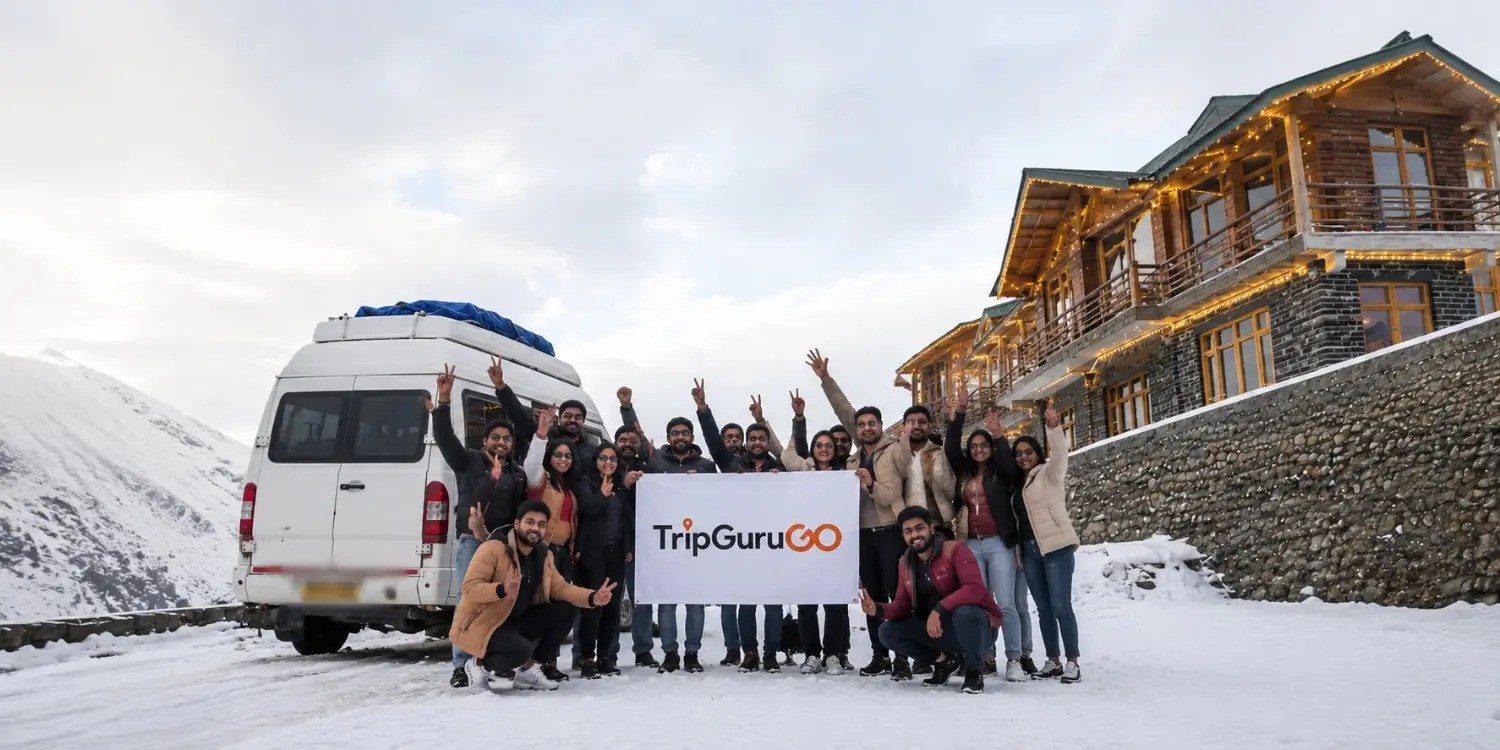
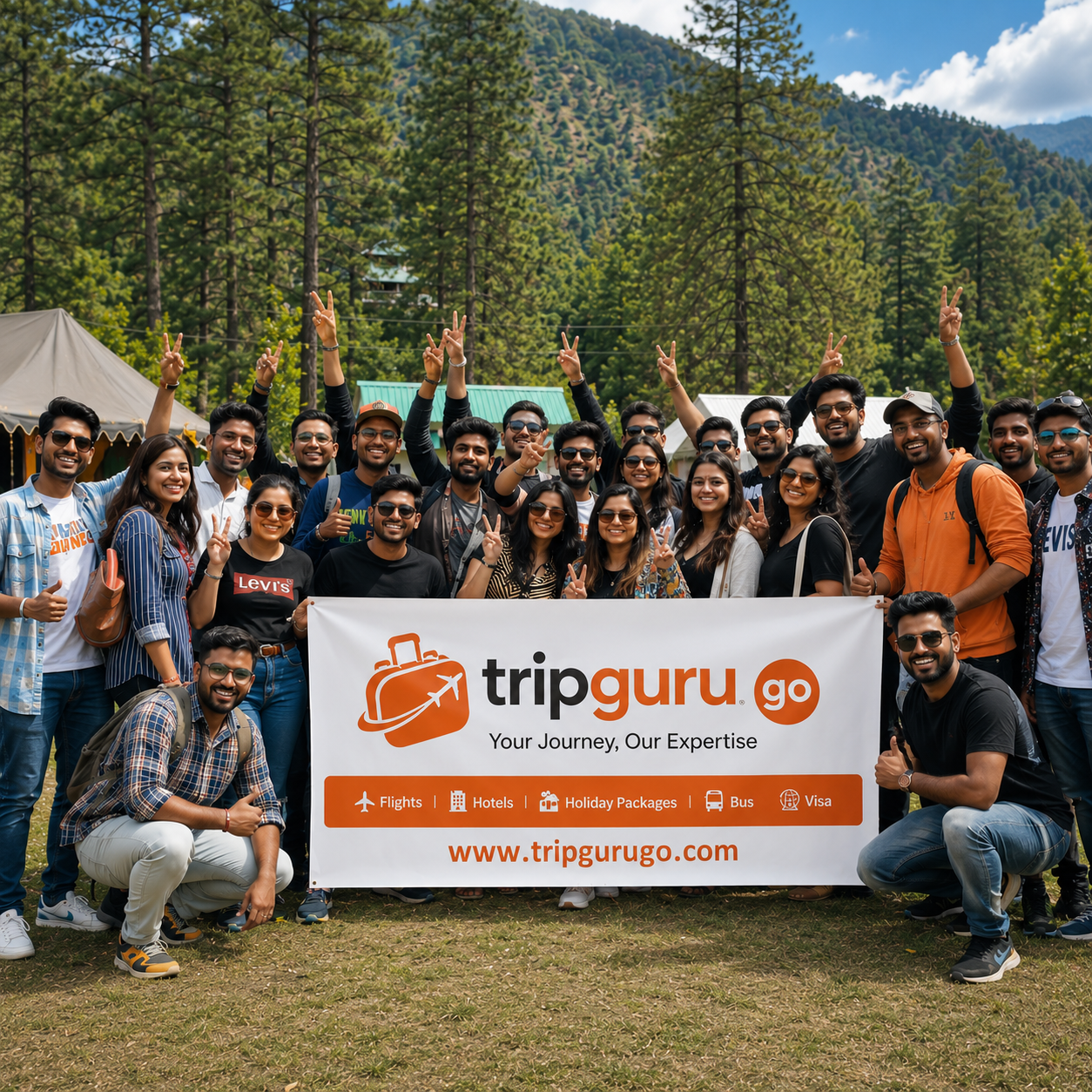
Memories from travelers who explored incredible destinations with Trip Guru Go.

Manali and Sissu Trip
Anjali

Deeva Pandey

Manali & Sissu Trip

My first solo trip felt completely safe. Great group, friendly people, and a supportive Trip Captain.

★★★★★
Manali and Kasol Trip
Rahul

Kapil Kabra

Manali & Kasol

Everything was well planned from start to finish. Special thanks to the Trip Captain.

★★★★★
Tirthan Valley Trip
Aditi

Roshni

Tirthan Valley Trip

It was my second trip with Trip Guru Go and I joined as a solo traveler in a weekend group trip, it was a great experience

★★★★★
Manali and Jispa Trip
suman

Prachit Kumar

Hampta Trek

My trekking experience was amazing under the guidance of Trip Captain Suraj. It was an adventurous

★★★★★
Private Group Trip to Manali
Aman

Aditya Jain

Private Group Trip

We planned a private trip with Trip Guru Go and everything was arranged perfectly and the captain was awesome

★★★★★