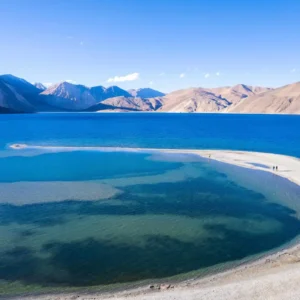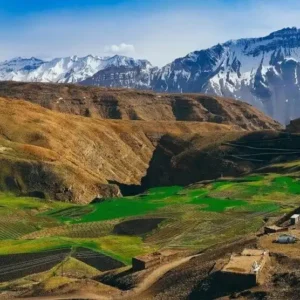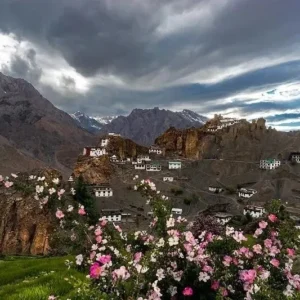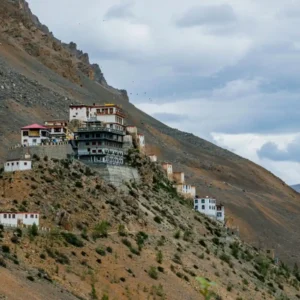
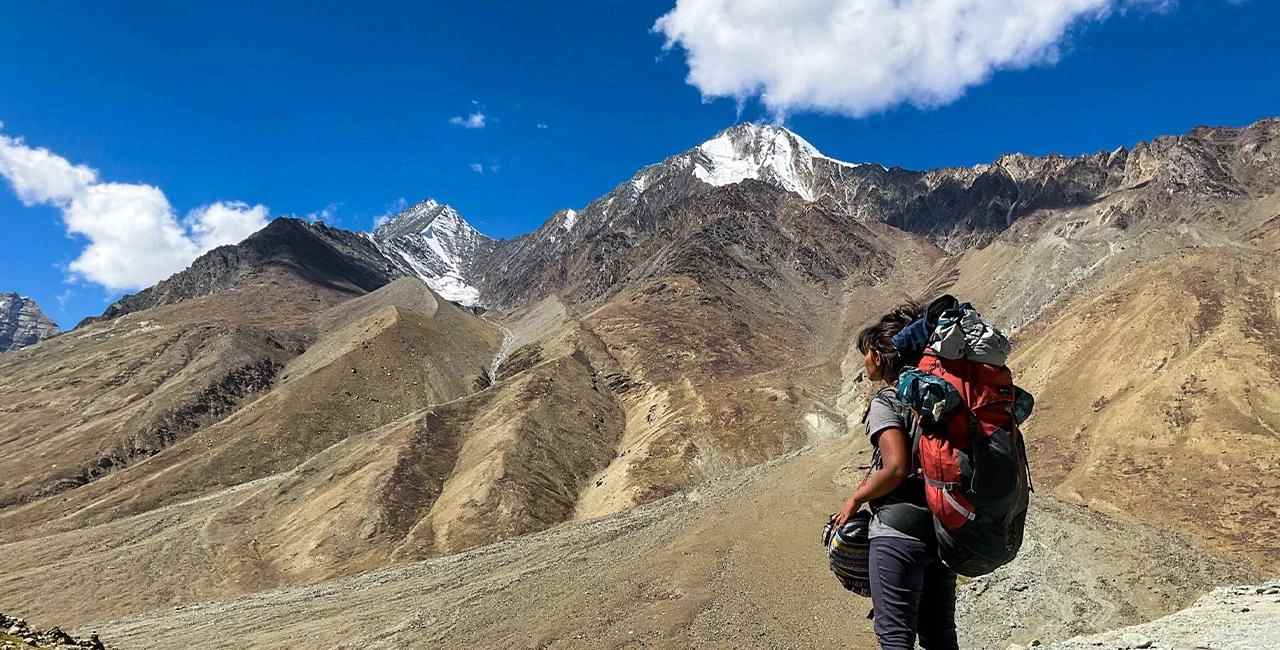
Planning a solo trip to Spiti Valley but unsure about safety? The good news is that Spiti Valley is widely considered one of the safest destinations in India for solo female travellers. With its peaceful Buddhist culture, welcoming local communities, and extremely low crime rates, women travelling alone often find Spiti safer than many popular tourist destinations across the country.
That said, safety in Spiti is not just about people. The region’s high altitude, remote location, challenging mountain roads, limited mobile connectivity, and lack of advanced medical facilities present challenges that every traveller should be prepared for. Understanding these risks and planning accordingly is the key to having a safe and enjoyable trip.
In this guide, you’ll learn whether Spiti Valley is safe for solo female travellers in 2026, the real risks to be aware of, the safest routes, where to stay, how to get around, and practical tips to help you travel confidently in one of India’s most breathtaking Himalayan destinations.
Quick Answer: Is Spiti Valley Safe for Solo Female Travellers?
Yes. Spiti Valley is socially one of the safest places in all of India for solo women. The local population follows Tibetan Buddhism, which places strong emphasis on compassion, non-violence, and hospitality. Violent crime against tourists is essentially unheard of. Harassment, which is a daily reality for women in most Indian cities, is rare to the point of being exceptional in Spiti.
The risks in Spiti are not social. They are environmental and logistical. Altitude sickness, unpredictable roads, zero mobile network for long stretches, limited transport schedules, no ATMs outside Kaza, and the sheer physical isolation of the region are the real challenges that every traveller, male or female, needs to plan for. For women travelling alone, those logistical risks carry slightly more weight because support systems are thinner when you are on your own.
The short version: know the six real risk categories below, plan for them properly, and Spiti becomes not just manageable but genuinely rewarding for a solo woman. Before heading out, go through our complete Spiti Valley travel guide to understand the full scope of the destination — from routes and weather to permits and planning.
Spiti Valley Girl Trip– Book NOW!
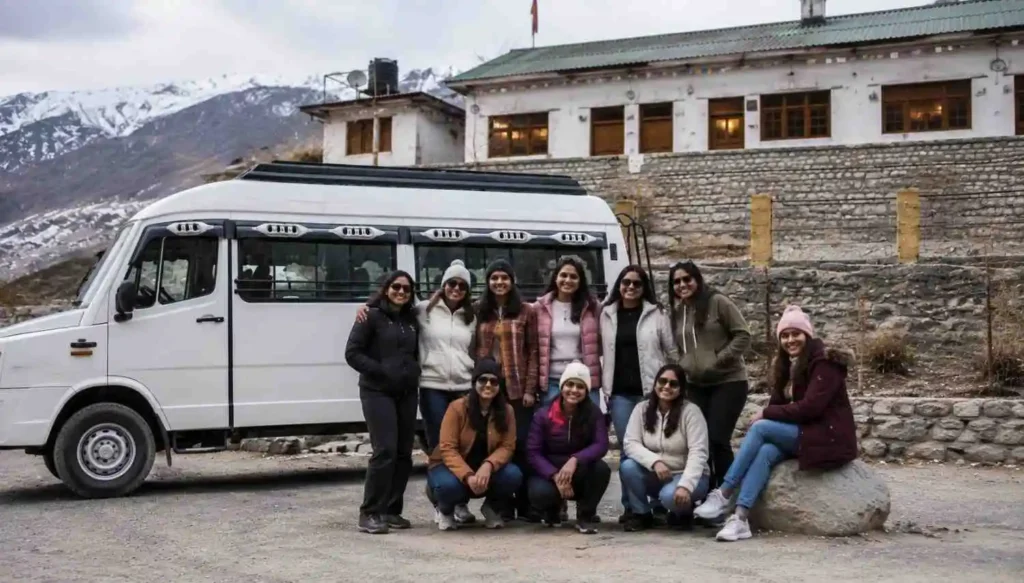
Why Spiti Valley Is Socially Safe for Solo Women
Understanding why Spiti is safe helps you travel there with real confidence rather than just hope. This is not a blanket reassurance. There are specific cultural and structural reasons why the region behaves differently from most of India.
The Buddhist Culture of the Region
Almost the entire population of Spiti Valley follows Tibetan Buddhism. The culture built around this tradition places genuine value on non-violence, community care, and treating guests as extended family. The concept of hospitality here is not commercial; it is practiced as a cultural duty. When you arrive at a homestay in Langza or Komic, the family is not just providing a service. They are genuinely looking after you.
Small, Interconnected Communities
Villages in Spiti are small and tightly networked. Everyone knows everyone. This accountability structure means that bad behaviour is noticed and socially corrected very quickly. Strangers are visible in these villages, and a traveller being made uncomfortable by anyone would be known about within hours. This social fabric is something that no urban area in India can replicate.
Women Visible in Economic and Social Roles
In Spiti’s villages, women run homestays, manage shops, work as local guides, and hold positions of community authority. Seeing women in visible roles across the local economy creates an environment that feels comfortable and familiar for solo female visitors rather than unwelcoming or threatening.
Trekking and Adventure Community Culture
Spiti has a strong adventure travel community of guides and local operators who maintain professional conduct as a matter of reputation in a very small and interconnected industry. Bad behaviour by a guide or driver spreads through the small visitor network within days. This professional accountability, alongside the cultural one, keeps the environment genuinely respectful.
The Real Risks in Spiti Valley for Solo Female Travellers
These are the six categories that every solo woman needs to plan for. Ignoring any one of them is what turns a great trip into a difficult one.
1. Altitude Sickness (AMS): The Single Biggest Real Risk
Kaza, the main town in Spiti, sits at roughly 3,650 metres above sea level. Chandratal Lake is above 4,300 metres. Kunzum Pass is over 4,550 metres. If you are coming from Delhi or any plains city, your body has no experience with this level of oxygen reduction.
Acute Mountain Sickness (AMS) feels like a bad hangover that persists regardless of rest. The early signs are a dull, persistent headache, nausea, dizziness, unusual fatigue, and disrupted sleep. These are your body asking for more time to adjust. Most travellers experience mild symptoms and recover with rest and hydration within a day.
The warning signs that require immediate action are different: severe breathlessness while at rest, confusion or disorientation, an inability to walk in a straight line, and a wet, productive cough at altitude. These indicate High Altitude Pulmonary Edema (HAPE) or High Altitude Cerebral Edema (HACE), both of which are medical emergencies. The only treatment is immediate descent to a lower altitude. Do not wait for morning. Do not take another Diamox and hope it improves.
Practical acclimatisation rules that actually work:
• Take the Shimla-Kinnaur route rather than the Manali route for your first time in Spiti. The altitude gain is gradual: Shimla at 2,200m, Narkanda at 2,700m, Kalpa at 2,760m, Tabo at 3,280m, and finally Kaza at 3,650m. Your body adjusts incrementally instead of being forced to 4,500m in a single day via Kunzum Pass
• Spend at least one night at a mid-altitude stop such as Narkanda, Sarahan, or Kalpa before continuing further into Spiti
• Drink at least three to four litres of water daily from the day you start climbing. Dehydration worsens every AMS symptom significantly
• Avoid alcohol completely for the first three to four days at altitude. Alcohol dehydrates you and suppresses the breathing adjustments your body needs to make
• If symptoms are not improving after four to six hours of rest at the same altitude, descend. Do not wait for sunrise
2. Roads and Physical Isolation
Spiti roads are mountain roads, not highways. Many stretches are unpaved, narrow, cut into cliff faces, and actively subject to landslides, falling rocks, and flash floods at river crossings.
Night travel on Spiti roads is genuinely dangerous and should be treated as a hard rule, not a preference. Visibility drops completely, there are no guardrails on most mountain stretches, and emergency services are hours away in the best case. Always plan your day so that you reach your destination before sunset.
Landslides can close roads for anywhere from a few hours to two days without any warning. Flash floods at river crossings (known locally as nalas) can make sections completely impassable. Build at least two extra days into any Spiti itinerary.
3. Mobile Connectivity Gaps
Honest network status in Spiti (2026):
| Network | Coverage in Spiti |
| BSNL Postpaid | Best option, works in Kaza and some stretches on main roads. Still drops in most villages and between towns |
| Jio | Works intermittently in Kaza town. Almost non-functional in surrounding villages and on roads between settlements |
| Airtel | Similar to Jio. Kaza gets partial signal, villages largely no coverage |
| Vi (Vodafone) | Extremely limited. Not reliable anywhere in Spiti |
What to download and save before entering Spiti:
• Offline Google Maps for the entire Spiti and Kinnaur region, downloaded on strong wifi before leaving Shimla or Manali
• Screenshots of every accommodation booking with phone numbers, addresses, and any directions
• A clear list of emergency contacts: each night’s stay, police contacts for Kaza, the nearest hospital at each stop, and a trusted person back home who has your full itinerary
• PDF copies of your government ID, travel insurance documents, and any prescription medication details
4. Transport Reliability
This is the single most common way solo travellers get stranded in Spiti: they assume a bus or shared cab will exist the next morning, and it does not. Public buses on HRTC routes run on limited and sometimes irregular schedules. Shared cabs exist in peak season but are thin in shoulder season.
The solution is simple but non-negotiable: confirm your transport for the following day every evening, have a clear backup plan, and do not leave yourself in a small village with no onward option and no network to arrange one. Talk to your homestay host about tomorrow’s transport options before you go to sleep, not at 7am when you are trying to catch a bus.
5. Cash Dependency
Kaza has ATMs, but they run out of cash regularly and experience link failures that can leave them non-functional for days. UPI and card payments fail in most of Spiti because the internet connectivity required for them to process is simply not present outside the main town. In villages like Langza, Komic, Hikkim, or Mudh, cash is the only payment method.
Carry a minimum of Rs 12,000 to Rs 15,000 in cash from Shimla or from Reckong Peo on the Kinnaur route, where ATMs are more reliable. Small denominations are more useful than large notes.
6. Medical Infrastructure Limitations
Kaza has a community health centre with basic facilities. Beyond Kaza, there are no meaningful medical facilities anywhere in Spiti. For anything that requires specialist care, the nearest hospitals are in Shimla (approximately 10 to 12 hours) or Manali (approximately 6 to 8 hours depending on road conditions). For someone with a pre-existing cardiac condition, severe respiratory issues, or a history of blood pressure problems, a conversation with a doctor before planning any Spiti trip is not optional.
Best Time for Solo Female Travel in Spiti Valley
The safety picture in Spiti changes significantly by season. Here is the honest seasonal breakdown for solo female travellers specifically, covering road access, connectivity, crowd levels, and what each window actually means for a woman travelling alone.
If you are planning a trip in May, our Spiti Valley in May guide breaks down what to expect with road accessibility, temperatures, and which areas are actually reachable that early in the season. For those considering a summer visit, the Spiti Valley in July covers monsoon-season road risks and the best windows to travel during peak season.
| Season | Months | Road Status | Recommendation for Solo Women |
| Late Spring / Early Summer | June | Both routes usually open by late June | Good for first-timers. Gradual acclimatisation via Shimla-Kinnaur route works well |
| Peak Summer | July to August | Both routes open. Monsoon affects Shimla-Kinnaur | Easiest season for shared cabs and company. Most homestays open. Landslide risk on Kinnaur road |
| Post-Monsoon | September to early Oct | Both routes are clear. Roads improved post-monsoon | Best window for most solo women. Clear weather, good roads, not overcrowded |
| Late Autumn | Mid-October onward | Manali route closes. Shimla-Kinnaur only | Only for experienced cold-weather travellers. Very limited services |
| Winter | November to March | Both routes closed | Avoid entirely unless expert cold-weather traveller |
For first-time solo female travellers: September is the clearest recommendation. Weather is stable, roads are in their best post-monsoon condition, both routes are accessible, and the valley is genuinely beautiful in early autumn light.
Safest Routes to Spiti Valley for Solo Female Travellers
Route 1: Shimla to Spiti via Kinnaur (Recommended for First-Timers)
The Shimla-Kinnaur-Spiti route is the safer choice for anyone who has not been to Spiti before, and especially for solo women making their first high-altitude trip. The reason is altitude: the gain is gradual and gives your body the time it needs.
Altitude progression on this route:
• Shimla: 2,200 metres. Starting point, good connectivity, full services
• Narkanda or Sarahan: 2,100 to 2,700 metres. First overnight acclimatisation stop
• Reckong Peo or Kalpa: 2,290 to 2,760 metres. Second acclimatisation night, good homestays, better ATM access
• Tabo: 3,280 metres. First proper Spiti town, calm atmosphere, reliable guesthouses
• Kaza: 3,650 metres. Main base for Spiti travel
Route 2: Manali to Spiti via Rohtang and Kunzum Pass
This route is only open from roughly June to October and depends on annual snowmelt and road clearance. It is dramatically beautiful, but it involves a sudden altitude jump from Manali at around 2,000 metres to Kunzum Pass at over 4,550 metres in a single driving day. For someone who has not previously acclimatised at altitude, this is a serious AMS risk.
If you are planning to drive down from Delhi and enter via Manali, our how to reach Spiti Valley from Delhi guide covers the exact route breakdown, distances, and which stops to plan overnight halts at before entering the high-altitude zone.
| Route | Entry Altitude Jump | Best For | Avoid If |
| Shimla-Kinnaur-Spiti | Gradual: 2,200m to 3,650m over 3 to 4 days | First-time solo travellers, AMS-cautious travellers | You are very short on time |
| Manali-Spiti | Sudden: 2,000m to 4,550m in one day | Already acclimatised travellers, experienced mountain visitors | You are coming directly from plains, first time at altitude |
| Loop: Shimla in, Manali out | Best of both | Solo women who want the safest approach and the most scenic exit | Not applicable if Manali route is closed seasonally |
Where to Stay as a Solo Female Traveller in Spiti Valley
Kaza: Best Base for Solo Women
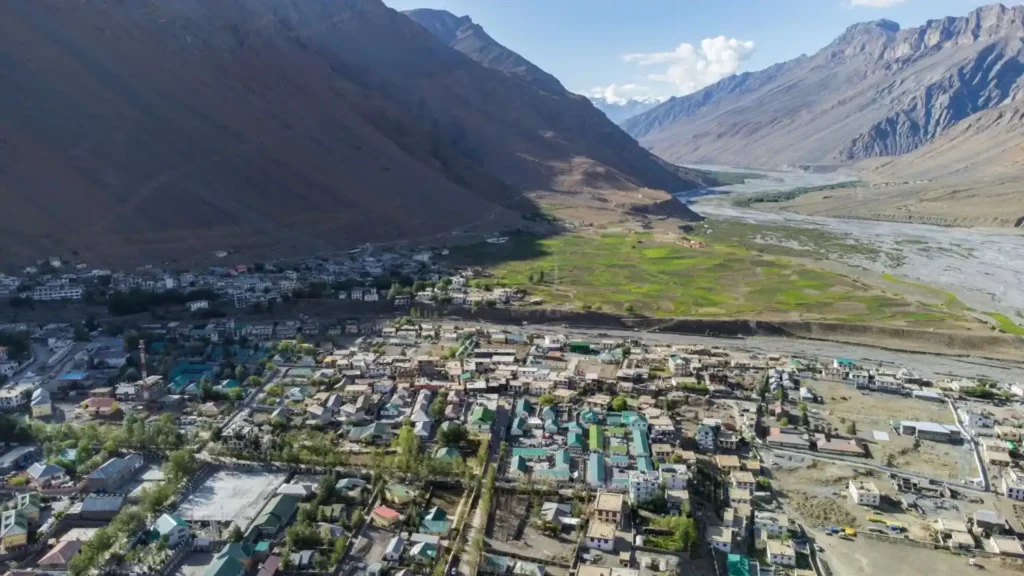
Kaza is the main town in Spiti and the safest base for solo female travellers. It has the most accommodation options of any settlement in the valley, a community health centre, police presence, a functioning ATM (not always full), the best mobile signal in Spiti, several restaurants, and a taxi stand. Most solo travellers use Kaza as their base and do day trips to surrounding villages. For a first time in Spiti, spending three to four nights in Kaza with day trips is the most practical and lowest-risk approach. See our complete list of places to visit in Spiti Valley to plan your day trips from Kaza effectively.
Tabo: Safe and Calm Overnight Stop
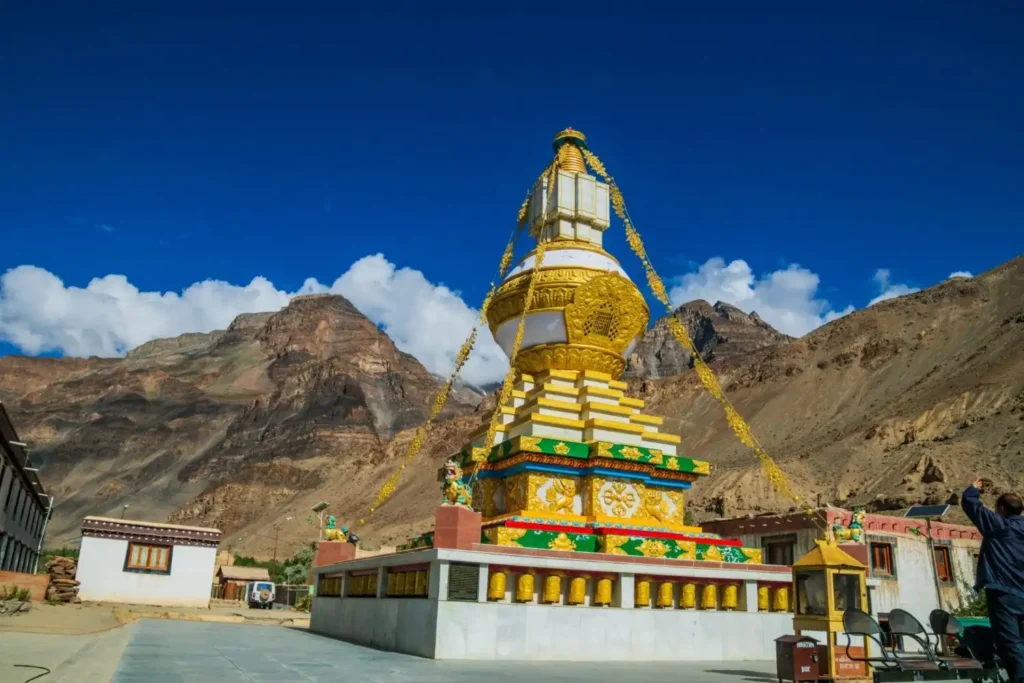
Tabo is smaller and quieter than Kaza. It has a famous ancient monastery complex and a peaceful atmosphere that many solo travellers describe as one of the most restful overnight stops in Spiti. Accommodation options are limited but reliable. It is an ideal overnight stop on the Kinnaur route before continuing to Kaza.
Kalpa: Best Acclimatisation Stay
Technically in Kinnaur rather than Spiti proper, Kalpa sits at 2,760 metres and is an excellent place to spend an acclimatisation night on the approach from Shimla. Good homestays, decent connectivity, views of the Kinner Kailash range, and better infrastructure than anything further into Spiti make it a very comfortable stop for solo women.
Homestays vs Hotels: What Works Better for Solo Women
Homestays in Spiti’s villages are generally the safer and more comfortable choice for solo female travellers. You are in a family environment, someone is always present in the property, meals are included, and hosts genuinely look after lone guests. Many solo women report that homestays feel considerably safer than solo hotel rooms precisely because of the constant, natural presence of other people.
Things to confirm before booking any stay in Spiti:
• Does the room have a functional lock from the inside?
• Is the property in the main settlement and not isolated on an outskirts road or far from the village centre?
• Is there heating? Spiti nights are cold even in summer and genuinely dangerous in autumn
• What is the arrangement if you arrive late due to road delays?
• Are there recent reviews from solo women or female travellers? These are more useful than general ratings for this specific context
Recommended villages for solo female stays:
| Location | Stay Type | Why It Works for Solo Women | Distance from Kaza |
| Kaza | Guesthouses, homestays, one hostel (Zostel) | Best infrastructure, police, health centre, most options | Base town |
| Tabo | Homestays, monastery guesthouse | Calm, safe, community-oriented, on main route | 52 km from Kaza |
| Kalpa | Homestays, small hotels | Good connectivity, family-run stays, acclimatisation stop | Pre-Spiti, in Kinnaur |
| Langza | Village homestays | Very safe, women-run stays, community-oriented village | 15 km from Kaza |
| Key Monastery | Monastery guesthouse | Monks present, quiet, secure, completely crime-free environment | 12 km from Kaza |
| Mudh (Pin Valley) | Basic homestays | Extremely remote but very safe culturally, for experienced solo travellers | 67 km from Kaza |
How to Get Around Spiti Valley as a Solo Female Traveller
HRTC Public Buses: Safe and Budget-Friendly
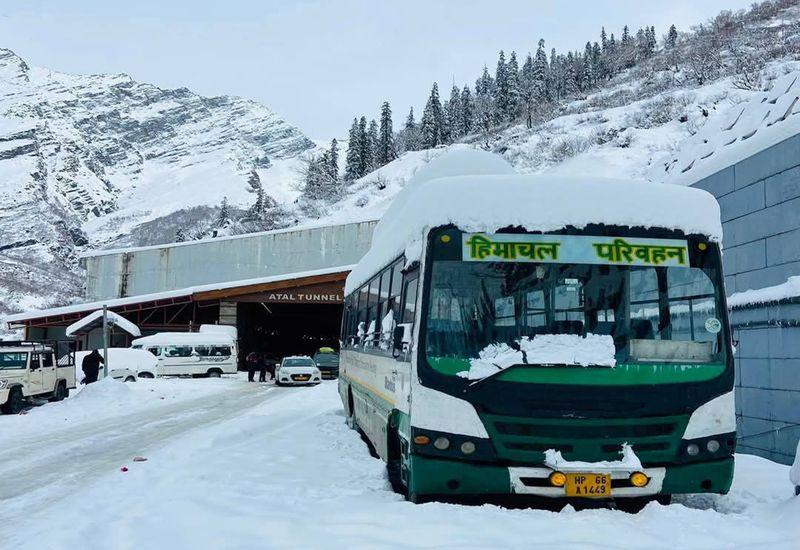
HRTC (Himachal Pradesh Road Transport Corporation) buses connect Kaza to surrounding villages and to Shimla on the Kinnaur route. They are the safest daily transport option in terms of social safety: you are in a public vehicle with other passengers, usually a mix of locals and other travellers. The downsides are limited scheduling (many routes run once a day or less), early departure times, and no guarantee of seats in peak season.
Shared Sumo Cabs: Practical for Flexible Movement
Shared Sumo cabs are the primary way to move between towns in Spiti during peak season. You show up at the Kaza taxi stand in the early morning, find out what shared cabs are going where, and split the cost with other travellers. In July and August, this works reliably because there are enough travellers to fill cabs. In September and especially October, the frequency drops and you may wait a day for a particular route. Confirm the route and departure time the evening before.
Private Cabs: Best for Certain Routes
Some routes in Spiti do not have viable shared cab options, particularly during shoulder season. Kaza to Chandratal Lake, Kaza to Losar, and certain village-to-village routes may require a private cab. For a solo traveller, splitting a private cab cost with one or two other travellers you meet at your guesthouse is a practical middle ground.
Is It Safe to Hitchhike in Spiti as a Woman?
Hitchhiking in Spiti is more accepted than in most parts of India due to the limited transport options and the general culture of people helping one another on mountain roads. Culturally, the risk of being in a vehicle with a stranger in Spiti is genuinely lower than in most Indian regions.
That said, very low vehicle frequency on remote routes means waiting a long time with no guarantee a vehicle comes. The practical rule: hitchhike during daylight only, ideally in short hops between settlements, and never as your primary plan for long-distance stretches.
Solo Travel vs Group Tours in Spiti: What Makes Sense for Solo Women
| Approach | Best For | Advantages | Limitations |
| Fully independent solo travel | Experienced mountain travellers, those who have done high-altitude trips before | Complete schedule flexibility, lower cost, deeper connection with the place, freedom to stay or leave on your terms | Requires handling all logistics yourself, fewer fallback options if plans break down, solo in emergencies |
| Group tour or guided trip | First-time high-altitude travellers, those uncomfortable with full logistical independence | Fixed itinerary, someone manages transport and accommodation, other travellers for company, emergency backup | Less flexibility, fixed schedule, higher cost, must adapt to group pace |
| Semi-independent: private cab + pre-booked stays | Middle-ground option for most solo women | More flexibility than group tour, more reliability than pure solo | Higher cost than public transport, needs advance booking |
For a first time in Spiti, the honest recommendation is a guided group trip or at minimum a semi-independent approach with pre-arranged private transport for the major legs. Once you have done Spiti once and know how the logistics work, fully independent travel on a return trip becomes considerably more manageable.
Solo Female Safety Checklist for Spiti Valley
• Get a BSNL postpaid SIM before entering Spiti. Activate and test it in Shimla or Manali where you have reliable service. It has the widest coverage of any network in the valley
• Download offline Google Maps for all of Spiti and Kinnaur before leaving for low-network areas. Do this on good wifi, not on mobile data
• Save emergency contacts offline: accommodation phone numbers for every night of your trip, Kaza police contact, community health centre number in Kaza, and at least two trusted contacts back home who have your full itinerary
• Share your itinerary with at least two people before you enter Spiti. Include accommodation names, phone numbers, and expected dates at each location
• Carry Rs 12,000 to Rs 15,000 in cash in small denominations. Withdraw in Shimla or Reckong Peo where ATMs are reliable. Do not count on Kaza ATMs
• Build two buffer days into your itinerary minimum: one for acclimatisation adjustment and one for road closures or transport delays
• Never travel Spiti roads at night. Make this a hard rule, not a preference
• Acclimatise gradually. Do not skip the intermediate altitude stops between Shimla and Kaza
• Pack a basic medical kit: paracetamol for AMS headaches, ORS sachets, a prescribed altitude medication if your doctor recommends it, sunscreen with SPF 50 or above, and lip balm with SPF. Altitude sun is far stronger than plains sun
• Keep a power bank (minimum 20,000 mAh) charged every night. Your phone is your map, your communication tool, and your camera. It cannot die on a mountain road
• Confirm transport for the following day every evening, not the morning of. Buses and shared cabs on some routes are not guaranteed to run
• Trust your instincts without needing to explain them to anyone. If something about a vehicle, a stay, or a situation feels wrong, change your plan
What to Do If You Experience Altitude Sickness Symptoms
Early Signs (Manageable with Rest)
• Persistent, dull headache that started after altitude gain
• Nausea, reduced appetite, or mild dizziness
• Unusual fatigue or disrupted sleep
• Slight shortness of breath during light activity
What to do with early signs: stop ascending immediately, rest, hydrate aggressively, avoid alcohol, and monitor for four to six hours. Inform your accommodation host about how you are feeling.
Emergency Signs That Require Immediate Descent
• Severe, worsening headache that does not respond to paracetamol
• Vomiting that does not stop
• Difficulty breathing while at rest, not just during activity
• Confusion, disorientation, or inability to walk in a straight line
• Wet, productive cough at altitude (sign of fluid in the lungs)
If you see emergency signs: Descend immediately. Do not wait for daylight or for transport to be confirmed. This is a life-threatening situation. Inform your host and get to a lower altitude by any available means. Kaza’s health centre can provide oxygen and initial stabilisation; for serious cases, descent toward Shimla or Manali is necessary.
A Safe 8-Day Solo Itinerary for Women in Spiti Valley
This itinerary uses the Shimla-Kinnaur entry route, builds in proper acclimatisation, and includes buffer days. It is designed for a first-time solo female traveller. For a more detailed look at the places to visit across Spiti Valley, refer to our destination guide to pick what works best for your specific interests.
| Day | Route | Altitude | Notes |
| Day 1 | Shimla to Narkanda or Sarahan | 2,200m to 2,700m | First acclimatisation night. Rest, hydrate, light walk only. Book onward transport for Day 2 |
| Day 2 | Narkanda to Kalpa or Reckong Peo | 2,700m to 2,760m | Gradual ascent. Kalpa has good homestays and valley views. Withdraw cash here before going further |
| Day 3 | Kalpa to Tabo | 2,760m to 3,280m | Longer drive. Tabo Monastery is one of the oldest in Himachal. Rest evening, no strenuous activity |
| Day 4 | Tabo to Kaza (with Dhankar stop) | 3,280m to 3,650m | Short drive. Stop at Dhankar Monastery and lake if energy allows. Reach Kaza by afternoon, rest |
| Day 5 | Kaza base: Key Monastery and Kibber | 3,650m to 4,205m | Day trips only. Key Monastery, Kibber village. Return to Kaza by evening. Confirm next day transport |
| Day 6 | Kaza base: Langza, Hikkim, Komic | 3,650m to 4,520m | High-altitude village circuit. Start early, return before 3pm. World’s highest post office at Hikkim |
| Day 7 (Buffer) | Kaza: rest or Pin Valley | 3,650m | Flex day. Use Pin Valley if the weather is clear. Use for full rest if any fatigue or AMS residue |
| Day 8 | Kaza to Manali or begin Kinnaur return | 3,650m to 2,000m | If the Manali route opens: long drive, stunning. If closed: begin Kinnaur return via Tabo. Allow a full day |
What Solo Female Travellers in Spiti Do NOT Need to Worry About
• Harassment from locals: This is genuinely rare. Spiti is consistently rated among the safest destinations in India for women by solo female travellers who have been there. The cultural environment simply does not support the kind of street harassment that is common in plains cities
• Being the only woman: You will not be. Spiti attracts a large number of solo female travellers, particularly in peak season. Hostels in Kaza and homestays across the valley regularly host solo women
• Judgement for being alone: The local culture in Spiti has a much more open and accepting attitude toward independent women than most of urban India. Solo female travellers are not unusual and are not treated as such
• Food safety in homestays: Homestay food in Spiti is generally simple, fresh, and safe. The family-style eating environment also means you know what you are getting
• Basic hygiene at accommodation: Family-run homestays maintain clean and basic accommodation. Check reviews for specific properties, but the general standard is acceptable for most independent travellers
Why Choose TripGuruGo for Your Solo Female Trip to Spiti Valley?
Planning a solo trip to Spiti Valley can feel overwhelming, especially if it is your first time visiting a high-altitude destination. From arranging transport and accommodation to understanding acclimatisation, road conditions, and local logistics, there are several factors that can impact your overall experience.
TripGuruGo helps simplify the journey with well-planned group departures from Delhi, experienced Trip Captains, verified stays, and on-ground support throughout the trip. Instead of worrying about route planning, accommodation bookings, transport coordination, or last-minute changes, you can focus on enjoying the experience.
What makes TripGuruGo a preferred choice for many solo female travellers is its community-driven travel approach. Most departures include solo travellers, working professionals, and like-minded explorers, making it easier to connect with new people while travelling in a comfortable group environment.
Here’s Why Many Solo Female Travellers Choose TripGuruGo:
• Women-friendly travel experiences designed with comfort and safety in mind
• Experienced Trip Captains available throughout the journey
• Verified hotels, camps, and homestays across destinations
• Fixed departure trips from Delhi with organised transport
• Active WhatsApp support groups before and during the trip
• A large community of solo travellers and working professionals
• Carefully curated itineraries covering major attractions and experiences
• Dedicated support team available throughout the trip
Whether you are travelling solo for the first time or looking for a hassle-free way to explore Spiti Valley, TripGuruGo offers a structured and supportive travel experience that allows you to enjoy the journey with confidence while meeting fellow travellers along the way.
Conclusion
Spiti Valley is safe for solo female travellers. That is the honest, evidence-based answer based on the experience of thousands of women who have travelled there. The culture is warm, the community is respectful, and violent crime is not a real concern here the way it is in most parts of India.
What requires genuine attention is the environment: the altitude, the road conditions, the lack of mobile connectivity, the cash dependency, and the thin medical infrastructure. These are not reasons to skip Spiti. They are reasons to prepare properly. With the right acclimatisation approach, the right route, enough cash, offline maps, and a realistic itinerary with buffer days, Spiti Valley becomes one of the most genuinely rewarding solo travel experiences available to any woman in India. Use our complete Spiti Valley travel guide as your planning foundation and go from there.
The mountains are not easy, but they are fair. They reward preparation, patience, and respect for their conditions. Women who travel Spiti alone and come back talking about it as the best trip they have ever taken are not being reckless. They are being prepared. And that is the only real requirement.
Frequently Asked Questions
Is Spiti Valley safe for solo female travellers in 2026?
Yes. Spiti Valley is socially one of the safest destinations in India for solo women. The Buddhist cultural environment makes harassment rare. The actual risks are environmental: altitude sickness, road conditions, limited connectivity, and isolation. With proper planning and acclimatisation, solo female travel in Spiti is completely manageable.
When should you avoid visiting Spiti Valley?
Avoid Spiti from November through March. Winter closes both main entry routes, temperatures drop to -20 degrees Celsius or below, accommodation is largely closed, and roads become genuinely impassable. For first-time solo women, also avoid the peak monsoon weeks of late July and August on the Shimla-Kinnaur route due to landslide risk.
How to plan a solo trip to Spiti Valley safely?
Take the Shimla-Kinnaur route for gradual acclimatisation. Build two buffer days into your itinerary. Download offline maps and save emergency contacts before entering low-network areas. Carry Rs 12,000 to Rs 15,000 in cash from Shimla. Pre-confirm each night’s accommodation and confirm the next day’s transport every evening.
What is the safest place in India for solo female travellers?
Spiti Valley, Sikkim, Meghalaya, and Kerala consistently receive the highest safety ratings from solo female travellers in India. Spiti’s Buddhist culture makes it particularly safe socially, though its remoteness and altitude make physical and logistical preparation essential in a way that is not required for other destinations.
What is the best destination for solo female travellers in 2026?
For adventure and nature travel in India, Spiti Valley and Sikkim are top recommendations. Internationally, destinations like Portugal, Japan, and New Zealand consistently rank highest for safety and solo-friendliness. Within Himachal Pradesh, Tirthan Valley, Jibhi, and McLeodganj are excellent introductory solo destinations for women new to mountain travel.
Is 30 too old for solo travel?
Thirty is not too old for solo travel by any measure. Spiti Valley and most adventure destinations in India have no age-based limitation. Altitude sickness does not correlate with age in healthy adults. The most important factors for any solo trip to Spiti are physical fitness, altitude acclimatisation, and logistical preparation — all of which are equally relevant at any age.

Abdullah Khan specializes in adventure travel across Spiti Valley and the high-altitude regions of Himachal Pradesh. He writes about road trips, bike expeditions, hidden villages, monasteries, and offbeat Himalayan experiences. His guides focus on route planning, acclimatization, travel safety, and the best experiences across Spiti Valley.