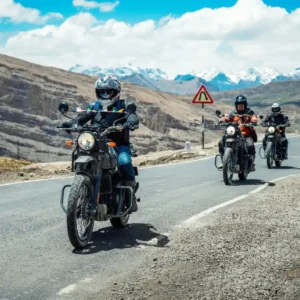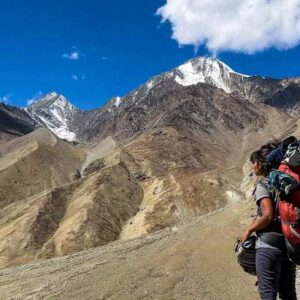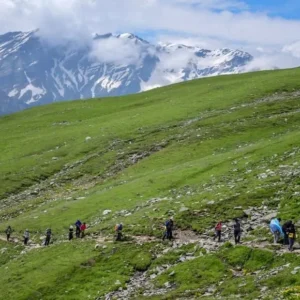
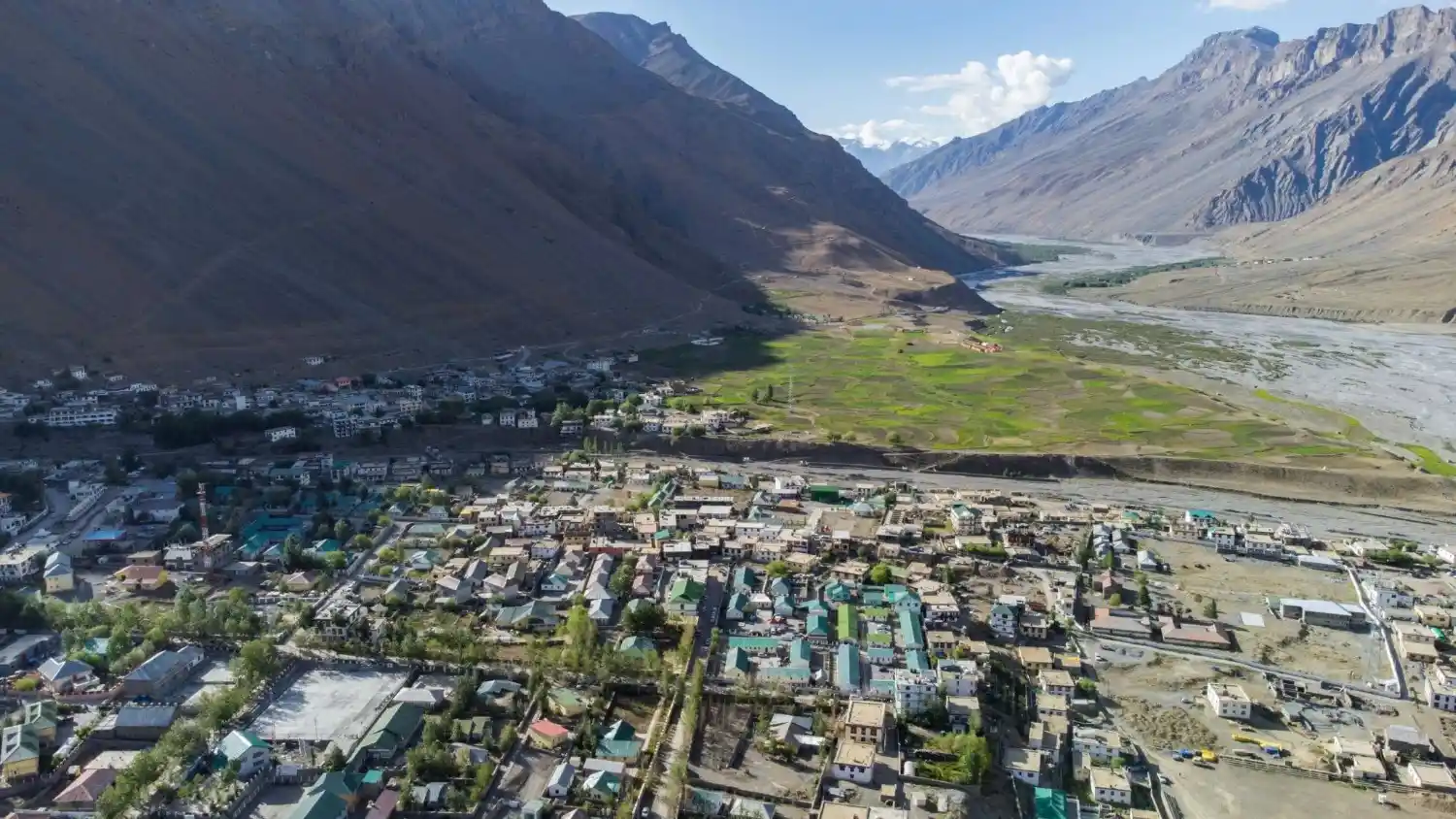
There comes a point during every Spiti Valley trip when the landscape stops looking like Himachal Pradesh and starts looking like another planet.
For some travellers, that moment happens near Nako. For others, it happens after crossing Tabo. But for most people, that feeling truly hits when they reach Kaza.
After spending hours on winding mountain roads, crossing tiny villages, staring at barren mountains, and wondering how people even live in such a remote region, Kaza suddenly appears in the middle of the cold desert. And surprisingly, it feels alive.
There are cafes filled with backpackers, bikers discussing tomorrow’s route, hostel balconies overlooking mountains, and travellers from different parts of India sharing stories about their Spiti adventures. That’s what makes Kaza special. It’s not just another destination in Spiti Valley it’s the place where every Spiti story eventually passes through.
Why Visit Kaza?
Ask ten travellers about their favourite place in Spiti Valley and you will probably get ten different answers. Some will say Chandratal. Some will choose Tabo. Others will pick Dhankar. But almost everyone agrees on one thing: Kaza is the centre of the Spiti experience.
Unlike smaller villages scattered across the valley, Kaza offers the perfect mix of adventure and convenience. Hostels, hotels, cafes, bike rentals, a fuel station, medical stores, and a local market all of it in one place. More importantly, Kaza puts you within driving distance of some of Spiti’s most iconic attractions including Ki Monastery, Chicham Bridge, Langza, Hikkim, Komik, Kibber, and Pin Valley.
Upcoming Spiti Batch To Explore Kaza
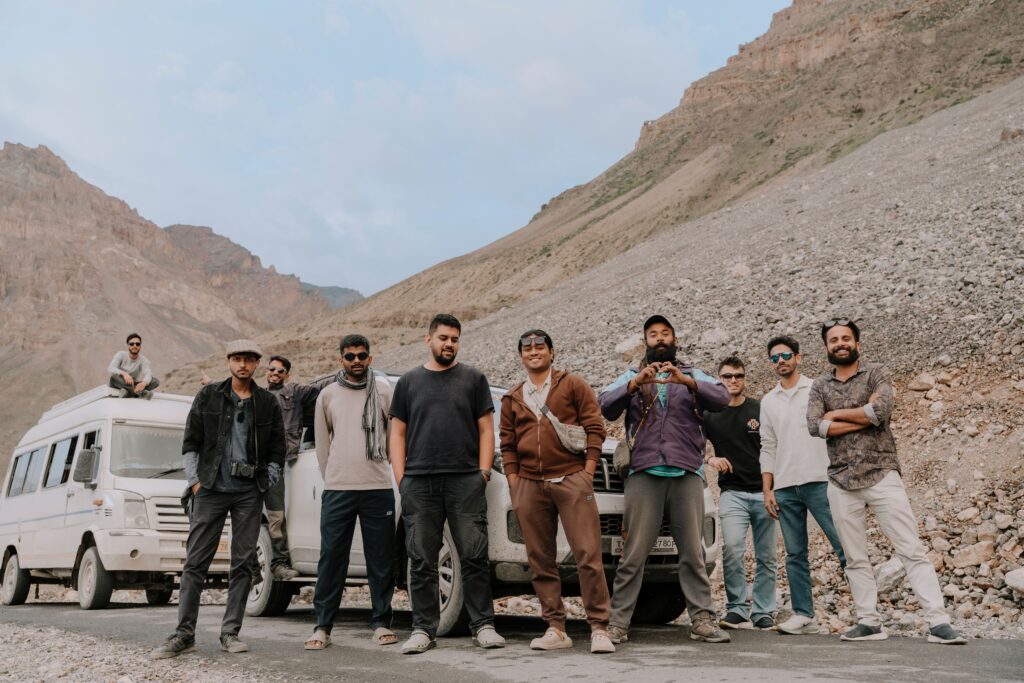 Group Trip
26 September
Group Trip
26 September
Spiti Valley Short Circuit Trip
 Group Trip
26 September
Group Trip
26 September
Spiti Valley Full Circuit Trip
How to Reach Kaza
Most travellers reach Kaza through one of two routes.
Route 1: Shimla to Kaza (via Kinnaur)
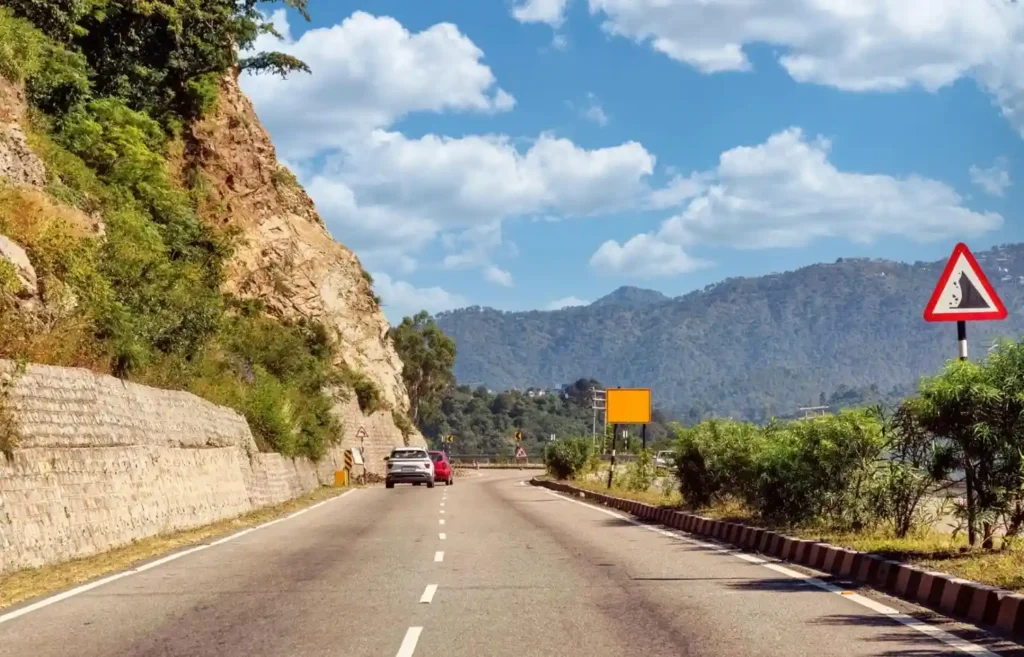
This is the route recommended for first-time visitors. The Shimla to Kaza road via Kinnaur follows: Shimla → Narkanda → Rampur → Kalpa → Nako → Tabo → Dhankar → Kaza.
Why do experienced travellers recommend this route? Because your body gets time to adjust to altitude gradually. Many travellers who enter through Shimla experience fewer altitude-related issues compared to those entering from Manali. The journey itself becomes part of the experience — you start with green mountains around Shimla and slowly enter the barren landscapes that make Spiti famous.
| Distance from Shimla | ~407 km | Best done in 2–3 days with stopovers |
| Road Type | Mostly paved; narrow and winding near Kinnaur |
| Open Season | Open almost all year including winter months |
| Recommended Stops | Reckong Peo, Nako village, Tabo Monastery |
| Bus Option | Two HRTC daily buses from Shimla to Kaza |
Route 2: Manali to Kaza (via Rohtang and Kunzum Pass)
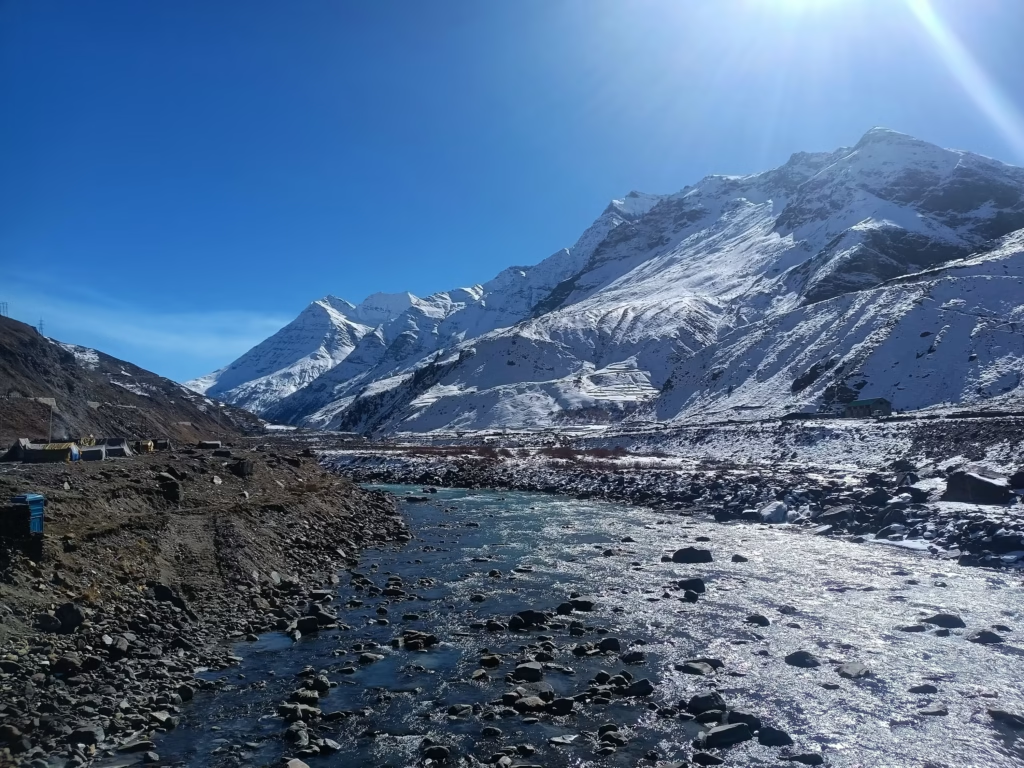
Manali → Rohtang Pass → Gramphu → Batal → Kunzum Pass → Kaza. This route is shorter but significantly more adventurous. Expect rough roads, water crossings, off-road sections, and unpredictable weather.
Travellers often describe this as one of the most exciting drives in India. But it is also physically demanding. If this is your first high-altitude Himalayan trip, entering through Shimla and exiting through Manali remains the smarter option.
| Distance from Manali | ~202 km | 6–8 hours (weather dependent) |
| Road Type | Rough; includes unpaved passes and stream crossings |
| Open Season | June to October only (both passes close in winter) |
| Passes Crossed | Rohtang Pass (3,978 m) + Kunzum Pass (4,590 m) |
| Bus Option | Two HRTC buses daily from Manali, leaving early morning |
First Impressions: What Kaza Actually Feels Like
The first thing that surprises most visitors isn’t the mountains. By the time you reach Kaza, you have already seen hundreds of mountains. What surprises people is how lively the town feels.
After staying in quieter places like Nako and Tabo, Kaza almost feels like a city. There are travellers everywhere people discussing road conditions, bikers cleaning their motorcycles, backpackers searching for cafes, tour operators helping groups plan the next day. For a place located at around 3,800 metres (12,500 feet), Kaza has an unexpectedly energetic atmosphere. Yet somehow it never loses its mountain-town charm.
| Quick Facts: Kaza• Location: Spiti Valley, Lahaul and Spiti district, Himachal Pradesh• Altitude: ~3,800 metres (12,500 feet) above sea level• Distance from Manali: ~202 km | ~6 hours• Distance from Shimla: ~407 km | ~12 hours• Mobile: BSNL only (weak signal)• ATMs: Available but carry backup cash• Fuel: Petrol pump available in Kaza |
Things to Do in and Around Kaza
Key Monastery
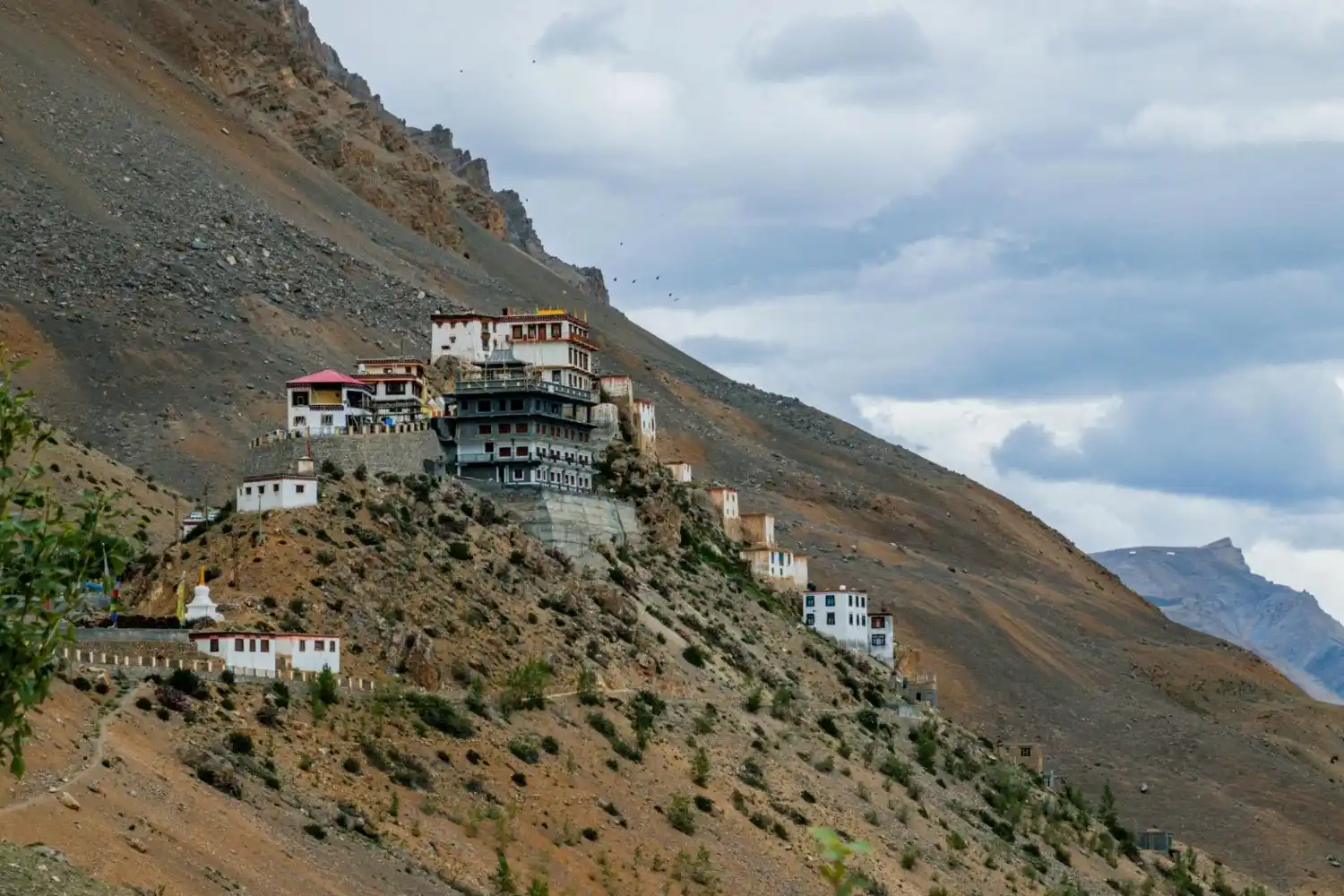
If Kaza is the heart of Spiti Valley, Ki Monastery is its face. Even people who have never visited Spiti recognize its image. The drive from Kaza takes around 20–30 minutes. The road gradually climbs higher, the valley opens beneath you, and then suddenly the monastery appears — perched dramatically on a hilltop, looking almost unreal against the barren mountains.
Inside, things move slowly. Monks walk through corridors. Prayer flags flutter in the wind. Visitors sit quietly. Unlike many tourist attractions, Ki Monastery feels like a place where you want to stay longer than planned.
Chicham Bridge
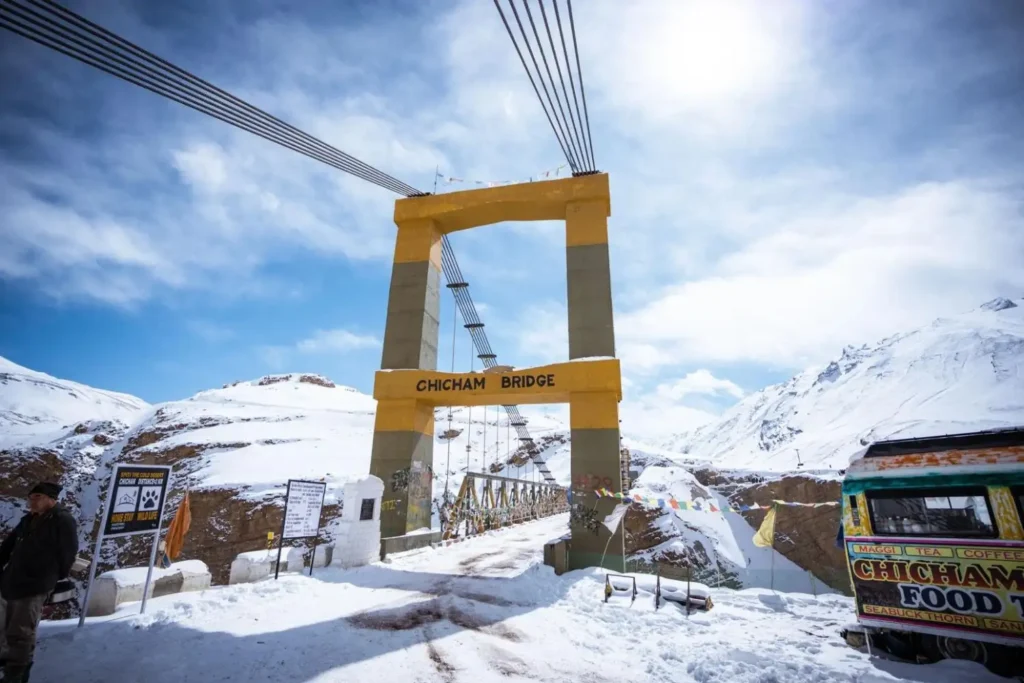
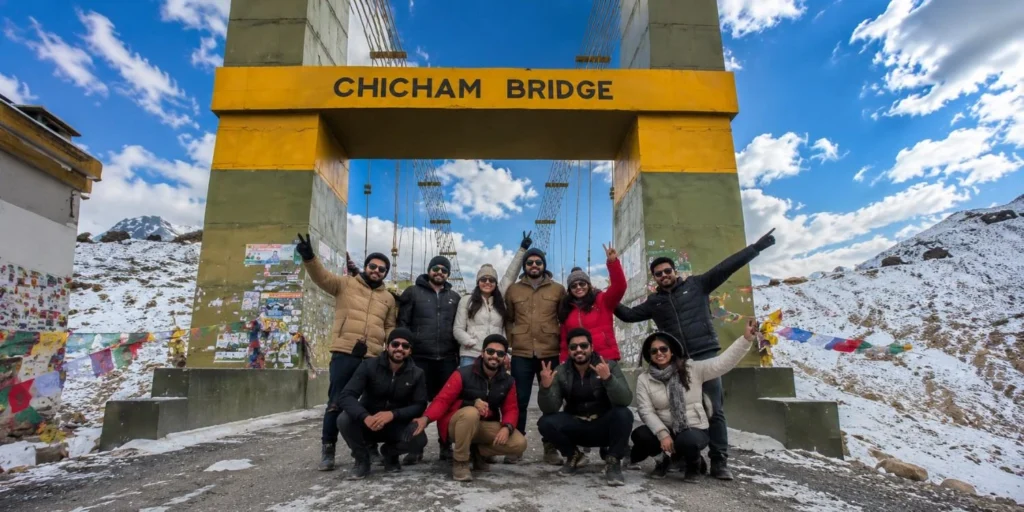
The first thing people do at Chicham Bridge is take photos. The second thing is look down. And the third thing is to immediately step back. The gorge below feels much deeper in real life than it looks online. Standing on one of Asia’s highest suspension bridges is both exciting and slightly terrifying — cold winds move through the valley, the bridge gently vibrates, and mountains stretch endlessly in every direction.
Langza, Hikkim, and Komik
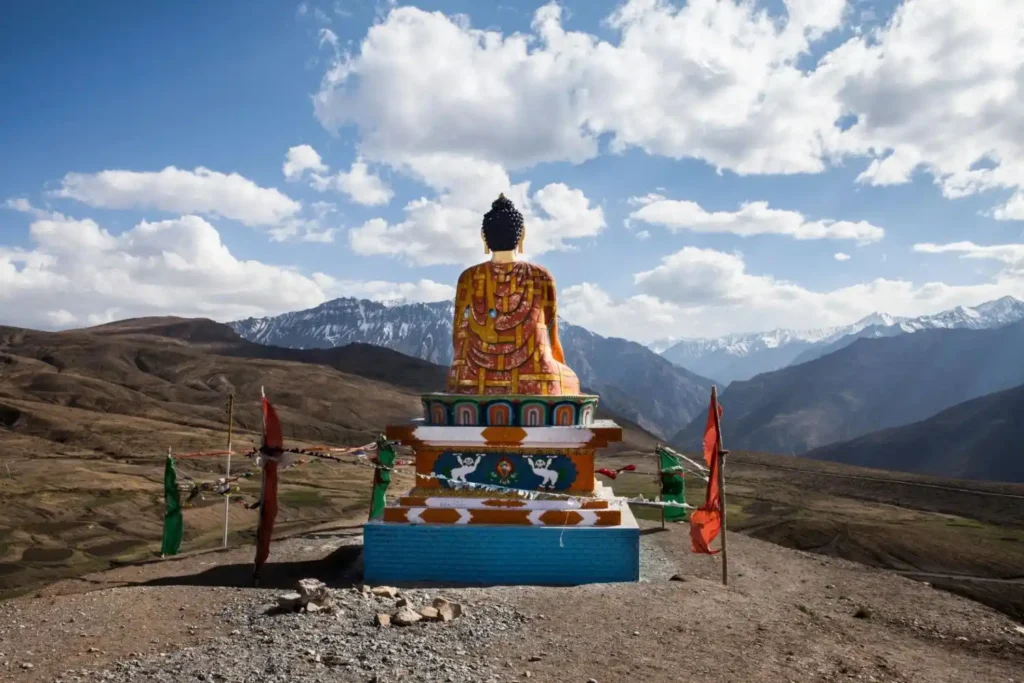
No Kaza trip feels complete without visiting Spiti’s famous high-altitude villages. These three can often be covered in a single day trip.
•Langza: Known for its giant Buddha statue and ancient marine fossils found in the soil — evidence that these mountains were once underwater millions of years ago.
• Hikkim: Home to one of the world’s highest post offices. Many travellers send themselves a postcard stamped here and keep it as a souvenir for years.
•Komik: At over 4,500 metres, Komik feels incredibly remote. The air is thinner, the landscapes more dramatic, and life moves at a completely different pace.
Best Time to Visit Kaza
For a full month-by-month breakdown of when to visit, check our Spiti Valley best time to visit guide. Here is a quick season overview:
| Season | What to Expect |
| May – June | Pleasant weather; snow still visible on passes; fewer tourists; roads just opening |
| July – September | Peak season; all services running; comfortable temperatures; some landslide risk on Manali route |
| October | Fewer crowds; clear mountain views; excellent photography conditions |
| November – April | Extreme cold (can drop below -15°C); Manali route closed; only for experienced winter travellers |
Food in Kaza
One of the biggest surprises about Kaza is its food scene. Many first-time visitors expect basic mountain meals. Instead they find Tibetan cafes, fresh coffee, pizza, pancakes, momos, thukpa, and bakery items. After spending a full day exploring, even a simple plate of momos feels incredibly satisfying.
Many travellers say some of their best Spiti memories involve sitting in a cafe, talking to strangers, and sharing travel stories over hot coffee. The most popular spots are in the main market area of New Kaza.
| Local Food Worth Trying in Kaza• Thukpa — Warm Tibetan noodle soup, perfect after a long day on the road• Momos — Steamed or fried dumplings; available at almost every cafe• Butter Tea (Po Cha) — Salty and warming; a genuine Himalayan experience• Tibetan Bread — Thick flatbread served with jam or butter• Dal Rice — Simple home-style meals at guesthouses, often surprisingly good• Average meal cost: ₹150–₹400 per person |
Things Nobody Tells You About Kaza
• Walking feels harder at altitude. Even short uphill sections can leave you breathing heavily on the first day. Take it slow.
• Nights get cold fast. A sunny afternoon can quickly become freezing after sunset. Layer up rather than relying on one heavy jacket.
• Distances are misleading. 15 kilometres in Spiti does not feel like 15 kilometres on a highway. Mountain roads take much longer than expected.
• Cash is still important. UPI works in many places, but network issues happen frequently. Always carry backup cash.
• Bike rentals can run out. During peak season, scooters and motorcycles get booked early. Arrange your rental the evening before if possible.
• A petrol pump exists in Kaza but can run dry. Fill up whenever you get the chance on the way in.
Common Mistakes Travellers Make in Kaza
• Staying only one night. Probably the biggest regret. Most travellers wish they had spent at least two or three nights.
• Ignoring altitude. Drink water, rest properly, and avoid overexertion on the first day. Kaza is at 3,800 metres.
• Overplanning every hour. Some of the best experiences in Spiti happen unexpectedly. Leave space in your itinerary.
• Not carrying warm layers. Even summer evenings can be surprisingly cold at this altitude.
• Rushing through on the way to somewhere else. Kaza rewards travellers who slow down.
Is Kaza Safe for Solo Travellers?
Yes. Kaza is considered one of the safer destinations in Spiti Valley. Many solo travellers visit every year and generally find the locals warm and welcoming. For women travelling alone, Spiti is largely safe — read our detailed guide on solo female travel in Spiti Valley for safety tips, accommodation advice, and practical guidance specific to women travelling alone.
Final Thoughts
Kaza isn’t the most luxurious destination. It isn’t the easiest place to reach. And it certainly isn’t the most comfortable.
Yet that’s exactly why people love it.
Kaza feels real. It’s a place where mountains dominate the horizon, conversations happen naturally, and every day feels slightly different from the last. Most travellers arrive expecting beautiful landscapes. They leave remembering the feeling. If you haven’t been yet, our complete Spiti Valley travel guide is the best place to start planning your trip.
Frequently Asked Questions
Is Kaza worth visiting?
Absolutely. Kaza combines culture, adventure, scenery, and convenience better than almost any other place in Spiti Valley. It works as both a destination and a base for day trips across the region.
How many days are enough for Kaza?
A minimum of 2–3 days is recommended. Day 1 for acclimatisation and settling in, Day 2 for Ki Monastery and Kibber, Day 3 for the high-altitude village circuit (Langza, Hikkim, Komik). If you want to add Chandratal or Pin Valley, add more days.
Which route is better Shimla or Manali?
For first-time visitors, the Shimla–Kinnaur route is generally considered better. It allows gradual acclimatisation and the road is more reliable year-round. The Manali route is more adventurous but physically demanding and only open in summer.
Can beginners drive to Kaza?
Yes, but some mountain driving experience is recommended. The roads involve narrow sections, steep drops, and unpredictable conditions. If you are not confident, hiring a taxi or joining an organised group departure is a better option.
Are ATMs available in Kaza?
Yes, Kaza has ATMs, but they can run out of cash or be offline during peak season. Always withdraw cash in Shimla or Manali before entering Spiti Valley.
Can I visit Kaza in winter?
Yes, but only if you are prepared for extreme cold (temperatures can drop below -15°C) and possible road closures on the Manali side. The Shimla–Kinnaur route remains open in winter. Services, food options, and accommodation availability are all reduced.
What is the best time to visit Kaza?
September and October offer the best combination of clear skies, stable roads, and fewer crowds. For a complete month-by-month guide, see our Spiti Valley best time to visit page.

Abdullah Khan specializes in adventure travel across Spiti Valley and the high-altitude regions of Himachal Pradesh. He writes about road trips, bike expeditions, hidden villages, monasteries, and offbeat Himalayan experiences. His guides focus on route planning, acclimatization, travel safety, and the best experiences across Spiti Valley.