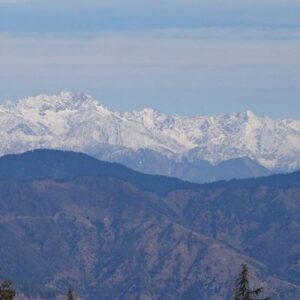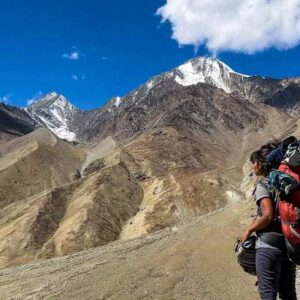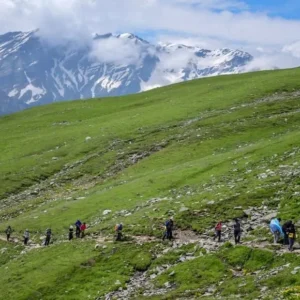

Spiti Valley is often called the spiritual heart of Himachal Pradesh. While the region is famous for its rugged mountains, remote villages, and high-altitude roads, its monasteries are what truly define its cultural identity. Scattered across the valley, these centuries-old Buddhist monasteries preserve ancient traditions, rare artworks, sacred scriptures, and a way of life that has remained largely unchanged for generations.
For travelers, exploring the monasteries of Spiti Valley is one of the best ways to understand the region beyond its landscapes. Before planning your monastery circuit, going through a detailed Spiti Valley travel guide can help you understand road conditions, acclimatization tips, and the best route to enter the valley. Each monastery has its own story, architecture, festivals, and spiritual significance. Some stand dramatically on cliffs, while others sit quietly among traditional villages.
This complete monastery circuit guide covers Nako Monastery, Tabo Monastery, Dhankar Monastery, Lhalung Monastery, Kungri Monastery, Tangyud Monastery in Komic, Key Monastery, Langza Monastery, and Kibber Monastery. Whether you’re a biker, photographer, backpacker, culture enthusiast, or first-time visitor, this guide will help you plan a meaningful journey through the Buddhist heart of Spiti.
Why Monasteries Are the Soul of Spiti Valley
Buddhism has shaped Spiti Valley for more than a thousand years. Due to its historical connection with Tibet, the region developed a strong Buddhist culture that continues to influence everyday life.
The monasteries are not only places of worship but also centers of education, art, and community life. Monks study Buddhist philosophy, conduct religious ceremonies, preserve manuscripts, and guide local traditions.
Many monasteries house ancient murals, clay sculptures, prayer halls, and rare Buddhist scriptures. They also host annual festivals that bring together villagers from across the valley.
Visiting these monasteries offers a deeper understanding of Spiti’s history, culture, and spiritual heritage.
Quick Overview of Major Monasteries in Spiti Valley
| Monastery | Location | Altitude | Founded | Famous For | Best Time to Visit |
| Nako Monastery | Nako Village | 3,662 m | 11th Century | Murals & Nako Lake | May–October |
| Tabo Monastery | Tabo | 3,280 m | 996 AD | Ancient Murals | April–October |
| Dhankar Monastery | Dhankar | 3,894 m | 12th Century | Cliff-top Setting | May–October |
| Lhalung Monastery | Lhalung | 3,658 m | 10th Century | Golden Temple of Spiti | May–October |
| Kungri Monastery | Pin Valley | 3,800 m | 14th Century | Nyingma Tradition | June–September |
| Tangyud Monastery | Komic | 4,520 m | 14th Century | High Altitude Monastery | June–October |
| Key Monastery | Near Kaza | 4,166 m | 11th Century | Largest Monastery in Spiti | May–October |
| Langza Monastery | Langza | 4,400 m | Modern Era | Buddha Statue | May–October |
| Kibber Monastery | Kibber | 4,270 m | Modern Era | Wildlife Region | May–October |
Complete Monastery Circuit of Spiti Valley
Nako Monastery (Approx. 105 km from Kaza)
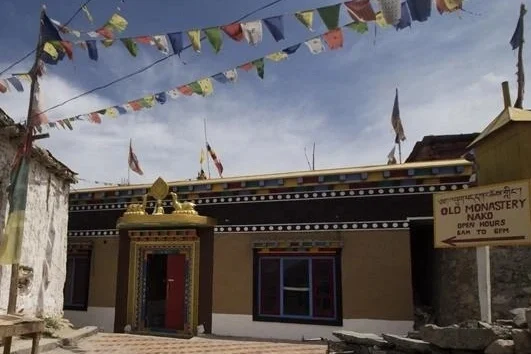
Located near the entrance of Spiti Valley via the Shimla route, Nako Monastery is often the first major monastery travelers encounter.Believed to have been founded in the 11th century by Rinchen Zangpo, the monastery contains ancient murals, prayer halls, and Buddhist paintings that reflect early Tibetan influences.The nearby Nako Lake adds to the charm of the village and provides a peaceful place to relax after exploring the monastery.
Highlights
- Ancient Buddhist murals
- Traditional architecture
- Nako Lake views
- Peaceful village atmosphere
Tabo Monastery (Approx. 48 km from Kaza)
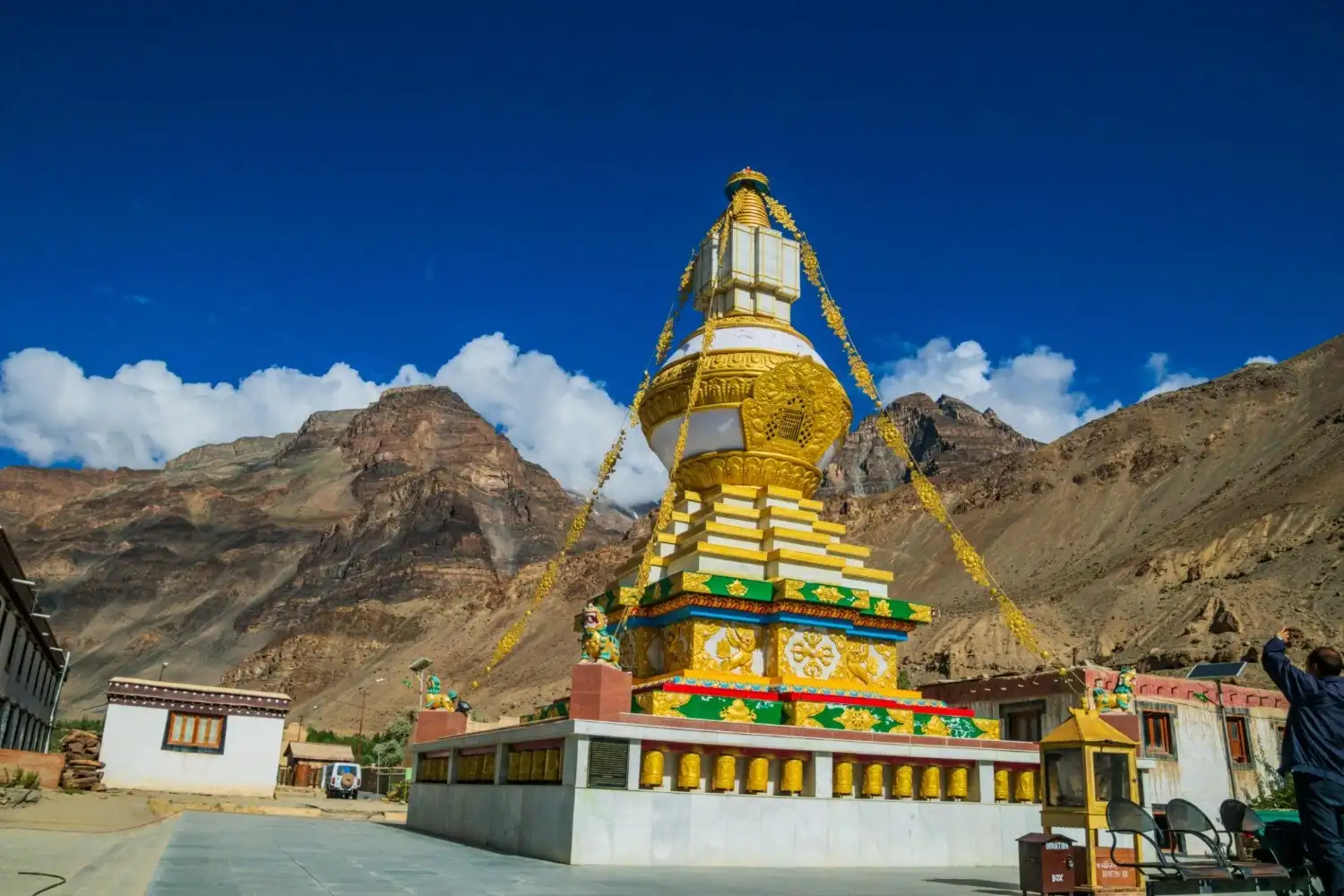
Founded in 996 AD, Tabo Monastery is regarded as one of the oldest functioning Buddhist monasteries in the Himalayas.Often called the “Ajanta of the Himalayas,” Tabo is famous for its ancient murals, clay statues, and centuries-old temples. Unlike many monasteries perched on hilltops, Tabo sits on the valley floor.Inside the monastery complex, visitors can explore meditation chambers, temples, and rare Buddhist artworks that have survived for over a thousand years.
Highlights
- Over 1,000 years old
- Ancient wall paintings
- Meditation caves
- Rich Buddhist heritage
Dhankar Monastery (Approx. 32 km from Kaza)
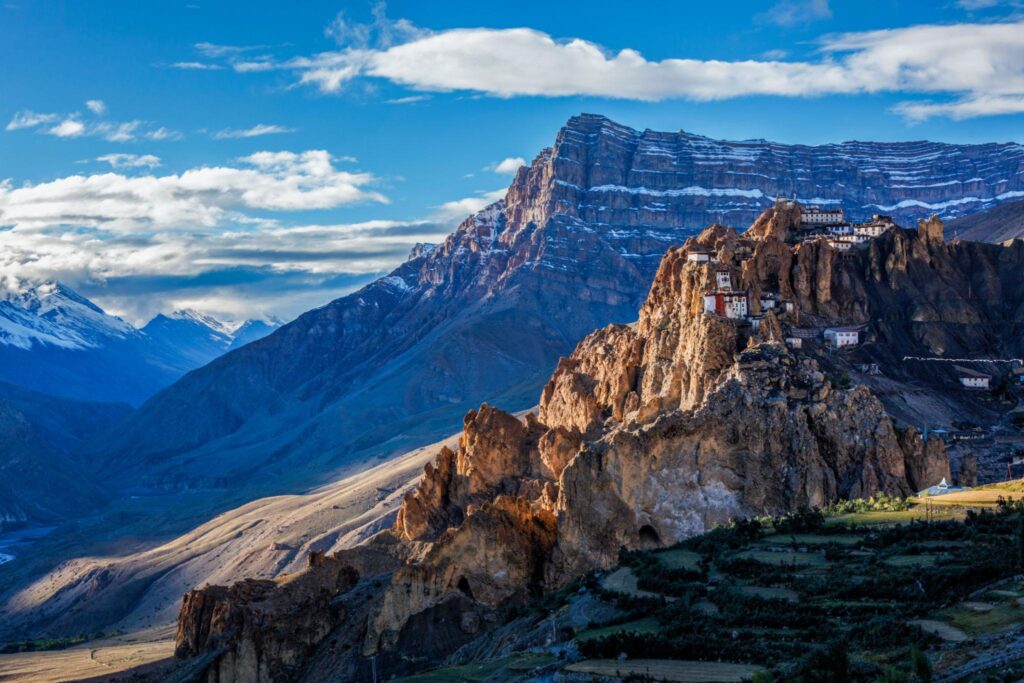
Dhankar Monastery stands dramatically on a cliff overlooking the confluence of the Spiti and Pin rivers.Historically, Dhankar served as the capital of the Spiti Kingdom and functioned as both a monastery and a fort.The location offers some of the most impressive views in Spiti Valley. Visitors can also trek to the nearby Dhankar Lake for stunning mountain scenery.
Highlights
- Cliff-side location
- Historic capital of Spiti
- Dhankar Lake trek
- Excellent photography opportunities
Lhalung Monastery (Approx. 18 km from Dhankar)
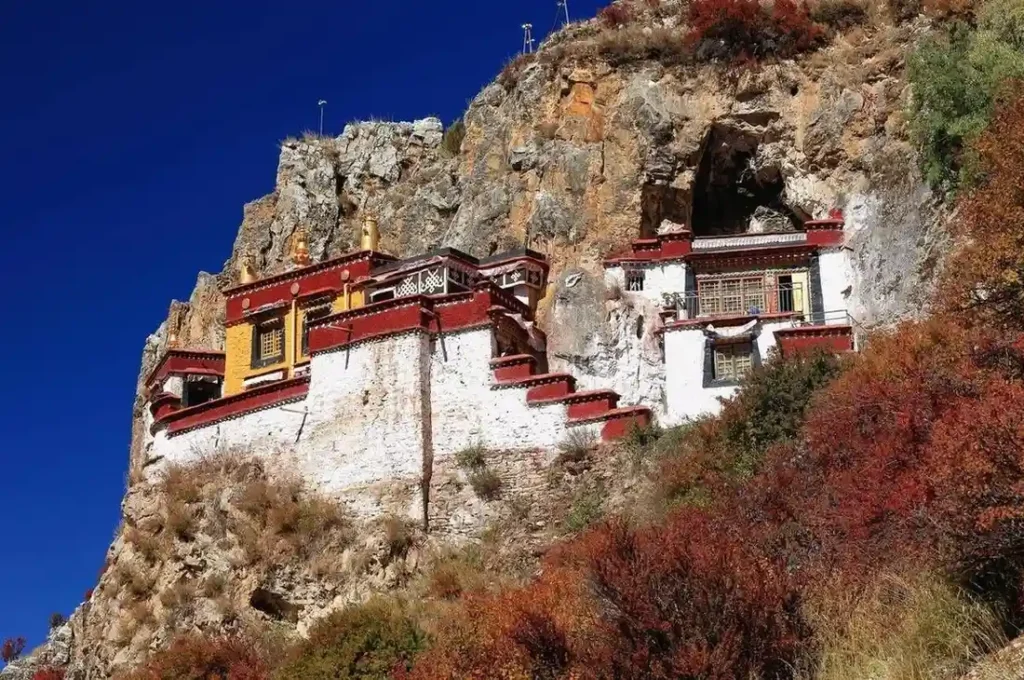
Lhalung Monastery is among the oldest monasteries in Spiti and is often referred to as the Golden Temple of Spiti.The monastery is known for its beautifully crafted clay sculptures and ancient Buddhist artwork. According to local legends, many of these sculptures appeared overnight through divine intervention.The quiet village setting makes Lhalung an ideal destination for travelers interested in culture and history.
Highlights
- Ancient clay sculptures
- Traditional village setting
- Rich cultural heritage
- Peaceful atmosphere
Kungri Monastery (Approx. 16 km from Kaza via Pin Valley)
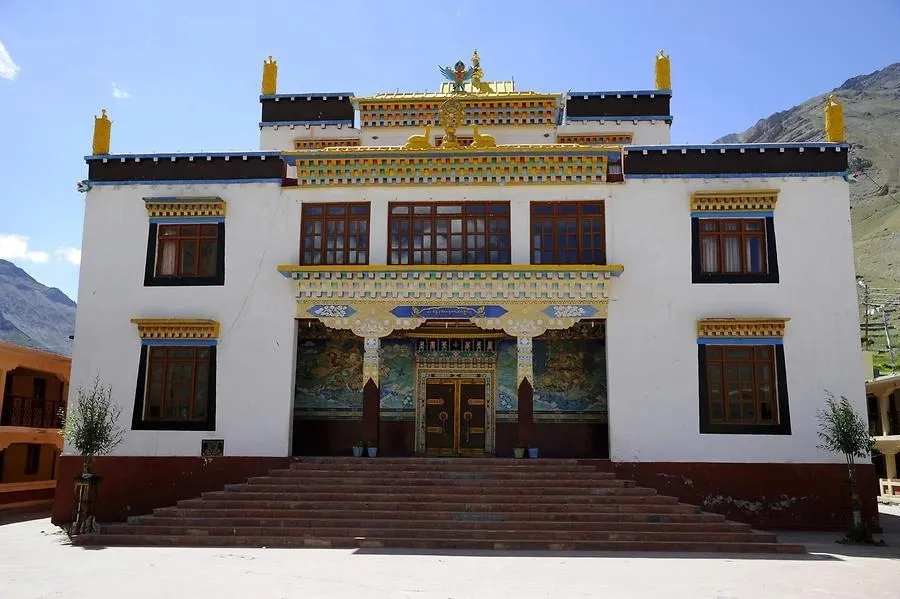
Kungri Monastery is the most important monastery in Pin Valley and belongs to the Nyingma school of Tibetan Buddhism.The monastery plays a significant role in preserving local traditions and hosts important religious festivals throughout the year.Visitors can combine a visit to Kungri Monastery with a trip to Pin Valley National Park.
Highlights
- Nyingma Buddhist tradition
- Religious festivals
- Traditional rituals
- Pin Valley landscapes
Tangyud Monastery, Komic (Approx. 19 km from Kaza)
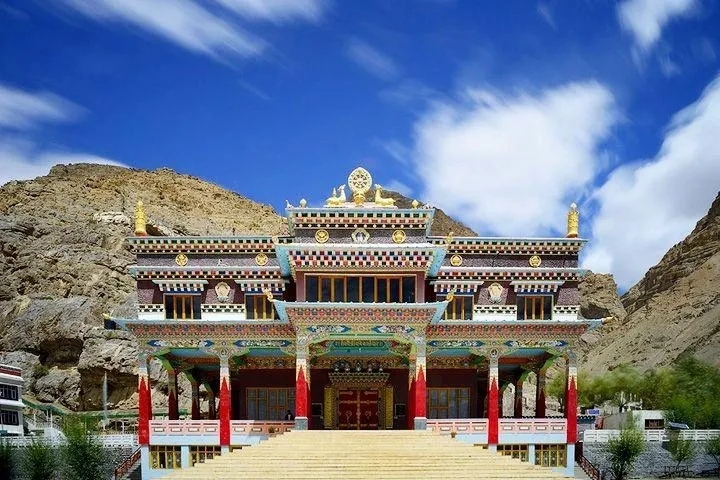
Located in Komic Village, Tangyud Monastery is one of the highest monasteries in India accessible by road.Built like a fortress, the monastery offers incredible views of the surrounding mountains and villages.Most travelers visit Tangyud Monastery along with Hikkim and Langza as part of the famous high-altitude village circuit. These three villages together make for one of the most stunning sightseeing spots in Spiti Valley that no visitor should skip.
Highlights
- One of India’s highest monasteries
- Fortress-style architecture
- Mountain panoramas
- Traditional Buddhist culture
Key Monastery (Approx. 15 km from Kaza)
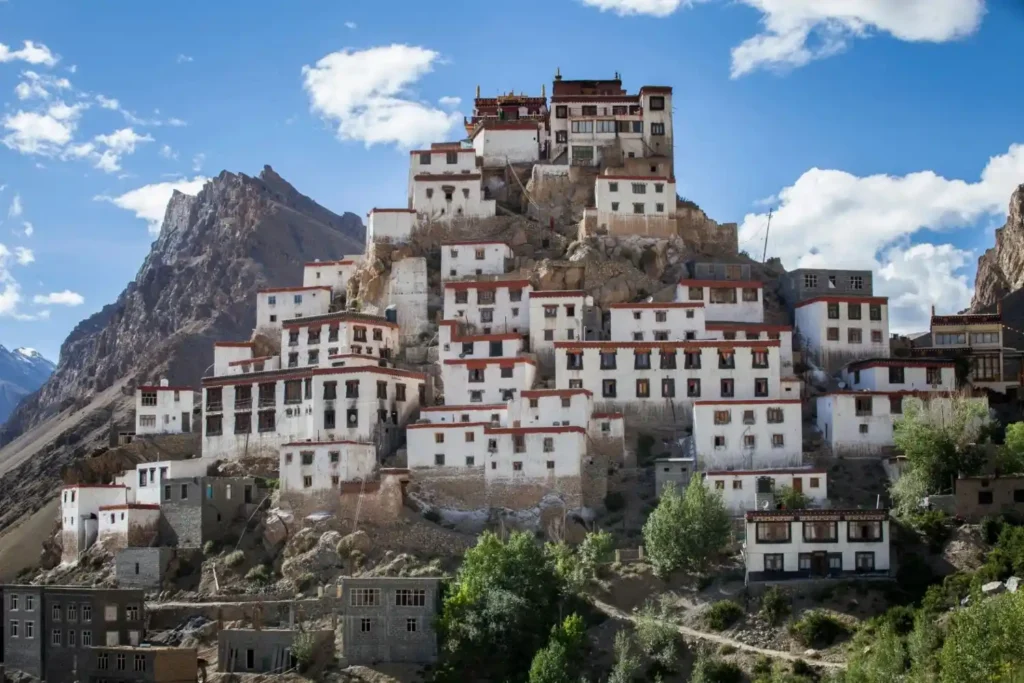
Key Monastery is the most iconic and photographed monastery in Spiti Valley. Founded in the 11th century, it sits atop a hill overlooking the Spiti River and surrounding mountains. The monastery resembles a fortress with interconnected rooms, prayer halls, and narrow passages.Visitors can attend morning prayers, interact with monks, and enjoy some of the best views in the valley.
Highlights
- Largest monastery in Spiti
- Morning prayer ceremonies
- Ancient manuscripts
- Panoramic valley views
Langza Monastery & Buddha Statue (Approx. 16 km from Kaza)
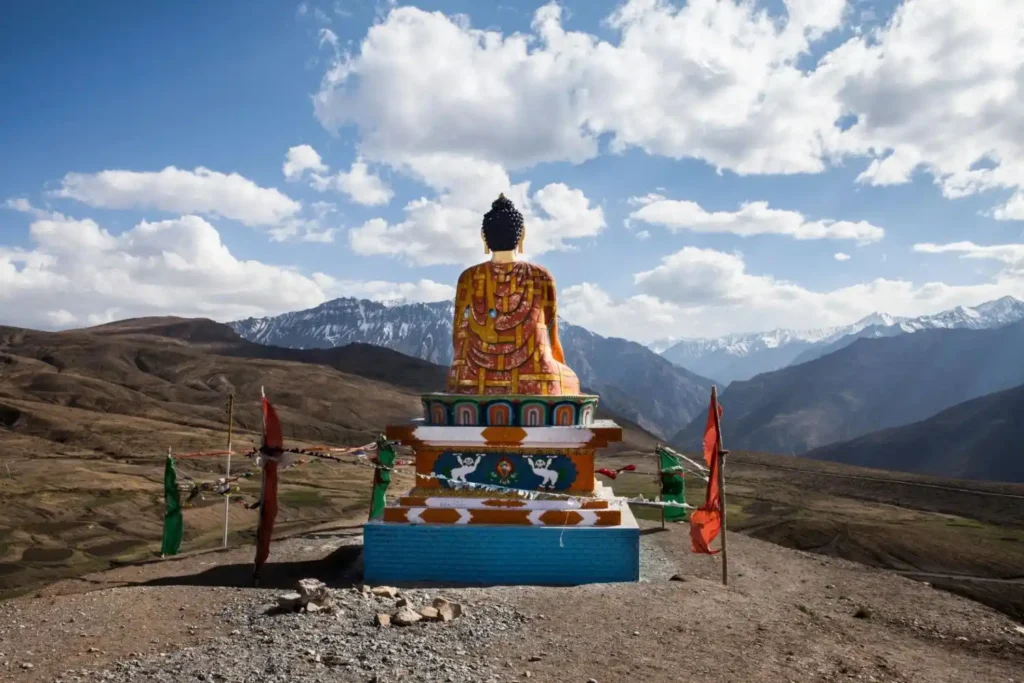
Langza is known for its giant Buddha statue overlooking the valley. While the monastery itself is small, the spiritual atmosphere of the village attracts visitors from around the world. Langza is also famous for marine fossils that date back millions of years when the region was submerged under the Tethys Sea.
Highlights
- Giant Buddha statue
- Fossil discoveries
- Traditional village life
- Photography opportunities
Kibber Monastery (Approx. 19 km from Kaza)
Located in one of the world’s highest inhabited villages, Kibber Monastery offers visitors a glimpse into Spiti’s traditional lifestyle.The area is also known for its proximity to Kibber Wildlife Sanctuary, one of India’s best regions for spotting snow leopards and Himalayan wildlife.
Highlights
- Traditional Spitian culture
- Wildlife experiences
- Mountain views
- Access to Kibber Sanctuary
Best Time to Visit Monasteries in Spiti Valley
Planning your monastery circuit around the right season makes a big difference in what you get to experience. The best time to explore Spiti Valley depends on factors like road accessibility, weather, and which festivals you want to witness.
Spring (April–May)
Spring brings pleasant temperatures, blooming landscapes, and fewer tourists. The Shimla route is usually accessible, making it a good season for monastery exploration.
Summer (June–September)
Summer is the best time for completing the entire monastery circuit. Roads from both Shimla and Manali are generally open, and weather conditions remain favorable.
Autumn (October)
Autumn offers crisp weather, clear skies, and excellent photography opportunities. Tourist crowds begin to decrease.
Winter (November–March)
Winter transforms Spiti into a snowy landscape. While some roads may close, monasteries accessible via the Shimla route continue to offer unique winter experiences.
Major Monastery Festivals in Spiti Valley
| Festival | Monastery | Month | Highlights |
| Chham Festival | Key Monastery | June–July | Masked dances |
| Kungri Festival | Kungri Monastery | July | Religious ceremonies |
| Losar | Various Monasteries | February | Tibetan New Year |
| Gutor Festival | Multiple Monasteries | December | Traditional rituals |
| Ladarcha Fair | Kaza Region | August | Cultural celebrations |
How to Reach the Monasteries of Spiti Valley
Via Shimla Route
Shimla → Narkanda → Kalpa → Nako → Tabo → Dhankar → Kaza
This route allows gradual acclimatization and is preferred for first-time visitors.
Via Manali Route
Manali → Rohtang Pass → Kunzum Pass → Losar → Kaza
Shorter but involves rapid altitude gain.
Public Transport Options
- HRTC buses
- Shared taxis
- Private cabs
- Local transport from Kaza
Self-Drive Tips
- Carry spare fuel.
- Check weather updates.
- Start early each day.
- Drive cautiously on mountain roads.
Suggested 7-Day Spiti Monastery Circuit Itinerary
| Day | Plan |
| Day 1 | Arrive in Nako and explore Nako Monastery and Nako Lake. |
| Day 2 | Visit Tabo Monastery and meditation caves. |
| Day 3 | Explore Dhankar Monastery and trek to Dhankar Lake. |
| Day 4 | Visit Lhalung Monastery and Kungri Monastery in Pin Valley. |
| Day 5 | Attend morning prayers at Key Monastery and visit Kibber. |
| Day 6 | Explore Langza, Hikkim, and Tangyud Monastery in Komic. |
| Day 7 | Local sightseeing around Kaza and departure. |
Photography Tips for Spiti Monasteries
Best Sunrise Locations
- Komic
- Langza
- Key Monastery
Best Sunset Locations
- Dhankar Monastery
- Kibber
- Pin Valley
Interior Photography Rules
- Ask permission before taking photographs.
- Avoid flash photography around murals.
Festival Photography Tips
- Arrive early.
- Respect ceremonies.
- Maintain distance from monks and performers.
Essential Monastery Etiquette
Dress Code
Wear respectful clothing covering shoulders and knees.
Respect Prayer Halls
Maintain silence during prayers and ceremonies.
Donations
Small donations help preserve monastery heritage.
Photography Permissions
Always ask before photographing monks or interiors.
Cultural Respect
Follow local customs and remove footwear where required.
Nearby Places to Explore Along the Monastery Circuit
Hikkim (Approx. 5 km from Komic)
Home to one of the world’s highest post offices where visitors can send postcards from the Himalayas.
Langza Village (Approx. 16 km from Kaza)
Famous for fossils, traditional homes, and mountain views.
Komic Village (Approx. 19 km from Kaza)
One of the highest motorable villages in the world.
Pin Valley National Park (Approx. 15 km from Attargo Bridge)
Known for snow leopards, Himalayan ibex, and dramatic landscapes.
Dhankar Lake (Approx. 2 km Trek from Dhankar Monastery)
A scenic high-altitude lake offering beautiful reflections and mountain views.
Kibber Wildlife Sanctuary (Starts Near Kibber Village)
One of India’s most important wildlife conservation areas.
Chicham Bridge (Approx. 6 km from Kibber)
Asia’s highest suspension bridge and a popular photography location.
Gue Monastery & Mummy Village (Approx. 42 km from Tabo)
Known for the naturally preserved mummy of Sangha Tenzin.
Kaza Market (0 km – Kaza Town)
The best place to explore local cafes, handicrafts, and souvenirs.
Why Explore Spiti Valley With TripGuruGo
Planning a monastery-focused journey requires careful route planning and local knowledge. TripGuruGo offers customized Spiti itineraries that combine cultural experiences, village exploration, photography opportunities, and responsible travel practices.
Whether you’re looking for a road trip, backpacking adventure, or cultural journey, a well-planned itinerary helps you experience the monasteries of Spiti Valley more meaningfully.
FAQs
Which is the oldest monastery in Spiti Valley?
Tabo Monastery, founded in 996 AD, is the oldest and most historically significant monastery in Spiti Valley.
Which is the highest monastery in Spiti?
Tangyud Monastery in Komic is among the highest monasteries in India accessible by road.
Which monastery is best for photography?
Key Monastery is considered the best photography location due to its dramatic hilltop setting.
Can tourists stay in monasteries?
Some monasteries offer basic guest accommodation, though availability varies throughout the year.
How many days are required for the monastery circuit?
A minimum of 6–7 days is recommended to comfortably explore all major monasteries.
Is the monastery circuit suitable for first-time visitors?
Yes. First-time visitors can comfortably complete the circuit, especially when entering Spiti via the Shimla route.
Conclusion
The monasteries of Spiti Valley are much more than tourist attractions. They are living centers of faith, culture, history, and community life. From the ancient murals of Tabo Monastery and the cliff-top setting of Dhankar Monastery to the iconic views of Key Monastery and the high-altitude charm of Tangyud Monastery, each destination offers a unique perspective on Himalayan Buddhism.
Exploring the complete monastery circuit allows travelers to experience the spiritual and cultural essence of Spiti Valley while discovering some of the most remarkable landscapes in Himachal Pradesh. Travel responsibly, respect local traditions, and take time to appreciate the stories preserved within these centuries-old monasteries. A journey through Spiti’s monasteries is not just a road trip—it’s an experience that stays with you long after you leave the mountains.

Abdullah Khan specializes in adventure travel across Spiti Valley and the high-altitude regions of Himachal Pradesh. He writes about road trips, bike expeditions, hidden villages, monasteries, and offbeat Himalayan experiences. His guides focus on route planning, acclimatization, travel safety, and the best experiences across Spiti Valley.