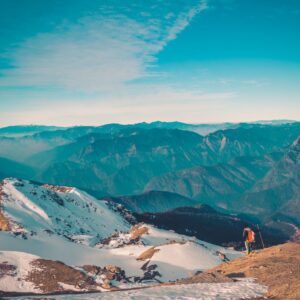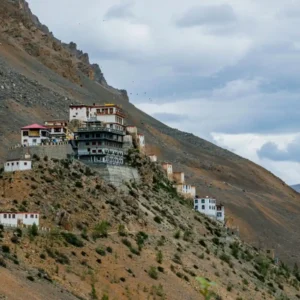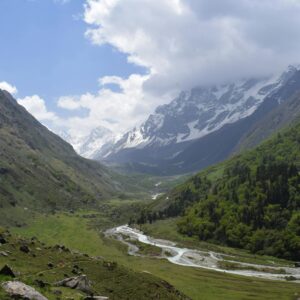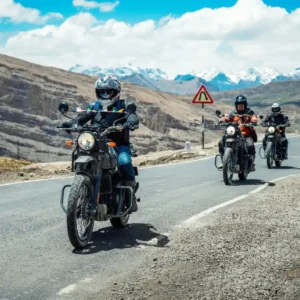
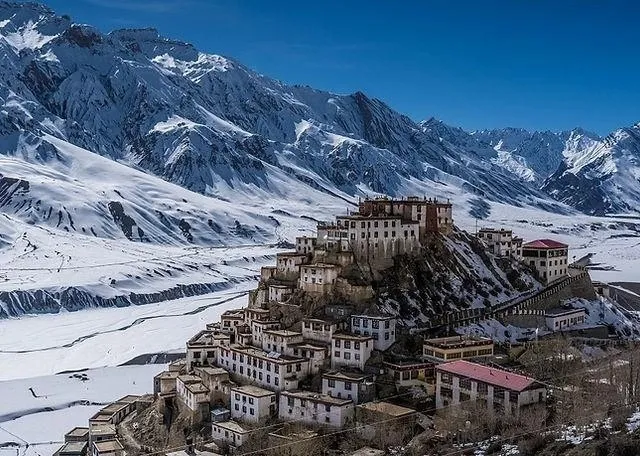
If seeing snow-covered mountains, frozen rivers, and peaceful Himalayan villages is on your travel bucket list, winter is one of the most exciting times to visit Spiti Valley. Unlike the busy summer season, winter transforms the valley into a quiet landscape where fresh snow covers monasteries, roads, and traditional villages.
The best time to visit Spiti Valley in winter for snowfall depends on the type of experience you want. Some travellers prefer fresh snowfall with easier road access, while others want deep snow and complete winter conditions.
In this guide, you’ll learn the best months for snowfall, weather conditions, road status, travel tips, places to visit, and how to safely plan your winter adventure in Spiti Valley.
Quick Winter Information
| Information | Details |
| Best Months for Snowfall | January to February |
| Peak Snow Season | Mid-January to Mid-February |
| Temperature | 5°C to -25°C |
| Average Snowfall | Moderate to Heavy |
| Best Route | Shimla – Reckong Peo – Kaza |
| Manali Route | Closed during winter |
| Ideal Trip Duration | 5–7 Days |
| Highest Altitude | Around 4,500 metres |
What is the Best Time to Visit Spiti Valley in Winter for Snowfall?
If your main goal is to experience heavy snowfall, January is the best time to visit Spiti Valley in winter. During this month, most villages receive fresh snow, temperatures remain below freezing, and the landscapes look completely white. December is ideal if you want fresh snowfall with slightly better road conditions, while February offers deeper snow and fewer tourists. March is suitable for travellers looking for snow-covered views without facing the harshest winter conditions.
Why Visit Spiti Valley in Winter?
Winter reveals a completely different side of Spiti Valley. Snow changes the appearance of every village, monastery, and mountain pass. Roads become quieter, tourist numbers drop significantly, and local life slows down.Here are some of the biggest reasons to visit during winter.
Heavy Snowfall
From late December onwards, many parts of Spiti receive regular snowfall. Villages like Kaza, Kibber, Langza, and Hikkim become covered in thick snow, creating unforgettable winter scenery.
Peaceful Atmosphere
Unlike the summer months, winter attracts only a small number of travellers. This means quieter roads, peaceful monasteries, and a more authentic experience of village life.
Winter Photography
Snow-covered mountains, frozen rivers, colourful monasteries, and clear blue skies create excellent photography opportunities throughout the valley.
Local Winter Lifestyle
Winter also gives visitors the chance to experience how people in Spiti adapt to extremely cold temperatures. Staying in local homestays and enjoying traditional food adds another layer to the journey.
Month-wise Guide to Winter Snowfall
December (Early Winter)
December marks the beginning of winter in Spiti Valley. Snowfall usually starts during the first half of the month, while higher villages receive more snow by the end of December.Although temperatures begin dropping rapidly, travelling is still relatively easier compared to January.
Weather
- Day: 0°C to 5°C
- Night: -10°C to -18°C
Snowfall
Moderate snowfall begins across higher-altitude villages.
Road Conditions
The Shimla route generally remains open, although occasional snowfall may temporarily affect road conditions. The Manali route remains closed.
Pros
- Fresh snowfall
- Better accessibility
- Smaller crowds
- Easier hotel availability
Cons
- Snow depth is lower than January.
- Weather can change quickly.
Best For
- First-time visitors
- Families
- Road trips
- Photography
January (Peak Snowfall Season)
January is widely considered the best time to visit Spiti Valley in winter for snowfall. This is when the valley experiences its heaviest snow, frozen rivers, icy landscapes, and extremely cold weather.Many travellers specifically choose January because every major village looks completely transformed under thick layers of snow.
Weather
- Day: -5°C to 2°C
- Night: -15°C to -25°C
Snowfall
Heavy snowfall is common throughout January, especially around Kaza, Kibber, Langza, and Hikkim.
Road Conditions
Road travel becomes more challenging due to ice and fresh snowfall. The Shimla route remains the only practical option, but weather updates should always be checked before departure.
Pros
- Peak snowfall
- Frozen landscapes
- Best photography
- Amazing winter experience
Cons
- Extremely cold weather
- Travel delays are possible
- Higher risk of road closures after heavy snowfall
Best For
- Snow lovers
- Adventure travellers
- Photographers
- Experienced winter travellers
February (Deep Snow & Quiet Villages)
February continues to offer excellent snowfall, although conditions become even colder. Snow accumulation is often at its highest, making villages look even more spectacular.Another advantage of visiting in February is the peaceful atmosphere, as tourist numbers remain low.
Weather
- Day: -3°C to 3°C
- Night: -18°C to -25°C
Snowfall
Heavy snowfall continues, particularly in higher-altitude villages.
Road Conditions
The Shimla route usually remains operational but may experience temporary closures after fresh snowfall.
Pros
- Thick snow cover
- Excellent photography
- Peaceful villages
- Authentic winter experience
Cons
- Harsh weather
- Limited transport options
- Extreme cold at night
Best For
- Winter photographers
- Snow enthusiasts
- Solo travellers seeking peaceful landscapes
March (Late Winter)
March marks the transition from winter to spring. Snow remains in higher regions, but daytime temperatures begin to rise.Travelling becomes easier, making March a great option for those who want snowy landscapes without facing the most challenging winter conditions.
Weather
- Day: 2°C to 8°C
- Night: -8°C to -15°C
Snowfall
Snow remains in most villages, although melting starts at lower elevations.
Road Conditions
Roads become more accessible as temperatures increase.
Pros
- Comfortable weather
- Easier travel
- Snow still visible
- Longer daylight hours
Cons
- Less fresh snowfall
- Lower villages begin losing snow cover
Best For
- Families
- First-time visitors
- Couples
- Travellers looking for a balanced winter experience
Month Comparison Table
| Month | Snowfall | Crowd | Temperature | Best For |
| December | Moderate | Low | Cold | Beginners & Families |
| January | Heavy | Moderate | Very Cold | Snow Lovers & Photography |
| February | Heavy | Very Low | Extreme Cold | Adventure Travellers |
| March | Moderate | Low | Pleasant Winter | First-Time Visitors |
Spiti Valley Winter Weather & Temperature
Winter in Spiti Valley usually begins in late November and continues until March. During this time, temperatures remain below freezing in most areas, especially at night. Snowfall increases from December onwards, while January and February experience the coldest weather.Although winter conditions can be challenging, proper planning allows travellers to enjoy one of India’s most memorable snow destinations.
Month-wise Temperature Table
| Month | Day Temperature | Night Temperature | Snowfall |
| December | 0°C to 5°C | -10°C to -18°C | Moderate |
| January | -5°C to 2°C | -15°C to -25°C | Heavy |
| February | -3°C to 3°C | -18°C to -25°C | Heavy |
| March | 2°C to 8°C | -8°C to -15°C | Moderate |
Weather Overview
December
Fresh snowfall starts covering villages while roads generally remain accessible through the Shimla route.
January
The coldest month of the year with heavy snowfall, frozen rivers, and snow-covered mountain landscapes.
February
Snow depth increases further, making it an excellent month for photography and winter experiences.
March
Snow begins melting at lower elevations, while higher villages continue receiving occasional snowfall.
How to Reach Spiti Valley During Winter
Travelling to Spiti Valley during winter requires careful planning because heavy snowfall affects road conditions. The safest option is entering via Shimla since the Manali route remains closed throughout winter.
By Road (Recommended)
The Shimla–Reckong Peo–Nako–Tabo–Kaza route remains the primary access road during winter.
Route
Delhi → Shimla → Narkanda → Reckong Peo → Nako → Tabo → Kaza
Distance
Approximately 730–760 km from Delhi
Travel Time
16–20 hours depending on weather and road conditions.
Why Choose the Shimla Route?
- Open during most winter months
- Better maintained
- Less affected by heavy snowfall
- Safer than the Manali route
Why is the Manali Route Closed?
The Manali–Kaza road passes through Kunzum Pass, which receives several feet of snow every winter.Due to continuous snowfall and avalanche risks, the route generally remains closed from late October until May or early June.If you’re planning a winter trip, always avoid entering Spiti through Manali.
By Air
The nearest airport is Bhuntar Airport (Kullu).From Bhuntar, you’ll need to travel by road to Shimla or directly towards Kaza depending on weather conditions.Keep buffer days in your itinerary because winter weather may delay flights.
By Train
Nearest railway stations include:
- Kalka
- Chandigarh
From there, continue your journey by road via Shimla.
Winter Driving Tips
- Start early every morning.
- Carry snow chains if driving yourself.
- Avoid driving after sunset.
- Keep fuel tanks full.
- Download offline maps.
- Check road status before departure.
- Hire experienced local drivers whenever possible.
Best Places to Experience Snowfall in Spiti Valley
Winter transforms almost every village in Spiti, but some places become particularly beautiful after fresh snowfall.
1. Kaza
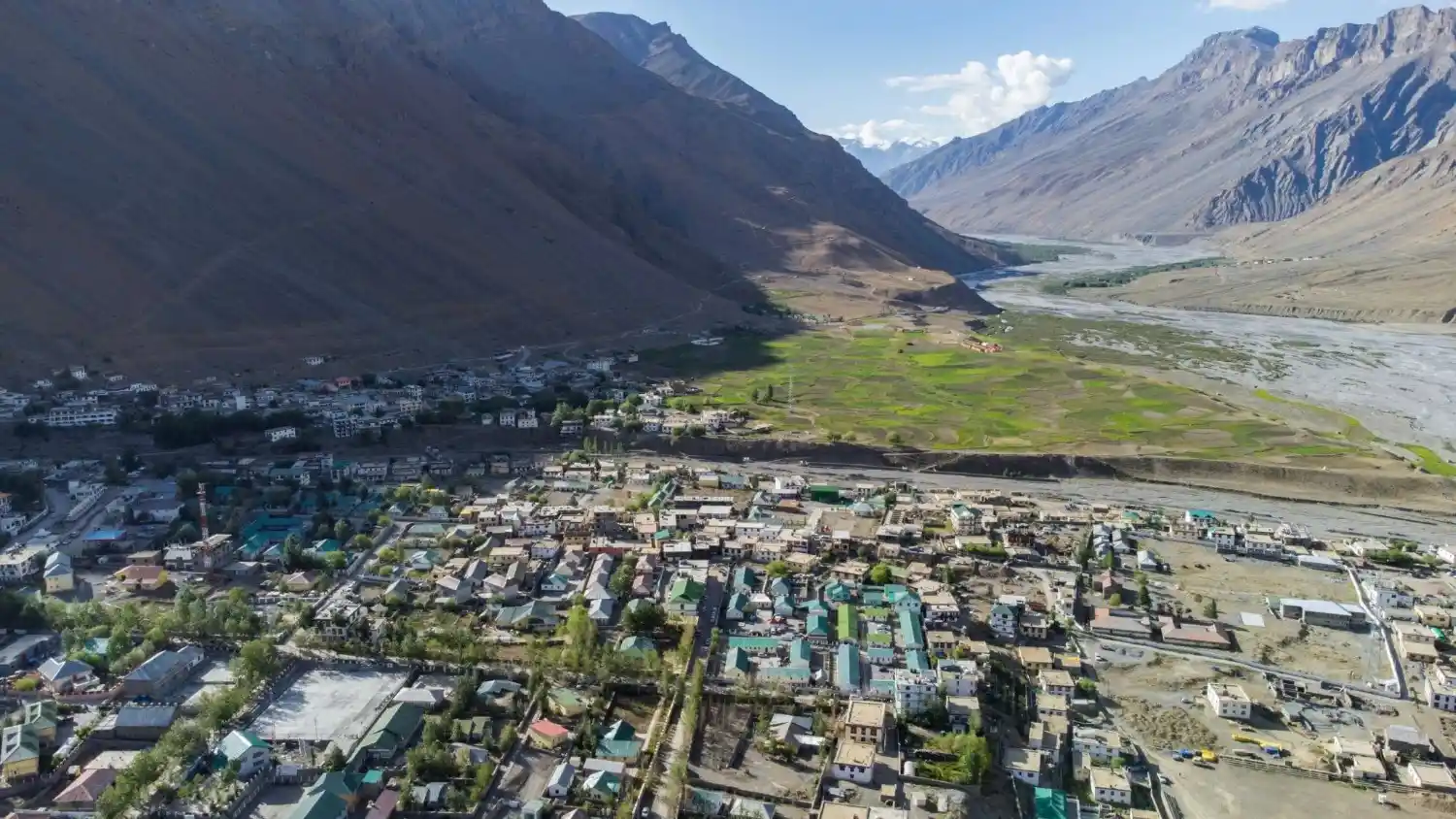
Kaza, the largest town in Spiti, becomes completely white during January and February.
Highlights
- Snow-covered streets
- Local cafés
- Winter markets
- Homestays
Best Month: January
2. Key Monastery
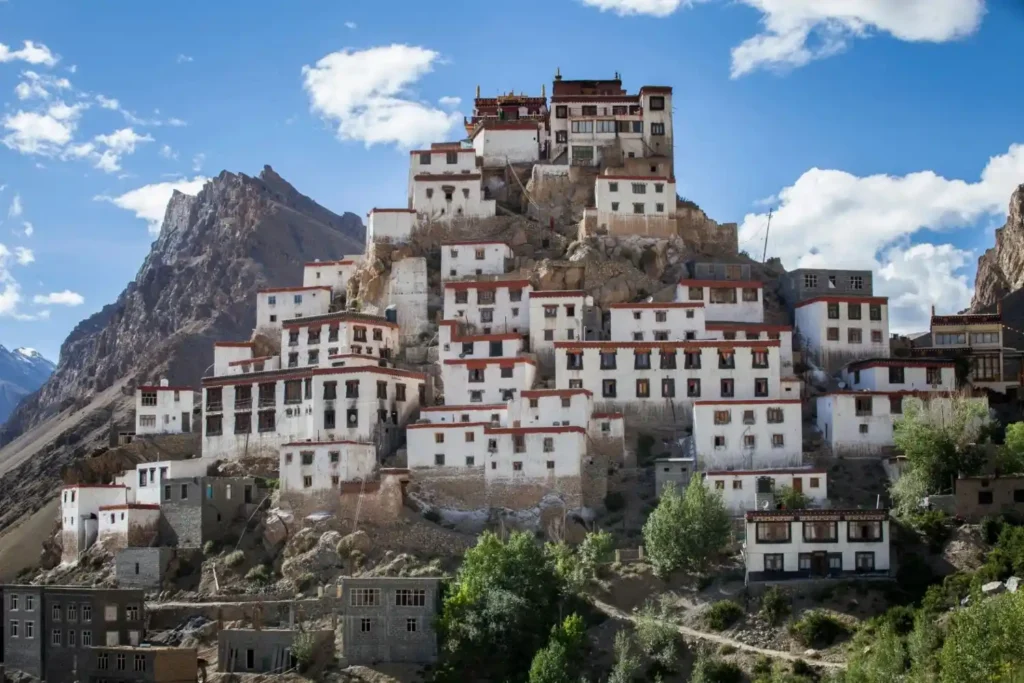
The famous monastery looks magical after heavy snowfall. Visitors can enjoy panoramic mountain views along with peaceful key monastery surroundings.
Highlights
- Snow-covered monastery
- Buddhist culture
- Sunrise photography
Best Month: January–February
3. Kibber
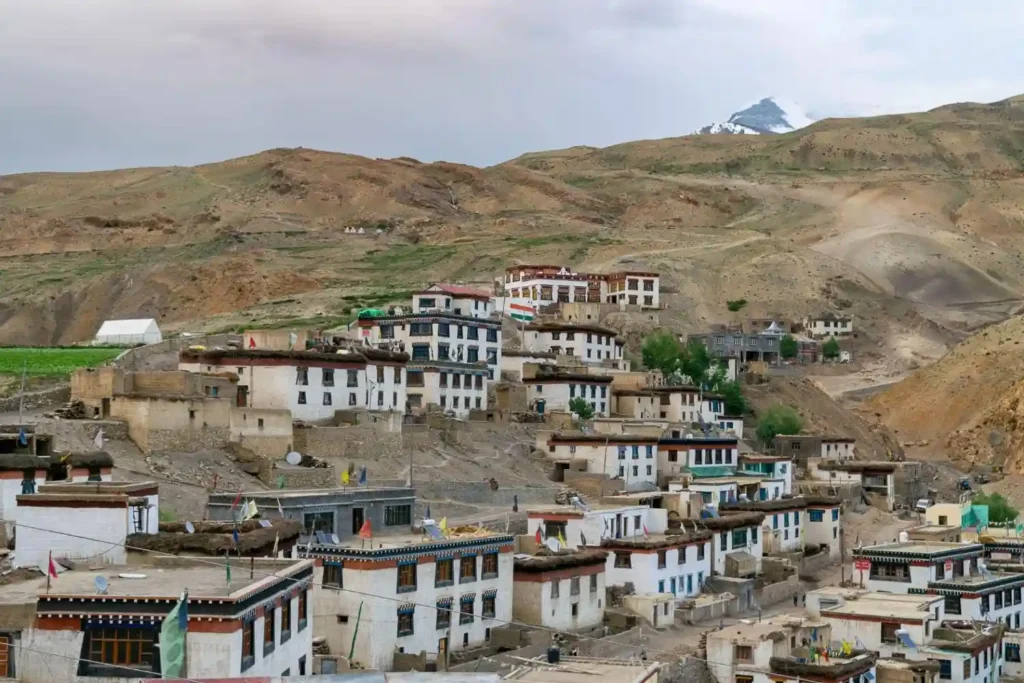
Located at over 4,200 metres, Kibber receives excellent snowfall every winter.It is also one of the best places for spotting Himalayan wildlife during colder months.
Highlights
- Deep snow
- Traditional houses
- Snow leopard region
Best Month: January
4. Langza
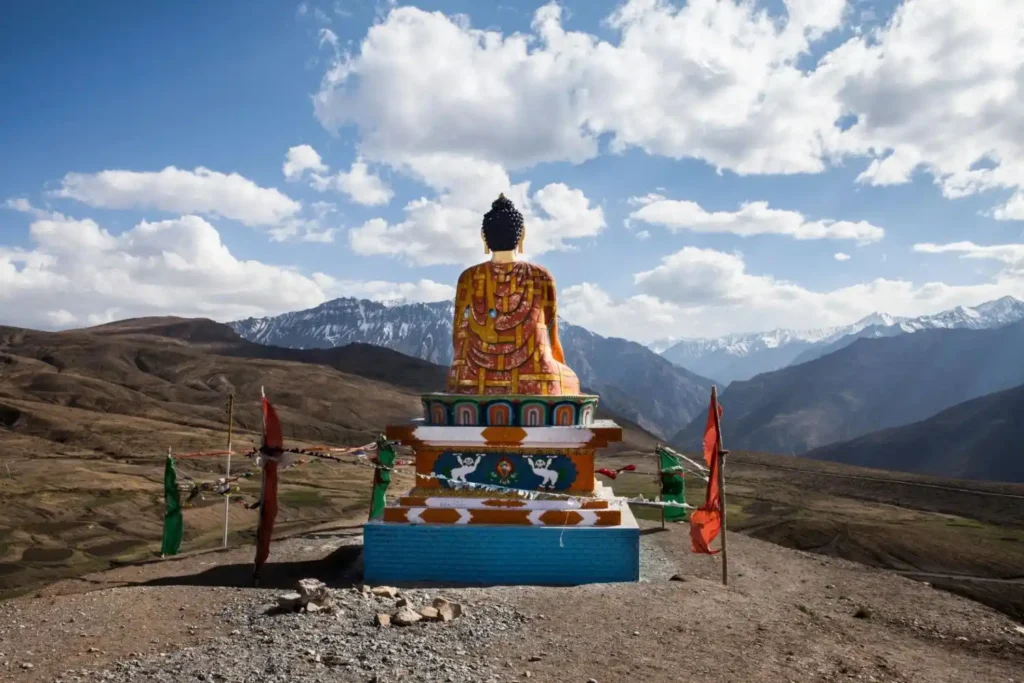
Langza offers wide-open snow-covered landscapes with the famous Buddha statue overlooking the valley.
Highlights
- Buddha Statue
- Fossil village
- White mountain scenery
Best Month: January–February
5. Hikkim

Home to one of the world’s highest post offices, Hikkim becomes incredibly peaceful during winter.
Highlights
- Snow-covered village
- Famous post office
- Scenic roads
Best Month: January
6. Dhankar Monastery
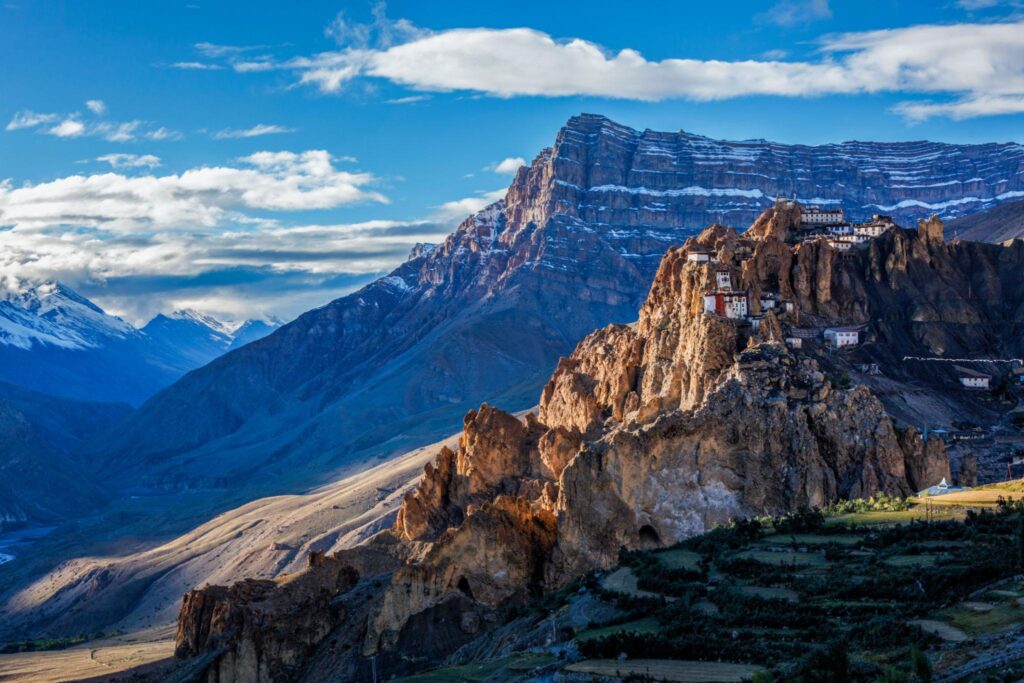
Located on a cliff, Dhankar provides some of the best winter viewpoints in Spiti.
Highlights
- Ancient monastery
- Valley views
- Historic architecture
Best Month: December–February
Best Things to Do During Snowfall in Spiti Valley
Winter isn’t just about seeing snow. There are plenty of unforgettable experiences throughout the valley.
1. Snow Photography
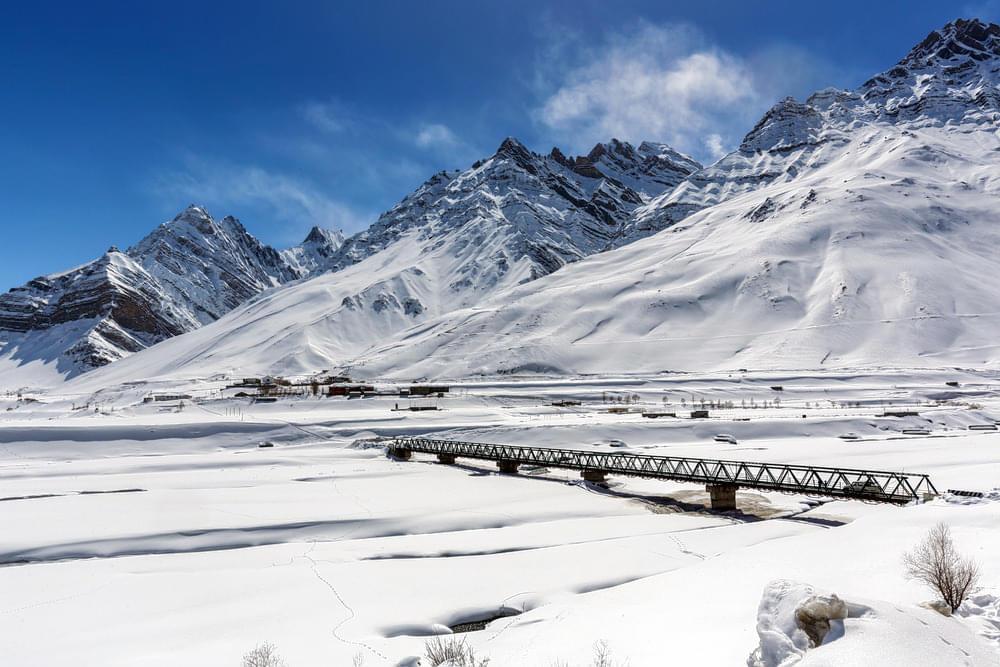
Capture frozen rivers, monasteries, mountain peaks, and traditional villages under fresh snow.
2. Visit Ancient Monasteries
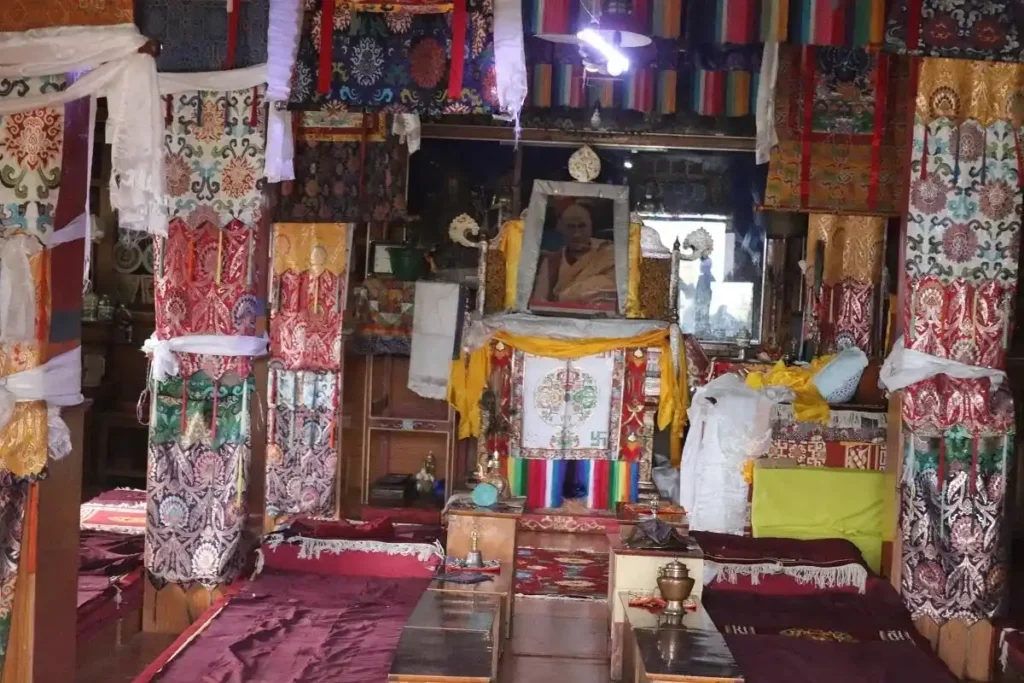
Winter creates a peaceful atmosphere inside monasteries like Key and Dhankar.
3. Stay in a Local Homestay
Enjoy warm hospitality, traditional homes, butter tea, thukpa, and authentic Spitian culture.
4. Winter Village Walks
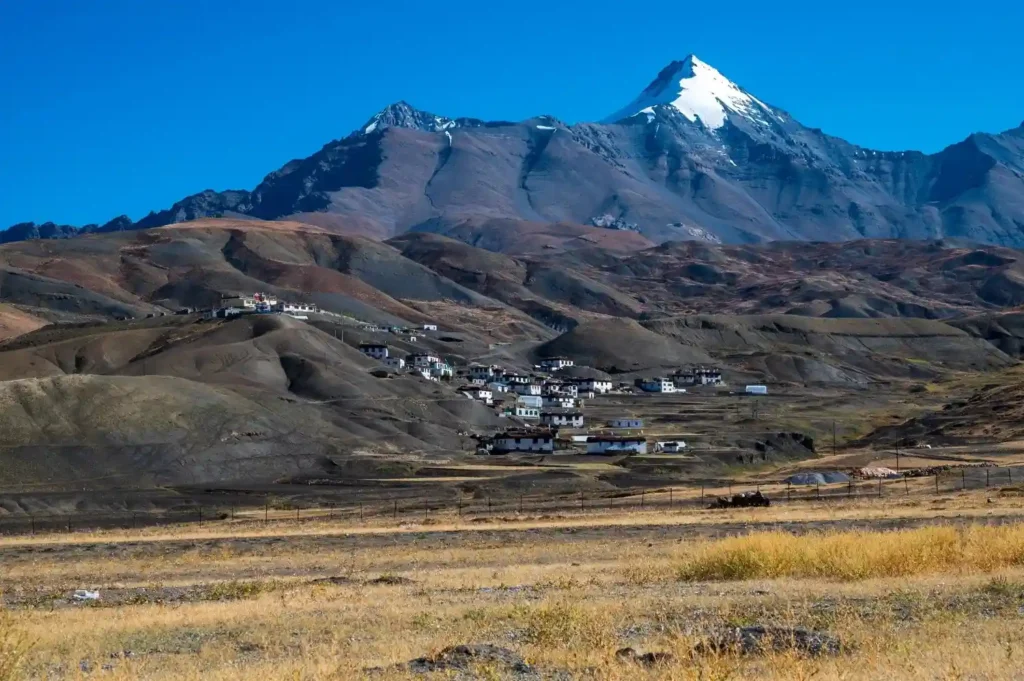
Walking through villages like Langza and Kibber allows you to experience daily life during extreme winter.
5. Stargazing

Winter skies remain crystal clear, making Spiti one of India’s best places for astrophotography.
6. Try Local Food

Don’t miss:
- Thukpa
- Momos
- Butter Tea
- Tingmo
- Tsampa
7. Experience Fresh Snowfall
Watching fresh snow fall over monasteries and villages is one of the biggest highlights of a winter trip.
Winter Packing Checklist
Packing properly is essential because temperatures often drop below -20°C.
| Essential Item | Why You Need It |
| Thermal Wear | Base insulation |
| Down Jacket | Extreme cold protection |
| Snow Boots | Better grip on ice |
| Woollen Socks | Warm feet |
| Gloves | Protect hands |
| Wool Cap | Prevent heat loss |
| Sunglasses | Reduce snow glare |
| Sunscreen | UV protection |
| Lip Balm | Prevent dryness |
| Moisturizer | Protect skin |
| Power Bank | Batteries drain quickly |
| Personal Medicines | Limited pharmacies |
| Water Bottle | Stay hydrated |
| Flashlight | Useful during power cuts |
Essential Winter Travel Tips for Spiti Valley
Travelling to Spiti Valley during winter is rewarding, but proper preparation is essential. Heavy snowfall, freezing temperatures, and limited facilities make planning more important than during the summer season. Follow these practical tips to enjoy a safe and comfortable journey.
1. Acclimatise Properly
Spiti Valley sits at an altitude of over 3,800 metres, where oxygen levels are lower than in the plains. Spend a night at lower-altitude locations like Reckong Peo or Nako before reaching Kaza to reduce the risk of Acute Mountain Sickness (AMS).
Symptoms of AMS
- Headache
- Dizziness
- Nausea
- Fatigue
- Difficulty breathing
If symptoms become severe, descend immediately and seek medical assistance.
2. Wear Multiple Layers
Instead of wearing one heavy jacket, use multiple clothing layers.
- Thermal innerwear
- Fleece jacket
- Down jacket
- Waterproof outer layer
- Woollen cap
- Gloves
- Woollen socks
Layering keeps you warm while allowing you to adjust according to changing temperatures.
3. Carry Enough Cash
ATMs are limited in Spiti Valley and may not always work during winter due to weather conditions.
Carry sufficient cash for:
- Accommodation
- Meals
- Fuel
- Local transport
- Emergency expenses
4. Expect Limited Mobile Network
BSNL provides the most reliable coverage across Spiti Valley.Jio works in Kaza and a few nearby villages but may not be available everywhere.Download offline maps before starting your journey.
5. Keep Buffer Days
Heavy snowfall can temporarily block roads, especially after fresh snow.Adding one or two extra days to your itinerary helps avoid unnecessary stress if travel plans change.
6. Check Road & Weather Updates
Before leaving each day, confirm:
- Road conditions
- Snowfall forecast
- Weather alerts
- Traffic updates
Local hotels and taxi operators usually provide the latest information.
7. Travel in a Reliable Vehicle
Choose:
- 4×4 SUV
- Experienced local driver
- Snow tyres (if available)
Avoid driving small hatchbacks during heavy snowfall.
Is Winter the Right Time to Visit Spiti Valley?
Winter isn’t suitable for every traveller. Here’s who will enjoy the season the most.
For Families
Families travelling with young children or elderly members should consider visiting in December or March when temperatures are relatively manageable.
Recommended: December & March
For Solo Travellers
Solo travellers who enjoy peaceful destinations, photography, and local experiences will appreciate winter in Spiti.
Recommended: January
For Couples
Snow-covered villages and quiet mountain landscapes create a memorable setting for couples looking for a peaceful holiday.
Recommended: December & January
For Photographers
Winter offers dramatic landscapes, frozen rivers, colourful monasteries, and crystal-clear skies.
Recommended: January & February
For Adventure Lovers
If your goal is experiencing heavy snowfall, icy roads, and true Himalayan winters, January provides the most adventurous conditions.
Recommended: January
For First-Time Visitors
March is usually the easiest winter month because roads are more accessible while snow remains visible.
Recommended: March
Suggested 4-Day Winter Itinerary
| Day | Itinerary |
| Day 1 | Delhi → Shimla → Nako (Overnight Stay) |
| Day 2 | Nako → Tabo → Dhankar → Kaza |
| Day 3 | Key Monastery → Kibber → Hikkim → Langza → Kaza |
| Day 4 | Kaza Local Sightseeing → Return via Shimla |
Tip: Add one buffer day in case snowfall affects road conditions.
Frequently Asked Questions
Which month has the highest snowfall in Spiti Valley?
January usually receives the heaviest snowfall, making it the best month for travellers looking for a complete winter experience.
Is January the best time to visit Spiti Valley?
Yes. January offers the deepest snow, frozen landscapes, and excellent photography opportunities, although temperatures are extremely cold.
Does Kaza receive snowfall?
Yes. Kaza experiences regular snowfall between late December and February, with January being the snowiest month.
Is the Shimla route open during winter?
Yes. The Shimla–Kaza route usually remains open throughout winter, although temporary closures may occur after heavy snowfall.
Why is the Manali route closed?
Heavy snowfall at Kunzum Pass makes the Manali–Kaza highway inaccessible during winter, usually from late October until May.
What clothes should I pack for a winter trip?
Carry thermal wear, a down jacket, waterproof shoes, gloves, woollen socks, sunglasses, sunscreen, lip balm, and essential medicines.
Is Spiti Valley safe during winter?
Yes, provided you travel with proper planning, monitor weather updates, acclimatise well, and avoid unnecessary driving during snowfall.
Which month is best for first-time winter travellers?
March is generally the best choice for beginners because roads become easier to access while snow remains in many parts of the valley.
Conclusion
If your dream is to witness heavy snowfall, frozen rivers, and snow-covered Himalayan villages, January is the best time to visit Spiti Valley in winter for snowfall. Travellers who prefer slightly easier road conditions can plan a trip in December, while February is ideal for those looking for deeper snow and fewer crowds. If you want a balance between snowy landscapes and comfortable travel, March is an excellent option.
No matter which month you choose, careful planning, warm clothing, and checking weather updates are essential for a safe trip. If you’re planning your adventure, TripGuruGo offers well-planned Spiti itineraries that help you experience the valley comfortably during the winter season.

Abdullah Khan specializes in adventure travel across Spiti Valley and the high-altitude regions of Himachal Pradesh. He writes about road trips, bike expeditions, hidden villages, monasteries, and offbeat Himalayan experiences. His guides focus on route planning, acclimatization, travel safety, and the best experiences across Spiti Valley.