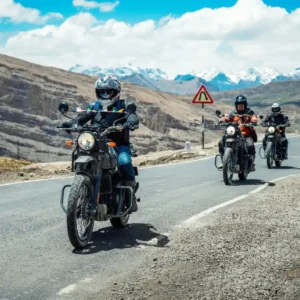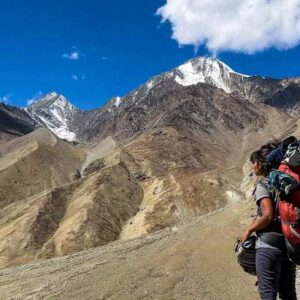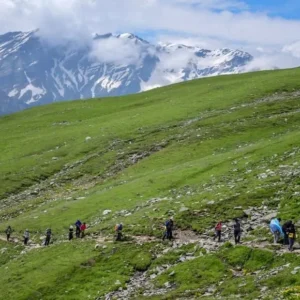
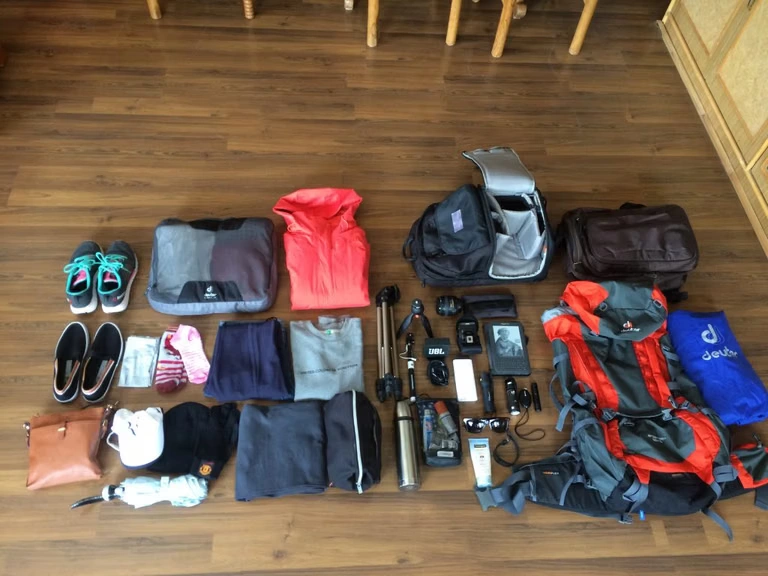
One of the biggest mistakes people make before visiting Spiti Valley is assuming that packing for the trip is similar to packing for Manali, Shimla, or any other hill station. I made the same mistake during my early Himalayan road trips. Most travelers spend hours planning routes, searching for viewpoints, and creating Instagram-worthy itineraries, but very little time preparing for the actual conditions they will face on the road.
Spiti Valley is different. It is remote, high in the Himalayas, and often unpredictable. The weather changes quickly, facilities are limited in some areas, and long stretches of road can leave you far from shops, fuel stations, or medical help.
After multiple mountain road trips and extensive preparation for a Spiti journey, I realized that carrying the right things matters far more than carrying a lot of things. This guide shares practical packing advice based on real travel experiences and lessons learned from the road.
Why Packing for Spiti Valley Is Different
Spiti Valley is not a destination where you can rely on convenience stores at every stop. Once you leave larger towns behind, services become limited and distances between villages increase. For first-time travelers, understanding the weather, road conditions, altitude, and local facilities before hand can make packing much easier. Many of the items you carry will depend on the practical Things to Know Before Visiting Spiti Valley especially if you are unfamiliar with high-altitude travel in the Himalayas.
One thing we learned quickly during mountain road trips is that weather forecasts rarely tell the complete story. A sunny afternoon can suddenly turn into a freezing evening. Winds become stronger at higher altitudes, and even during summer, temperatures can drop significantly after sunset.
Another challenge is altitude. Places like Kaza, Langza, Hikkim, and Komik sit above 4,000 meters. Even experienced travelers sometimes feel tired or uncomfortable during the first few days.
Before you start packing, it helps to know which areas you will be visiting. The terrain, altitude, and travel conditions can vary significantly across the region, and the places included in your itinerary will influence what you need to carry. Understanding the Top Locations to Visit in Spiti Valley can make it easier to prepare for the journey and pack accordingly.
This is why smart packing becomes an important part of the journey.
Important Documents to Carry
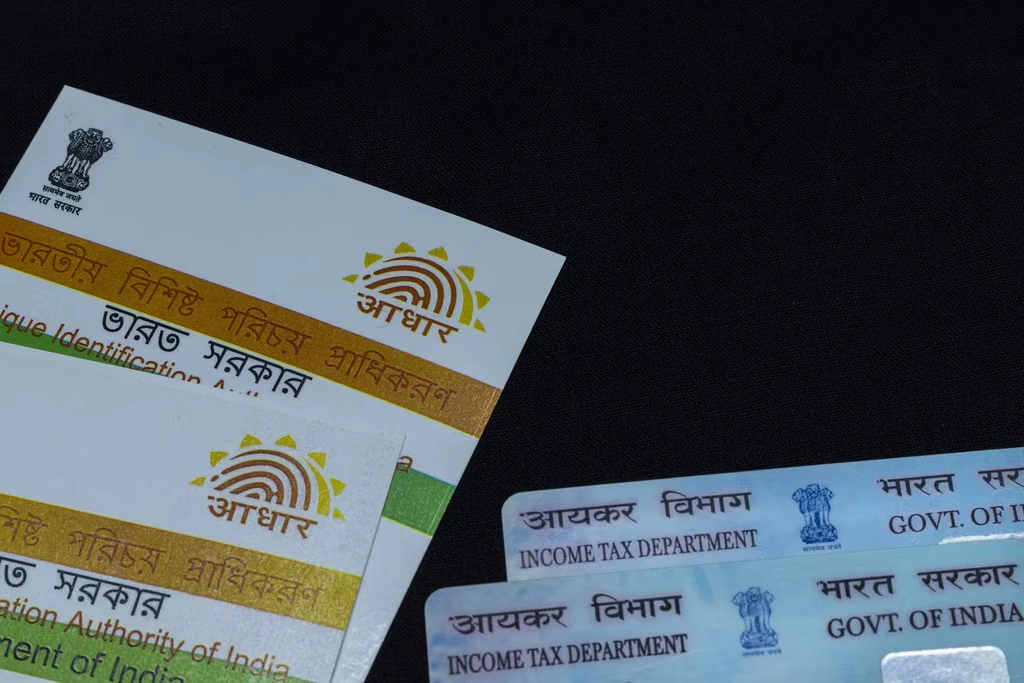
Before leaving for Spiti Valley, keep all important documents organized in one waterproof pouch.Carry a valid government ID such as Aadhaar Card, Driving License, Passport, or Voter ID. These are required during hotel check-ins and may also be checked at police checkpoints.
If you are driving your own vehicle, carry:
| Document | Purpose |
| RC Certificate | Proof of vehicle ownership |
| Driving License | Mandatory for driving on all roads |
| Vehicle Insurance | Required at checkpoints |
| Pollution Certificate | Needed for entry and checkpoints |
One habit that has saved us multiple times is carrying both physical and digital copies of important documents. Store scanned copies on your phone and cloud storage.It takes only a few minutes to prepare, but it can save hours of trouble later.
Clothing That Actually Works in Spiti Valley
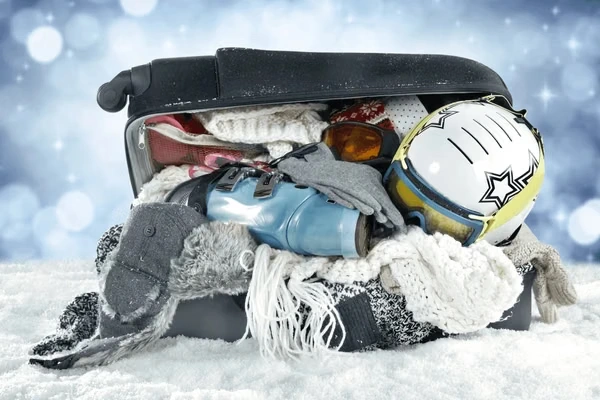
The most effective packing strategy for Spiti Valley is layering.Many first-time travelers carry one heavy jacket and assume it will solve everything. In reality, temperatures vary throughout the day.
A typical layering system includes:
| Clothing Layer | When to Use |
| Thermal Innerwear | Base layer — worn at all times in cold conditions |
| Full-Sleeve T-Shirts | Mid layer for daytime activity |
| Fleece Jacket | Mid layer — essential after sunset |
| Hoodie | Extra warmth and wind protection |
| Windproof Outer Jacket | Top layer against wind and sudden cold |
During the day, you may only need a t-shirt and fleece layer. Once the sun disappears, the outer jacket becomes essential.Woollen caps, gloves, and warm socks should always be part of your luggage, regardless of season.Looking back, proper layering proved far more useful than carrying bulky winter clothing.
What to Carry in Summer (May to June)
Summer is the most popular season for Spiti Valley. Although daytime temperatures are comfortable, mornings and evenings remain cold.
| Summer Essentials (May to June) |
| Thermals |
| Fleece jacket |
| Light down jacket |
| Sunglasses |
| Sunscreen |
| Lip balm |
| Trekking shoes |
| Reusable water bottle |
Many travelers underestimate the strength of the sun at high altitudes. We realized this only after spending a few hours outdoors. Sunburn happens much faster than expected.
What to Carry During Monsoon (July to August)
Spiti receives less rainfall compared to other Himalayan destinations, but roads approaching the valley can still be affected.
| Monsoon Essentials (July to August) |
| Waterproof jacket |
| Rain cover for bags |
| Quick-dry clothes |
| Waterproof footwear |
| Extra socks |
Road conditions may become challenging in some sections, making waterproof gear surprisingly useful.
What to Carry in Autumn (September to October)
Many experienced travelers consider autumn one of the best times to visit Spiti Valley. The weather is generally stable, and skies are often clear.
Packing remains similar to summer, but warmer layers become increasingly important as temperatures begin dropping.
| Autumn Essentials (September to October) |
| Heavy fleece jacket |
| Thermal layers |
| Gloves |
| Woollen cap |
| Warm socks |
Evenings become noticeably colder during this period.
What to Carry in Winter (November to March)
Winter Spiti is a completely different experience. Snowfall, freezing temperatures, and extreme cold require serious preparation.
| Winter Essentials (November to March) |
| Heavy down jacket |
| Thermal layers |
| Waterproof gloves |
| Snow boots |
| Woollen cap |
| Neck warmer |
| Multiple warm socks |
During winter camping or outdoor activities, good-quality sleeping bags and insulated clothing become essential.
Many travelers focus only on jackets, but warm footwear often makes a bigger difference.
Why Waterproof Shoes Became One of the Most Useful Items
One thing we learned from mountain travel is that shoes can make or break your trip.
Roadside snow, slush, stream crossings, and rough terrain can quickly turn a normal walk into an uncomfortable experience. Waterproof trekking shoes help keep your feet dry and warm.
| Footwear | Best For |
| Waterproof Trekking Shoes | Snow, slush, stream crossings, rough terrain |
| Lightweight Sneakers | Village walks, short day outings |
| Comfortable Sandals | Hotel use, evenings at guesthouses |
Dry feet are often the difference between a comfortable day and a miserable one.
Medical Kit Essentials

Medical facilities are available in major areas, but it is always better to be prepared.
| Medicine / Item | Purpose |
| Personal medicines | As per individual prescription |
| Paracetamol | Fever and headache relief |
| Cold medicine | For cold and congestion |
| ORS packets | Hydration and electrolyte balance |
| Bandages | Minor cuts and wounds |
| Antiseptic cream | Wound care and infection prevention |
| Pain relief spray | Muscle pain and soreness |
| Cough syrup | Cold and throat irritation |
Some travelers also carry altitude-related medication after consulting their doctor. If you are worried about how the high elevation might affect you, it helps to read up on altitude sickness in Spiti Valley so you know what symptoms to watch for and how to handle them before your trip.
Hydration is extremely important at high altitude. ORS packets and electrolyte supplements are small items that can make a big difference.
Electronics and Gadgets to Carry
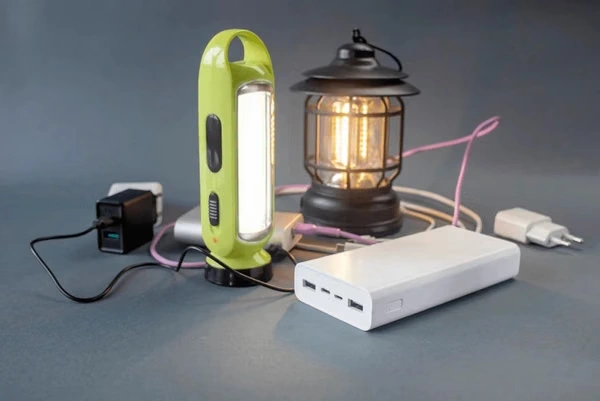
Cold weather affects batteries much faster than most people expect. During mountain trips, we often noticed phones losing battery even when barely used.
| Gadget / Item | Why It Matters |
| Power bank | Backup charging when sockets are unavailable |
| Mobile charger | Primary charging at guesthouses |
| Car charger | Charging on the move |
| Extra camera batteries | Cold drains batteries fast |
| Memory cards | Storage for photos and videos |
| Headlamp | Nighttime use and power cuts |
| Torch | Backup lighting |
| Tripod | For travel content creators |
| Microphone | Better audio for videos |
| Drone (where permitted) | Aerial photography |
| Laptop | For content editing and work |
| External hard drives | Backup storage on long trips |
Internet and Navigation Essentials
Network connectivity in Spiti Valley is still limited compared to cities.
| Download Before You Leave |
| Google Maps offline maps |
| Hotel confirmations |
| Emergency contacts |
| Important documents |
Offline preparation helps avoid unnecessary stress when signal disappears.
Food and Emergency Snacks
One thing many travelers overlook is food preparation. Long stretches of road may not have restaurants or cafes nearby.
| Snack / Item | Why Carry It |
| Energy bars | Quick energy boost on long drives |
| Dry fruits | Healthy and calorie-dense snack |
| Biscuits | Easy to carry and eat anywhere |
| Instant noodles | Hot meal when no restaurant is nearby |
| Tea sachets | Warmth during cold mornings |
| Coffee sachets | Morning energy on the road |
| Thermos bottle | Keeps water or drinks hot for hours |
Hot drinks feel especially comforting during cold mornings.
Small Items Most Travelers Forget
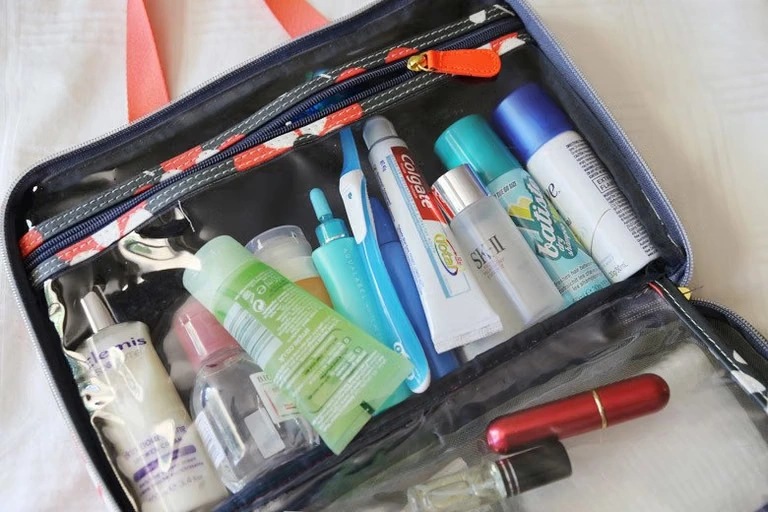
Some of the most useful items take up almost no space.
| Item | Use |
| Sunglasses | UV protection at high altitude |
| Lip balm | Prevents cracked lips in dry cold air |
| Sunscreen | Strong sun at altitude causes fast sunburn |
| Moisturizer | Skin dries out quickly in cold conditions |
| Wet wipes | Cleaning up when water is scarce |
| Hand sanitizer | Hygiene on the road |
| Water bottle | Staying hydrated throughout the day |
| Day backpack | Carrying essentials during hikes and walks |
This small collection of items often ends up being used every single day.
The Biggest Packing Mistakes Travelers Make
Over the years, certain mistakes appear repeatedly.
| Common Mistake | Why It’s a Problem |
| Carrying only cotton clothes | Cotton holds moisture and does not insulate when wet |
| Ignoring cold-weather preparation | Temperatures drop sharply after sunset even in summer |
| Forgetting medicines | Pharmacies are scarce beyond major towns |
| Not carrying enough cash | ATMs are limited and networks often fail |
| Overpacking unnecessary items | Extra weight makes travel tiring on rough roads |
| Relying completely on mobile networks | Signal is weak or absent across large stretches |
Another mistake is packing without organization. Keeping clothes, electronics, medicines, and food in separate sections makes life much easier on the road.
Experience-Based Packing Lessons from Spiti Valley
Every traveler comes back from Spiti Valley with a few packing lessons they wish they had known earlier. While preparing for the trip, we focused heavily on clothing and gadgets, but the road taught us that small practical items often become the most valuable.
On one cold evening in Kaza, temperatures dropped much faster than expected after sunset. Travelers who were comfortable during the day suddenly needed extra layers, gloves, and woollen caps. It was a reminder that Spiti weather can change quickly, even during the summer months.
Another lesson came during long drives between villages. There were stretches where finding food or even a small shop was not easy. Energy bars, dry fruits, and a thermos filled with hot tea turned out to be far more useful than we had imagined while packing at home.
High altitude also creates challenges that many first-time visitors underestimate. Dry air, strong sunlight, and cold winds can affect you throughout the day. Simple items like lip balm, sunscreen, moisturizer, and a reusable water bottle ended up being used more frequently than expensive travel gear.
One of the biggest surprises was how quickly mobile phone batteries drained in the cold. Even fully charged devices lost power faster than expected. Carrying a power bank and keeping electronics inside a warm jacket pocket helped avoid unnecessary problems during sightseeing.
Perhaps the most important lesson was that packing smart is better than packing heavy. Travelers carrying large suitcases often struggled while moving between hotels and vehicles on rough mountain roads. Those who packed only essential items found the journey much more comfortable.
Spiti Valley does not require luxury gear or expensive equipment. What it does require is thoughtful preparation. A well-planned packing list can make the difference between dealing with avoidable problems and fully enjoying one of the most memorable road trips in the Himalayas
Final Thoughts
Spiti Valley rewards prepared travelers.
The roads are long, the landscapes are remote, and the weather can change quickly. However, none of these challenges feel overwhelming when you have packed thoughtfully.
Looking back, the most useful items were not expensive gadgets or fancy gear. It was often simple things like a warm jacket, power bank, thermos bottle, sunscreen, and a well-stocked medical kit.
If I were planning another Spiti Valley trip tomorrow, I would pack smarter rather than pack more.
Carry what you genuinely need, prepare for changing weather, and focus on comfort rather than excess luggage. That approach will make your Spiti Valley journey safer, easier, and far more enjoyable.
FAQs
How many clothes should I carry for a Spiti Valley trip?
Carry enough clothing for layering rather than packing many outfits. Thermals, fleece layers, and a good jacket are more important than extra fashion wear.
Is a heavy jacket necessary in summer?
Yes. Even during summer, temperatures can drop significantly during mornings and evenings, especially at higher altitudes.
Do I need waterproof shoes in Spiti Valley?
Yes. Waterproof trekking shoes are highly recommended for stream crossings, snow patches, rough terrain, and sudden weather changes.
Should I carry cash to Spiti Valley?
Yes. Although digital payments are accepted in some places, network issues can affect transactions. Always carry sufficient cash.
Is a power bank necessary for Spiti Valley?
Absolutely. Cold temperatures and long travel days can drain batteries quickly. A power bank is one of the most useful travel accessories.
What medicines should I carry for Spiti Valley?
Carry personal medicines, paracetamol, ORS, cold medicine, cough syrup, bandages, and any altitude-related medication recommended by your doctor.
What is the most commonly forgotten item in Spiti Valley?
Many travelers forget sunscreen, lip balm, and wet wipes. These small items become surprisingly important during the trip.

Abdullah Khan specializes in adventure travel across Spiti Valley and the high-altitude regions of Himachal Pradesh. He writes about road trips, bike expeditions, hidden villages, monasteries, and offbeat Himalayan experiences. His guides focus on route planning, acclimatization, travel safety, and the best experiences across Spiti Valley.