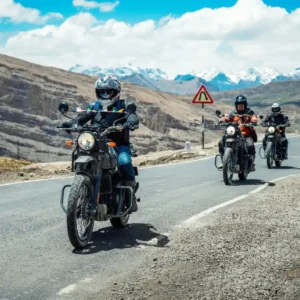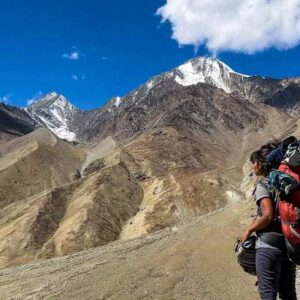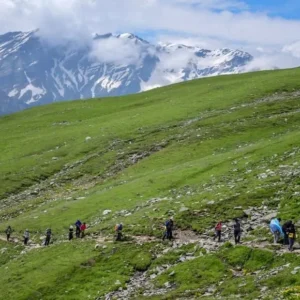

One of the first questions travelers ask while planning a Spiti Valley trip is:
Will I get altitude sickness?
The honest answer is maybe.During my first trip to Spiti Valley, I thought altitude sickness was something that only happened to trekkers climbing mountains. I had done road trips before, was physically active, and felt confident that I wouldn’t face any problems.
But after reaching Kaza, things were different.
By evening, I developed a mild headache. Climbing a small flight of stairs left me slightly breathless. That night, I struggled to sleep properly despite being tired from the long journey. The next morning, while having breakfast at a café in Kaza, I realized I wasn’t the only one.A biker from Pune complained about nausea, a traveler from Bangalore said she couldn’t sleep all night, and another backpacker felt exhausted despite resting the entire evening.
That was my first real introduction to Acute Mountain Sickness (AMS)one of the most common challenges travelers face in Spiti Valley.The good news? Most cases are mild and completely manageable if you understand how altitude affects your body.
Why Altitude Sickness Happens in Spiti Valley
Spiti Valley sits at a very high elevation.
Most popular destinations are located above 10,000 feet, while villages like Langza, Hikkim, Komic, and passes like Kunzum La rise even higher.
When you travel to these elevations, the amount of oxygen available in the air decreases. Your lungs still breathe normally, but each breath contains less oxygen than what your body is used to at lower altitudes.
This is why your body needs time to adapt.
If you ascend too quickly, AMS symptoms can appear.
Altitudes of Popular Places in Spiti
| Destination | Approximate Altitude |
| Manali | 6,700 ft |
| Kalpa | 9,700 ft |
| Tabo | 10,700 ft |
| Kaza | 12,500 ft |
| Key Monastery | 13,600 ft |
| Hikkim | 14,400 ft |
| Langza | 14,500 ft |
| Komic | 15,000 ft |
| Kunzum Pass | 15,060 ft |
Looking at these numbers, it’s easy to understand why many travelers feel the effects of altitude. If you’re planning your first visit, check out our Complete Travel Guide for Spiti Valley for everything you need to know before you go.
What Altitude Sickness Actually Feels Like
One thing that surprised me was that AMS didn’t feel dramatic.
There wasn’t a moment where I suddenly felt sick.
Instead, it started gradually.
My symptoms included:
- Mild headache
- Slight dizziness
- Faster breathing
- Difficulty sleeping
- Lower energy levels
Another traveler described it perfectly:
“It feels like you’re running on low battery mode.”
You can still walk, talk, eat, and explore, but everything feels slightly harder than usual.
Common Symptoms of AMS
Every person experiences altitude differently, but these are the most common symptoms travelers report in Spiti Valley:
Mild Symptoms
- Headache
- Fatigue
- Difficulty sleeping
- Loss of appetite
- Nausea
- Light dizziness
- Shortness of breath while walking uphill
Most travelers experience one or more of these symptoms during the first day.
Moderate Symptoms
- Persistent headache
- Vomiting
- Severe fatigue
- Difficulty walking
- Increased breathlessness
At this stage, it’s important to stop ascending and allow your body to recover.
Severe Symptoms
Although rare, AMS can become serious if ignored.
Warning signs include:
- Confusion
- Loss of coordination
- Breathing difficulty while resting
- Chest tightness
- Extreme weakness
If these symptoms occur, medical help and descent to a lower altitude are necessary.
The Biggest Mistake Travelers Make
During my trips to Spiti, I’ve noticed a common pattern.
Many travelers arrive in Kaza and immediately start sightseeing.
Their itinerary looks like this:
Morning: Reach Kaza
Afternoon: Visit Key Monastery
Evening: Drive to Langza, Hikkim, and Komic
This sounds efficient on paper, but it gives your body almost no time to acclimatize.
Several travelers I met developed headaches after spending their first day visiting villages above 14,000 feet.
The travelers who generally felt better followed a much simpler plan:
- Reach Kaza
- Check into hotel
- Drink water
- Explore the market
- Rest
Sometimes the smartest travel decision is doing less.
My Experience Entering Spiti Through Manali
My first trip followed the famous Manali-Kaza route.
The drive was spectacular.
Crossing Rohtang Pass, driving through barren landscapes, and finally reaching Kunzum Pass felt surreal.
However, this route also involves a rapid gain in altitude.
Within a single day, you can go from around 6,700 feet in Manali to over 15,000 feet at Kunzum Pass before descending to Kaza.
Many travelers who enter Spiti this way experience mild AMS during their first couple of days.
I certainly did.
Nothing severe, but enough to remind me that I was no longer at sea level.
Why Experienced Travelers Prefer the Shimla Route
On another Spiti trip, I entered via Shimla, Sangla, Kalpa, and Nako.
The difference was noticeable.
Because the altitude increases gradually, the body gets more time to adapt naturally.
The route generally looks like:
Delhi → Shimla → Sangla → Kalpa → Nako → Tabo → Kaza
This journey takes longer but significantly reduces the chances of altitude-related problems.
Many experienced Spiti travelers recommend entering through Shimla and exiting through Manali.
Hydration: The Most Repeated Advice in Spiti
If there is one piece of advice you’ll hear from every local, hotel owner, driver, and experienced traveler, it’s this:
Drink water constantly.
Spiti’s cold and dry climate can be deceptive.
Because you’re not sweating heavily, you may not realize how quickly your body loses moisture.
I made it a habit to carry a water bottle everywhere.
Several travelers who complained about headaches later admitted they had barely consumed any water during the long drive.
Hydration won’t completely eliminate AMS, but it definitely helps your body acclimatize more effectively.
Why You Should Avoid Alcohol on Day One
Many travelers celebrate reaching Spiti with a drink.
Locals usually recommend avoiding this.
Alcohol can:
- Increase dehydration
- Disturb sleep
- Make AMS symptoms worse
A homestay owner in Kaza told me that some of the worst headaches he sees among travelers occur after drinking on the first night.
Waiting a couple of days before consuming alcohol is generally a better idea.
Food That Helps During Acclimatization
When I arrived in Kaza, heavy meals felt uncomfortable.
Instead, lighter foods worked much better.
Recommended options include:
- Soup
- Khichdi
- Rice dishes
- Noodles
- Vegetables
- Fruits
Many travelers also prefer:
- Ginger tea
- Lemon tea
- Garlic soup
These won’t cure altitude sickness, but they can make you feel more comfortable.
Should You Carry Diamox?
Diamox is one of the most commonly used medicines for altitude sickness prevention.
Some travelers start taking it before reaching high altitude.
However:
- Consult a doctor before your trip.
- Follow medical guidance.
- Don’t rely solely on medication.
Proper acclimatization is still the most effective prevention method.
When to Take a Rest Day
One thing I now recommend to every first-time visitor is taking a rest day in Kaza.
Spend the day:
- Walking around the market
- Visiting nearby cafés
- Enjoying the scenery
- Relaxing at your accommodation
Avoid rushing to the highest villages immediately after arrival.
Your body will thank you later.
What Locals in Spiti Say About AMS
During conversations with drivers, hotel owners, and guides, one piece of advice kept coming up repeatedly:
“Don’t fight the mountain.”
In other words:
- Walk slowly.
- Climb slowly.
- Rest when needed.
- Listen to your body.
The mountains aren’t going anywhere.
Missing one sightseeing stop is far better than spending your trip sick.
When Should You Seek Medical Help?
Most AMS cases improve with rest and hydration.
However, seek medical attention if you experience:
- Severe breathlessness
- Persistent vomiting
- Difficulty walking
- Confusion
- Loss of coordination
- Severe chest discomfort
These symptoms should never be ignored.
Final Thoughts
Altitude sickness is part of the Spiti Valley experience for many travelers, including me. It’s not something to fear, but it is something to respect.
The mountains of Spiti operate on their own schedule. The travelers who enjoy the region the most are usually the ones who slow down, acclimatize properly, and give their bodies time to adjust.
Drink plenty of water, avoid rushing your itinerary, rest on arrival, and pay attention to how you feel.
Do that, and you’ll spend less time worrying about altitude sickness and more time enjoying everything that makes Spiti Valley unforgettable—from the ancient monasteries of Key Monastery to the high-altitude villages of Langza, Hikkim, and Komic.
Frequently Asked Questions
Is altitude sickness common in Spiti Valley?
Yes, altitude sickness is quite common in Spiti Valley, especially among first-time visitors. Since places like Kaza, Key Monastery, Langza, Hikkim, and Komic are located above 12,000 feet, many travelers experience mild symptoms such as headaches, fatigue, or difficulty sleeping during their first couple of days.
At what altitude does altitude sickness usually start in Spiti?
Altitude sickness can begin at elevations above 8,000 feet, but symptoms become more noticeable above 10,000 feet. Since Kaza sits at around 12,500 feet, some travelers start experiencing AMS shortly after arriving.
What are the first signs of altitude sickness in Spiti Valley?
The most common early symptoms include:
- Mild headache
- Fatigue
- Dizziness
- Difficulty sleeping
- Loss of appetite
- Shortness of breath while walking
Many travelers initially mistake these symptoms for simple travel fatigue.
Is it safe to visit Spiti Valley if I have never been to high altitude before?
Yes, thousands of first-time travelers visit Spiti every year without major problems. The key is to acclimatize properly, stay hydrated, avoid rushing, and pay attention to how your body responds to the altitude.
Which route is better for avoiding altitude sickness: Manali or Shimla?
The Shimla route is generally better for acclimatization. Traveling through Shimla, Kalpa, Nako, and Tabo allows your body to gradually adapt to increasing elevation before reaching Kaza.
Can I get altitude sickness even if I am physically fit?
Yes. Fitness does not guarantee protection from AMS. Even experienced trekkers, athletes, and regular gym-goers can develop altitude sickness if they ascend too quickly.
How long does it take to acclimatize in Spiti Valley?
Most travelers start feeling comfortable after 24–48 hours in Kaza. Taking a rest day before visiting higher villages like Langza, Hikkim, and Komic can make a noticeable difference.
Should I take Diamox before visiting Spiti Valley?
Diamox is commonly used for altitude sickness prevention, but it should only be taken after consulting a doctor. Medication can help, but proper acclimatization and hydration remain the most effective strategies.
How much water should I drink in Spiti Valley?
Aim for at least 3–4 liters of water per day. The dry climate causes dehydration much faster than most travelers realize, even when temperatures feel cool.
Does alcohol increase the risk of altitude sickness?
Yes. Alcohol can worsen dehydration, disturb sleep, and intensify AMS symptoms. Many locals recommend avoiding alcohol during your first couple of days at high altitude.
What food should I eat while acclimatizing?
Light and easy-to-digest meals work best. Travelers often feel more comfortable eating:
- Soups
- Rice dishes
- Khichdi
- Noodles
- Fruits
- Vegetables
Many visitors also prefer ginger tea, lemon tea, and garlic soup.
Can children experience altitude sickness in Spiti Valley?
Yes. Children can develop AMS just like adults. Families traveling with young children should increase altitude gradually, monitor symptoms carefully, and consult a doctor before the trip.
Is a headache normal in Kaza?
A mild headache during the first day is fairly common. It often improves with hydration, rest, and acclimatization. However, persistent or worsening headaches should not be ignored.
When should I seek medical help for altitude sickness?
Seek medical attention immediately if you experience:
- Severe breathlessness
- Persistent vomiting
- Difficulty walking
- Confusion
- Loss of coordination
- Chest discomfort
These symptoms may indicate a serious altitude-related condition.
Is it a good idea to visit Langza, Hikkim, and Komic on the first day?
Generally, no. These villages sit above 14,000 feet. Visiting them immediately after arriving in Kaza increases the chances of altitude-related symptoms. Spending a day acclimatizing first is usually a better idea.

Abdullah Khan specializes in adventure travel across Spiti Valley and the high-altitude regions of Himachal Pradesh. He writes about road trips, bike expeditions, hidden villages, monasteries, and offbeat Himalayan experiences. His guides focus on route planning, acclimatization, travel safety, and the best experiences across Spiti Valley.