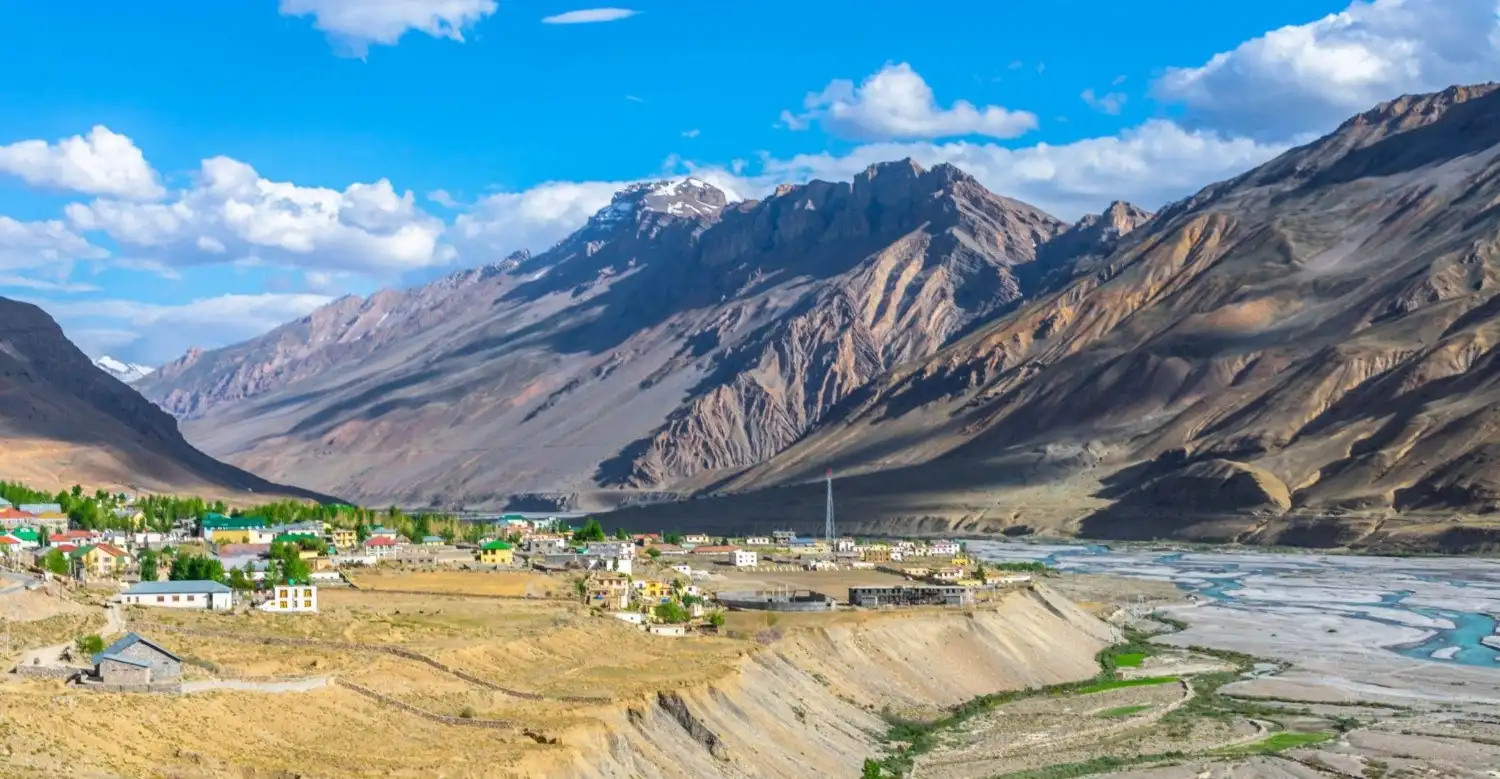
Most people see Spiti Valley through Instagram photos. A monastery standing on a hill. A lake reflecting snow-covered peaks. Empty roads cutting through dramatic mountains.What those photos don’t show are the rough roads, freezing winds, unexpected delays, water crossings, altitude headaches, and moments that test your patience before rewarding you with views you never forget.
My Manali to Spiti Valley journey was exactly like that. It was exciting, exhausting, unpredictable, and easily one of the most memorable road trips I’ve ever done.
If you’re planning the Manali to Spiti Valley route, here’s what the journey actually feels like once you leave Manali behind.
Why Travel from Manali to Spiti Valley?
There are two main ways to enter Spiti Valley. One is through Shimla and the other is through Manali.
Most adventure travelers choose the Manali route because it feels dramatic from the very beginning. Within a single day, you move from green valleys and forests into barren mountains, high-altitude passes, and landscapes that look completely different from the rest of Himachal Pradesh.
For bikers, it’s a dream ride. For photographers, every turn offers a new frame. For travelers, it feels like entering another world.
The catch? The route is challenging. And that’s exactly what makes it memorable.
Who Should Choose the Manali to Spiti Valley Route?
The Manali to Spiti Valley route is ideal for travelers who want the most dramatic introduction to Spiti. Unlike the Shimla route, which gradually gains altitude over several days, the Manali route throws you straight into the adventure.
This route is best suited for:
• Bike Riders looking for challenging roads, river crossings, and high-altitude riding.
• Adventure Travelers who enjoy unpredictable road conditions and remote mountain landscapes.
• Photographers want to capture changing scenery, from green valleys near Manali to the cold desert terrain of Spiti.
• Road Trip Enthusiasts who prefer the thrill of the journey as much as the destination itself.
• Travelers Short on Time because the Manali route is generally faster than entering Spiti through Shimla.
However, first-time mountain drivers should be prepared for rough roads, water crossings, and rapid altitude gain. If your priority is easier acclimatization and a more gradual journey, the Shimla route may be a better option.
For travelers seeking adventure, dramatic scenery, and a true Himalayan road trip experience, the Manali to Spiti Valley route remains one of the most rewarding journeys in India.
Upcoming Manali to Spiti Route Trips
 Group Trip
9 Jan (+4)
Group Trip
9 Jan (+4)
Winter Spiti 4×4 Expedition
 Group Trip
26 September
Group Trip
26 September
Spiti Valley Full Circuit Trip
What Travelers Expect vs What Actually Happens
Before starting the trip, I expected a scenic mountain drive with occasional rough patches. Reality was very different.
The road conditions changed constantly. One section felt smooth and comfortable. Ten minutes later, I was riding over loose gravel, avoiding potholes, and slowing down for construction work.
I expected to reach Kaza quickly. Instead, photo stops, tea breaks, rough roads, and changing weather stretched the journey much longer than expected.
I also assumed altitude sickness was something that only affected trekkers. That assumption disappeared after reaching Spiti.
Route Overview
The most common route follows: Manali → Atal Tunnel → Sissu → Gramphu → Chhatru → Batal → Chandratal Diversion → Kunzum Pass → Losar → Kaza
Distance is approximately 200 km and travel time is 8 to 12 hours depending on road conditions and stops. The highest point is Kunzum Pass at around 15,000 ft.
Make sure to fill up fuel in Manali before starting. Once you leave Manali, fuel stations become extremely limited. Before heading out, make sure to go through the Detailed Guide to Spiti so you’re fully prepared for the journey ahead.
Leaving Manali: The Excitement Begins
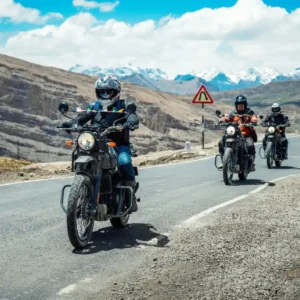
The morning started early. The kind of morning where excitement wakes you up before the alarm does.As we left Manali, everyone seemed energized. Some riders were on Himalayans, others were riding Hunters, Classic 350s, and even larger motorcycles. There was a mix of experienced riders and first-time Spiti travelers. Nobody knew exactly what to expect. Everyone knew it would be an adventure.
The roads were still familiar at this stage. Green mountains surrounded us, tourist traffic was visible, and cafes and hotels lined the route. That familiar scenery would soon disappear.
Atal Tunnel: Entering a Different Landscape
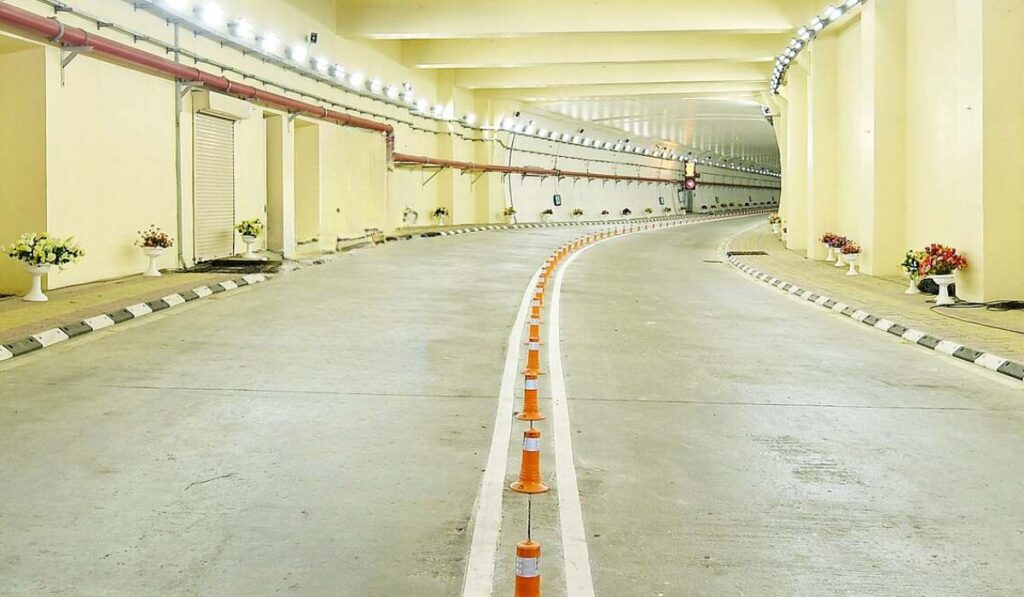
The Atal Tunnel is often described as one of the highlights of the route. And initially, it feels impressive. The road is smooth, the tunnel stretches endlessly ahead, the lighting is modern, and everything feels engineered to perfection.
But after several minutes inside, something interesting happens. You start missing the mountains. There are no valleys, no views, no changing scenery. Just a long road disappearing into artificial light.The moment you exit the tunnel, everything changes. The greenery begins fading, the mountains become more rugged, and the weather feels colder. It genuinely feels like you’ve entered a completely different region.
Sissu: The First Real Stop
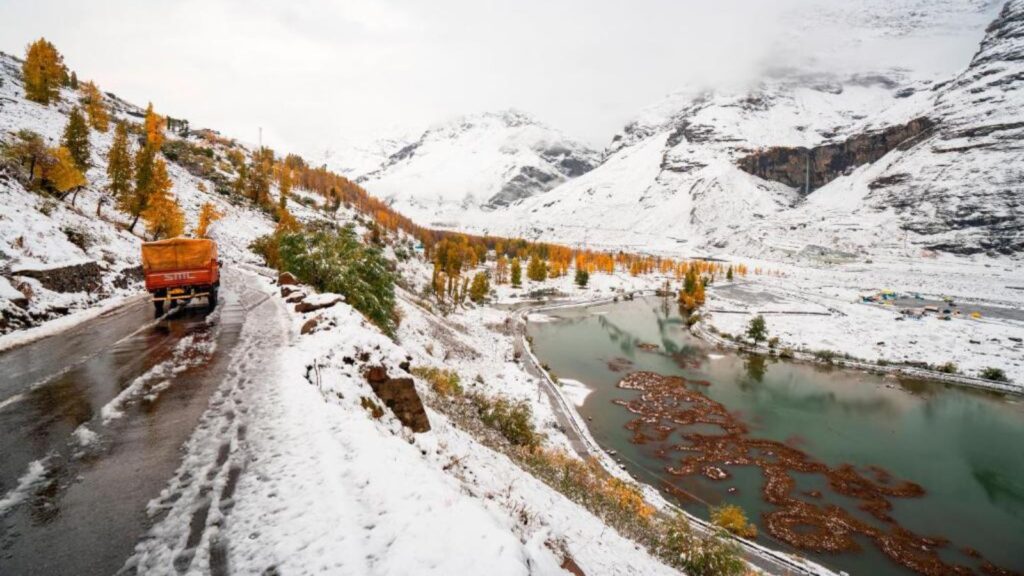
Sissu was the first place that made me stop longer than planned. The waterfall immediately catches your attention. The river below reflects the surrounding mountains and cold winds rush through the valley.
Many travelers stop for photographs here and most end up spending more time than expected.Sissu also marks the beginning of a visible landscape transition. The forests become thinner, the mountains become harsher, and the roads begin preparing you for what’s ahead.
After Sissu: The Adventure Starts
This is where the road starts changing rapidly. Smooth asphalt becomes less common, broken sections appear, gravel stretches become frequent, and road construction is visible in several places.One thing that surprised me was how quickly road conditions could change. A comfortable section would suddenly end, a rough stretch would appear, and then another smooth section would begin.
The constant variation keeps you alert. You can’t switch into cruise mode. The mountains demand your attention.
Chhatru and Batal: More Than Just Stops
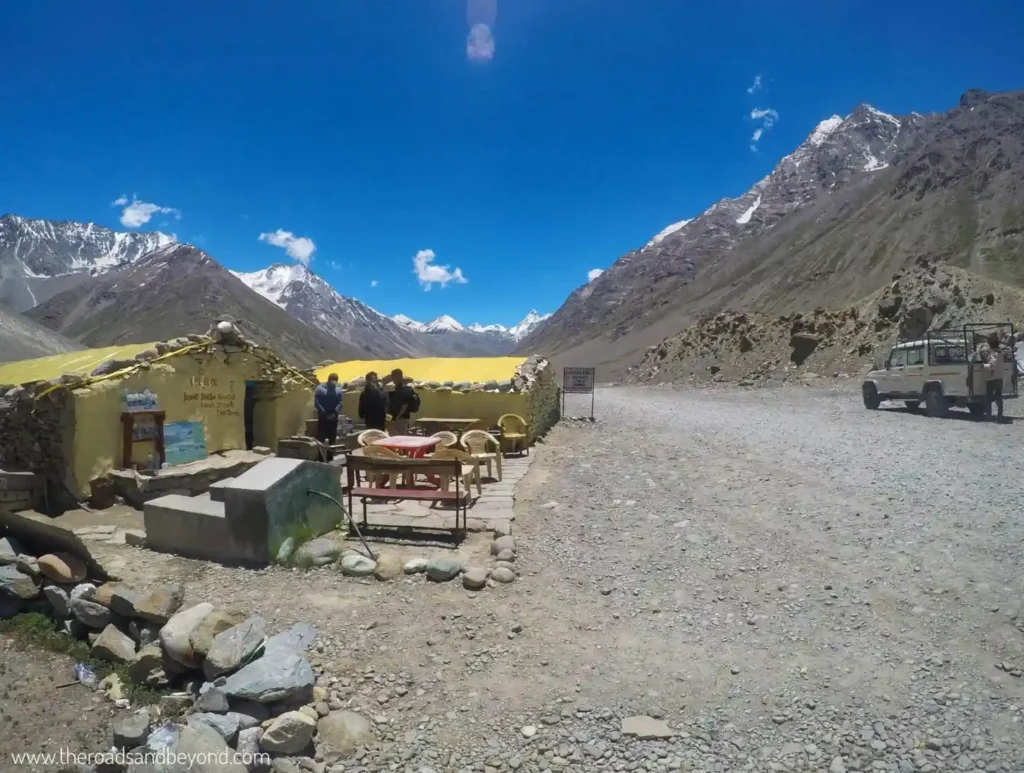
When people talk about Spiti, they usually focus on destinations. But some of the most memorable moments happen at simple roadside stops.Chhatru is one of those places. Most travelers stop for tea, Maggi, or lunch. After hours of riding, even a simple cup of chai feels incredibly satisfying. The conversations are equally memorable. Travelers compare road conditions, drivers share weather updates, and bikers exchange stories about difficult sections. Everyone is heading toward the same mountains.
Batal feels even more remote. The famous dhaba has become a ritual stop for many Spiti travelers. It’s not luxurious and it’s not fancy. But after hours on rough roads, it feels perfect.
Water Crossings: The Part Nobody Talks About Enough
The first water crossing looked manageable from a distance. Then I got closer. The water was flowing faster than expected and rocks were visible beneath the surface. A few vehicles were already moving through cautiously.That was the moment I realized water crossings deserve respect. Most are manageable but timing matters. By afternoon, melting snow often increases water flow and crossings become deeper.
The safest approach is simple. Stay calm, maintain momentum, and don’t rush. The riders who panicked were usually the ones who struggled the most.
Chandratal Diversion
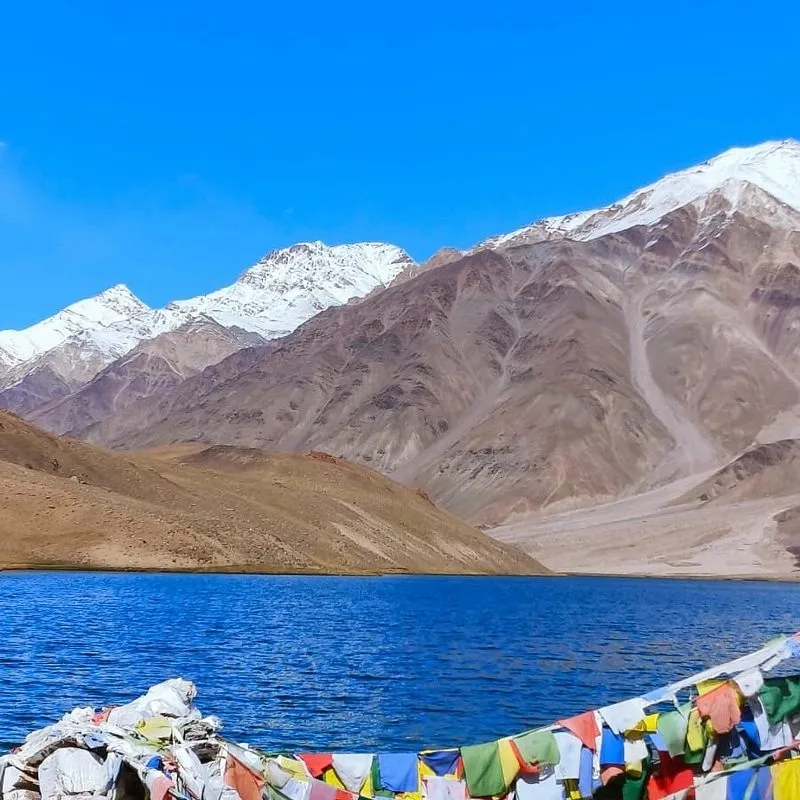
The road toward Chandratal is rough. Very rough. But almost everyone who visits agrees on one thing. It’s worth it.The approach feels remote, the scenery becomes dramatic, and once you reach the campsite area, the atmosphere changes completely. The noise disappears, the mountains dominate the horizon, and everything feels slower.
Chandratal Camping Experience
That evening remains one of the strongest memories from the trip. Temperatures dropped quickly after sunset and the wind became sharper. Everyone gathered around before dinner.Then darkness arrived. And suddenly the sky filled with stars. Without city lights, the Milky Way became visible. Some travelers attempted astrophotography while others simply sat quietly and stared upward.
The silence was remarkable. No traffic, no city sounds. Just mountains and stars.
Kunzum Pass: A Milestone
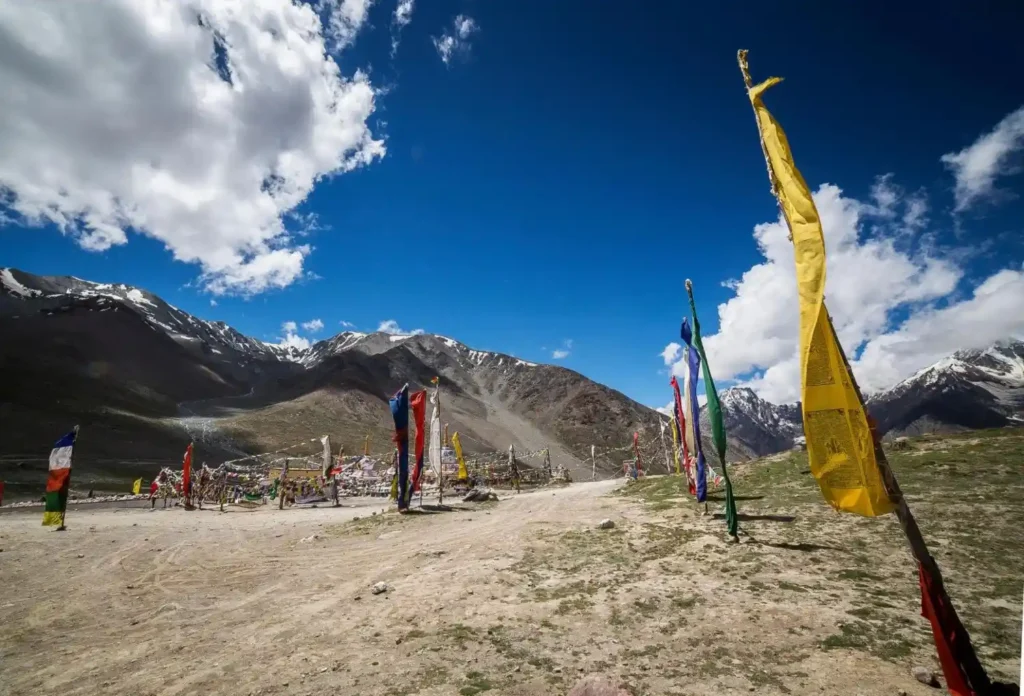
Crossing Kunzum Pass feels significant. Not because it’s difficult, but because it feels symbolic.Prayer flags move constantly in the wind, snow-covered peaks surround the pass, and the air feels thinner. For many travelers, this is the moment they truly feel they’ve entered the high Himalayas.
Nobody seems to rush through Kunzum. People stop, take photographs, walk slowly, and simply absorb the atmosphere.
First Entry Into Spiti Valley

Eventually, the landscape opens up. The valleys become wider, the mountains look different, and the scenery becomes unmistakably Spiti.And then you see the sign. Welcome to Spiti Valley. It’s a small moment. But after months of planning and an entire day on the road, it feels surprisingly emotional. The destination is no longer a dream. You’re finally here.
Final Thoughts
The Manali to Spiti Valley route is not simply about reaching Kaza. It’s about everything that happens before you get there.The rough roads, the tea stops, the water crossings, the freezing nights, the altitude challenges, the conversations with fellow travelers those experiences become just as memorable as the destinations themselves. And that’s what makes this journey special.
By the time you reach Spiti Valley, you don’t just feel like you’ve arrived somewhere. You feel like you’ve earned it.
Frequently Asked Questions
Is the Manali to Spiti Valley route difficult?
The route is moderately challenging. While some sections have smooth roads, others include gravel tracks, broken roads, water crossings, and high-altitude driving. Beginners can complete the journey with careful planning and cautious driving.
How long does it take to travel from Manali to Spiti Valley?
The journey from Manali to Kaza typically takes between 8 and 12 hours depending on road conditions, weather, traffic, and the number of stops you make along the way.
What is the distance between Manali and Kaza?
The distance from Manali to Kaza is approximately 200 kilometers via Atal Tunnel, Kunzum Pass, and Losar.
Which is the highest point on the Manali to Spiti Valley route?
Kunzum Pass is the highest point on the route, located at an elevation of around 15,000 feet above sea level.
Is altitude sickness common on the Manali route?
Yes. Since travelers gain altitude quickly while entering Spiti through Manali, mild symptoms such as headaches, fatigue, and difficulty sleeping are fairly common during the first couple of days.
Can beginners drive on the Manali to Spiti Valley route?
Yes, but beginners should drive carefully. Water crossings, loose gravel, blind turns, and rough stretches require patience and concentration, especially after Gramphu.
Which bike is best for the Manali to Spiti Valley road trip?
Royal Enfield Himalayan, Scram 411, KTM Adventure, and Hero Xpulse are among the most popular choices because they handle rough terrain and high-altitude roads comfortably.
Are fuel stations available on the route?
Fuel stations are limited after leaving Manali. Travelers should start with a full tank and consider carrying extra fuel if they plan to explore remote villages around Spiti.
Is Chandratal worth visiting?
Absolutely. Although the diversion road is rough, Chandratal offers one of the most memorable experiences in the region, especially during sunrise, sunset, and stargazing sessions.
Are water crossings dangerous?
Most water crossings are manageable if approached carefully. The safest time to cross is usually during the morning when water levels are lower due to reduced snowmelt.
Is a mobile network available throughout the journey?
No. Mobile connectivity becomes unreliable after leaving Manali. BSNL and Jio may work in some parts of Spiti, but travelers should not rely on constant network coverage.
What is the best time to travel from Manali to Spiti Valley?
The best time is from June to September when roads are generally open and weather conditions are favorable for road trips and sightseeing.
Is the Manali route better than the Shimla route?
The Manali route is faster and more adventurous, while the Shimla route offers gradual acclimatization and is often considered easier on the body. The best choice depends on your travel style and available time.
Is the route safe for solo travelers?
Yes. Thousands of solo travelers complete this journey every year. Basic precautions, proper planning, and staying informed about weather and road conditions are usually enough for a safe trip.
How many days should I plan for a Spiti Valley trip from Manali?
A minimum of 5–7 days is recommended. This allows enough time for travel, acclimatization, sightseeing around Kaza, and visits to places like Key Monastery, Langza, Hikkim, Komic, and Chandratal.

Abdullah Khan specializes in adventure travel across Spiti Valley and the high-altitude regions of Himachal Pradesh. He writes about road trips, bike expeditions, hidden villages, monasteries, and offbeat Himalayan experiences. His guides focus on route planning, acclimatization, travel safety, and the best experiences across Spiti Valley.