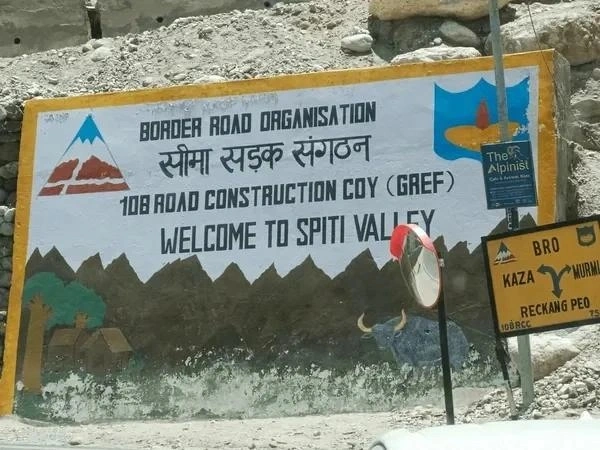
If you’re planning a trip to Spiti Valley, one of the most confusing parts of the preparation is understanding permits. Search online and you’ll find different answers on different websites. Some say permits are compulsory, others claim you don’t need anything at all. The reality lies somewhere in between.
The confusion usually happens because many travelers mix up permits, checkpost registrations, vehicle entry requirements, and Protected Area Permits (PAP) for foreigners. While most Indian travelers can visit Spiti Valley without obtaining a special permit, foreign nationals must follow additional rules due to the region’s proximity to the Indo-Tibetan border.
The route you choose also affects the requirements. Travelers entering via Shimla face different procedures than those entering through Manali. Similarly, those using the Atal Tunnel route may have different documentation requirements compared to travelers crossing Rohtang Pass.
This guide explains everything you need to know about Spiti Valley permit requirements, required documents, checkpost procedures, vehicle registrations, Protected Area Permits, and online registration systems. By the end, you’ll know exactly what paperwork is required for your trip and how to avoid common mistakes that can delay your journey.
Do You Need a Permit for Spiti Valley?
The short answer depends on your nationality.
For Indian Citizens
For most Indian travelers, the answer is simple: No special permit is required for the main Spiti Valley circuit.
You can visit:
- Kaza
- Key Monastery
- Kibber
- Langza
- Hikkim
- Komic
- Dhankar
- Tabo
- Pin Valley
without obtaining an Inner Line Permit. However, this does not mean you can travel without documents. You must carry a valid government-issued photo ID and complete registration at designated checkposts.
Documents Indians Must Carry
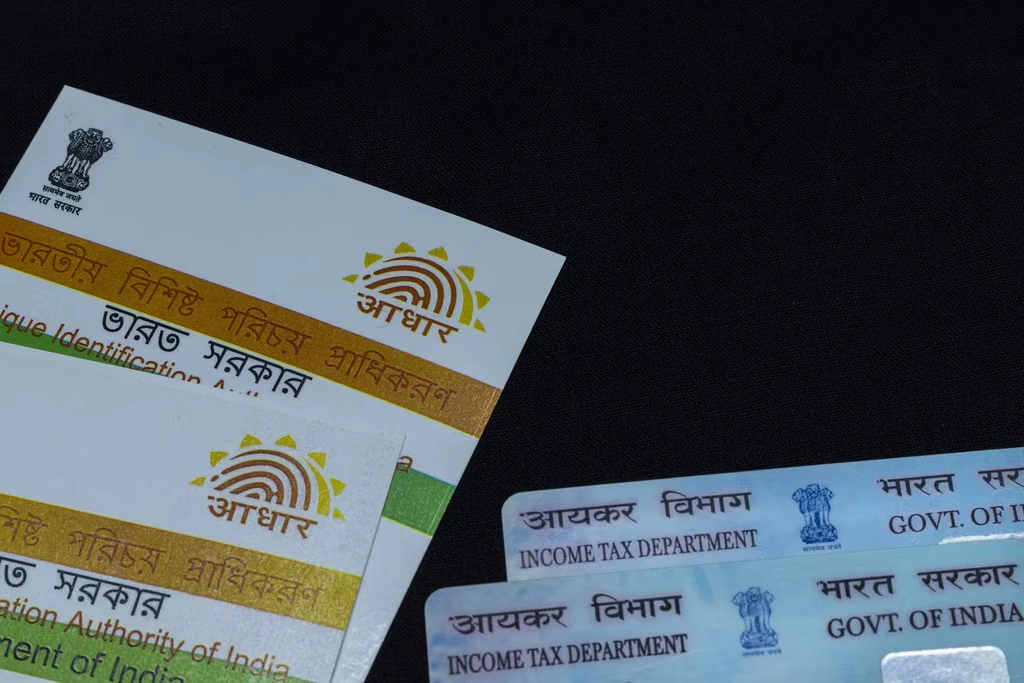
- Aadhaar Card
- Voter ID Card
- Driving License
- Vehicle documents (if driving)
Registration at security checkposts remains mandatory even though no permit is required.
For Foreign Nationals
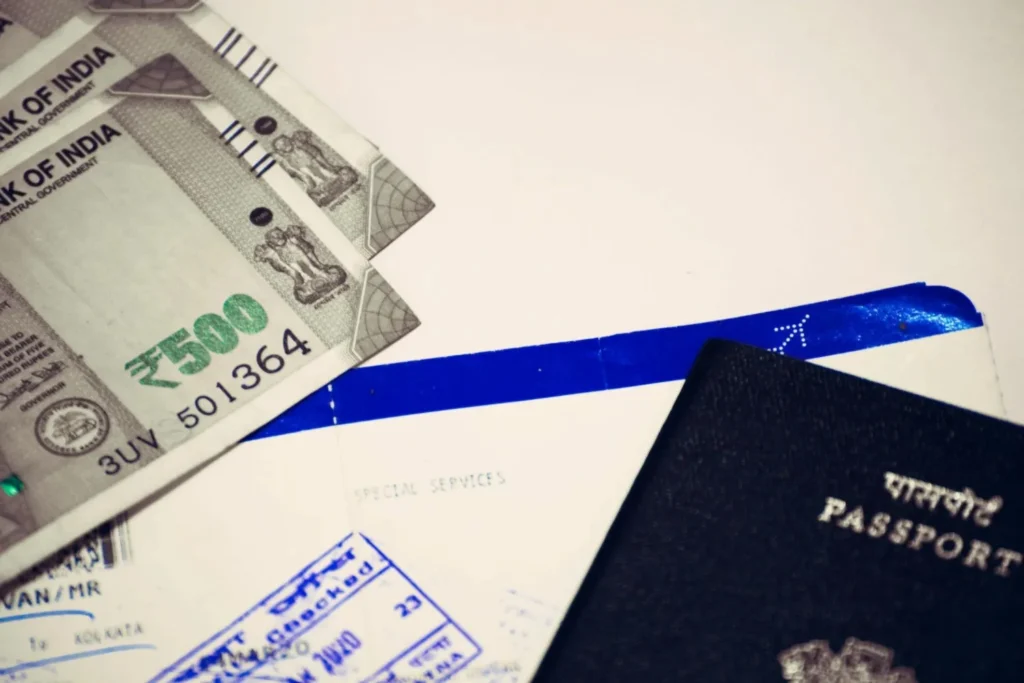
Foreign travelers face different regulations.Because Spiti Valley lies close to the international border, many areas fall under protected zones. Foreign nationals are generally required to obtain a Protected Area Permit (PAP) before visiting these regions.
Additional document verification is conducted at border checkposts and permit requirements vary depending on whether the traveler enters through Shimla or Manali.Foreign visitors should never assume that rules applicable to Indian travelers apply to them.
Spiti Valley Permit Requirements at a Glance
| Traveler Type | Permit Required | Documents Needed | Registration Required | Checkpost Verification |
| Indian Tourist | No | Aadhaar/Voter ID | Yes | Yes |
| Foreign Tourist | PAP Required | Passport, Visa, PAP | Yes | Yes |
| Self-Drive Traveler | Route Dependent | ID + Vehicle Papers | Yes | Yes |
| Bikers | Route Dependent | DL, RC, Insurance, PUC | Yes | Yes |
| Rental Vehicle User | Usually No Permit | ID Proof | Yes | Yes |
Spiti Valley Permit Rules for Indian Nationals
One of the biggest misconceptions about Spiti Valley is that Indians need an Inner Line Permit. For the vast majority of routes and tourist attractions, this is not true.
Areas Indians Can Visit Without a Permit
Indian citizens can freely explore:
- Kaza
- Key Monastery
- Kibber
- Langza
- Hikkim
- Komic
- Tabo
- Dhankar
- Pin Valley
- Mud Village
No special government permit is required for these locations. The only requirement is carrying valid identification and registering at security checkpoints.
Traveling Through the Kinnaur Route
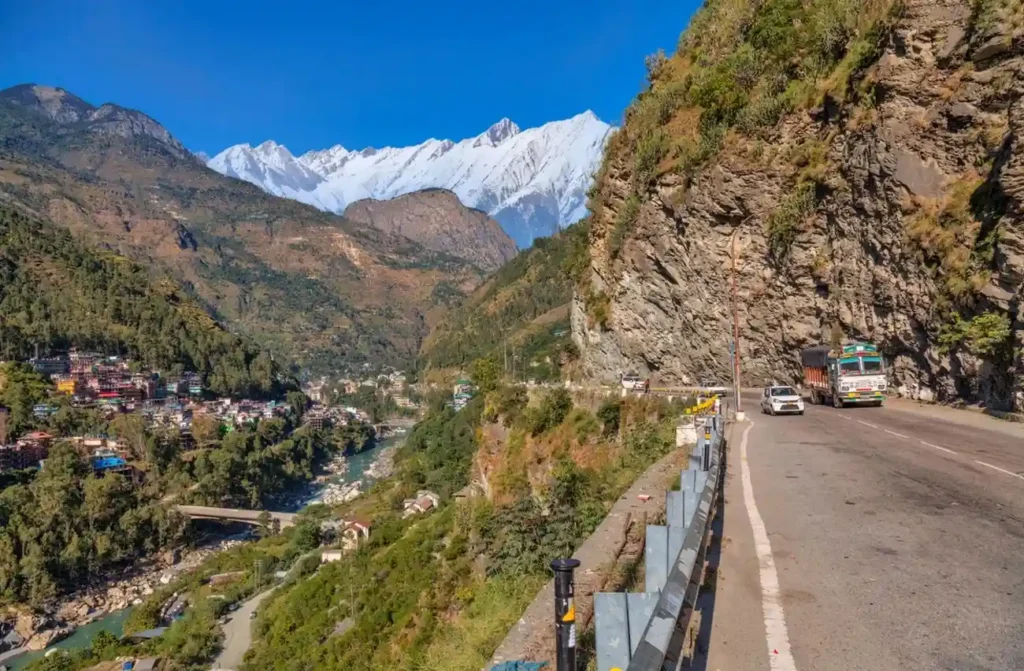
Route
Delhi → Shimla → Reckong Peo → Nako → Tabo → Kaza
This is one of the most popular routes into Spiti Valley. The route passes through Kinnaur district before entering Spiti.
Do Indians Need a Permit Here?
No.Indian citizens do not need a formal Inner Line Permit while traveling on the main highway through Kinnaur. However, registration is mandatory at Jangi Checkpost.
Officials record:
- Traveler names
- Vehicle number
- Number of passengers
- Travel direction
This is done primarily for security and safety purposes.
Why Registration Matters
Many travelers mistakenly skip registration or treat it casually. In remote Himalayan regions, these records help authorities track movement during landslides, road closures, accidents, or rescue operations.
Border Villages & Restricted Areas
Certain villages near the international border have additional monitoring.
Gue Village
Famous for the naturally preserved mummy discovered in the village monastery.Indian visitors can usually enter without permits but may be required to register at nearby security checkpoints.
Kaurik
Located close to the Indo-Tibetan border. Access rules can change depending on security conditions. Always confirm local regulations before visiting.
Sumdo Region
Sumdo serves as one of the key entry points into Spiti Valley. Travelers must register their details before proceeding further into the valley.
Photography Restrictions
Visitors should remember that:
- Photography near military camps is prohibited.
- Border infrastructure should not be photographed.
- Army installations must not be recorded without permission.
Ignoring these rules can lead to questioning by security personnel.
Pin Valley National Park Rules
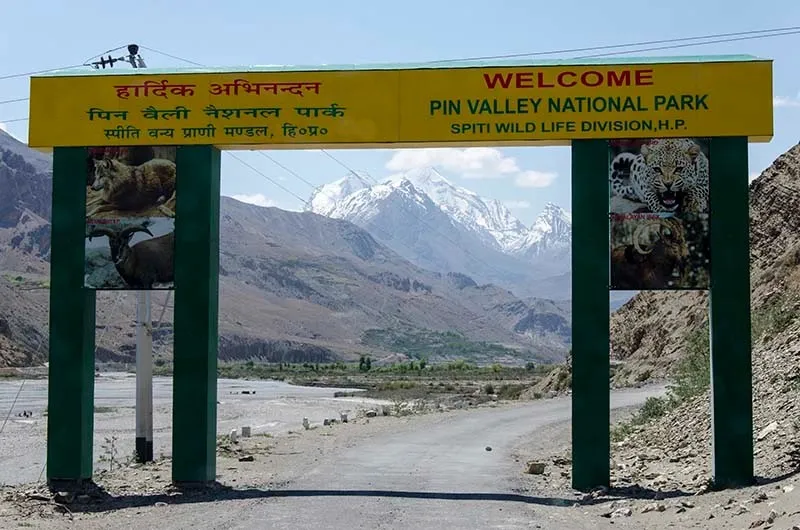
Pin Valley is one of the most beautiful parts of Spiti Valley. Most tourists visit Mud Village and nearby sightseeing areas without needing permits.
Sightseeing
No permit is generally required for:
- Mud Village
- Pin Valley villages
- Scenic viewpoints
Trekking & Camping
Additional permissions may be required for:
- Snow Leopard tracking
- High-altitude camping
- Wildlife research activities
- Pin-Parvati Pass Trek
Forest and conservation fees may also apply depending on the activity.
Spiti Valley Permit for Foreigners (Protected Area Permit)
For foreign nationals, the most important document is the Protected Area Permit (PAP).The PAP is issued because parts of Spiti Valley fall within protected border regions.Without a valid PAP, foreign travelers may be denied access at security checkpoints.
Why Is PAP Required?
The permit allows authorities to:
- Monitor movement in border-sensitive regions.
- Maintain security records.
- Regulate foreign travel near the international border.
Validity
Typically, PAP validity depends on the approved travel itinerary and duration. Travelers staying longer than the approved period may need an extension from local authorities.
Areas Covered
The permit generally applies to protected areas within Kinnaur and Spiti districts.Foreign travelers should always carry copies of the PAP during the trip.
Can Foreigners Visit Spiti Without PAP?
In most cases, no.
Traveling without a PAP can result in:
- Entry denial at checkposts
- Restricted movement
- Delays in accommodation check-ins
- Requirement to return to the nearest permit office
This is especially important for travelers entering via the Shimla side. Foreign visitors should secure the required permit before starting the protected section of the journey.
Can Foreigners Get PAP in Kaza?
This is one of the most frequently asked questions by international travelers visiting Spiti Valley. The answer is yes, but it depends on the route you use.
If Entering Through Manali
Foreign nationals entering Spiti Valley through the Manali route can usually reach Kaza first and then apply for a Protected Area Permit (PAP) at the ADM Office in Kaza. However, until the permit is approved, access to certain villages and protected areas may be restricted. Some hotels and guesthouses may also ask for permit details during check-in.
Important Tip
Do not assume that reaching Kaza automatically allows unrestricted travel throughout Spiti. Keep permit processing time in mind while planning your itinerary.
If Entering Through Shimla
The rules are stricter for travelers entering through the Shimla–Kinnaur route. Foreign nationals should obtain the PAP before crossing major border checkpoints.
Applications are generally processed through:
- Reckong Peo DC Office
- Shimla SDM Office
Without a valid PAP, travelers may be denied entry at security checkpoints.
Documents Required for Foreigners
Foreign nationals should prepare all documents before reaching permit offices.
Passport
Carry the original passport along with multiple photocopies. The passport serves as the primary identification document throughout the trip.
Valid Indian Visa
Your visa should remain valid for the entire duration of your Spiti Valley journey. Carry photocopies in addition to the original document.
Passport-Size Photographs
Recent passport-size photographs are often required for permit processing.
Carry at least 4–6 copies.
Travel Itinerary
Authorities may request:
- Entry route
- Exit route
- Travel dates
- Places being visited
A clear itinerary often speeds up the application process.
Accommodation Details
Keep information about:
- Hotels
- Homestays
- Guesthouses
This may be requested during verification.
Permit Application Form
The permit office will provide the necessary application form. Fill it carefully and double-check all details before submission.
Sponsorship Letter
In some situations, travelers may require a sponsorship or supporting letter from a registered travel agency. Always verify current requirements before applying.
How to Apply for Spiti Valley Permit
Permit procedures differ for Indian and foreign travelers. While Indians mostly need registrations, foreign nationals often require formal permits.
Online Application Process
e-Aagman Portal
The Himachal Pradesh e-Aagman Portal has become an important registration system for many travelers entering Lahaul and Spiti regions.
Who Should Register?
- Self-drive travelers
- Car travelers
- SUV owners
- Motorcycle riders
- Travelers entering via Atal Tunnel
- Visitors heading towards Chandratal and Spiti
Information Required
The portal generally requires:
- Applicant name
- Mobile number
- Vehicle details
- Registration number
- Travel date
- Return date
- Number of travelers
- Emergency contact details
QR Code Generation
After successful registration, a QR code is generated. This QR code may be checked at designated entry points.
Best Time to Register
Complete registration at least:
- 24–48 hours before arrival
Do not wait until reaching remote areas because network connectivity is unreliable.
Validity
The registration is generally linked to selected travel dates. If plans change significantly, travelers may need to update or regenerate their registration.
Common Mistakes Travelers Make
- Registering at the last moment
- Entering incorrect vehicle details
- Wrong travel dates
- Forgetting to save the QR code
- Relying only on internet access
Always save:
- Screenshots
- PDF copies
- Printed copies
Offline Permit Application
Some permit procedures still require physical visits to government offices.
Reckong Peo DC Office
One of the most common permit offices for travelers entering through Shimla.
Usually Required
- Passport
- Visa
- Photographs
- Application form
Processing Time
Typically processed during office hours, though timing may vary.
Kaza ADM Office
Foreign travelers entering through Manali often complete PAP formalities here.
Office Hours
Usually government working hours. Reaching early in the morning can reduce waiting time.
Shimla SDM Office
A popular option for travelers who prefer obtaining permits before beginning the journey. Applications are generally processed after document verification.
Kullu Administration Office
Travelers approaching from Manali may also be directed to administrative offices in Kullu depending on current regulations. Always verify the latest procedure before departure.
Rohtang Pass Permit vs Spiti Valley Permit
Many travelers think these are the same thing.They are not.
What Is a Rohtang Pass Permit?
A Rohtang Pass Permit is associated with vehicle movement through Rohtang Pass from Manali. Its purpose is to regulate traffic and environmental impact.
What Is a Spiti Valley Permit?
Spiti permit requirements relate to:
- Protected Area Permits
- Checkpost registrations
- Border-area regulations
These are separate from Rohtang permits.
Why Travelers Get Confused
Most visitors enter Spiti from Manali. Since Rohtang lies on the route, many assume the Rohtang permit itself is a Spiti permit. That is incorrect.
When Is Rohtang Permit Required?
Generally when crossing Rohtang Pass through the traditional route.
Atal Tunnel Advantage
The Atal Tunnel has simplified travel significantly.
Travelers using the tunnel:
- Save several hours
- Avoid Rohtang traffic
- Usually do not require Rohtang permits
The Atal Tunnel has simplified travel significantly. Travelers using the tunnel save several hours, avoid Rohtang traffic, and usually do not require Rohtang permits. For a full breakdown of distances, road conditions, and key stops on this route, refer to the Manali to Spiti Valley Route guide before planning your journey.
Essential Documents Required for Every Traveler
Whether you are Indian or foreign, these documents should always be carried.
Personal Documents
Indian Travelers
- Aadhaar Card
- Voter ID
- Driving License
Foreign Travelers
- Passport
- Visa
- PAP (if required)
Keep both digital and printed copies.
Vehicle Documents
For self-drive travelers:
- Driving License
- Registration Certificate (RC)
- Insurance
- Pollution Under Control (PUC) Certificate
Vehicle documents are checked frequently.
For Bikers
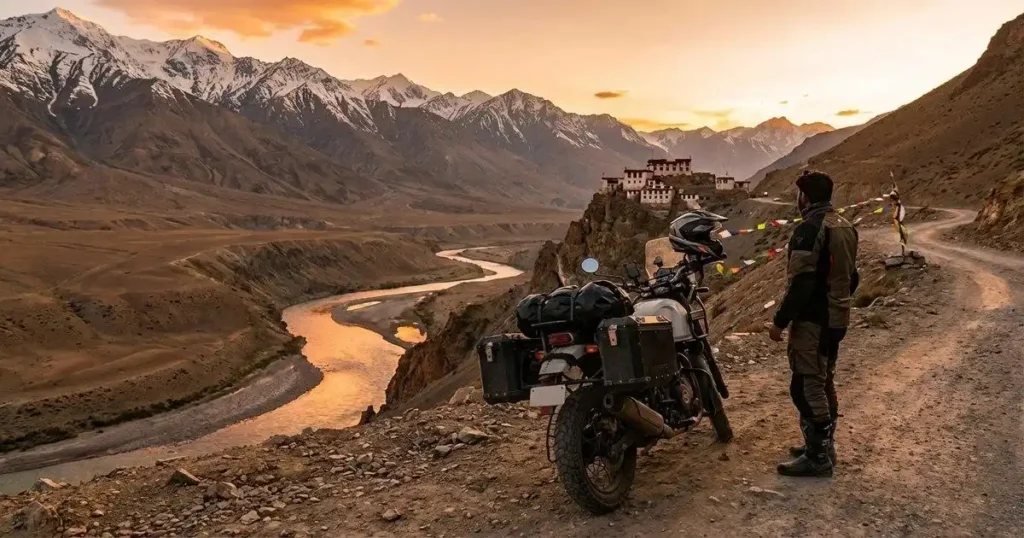
Motorcycle travelers should carry:
- Original Driving License
- RC Certificate
- Insurance
- PUC Certificate
Engine Number Verification
Officials may verify engine numbers during inspections.
Chassis Number Verification
Chassis numbers can also be cross-checked against registration records.
Helmet Rules
A proper full-face helmet is strongly recommended.
Safety Requirements
- Riding jacket
- Gloves
- Knee guards
- Waterproof luggage
These items make high-altitude riding safer.
Spiti Valley Entry Costs & Fees
Travel-related charges may include:
PAP Processing Charges
Applicable to foreign travelers.
Environmental Fees
Collected in certain regions for ecological maintenance.
Wildlife Fees
Applicable for certain activities in protected areas.
Vehicle Charges
Depending on regulations and route.
Registration Charges
Some systems may require nominal administrative fees. Since rules change frequently, always verify current charges before traveling.
Important Checkposts on the Spiti Route
Shimla Route
Jangi Checkpost
One of the most important checkpoints.
Officials verify:
- Identity documents
- Vehicle details
- Registration records
Sumdo Checkpost
Major entry point into Spiti Valley. All travelers are required to register.
Kaza Checkpost
May verify travel records and permit-related documentation.
Manali Route
Atal Tunnel Entry
Vehicle registrations may be verified.
Koksar Checkpost
Important entry point into Lahaul. Travelers may be asked for identification.
Losar Checkpost
Primary checkpoint before entering central Spiti.
Officials may verify:
- IDs
- Vehicle documents
- PAP documents (for foreigners)
Common Permit Mistakes First-Time Travelers Make
Confusing Rohtang Permit with Spiti Permit
These are different permissions. Understand which one applies to your route.
Arriving Without Photocopies
Remote checkpoints may not provide photocopy facilities. Carry multiple copies.
Ignoring Checkpost Registration
Skipping registration can create problems later. Always register when instructed.
Missing PAP Requirements
Foreign travelers should verify PAP rules before arrival.
Assuming Digital Copies Are Enough
Internet connectivity is unreliable. Carry physical copies.
Reaching Offices on Holidays
Government offices remain closed on Sundays and public holidays. Plan accordingly.
Not Registering on e-Aagman Portal
Last-minute registration can cause delays. Complete the process before reaching remote areas.
Practical Travel Tips
- Carry at least 5 photocopies of important documents.
- Save digital backups on your phone.
- Download offline maps.
- Check weather reports regularly.
- Verify permit rules before departure.
- Carry emergency contact numbers.
- Start permit processes early during peak season.
- Keep fuel levels high in remote regions.
- Carry extra passport photographs.
- Save copies of hotel bookings.
Want a Hassle-Free Spiti Valley Trip?
Planning a Spiti Valley trip on your own can be exciting, but it also comes with a long list of responsibilities. From understanding route-specific regulations and completing registrations to managing accommodation bookings, road conditions, and daily logistics, there is a lot to keep track of before the journey even begins.
If you would rather focus on the experience instead of paperwork and planning, TripGuruGo can help simplify the process. Our team assists travelers with trip planning, route guidance, stay arrangements, transportation, and the latest travel requirements so you can spend less time worrying about logistics and more time enjoying the journey.
Whether you’re planning your first Spiti road trip or returning to explore new corners of the valley, having local support can make the experience smoother, especially in a destination where weather, road conditions, and travel regulations can change quickly.
With the planning taken care of, all that’s left for you to do is enjoy the monasteries, mountain roads, remote villages, and unforgettable landscapes that make Spiti Valley so special.
Conclusion
Understanding Spiti Valley permit requirements becomes much easier once you know which rules apply to your route and nationality.Indian travelers can usually explore the main Spiti circuit without obtaining special permits, though registrations at checkposts remain important. Foreign nationals, on the other hand, should pay close attention to Protected Area Permit requirements and carry all necessary documents.
Whether you are entering through Shimla or Manali, proper preparation can save hours of confusion during the journey. Keep your identity proof, vehicle documents, permit copies, and registration details ready at all times.With the paperwork sorted, you can focus on what really matters enjoying the monasteries, mountain roads, remote villages, and unforgettable landscapes that make Spiti Valley one of the most rewarding road-trip destinations in the Himalayas.
Frequently Asked Questions
Do Indians need a permit for Spiti Valley?
No. Indian citizens generally do not require a permit for the main Spiti Valley circuit.
Is Inner Line Permit required for Indians?
No, not for regular tourist destinations in Spiti Valley.
Do foreigners need PAP?
Yes, foreign nationals generally require a Protected Area Permit.
Can foreigners get PAP in Kaza?
Yes, travelers entering through Manali can often apply in Kaza depending on current regulations.
Is e-Aagman registration mandatory?
Vehicle registration requirements should be checked before travel as regulations may change.
Is Rohtang Permit required for Kaza?
Not if you are traveling via the Atal Tunnel route.
Can I travel to Spiti without permits?
Indian travelers usually can, but foreign travelers may require PAP.
What documents should bikers carry?
Driving License, RC, Insurance, PUC, and identity proof.
Which route is best for first-time visitors?
The Shimla route is generally recommended because the gradual altitude gain helps with acclimatization.

Abdullah Khan specializes in adventure travel across Spiti Valley and the high-altitude regions of Himachal Pradesh. He writes about road trips, bike expeditions, hidden villages, monasteries, and offbeat Himalayan experiences. His guides focus on route planning, acclimatization, travel safety, and the best experiences across Spiti Valley.