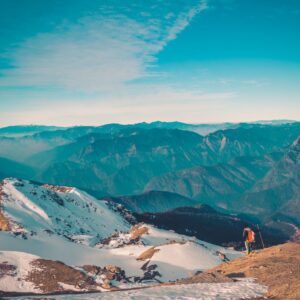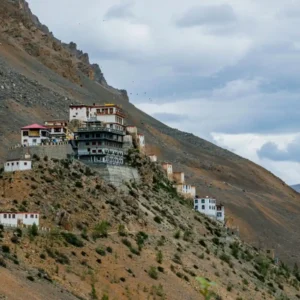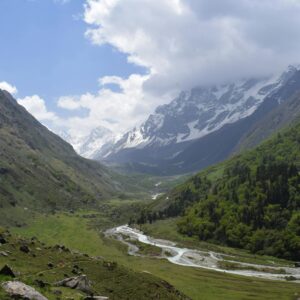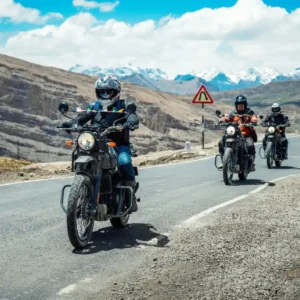
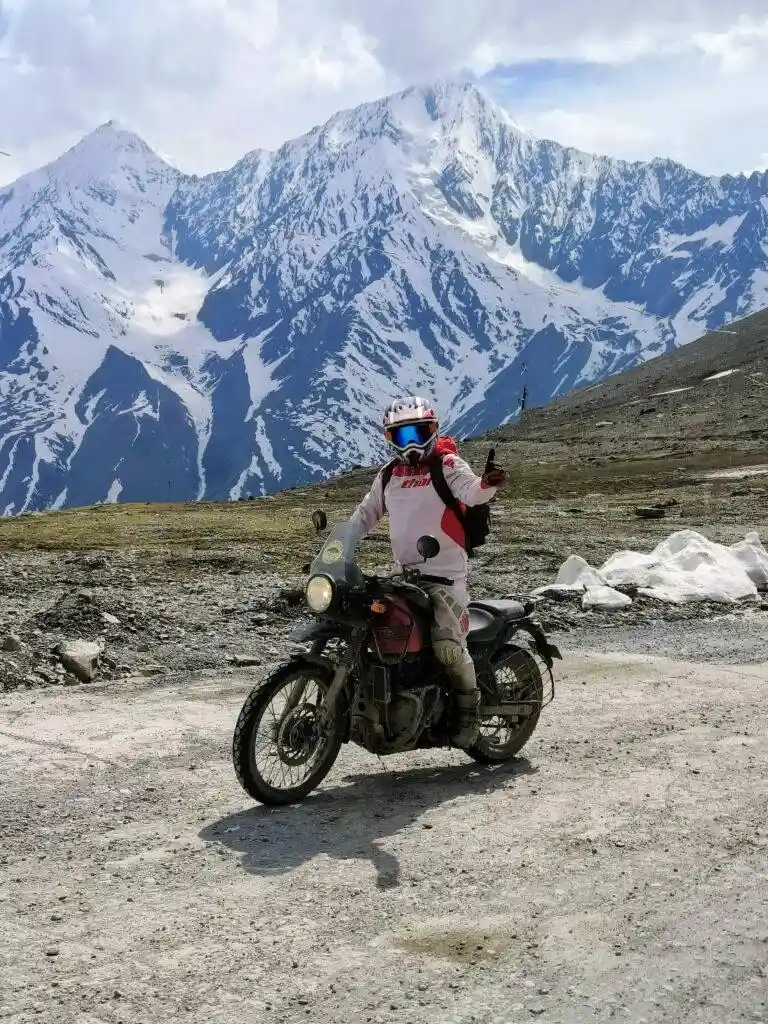
Planning a Spiti bike trip is exciting, but choosing the right month can make or break your adventure. Unlike a regular road trip, riding a motorcycle through Spiti Valley means dealing with high mountain passes, changing weather, river crossings, rough roads, and unpredictable road closures. A beautiful sunny morning can quickly turn into rain, snowfall, or icy winds, especially at elevations above 14,000 feet.
Many travel blogs simply recommend visiting between June and September, but that doesn’t tell the whole story. Riding in June feels very different from riding in September, even though both are considered part of the riding season. Water crossings are stronger in early summer, monsoon affects the approach roads in July and August, while September offers clearer skies and more stable conditions.
This guide explains the best time for a Spiti bike trip in 2026, covering each month in detail. You’ll learn about road conditions, weather, the best route, riding difficulty, permits, ideal trip duration, and practical tips to help you plan a safer and more enjoyable journey.
Whether you’re a first-time rider, a solo traveler, or planning an adventure with friends, this guide will help you choose the right season for your Spiti Valley bike trip.
What Is the Best Time for a Spiti Bike Trip?
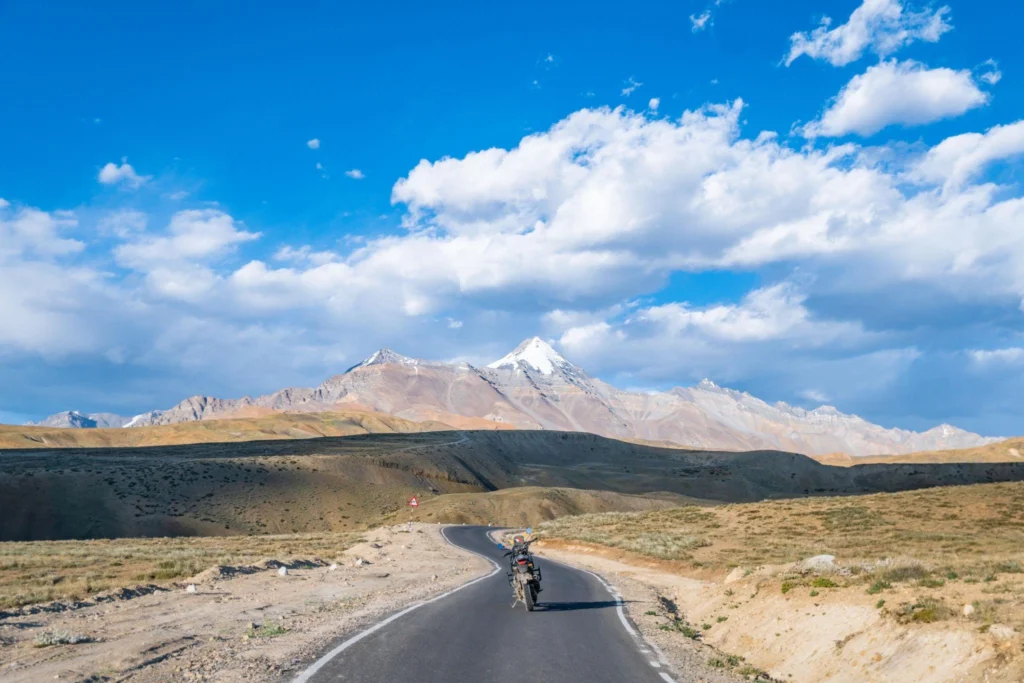
If you’re looking for the best overall experience, September is the ideal month for a Spiti bike trip. The roads are generally stable, the weather is pleasant during the day, water crossings are calmer, and the skies are crystal clear for mountain views and photography.
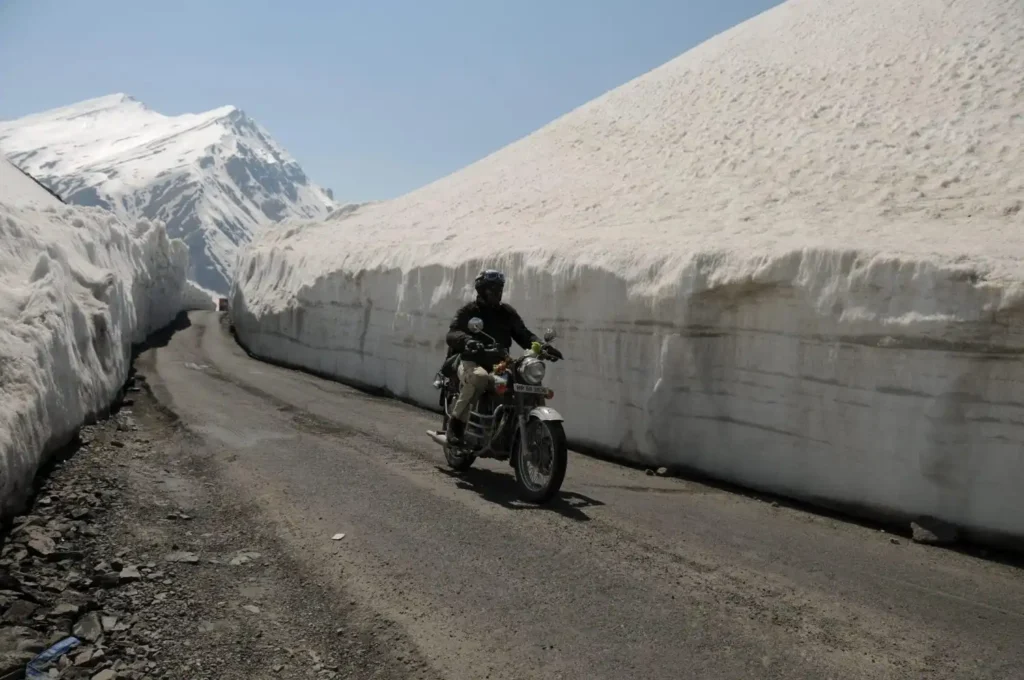
For riders who love snow-covered landscapes, late June offers towering snow walls near Kunzum Pass and Chandratal. If you’re a beginner, avoid July and August due to monsoon-related landslides and stronger water crossings. October can also be rewarding, but snowfall may close Kunzum Pass without much notice.
Quick Summary
| Category | Best Month |
| Overall Best Time | September |
| Best for Beginners | September |
| Best for Snow Views | Late June |
| Best for Photography | September |
| Best Budget Month | Early October |
| Months to Avoid (Beginners) | July & August |
Spiti Bike Trip Season at a Glance
| Month | Weather | Road Status | Riding Difficulty | Recommendation |
| May | Cold | Partial Opening | High | Only experienced riders |
| June | Pleasant & Cold | Opens gradually | Moderate | Excellent |
| July | Mild with Rain on Approach Roads | Open | High | Experienced riders |
| August | Rainy Approach Roads | Open | High | Avoid if possible |
| September | Pleasant | Fully Open | Easy to Moderate | Best Month |
| October | Cold | May close after mid-month | Moderate to High | Experienced riders |
Why Choosing the Right Month Matters
A Spiti bike trip isn’t just about reaching your destination. The month you choose directly affects your safety, riding comfort, budget, and overall experience.
Unlike cars, motorcycles are completely exposed to changing weather. Strong winds, freezing mornings, heavy rain, or icy roads can quickly turn an enjoyable ride into a challenging one. Even experienced riders find some sections difficult when weather conditions change unexpectedly.
Here are the main reasons why timing matters:
Road Openings
The famous Manali–Kaza route remains closed during winter because of heavy snowfall. It usually opens around mid to late June after the Border Roads Organisation (BRO) clears Kunzum Pass. If you arrive too early, you may have to return via the same route.
Water Crossings
Glacier-fed streams become stronger as temperatures rise during the day. In June, July, and August, some crossings near Batal and Gramphu become difficult by afternoon. Starting early in the morning reduces the risk.
Weather Conditions
Weather changes quickly in Spiti Valley. A clear morning can become cloudy, windy, or snowy within a few hours. Choosing the right month improves both safety and riding comfort.
Landslides
Although Spiti itself receives very little rainfall, the roads leading to the valley through Kinnaur and Manali experience monsoon showers during July and August. Landslides and temporary road closures are common during this period.
High Altitude
Most of Spiti lies above 12,000 feet. Riding directly from Manali to Kaza without proper acclimatization increases the risk of Acute Mountain Sickness (AMS). Choosing the right route and allowing enough travel days can make a significant difference.
Rider Fatigue
Riding on broken mountain roads for long hours is physically demanding. Rough surfaces, river crossings, and changing weather require more concentration than highway riding. Selecting the right season reduces fatigue and makes the journey more enjoyable.
Expert Tip: If this is your first Himalayan motorcycle expedition, enter Spiti through Shimla and exit via Manali. The gradual increase in altitude helps your body acclimatize better and reduces the chances of AMS.
Spiti Bike Riding Seasons Explained
Summer (Late May to June)
Summer marks the beginning of the riding season. Snow starts melting, Kunzum Pass gradually opens, and road repair work continues across several sections.
Pros
- Snow-covered mountains
- Fresh landscapes
- Lower tourist crowds
- Great photography opportunities
- Pleasant daytime weather
Cons
- Active water crossings
- Some roads still under repair
- Cold mornings
- Occasional temporary road closures
Best for: Riders looking for snow and adventure.
Monsoon (July to August)
Although Spiti remains in a rain-shadow region, the roads through Manali and Kinnaur receive rainfall. This increases the chances of landslides, muddy roads, and delayed travel.
Pros
- Green valleys on the approach routes
- Fewer tourists than peak weekends
- Comfortable daytime temperatures
Cons
- Landslides
- Strong river crossings
- Slippery roads
- Delays due to weather
Best for: Experienced riders with flexible schedules.
Autumn (September to October)
Autumn is widely considered the best season for a Spiti bike trip. Rainfall reduces, skies become clearer, and road conditions improve significantly.
Pros
- Stable roads
- Crystal-clear mountain views
- Calm water crossings
- Pleasant riding conditions
- Less traffic
Cons
- Colder nights
- Shorter daylight hours
- Early snowfall possible in October
Best for: Almost everyone, including first-time riders.
Spiti Bike Trip in May
May marks the transition between winter and summer, but it’s still too early for most riders planning a complete Spiti circuit.
The Shimla–Kinnaur route generally remains open, allowing travelers to reach destinations like Kalpa, Nako, and Tabo. However, the Manali–Kaza route is usually closed because Kunzum Pass remains buried under snow.
The weather is cold, especially during mornings and nights. Higher sections continue to experience snowfall, and road-clearing work is still underway. Accommodation options near Chandratal may also remain unavailable.
Temperature
- Day: 8°C to 16°C
- Night: -4°C to 2°C
Pros
- Very few tourists
- Snow-covered landscapes
- Peaceful villages
- Excellent mountain views
Cons
- Manali route mostly closed
- Chandratal inaccessible
- Limited facilities
- Cold weather
Who Should Visit?
Experienced riders with flexible travel plans.
Expert Tip: Avoid booking a fixed return ticket in May, as road openings depend entirely on snowfall and BRO clearance.
Spiti Bike Trip in June
June is one of the most exciting months for motorcycle enthusiasts. As snow melts, Kunzum Pass gradually opens, making it possible to complete the full Spiti circuit.
Early June can still be unpredictable, but by the middle or end of the month, most roads become accessible. Riders are rewarded with towering snow walls near Kunzum Pass, spectacular mountain scenery, and refreshing weather.
One thing to remember is that glacier-fed streams become stronger later in the day. Crossing them during the morning is much safer than attempting them in the afternoon.
Temperature
- Day: 12°C to 22°C
- Night: 2°C to 8°C
Pros
- Snow walls along the roads
- Scenic mountain landscapes
- Pleasant daytime weather
- Full circuit usually opens by mid to late June
- Fewer crowds compared to peak season
Cons
- Cold mornings
- Active water crossings
- Some roads remain rough after winter
- Road work may still be in progress
Who Should Visit?
Intermediate and experienced riders looking for a balance of adventure and scenery.
Pro Tip: Leave early each morning, especially on the Manali–Kaza stretch. River crossings are significantly easier before noon.
Spiti Bike Trip in July
By July, both the Shimla-Kaza and Manali-Kaza routes are generally open, making it one of the busiest months for Spiti bike trips. Most hotels, campsites, cafés, and fuel stations are fully operational, so finding accommodation and food is much easier than in June.
However, July also marks the beginning of the monsoon in Himachal Pradesh. While Spiti Valley itself receives very little rainfall because it lies in a rain-shadow region, the approach roads through Kinnaur and Manali often experience heavy rain. Landslides, falling rocks, muddy stretches, and traffic delays become common on these routes.
Water crossings are another major challenge during July. As glaciers melt faster in warmer temperatures, streams become deeper by afternoon. Riders who start early in the morning usually have a much easier experience than those crossing after noon.
Temperature
- Day: 15°C to 24°C
- Night: 6°C to 10°C
Pros
- Complete Spiti circuit is usually open
- Pleasant daytime temperatures
- All tourist facilities remain operational
- Green landscapes on the approach roads
- Long daylight hours
Cons
- Monsoon affects Kinnaur and Manali roads
- Landslide risk increases
- Strong water crossings
- Slippery roads in some sections
- Heavy tourist traffic during weekends
Who Should Visit?
July is suitable for experienced riders who are comfortable riding on mountain roads during the rainy season.
Expert Tip: Cross major water crossings before 10 AM whenever possible. The water level usually increases significantly by afternoon.
Spiti Bike Trip in August
August offers beautiful landscapes, pleasant temperatures, and fewer crowds during weekdays, but it is also considered one of the most unpredictable months for a Spiti bike trip.
The valley itself remains relatively dry, but reaching Spiti through either Manali or Shimla can become challenging due to heavy rainfall in lower Himachal. Road closures caused by landslides are not unusual, and delays of several hours are common.
If your travel dates are fixed and cannot be changed, always include two or three buffer days in your itinerary. These extra days can help you manage unexpected road closures without missing your return journey.
Riders should carry proper waterproof riding gear, rain covers for luggage, and waterproof bags for electronics.
Temperature
- Day: 14°C to 22°C
- Night: 5°C to 9°C
Pros
- Pleasant riding weather inside Spiti
- Green valleys on approach roads
- Lower accommodation prices in some places
- Less crowded on weekdays
Cons
- Landslides on approach roads
- Frequent traffic delays
- Strong river crossings
- Wet and slippery roads
- Weather changes quickly
Who Should Visit?
Experienced riders with flexible schedules and previous Himalayan riding experience.
Pro Tip: If possible, postpone your trip by three to four weeks and travel in early September instead. You’ll enjoy better road conditions with much less stress.
Spiti Bike Trip in September (Best Overall Month)
If someone asks experienced riders about the best time for a Spiti bike trip, most will recommend September.
The monsoon has almost ended, skies become exceptionally clear, and road conditions improve significantly. Water crossings become much calmer because glacier melting slows down as temperatures decrease. Tourist crowds also reduce after the holiday season, making the journey quieter and more enjoyable.
September offers the perfect balance between pleasant weather, stable roads, excellent visibility, and comfortable riding conditions. Whether you’re traveling solo, with friends, or as a couple, this month provides the most reliable experience.
Photography enthusiasts also love September because the air is cleaner, mountain peaks appear sharper, and golden autumn colours begin to emerge across the valley.
Temperature
- Day: 12°C to 20°C
- Night: 0°C to 6°C
Pros
- Best road conditions
- Stable weather
- Clear blue skies
- Calm water crossings
- Excellent mountain visibility
- Fewer tourists
- Ideal for photography
Cons
- Nights become colder
- Chandratal camps begin closing toward October
- Warm clothing becomes essential
Who Should Visit?
Everyone, including first-time riders, solo travelers, couples, photographers, and families.
Expert Recommendation: If you’re planning only one Spiti bike trip in your life, choose September.
Spiti Bike Trip in October
October is the final month of the riding season. Early October remains one of the most scenic times to visit, with golden landscapes, crisp mountain air, and very few tourists.
However, temperatures drop rapidly after the first week of October. Fresh snowfall can close Kunzum Pass without much warning, especially during the second half of the month. Chandratal camps also begin shutting down for the winter.
Anyone planning a ride in October should keep a flexible itinerary and monitor the latest road updates before entering the valley.
Temperature
- Day: 8°C to 16°C
- Night: -5°C to 2°C
Pros
- Peaceful roads
- Beautiful autumn colours
- Crystal-clear skies
- Excellent photography
- Less traffic
Cons
- Very cold nights
- Snowfall may block roads
- Chandratal camps close
- Shorter daylight hours
Who Should Visit?
Experienced riders who are comfortable riding in cold weather and have flexible travel plans.
Important Note: Avoid planning a tight return schedule in October. Early snowfall may require returning through the Shimla route.
Which Month Is Best for a Spiti Bike Trip?
| Month | Snow | Road Conditions | Crowds | Photography | Budget | Safety | Recommendation |
| May | ⭐⭐⭐⭐⭐ | ⭐⭐ | ⭐ | ⭐⭐⭐⭐ | ⭐⭐⭐⭐ | ⭐⭐ | Only experienced riders |
| June | ⭐⭐⭐⭐ | ⭐⭐⭐ | ⭐⭐ | ⭐⭐⭐⭐⭐ | ⭐⭐⭐ | ⭐⭐⭐⭐ | Excellent |
| July | ⭐⭐ | ⭐⭐⭐ | ⭐⭐⭐⭐ | ⭐⭐⭐⭐ | ⭐⭐⭐ | ⭐⭐ | Experienced riders |
| August | ⭐⭐ | ⭐⭐ | ⭐⭐⭐ | ⭐⭐⭐ | ⭐⭐⭐⭐ | ⭐⭐ | Not ideal |
| September | ⭐⭐⭐ | ⭐⭐⭐⭐⭐ | ⭐⭐⭐ | ⭐⭐⭐⭐⭐ | ⭐⭐⭐ | ⭐⭐⭐⭐⭐ | ⭐ Best Overall |
| October | ⭐⭐⭐ | ⭐⭐⭐ | ⭐ | ⭐⭐⭐⭐⭐ | ⭐⭐⭐⭐ | ⭐⭐⭐ | Experienced riders |
Best Time by Category
| Category | Best Month |
| Overall Best | September |
| Beginners | September |
| Snow Lovers | Late June |
| Photography | September |
| Budget Travelers | Early October |
| Adventure Riders | June |
| Avoid (Beginners) | July & August |
Road Opening Timeline
The exact opening and closing dates depend on snowfall and road clearance by the Border Roads Organisation (BRO), but the following timeline works as a general guide.
| Route | Expected Opening | Expected Closing |
| Shimla-Kaza | April | November |
| Manali-Kaza | Mid to Late June | Mid October |
| Kunzum Pass | Mid June | Mid October |
| Chandratal Road | Mid June | Early October |
Pro Tip: Always verify the latest road status 48–72 hours before starting your journey.
Which Route Should You Choose?
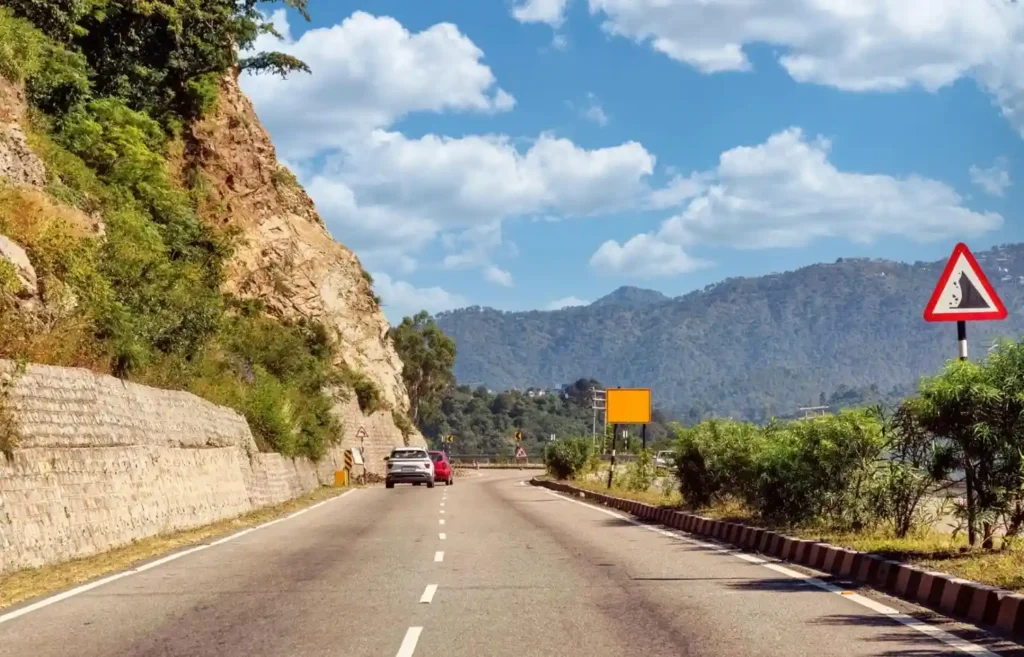
Shimla → Kaza → Manali
This is the most recommended route for first-time riders.
Pros
- Gradual altitude gain
- Lower risk of AMS
- Better acclimatization
- More comfortable ride
- Suitable for beginners
Cons
- Longer journey
- More riding days
Ideal For: First-time riders, couples, solo travelers.
Manali → Kaza → Shimla
This route is shorter but much more demanding.
Pros
- Faster access to Spiti
- Spectacular scenery from the beginning
- Better for experienced riders
Cons
- Rapid altitude gain
- Higher AMS risk
- Tougher roads
Ideal For: Experienced Himalayan riders.
Best Month According to Rider Type
| Rider Type | Recommended Month |
| Beginner | September |
| Solo Rider | September |
| Couple | September |
| Friends Group | June or September |
| Royal Enfield Riders | June to September |
| Experienced Riders | June, July, September |
| Off-road Enthusiasts | June |
| Photographers | September |
| Content Creators | Late June & September |
| Budget Travelers | Early October |
Weather Chart for Spiti Bike Trip (2026)
The weather in Spiti changes significantly from May to October. Choosing the right month depends on whether you prefer snow, comfortable riding conditions, fewer crowds, or photography opportunities.
| Month | Day Temperature | Night Temperature | Rain Chances | Snow Chances | Road Conditions | Riding Difficulty |
| May | 8°C–16°C | -4°C–2°C | Very Low | High | Partial Open | Difficult |
| June | 12°C–22°C | 2°C–8°C | Low | Moderate | Mostly Open | Moderate |
| July | 15°C–24°C | 6°C–10°C | Moderate (Approach Roads) | Low | Open | Moderate to Difficult |
| August | 14°C–22°C | 5°C–9°C | High (Approach Roads) | Very Low | Open | Difficult |
| September | 12°C–20°C | 0°C–6°C | Very Low | Low | Excellent | Easy to Moderate |
| October | 8°C–16°C | -5°C–2°C | Very Low | Moderate | Unpredictable | Moderate |
Expert Tip: September offers the best balance of pleasant weather, stable roads, and excellent visibility.
Road Conditions Explained
Road conditions in Spiti Valley vary depending on the season and the route you choose. Even during peak season, you should expect broken roads, gravel sections, and occasional water crossings.
Broken Roads
The Manali–Kaza route has several rough stretches, especially between Gramphu, Chhatru, Batal, and Kunzum Pass. Although road conditions improve every year, these sections remain challenging for riders.
Loose Gravel
Freshly repaired roads often have loose gravel that reduces tyre grip, especially while cornering. Ride at a controlled speed and avoid sudden braking.
Slush
During June and the monsoon months, melting snow and rainfall create muddy patches on mountain roads. Slush is most common near Batal and Gramphu.
Black Ice
Early mornings in October can bring black ice on shaded sections of the road. Since it is difficult to spot, riders should avoid speeding during cold mornings.
Hairpin Bends
The roads leading to Kunzum Pass, Nako, and Kaza feature several sharp turns. Maintain a safe speed and use engine braking while descending.
River Crossings
The Manali–Kaza road includes multiple glacier-fed streams that must be crossed carefully. Their water level changes throughout the day.
Pro Tip: Stand slightly on the foot pegs while crossing shallow streams. It improves balance and helps absorb unexpected bumps.
Water Crossings on a Spiti Bike Trip
River crossings are one of the biggest challenges on the Manali–Kaza route. They are fed by melting glaciers, which means water levels increase as the day gets warmer.
Safest Months
- Late June
- September
Most Challenging Months
- July
- August
Morning vs Afternoon
Morning crossings are generally much easier because the glaciers have not melted significantly overnight.By afternoon, the same stream may become deeper and flow much faster.Whenever possible, cross major streams before 10 AM.
Safety Tips
- Walk through the stream first if you’re unsure of its depth.
- Maintain steady throttle.
- Avoid sudden braking.
- Ride one bike at a time.
- Wait if water reaches above knee height.
- Follow experienced local riders if available.
Expert Advice: Never attempt to cross a fast-flowing stream simply because another rider managed to do it. Water conditions change every hour.
How Many Days Should You Plan for a Spiti Bike Trip?
A Spiti bike trip is not something you should rush. Long riding hours, high altitude, and unpredictable road conditions require a well-planned itinerary.
Minimum Days Required
| Starting Point | Minimum Days |
| Delhi | 9–10 Days |
| Chandigarh | 8–9 Days |
| Manali | 6–7 Days |
Ideal Trip Duration
7 Days
Suitable for riders starting from Manali.You’ll cover the major attractions but may have to skip a few villages or sightseeing stops.
9 Days
This is the most recommended duration.It allows enough time for proper acclimatization while covering major attractions like:
- Kaza
- Key Monastery
- Langza
- Hikkim
- Komic
- Pin Valley
- Chandratal
10–12 Days
Perfect for a relaxed journey.You’ll spend more time exploring villages, enjoying cafés, taking photographs, and avoiding long riding days.
Suggested Duration Comparison
| Duration | Recommended For |
| 7 Days | Experienced Riders |
| 9 Days | Most Travelers |
| 10 Days | Families & Couples |
| 11–12 Days | Photographers & Slow Travelers |
Buffer Days
Always keep extra days in your itinerary.
| Month | Buffer Days |
| June | 1 Day |
| July | 2 Days |
| August | 2–3 Days |
| September | 1 Day |
| October | 1–2 Days |
Best Places for Rest Days
Kaza
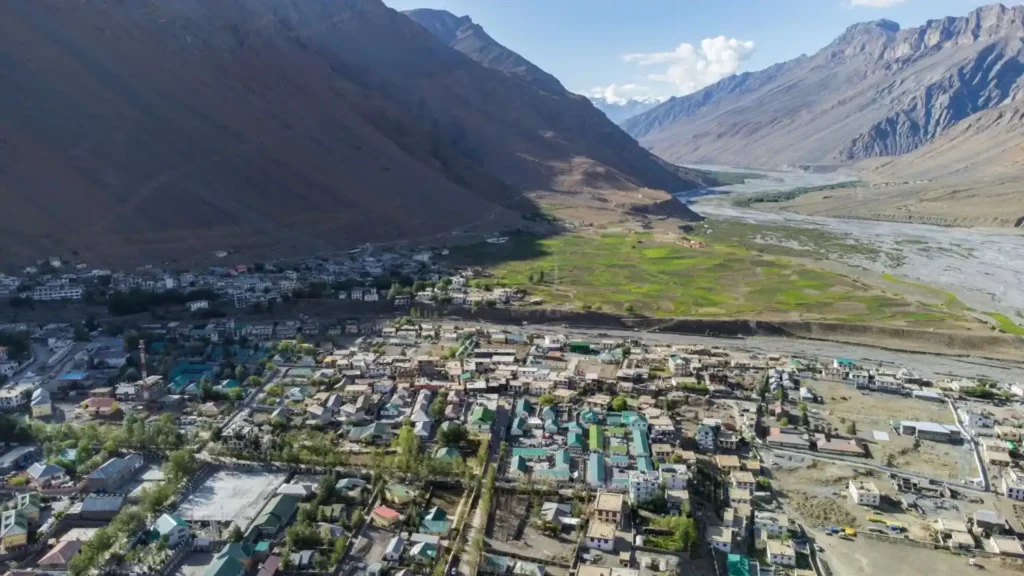
Ideal for acclimatization, cafés, local sightseeing, and bike maintenance.
Manali
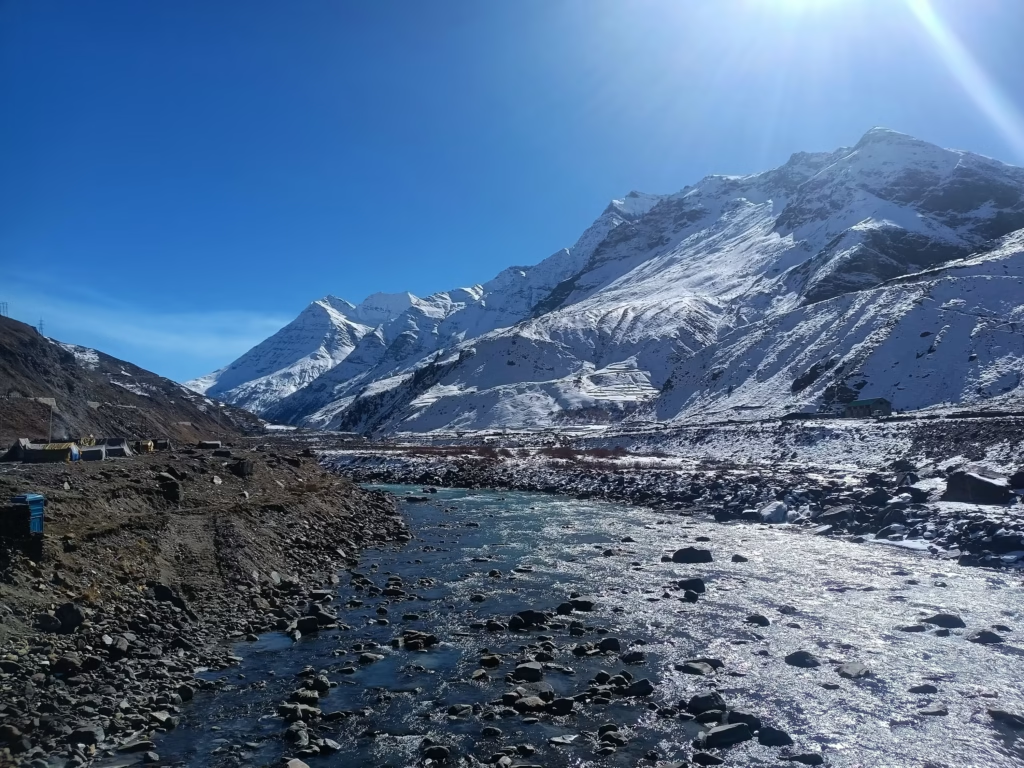
Recommended before entering Spiti if you’re taking the Manali route.
Sissu or Keylong
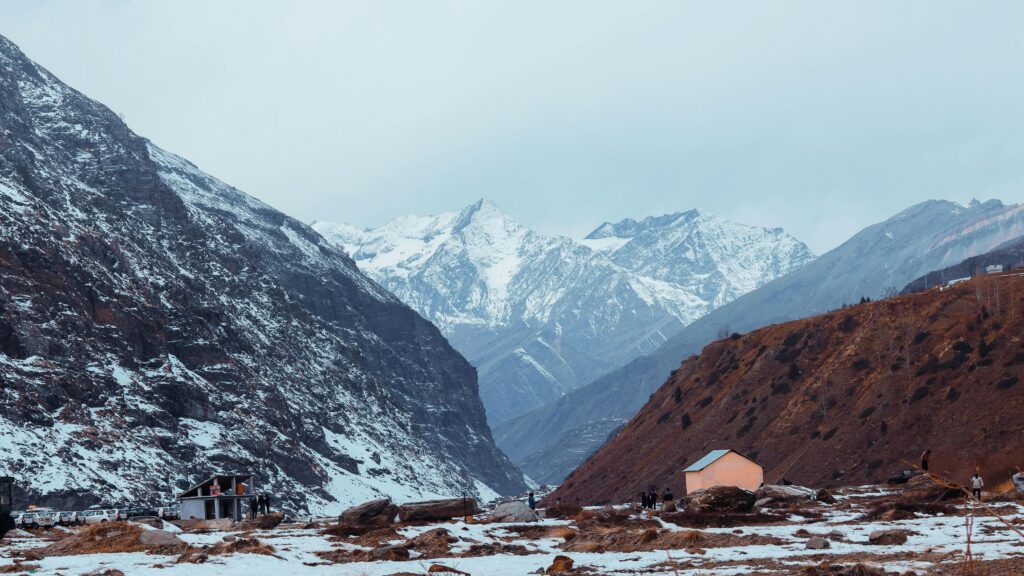
Excellent overnight stops before crossing Kunzum Pass.
Chandratal
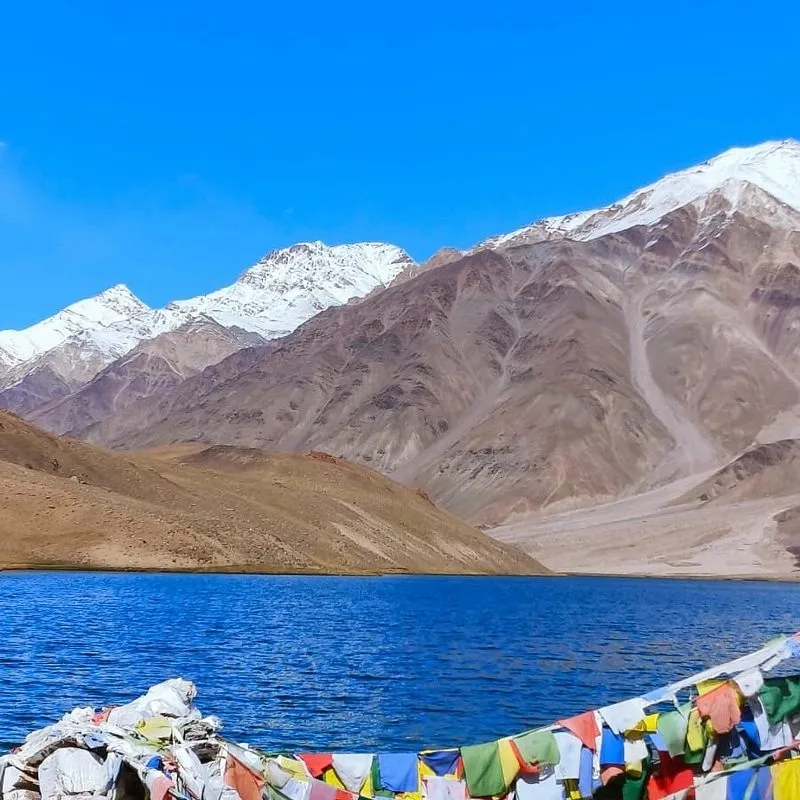
Spend one night here if weather permits for an unforgettable stargazing experience.
Permits and Documents for Spiti Bike Trip
Most Indian travelers can visit Spiti Valley without obtaining a special permit. However, depending on your route and nationality, certain registrations or permits may still be required.
Do Indian Citizens Need a Permit?
For the standard tourist circuit covering:
- Shimla
- Kalpa
- Nako
- Tabo
- Dhankar
- Kaza
- Key Monastery
- Chandratal
- Manali
No Inner Line Permit is required for Indian citizens.
Rohtang / Beyond Rohtang Permit
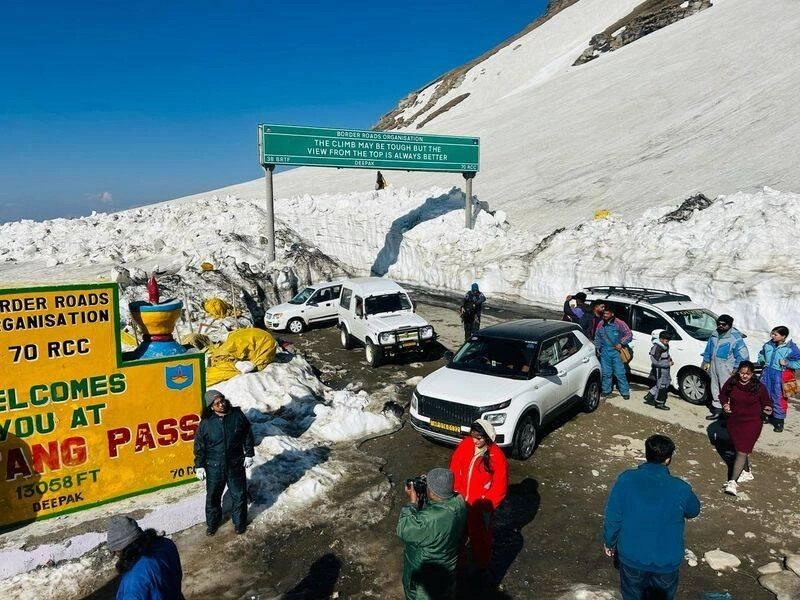
If your route includes Rohtang Pass or specific restricted sections beyond Manali, permit requirements may apply depending on the latest Himachal Pradesh Government rules.
Carry:
- Driving Licence
- RC
- Insurance
- Pollution Certificate
- Government ID
Always verify the latest rules before departure.
e-Aagman Registration
Vehicle registration requirements occasionally change.Before your journey, check whether an online vehicle registration or e-Aagman entry is applicable for your planned route.
Foreign Nationals
Foreign passport holders may require additional documentation when visiting protected areas near the Indo-Tibet border.
Carry:
- Passport
- Visa
- Passport-size photographs
- Registration documents (if required)
Mandatory Bike Documents
Carry both original documents and digital copies.
- Driving Licence
- Registration Certificate (RC)
- Bike Insurance
- Pollution Under Control (PUC) Certificate
- Aadhaar Card or Passport
- Rental Authorization Letter (for rented motorcycles)
Recommended Extra Documents
- Medical Insurance
- Emergency Contact List
- Passport-size Photos
- Hotel Booking Copies
- Offline Maps
- Soft Copies stored on your phone
Pro Tip: Check road conditions and permit updates 48–72 hours before departure, especially if you’re traveling in June or October.
Motorcycle Preparation Checklist
Before starting your ride, ensure your motorcycle is in excellent condition.
Checklist
Complete bike service
Fresh engine oil
Good tyre tread
Brake pads checked
Cain cleaned and lubricated
Clutch cable inspected
Accelerator cable checked
Battery condition verified
Toolkit
Air pump
Puncture repair kit
Spare tube (if applicable)
Extra fuel can (5–10 litres)
Expert Tip: Adventure motorcycles such as the Royal Enfield Himalayan, Scram 411/440, KTM Adventure series, Hero XPulse, and Suzuki V-Strom perform well on Spiti’s mixed terrain.
Riding Gear Checklist
Never compromise on riding gear in the Himalayas.
Carry:
- ISI/DOT-certified Helmet
- Riding Jacket with Armour
- Riding Pants
- Riding Gloves
- Waterproof Riding Boots
- Thermal Layers
- Rain Suit
- Balaclava
- UV Sunglasses
- Neck Warmer
- Power Bank
- Mobile Holder
- GoPro or Action Camera
- First Aid Kit
Important Note: Layering your clothing is much more effective than carrying one heavy jacket.
Estimated Budget for a Spiti Bike Trip
Your total trip cost depends on your starting city, motorcycle type, accommodation preferences, and travel style. The following table provides an estimated budget for a 9–10 day Spiti bike trip.
| Expense | Estimated Cost (INR) |
| Bike Rental (if applicable) | ₹1,500–₹2,500/day |
| Fuel | ₹6,000–₹9,000 |
| Accommodation | ₹10,000–₹18,000 |
| Food | ₹4,000–₹7,000 |
| Riding Gear Rental (Optional) | ₹2,000–₹5,000 |
| Bike Maintenance | ₹1,000–₹3,000 |
| Miscellaneous | ₹2,000–₹5,000 |
| Estimated Total | ₹28,000–₹55,000+ |
Estimated Budget by Travel Style
| Travel Style | Estimated Cost |
| Budget Rider | ₹25,000–₹32,000 |
| Mid-range Rider | ₹35,000–₹45,000 |
| Premium Ride | ₹50,000–₹70,000+ |
Money-Saving Tip: Travel with a riding group to split accommodation and fuel costs.
Safety Tips for a Spiti Bike Trip
Riding through Spiti Valley is an unforgettable experience, but safety should always be your top priority. Weather, altitude, and remote roads demand proper planning.
Acclimatize Properly
Avoid rushing directly from Manali to Kaza. Spending a night in Sissu, Keylong, or entering via Shimla helps your body adjust to the altitude.
Stay Hydrated
High altitude can cause dehydration without you realizing it. Drink plenty of water throughout the day, even if you don’t feel thirsty.
Watch the Weather
Mountain weather changes quickly. Always check the forecast before leaving each morning and be prepared for sudden rain or snowfall.
Refuel Whenever Possible
Fuel stations are limited in Spiti. Top up your tank whenever you find a petrol pump, especially before heading toward Chandratal or remote villages.
Avoid Riding After Sunset
Roads become much more dangerous after dark due to poor visibility, cold temperatures, and the possibility of stray animals or black ice.
Carry Offline Navigation
Mobile networks are unreliable in many parts of Spiti. Download offline maps before your trip.
Keep Emergency Numbers Handy
Save emergency contacts, local police numbers, your accommodation details, and family contacts on both your phone and a written note.
Ride Within Your Limits
Mountain roads are not race tracks. Maintain a comfortable speed, keep a safe distance from other vehicles, and avoid unnecessary overtaking.
Expert Tip: Start your ride early every morning. You’ll enjoy lighter traffic, calmer weather, and safer river crossings.
Photography Tips for a Spiti Bike Trip
Spiti Valley is one of India’s best destinations for landscape and road-trip photography. The changing seasons create completely different scenes throughout the riding season.
Best Time for Photography
- Late June: Snow walls and dramatic mountain roads.
- September: Clear skies, golden landscapes, and excellent visibility.
- Early October: Autumn colours and crisp mountain views.
Best Sunrise Spots
- Langza
- Komic
- Hikkim
- Key Monastery
- Dhankar
Best Sunset Locations
- Chandratal Lake
- Pin Valley
- Kibber
- Kaza Viewpoints
Milky Way Photography
Spiti’s high altitude and low light pollution make it an excellent destination for astrophotography.
Best locations include:
- Chandratal
- Langza
- Komic
- Kibber
- Pin Valley
The best months for Milky Way photography are June and September, when skies are usually the clearest.
Drone Photography
Drone regulations may change, and restrictions can apply near monasteries, villages, military areas, and protected zones. Always check the latest local guidelines and avoid flying where prohibited.
Photography Tip: Carry extra batteries. Cold temperatures reduce battery life much faster than in the plains.
Common Mistakes Riders Make
Even experienced riders can make planning mistakes that affect their Spiti trip.
Starting Too Late
Leaving after 9 or 10 AM often means reaching major water crossings when they are at their strongest.
Ignoring Altitude Sickness
Trying to cover too much distance in one day increases the risk of Acute Mountain Sickness (AMS).
Overpacking
Heavy luggage affects balance on rough roads. Carry only what you truly need.
Skipping Bike Service
A small mechanical issue can become a major problem in remote mountain regions.
Wrong Tyres
Worn-out road tyres offer less grip on gravel, mud, and broken roads.
Poor Fuel Planning
Never assume another petrol pump is just ahead. Refuel whenever you can.
No Buffer Days
Weather-related delays are common in the Himalayas. Keep at least one or two extra days in your itinerary.
Riding Too Fast
Blind corners, loose gravel, and unexpected obstacles demand controlled speeds.
Common Advice from Experienced Riders: The goal is to enjoy the journey, not to reach Kaza as quickly as possible.
TripGuruGo Expert Recommendation
If you’re planning your first Spiti bike trip, September is the month we recommend the most. Stable roads, pleasant weather, calmer water crossings, and fewer crowds make it ideal for riders of all experience levels.
For the safest and most comfortable journey, enter via Shimla and return through Manali. This gradual climb helps your body acclimatize better and significantly reduces the chances of altitude sickness.
Plan a 9 to 10-day itinerary so you have enough time to explore villages like Langza, Hikkim, Komic, and Pin Valley without rushing. Starting your ride early each morning, carrying the right riding gear, and staying flexible with your schedule will make your adventure much more enjoyable.
If you prefer a hassle-free experience with planned stays, backup support, and a well-designed itinerary, TripGuruGo offers guided Spiti bike trips that let you focus on the ride while the logistics are taken care of.
Conclusion
A Spiti bike trip is more than just another motorcycle ride. It’s a journey through high mountain passes, remote villages, ancient monasteries, and some of the most dramatic landscapes in the Himalayas.
While the riding season generally runs from June to October, each month offers a different experience. Late June is perfect for riders who want snow-covered roads and a sense of adventure. July and August require extra caution because of monsoon-related challenges on the approach routes. September stands out as the best overall month thanks to its clear skies, stable roads, and comfortable riding conditions. October offers peaceful roads and beautiful autumn scenery but demands flexibility due to the possibility of early snowfall.
No matter when you ride, proper planning, the right gear, and a well-maintained motorcycle are essential. Allow enough time for acclimatization, start your rides early, and always check the latest road conditions before setting off.
With the right preparation, your Spiti bike trip can become one of the most memorable road adventures you’ll ever experience.
Frequently Asked Questions
1. What is the best time for a Spiti bike trip?
September is the best overall month because it offers stable roads, pleasant weather, and clear skies.
2. Is June a good time for a Spiti bike trip?
Yes. Late June is excellent for snow views and adventurous riding, though some water crossings can still be challenging.
3. Is July safe for riding in Spiti?
Yes, but riders should be prepared for landslides and rain on the approach roads through Manali and Kinnaur.
4. Should beginners avoid August?
August is better suited to experienced riders because monsoon conditions can make approaching roads difficult.
5. Is September the best month for beginners?
Yes. It offers the safest combination of road conditions, weather, and riding comfort.
6. Which route is better: Shimla or Manali?
For first-time riders, entering through Shimla and returning via Manali is generally the better option because of gradual acclimatization.
7. How many days are enough for a Spiti bike trip?
A 9 to 10-day itinerary is ideal for most travelers.
8. Do Indian citizens need a permit for Spiti Valley?
No permit is generally required for the standard tourist circuit, though specific routes may have additional regulations.
9. Which bike is best for a Spiti trip?
Adventure motorcycles with good ground clearance, such as the Royal Enfield Himalayan or Hero XPulse, are popular choices.
10. Is fuel available throughout Spiti?
Fuel stations are limited, so always refuel whenever you get the chance.
11. Can couples do a Spiti bike trip?
Yes, provided both riders are comfortable with long mountain rides and the motorcycle is well suited for carrying luggage.
12. Is October a good time to visit?
Early October can be excellent, but snowfall may close high passes later in the month.
13. Can I ride solo in Spiti?
Yes, but inform someone about your itinerary, carry emergency essentials, and avoid riding after dark.
14. What documents should I carry?
Driving licence, RC, insurance, PUC certificate, government ID, and rental authorization (if using a rented bike).
15. What should I pack for a Spiti bike trip?
Carry riding gear, thermal layers, rain protection, a first-aid kit, offline maps, power banks, and essential bike tools.

Abdullah Khan specializes in adventure travel across Spiti Valley and the high-altitude regions of Himachal Pradesh. He writes about road trips, bike expeditions, hidden villages, monasteries, and offbeat Himalayan experiences. His guides focus on route planning, acclimatization, travel safety, and the best experiences across Spiti Valley.