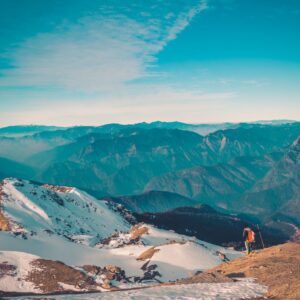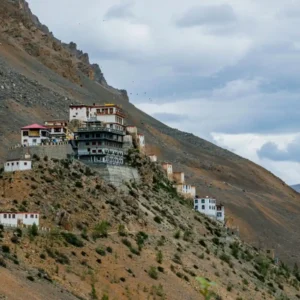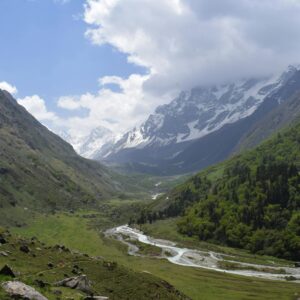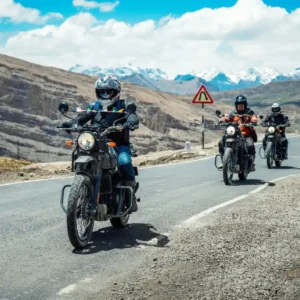
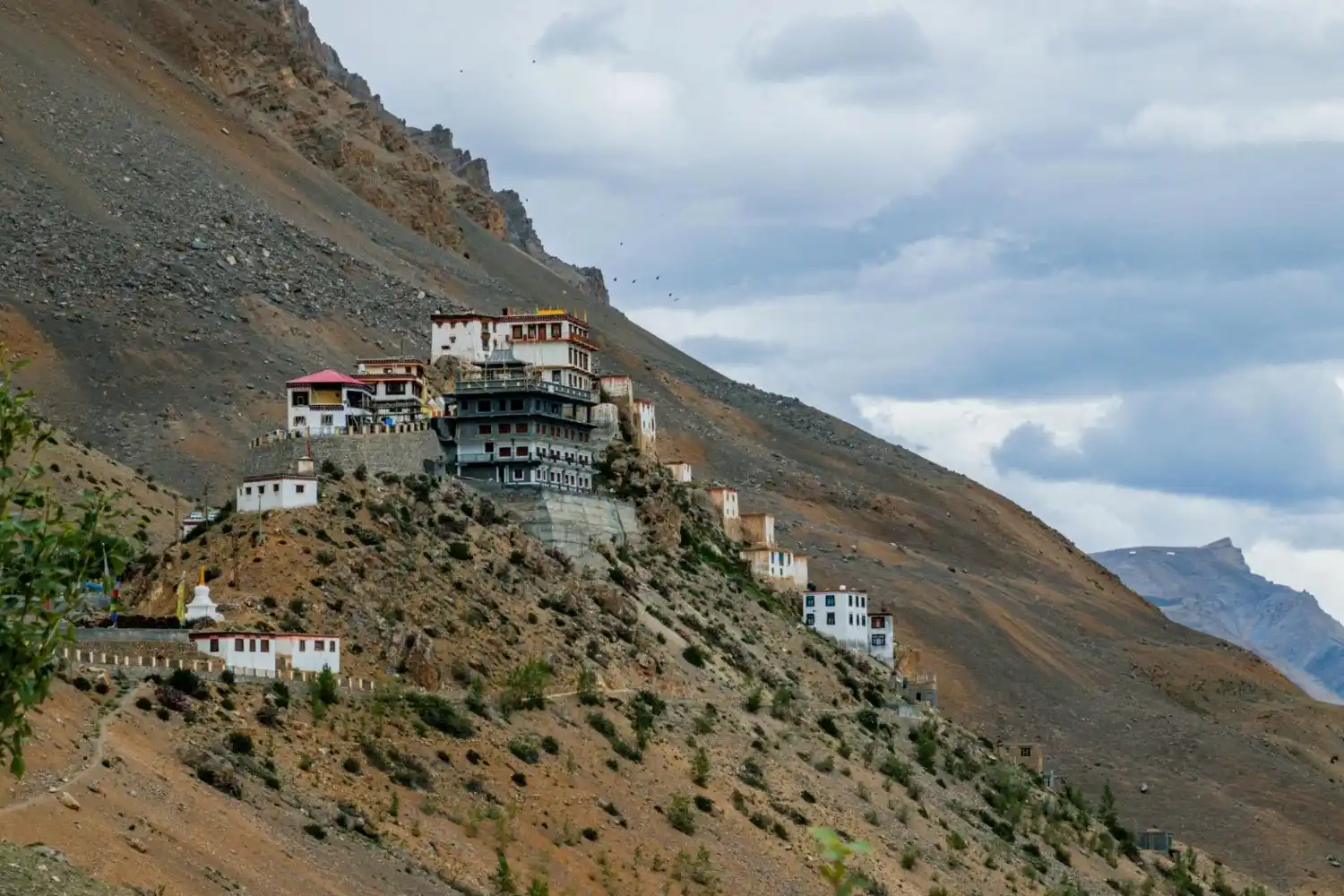
Planning a trip to Spiti Valley is exciting, but it also requires good preparation. Located in the cold desert region of Himachal Pradesh, Spiti is known for its dramatic landscapes, ancient monasteries, high mountain passes, remote villages, and one of the most adventurous road trips in India.
Unlike many hill stations, Spiti is not a destination where you can simply arrive without planning. Weather, road conditions, altitude, fuel availability, and accommodation all play an important role in making your journey smooth and enjoyable. For a deeper overview of everything this region has to offer, go through the complete Spiti Valley travel guide before you start booking anything.
Whether you’re a solo traveller, biker, family, photographer, or adventure lover, this complete guide will help you plan the perfect Spiti Valley trip in 2026.
Quick Travel Information
| Details | Information |
| State | Himachal Pradesh |
| Region | Lahaul & Spiti |
| Elevation | Around 3,800 metres |
| Ideal Trip Duration | 7–10 Days |
| Best Time | May to October |
| Budget | ₹12,000–₹35,000 |
| Mobile Network | BSNL, Jio (limited) |
| ATM | Kaza |
| Fuel Pump | Kaza |
| Nearest Airport | Bhuntar |
| Nearest Railway Station | Shimla |
| Road Routes | Shimla Circuit & Manali Route |
Why Visit Spiti Valley?
Spiti Valley offers an experience that is very different from most Himalayan destinations. Instead of lush green forests, you’ll find barren mountains, crystal-clear rivers, ancient monasteries, and peaceful villages that seem untouched by modern life.
Some of the biggest reasons to visit Spiti include:
• One of India’s most scenic road trips
• Beautiful Himalayan villages
• Ancient Buddhist monasteries
• High-altitude lakes
• Fossil-rich mountains
• Stargazing opportunities
• Local Tibetan culture
• Adventure biking
• Camping under the stars
• Photography opportunities
Every season presents a different side of Spiti, making it worth visiting more than once.
Best Time to Visit Spiti Valley
Choosing the right season depends on the kind of experience you’re looking for.
| Month | Weather | Road Status | Recommended |
| March | Snowy | Mostly Shimla Route | Winter lovers |
| April | Cold | Shimla Route Open | Snow photography |
| May | Pleasant | Roads Opening | Best season begins |
| June | Sunny | Both Routes Open | Bike trips |
| July | Mild | Landslide Risk | Road trips |
| August | Pleasant | Possible Rain Near Manali | Experienced travellers |
| September | Clear Skies | Excellent | Photography |
| October | Cold | Last Good Month | Peaceful travel |
| November | Snow Starts | Limited Access | Winter trips |
| December | Heavy Snow | Mostly Closed | Snow adventure |
Best Months
For most travellers, May, June, September, and early October are considered the best months to visit Spiti Valley because roads are open, weather is comfortable, and sightseeing becomes easier.
How to Reach Spiti Valley
There are two major routes to reach Spiti Valley.
Route 1: Via Shimla
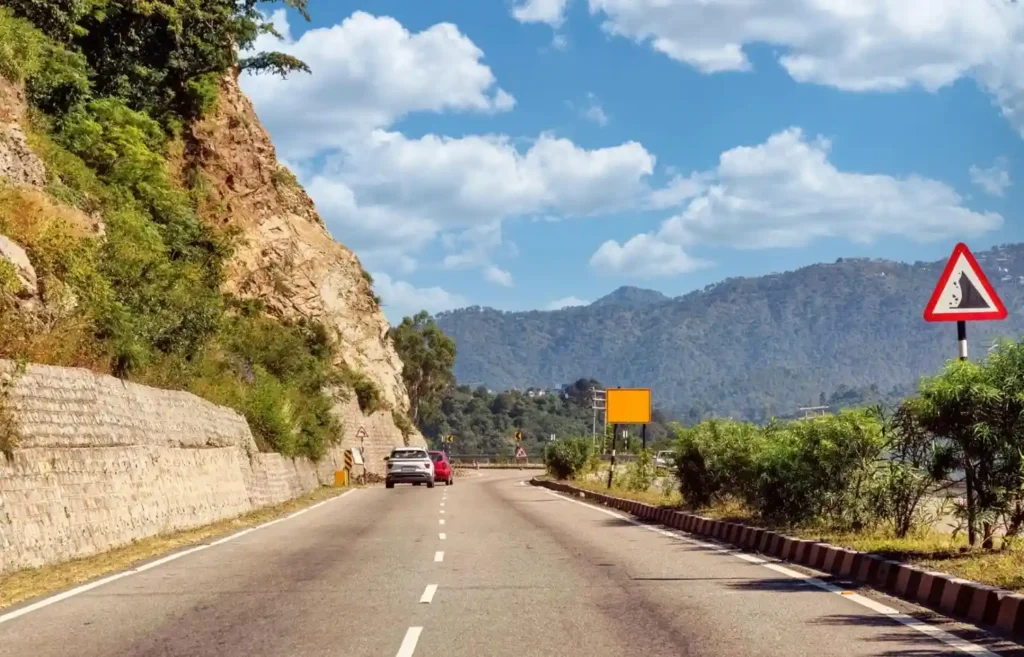
Delhi → Shimla → Narkanda → Kalpa → Nako → Tabo → Kaza. This route is recommended for first-time visitors. Read the detailed entry from the Shimla route guide for a complete breakdown of stops, road conditions, and driving tips.
Advantages:
• Gradual increase in altitude
• Lower chances of altitude sickness
• Roads generally open earlier
• Better for first-time visitors
Travel Time: 2–3 Days from Delhi.
Route 2: Via Manali
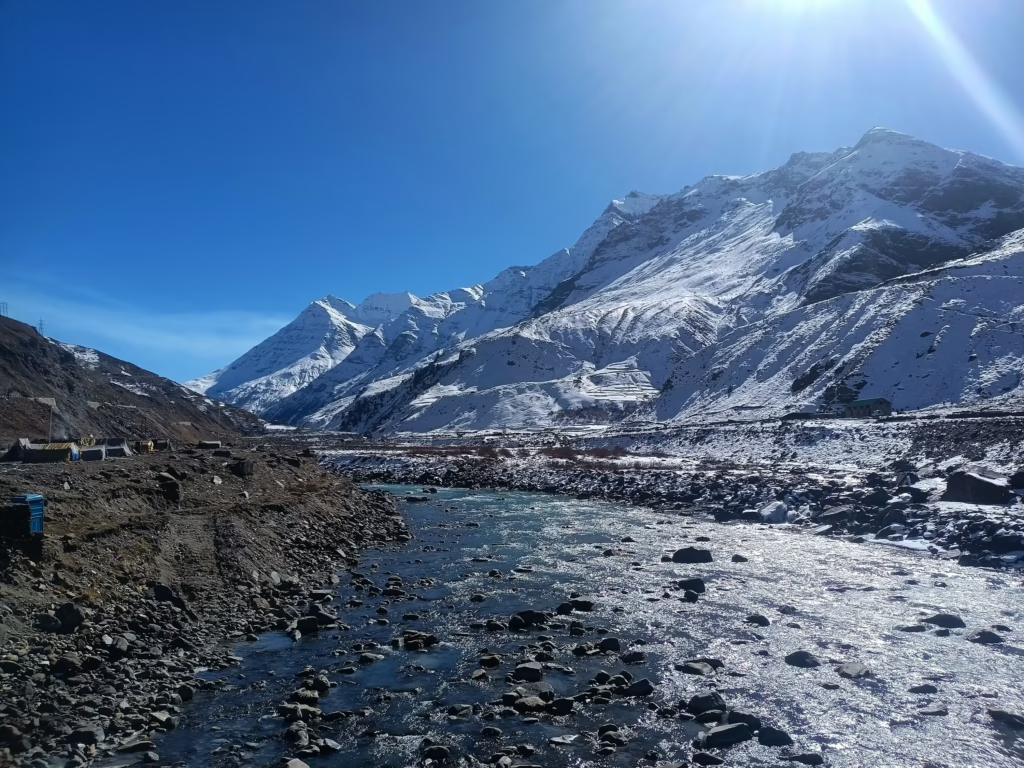
Delhi → Manali → Atal Tunnel → Gramphu → Kunzum Pass → Kaza. If you want a shorter and more thrilling approach, the Manali to Spiti road trip guide has everything you need — distances, pass timings, and key stops along the way.
Advantages:
• Shorter distance
• More adventurous
• Beautiful mountain scenery
• Popular among bikers
Disadvantages:
• Higher risk of Acute Mountain Sickness (AMS)
• Road opens only after snow clearance
Travel Time: Around 14–16 hours from Manali.
Shimla vs Manali Route Comparison
| Factor | Shimla | Manali |
| First-time Travellers | ⭐⭐⭐⭐⭐ | ⭐⭐⭐ |
| Adventure | ⭐⭐⭐ | ⭐⭐⭐⭐⭐ |
| Road Quality | Better | Rough |
| Altitude Gain | Slow | Very Fast |
| Scenic Beauty | Excellent | Excellent |
| Bike Riders | Good | Best |
By Bus
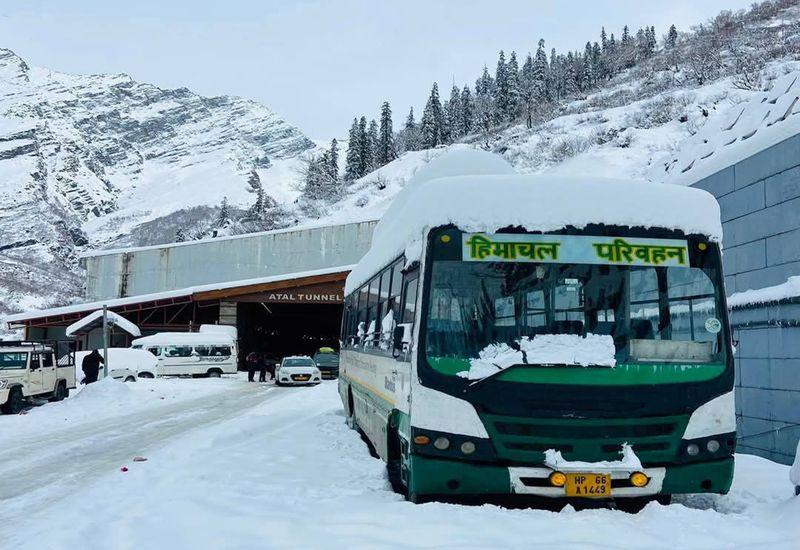
Government HRTC buses operate between Shimla and Kaza. There are also buses from Chandigarh to Shimla, making public transport an affordable option for backpackers. Private Volvo buses are available up to Manali and Shimla.
By Train
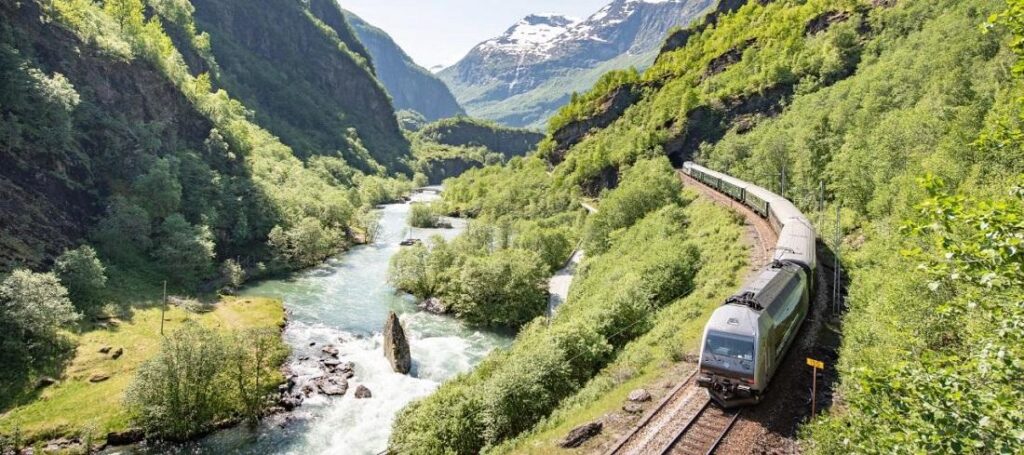
There is no railway station in Spiti Valley. Nearest railway stations include Shimla, Chandigarh, and Kalka. From there, continue by bus or taxi.
By Flight
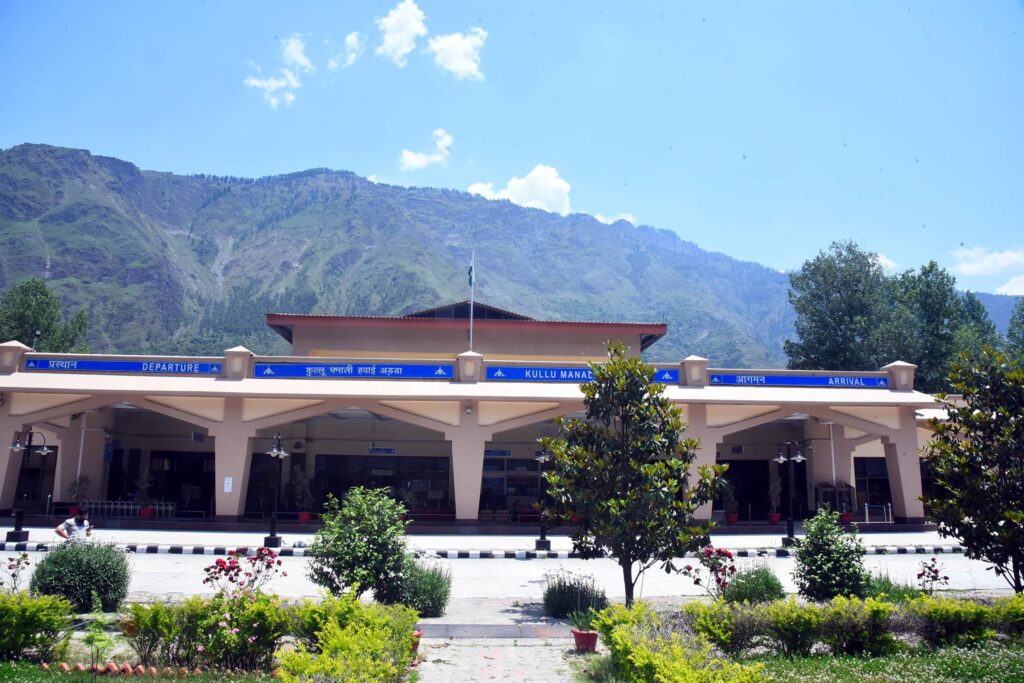
The nearest airport is Bhuntar Airport near Kullu. You can also fly to Chandigarh and continue your journey by road.
Suggested 7-Day Spiti Valley Itinerary
Here is a quick overview of a popular 7-day circuit. For day-by-day details including accommodation suggestions and driving times, check the complete Spiti itinerary guide.
| Day | Route |
| Day 1 | Delhi to Shimla |
| Day 2 | Shimla to Kalpa |
| Day 3 | Kalpa to Tabo via Nako |
| Day 4 | Tabo → Dhankar → Kaza |
| Day 5 | Key Monastery → Kibber → Chicham → Hikkim → Komic → Langza |
| Day 6 | Kaza → Kunzum Pass → Chandratal → Manali |
| Day 7 | Manali → Delhi |
This route covers most of Spiti’s major attractions without feeling rushed.
Travel Budget
Your total cost depends on the type of trip.
| Budget Type | Approximate Cost |
| Backpacker | ₹12,000–₹18,000 |
| Mid-range | ₹18,000–₹28,000 |
| Premium | ₹30,000–₹40,000+ |
A shared group trip can help reduce transportation and accommodation expenses significantly.
Top Places to Visit in Spiti Valley
No trip to Spiti Valley is complete without exploring its ancient monasteries, remote villages, high-altitude lakes, and mountain passes. Each destination offers a different experience, from spiritual sites and fossil-rich landscapes to thrilling road journeys and peaceful Himalayan villages.
1. Kaza
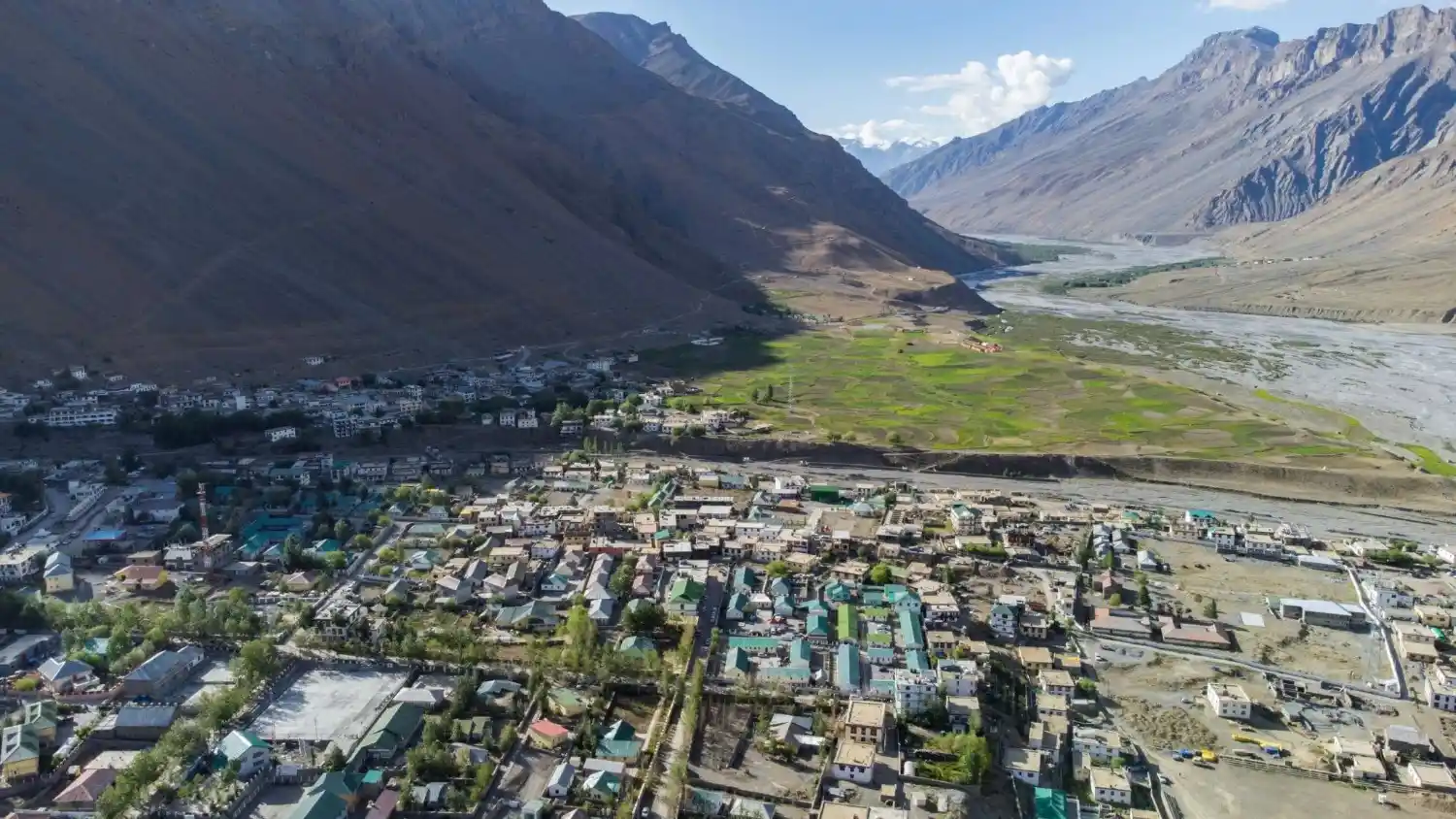
Kaza is the largest town in Spiti Valley and serves as the base for most travellers. It has hotels, cafés, bike rentals, ATMs, fuel stations, and medical facilities. Most sightseeing trips begin from base camp in Kaza, making it the best place to stay for two or three nights.
Don’t Miss:
• Local Market
• Sakya Monastery
• Riverside cafés
• Sunset viewpoints
2. Key Monastery
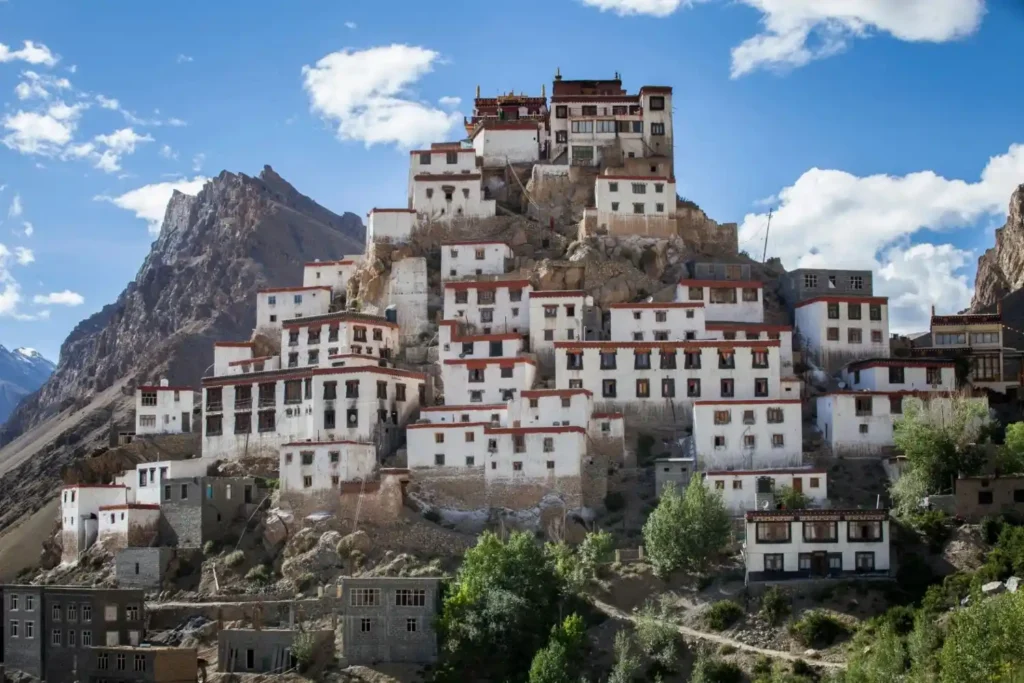
Located around 15 km from Kaza, Key Monastery guide is the most famous monastery in Spiti Valley. Perched on a hilltop, it offers breathtaking views of the valley and houses centuries-old Buddhist manuscripts, murals, and prayer halls. Spend some time interacting with monks and enjoying the peaceful surroundings.
3. Kibber Village
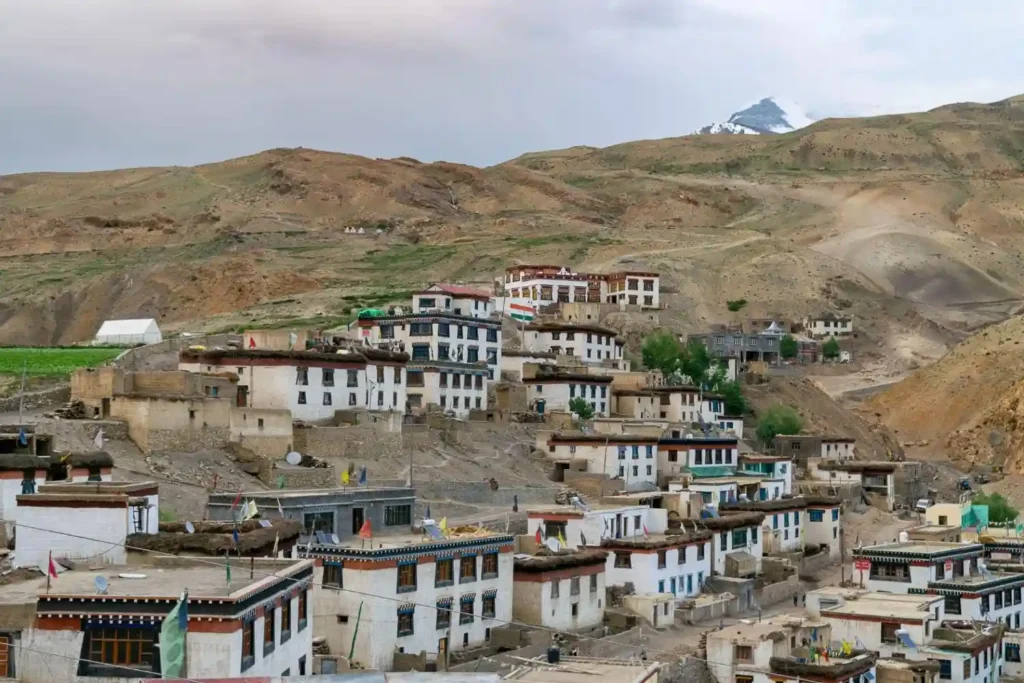
Situated at over 4,200 metres, Kibber is among the highest inhabited villages in the world connected by road. The village is known for its whitewashed houses, mountain views, and wildlife. Winter visitors may even get lucky enough to spot a snow leopard in the nearby Kibber Wildlife Sanctuary.
4. Chicham Bridge
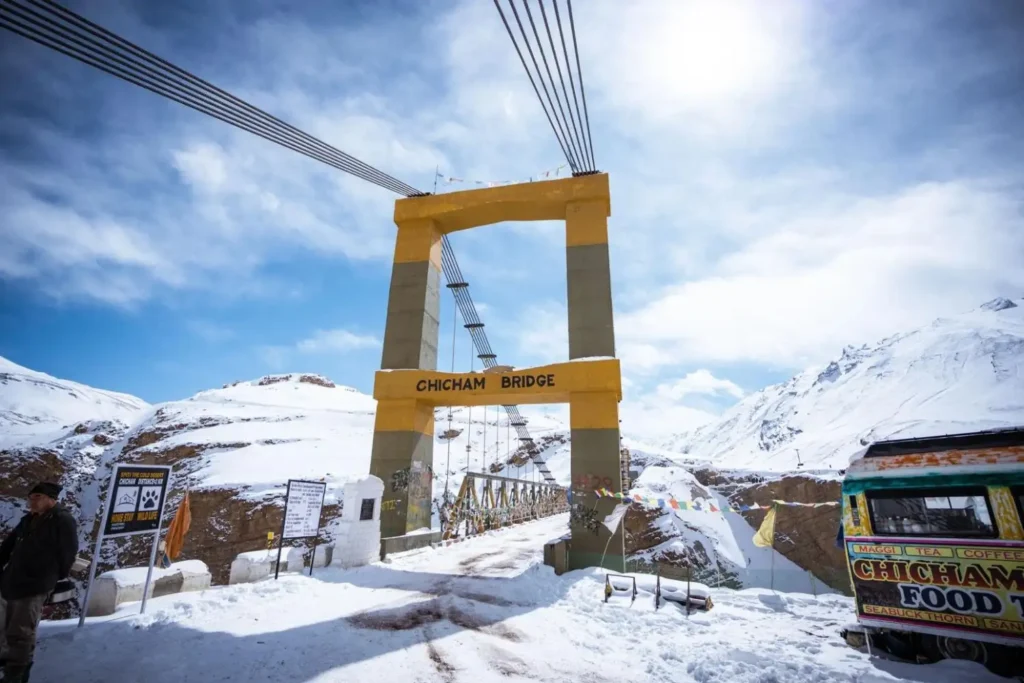
Connecting Kibber and Chicham villages, Chicham Bridge is one of Asia’s highest suspension bridges. Standing above a deep gorge, it offers incredible views and is one of the best photography spots in Spiti Valley.
5. Langza
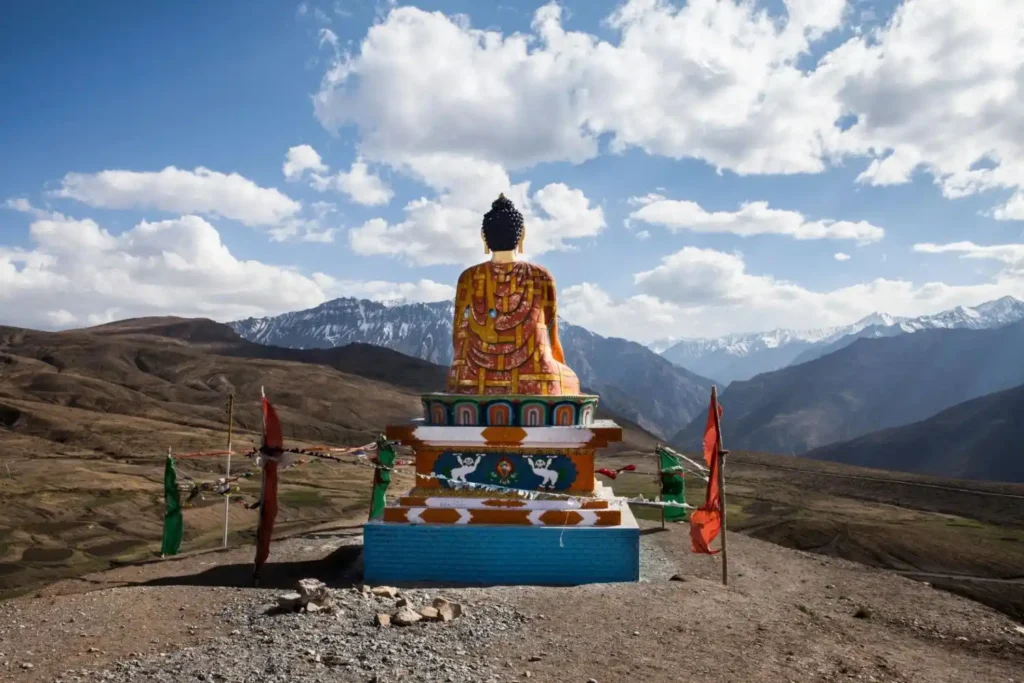
Langza is famous for its giant Buddha statue overlooking the valley. The Langza village is also well-known for marine fossils dating back millions of years, making it popular among geology enthusiasts and photographers. Visit during sunrise or sunset for the best views.
6. Hikkim

Hikkim is home to the world’s highest post office. Many travellers send postcards from here as a memorable souvenir. The road to Hikkim itself is an adventure, offering stunning mountain scenery.
7. Komic
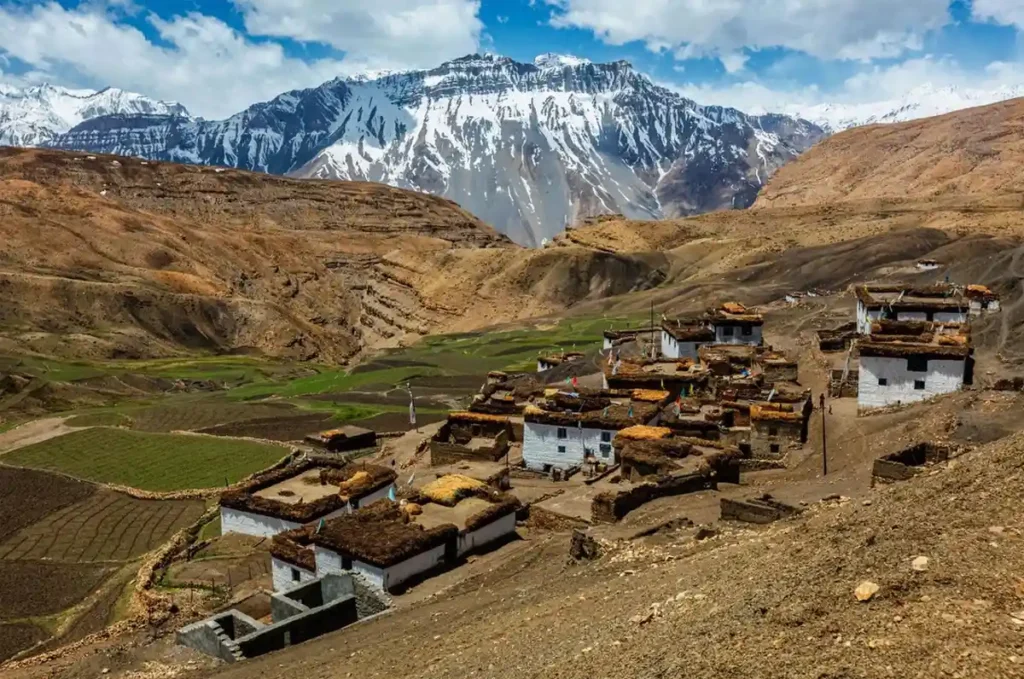
Located above 4,500 metres, Komic is among the highest motorable villages in the world. It is home to an ancient monastery and offers spectacular panoramic views of Spiti Valley.
8. Tabo Monastery
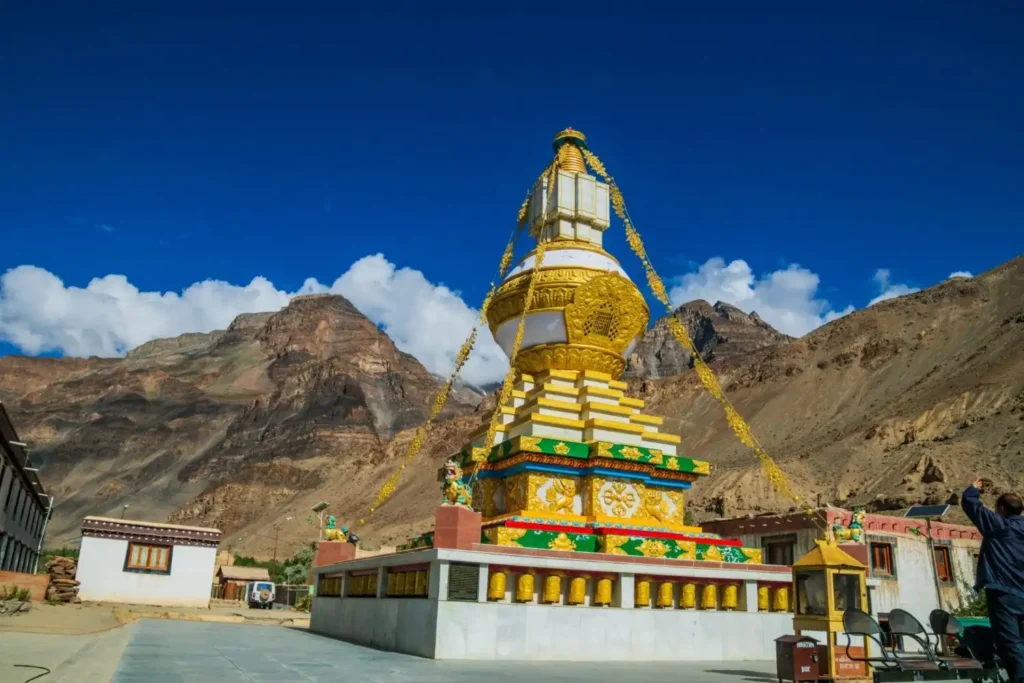
Often called the Ajanta of the Himalayas, the Tabo Monastery visit page covers one of India’s oldest functioning Buddhist monasteries — over 1,000 years old. Its ancient murals and meditation caves attract visitors from around the world.
9. Dhankar Monastery
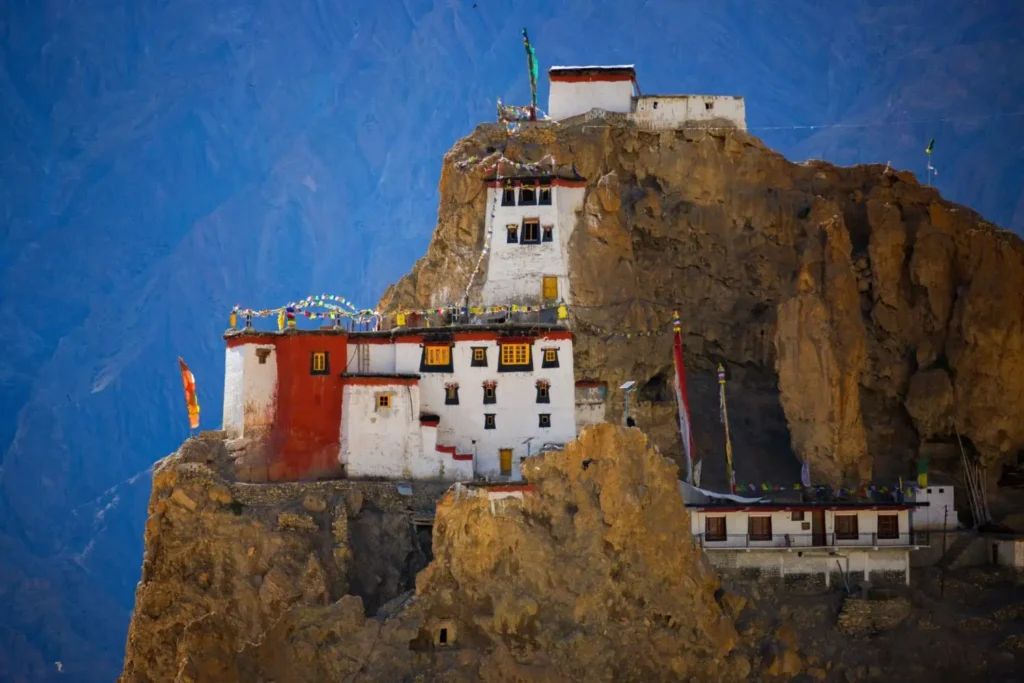
Built dramatically on a cliff, Dhankar monastery overlooks the meeting point of the Spiti and Pin Rivers. Adventure lovers can also trek to the nearby Dhankar Lake for incredible mountain views.
10. Pin Valley National Park
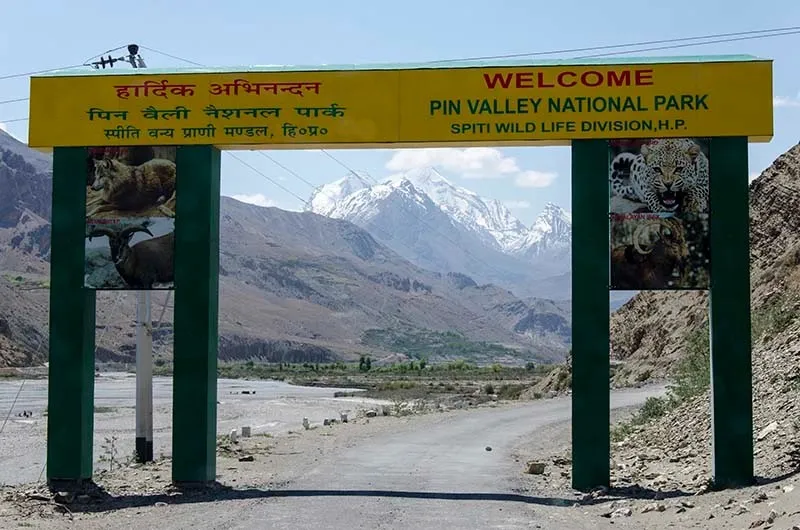
Pin Valley is famous for its wildlife, traditional villages, and untouched Himalayan landscapes. The national park is home to Snow Leopard, Himalayan Ibex, Red Fox, and Blue Sheep. It is also a paradise for trekkers and nature photographers.
11. Chandratal Lake
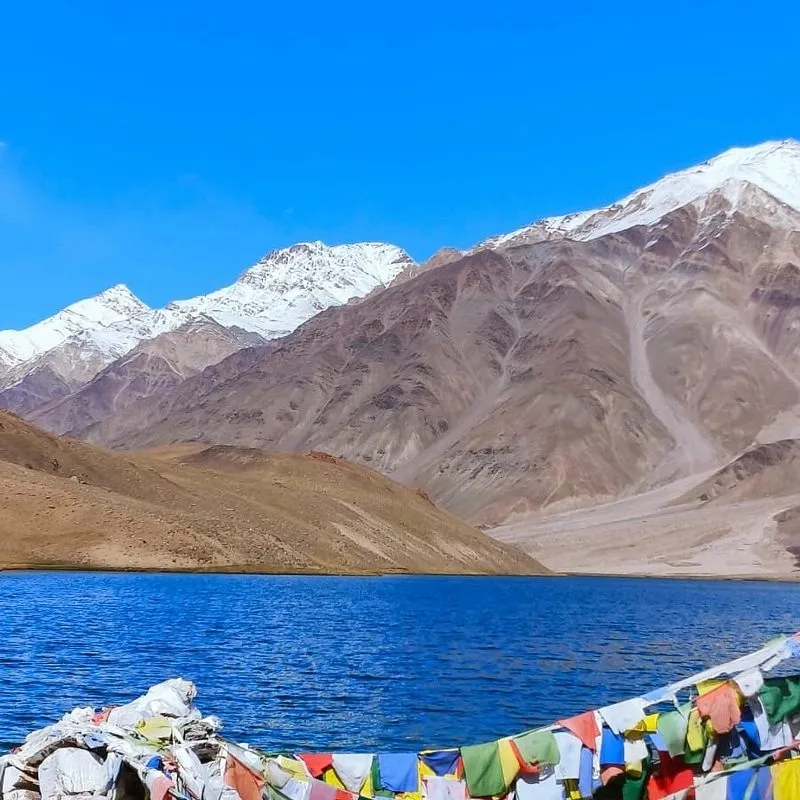
Known as the Moon Lake, Chandratal is one of the most beautiful high-altitude lakes in India. The crystal-clear blue water surrounded by snow-covered mountains makes it one of the highlights of every Spiti trip. Camping near Chandratal is a memorable experience during summer.
12. Kunzum Pass
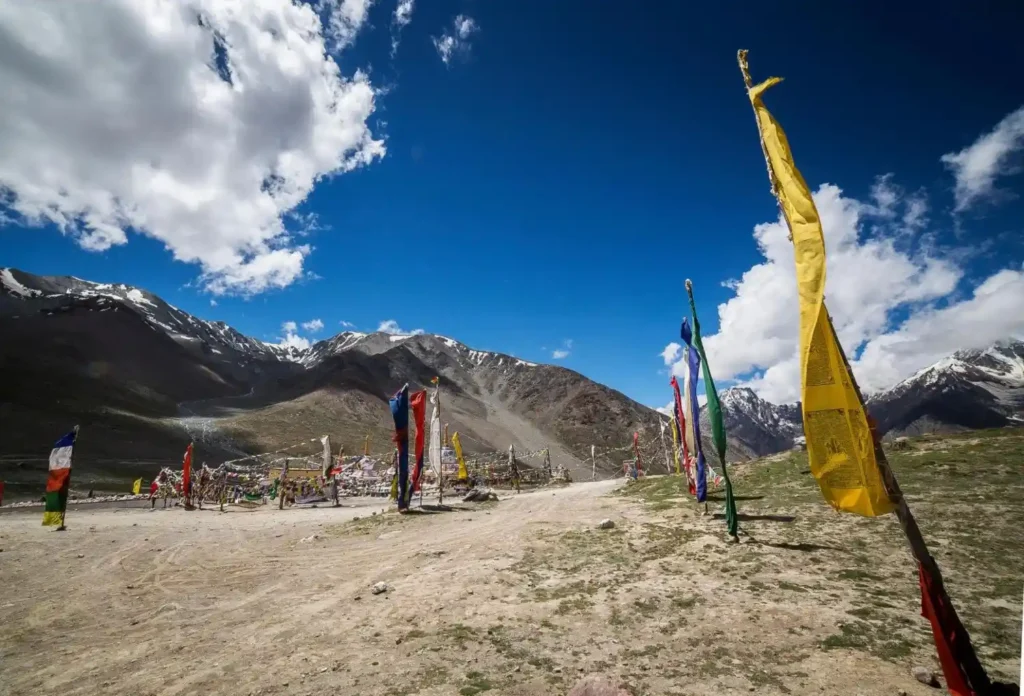
Situated at around 4,551 metres, Kunzum Pass connects Lahaul with Spiti Valley. Most travellers stop here to visit Kunzum Mata Temple before continuing towards Chandratal or Manali.
Detailed Budget Breakdown
Planning your budget in advance helps avoid unnecessary expenses during the trip.
| Expense | Average Cost |
| Delhi to Spiti Transport | ₹2,500–₹6,000 |
| Bike Rental | ₹1,200–₹2,000/day |
| Fuel | ₹3,000–₹6,000 |
| Hotel/Homestay | ₹800–₹3,500/night |
| Camping | ₹1,000–₹2,000/night |
| Food | ₹500–₹900/day |
| Entry Fees | ₹200–₹800 |
| Shopping | ₹1,000–₹3,000 |
Estimated Trip Cost
| Budget Style | Approximate Cost |
| Backpacker | ₹12,000–₹18,000 |
| Mid-range | ₹18,000–₹28,000 |
| Luxury | ₹35,000+ |
Where to Stay in Spiti Valley
Accommodation options are available throughout the valley.
Kaza
Best for first-time visitors. Options include hotels, guesthouses, boutique stays, and homestays.
Tabo
Perfect for travellers looking for peaceful surroundings near the monastery.
Langza
Ideal for homestay experiences and stargazing.
Chandratal
Camping is the only option during the tourist season.
Complete Packing List
Weather changes quickly in Spiti Valley, so packing smart is essential.
Clothing
• Thermal wear
• Down jacket
• Windproof jacket
• Gloves
• Woollen cap
• Trekking pants
• Warm socks
Documents
• Aadhaar Card
• Driving Licence
• Bike papers
• Hotel bookings
• Emergency contacts
Medicines
• Personal medication
• Diamox (only after medical advice)
• Motion sickness tablets
• ORS
• Basic first-aid kit
Electronics
• Power bank
• Camera
• Memory cards
• Mobile charger
• Torch
• Universal charging cable
Bike Essentials
• Puncture repair kit
• Air pump
• Engine oil
• Bungee cords
• Rain cover
• Extra fuel can (if required)
Important Travel Tips
Prevent Altitude Sickness
Spend your first night at a lower altitude if possible. Stay hydrated and avoid alcohol during the first two days.
Carry Cash
Digital payments are accepted at some places, but many villages still prefer cash.
Fuel Planning
The main fuel station is in Kaza. Fill your tank whenever possible.
Drive Carefully
Mountain roads are narrow, and the weather can change suddenly. Avoid driving after sunset.
Respect Local Culture
Dress modestly while visiting monasteries and ask permission before photographing local people.
Local Food You Must Try
Don’t leave Spiti without trying its traditional cuisine.
• Thukpa
• Momos
• Butter Tea
• Tsampa
• Skyu
• Chhurpi
• Tingmo
• Yak Cheese
Local cafés in Kaza also serve Tibetan, Indian, and Continental dishes.
Frequently Asked Questions
Is Spiti Valley safe for tourists?
Yes. Spiti Valley is considered one of the safest destinations in Himachal Pradesh.
How many days are enough for Spiti Valley?
A 7 to 10-day itinerary is ideal.
What is the best month to visit?
May, June, September, and early October.
Is a permit required?
Indian citizens generally do not need permits, but foreign nationals may require permits for certain border areas.
Can beginners drive in Spiti?
Yes, provided they are confident driving on mountain roads.
Is there mobile network coverage?
BSNL and Jio work in parts of the valley, especially around Kaza.
Are ATMs available?
Yes, but mainly in Kaza.
Can families visit Spiti Valley?
Yes, during the summer months with proper planning.
Is Chandratal open throughout the year?
No. It is usually accessible from June to October.
Is Spiti expensive?
A budget trip can comfortably be completed for around ₹15,000–₹20,000 per person.
Conclusion
Planning a trip to Spiti Valley becomes much easier when you understand the routes, weather, budget, and altitude conditions in advance. Whether you’re travelling by bike, car, or public transport, preparing well will help you enjoy a safe and memorable journey.
From the peaceful monasteries of Key and Tabo to the dramatic landscapes of Chandratal, Kunzum Pass, and Langza, every stop in Spiti offers something unique. If you’re looking for an unforgettable Himalayan road trip in 2026, Spiti Valley deserves a place at the top of your travel list. Trip Guru Go has everything you need to plan your journey right — from routes and stays to must-see spots and packing tips.

Abdullah Khan specializes in adventure travel across Spiti Valley and the high-altitude regions of Himachal Pradesh. He writes about road trips, bike expeditions, hidden villages, monasteries, and offbeat Himalayan experiences. His guides focus on route planning, acclimatization, travel safety, and the best experiences across Spiti Valley.