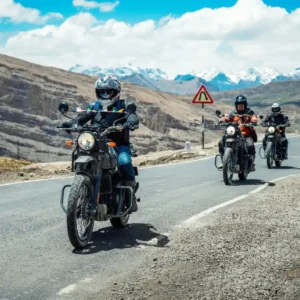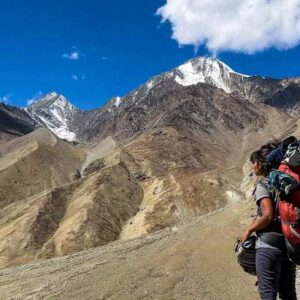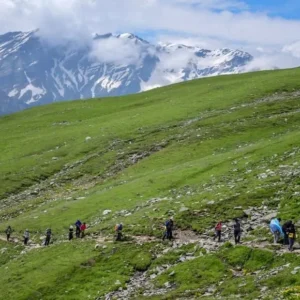
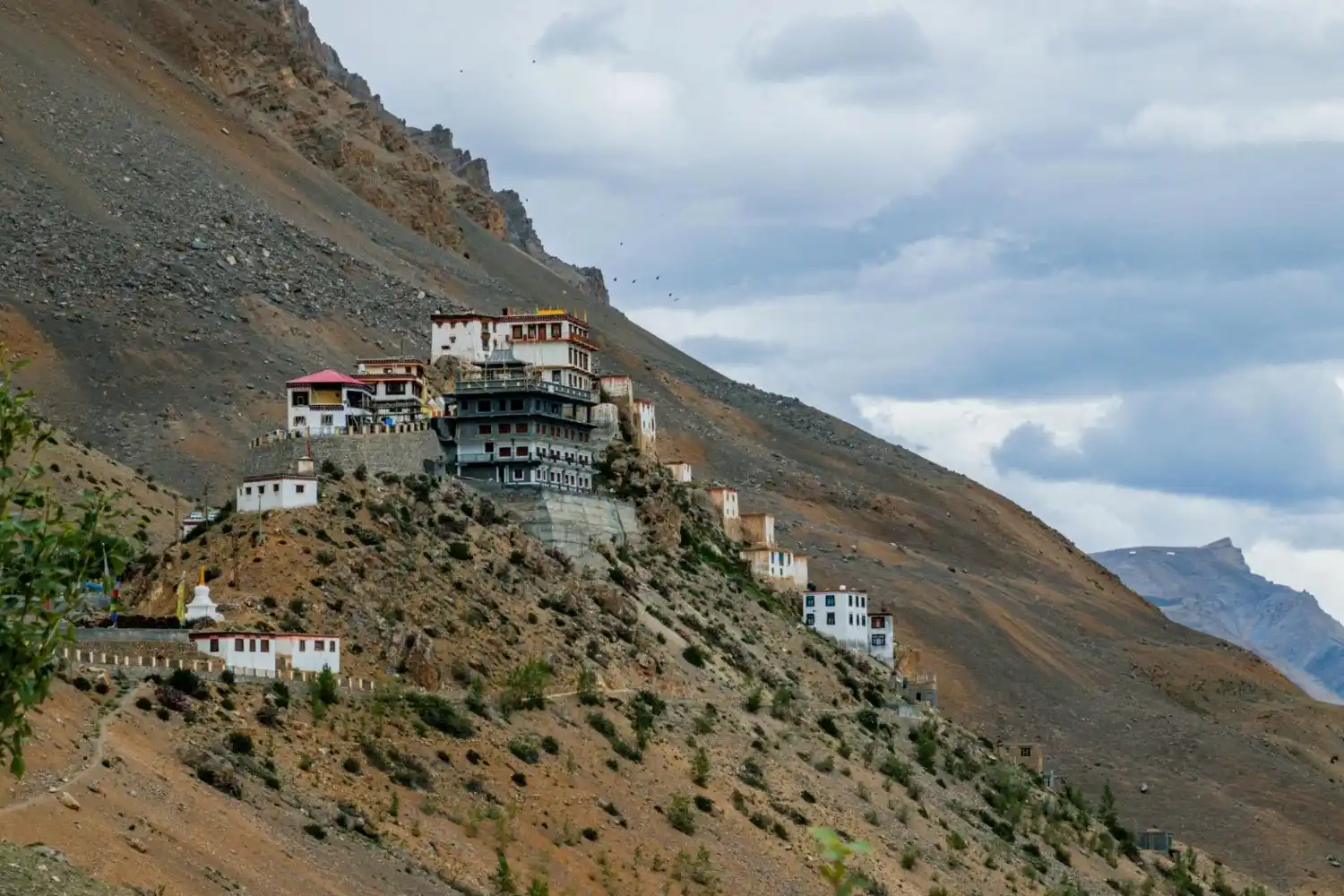
A Spiti Valley road trip is not just about visiting a few famous places. It is a journey through high mountain passes, remote villages, ancient monasteries, dramatic landscapes, and some of the most isolated settlements in India. For a broader overview before planning your trip, read our complete Spiti Valley travel guide. Unlike many Himalayan destinations where sightseeing happens around a single town, Spiti rewards travelers who are willing to spend time on the road and explore beyond the popular viewpoints.
Most first-time visitors make the mistake of rushing through the valley in three or four days. While that may be enough to see a few highlights, it often leaves little time to experience the culture, landscapes, and village life that make Spiti special.
A well-planned 7-day itinerary allows travelers to explore Kaza, Langza, Hikkim, Komic, Key Monastery, Kibber, Chicham Bridge, Kunzum Pass, and Chandratal at a comfortable pace while also giving the body enough time to acclimatize to the high altitude.
Why Kaza Is the Best Base for Exploring Spiti
Kaza is the largest town in Spiti Valley and serves as the region’s main hub. Our Kaza travel guide covers the town in detail, but in brief, most travelers stay here for at least two nights because it provides access to almost all major attractions nearby.
Kaza offers:
- Hotels and homestays
- Cafes and restaurants
- Fuel station
- ATM facilities
- Medical stores
- Basic vehicle repair shops
- Mobile connectivity in some areas
Most sightseeing circuits begin and end in Kaza, making it the ideal base for exploring central Spiti.
Spiti Valley Sightseeing Circuit Overview
| Place | Approx. Distance from Kaza | Main Attraction |
| Langza | 15 km | Giant Buddha Statue |
| Hikkim | 16 km | World’s Highest Post Office |
| Komic | 19 km | High-altitude village |
| Key Monastery | 15 km | Largest monastery in Spiti |
| Kibber | 20 km | Traditional mountain village |
| Chicham Bridge | 25 km | Asia’s highest suspension bridge |
| Kunzum Pass | 75 km | Mountain pass and temple |
| Chandratal | 110 km | Crescent-shaped high-altitude lake |
Day 1: Delhi to Shimla
Most travelers begin their Spiti journey from Delhi.
The drive to Shimla takes around 8–10 hours depending on traffic and road conditions. While Shimla itself is a popular destination, many travelers treat it as an overnight stop before entering the more remote regions of Himachal Pradesh.
This first day is mainly about covering distance and preparing for the mountain journey ahead.
Overnight Stay
Stay in:
- Shimla
- Kufri
- Narkanda
Narkanda is often preferred because it reduces travel time on the following day.
Day 2: Shimla to Sangla
Distance: Approx. 220 km This is where the landscape begins to change dramatically.
The route passes through:
- Narkanda
- Rampur
- Karcham
Before finally reaching Sangla Valley. The road follows the Sutlej River for long stretches and offers beautiful mountain scenery throughout the journey.
Why Stay in Sangla?
Sangla is one of the most beautiful valleys in Himachal Pradesh and serves as a perfect acclimatization stop before heading deeper into Spiti.
Highlights include:
- Baspa River
- Pine forests
- Mountain villages
- Apple orchards
Spend the evening exploring the valley and preparing for the next day’s journey.
Day 3: Sangla – Chitkul – Kalpa
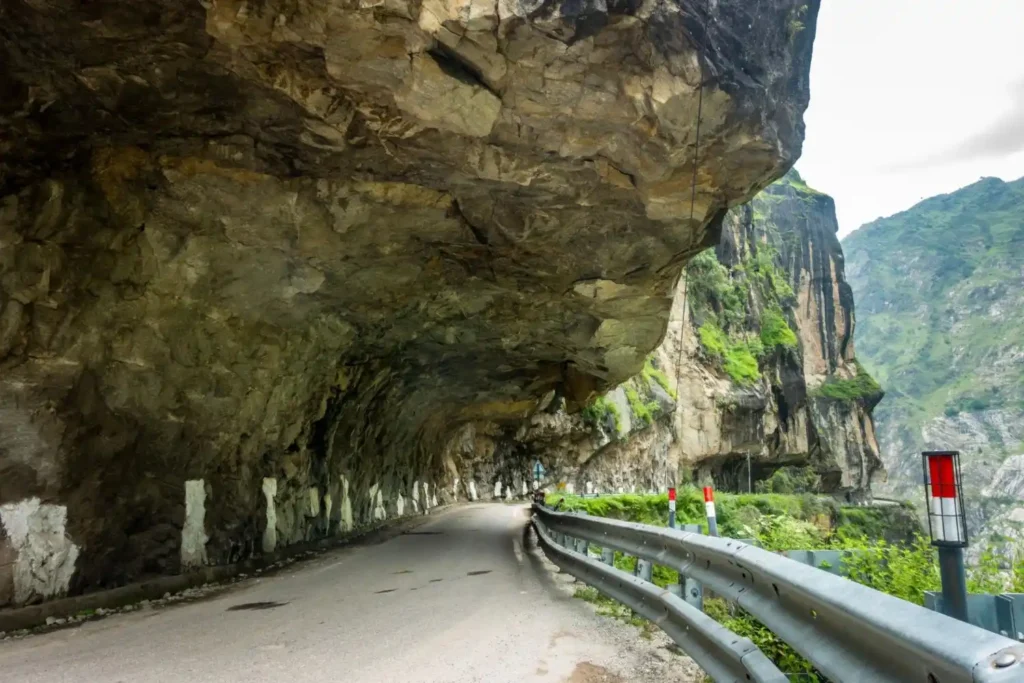
The third day combines two beautiful destinations.
Chitkul
Known as the last inhabited village near the Indo-Tibetan border, Chitkul is famous for:
- Wooden houses
- Snow-covered peaks
- Baspa River views
- Quiet mountain atmosphere
Many travelers spend a few hours here before continuing toward Kalpa.
Kalpa
Kalpa is known for its spectacular views of the Kinnaur Kailash range.
The town offers:
- Comfortable hotels
- Excellent mountain views
- Good acclimatization stop
The altitude gain remains gradual, helping travelers adjust before entering Spiti Valley.
Day 4: Kalpa – Nako – Tabo – Dhankar – Kaza
This is often considered one of the most scenic days of the entire journey.
Nako Village
Located near the border region, Nako is famous for:
- Nako Lake
- Traditional village atmosphere
- Monastery
The landscape starts becoming more barren as you move closer to Spiti.
Tabo Monastery
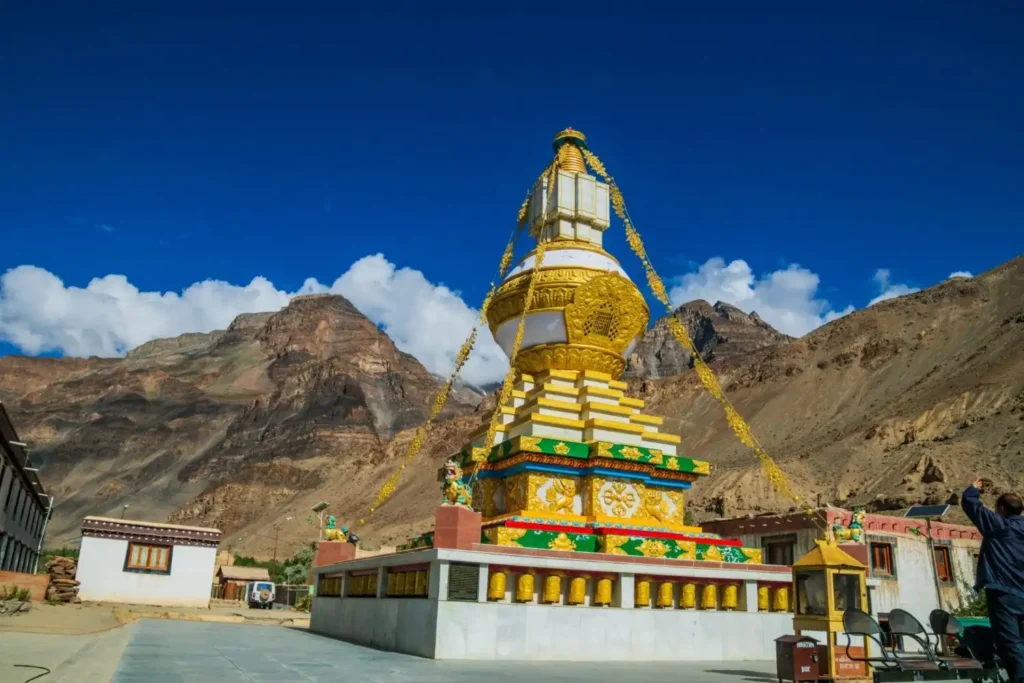
Founded over a thousand years ago, Tabo Monastery is often called the “Ajanta of the Himalayas.” Our Tabo Monastery guide covers everything from visiting hours to the best murals to look for inside.
Highlights include:
- Ancient murals
- Historic temples
- Buddhist heritage
Many travelers spend at least an hour exploring the monastery complex.
Dhankar Monastery
Perched dramatically on a cliff, Dhankar offers some of the best views in Spiti Valley. The monastery overlooks the confluence of the Spiti and Pin Rivers, creating a stunning landscape.
Arrival in Kaza
By evening, most travelers reach Kaza.
Spend the evening:
- Resting
- Hydrating
- Acclimatizing
Avoid strenuous activity on the first evening because Kaza sits at a significantly higher altitude than previous stops.
Day 5: Langza, Hikkim, Komic & Key Monastery
This is one of the most exciting sightseeing days in Spiti Valley.
Langza Village
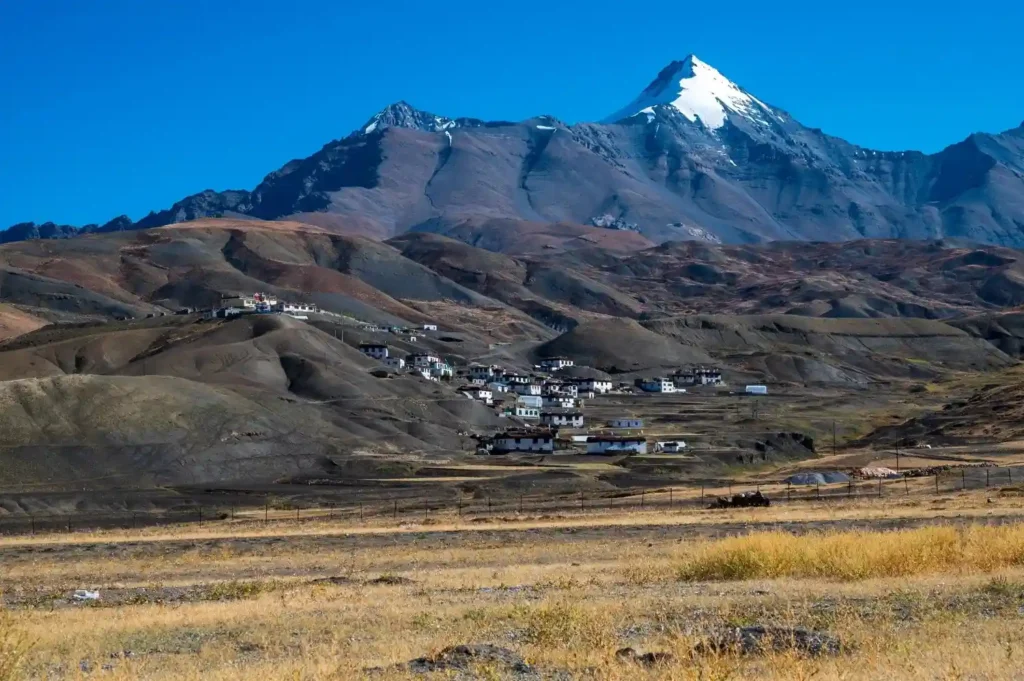
Located about 15 km from Kaza, Langza is known for:
- Giant Buddha Statue
- Fossils
- Traditional village life
- Panoramic valley views
The giant Buddha statue overlooking the valley is one of the most photographed landmarks in Spiti. The village has a small population and offers a peaceful atmosphere that many travelers find memorable.
Hikkim
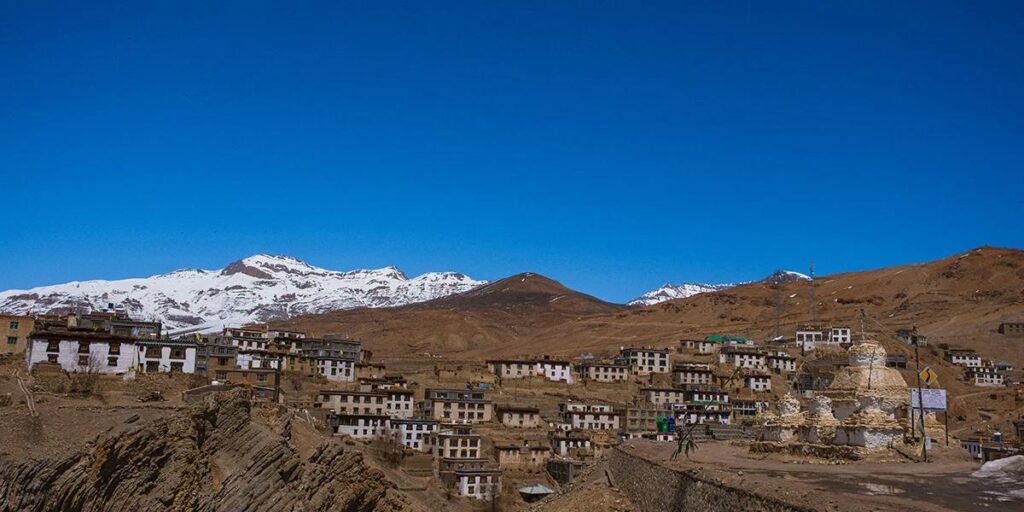
Hikkim is famous for housing the world’s highest post office.
Visitors can:
- Buy postcards
- Send letters
- Collect unique postal stamps
Many travelers mail postcards to friends and family as a memorable souvenir from the trip.
Komic
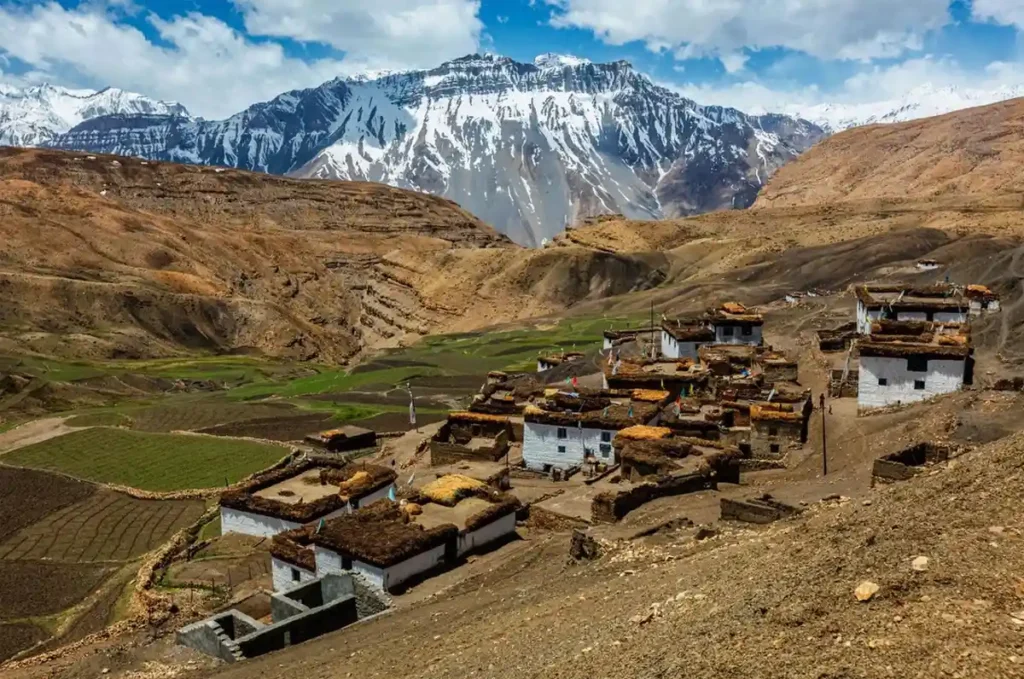
Komic is often listed among the highest motorable villages in the world.
Highlights include:
- High-altitude landscapes
- Monastery
- Traditional village life
- Remote Himalayan atmosphere
Despite its small size, Komic provides a fascinating glimpse into life at extreme altitudes.
Key Monastery
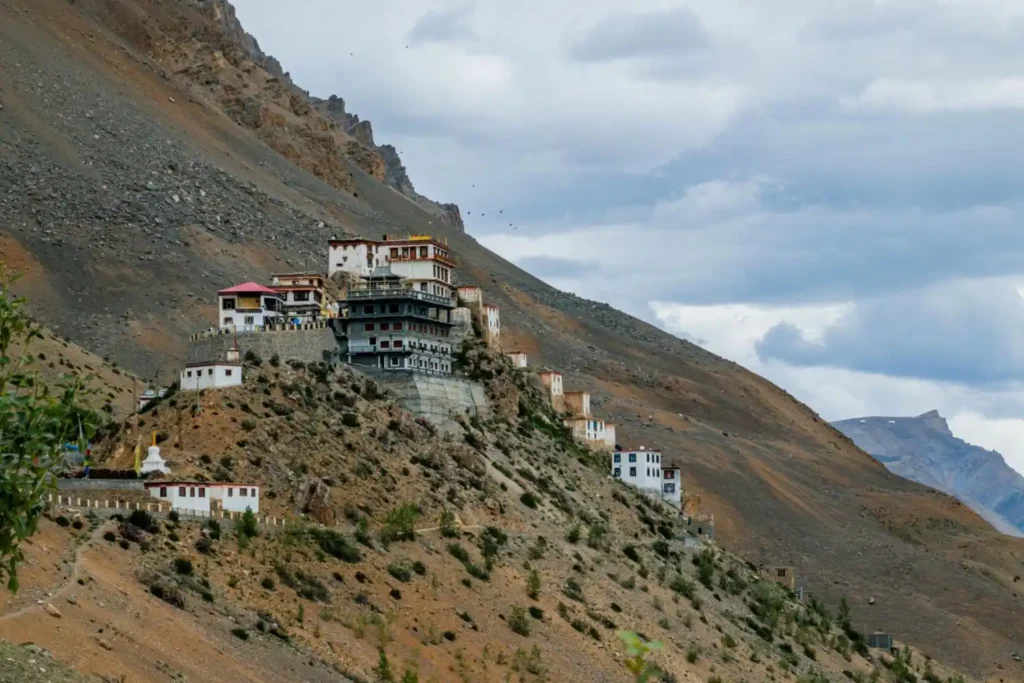
After visiting Langza, Hikkim, and Komic, many travelers return toward Key Monastery Spiti Valley, which is considered the spiritual heart of Spiti Valley. Located about 15 km from Kaza, Key Monastery sits dramatically on a hilltop overlooking the Spiti River.
Why Key Monastery Is Special
Key Monastery is the largest monastery in Spiti Valley and has existed for centuries despite earthquakes, invasions, and harsh weather conditions.
Visitors can explore:
- Prayer halls
- Ancient scriptures
- Buddhist paintings
- Monastic living quarters
- Meditation spaces
One of the highlights of visiting Key Monastery is the view from the upper levels. From here, the valley stretches in every direction, offering one of the best panoramas in Spiti.
Most travelers spend at least one hour exploring the monastery.
Day 6: Kibber, Chicham Bridge, Kunzum Pass & Chandratal
This day combines some of the most famous attractions in Spiti Valley.
Kibber Village
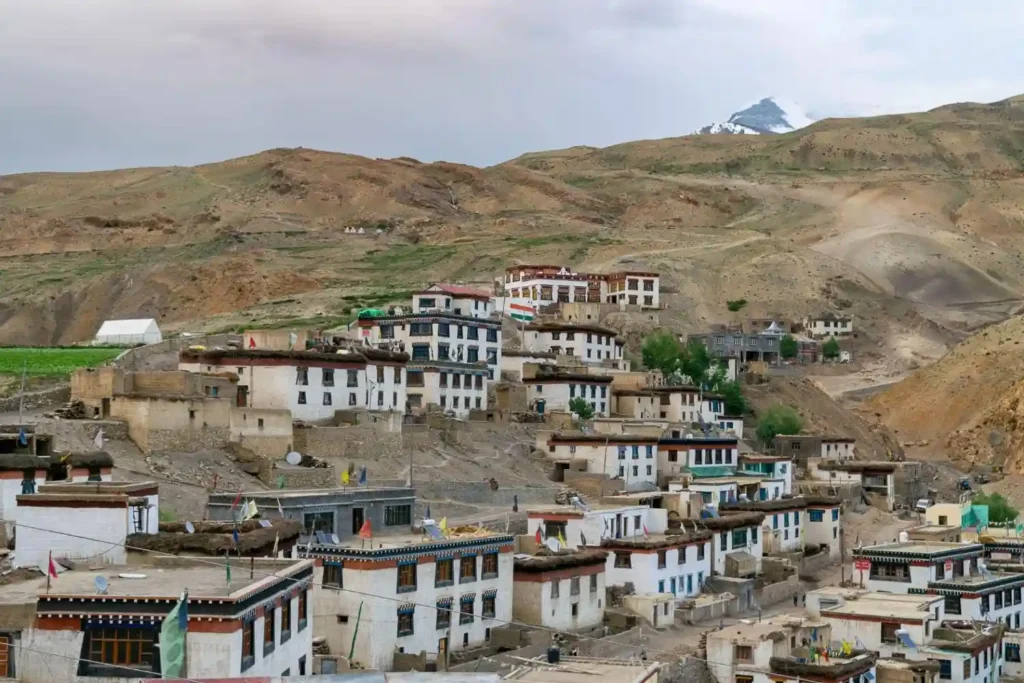
Located close to Key Monastery, Kibber is known for:
- Traditional stone houses
- Mountain scenery
- Wildlife habitat
- Snow leopard region
Walking through Kibber feels like stepping into another world. The village remains deeply connected to its traditional lifestyle despite growing tourism.
Chicham Bridge
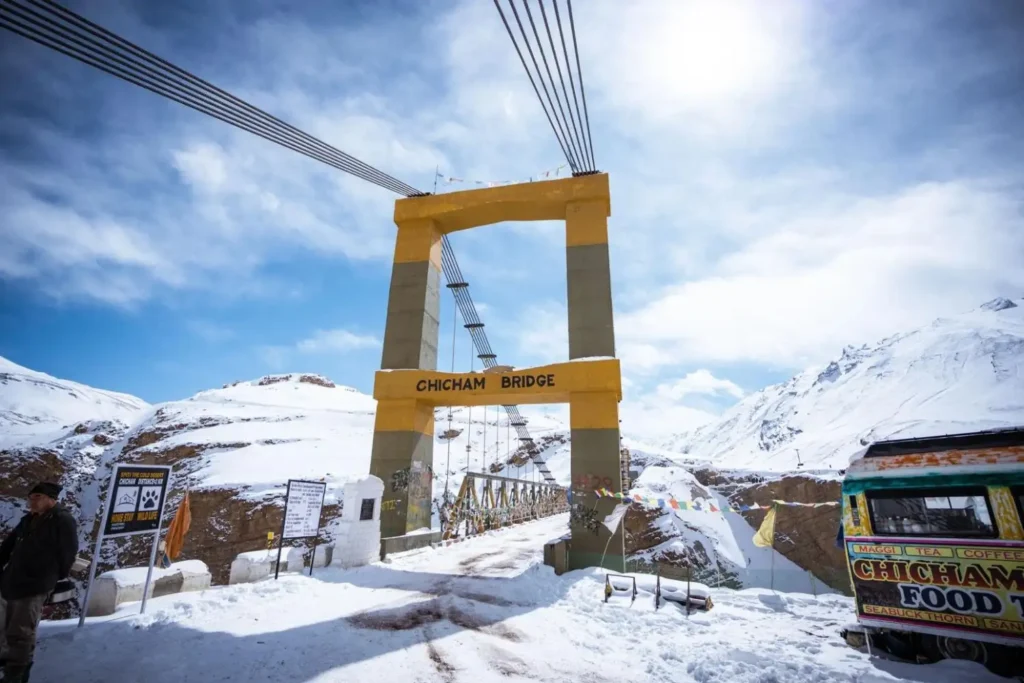
Just a short drive from Kibber lies Chicham Bridge.
The bridge connects Kibber and Chicham villages and is one of the highest suspension bridges in Asia.Standing on the bridge, travelers can look down into a deep gorge carved by centuries of erosion. The views are spectacular and make it one of the most photographed spots in Spiti Valley.
Journey Toward Kunzum Pass
After Chicham, the route continues toward Kunzum Pass. The roads become rougher, and facilities become increasingly limited.
Travelers should carry:
- Drinking water
- Snacks
- Basic medicines
- Extra fuel if required
The scenery becomes more dramatic as the route climbs higher.
Kunzum Pass
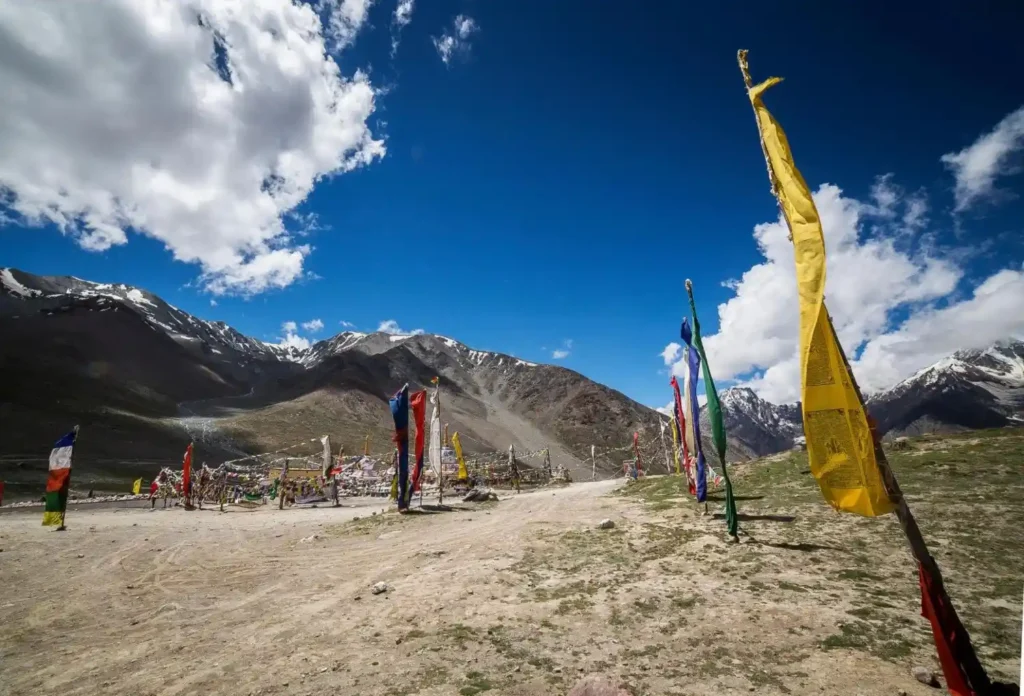
At an altitude of approximately 4,551 metres, Kunzum Pass is one of the most important mountain passes connecting Spiti Valley with Lahaul.
Kunzum Mata Temple
Near the top lies the small Kunzum Mata Temple.Traditionally, travelers circle the temple before continuing their journey.The site is filled with colourful prayer flags and offers breathtaking views of surrounding peaks.
Visitor Experience
Most visitors stop here for:
- Photography
- Mountain views
- Temple visit
- Short breaks
The high altitude and open landscape make Kunzum Pass one of the most memorable parts of the journey.
Chandratal Lake
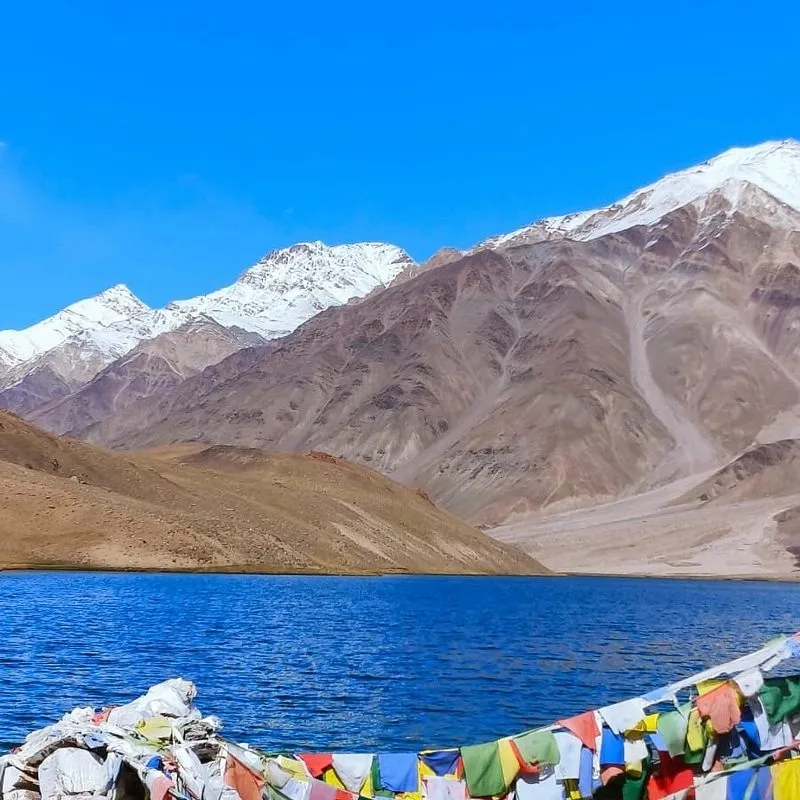
After crossing Kunzum Pass, travelers continue toward Chandratal Lake. Often called the “Moon Lake,” Chandratal is considered one of the most beautiful high-altitude lakes in India.
Walking Trail to the Lake
Vehicles are not allowed directly beside the lake.Visitors must park and walk the remaining distance. The trail is relatively easy but can feel challenging because of the altitude.
First View of Chandratal
The first glimpse of the lake is unforgettable.
The water changes colour throughout the day, reflecting shades of:
- Blue
- Green
- Turquoise
Surrounded by barren mountains and open skies, Chandratal feels completely untouched. Many travelers consider it the highlight of their Spiti Valley trip.
Chandratal Camping Experience
Most travelers stay overnight at camps located a short distance from the lake.
Camping offers:
- Comfortable tents
- Basic meals
- Bonfire areas (where permitted)
- Mountain views
Night skies here are extraordinary.
With almost no light pollution, Chandratal becomes one of the best places in Himachal Pradesh for stargazing.
What the Spiti Valley Journey Actually Feels Like
A Spiti Valley trip is very different from a typical hill station vacation. The journey itself becomes one of the biggest highlights of the experience. Whether you enter through Shimla or Manali, the changing landscapes constantly remind you that you are traveling through one of India’s most remote mountain regions.
The first thing most travelers notice is how dramatically the scenery changes. Green valleys and forests slowly disappear, replaced by barren mountains, deep gorges, and wide open landscapes that resemble a completely different world. Every few hours, the views outside the window seem to change completely.
Road conditions can be unpredictable. Some stretches are smooth and enjoyable, while others are rough, dusty, and filled with water crossings. During long driving days, patience becomes just as important as planning. Many travelers arrive expecting a comfortable road trip but quickly realize that Spiti rewards those who enjoy the journey rather than rushing to the destination.
Weather is another part of the experience. A sunny afternoon can suddenly turn cold and windy, especially around higher-altitude villages like Langza, Hikkim, and Komic. Carrying layers becomes essential because temperatures often change throughout the day.
One of the most memorable parts of visiting Spiti is interacting with local people. Despite living in harsh conditions, the residents are known for their warmth and hospitality. Staying in homestays often provides a deeper understanding of local culture, food, and everyday life in the mountains.
The biggest challenge for many first-time visitors is the altitude. Mild headaches, shortness of breath, and fatigue are common during the initial days. Taking things slowly, staying hydrated, and allowing time for acclimatization makes a huge difference.
Looking back, what makes Spiti special is not a single monastery, village, or viewpoint. It is the combination of long mountain roads, peaceful landscapes, remote settlements, and the feeling of being disconnected from the fast pace of everyday life. The journey often leaves travelers with memories that stay long after the trip ends.
Fuel Availability in Spiti Valley
Fuel planning is one of the most important aspects of a Spiti road trip.
Main Fuel Station
The primary fuel station in central Spiti is located in Kaza. Before leaving Kaza for sightseeing or continuing toward Chandratal and Manali, fill your tank completely.
Important Fuel Tips
- Do not assume fuel will be available in every village.
- Keep a fuel buffer.
- Bikers should plan carefully.
- Long stretches have no petrol pumps.
Many experienced riders carry additional fuel containers for safety.
Mobile Network & Internet in Spiti Valley
Network connectivity remains limited across many parts of Spiti.
Best Network
Generally, BSNL and Jio offer the widest coverage.
Areas with Limited Connectivity
- Langza
- Hikkim
- Komic
- Chandratal
- Kunzum Pass
Internet speeds can be inconsistent.
Useful Tips
- Download offline maps.
- Inform family before entering remote areas.
- Keep emergency contacts saved offline.
Approximate Spiti Valley Trip Budget
Budget Backpacker
₹12,000–18,000 per person
Includes:
- Shared transport
- Homestays
- Basic meals
Self-Drive Trip
₹18,000–35,000+ per person
Depends on:
- Fuel costs
- Accommodation
- Group size
Motorcycle Trip
₹20,000–40,000+ per person
Depends on:
- Bike rental
- Fuel
- Maintenance
- Stay options
Tour Package
₹18,000–45,000+ per person
Depending on:
- Duration
- Accommodation category
- Inclusions
Companies like TripGuruGo often help travelers manage logistics, stays, transportation, and route planning, making the journey easier for first-time visitors.
Essential Travel Tips
Acclimatize Properly
Spend at least one night in Kaza before visiting higher villages.
Stay Hydrated
High altitude increases the risk of dehydration.
Carry Warm Clothing
Even summer evenings can become cold.
Start Early
Mountain weather changes quickly.
Keep Cash
ATMs are limited and may not always function.
Respect Monasteries
Follow local customs and maintain silence inside prayer halls.
Carry Basic Medicines
Medical facilities are limited in remote villages.
Download Offline Maps
Network coverage cannot be relied upon everywhere.
Frequently Asked Questions
Is Kaza a good base for sightseeing?
Yes. Kaza is the main hub of Spiti Valley and provides access to most major attractions.
How many days are needed for Spiti Valley?
A minimum of 6–7 days is recommended for a comfortable trip.
Is Chandratal worth visiting?
Absolutely. Many travelers consider it the highlight of their entire Spiti journey.
Is oxygen a problem in Spiti?
Some travelers may experience mild altitude sickness. Proper acclimatization helps reduce the risk.
Is the network available everywhere?
No. Several areas have limited or no connectivity.
Can Langza, Hikkim, and Komic be covered in one day?
Yes. Most travelers complete all three villages in a single day from Kaza.
Is a bike better than a car for Spiti?
Both are suitable. Bikes offer more adventure, while cars provide greater comfort and protection from weather.
Conclusion
A Spiti Valley road trip is far more than a sightseeing holiday. From the peaceful villages of Langza, Hikkim, and Komic to the spiritual atmosphere of Key Monastery, the traditional charm of Kibber, the engineering marvel of Chicham Bridge, the high-altitude beauty of Kunzum Pass, and the unforgettable landscape of Chandratal Lake, every day offers a completely different experience.
The best way to explore Spiti is slowly. Spend time in the villages, talk to locals, enjoy the monasteries, and take in the changing landscapes. The memories that stay with most travelers are rarely the famous viewpoints alone; they are the quiet moments on mountain roads, the conversations in homestays, and the feeling of being surrounded by some of the most dramatic scenery in the Himalayas.

Abdullah Khan specializes in adventure travel across Spiti Valley and the high-altitude regions of Himachal Pradesh. He writes about road trips, bike expeditions, hidden villages, monasteries, and offbeat Himalayan experiences. His guides focus on route planning, acclimatization, travel safety, and the best experiences across Spiti Valley.