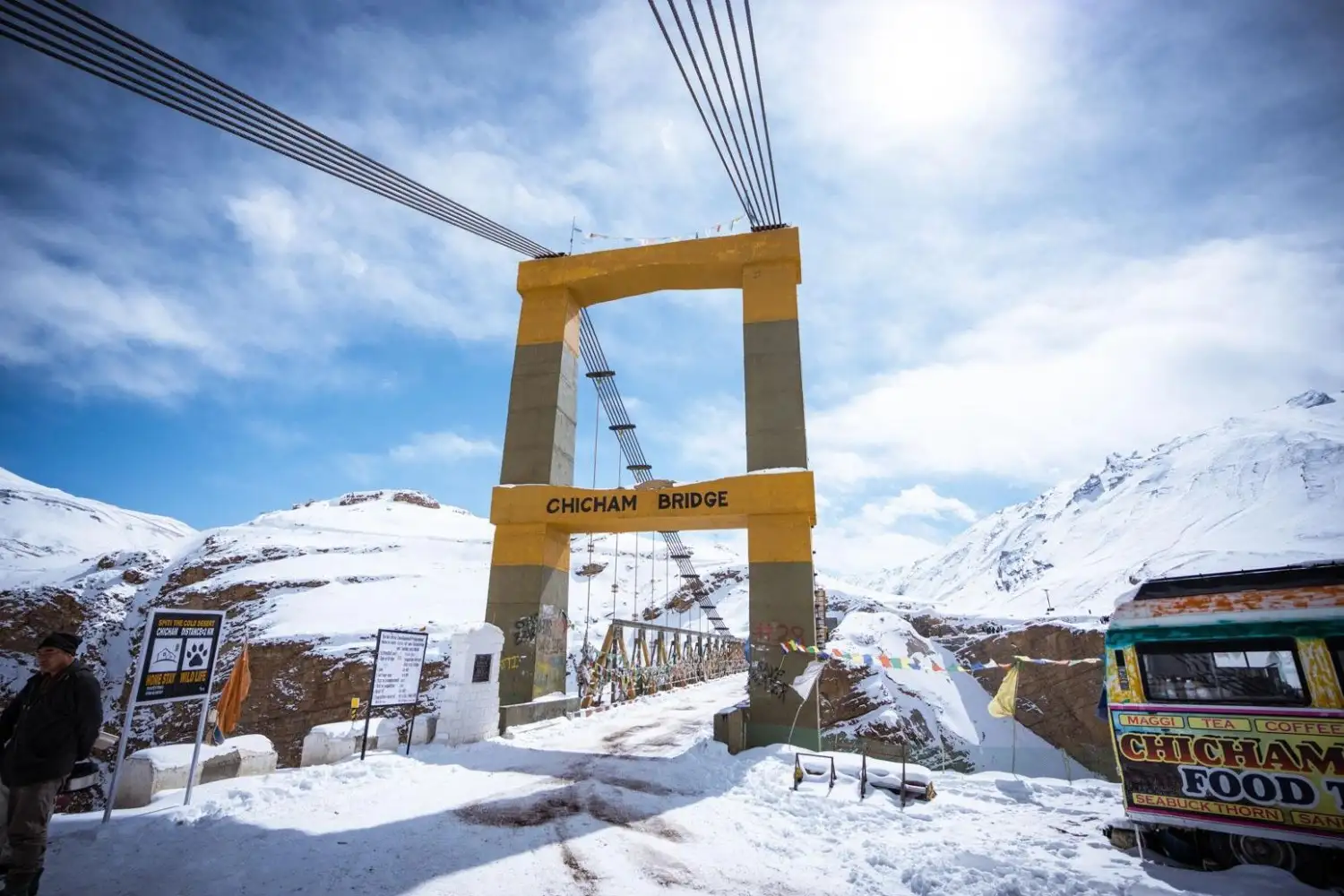
Chicham Bridge is one of the most famous attractions in Spiti Valley, Himachal Pradesh. Located between Kibber and Chicham villages at an altitude of around 13,600 feet, it is known as one of Asia’s highest suspension bridges. Built by the Border Roads Organisation (BRO), the bridge replaced a risky ropeway system and transformed transportation for local communities. Today, it attracts travelers looking for mountain views, engineering marvels, and unique experiences in Spiti Valley.
| Detail | Information |
| Location | Spiti Valley, Himachal Pradesh |
| Altitude | Approx. 13,600 ft |
| Length | 420 metres |
| Opened | 2017 |
| Built By | BRO |
| Connecs | Kibber & Chicham Village |
Where is Chicham Bridge?
Chicham Bridge is located in Spiti Valley in the district of Lahaul and Spiti, Himachal Pradesh. The bridge connects Kibber Village and Chicham Village, two high-altitude settlements that are popular among travelers visiting Spiti.
Distance from Kaza Approximately 20 km Distance from Kibber Around 5 km Travel Time from Kaza 30–40 minutes by road Planning a full trip to the region? Our Essential Guide to Spiti Valley Travel covers everything from road conditions to accommodation options so you can plan without any surprises.
Because of its location, Chicham Bridge is usually included in the popular Kibber–Chicham sightseeing circuit along with Key Monastery, Hikkim, Langza, and Komic. For local residents, the bridge is much more than a tourist attraction. It serves as an important transportation link that makes travel safer and faster throughout the region.
The Story Before the Bridge Existed
Standing on the bridge today, it is difficult to imagine how people crossed this massive gorge in the past.Before Chicham Bridge was built, villagers had to rely on a ropeway system suspended above the canyon. Locally known as a trolley system, it was the only practical way to move between the two sides.Crossing was not easy.People had to manually pull the trolley across the gorge while suspended high above the valley floor.
Transporting goods, food supplies, medical necessities, and daily essentials was a major challenge.During bad weather, the situation became even more difficult.Students, elderly residents, and families often faced long and risky journeys simply to access schools, markets, and healthcare facilities.The growing need for a safer connection eventually led to the idea of constructing a permanent bridge.
Spiti Valley Batches to Explore Chicham Bridge
 Group Trip
26 September
Group Trip
26 September
Spiti Valley Short Circuit Trip
 Group Trip
26 September
Group Trip
26 September
Spiti Valley Full Circuit Trip
Great Work by the Border Roads Organisation (BRO)
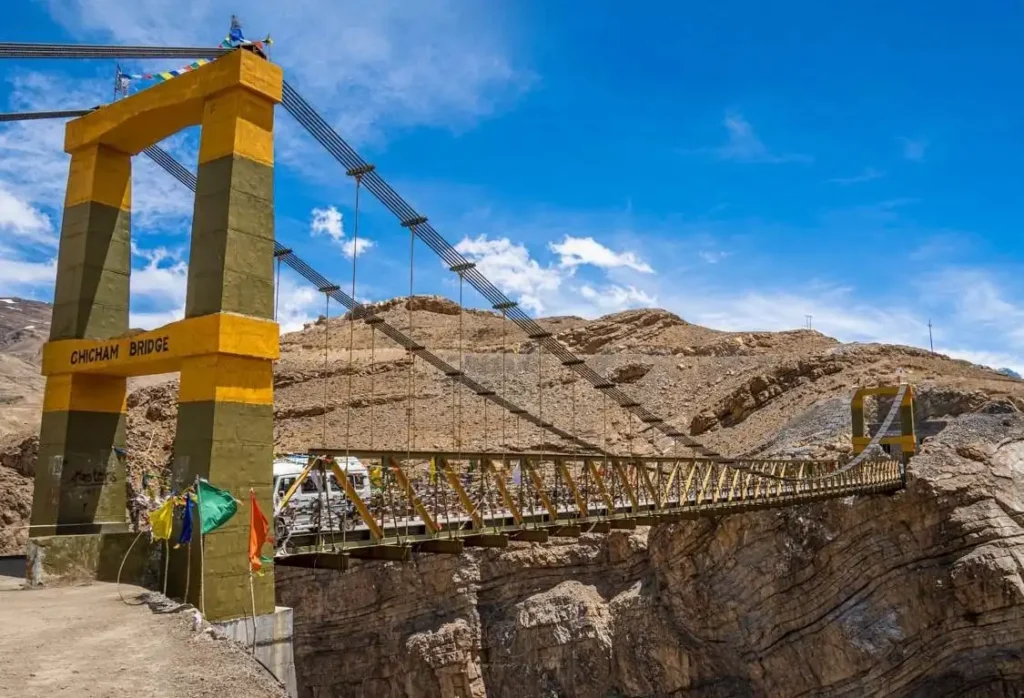
Building a bridge in Spiti Valley is not a simple task.The region experiences harsh winters, strong winds, freezing temperatures, and difficult terrain.The responsibility for this ambitious project was taken up by the Border Roads Organisation (BRO).Engineers had to work at an altitude of more than 4,000 metres above sea level while dealing with unpredictable mountain weather.
Transporting construction materials to such a remote location was itself a significant challenge.Every piece of equipment had to be moved through mountain roads that remain inaccessible during parts of the year.Despite these obstacles, the project moved forward.After years of planning and construction, BRO completed Chicham Bridge in 2017.The bridge immediately changed life for local communities and became a symbol of modern engineering in one of India’s most remote regions.
The Making of Chicham Bridge
One of the most interesting aspects of Chicham Bridge is the engineering behind it.The bridge stretches approximately 420 metres across a deep gorge.Its suspension design allows it to span a large distance without requiring support structures in the middle of the canyon.High-strength steel cables form the backbone of the bridge.
These cables are anchored securely into the rocky cliffs on both sides of the gorge.The structure was designed to withstand extreme weather conditions, including heavy snowfall, strong winds, and temperature fluctuations common in Spiti Valley.Engineers also focused on minimizing environmental impact during construction.Working in a fragile mountain ecosystem requires careful planning, and the project was executed with long-term sustainability in mind.
Today, Chicham Bridge stands as one of the most significant engineering achievements in Himachal Pradesh.
My First Impression of Chicham Bridge
The first thing that struck me was the scale of the gorge.Photographs make the bridge look impressive, but seeing it in person is a completely different experience.As I stepped out of the vehicle, I walked towards the edge and looked down.
The canyon seemed endless.Far below, the valley floor appeared tiny compared to the massive cliffs surrounding it.The bridge itself looked elegant against the rugged mountain backdrop.At that moment, I understood why so many travelers include Chicham Bridge in their Spiti Valley itinerary.It is not just a bridge.It is a place where engineering and nature come together in a remarkable way.
Walking Across One of Asia’s Highest Suspension Bridges
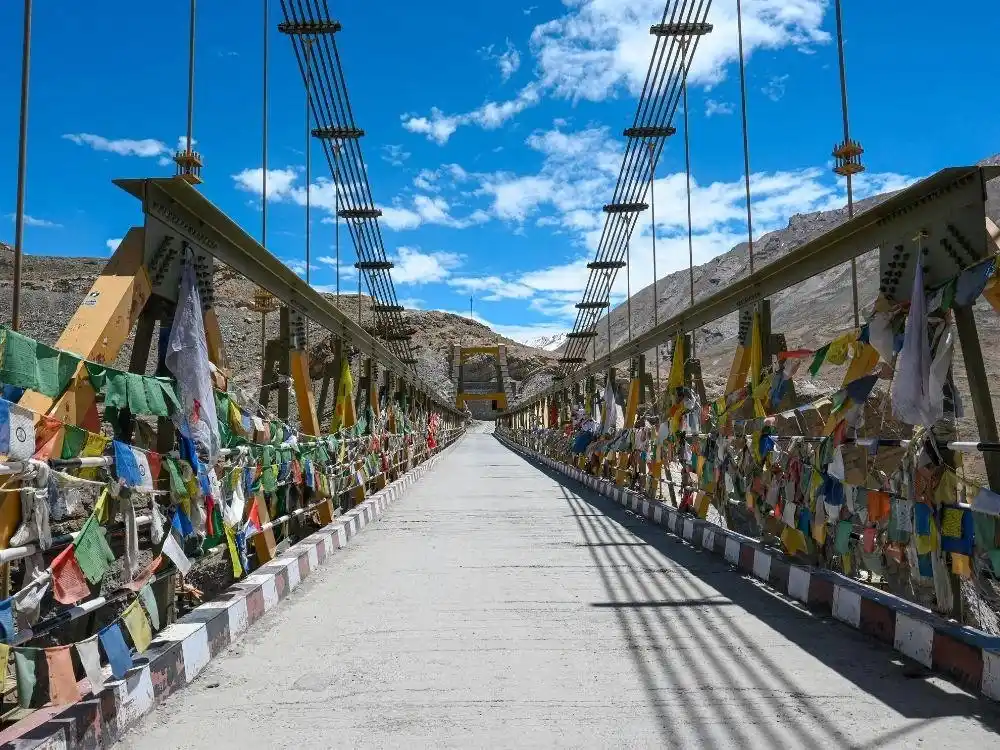
Walking across Chicham Bridge was easily one of the highlights of my Spiti trip.With every step, the views became more dramatic.The wind moved steadily through the canyon, creating a constant reminder of the altitude and openness of the landscape.Halfway across the bridge, I stopped for a moment.There was complete silence.No city noise.No crowds.
Only mountains, sky, and the deep gorge below.Standing there gave me a new appreciation for both the natural environment and the effort required to build such a structure.For travelers who enjoy unique experiences, walking across Chicham Bridge is something worth taking time to enjoy rather than rushing through.
Views from Chicham Bridge
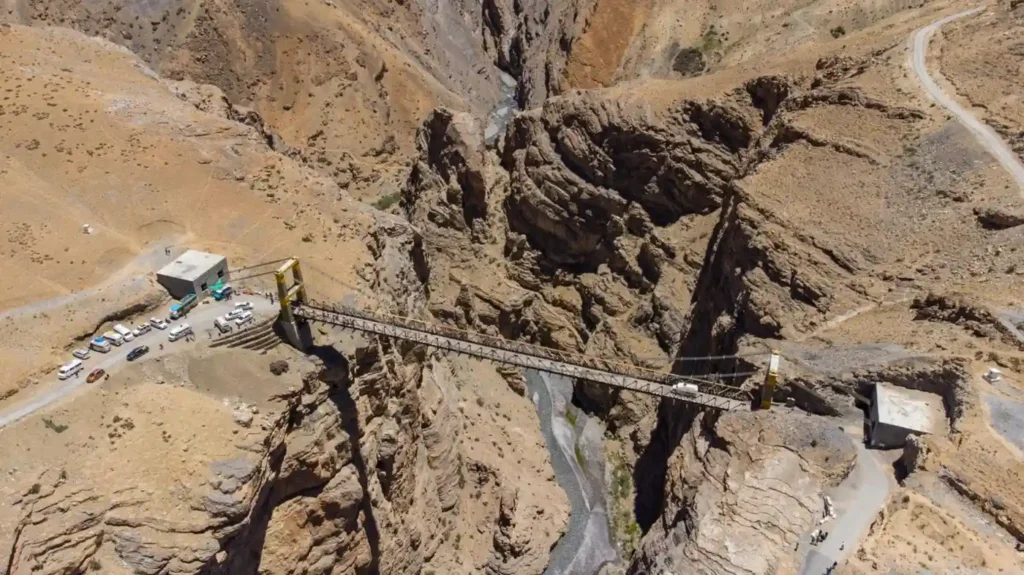
One of the biggest reasons travelers stop at Chicham Bridge is the scenery.The bridge stands above a massive canyon carved over centuries by natural forces. Looking down into the gorge gives you a sense of how powerful nature can be. The cliffs drop steeply on both sides, creating one of the most dramatic landscapes in Spiti Valley.
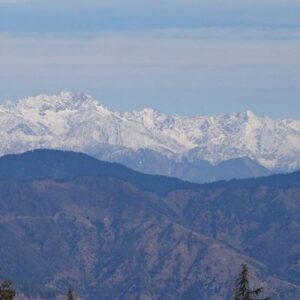
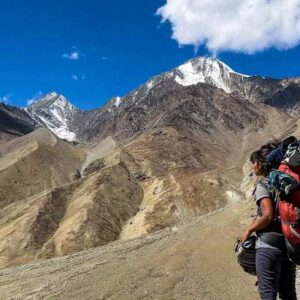
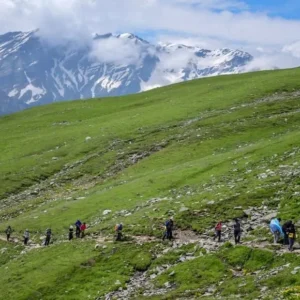
The surrounding mountains appear almost endless. Unlike the green valleys found in many Himalayan destinations, Spiti offers a completely different landscape. Brown mountains, rugged cliffs, open skies, and distant snow-covered peaks create a unique environment that feels untouched.
Photography enthusiasts will love this location.
Some of the best photographs can be captured from:
- The entrance of the bridge
- The middle section of the bridge
- Elevated viewpoints near Chicham Village
- The road connecting Kibber and Chicham
Morning and evening light often creates the most interesting conditions for photography.
Wildlife and Nature Around Chicham
The region around Chicham is known for its remote environment and rich biodiversity. Because of its high altitude and limited human activity, the area supports several species adapted to harsh mountain conditions.
Visitors may spot:
- Himalayan birds
- Mountain foxes
- Blue sheep (Bharal)
- Various high-altitude plant species
The wider Kibber Wildlife Sanctuary region is also known as one of the best places in India for snow leopard conservation.Although spotting wildlife is never guaranteed, nature lovers will appreciate the untouched environment surrounding the bridge.Even without seeing animals, the feeling of being surrounded by vast open landscapes is rewarding in itself.
Chicham Bridge and Local Life
For travelers, Chicham Bridge is an attraction.For local residents, it is a lifeline.Before the bridge existed, daily travel involved risk, effort, and uncertainty.
Simple activities such as:
- Visiting schools
- Accessing healthcare
- Transporting supplies
- Reaching nearby villages
required considerably more time and effort. The bridge transformed connectivity between villages.Today, residents can travel more efficiently throughout the region. Emergency services can reach communities faster, and transportation of goods has become much easier.
Tourism has also benefited. Many visitors who previously limited their exploration to Kaza now include Kibber and Chicham in their itineraries, creating additional opportunities for local businesses, homestays, and guides.
Why Chicham Bridge Became a Major Tourist Attraction
Several factors have contributed to the popularity of Chicham Bridge.
Engineering Achievement
The bridge represents an impressive accomplishment in a challenging environment. Travelers often visit simply to see how such a structure was built in a remote mountain region.
Adventure Experience
Walking across a suspension bridge above a deep canyon creates a memorable experience.
Scenic Location
The surrounding landscapes provide some of the most dramatic views in Spiti Valley.
Photography Opportunities
The combination of engineering and natural scenery makes the bridge one of the most photographed locations in the region.
Accessibility
Because the bridge is easily accessible from Kaza and Kibber, it fits conveniently into most Spiti Valley itineraries.
Best Time to Visit Chicham Bridge
Summer (May to June)
Summer is one of the most popular times to visit. Road conditions are generally better, temperatures are comfortable, and sightseeing becomes easier.
Monsoon (July to August)
Spiti receives significantly less rainfall than many other Himalayan regions.However, travelers should still monitor road conditions before starting their journey.
Autumn (September to October)
Many experienced travelers consider autumn one of the best seasons.Clear skies and stable weather provide excellent visibility for photography and sightseeing.
Winter (November to April)
Winter transforms the region completely. Heavy snowfall and extreme temperatures can make travel challenging. Only experienced travelers with proper planning should consider visiting during this period.
How to Reach Chicham Bridge
From Kaza
Kaza serves as the primary base for exploring Chicham Bridge.
Distance: Approximately 20 km
Travel Time: Around 30–40 minutes
The road passes through beautiful mountain scenery and offers several opportunities for photography along the way.
From Kibber
Chicham Bridge is located only a few kilometres from Kibber Village. Many travelers visit both attractions together during the same excursion.
Via Self-Drive
Self-driving is one of the most popular ways to explore Spiti Valley.SUVs are generally preferred due to changing road conditions, though standard vehicles can also complete the journey during favorable weather.
Via Bike Trip
Motorcycle journeys remain one of the most exciting ways to experience Spiti Valley.The route between Kaza, Kibber, and Chicham offers fantastic riding conditions and memorable scenery.
Travel Tips for Visitors
Carry Warm Clothing
Even during summer, temperatures can drop unexpectedly.Layered clothing is always recommended.
Acclimatize Properly
The bridge is located above 4,000 metres.Spend at least one night in Kaza before visiting higher-altitude locations.
Stay Hydrated
Altitude can affect travelers differently.Drinking enough water helps reduce the risk of altitude-related discomfort.
Start Early
Morning hours usually offer clearer weather and fewer visitors.
Keep Cash Handy
Digital payments may not always work due to network limitations.
Check Road Conditions
Weather can affect mountain roads quickly.Always verify current conditions before traveling.
Respect the Environment
Avoid littering and help preserve the natural beauty of Spiti Valley.
Nearby Places to Visit
Chicham Bridge pairs perfectly with several other highlights in the area. Kibber Village is one of the highest inhabited villages in the region. Key Monastery is the largest and most famous monastery in Spiti Valley. Hikkim Village is home to the world’s highest post office. Langza Village is known for its giant Buddha statue and fossil-rich landscape.
Komic Village is among the highest motorable villages in the world. Many travelers visit it along with other iconic destinations in the region. To explore more places worth adding to your journey, take a look at our Must-See Attractions in Spiti Valley.
Kibber Village
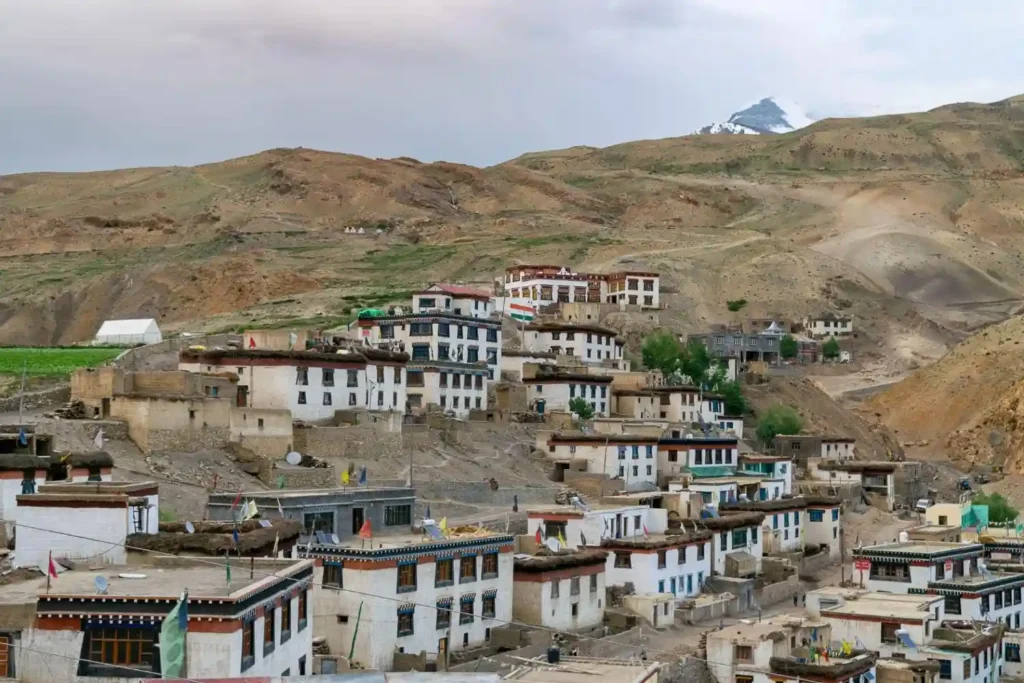
One of the highest inhabited villages in the region, known for traditional homes and mountain views.
Key Monastery

The largest and most famous monastery in Spiti Valley.
Hikkim Village

Home to the world’s highest post office.
Langza Village
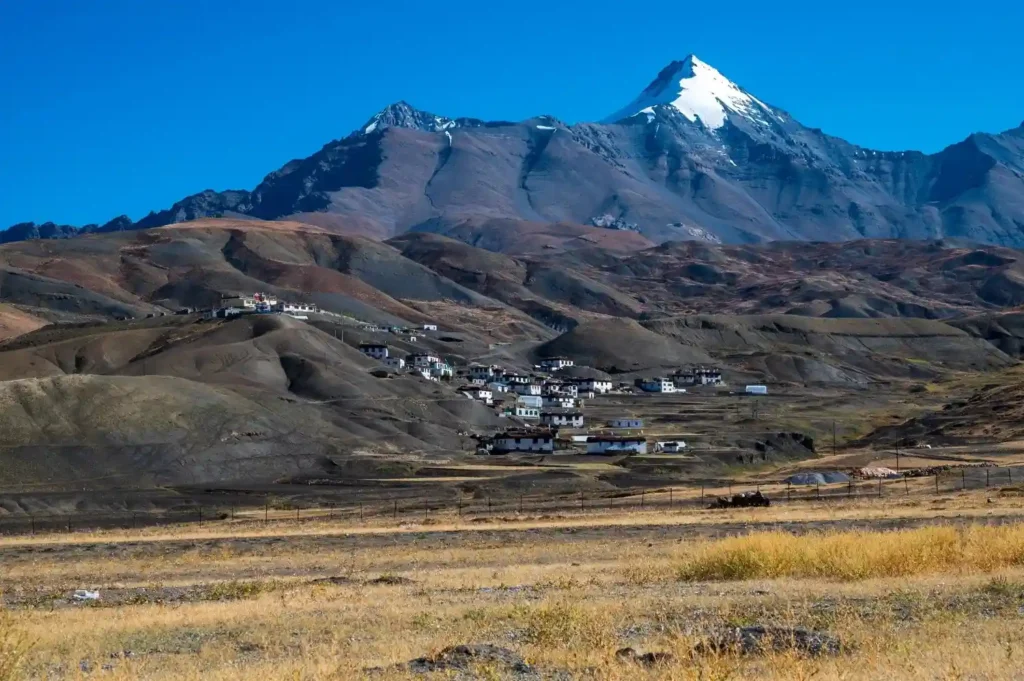
Known for its giant Buddha statue and fossil-rich landscape.
Komic Village
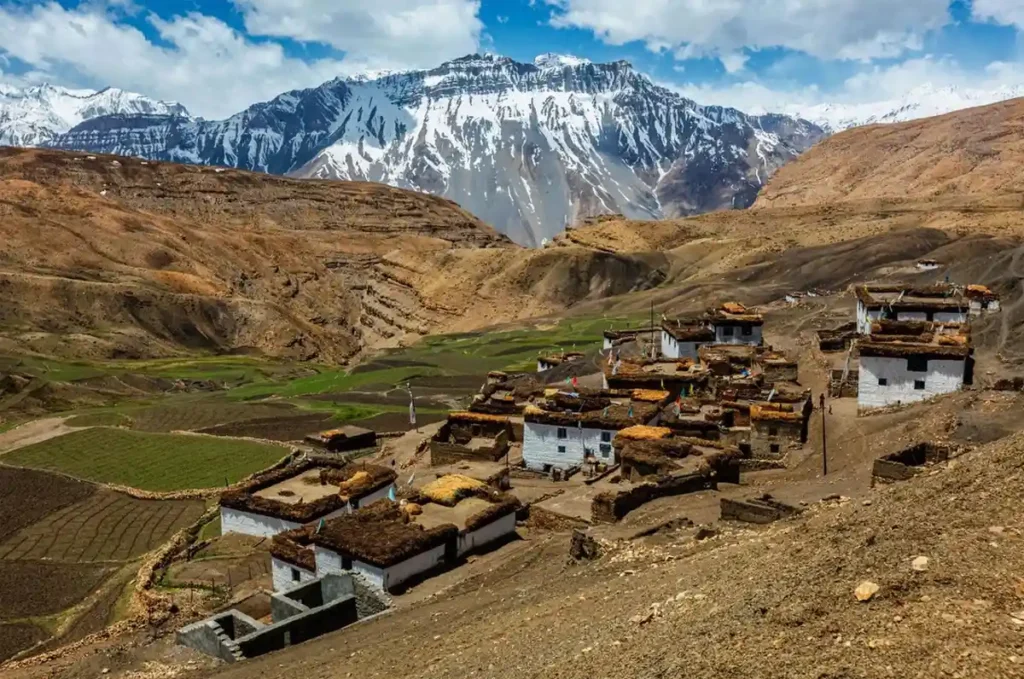
Among the highest motorable villages in the world.
Kaza
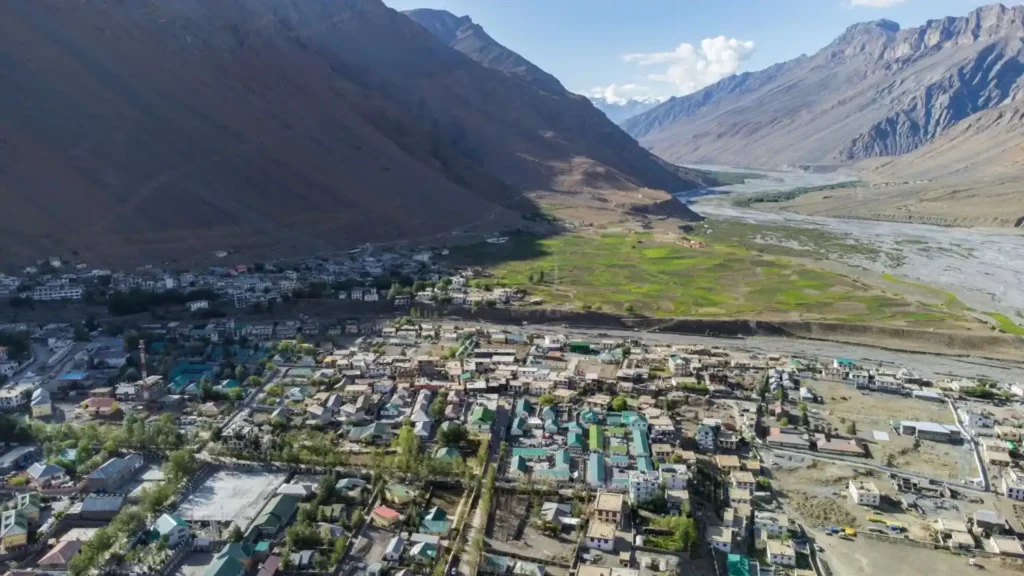
The main town of Spiti Valley and the perfect base for exploring nearby attractions.
Conclusion
My visit to Chicham Bridge was one of the highlights of exploring Spiti Valley.The bridge is more than a tourist attraction. It tells a story about overcoming geographical challenges, connecting remote communities, and creating opportunities for future generations.
From learning about the old ropeway system and understanding the role of the Border Roads Organisation to walking across the bridge and enjoying the surrounding views, every part of the experience felt meaningful.
If you are planning a Spiti Valley road trip, make sure Chicham Bridge is on your itinerary.It is one of those places that reminds you travel is not only about destinations. Sometimes the structures, stories, and people behind a place make the journey truly memorable.
FAQs
Where is Chicham Bridge located?
Chicham Bridge is located in Spiti Valley, Himachal Pradesh, connecting Kibber and Chicham villages.
Is Chicham Bridge the highest suspension bridge in Asia?
It is widely recognized as one of the highest suspension bridges in Asia and one of the most significant engineering achievements in Spiti Valley.
How far is Chicham Bridge from Kaza?
The bridge is approximately 20 km from Kaza and can usually be reached within 30–40 minutes.
Can vehicles cross Chicham Bridge?
Yes, both cars and motorcycles can cross the bridge.
Who built Chicham Bridge?
The bridge was constructed by the Border Roads Organisation (BRO).
What is the best time to visit Chicham Bridge?
May to October is generally considered the best time due to better weather and road conditions.
Is Chicham Bridge safe for visitors?
Yes, the bridge is safe for both pedestrians and vehicles when normal safety precautions are followed.
Can Chicham Bridge be visited along with Kibber?
Yes. Most travelers combine Chicham Bridge and Kibber Village during the same day trip from Kaza.

Abdullah Khan specializes in adventure travel across Spiti Valley and the high-altitude regions of Himachal Pradesh. He writes about road trips, bike expeditions, hidden villages, monasteries, and offbeat Himalayan experiences. His guides focus on route planning, acclimatization, travel safety, and the best experiences across Spiti Valley.