Packing for Kedarkantha isn’t like packing for a regular hill trip, and honestly, most first-timers figure this out the hard way usually somewhere around Juda Ka Talab, staring at their overstuffed bag wondering why they brought three hoodies.
Once you leave Sankri and start climbing, that’s it. No shops, no “I’ll just buy it there,” no forgotten essentials magically appearing. Whatever’s in your bag at the base is what you’re working with for the rest of the trek.
The question we get asked before literally every batch: “Bhai kitna warm clothing chahiye actually?”
Short answer: more layers, less bulk. Kedarkantha is a snow trek for most of its season, and that changes the packing game completely compared to a regular monsoon or summer trek.
If you’re trekking with one of Trip Guru Go’s fixed departures, your Trip Captain will run through a full checklist with you before day one. But knowing why each item matters makes packing way less of a guessing game, and way less stressful the night before.
This list isn’t a copy-paste template either. It’s based on watching hundreds of trekkers pack and repack their bags at Sankri before the trail even starts — the same items get pulled out every single batch, and the same “I wish I’d carried this” comments come up on the way down.
Understand the Weather Before You Even Open Your Bag
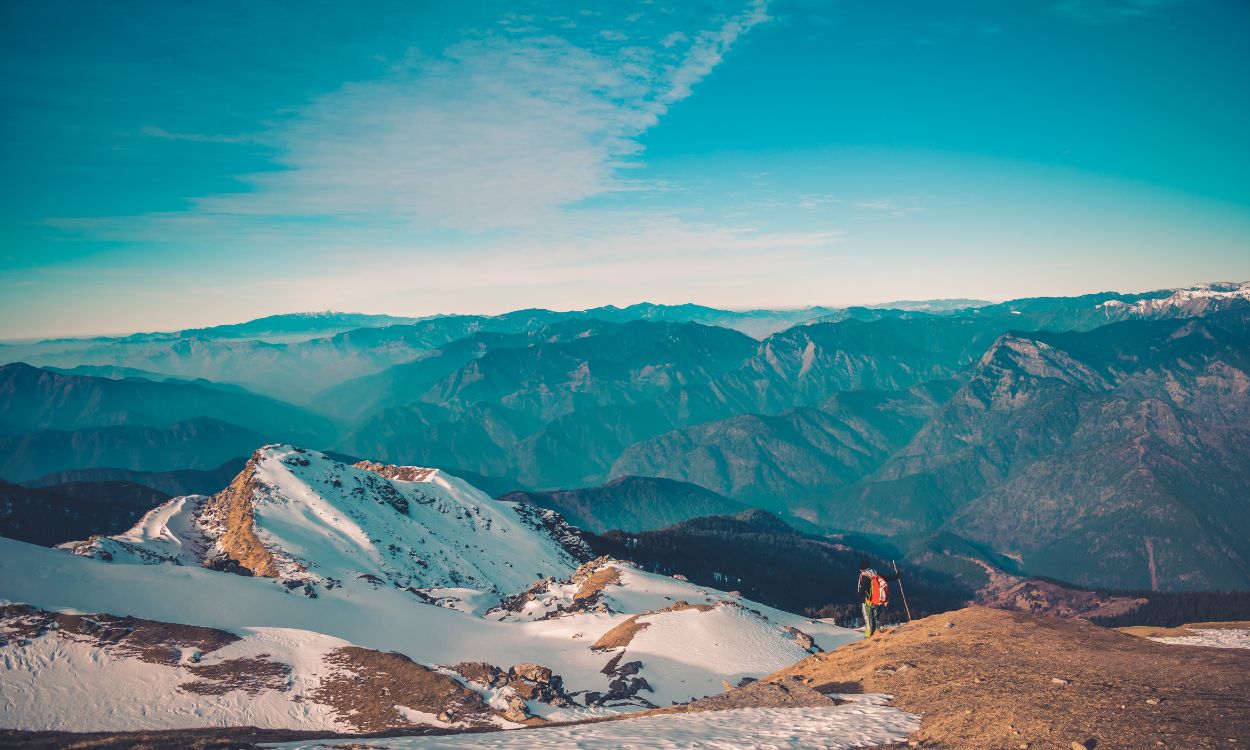
Kedarkantha sits at around 12,500 feet, and unlike a lot of other treks, snow is basically part of the deal here, not a maybe.
Sankri itself feels manageable, sometimes even mild during the day. But as you climb toward Juda Ka Talab and eventually the summit, temperatures drop fast, and nights can go well below freezing even in the “warmer” part of the season. Wind at the top adds another layer of cold that catches people off guard every single time.
The season you go in changes your packing more than people expect. December and January batches deal with the deepest snow and the coldest nights this is peak winter-trek energy, and your layering needs to reflect that. February is usually still snowy but slightly more forgiving on the temperature front. Late season batches (March, if the trek is running) see less snow but still cold nights at higher camps, so don’t assume “less snow” means “pack light.”
The move here is layering, not one giant jacket. Layers let you adjust as the day swings from “this is fine” to “why is my face frozen” within a couple of hours.
Clothing Checklist
Base Layers
What touches your skin matters more than people think at this altitude.
Carry:
- 3–4 quick-dry thermal T-shirts
- 1–2 full-sleeve tees for layering and sun protection
- Proper thermal innerwear, top and bottom — non-negotiable for Kedarkantha
- Comfortable regular innerwear
- 5–6 pairs of trekking socks, plus 1–2 woollen socks for camp and sleeping
Skip cotton completely. It holds sweat, dries slowly, and turns into a cold, damp problem the moment you stop moving.
Mid Layer
A solid fleece or down jacket is doing most of the heavy lifting on this trek. You’ll live in it during mornings, evenings, and every single rest stop.
Outer Layer
Weather flips fast once you’re above Sankri.
Carry:
- A proper waterproof and windproof jacket (this is not the trek to skip this on)
- Waterproof pants or a shell layer for the legs, since sitting or kneeling in snow is inevitable
- Rain and snow cover for your backpack
Even on a clear morning, don’t leave this behind. Snow treks punish “it looked fine when I left camp” more than any other kind of trek.
Trekking Pants
Carry:
- Two quick-dry, insulated trekking pants
- One warm lower for camp evenings
Leave the jeans at home entirely. Wet denim at sub-zero temperatures is genuinely miserable and takes forever to dry.
Trekking Shoes
This is the one item worth stressing over more than anything else on this list.
Choose:
- High-ankle, insulated, waterproof trekking shoes with solid grip for snow
- Shoes you’ve already broken in on a few walks, never straight-out-of-the-box new
Also carry gaiters if you have them to keep snow from getting into your shoes, which is one of the fastest ways to end up with cold, wet feet for the rest of the day.
Also pack lightweight camp slippers so your feet get a break once you’re done trekking for the day.
Backpack
A 50 to 60-litre backpack works well for most trekkers carrying their own gear. Look for adjustable shoulder straps, a waist belt, chest strap, and a built-in rain cover.
Pack heavier items closer to your back for balance, and keep your rain jacket, water bottle, and snacks in outer pockets you can reach without unpacking your whole bag mid-trail. Sleeping clothes and toiletries can go deeper inside since you won’t need them until camp.
Pack the night before, not in a rush at Sankri. It’s the easiest way to catch overpacking before it becomes dead weight on an uphill climb.
Documents and Money
Carry your original photo ID forest checkpoints near Sankri will ask for it before the trek starts. A couple of passport-sized photos are useful too, since some permit formalities need them on the spot.
Keep enough cash on hand. Once you’re past Sankri, ATMs and digital payments basically don’t exist. Carry a bit more than you think you’ll need rather than running short mid-trek.
Personal Essentials
Carry:
- Reusable water bottle (at least 1 litre)
- Personal medicines
- Sunscreen (SPF 50+) snow reflects sunlight hard, sunburn on a winter trek is very real
- Lip balm with SPF
- Sunglasses with proper UV protection (snow glare is no joke)
- Woollen cap and a separate sun cap
- Gloves ideally a warm pair plus a waterproof outer pair
- Quick-dry towel
- Wet wipes
- Toothbrush, toothpaste, hand sanitizer, tissue paper
Most first-timers underestimate how strong sun exposure is on snow. Sunglasses and sunscreen aren’t optional here, even on a cloudy day.
Electronics
There’s no charging point once you leave Sankri, so top everything up before you start.
Carry:
- Fully charged phone
- Power bank (10,000–20,000 mAh, cold drains batteries faster than usual so go bigger if you can)
- Charging cable
- Headlamp or torch with spare batteries
A headlamp beats using your phone flashlight at camp, hands-down. Keep your phone on flight mode when you’re not actively using it signal disappears fast after Sankri, and a phone constantly hunting for network burns through battery way quicker than normal use. Cold temperatures also drain batteries faster on their own, so treat your charge like a limited resource, not something you can top up whenever.
Medicines
Carry a small personal kit with:
- Basic pain relief medicine
- Band-aids
- Antiseptic cream
- ORS packets
- Motion sickness medicine, if the drive to Sankri affects you
- Personal prescription medicines
If you’re unsure about anything specific to cold-weather or high-altitude trekking, check with your doctor before the trip. If motion sickness is a known issue for you, take your medicine before the drive begins, not after you start feeling off.
What You Don’t Need
Overpacking shows up every single batch, without fail. Leave these at home:
- Heavy suitcases (a duffel or backpack only, always)
- Multiple pairs of jeans
- Hair dryers or straighteners
- Large perfume bottles
- Expensive jewellery
- Extra pairs of shoes
- Bulky books or unnecessary gadgets
Every extra kilo feels like three once the snow climb starts.
Common Mistakes First-Timers Make on Kedarkantha
Cotton clothing is the number one repeat offender. Feeling comfortable at Sankri becomes a cold, damp problem the moment you sweat or hit snow. Right behind it is underestimating the cold, since a mild afternoon at base camp gives zero indication of what a summit morning at sub-zero temperatures actually feels like.
Skipping a trial walk in new trekking shoes is another classic, and one of the most preventable causes of blisters and general misery two days in. And packing “just in case” outfits and extra toiletries adds weight without adding comfort on what’s really only a 5–6 day trek.
A Tip From Our Trip Captains
The trekkers who actually enjoy Kedarkantha aren’t the ones with the fanciest gear — they’re the ones who are packed with intention instead of anxiety.
Carry what you’ll genuinely use, layer instead of relying on one big jacket, keep your bag organised, and stay on top of hydration even in the cold, since people tend to drink less water when it’s freezing out, which is exactly backwards from what your body needs at altitude.
If you’re trekking with us, your Trip Captain goes through your bag before day one and flags anything missing or anything you’re overcarrying. It’s a small five-minute check that saves a genuinely uncomfortable day on the trail.
The summit doesn’t care how heavy your bag is, it just makes you carry it. Pack smart, not scared.

Anshra Zafar explores the mountains of Himachal Pradesh & Uttrakhand and writes detailed travel guides about Manali, Kasol, Sissu, Jispa.chopta and kedarnath trek She focuses on scenic road trips, backpacking experiences, café culture, snowfall destinations, and adventure activities in the Himalayas. Her content helps travelers plan smooth and memorable mountain journeys.