Planning a trip to Ladakh is exciting, but understanding the permit requirements can be confusing, especially if it’s your first visit. Many travellers still believe that every visitor needs an Inner Line Permit (ILP), while others are unsure whether permits are required for destinations like Pangong Lake, Nubra Valley, Hanle, or Tso Moriri.
The rules have changed over the years. Today, Indian citizens generally do not need a traditional Inner Line Permit (ILP) for most tourist routes, but they must pay mandatory environmental and wildlife conservation fees before visiting protected areas. On the other hand, foreign nationals require a Protected Area Permit (PAP) to visit restricted regions outside Leh.
This guide explains the latest Ladakh permit requirements, who needs a permit, applicable fees, required documents, the online application process, and important travel tips to help you plan your journey without confusion.
Quick Answer
Here’s a quick overview of the latest Ladakh permit rules.
| Question | Answer |
| Do Indians need an Inner Line Permit (ILP)? | No, but mandatory environmental fees must be paid. |
| Do foreign tourists need a permit? | Yes, a Protected Area Permit (PAP) is required. |
| Where to apply? | Official LAHDC Leh Permit Portal |
| Processing Time | Usually 15–30 minutes for online applications |
| Permit Copies Required | Carry 5–6 printed copies |
| Best Time to Apply | 2–5 days before your trip |
Quick Facts
| Feature | Details |
| Permit for Indians | Environmental & Wildlife Fee |
| Permit for Foreigners | Protected Area Permit (PAP) |
| Official Portal | LAHDC Leh Permit Portal |
| Valid Government ID | Aadhaar, Passport, Voter ID, Driving Licence |
| Permit Validity | Depends on selected travel dates |
| Printed Copies | Recommended (5–6 copies) |
Do Indians Need an Inner Line Permit for Ladakh?
This is the most common question among travellers.
The answer is No. Indian citizens no longer require a traditional Inner Line Permit (ILP) for most popular tourist destinations in Ladakh. However, travellers must still complete the online registration process and pay the required environmental and wildlife conservation fees before visiting protected tourist circuits.
Instead of obtaining an ILP, Indian travellers are expected to carry:
● A valid government-issued photo ID
● Environmental fee payment receipt
● Wildlife conservation fee receipt
● Printed travel documents
Army personnel at various checkpoints may ask to verify these documents while travelling towards remote destinations.
Environmental & Wildlife Fees
Although the ILP requirement has been relaxed for domestic travellers, certain charges remain compulsory.
| Fee Type | Amount |
| Environment Fee | ₹400 (One-time) |
| Wildlife Protection Fee | ₹20 per person per day |
| Red Cross Contribution | ₹50 (Optional) |
Example
For a 5-day Ladakh trip, an Indian traveller generally pays around ₹550 towards these charges. These fees help support environmental conservation and tourism management in the region.
Do Foreign Tourists Need a Permit?
Yes.
Unlike Indian citizens, foreign nationals require a Protected Area Permit (PAP) to travel beyond Leh town.
This permit is mandatory because several tourist destinations in Ladakh lie close to international borders.
Foreign visitors must carry:
● Passport
● Valid Indian Visa
● Passport-size photographs
● Travel itinerary
● Hotel booking details
Most foreign travellers obtain their permits through registered travel agencies in Leh.
Places That Require Permits
Certain regions in Ladakh require additional permissions because they fall within protected border areas.
| Destination | Permit Required? |
| Leh Town | No |
| Nubra Valley | Yes |
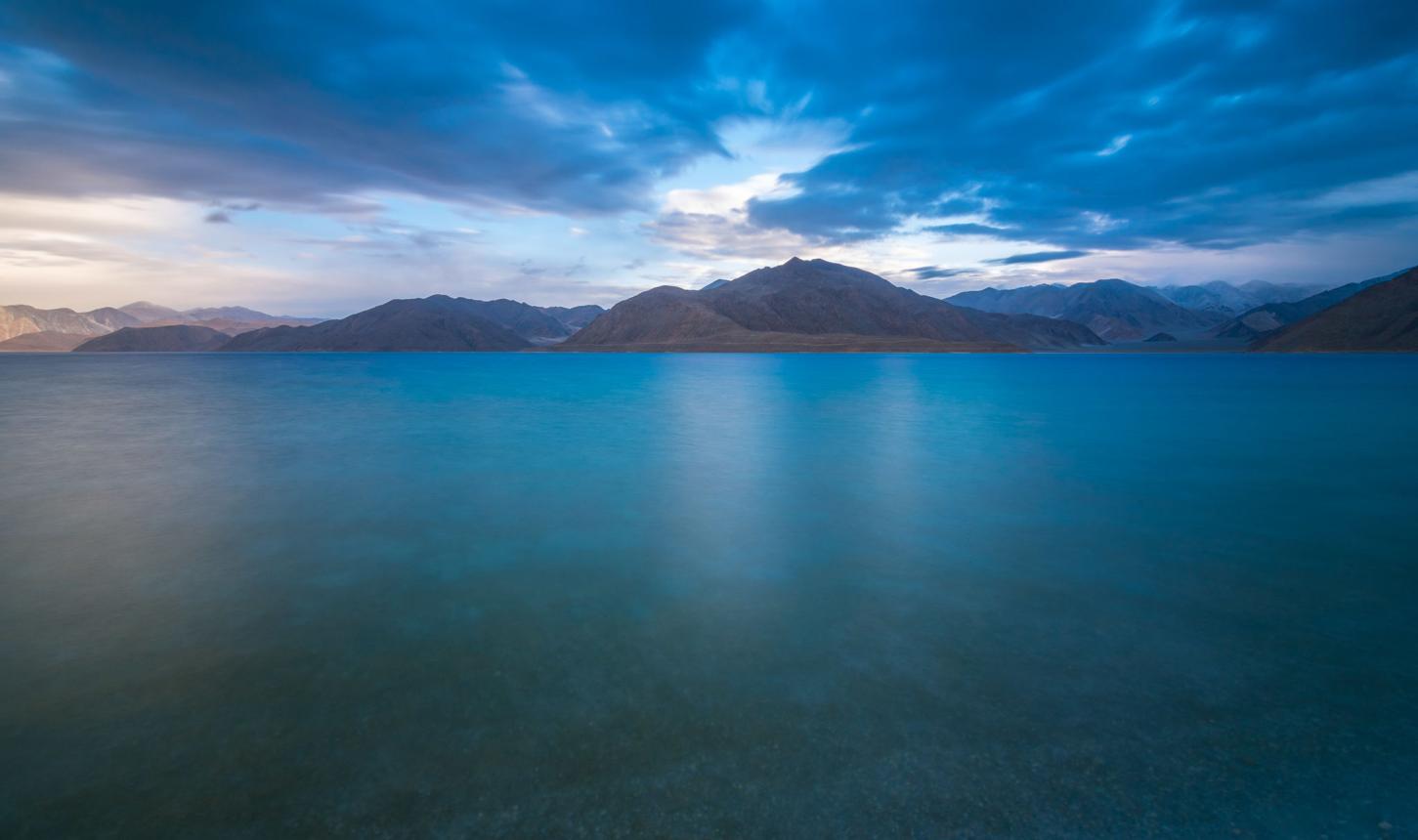
| Pangong Lake | Yes |
| Tso Moriri | Yes |
| Hanle | Yes |
| Chushul | Yes |
| Umling La | Yes |
| Shyok Route | Yes |
Before submitting your application, make sure every destination on your itinerary is included in your permit request.
Documents Required
The documents differ slightly for Indian and international travellers.
Indian Citizens
Carry any one government-issued identity proof.
Accepted documents include:
● Aadhaar Card
● Passport
● Driving Licence
● Voter ID Card
If you’re arriving by flight, keep your boarding pass safely with you, as it may be requested at some military checkpoints.
Foreign Nationals
Foreign travellers should carry:
● Passport
● Valid Indian Tourist Visa
● Passport-size photographs
● Hotel booking confirmation
● Travel itinerary
It’s advisable to keep multiple photocopies of these documents during the journey.
How to Apply Online
The online application process is straightforward and takes only a few minutes.
Step 1
Visit the official LAHDC Leh Permit Portal.
Step 2
Register using your personal details.
Step 3
Select all the destinations you plan to visit.
Examples include:
● Nubra Valley
● Pangong Lake
● Hanle
● Tso Moriri
● Chushul
Step 4
Upload the required information and pay the applicable fees online.
Step 5
Download the permit receipt after successful payment.
Step 6
Print at least 5–6 copies before starting your journey.
Army personnel usually collect one copy at several checkpoints, so carrying multiple printed copies is highly recommended.
Offline Application
Travellers who cannot complete the online process can also apply after reaching Leh.
Applications are generally processed through:
● Deputy Commissioner’s Office
● Registered travel agents
● Local tour operators
However, applying online before arrival saves time and allows you to begin sightseeing without delays. This is especially useful if you’re flying in see our guide on how to reach Ladakh from Delhi for flight options and arrival tips.
Route-Specific Permit Rules
Not every destination in Ladakh follows the same permit rules. Some popular tourist attractions are freely accessible, while others require permission because they are located close to India’s international borders.
Before finalising your itinerary, make sure your permit includes every destination you plan to visit.
| Destination | Permit Required | Remarks |
| Leh Town | ❌ No | Free to explore |
| Magnetic Hill | ❌ No | No permit needed |
| Sham Valley | ❌ No | Includes Hall of Fame & Sangam |
| Khardung La | ✅ Yes | While travelling to Nubra Valley |
| Nubra Valley | ✅ Yes | Mandatory |
| Pangong Lake | ✅ Yes | Mandatory |
| Tso Moriri | ✅ Yes | Mandatory |
| Hanle | ✅ Yes | Mandatory |
| Chushul | ✅ Yes | Route permission required |
| Umling La | ✅ Yes | Special permission required |
If you’re planning less common routes such as Nubra Valley → Shyok → Pangong or Hanle → Umling La, make sure these routes are selected during the permit application process.
Army Checkpoint Rules
Several military checkpoints are located across Ladakh to monitor entry into protected areas. These checkpoints are common along both the Manali-Leh highway route and the Srinagar-Leh highway route, so keep your documents easily accessible regardless of how you enter Ladakh.
At these checkpoints, security personnel may ask you to show:
● Printed permit copies
● Government-issued ID
● Boarding pass (if you arrived by flight)
● Vehicle registration details (if applicable)
One printed permit copy is often collected at each checkpoint. That’s why carrying 5–6 photocopies is highly recommended.
Tip: Don’t rely only on your mobile phone. Internet connectivity is unreliable in many remote areas, and digital copies may not always be accepted.
Permit Validity
Your permit is valid only for the travel dates and destinations mentioned in your application.
If your itinerary changes after the permit has been issued, you may need to submit a fresh application or request an update before travelling to additional restricted areas.
Always verify your travel dates before completing the online application.
Common Mistakes to Avoid
Many first-time visitors face unnecessary delays because of small mistakes during the permit process.
Avoid these common errors:
● Applying at the last minute.
● Selecting the wrong travel dates.
● Forgetting to include Hanle or Tso Moriri in the itinerary.
● Carrying only digital permit copies.
● Not keeping a valid government ID.
● Forgetting your flight boarding pass after arriving in Leh.
● Assuming Leh town requires a permit.
● Ignoring acclimatization before visiting high-altitude destinations.
A few minutes of preparation can save hours of inconvenience during your trip.
Travel Tips
Keep these practical tips in mind before travelling to Ladakh:
● Apply for permits 2–5 days before your trip.
● Carry 5–6 printed copies of your permit.
● Keep an extra photocopy of your government ID.
● Store permits in a waterproof folder.
● Save offline copies on your phone as a backup.
● Rest for at least 48 hours in Leh before travelling to Pangong, Nubra, or Hanle.
● Check official permit rules before travelling, as regulations may change.
● Keep some cash for remote areas where digital payments may not work.
Permit vs Environmental Fee
Many travellers confuse these two terms.
| Inner Line Permit (ILP) | Environmental Fee |
| Earlier required for Indian tourists | Mandatory conservation charge |
| No longer needed for most Indian travellers | Still applicable |
| Permission to visit restricted areas | Fee collected for tourism and conservation |
| Replaced for domestic travellers in most cases | Must be paid before visiting protected circuits |
Do You Need a Permit for These Places?
Here’s a quick reference table.
| Destination | Permit Needed? |
| Leh Market | ❌ No |
| Hall of Fame | ❌ No |
| Magnetic Hill | ❌ No |
| Sangam | ❌ No |
| Nubra Valley | ✅ Yes |
| Pangong Lake | ✅ Yes |
| Hanle | ✅ Yes |
| Tso Moriri | ✅ Yes |
| Chushul | ✅ Yes |
| Umling La | ✅ Yes |
Why Travel with Trip Guru Go?
Planning permits, accommodation, transport, and sightseeing separately can take time, especially if it’s your first trip to Ladakh. For a complete overview of routes, itineraries, and planning essentials, check out our complete Ladakh trip guide from Delhi.
With Trip Guru Go, travellers benefit from fixed departures, comfortable stays, experienced trip captains, local assistance, and guidance with permit-related formalities wherever applicable. This allows you to focus on enjoying the journey instead of worrying about paperwork and logistics.
Conclusion
Understanding Ladakh permit requirements before your trip can save you time and help you avoid unnecessary delays. While Indian citizens no longer require a traditional Inner Line Permit (ILP) for most tourist circuits, they must still complete the required formalities by paying environmental and wildlife conservation fees. Foreign travellers, however, need a Protected Area Permit (PAP) to visit restricted regions outside Leh.
Before travelling, make sure your itinerary includes all the destinations you plan to visit, apply for the necessary permissions in advance, and carry multiple printed copies of your permit along with valid identification. If you’re visiting places like Nubra Valley, Pangong Lake, Hanle, Tso Moriri, or Umling La, double-check that these routes are included in your application.
With proper planning, accurate documentation, and enough time for acclimatization, you’ll be ready to explore Ladakh’s incredible landscapes without permit-related hassles. Whether you’re travelling independently or with Trip Guru Go, staying informed about the latest rules will help ensure a smooth and memorable Himalayan adventure.
Frequently Asked Questions
1. Do Indians need an Inner Line Permit for Ladakh?
No. Indian citizens generally do not require a traditional Inner Line Permit for most tourist routes but must pay mandatory environmental and wildlife conservation fees.
2. What is the current Ladakh permit fee?
Indian travellers pay a one-time Environment Fee, a daily Wildlife Protection Fee, and an optional Red Cross contribution.
3. Do I need a permit for Pangong Lake?
Yes. Pangong Lake is located in a protected area and requires the necessary travel permission.
4. Is a permit required for Nubra Valley?
Yes. Nubra Valley is one of the protected tourist circuits in Ladakh.
5. Can I apply for the permit online?
Yes. Domestic travellers can complete the application and fee payment through the official LAHDC Leh Permit Portal.
6. Which documents are required for Indian citizens?
Carry a valid government-issued ID such as an Aadhaar Card, Passport, Driving Licence, or Voter ID.
7. Is a Protected Area Permit (PAP) mandatory for foreign tourists?
Yes. Foreign nationals require a PAP to visit restricted areas outside Leh.
8. How many permit copies should I carry?
Carry at least 5–6 printed copies, as army checkpoints may collect one copy during your journey.
9. Is a digital permit enough?
No. Printed copies are strongly recommended because mobile networks are unreliable in remote areas.
10. Can I visit Hanle without a permit?
No. Hanle requires permission before travel.
11. Is a permit required for Khardung La?
If you’re travelling to Nubra Valley through Khardung La, your permit should include the Nubra route.
12. Is Leh town permit-free?
Yes. Visitors can explore Leh town without obtaining a permit.
13. Can I modify my permit later?
If your itinerary changes, you may need to apply again or update your permit before travelling to additional protected areas.
14. Can I drive my own vehicle in Ladakh?
Yes. Private vehicles are allowed, provided all required documents and permits are in order.
15. Are permits checked frequently?
Yes. Security personnel may verify permits at several army checkpoints on routes leading to protected destinations.
16. Is the Environmental Fee refundable?
Generally, the fee is non-refundable once paid.
17. Should I keep my boarding pass?
Yes. If you arrive in Leh by flight, keep your boarding pass as it may be requested at some checkpoints.
18. What is the biggest mistake first-time travellers make?
The most common mistake is carrying only digital permits and forgetting to print multiple copies before leaving Leh.