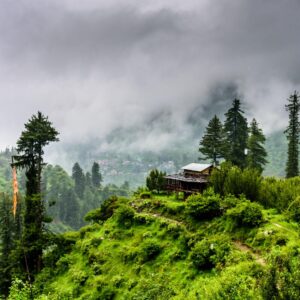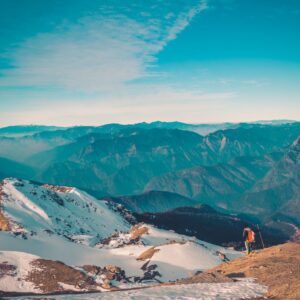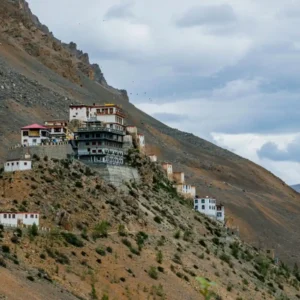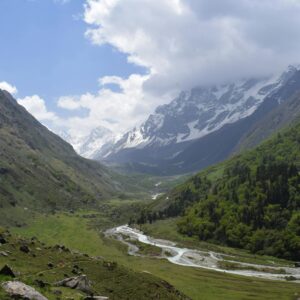
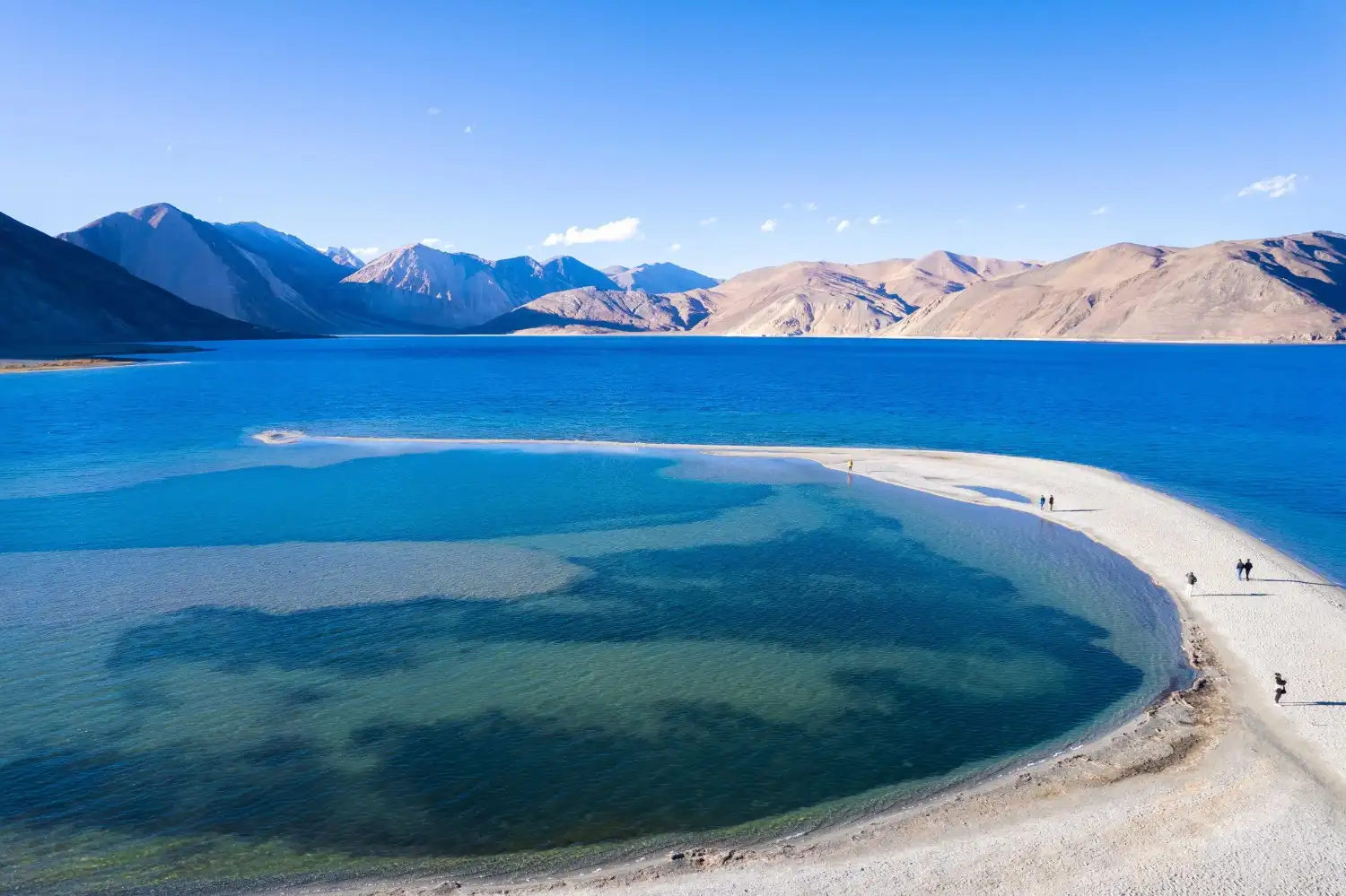
A trip to Ladakh is on almost every travel lover’s bucket list. Snow-covered mountains, crystal-clear lakes, ancient monasteries, and thrilling roads make it one of India’s most unforgettable destinations. However, before you rush to visit famous places like Nubra Valley, Pangong Lake, or Khardung La, there is one important rule every traveler should know.
The 48-hour acclimatization rule in Leh is one of the most important safety guidelines for anyone arriving in Ladakh, especially by flight. Since Leh sits at an altitude of around 3,500 metres (11,500+ feet) above sea level, your body needs time to adjust to the lower oxygen levels before visiting even higher regions.
Following this simple rule can significantly reduce the risk of Acute Mountain Sickness (AMS) and other serious altitude-related illnesses. Whether you’re planning a bike trip, family vacation, solo journey, or group tour, understanding acclimatization is essential for a safe and enjoyable experience.
At Trip Guru Go, we always recommend making acclimatization your first priority before starting your Ladakh adventure.
Quick Answer
Do tourists need to stay in Leh for 48 hours?
Yes. The Leh District Administration advises tourists arriving by air to spend the first 48 hours in Leh before travelling to higher-altitude destinations such as:
● Nubra Valley
● Pangong Lake
● Tso Moriri
● Khardung La
● Chang La
During these two days, avoid strenuous activities, stay hydrated, eat light meals, and give your body enough time to adapt to the high altitude.
Leh Altitude at a Glance
| Details | Information |
| Leh Altitude | 3,500 m (11,562 ft) |
| Oxygen Availability | Around 30–35% lower than sea level |
| Recommended Rest | First 48 Hours |
| Best for Air Travellers | Mandatory acclimatization recommended |
| High-Risk Places | Khardung La, Pangong Lake, Tso Moriri, Nubra Valley |
What Is Acclimatization?
Acclimatization is the natural process through which your body adjusts to lower oxygen levels at high altitude.
At sea level, oxygen is readily available. In Leh, the air contains less oxygen because of lower atmospheric pressure. As a result, your lungs and heart have to work harder to supply oxygen throughout your body.
During the first couple of days, your body gradually begins to:
● Increase breathing rate
● Improve oxygen absorption
● Produce more red blood cells over time
● Adapt to reduced atmospheric pressure
This adjustment doesn’t happen instantly. That’s why rushing to higher elevations immediately after landing can be dangerous.
Why Does Leh Have a 48-Hour Acclimatization Rule?
Most tourists reach Leh by flight, often after flying in from Delhi in a journey of less than two hours. In that short window, they travel from low altitude to more than 11,500 feet above sea level.
This sudden change does not give the body enough time to adjust naturally.
If a traveler immediately heads towards Khardung La or Pangong Lake, the altitude increases even further, putting additional stress on the body. This greatly increases the chances of developing altitude sickness.
The 48-hour acclimatization period allows your body to adapt gradually before visiting higher regions.
It is one of the simplest yet most effective ways to reduce health risks during your Ladakh trip.
Who Should Follow This Rule?
The recommendation applies to all travelers but is especially important for:
● Tourists arriving in Leh by flight
● Senior citizens
● Children
● First-time visitors to high-altitude destinations
● People with asthma or respiratory conditions
● Travelers with heart-related concerns (after consulting their doctor)
● Families travelling with young children
● Solo travelers planning bike trips
Even experienced trekkers should not ignore the first two days of acclimatization.
Is the Rule Mandatory?
The Leh District Administration strongly advises visitors arriving by air to spend the first 48 hours in Leh before visiting high-altitude destinations.
While road travellers coming through the Manali-Leh Highway or the Srinagar-Leh route gradually gain altitude during their journey and naturally acclimatize better, they should still monitor their health and avoid overexertion after reaching Leh.
Regardless of how you arrive, listening to your body is more important than following a fixed itinerary.
What Happens If You Ignore the Rule?
Ignoring acclimatization can lead to Acute Mountain Sickness (AMS).
Early symptoms may include:
● Persistent headache
● Fatigue
● Dizziness
● Nausea
● Difficulty sleeping
● Loss of appetite
If ignored, AMS can progress into more serious conditions such as:
High Altitude Pulmonary Edema (HAPE)
This is a condition where fluid starts collecting in the lungs, making breathing increasingly difficult.
Symptoms include:
● Severe breathlessness
● Continuous coughing
● Chest tightness
● Blue lips or fingernails
HAPE is a medical emergency.
High Altitude Cerebral Edema (HACE)
HACE occurs when swelling develops in the brain due to high altitude.
Symptoms include:
● Confusion
● Difficulty walking
● Loss of balance
● Slurred speech
● Unconsciousness
Immediate medical attention and descent to a lower altitude are essential.
Why the First 48 Hours Matter
Think of the first two days as an investment in the rest of your trip.
Many travelers try to cover Pangong Lake, Nubra Valley, and Khardung La as quickly as possible. While this may seem like a time-saving plan, it often leads to fatigue, headaches, or even hospitalization.
Instead, spending two relaxed days in Leh allows you to enjoy the rest of your journey with more energy, better health, and a much lower risk of altitude sickness.
At Trip Guru Go, we recommend treating these first 48 hours as part of your travel experience rather than a delay, and building it into your overall Ladakh trip plan. Explore Leh slowly, enjoy local cuisine, visit nearby attractions at a relaxed pace, and let your body adjust naturally.
Official 48-Hour Acclimatization Plan
Following a proper routine during your first two days in Leh can make a big difference in how your body adapts to the altitude. The goal is simple: avoid unnecessary physical stress and allow your body enough time to adjust.
Day 1: Complete Rest After Arrival
The day you arrive in Leh should be dedicated entirely to rest.
Whether your flight lands in the morning or afternoon, head directly to your hotel and relax. Avoid carrying heavy luggage, climbing stairs repeatedly, or walking around the market immediately after check-in.
Many travelers feel excited to start sightseeing right away, but this is the most common mistake. Even if you feel completely normal, your body is still adjusting to the reduced oxygen levels.
Spend the day indoors, drink plenty of water, eat light meals, and get adequate sleep. If possible, keep your head slightly elevated while resting to make breathing more comfortable.
Recommended Activities
● Check into your hotel and relax.
● Drink warm water, soups, or herbal tea.
● Eat light, carbohydrate-rich meals.
● Stay indoors as much as possible.
● Sleep early and allow your body to recover.
Avoid
● Visiting Shanti Stupa or any uphill viewpoint.
● Riding a bike immediately after landing.
● Running, exercising, or trekking.
● Alcohol and smoking.
● Heavy meals.
Day 2: Light Exploration Within Leh
If you feel comfortable on the second day and do not have symptoms of altitude sickness, you can slowly explore Leh town.
Keep your activities relaxed and avoid steep climbs. This is a good time to experience the local culture without putting extra strain on your body.
Suitable activities include:
● A slow walk through Leh Market.
● Visiting nearby cafés.
● Shopping for souvenirs.
● Buying a local SIM card if needed.
● Arranging Inner Line Permits (if required).
● Exploring nearby attractions with minimal walking.
Remember, this is still part of the acclimatization process. The objective is gentle movement, not full-day sightseeing.
Day 3: Begin Your Ladakh Adventure
If you are feeling healthy and free from symptoms such as headache, dizziness, or nausea, you can begin travelling to higher-altitude destinations.
Popular places you can now visit include:
● Nubra Valley
● Pangong Lake
● Tso Moriri
● Khardung La
● Chang La
● Hanle
Even after the first two days, continue staying hydrated and avoid overexertion throughout your trip.
Essential Health Tips During Acclimatization
Stay Hydrated
High altitude increases fluid loss through breathing and dry weather.
Aim to drink around 3–4 litres of water every day. Warm water, soups, lemon water, and electrolyte drinks are excellent choices.
If your urine appears dark yellow, it’s usually a sign that you need more fluids.
Eat Light and Frequently
Heavy meals can make your body feel sluggish at high altitude.
Choose foods such as:
● Rice
● Khichdi
● Dal
● Noodles
● Soups
● Fruits
● Vegetables
Carbohydrate-rich meals provide energy while being easier to digest.
Avoid Alcohol and Smoking
Alcohol reduces your body’s ability to absorb oxygen and increases dehydration.
Smoking can further reduce oxygen intake and worsen breathing difficulties.
Avoid both for at least the first 48 hours, and ideally throughout your Ladakh trip.
Get Enough Sleep
Proper rest is essential for acclimatization.
You may experience light sleep disturbances during your first night due to the altitude. This is normal.
Avoid taking sleeping pills unless prescribed by a doctor, as some medications can slow your breathing.
Should You Take Diamox?
Many travelers use Diamox (Acetazolamide) to help reduce the risk of altitude sickness.
However, it should only be taken after consulting your doctor, especially if you have allergies, kidney problems, or other medical conditions.
Diamox is not a substitute for proper acclimatization. Even if you take it, you should still follow the 48-hour rest guideline.
Carry a Pulse Oximeter
A small pulse oximeter can help you monitor your oxygen saturation (SpO₂) during your stay.
At high altitude, readings are usually lower than at sea level.
If your oxygen level remains unusually low or you develop severe symptoms along with falling oxygen levels, seek medical attention immediately.
Do not rely only on numbers—your symptoms are equally important.
Warning Signs You Should Never Ignore
Seek medical help immediately if you experience:
● Severe headache that doesn’t improve with rest.
● Continuous vomiting.
● Difficulty breathing while resting.
● Chest pain.
● Persistent coughing.
● Confusion or unusual behaviour.
● Difficulty walking in a straight line.
● Extreme weakness.
● Loss of consciousness.
These symptoms may indicate serious altitude-related illness and require immediate treatment.
Do’s and Don’ts During the First 48 Hours
| Do’s | Don’ts |
| Drink plenty of water | Drink alcohol |
| Eat light meals | Smoke |
| Rest well | Go trekking immediately |
| Walk slowly | Lift heavy luggage repeatedly |
| Wear warm clothing | Ignore headaches |
| Listen to your body | Rush to Pangong or Nubra on Day 1 |
Common Mistakes Tourists Make
Many visitors unknowingly increase their risk of altitude sickness by making avoidable mistakes, such as:
● Planning Pangong Lake on the same day as arrival.
● Riding a motorcycle immediately after landing.
● Drinking alcohol on the first evening.
● Skipping meals.
● Sleeping very late.
● Ignoring mild headaches.
● Not drinking enough water.
● Trying to “cover more places” instead of allowing time to acclimatize.
A slower start often leads to a much more enjoyable Ladakh trip.
Final Thoughts
Ladakh rewards travelers with breathtaking landscapes, peaceful monasteries, and unforgettable road trips, but enjoying these experiences safely begins with respecting the altitude.
The first 48 hours in Leh are not a waste of time—they are an essential part of your journey. Giving your body enough time to acclimatize can help prevent serious health issues and ensure you enjoy every destination that follows.
Instead of rushing your itinerary, slow down, rest, stay hydrated, and let your body adjust naturally. Once you’re acclimatized, you’ll be ready to explore iconic destinations like Nubra Valley, Pangong Lake, Tso Moriri, and Khardung La with greater comfort and confidence.
At Trip Guru Go, we always encourage travelers to plan responsibly and prioritize their health. A well-paced itinerary not only keeps you safe but also allows you to experience the beauty of Ladakh at its best.
Frequently Asked Questions
Is the 48-hour acclimatization rule compulsory?
It is strongly recommended, especially for travelers arriving by air. Following this guideline greatly reduces the risk of altitude sickness.
Can I visit Shanti Stupa on the first day?
It is better to avoid climbing to elevated viewpoints on your arrival day. Save them for Day 2 or later if you feel well.
Is acclimatization necessary for children?
Yes. Children are also affected by high altitude and should follow the same precautions.
Can I ride a bike immediately after reaching Leh?
No. It is advisable to wait until after the acclimatization period before beginning long rides.
How much water should I drink?
Most travelers should aim for about 3–4 litres of fluids per day, depending on activity levels and weather.
What should I do if I develop altitude sickness?
Stop all physical activity, rest, stay hydrated, and seek medical attention if symptoms worsen or do not improve.