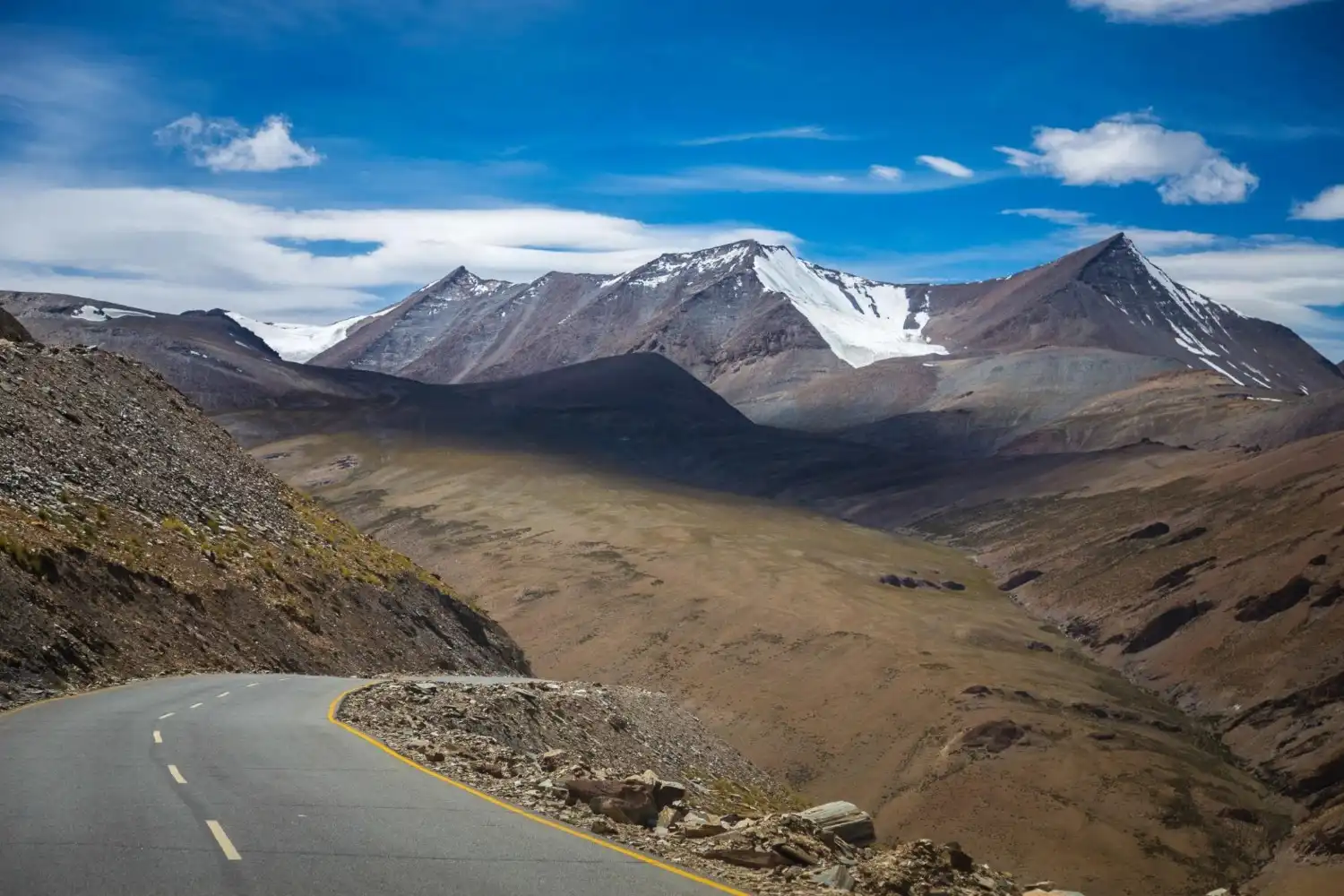
A Srinagar to Leh road trip is one of the most scenic ways to reach Ladakh. Unlike the Manali route, this journey takes you through the beautiful valleys of Kashmir, historic towns, and some of the most famous mountain passes in the Himalayas before arriving in Leh. The changing landscapes, winding roads, and breathtaking views make this highway a favorite among bikers, self-drive travelers, and road trip enthusiasts.
One of the biggest advantages of traveling from Srinagar to Leh is the gradual gain in altitude. This allows your body to acclimatize better, reducing the chances of altitude sickness compared to reaching Leh directly by flight or via the Manali route.
If you’re planning a road trip to Ladakh, this guide covers everything you need to know, including the complete route, distance, travel time, best season, road conditions, and essential travel tips.
Why Choose the Srinagar to Leh Road Trip?
The Srinagar–Leh Highway (NH-1) offers a perfect combination of adventure, mountain landscapes, and cultural experiences. Every stretch of the journey brings something different, from lush green meadows to rugged mountains and high-altitude deserts.
Many travelers prefer this route because:
● Gradual altitude gain helps with better acclimatization.
● The highway remains one of the most scenic routes to Ladakh.
● Cross famous mountain passes like Zoji La, Namika La, and Fotu La.
● Visit historic towns such as Drass, Kargil, and Lamayuru.
● Suitable for bike trips, self-drive vacations, and group road trips.
● Generally considered easier than the Manali–Leh Highway for first-time visitors.
For anyone visiting Ladakh by road for the first time, the Srinagar route is often the preferred choice. If you’re still mapping out your journey from the very start, our Ladakh trip planning guide from Delhi walks through routes, budget, and permits in one place.
Srinagar to Leh Road Trip Distance and Duration
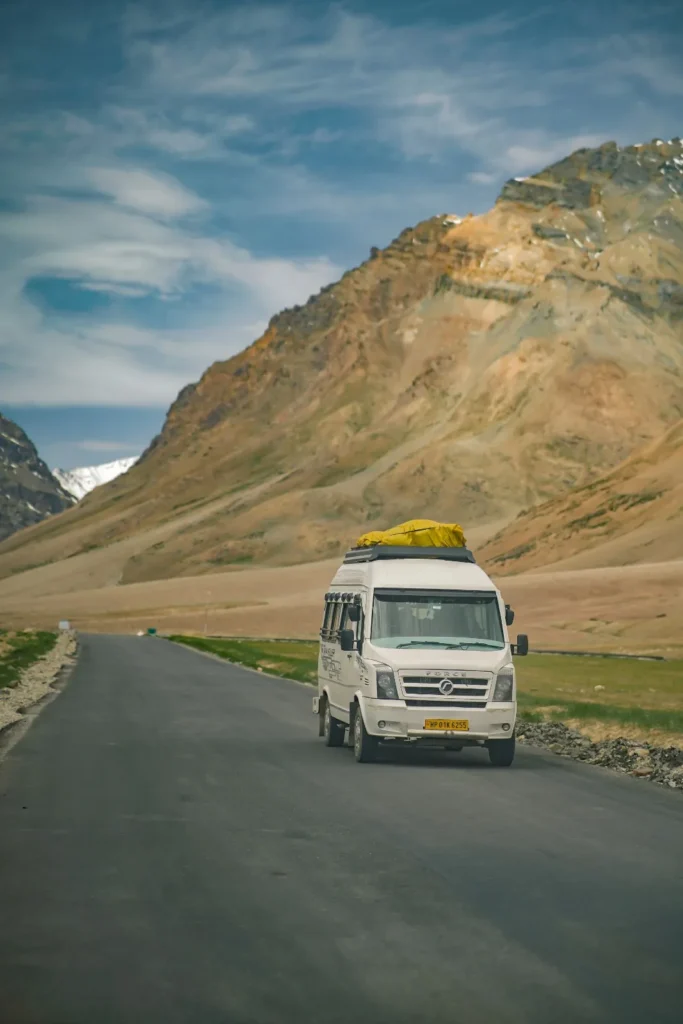
The total distance from Srinagar to Leh is approximately 420–430 km, depending on the route taken.
● Distance: Around 420–430 km
● Recommended Duration: 2 Days
● Driving Time: Around 10–12 hours (excluding breaks)
Although some travelers complete the journey in a single day, staying overnight in Kargil is highly recommended. It makes the drive more comfortable and gives your body enough time to adjust to the increasing altitude.
Srinagar to Leh Road Trip Route Explained
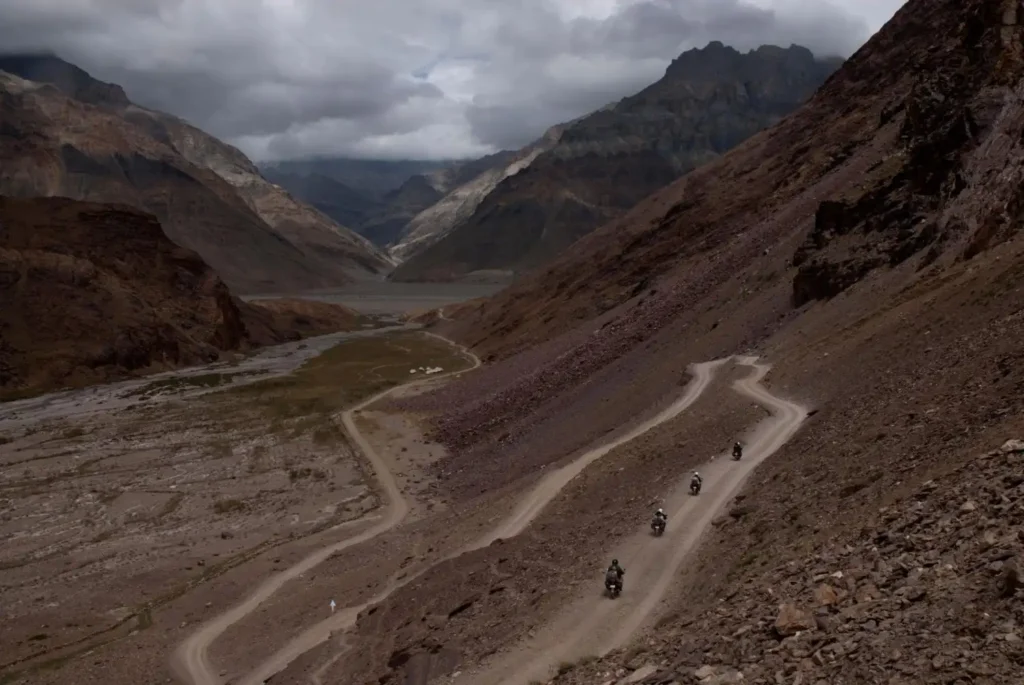
The Srinagar–Leh Highway passes through Kashmir Valley, Ladakh’s western region, and several iconic mountain passes before reaching Leh.
Route
Srinagar → Ganderbal → Sonamarg → Zoji La → Drass → Kargil → Mulbek → Namika La → Fotu La → Lamayuru → Nimmu → Leh
Srinagar
The journey begins from Srinagar, the summer capital of Jammu and Kashmir. Before starting your road trip, many travelers spend a day exploring Dal Lake, Mughal Gardens, and the local markets.
Ganderbal
Located about an hour from Srinagar, Ganderbal serves as the gateway towards Sonamarg.
Sonamarg
Known as the “Meadow of Gold,” Sonamarg is surrounded by snow-covered mountains and lush valleys. It is one of the most beautiful stops on the highway and the last major tourist destination before entering the high mountains.
Zoji La Pass
Zoji La is one of the most thrilling sections of the Srinagar–Leh Highway. The narrow mountain road, steep climbs, and dramatic views make it one of the most memorable parts of the journey.
Drass
Often called the Gateway to Ladakh, Drass is famous as one of the coldest inhabited places in the world. Travelers also visit the Kargil War Memorial located nearby.
Kargil
Kargil is the largest town between Srinagar and Leh and is the most popular overnight stop. It offers hotels, restaurants, fuel stations, ATMs, and medical facilities.
Mulbek
Mulbek is known for its ancient rock-carved Maitreya Buddha statue and serves as a popular short stop before crossing the next mountain pass.
Lamayuru
Lamayuru is famous for its centuries-old monastery and unique moon-like landscape. It is one of the most photographed places on the Srinagar–Leh Highway.
Nimmu
Nimmu is where the Indus and Zanskar rivers meet. The Sangam viewpoint attracts many travelers before they continue towards Leh.
Leh
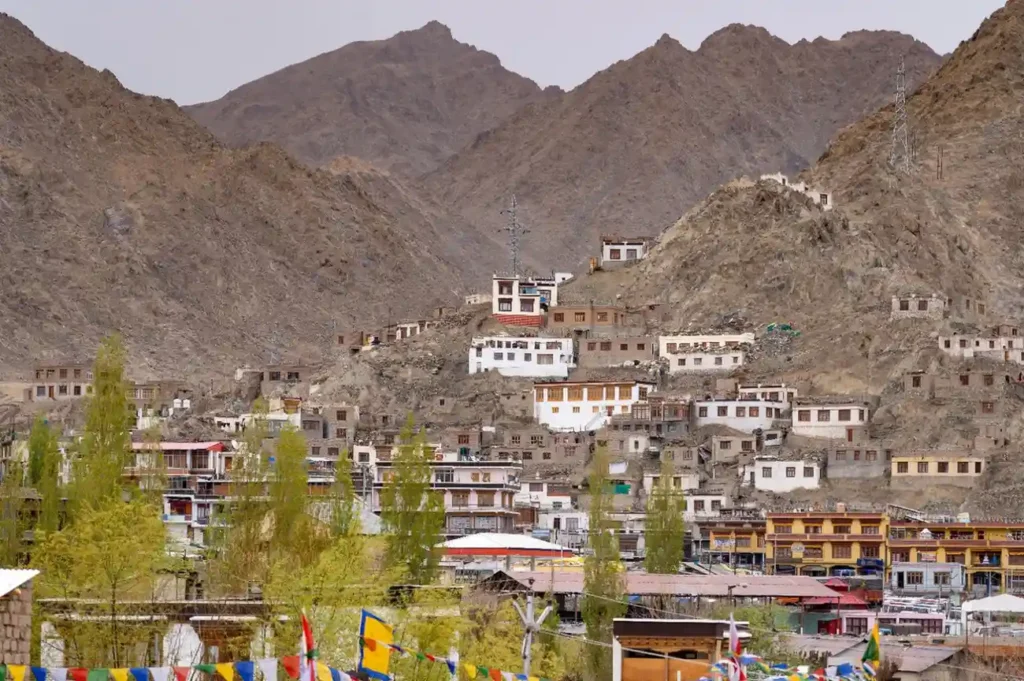
The highway finally reaches Leh, the capital of Ladakh and the starting point for exploring attractions like Nubra Valley, Pangong Lake, Magnetic Hill, and Khardung La.
High Mountain Passes on the Srinagar–Leh Highway
Crossing high-altitude mountain passes is one of the highlights of this road trip.
Zoji La (3,528 m)
Zoji La connects Kashmir Valley with Ladakh and is known for its narrow roads, steep turns, and spectacular mountain scenery.
Namika La (3,700 m)
Namika La offers beautiful panoramic views and marks another important pass on the highway.
Fotu La (4,108 m)
Fotu La is the highest point on the Srinagar–Leh Highway and offers breathtaking views of the surrounding mountains.
These passes make the journey exciting while showcasing the dramatic beauty of the Himalayas.
Best Time for Srinagar to Leh Road Trip
The Srinagar–Leh Highway usually remains open between May and October, depending on snowfall and weather conditions.
May to June
Freshly opened roads, pleasant temperatures, and snow-covered mountains make this one of the best times to visit.
July to August
The weather remains comfortable, making it the peak tourist season. Expect more traffic on the highway.
September
Clear skies, pleasant weather, and fewer tourists make September an excellent month for a road trip.
October to April
Heavy snowfall closes the highway during winter, making road travel impossible until the roads are cleared.
The ideal time to travel is May to September.
Road Conditions on Srinagar to Leh Highway
Road conditions on the Srinagar–Leh Highway are generally better than the Manali route, although weather can affect certain stretches.
Srinagar to Sonamarg
This section is mostly smooth and well-maintained, offering an easy drive through the Kashmir Valley.
Sonamarg to Zoji La
The road becomes narrow with sharp turns and occasional rough patches. During the peak season, traffic congestion is common near Zoji La.
Drass to Kargil
This stretch is mostly smooth and comfortable, allowing relaxed driving.
Kargil to Leh
The road is largely well-paved with a few uneven sections near mountain passes. Overall, it provides a pleasant driving experience while passing through some of Ladakh’s most scenic landscapes.
Srinagar to Leh Road Trip Itinerary (Recommended)
A two-day itinerary is the most comfortable way to travel from Srinagar to Leh. It gives you enough time to enjoy the journey, explore key attractions, and gradually adjust to the increasing altitude.
Day 1: Srinagar to Kargil (Approx. 200 km)
Start your journey early from Srinagar and drive towards Sonamarg, one of the most scenic destinations in Kashmir. After a short break, continue across the famous Zoji La Pass before reaching Drass. Visit the Kargil War Memorial if time permits and then continue to Kargil for an overnight stay.
Route: Srinagar → Sonamarg → Zoji La → Drass → Kargil
Overnight stay in Kargil.
Day 2: Kargil to Leh (Approx. 220–230 km)
Begin your second day by driving towards Mulbek, followed by Namika La and Fotu La. Stop at Lamayuru Monastery and enjoy the unique Moonland landscape before continuing to Nimmu, where the Indus and Zanskar rivers meet. From there, drive to Leh and check into your hotel.
Route: Kargil → Mulbek → Namika La → Fotu La → Lamayuru → Nimmu → Leh
After reaching Leh, relax for the rest of the day and allow your body to acclimatize before visiting higher-altitude attractions.
Srinagar to Leh Bike Trip vs Car Road Trip
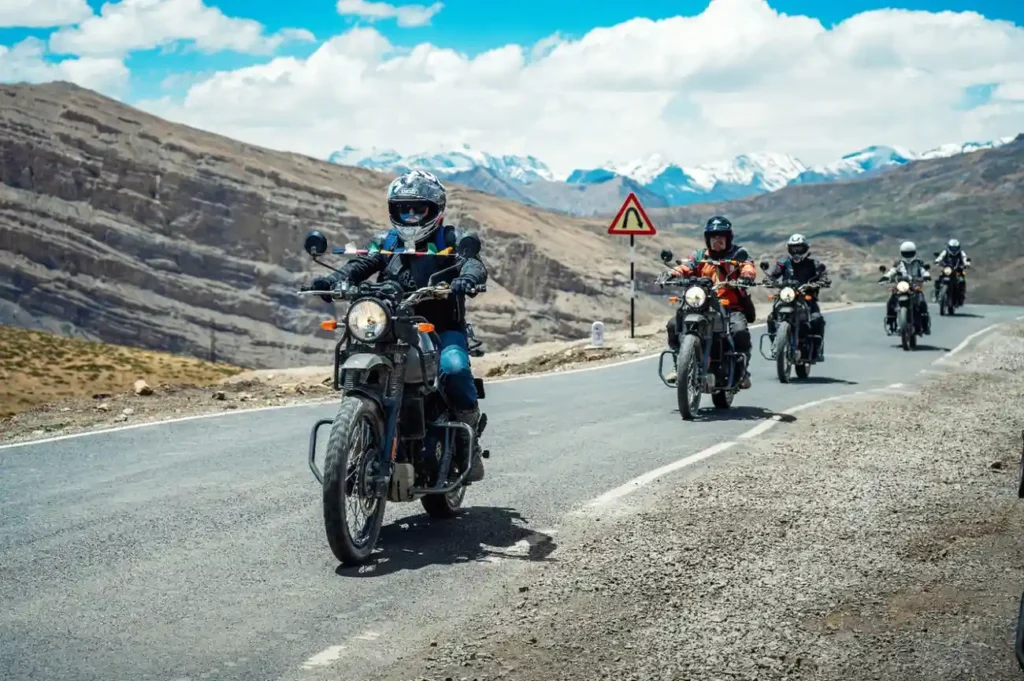
Both options offer an unforgettable journey, and the choice depends on your travel style and experience.
Bike Trip
A bike trip from Srinagar to Leh is popular among adventure enthusiasts who enjoy riding through mountain roads.
Advantages:
● More adventurous experience
● Better connection with nature
● Ideal for solo riders and biking groups
● Great for photography stops
Car Road Trip
A car road trip is a comfortable option for families, couples, and groups.
Advantages:
● Comfortable seating for long drives
● Better protection from changing weather
● Suitable for families and senior travelers
● More luggage space
Whether you choose a bike or a car, driving carefully and following traffic rules is essential throughout the journey.
Accommodation Options on the Route
Accommodation is available at several towns along the Srinagar–Leh Highway.
Sonamarg
Offers hotels, resorts, and guesthouses for travelers who wish to start the journey slowly.
Drass
Basic hotels and guesthouses are available for short stays.
Kargil
Kargil has the widest range of accommodation options, including hotels, guesthouses, and homestays. It is the most recommended overnight stop.
Lamayuru
A few guesthouses and homestays are available for travelers interested in exploring the monastery and surrounding landscapes.
Advance booking is recommended during the summer travel season.
Fuel, Food, and Connectivity
Fuel stations are available in Srinagar, Kargil, and Leh. It is always a good idea to refill your tank before leaving Kargil, especially if you plan to continue exploring other parts of Ladakh.
Food is easily available throughout the route. Travelers can find restaurants, cafés, and roadside dhabas serving local cuisine, tea, snacks, rice, noodles, and parathas.
Mobile connectivity is available in Srinagar and Kargil. As you move towards Leh, network coverage becomes limited in some stretches. Postpaid SIM cards generally offer better connectivity than prepaid connections.
Essential Travel Tips for Srinagar to Leh Road Trip
● Start your drive early each morning.
● Carry warm clothes, even during summer.
● Keep yourself hydrated throughout the journey.
● Drive slowly on mountain roads and avoid unnecessary overtaking.
● Follow weather and road condition updates before starting each day.
● Carry basic medicines and a first-aid kit.
● Keep sufficient cash, as digital payments may not work everywhere.
● Respect local culture and avoid littering during the trip.
These simple precautions can make your road trip safer and more enjoyable.
Why Choose Trip Guru Go for a Leh Ladakh Road Trip?
Planning a road trip to Ladakh involves route planning, accommodation bookings, transportation, and managing changing weather conditions. Traveling with Trip Guru Go allows you to enjoy the experience without worrying about these arrangements.
Our fixed departure Leh Ladakh road trips include comfortable stays, experienced trip captains, planned itineraries, and on-ground support, making the journey smooth and hassle-free for every traveler.
Final Thoughts
A Srinagar to Leh road trip is one of the most rewarding journeys in the Himalayas. From the green valleys of Kashmir to the rugged landscapes of Ladakh, every stretch of the highway offers a unique experience. The gradual climb in altitude, beautiful mountain passes, and historic towns make this route ideal for first-time visitors as well as experienced road trippers.
Whether you’re riding a bike, driving your own vehicle, or joining a guided group tour, proper planning will help you enjoy the journey safely. Choose the right travel season, drive responsibly, and take time to appreciate every stop along the way.
The Srinagar–Leh Highway is more than just a route to Ladakh—it’s an adventure filled with unforgettable memories.
FAQs
1. Is the Srinagar to Leh road trip better than the Manali to Leh route?
Yes, for most first-time travellers. The Srinagar–Leh Highway has a gradual altitude gain, which helps your body acclimatize better and reduces the risk of Acute Mountain Sickness (AMS). It is also considered an easier route for driving.
2. How many days are required for a Srinagar to Leh road trip?
A minimum of 2 days is recommended. Most travellers stay overnight in Kargil before continuing to Leh for a safer and more comfortable journey.
3. What is the distance from Srinagar to Leh?
The distance is approximately 420–430 km, depending on the route and detours.
4. How long does it take to drive from Srinagar to Leh?
The journey usually takes 10–12 hours of driving, but it is best divided into two days with an overnight stop in Kargil.
5. Which are the major stops on the Srinagar to Leh Highway?
The main stops include Sonamarg, Zoji La Pass, Drass, Kargil, Mulbek, Namika La, Fotu La, Lamayuru, Nimmu, and Leh.
6. When is the best time to travel from Srinagar to Leh?
The best time is May to September, when the highway is open and weather conditions are suitable for road travel.
7. Is the Srinagar to Leh Highway open throughout the year?
No. The highway generally remains open from May to October and closes during winter due to heavy snowfall.
8. Is the Srinagar to Leh road trip safe?
Yes, it is considered safe during the open season. Drive carefully on mountain roads, follow weather updates, and avoid travelling after dark.
9. Which mountain passes are crossed on the Srinagar to Leh route?
The journey includes Zoji La, Namika La, and Fotu La, each offering spectacular Himalayan views.
10. Is a bike trip better than a car road trip?
A bike trip is ideal for adventure enthusiasts, while a car is more comfortable for families, couples, and groups. Both provide an unforgettable road trip experience.
11. Where should I stay during the journey?
Kargil is the most recommended overnight stop as it offers a wide range of hotels, guesthouses, restaurants, fuel stations, and medical facilities.
12. Are fuel stations available on the Srinagar to Leh Highway?
Yes. Fuel stations are available in Srinagar, Kargil, and Leh. It is advisable to refill your tank before leaving Kargil.
13. Do I need permits for the Srinagar to Leh road trip?
No permit is required to travel on the Srinagar–Leh Highway itself. However, an Inner Line Permit (ILP) is required for places like Nubra Valley, Pangong Lake, and Tso Moriri.
14. Is mobile network available throughout the route?
Mobile connectivity is available in Srinagar, Kargil, and Leh. Network coverage becomes limited in some remote stretches, and postpaid Jio, Airtel, or BSNL SIM cards generally work better.
15. What should I pack for a Srinagar to Leh road trip?
Carry warm clothing, comfortable shoes, sunglasses, sunscreen, a reusable water bottle, essential medicines, power banks, valid ID proof, and enough cash for areas with limited digital payment facilities.

Anjali is a travel content writer who creates informative and engaging articles about destinations, travel tips, itineraries, and travel experiences. She enjoys simplifying travel information to help readers plan their journeys with confidence while discovering new places and cultures.