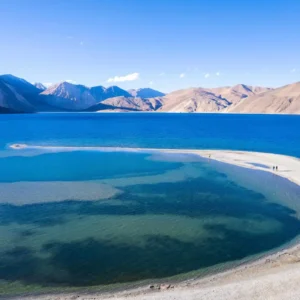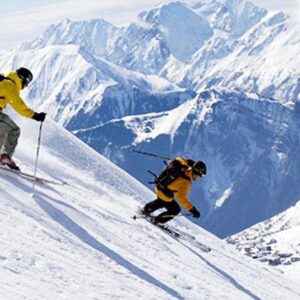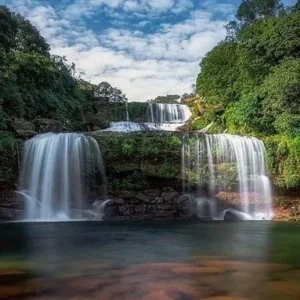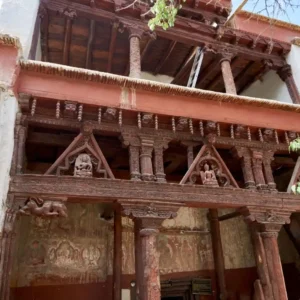
What if you could enjoy snow-covered mountains without visiting during the coldest part of winter?
That’s exactly what Spiti Valley in March feels like.
Winter is still around, but you can also feel the first signs of spring. The mountains remain white, rivers stay frozen in many places, and small villages look peaceful without the summer crowds. At the same time, the days become a little longer, making it easier to explore monasteries, villages, and beautiful viewpoints.
March is also one of the best months to spot the rare Snow Leopard, making it a dream time for wildlife lovers and photographers.
Unlike the busy summer season, you won’t spend your day waiting in traffic or standing in long queues. Instead, you’ll enjoy quiet roads, warm homestays, hot local food, and breathtaking mountain views almost all to yourself.
If this is your first visit, we highly recommend reading our Ultimate Travel Guide before planning your journey. It covers routes, permits, accommodation, budgeting, and everything you should know before visiting Spiti Valley.
Quick Facts About Spiti Valley in March
| Category | Details |
| Weather | Cold winter with the first signs of spring |
| Day Temperature | -5°C to 10°C |
| Night Temperature | -10°C to -25°C |
| Snowfall | Yes, especially during early March |
| Road Status | Shimla route is open (weather permitting); Manali route remains closed |
| Best For | Snow lovers, photographers, wildlife enthusiasts, peaceful trips |
| Snow Leopard Sighting | One of the best months around Kibber and nearby villages |
| Accommodation | Mostly homestays and selected hotels in Kaza |
| Mobile Network | BSNL works best; Jio and Airtel have limited coverage |
| ATM | Available in Kaza and Reckong Peo, but always carry enough cash |
| Bike Trip | Not recommended for most travellers |
Is March a Good Time to Visit Spiti Valley?
If you’ve always wanted to see Spiti Valley covered in snow, March is one of the best months to plan your trip.
Unlike January and February, the weather slowly starts becoming more pleasant during the daytime. You still get beautiful white mountains, frozen rivers, and snowy villages, but the longer daylight hours make sightseeing much more enjoyable.
March is also famous for Snow Leopard sightings. As food becomes harder to find in the higher mountains, these rare animals sometimes move closer to lower areas, giving wildlife lovers a better chance to spot them.
The biggest advantage? Peace.
Most tourists wait until summer, so March lets you enjoy famous places like Key Monastery, Kibber, Hikkim, Langza, and Tabo without large crowds. You can spend more time exploring, clicking photos, and simply enjoying the silence that makes Spiti so special.
However, winter isn’t completely over. Sudden snowfall, slippery roads, and freezing nights are still common. If you’re comfortable with cold weather and don’t mind a little adventure, March can easily become one of the most memorable trips you’ll ever take.
Pros of Visiting Spiti Valley in March
- Beautiful snow-covered landscapes.
- Longer days than January and February.
- Fewer tourists and peaceful surroundings.
- One of the best months for Snow Leopard sightings.
- Perfect weather for winter photography.
- Lower hotel prices than the summer season.
- A cosy homestay experience with traditional bukhari heating.
Cons of Visiting Spiti Valley in March
- The Manali–Kaza Highway remains closed.
- Fresh snowfall can sometimes delay travel.
- Nights are still extremely cold.
- Some cafés and hotels remain closed.
- Roads can become slippery because of snow and black ice.
- Bike trips are not recommended for most travellers.
Weather in Spiti Valley in March
March is a beautiful mix of winter and early spring. Snow still covers most of the valley, but the sunshine lasts longer, making daytime travel more comfortable than the previous two months.
Don’t let the sunny afternoons fool you, though. As soon as the sun sets, temperatures drop quickly, and the cold becomes much stronger. Dressing in layers is the best way to stay comfortable throughout the day.
Temperature
Here’s what you can usually expect in March:
| Time | Temperature |
| Day | -5°C to 10°C |
| Night | -10°C to -25°C |
Higher villages like Kibber, Komic, and Hikkim are usually colder than Kaza.
Does It Snow in March?
Yes.
Snowfall is still common in March, especially during the first half of the month. Fresh snow often covers villages, roads, and mountain slopes overnight, making the valley look even more beautiful.
Heavy snowfall can sometimes cause temporary roadblocks, so it’s always a good idea to keep one or two extra days in your itinerary.
Day vs Night Weather
One of the biggest surprises for first-time visitors is how quickly the weather changes.
During the afternoon, the sunshine feels pleasant, and walking around becomes much easier. But after sunset, temperatures fall rapidly, and the cold becomes much more intense.
Warm clothing, gloves, woollen socks, and proper winter shoes are essential if you’re visiting Spiti Valley in March.
Road Status in March
Reaching Spiti Valley in March is possible, but choosing the right route is very important. Unlike the summer months, you cannot complete the famous Spiti circuit because one of the highways remains closed.
Is the Shimla Route Open?
Yes.
The Shimla–Kinnaur–Kaza route is usually the only way to enter Spiti Valley during March. The road passes through Shimla, Narkanda, Reckong Peo, Nako, Tabo, and finally reaches Kaza.
Although this route normally stays open, fresh snowfall can temporarily block some stretches. Always check the latest road conditions before starting your journey.
Is the Manali–Kaza Route Open?
No.
The Manali–Kaza Highway remains closed throughout March because Kunzum Pass is buried under heavy snow.
If you’re planning to complete the full Spiti circuit, you’ll need to wait until the summer season when this road reopens.
Road Conditions
Road conditions change depending on the weather.
Most of the Shimla route is open, but fresh snowfall can create temporary roadblocks. Another challenge is black ice, especially around Nako and shaded mountain roads. Even if the road looks dry, a thin layer of ice can make driving slippery.
Start your journey early, avoid driving after sunset, and keep one or two buffer days in your itinerary in case of unexpected snowfall.
Is a Permit Required?
Indian citizens do not need any permit to visit Spiti Valley through the Shimla route.
However, foreign nationals need an Inner Line Permit (ILP) to visit certain villages near the India–China border. Carry a valid government ID and a few photocopies throughout your journey for hotel check-ins and security checkpoints.
Best Places to Visit in Spiti Valley in March
March gives you a chance to see Spiti Valley in a way that most travellers never do. Snow still covers the mountains, villages are quiet, and there are very few tourists. Every stop feels more peaceful, and you get enough time to enjoy the beauty around you without rushing.
If you’re looking for a complete list of attractions, read our Places to Visit in Spiti Valley guide. Here are the places you shouldn’t miss in March.
Kaza
Kaza is the heart of Spiti Valley and the best place to stay during March. Almost every winter trip starts and ends here because most homestays, hotels, restaurants, fuel stations, and medical facilities remain available.
Even if you’re not sightseeing, simply walking through the snow-covered streets of Kaza during the morning feels special.
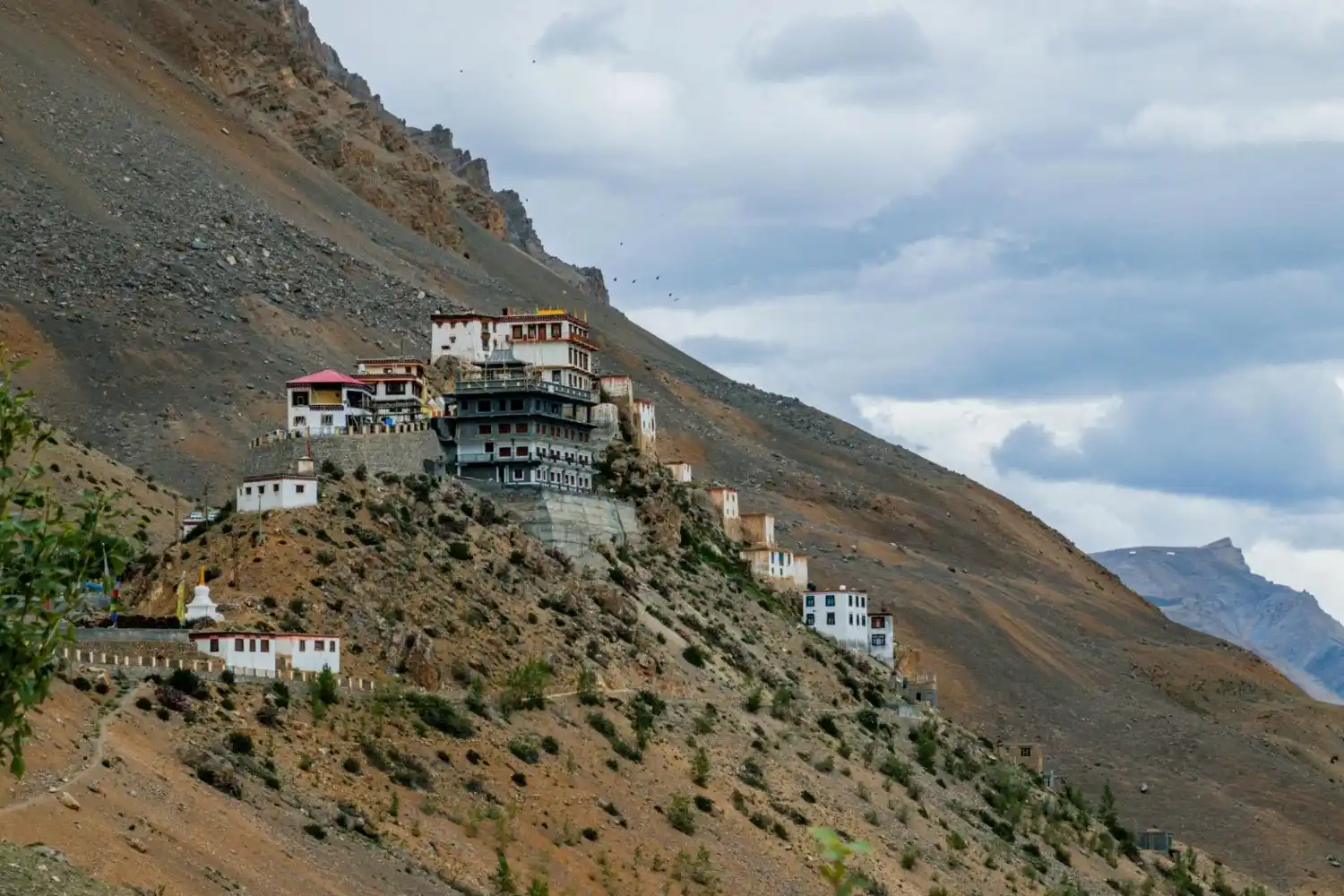
Key Monastery
Imagine a thousand-year-old monastery standing on top of a hill, surrounded by white mountains and fresh snow.
That’s Key Monastery in March.
The peaceful atmosphere, colourful prayer flags, and beautiful mountain views make it one of the most unforgettable places in Spiti Valley. If you’re lucky, you can even attend the monks’ morning prayers.
Kibber
Kibber is one of the biggest highlights of visiting Spiti in March.
Besides being one of the highest villages in the world, it’s also famous for Snow Leopard sightings. Wildlife photographers from across the world visit Kibber during late winter hoping to spot this rare Himalayan animal.
Even if you don’t see a Snow Leopard, the snowy landscapes alone make the journey worth it.
Hikkim
Hikkim is home to the world’s highest post office.
If road conditions are good, don’t miss the chance to send a postcard from here. It’s a small experience, but one you’ll remember for years.
The drive to Hikkim itself is filled with beautiful snow-covered views.
Komic
Komic is one of the highest motorable villages in the world.
March keeps the village wrapped in snow, making it look like a postcard. Life here moves slowly, giving visitors a chance to experience the simple lifestyle of Spiti’s local people.
Langza
Langza is famous for its giant Buddha statue overlooking the valley.
During March, the white mountains behind the golden Buddha create one of the most beautiful views in Spiti Valley. On clear days, this is also one of the best places for photography.
Tabo Monastery
More than a thousand years old, Tabo Monastery is one of the oldest Buddhist monasteries in the Himalayas.
Because very few tourists visit during March, you can quietly explore its ancient prayer halls and beautiful wall paintings without crowds.
Dhankar Monastery
Built on the edge of a cliff, Dhankar Monastery offers one of the most stunning views in Spiti Valley.
The combination of snow-covered mountains and the Spiti River flowing far below makes this one of the best viewpoints in the region.
Best Things to Do in Spiti Valley in March
March isn’t just about seeing beautiful places—it’s about enjoying experiences that you won’t get during the busy summer months.
Enjoy Fresh Snowfall
If you’ve never seen snowfall before, March can make that dream come true.
Watching snow slowly cover the mountains while sitting inside a warm homestay with a cup of tea is something you’ll never forget.
Visit Ancient Monasteries
March is one of the best months to explore monasteries like Key, Tabo, and Dhankar because they’re peaceful and almost empty.
Without large crowds, you can truly enjoy the calm atmosphere and learn more about Buddhist culture.
Go on a Snow Leopard Safari
March is considered one of the best months to spot the Snow Leopard.
Most safaris begin around Kibber, where experienced local guides track the movements of these rare animals. Sightings are never guaranteed, but March offers one of your best chances.
Capture Stunning Winter Photos
March is a dream month for photographers.
Snow-covered villages, frozen rivers, blue skies, colourful monasteries, and golden sunlight create beautiful scenes almost everywhere you go.
Whether you’re using a DSLR or just your phone, you’ll return home with amazing pictures.
Experience Local Village Life
Winter is the best time to understand how people actually live in Spiti.
Stay in a family-run homestay, enjoy homemade food, sit around a warm bukhari, and spend time talking to local people. These simple moments often become the best memories of the trip.
Try Skiing or Ice Skating (If Conditions Allow)
Unlike Kashmir or Auli, Spiti doesn’t have commercial ski resorts. However, after heavy snowfall, some local areas may be suitable for basic skiing or ice skating under the guidance of local people.
Don’t plan your trip only for these activities, but if the weather is right, they can be a fun bonus experience.
Suggested Itinerary for Spiti Valley in March
The weather in March can change quickly, so it’s always a good idea to keep one or two extra buffer days in your plan. This helps if fresh snowfall delays your journey.
For a detailed day-by-day route, sightseeing plan, and travel tips, check out our complete Spiti Valley Itinerary Guide.
Can Solo Female Travellers Visit Spiti Valley in March?
Yes, Spiti Valley is considered one of the safest destinations in India for solo female travellers. The local people are friendly, helpful, and respectful towards visitors.
However, March is still part of the winter season, so travelling alone needs a little extra planning.
Is It Safe?
Yes.
Most solo travellers feel safe in Kaza and nearby villages. The biggest challenges are usually the weather and road conditions—not the people.
Things to Keep in Mind
- Stay in trusted homestays.
- Share your travel plan with family or friends.
- Avoid travelling after dark.
- Carry enough cash.
- Keep emergency contacts saved offline.
- Check the weather before visiting remote villages.
If you’re planning a solo trip, read our complete guide on Is Spiti Valley Safe for Solo Female Travellers?
Can You Ride a Bike in Spiti Valley in March?
Many travellers dream of riding a bike to Spiti, but March is still not the right time for most people.
Is It Safe?
Not really.
The Manali route is closed, while the Shimla route may have snow and black ice in several places. These conditions make riding risky, even for experienced bikers.
Bike vs Car
If you’re visiting in March, travelling by SUV or local taxi is much safer than riding a bike. A vehicle with good ground clearance gives you a much more comfortable and safer journey.
Where to Stay in Spiti Valley in March
Many hotels and camps remain closed because of winter, but local homestays continue welcoming travellers.
Hotels
You’ll find a few hotels open in Kaza, but options are limited. Booking your stay in advance is always a good idea.
Homestays
Homestays are the best choice during March. You’ll enjoy home-cooked food, warm blankets, and genuine local hospitality.
Experience a Traditional Bukhari
One of the best parts of staying in a homestay is sitting around a bukhari, a traditional heater that keeps the room warm during freezing nights.
Food Availability in March
What Food Will You Get?
Most cafés remain closed, but homestays and a few restaurants in Kaza serve fresh meals like dal, rice, vegetables, momos, thukpa, noodles, and butter tea.
Drinking Water
Running water often freezes because of the cold weather. Many homestays provide stored water and buckets of hot water instead of regular showers.
Mobile Network & Internet
Network connectivity is still limited during March.
BSNL
Offers the best coverage across most parts of Spiti.
Airtel
Works in some areas but signals are not always reliable.
Jio
Available mainly around Kaza with limited connectivity.
Vi
Very limited network coverage.
ATM & Cash Availability
ATMs are available in Reckong Peo and Kaza, but they may run out of cash during winter.
Carry enough cash before entering Spiti Valley because UPI and card payments may not work everywhere due to poor internet connectivity.
Packing List for Spiti Valley in March
Packing the right clothes can make a huge difference during your trip. The weather in March changes throughout the day, so it’s always better to wear layers instead of carrying one heavy jacket.
Clothing
- Heavy down jacket
- Thermal innerwear (2 pairs)
- Fleece jacket or woollen sweater
- Waterproof gloves
- Woollen cap
- Neck warmer
- Warm woollen socks
- Waterproof snow boots
Essential Items
- Government ID
- Sunglasses (UV protection)
- Sunscreen (SPF 50+)
- Lip balm
- Moisturiser
- Personal medicines
- Power bank
- Torch
- Water bottle
- Camera (optional)
Important Tips for Visiting Spiti Valley in March
March is one of the best months to visit Spiti Valley, but winter is still not over. A little preparation can save you from many common problems during your trip.
Temperature and Cold Conditions
Don’t judge the weather by the afternoon sunshine.
Even if the day feels pleasant, temperatures drop quickly after sunset. Nights can easily go below -10°C, so always carry proper winter clothes.
Tip
Dress in layers instead of wearing one thick jacket. This helps you stay comfortable throughout the day.
Limited Options to Stay
March is still an off-season month.
Many luxury hotels, camps, and guest houses remain closed. Most travellers stay in family-run homestays, especially in Kaza and nearby villages.
Tip
Book your accommodation before arriving, especially if you’re travelling on weekends.
Limited Options to Eat
Don’t expect every café to be open.
Most meals will be available at your homestay or a few restaurants in Kaza.
Simple local food like dal, rice, vegetables, momos, thukpa, and noodles is easily available.
What Clothes to Carry and What to Pack
March weather changes quickly.
You may enjoy sunshine in the afternoon but face freezing winds in the evening.
Always carry:
- Thermal wear
- Down jacket
- Gloves
- Woollen cap
- Snow boots
- Sunglasses
- Sunscreen
- Lip balm
Water Difficulties and Dry Pit Toilets
One thing that surprises many first-time visitors is the lack of running water.
Because of freezing temperatures, water pipes often stop working. Most homestays store water in tanks and provide hot water buckets when needed.
You’ll also find dry pit toilets in several villages instead of regular western toilets.
This is completely normal during winter in Spiti.
Roadblocks Could Be Common
Fresh snowfall can block roads for a few hours or sometimes even a full day.
Road-clearing teams usually reopen the roads quickly, but delays are common after heavy snowfall.
Tip
Always keep 1–2 extra buffer days in your itinerary.
Snowfall Could Be Common
Yes, it still snows in March.
Heavy snowfall is more common during the first half of the month, while the second half usually sees slightly better weather.
If you’re lucky, you may even wake up to fresh snow outside your window.
Roads Within Spiti Could Be Closed
Even if you reach Kaza without any problems, some nearby villages may become difficult to visit after fresh snowfall.
Roads to villages like Komic, Hikkim, and Langza sometimes close for a short time until the snow is cleared.
Stay flexible with your sightseeing plans.
Snow and Black Ice on Roads
One of the biggest dangers in March isn’t snow—it’s black ice.
Black ice is a thin layer of ice that looks just like a normal road. Vehicles can easily slip on it, especially during the early morning and after sunset.
Drive slowly and avoid travelling at night whenever possible.
Why the Manali–Kaza Route Is Closed
Many travellers hope to complete the famous Spiti Circuit, but that’s not possible in March.
The Manali–Kaza Highway remains closed because Kunzum Pass is buried under heavy snow.
You’ll have to enter and leave Spiti through the Shimla–Kinnaur route.
Frozen Lakes in March
If you’re planning to visit Chandratal Lake, you’ll have to wait for summer.
The lake remains completely inaccessible because the Manali route is closed.
Other high-altitude lakes may also stay frozen or covered in snow during March.
Fewer Tourists – The Biggest Advantage
March is one of the quietest months in Spiti Valley.
You won’t find long queues, crowded cafés, or traffic jams.
Instead, you’ll enjoy peaceful roads, empty viewpoints, and enough time to truly experience the beauty of the valley.
For many travellers, this is the best reason to visit Spiti in March.
Budget and Carrying Cash
Although accommodation is usually cheaper than summer, don’t depend on digital payments.
Many villages have poor internet connectivity, and ATMs sometimes run out of cash.
Tip
Withdraw enough money from Shimla or Reckong Peo before entering Spiti Valley.
How Does Public Transport Work in Winter?
Public transport is available, but services are limited.
HRTC buses continue operating on the Shimla–Kaza route whenever road conditions are safe.
However, snowfall can delay or cancel buses.
If you’re travelling by public transport, keep your schedule flexible.
Difficulties with Cars and Bikes
Cars can usually reach Kaza through the Shimla route, but driving requires extra care.
A 4×4 SUV is always a better choice than a small hatchback.
Bike trips, on the other hand, are not recommended because of snow, black ice, and freezing temperatures.
Sunburn and Frostbite Can Happen on the Same Day
This surprises many travellers.
The mountain sun is very strong during the day, while the cold air can damage exposed skin.
Use sunscreen, lip balm, gloves, and a face cover whenever you’re outdoors.
Snow Leopards and Other Wildlife
March is one of the best months to spot the Snow Leopard.
The chances are highest around Kibber Wildlife Sanctuary, where local guides organise wildlife tracking tours.
Besides Snow Leopards, you may also see:
- Blue Sheep
- Himalayan Ibex
- Red Fox
- Himalayan Wolf (rare)
Snowy Views with Bare Trees
March creates a unique landscape that you won’t see during summer.
White mountains, frozen rivers, dry trees, blue skies, and traditional mud houses together create some of the most beautiful views in the Himalayas.
It’s one of the best months for photography.
Spiti Valley Trip Cost in March
March is generally more budget-friendly than the summer season because there are fewer tourists. However, transport can become expensive if you hire a private taxi or if snowfall changes your travel plans.
Estimated Budget
| Expense | Approximate Cost |
| Accommodation | ₹800–₹2,500 per night |
| Food | ₹400–₹800 per day |
| Shared Transport | ₹12,000–₹18,000 |
| Private Taxi | ₹30,000–₹60,000+ |
| Miscellaneous | ₹3,000–₹5,000 |
For a detailed breakdown of accommodation, transport, fuel, food, and hidden expenses, check out our Spiti Valley Trip Cost Guide.
Altitude Sickness in Spiti Valley in March
The weather may become a little better in March, but the altitude remains the same. Since most places in Spiti Valley are above 10,000 feet, there’s still a risk of Altitude Sickness (AMS), especially if you’re visiting for the first time.
The good news is that with proper planning, most travellers complete their trip without any major problems.
Common Symptoms of AMS
Watch out for these early signs:
- Headache
- Dizziness
- Nausea
- Loss of appetite
- Shortness of breath
- Trouble sleeping
- Feeling unusually tired
Don’t ignore these symptoms, especially if they get worse after reaching Kaza.
How to Prevent Altitude Sickness
- Spend a night in Shimla or Kalpa before reaching Kaza.
- Drink plenty of water throughout the trip.
- Avoid alcohol and smoking during the first few days.
- Don’t run or do heavy physical activities after reaching high altitude.
- Eat light meals and get enough rest.
- Speak to your doctor before carrying medicines like Diamox.
For a complete guide, read our Altitude Sickness in Spiti Valley article.
Safety Tips for Visiting Spiti Valley in March
March is a safe time to visit Spiti Valley, but the weather can change quickly. A little planning can make your trip much smoother and more enjoyable.
Before You Start Your Trip
- Check the latest weather forecast.
- Confirm the road status before leaving.
- Carry enough cash.
- Download offline Google Maps.
- Keep your phone and power bank fully charged.
- Pack warm clothes, even if the weather looks sunny.
During Your Trip
- Start your journey early in the morning.
- Avoid driving after sunset.
- Keep your fuel tank at least half full.
- Follow local advice during snowfall.
- Keep one or two buffer days in your itinerary.
- Respect local culture and monastery rules.
- Don’t leave plastic waste behind.
Final Thoughts
Spiti Valley in March is for travellers who want something different.
It still feels like winter, but the longer days make travelling much easier than in January or February. Snow-covered mountains, peaceful villages, ancient monasteries, and empty roads create an experience that feels calm, raw, and unforgettable.
If you don’t mind cold nights and are flexible with your plans, March can easily become one of the best months to visit Spiti Valley. You’ll enjoy the beauty of fresh snow, fewer tourists, and maybe even the once-in-a-lifetime chance to spot a Snow Leopard in the wild.
So, pack your warm clothes, plan your route carefully, and get ready to experience a side of Spiti that very few people get to see.
Ready to Experience Spiti Valley in March?
Spiti Valley in March isn’t just another mountain trip—it’s a chance to see snow-covered villages, peaceful monasteries, and beautiful landscapes before the summer crowds arrive. If you’re looking for a quiet Himalayan adventure, this is the perfect month to go.
At TripGuruGo, we help travellers plan smarter with detailed travel guides, ready-made itineraries, budget tips, and practical advice based on real travel experiences. So whether you’re travelling solo, with friends, or with family, you’ll find everything you need to plan a smooth and memorable trip. Start
Frequently Asked Questions
Is March a good time to visit Spiti Valley?
Yes. March is one of the best months if you want to enjoy snow, peaceful surroundings, and fewer tourists. The days become slightly warmer, but the valley still looks like a winter wonderland.
Does it snow in Spiti Valley in March?
Yes. Snowfall is still common, especially during the first half of March. Higher villages often receive fresh snow even towards the end of the month.
Which route is open in March?
The Shimla–Kinnaur–Kaza route is usually open, while the Manali–Kaza Highway remains closed because of heavy snowfall at Kunzum Pass.
Can I complete the Spiti Circuit in March?
No. Since the Manali route stays closed, you must enter and leave Spiti Valley through the Shimla route.
Is March better than February?
It depends on what you’re looking for. February is colder and offers a more extreme winter experience, while March gives you snow along with slightly longer and more comfortable days.
Can I take my own car to Spiti Valley in March?
Yes, but it’s best to use an SUV with good ground clearance. Drive carefully because snow and black ice can make roads slippery.
Is a bike trip possible in March?
For most travellers, no. Snow, freezing temperatures, and black ice make bike trips risky during this time.
Are hotels and homestays open in March?
Yes. Most camps remain closed, but many homestays and selected hotels in Kaza continue operating throughout March.
Is March a good month for Snow Leopard sightings?
Yes. March is considered one of the best months to spot Snow Leopards around Kibber Wildlife Sanctuary, although sightings can never be guaranteed.
How many days are enough for a March trip?
A 7 to 9-day trip is ideal. It’s also wise to keep one or two extra buffer days in case snowfall delays your travel plans.

Abdullah Khan specializes in adventure travel across Spiti Valley and the high-altitude regions of Himachal Pradesh. He writes about road trips, bike expeditions, hidden villages, monasteries, and offbeat Himalayan experiences. His guides focus on route planning, acclimatization, travel safety, and the best experiences across Spiti Valley.