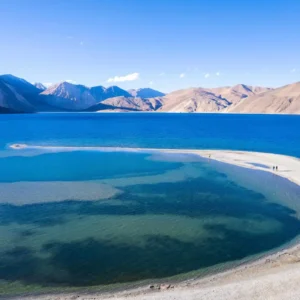
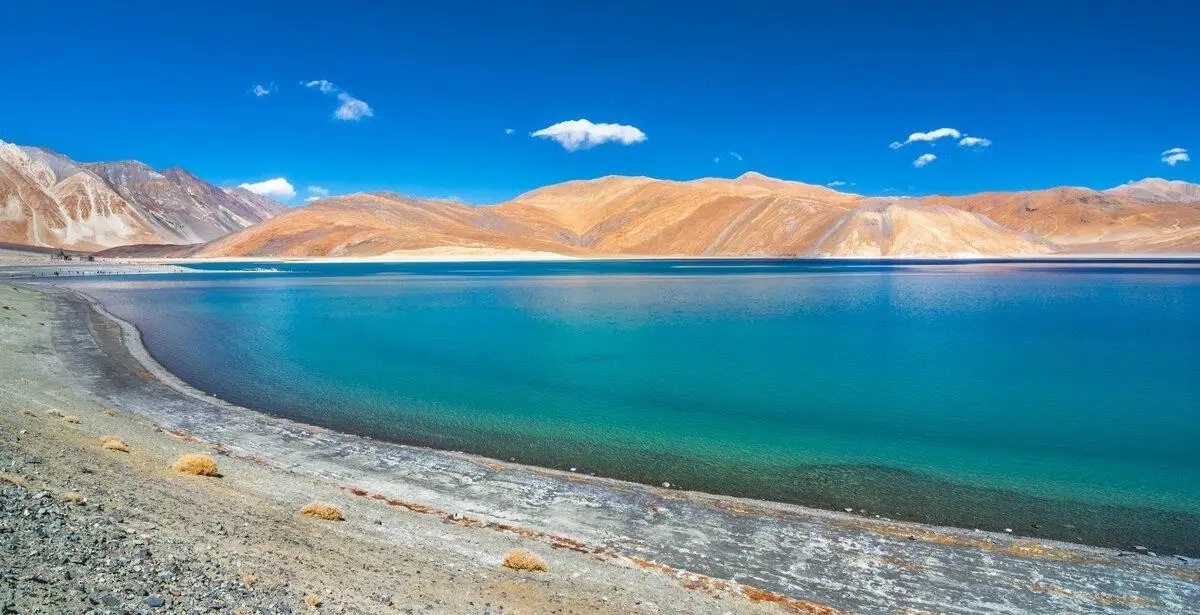
Pangong Lake is easily one of the most breathtaking places you’ll visit in Ladakh. Stretching across India and Tibet, this spectacular high-altitude lake is famous for its crystal-clear blue waters, ever-changing colours, dramatic mountain backdrop, and unforgettable sunrises. Sitting at an elevation of over 4,350 metres (14,270 ft), Pangong isn’t just another sightseeing destination—it’s an experience that stays with you long after the journey ends. Most travellers include Pangong Lake as the highlight of their journey, often following a well-planned Ladakh itinerary from Delhi that combines Nubra Valley, Pangong Lake, and other iconic attractions into one unforgettable road trip.
Whether you’re planning to spend a peaceful night in a lakeside camp, photograph the famous blue waters, or simply witness one of India’s most extraordinary landscapes, proper planning makes all the difference. This guide covers everything you need to know about Pangong Lake, including how to reach, permits, camping, places to stay, things to do, travel costs, hidden facts, nearby attractions, photography tips, and practical advice to help you enjoy a safe and memorable trip. If you’re wondering when is the ideal time to visit Ladakh, choosing the right season will make your Pangong experience even more rewarding.
Pangong Lake at a Glance
| Details | Information |
| Location | Eastern Ladakh |
| Distance from Leh | Around 160 km |
| Altitude | 4,350 metres (14,270 ft) |
| Lake Type | High-altitude saltwater lake |
| Length | Approximately 134 km |
| Shared Between | India & China (Tibet) |
| Entry Fee | No entry fee |
| Permit Required | Yes (Inner Line Permit) |
| Best Time to Visit | June to September |
| Ideal Stay | 1 Night |
How to Reach Pangong Lake
Pangong Lake doesn’t have an airport or railway station. Every traveller must first reach Leh, which acts as the gateway to most destinations in Ladakh. After spending at least one or two days acclimatizing in Leh, visitors can continue their journey towards Pangong Lake by road.
Reach Leh First
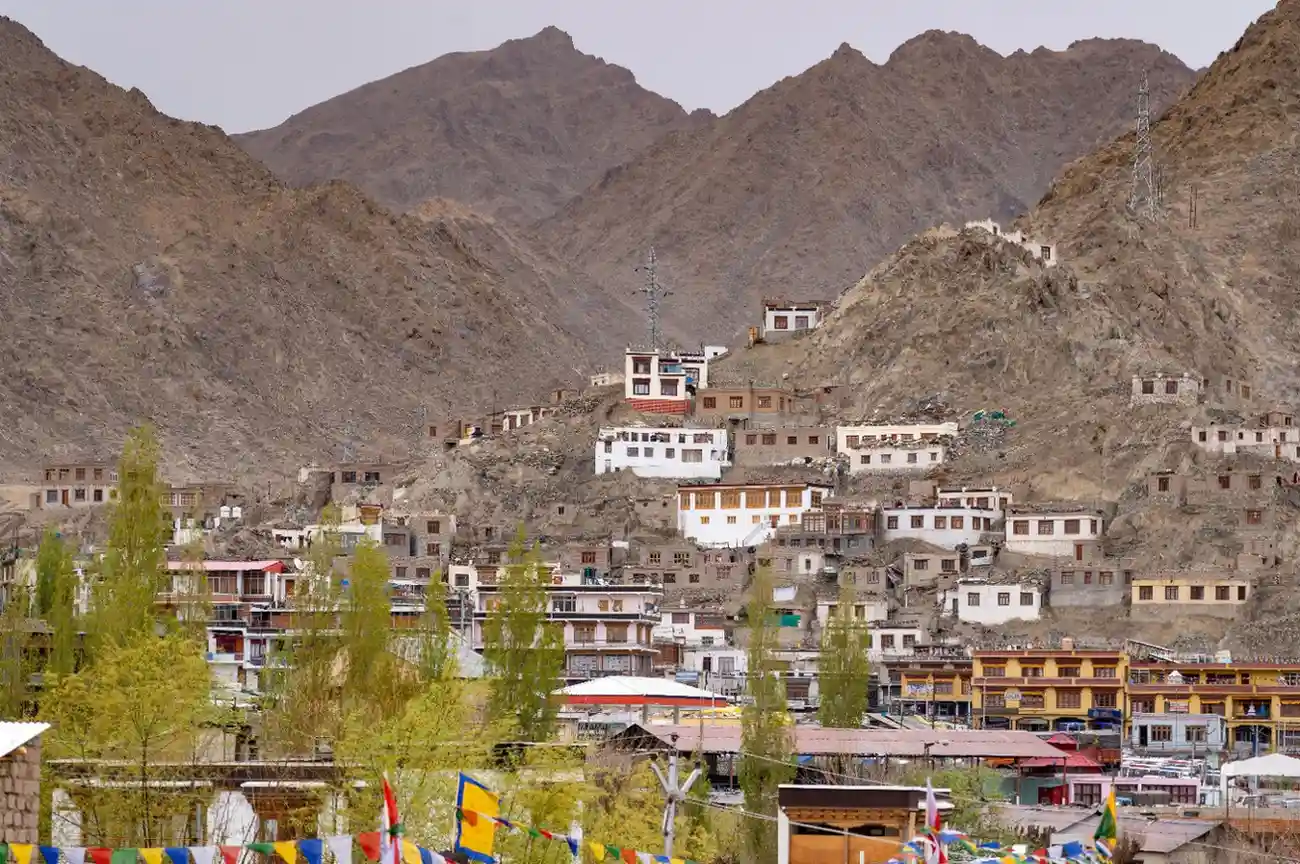
The easiest way to reach Leh is by flight from major cities like Delhi, Mumbai, Bengaluru, and Chandigarh. Travellers can also drive via the Manali–Leh Highway or the Srinagar–Leh Highway during the summer season.
Because Pangong Lake lies at a much higher altitude than Leh, staying in Leh before continuing your journey significantly reduces the chances of altitude sickness.
Leh to Pangong Lake
The most popular route follows:
Leh → Karu → Sakti → Chang La Pass → Durbuk → Tangtse → Spangmik → Pangong Lake
- Distance: Around 160 km
- Travel Time: 5–6 hours
- Road Condition: Mostly good with a few rough patches near Chang La.
The drive itself is one of Ladakh’s biggest attractions, offering spectacular mountain scenery, winding roads, frozen streams, and panoramic viewpoints.
Nubra Valley to Pangong Lake
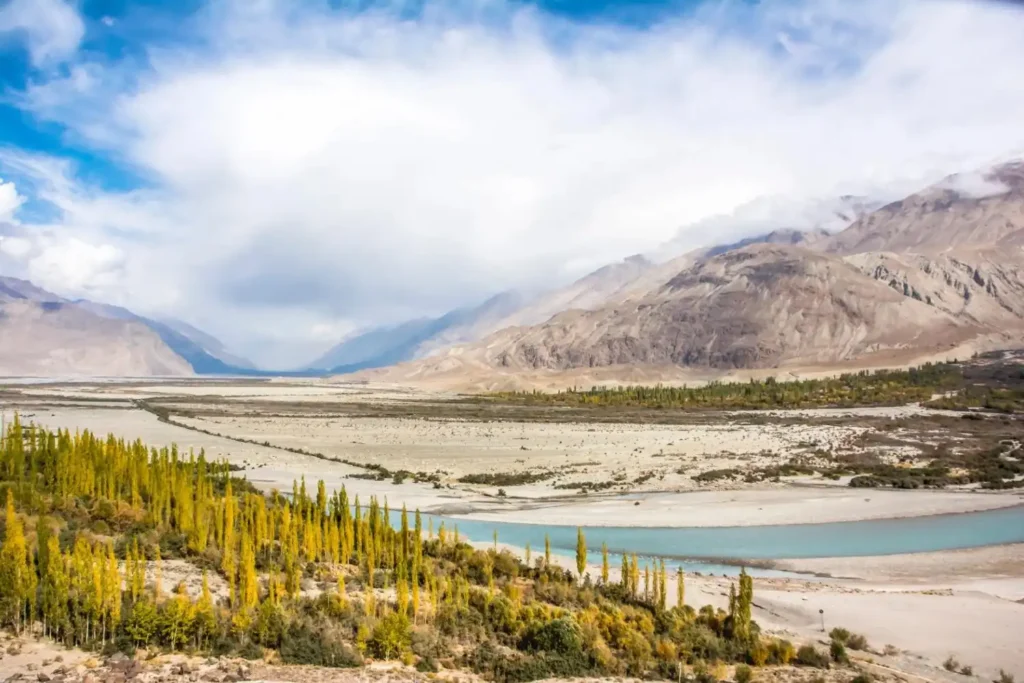
Travelers continuing from Nubra Valley usually take the Shyok Route, which avoids returning to Leh.
- Distance: Around 170–180 km
- Travel Time: 7–9 hours
- Best suited during the tourist season when road conditions are stable.
Since parts of this route pass close to the Shyok River, it’s always advisable to check local road conditions before starting the journey.
By Taxi
Hiring a private SUV from Leh is the most comfortable option.
Suitable for:
- Families
- Couples
- Small groups
- Photography trips
Most taxis can be booked through hotels or registered travel operators in Leh.
By Motorcycle
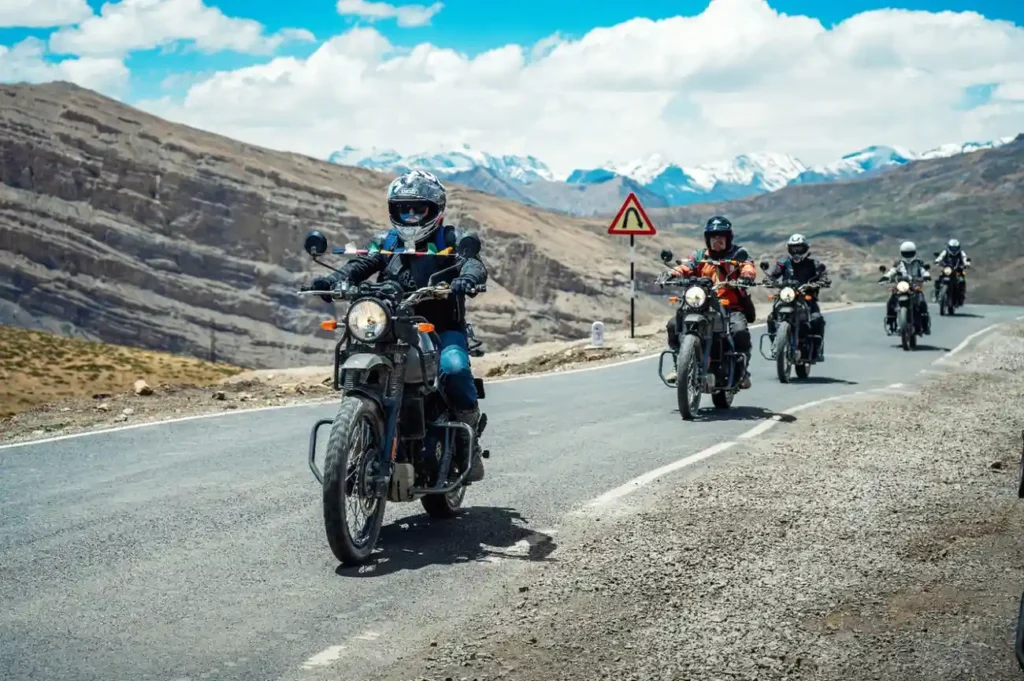
Pangong Lake is one of the most popular biking destinations in India.
Popular rental bikes include:
- Royal Enfield Himalayan
- Royal Enfield Classic
- KTM Adventure
Carry extra fuel if you’re riding because there are no petrol pumps near Pangong Lake.
Shared Taxi
Budget travellers can also use shared taxis operating from Leh during the tourist season.
Although more economical, these vehicles usually follow fixed schedules with limited sightseeing stops.
Why Pangong Lake Is So Famous
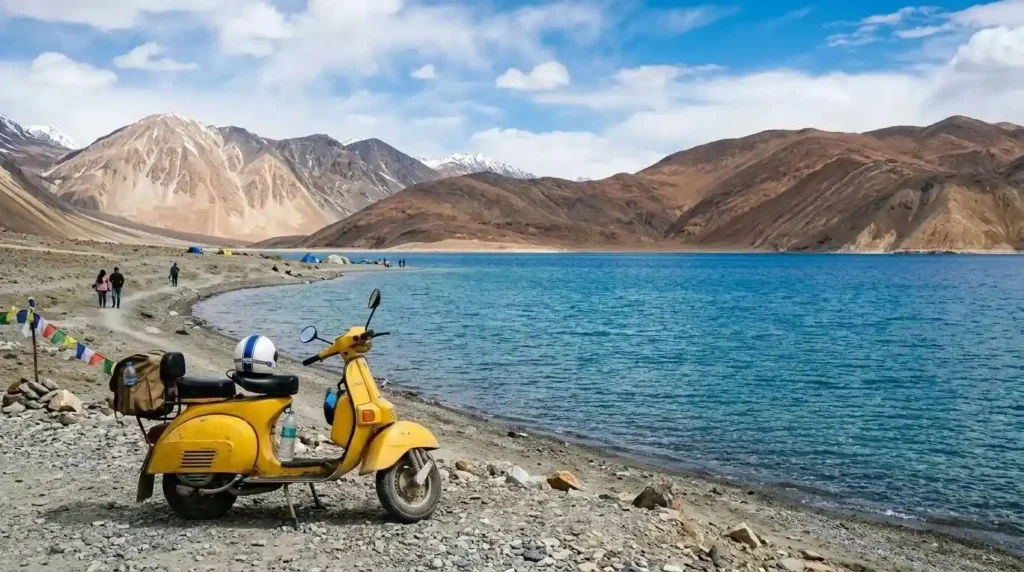
Pangong Lake is far more than a beautiful mountain lake. It has become one of Ladakh’s most iconic destinations because of its unique geography, changing colours, and breathtaking setting.
Here are the main reasons why travellers visit Pangong Lake every year:
- The lake changes shades of blue throughout the day.
- It stretches across both India and Tibet.
- Featured in several Bollywood films, especially 3 Idiots.
- One of the highest saltwater lakes in the world.
- Incredible sunrise and sunset views.
- Perfect destination for camping and stargazing.
- Excellent location for landscape photography.
- Home to migratory birds and unique Himalayan wildlife.
Its combination of crystal-clear water, rugged mountains, and peaceful surroundings makes Pangong Lake one of the most photographed places in Ladakh.
Overview of Pangong Lake
Pangong Lake extends for nearly 134 kilometres, although only about one-third of the lake lies within Indian territory. The remaining portion stretches into Tibet, making it one of the most geographically unique lakes in the Himalayas.
Unlike many mountain lakes that contain fresh water, Pangong is a saltwater lake, meaning its water isn’t suitable for drinking despite its remarkable clarity.
The lake is surrounded by barren mountains, colourful rock formations, and vast open landscapes that constantly change with shifting sunlight. During calm weather, the mountains reflect beautifully on the lake’s surface, creating postcard-perfect views throughout the day.
Several small villages, including Spangmik, Man, Merak, and Lukung, are located along the lakeshore and provide accommodation for visitors exploring the region.
Interesting Facts About Pangong Lake
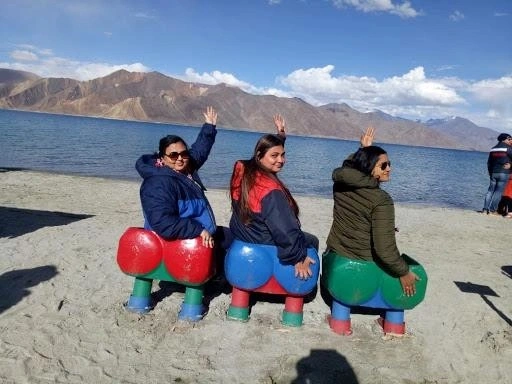
Pangong Lake isn’t just famous for its beauty—it’s full of fascinating facts that surprise first-time visitors.
- Around 134 km long, making it one of the largest high-altitude lakes in the Himalayas.
- Nearly two-thirds of the lake lies inside Tibet (China).
- Despite freezing completely during winter, the water remains salty.
- Fish are rarely found because of the lake’s saline nature.
- Water colour changes throughout the day depending on sunlight and weather conditions.
- The lake sits at an altitude of approximately 4,350 metres above sea level.
- Pangong became internationally famous after appearing in the Bollywood movie 3 Idiots.
Why Does Pangong Lake Change Colours?
One of the most fascinating experiences at Pangong Lake is watching its water change colours throughout the day.
Depending on the angle of sunlight, cloud cover, wind, and the depth of the water, the lake can appear:
- Deep blue
- Turquoise
- Emerald green
- Light blue
- Steel grey
These changing shades are completely natural and occur because sunlight reflects differently from the lake’s surface at different times of the day.
Early mornings usually offer calm reflections, while afternoons often produce the brightest blue colours.
Pangong Lake Permit Requirements
Since Pangong Lake lies close to India’s international border, all Indian tourists require an Inner Line Permit (ILP) before visiting.
You can apply for the permit online before your trip or obtain it through authorised travel agents in Leh. Carry multiple printed copies because you’ll need to present them at security checkpoints along the route.
Before starting your journey, make sure you understand the Inner Line Permit process for Ladakh, including the required documents, permit fees, and protected areas covered under the ILP.
Things to See & Do at Pangong Lake
There’s much more to Pangong Lake than simply taking photographs. Spending a full day here allows you to experience the lake from different perspectives, especially as the colours change from sunrise to sunset.
Some of the best things to do include:
- Watch the sunrise over the lake.
- Enjoy a peaceful sunset by the shoreline.
- Stay overnight in a lakeside campsite.
- Capture the lake during golden hour and blue hour.
- Go stargazing under one of Ladakh’s clearest night skies.
- Visit nearby villages like Spangmik and Merak.
- Spot migratory birds during the summer season.
- Enjoy a quiet walk along the lakeshore while respecting restricted areas.
Camping at Pangong Lake
Camping beside Pangong Lake is one of the most memorable experiences in Ladakh. Most camps are located around Spangmik Village, offering beautiful lake views with the mountains rising behind them.
Accommodation options range from budget tents to luxury camps equipped with attached bathrooms and comfortable beds.
Camping Cost
| Type | Approximate Cost |
| Budget Camps | ₹1,000–₹2,000 per night |
| Standard Camps | ₹2,500–₹3,500 per night |
| Luxury Camps | ₹4,000–₹5,500+ per night |
Facilities Available
Most camps provide:
- Comfortable beds
- Blankets and quilts
- Attached western toilets (selected camps)
- Limited electricity during evening hours
- Hot water at fixed timings
- Simple vegetarian and non-vegetarian meals
Since temperatures drop sharply after sunset, carrying warm clothing is essential even during summer.
Suggested Pangong Lake Itinerary
A relaxed itinerary allows you to enjoy Pangong Lake without rushing through the journey.
Day 1
- Depart from Leh early in the morning.
- Stop at Chang La Pass for photographs.
- Continue towards Pangong Lake with scenic breaks.
- Reach Spangmik Village by afternoon.
- Check into your camp or homestay.
- Explore the lakeshore.
- Enjoy sunset views over Pangong Lake.
- Stay overnight near the lake.
Day 2
- Wake up early for sunrise photography.
- Have breakfast at your campsite.
- Spend some quiet time by the lake.
- Begin your return journey to Leh.
- Stop at scenic viewpoints along the route.
This itinerary gives first-time visitors enough time to enjoy Pangong Lake without feeling rushed.
Is a Pangong Lake Tour Package Worth Booking?
If it’s your first trip to Ladakh, booking a Pangong Lake tour package can make the journey much easier. Most organised tours include transportation, accommodation, permits, meals, and sightseeing, allowing you to focus on the experience instead of managing logistics.
Travellers planning a longer Ladakh holiday often combine Pangong Lake with Nubra Valley, Tso Moriri, and other popular attractions through customised tour packages, making the overall journey more comfortable and time-efficient.
Best Time to Visit Pangong Lake
If you’re wondering when is the ideal time to visit Ladakh, the months between June and September offer the best conditions for exploring Pangong Lake.
| Season | Experience |
| May | Snow near Chang La with chilly weather |
| June–September | Best weather, clear roads, camping, photography |
| October | Fewer crowds and beautiful autumn colours |
| November–April | Frozen lake, extreme cold, limited accommodation |
For first-time visitors, June to September remains the most comfortable period.
Weather at Pangong Lake
Because of its high altitude, Pangong Lake experiences cold weather throughout the year.
| Month | Average Temperature |
| May | 2°C to 15°C |
| June | 5°C to 18°C |
| July | 8°C to 20°C |
| August | 7°C to 19°C |
| September | 3°C to 17°C |
| October | -2°C to 12°C |
Even during summer, temperatures after sunset can fall close to freezing.
Where to Stay Near Pangong Lake
Several villages around the lake provide accommodation for travellers.
Spangmik
The most popular place to stay with the widest range of camps, hotels, cafés, and guesthouses.
Man Village
A quieter alternative offering peaceful surroundings and fewer crowds.
Merak
Perfect for travellers looking for a more offbeat experience away from the busiest tourist areas.
Lukung
A convenient option for visitors who prefer staying closer to the Leh side of Pangong Lake.
Flora & Fauna Around Pangong Lake
Despite its harsh climate, Pangong Lake supports a surprising variety of wildlife.
You may spot:
- Black-necked Cranes
- Brahminy Ducks
- Bar-headed Geese
- Himalayan Marmots
- Kiang (Tibetan Wild Ass)
- Blue Sheep in nearby hills
Visitors should avoid feeding or disturbing wildlife and always maintain a safe distance.
Photography Tips
- Reach before sunrise for calm reflections.
- Sunset offers warm colours across the mountains.
- Use a polarising filter to enhance lake colours.
- Carry extra camera batteries, as cold weather drains them quickly.
- Include mountains and reflections for dramatic compositions.
- Stay after dark for Milky Way photography.
Mobile Network & Internet
Connectivity around Pangong Lake is extremely limited.
- BSNL provides the most reliable coverage.
- Airtel may work in a few locations.
- Jio connectivity remains inconsistent.
Download offline maps before leaving Leh and inform your family about limited communication during your stay.
Essential Travel Tips for Pangong Lake
Before beginning your trip, keep these practical tips in mind:
- Spend at least 48 hours acclimatizing in Leh.
- Carry sunscreen, sunglasses, and lip balm.
- Keep enough cash, as ATMs are unavailable near the lake.
- Download offline maps before departure.
- Pack warm clothing regardless of the season.
- Fill your fuel tank completely in Leh or Karu.
- Respect wildlife and avoid littering.
- Do not enter restricted military areas.
Nearby Attractions from Pangong Lake
| Attraction | Distance | Travel Time |
| Chang La Pass | 75 km | Around 2 Hours |
| Leh | 160 km | 5–6 Hours |
| Tangtse Village | 35 km | 45 Minutes |
| Spangmik Village | Lakeside | Walking Distance |
| Merak Village | 30 km | Around 40 Minutes |
| Lukung Village | 15 km | Around 20 Minutes |
Each of these places can easily be included while travelling to or from Pangong Lake.
Things to Carry
- Inner Line Permit copies
- Warm jacket
- Thermal wear
- Sunglasses
- Sunscreen
- Lip balm
- Personal medicines
- Cash
- Power bank
- Water bottle
- Camera
- Torch
Common Mistakes Tourists Make
- Travelling to Pangong immediately after arriving in Leh.
- Carrying insufficient warm clothing.
- Forgetting to fuel up before leaving Leh.
- Depending entirely on mobile payments.
- Visiting only for a quick photo stop instead of staying overnight.
- Ignoring altitude sickness symptoms.
Can You Swim in Pangong Lake?
No. Although the lake looks inviting, swimming is not recommended. The water is extremely cold, the altitude is very high, and the lake is environmentally sensitive. Entering the lake can also disturb its fragile ecosystem.
Is Pangong Lake Worth Staying Overnight?
Absolutely. Staying overnight allows you to witness both sunset and sunrise, enjoy peaceful evenings after day visitors leave, and experience one of the clearest night skies in India. Camping beside the lake is often the highlight of a Ladakh trip.
Pangong Lake in Winter
During winter, Pangong Lake freezes completely as temperatures drop well below zero. The frozen landscape looks spectacular, but heavy snowfall and road closures make travel much more challenging. Winter visits are recommended only for experienced travellers with proper preparation.
Option 2
Make Every Moment at Pangong Lake Count
The real magic of Pangong Lake begins when you slow down. Watch the sunrise paint the lake in shades of blue, spend the night under countless stars, and explore Ladakh without rushing from one stop to another. TripGuruGo creates well-planned journeys that let you experience Pangong the way it deserves to be explored.
Frequently Asked Questions
Is an Inner Line Permit required for Pangong Lake?
Yes. All Indian tourists need an Inner Line Permit, while foreign nationals must follow the applicable permit regulations.
How many days are enough for Pangong Lake?
A 2-day trip with one overnight stay is ideal for first-time visitors.
Which village is best for staying near Pangong Lake?
Spangmik is the most popular choice because it offers the widest range of camps, hotels, and tourist facilities.
Can I visit Pangong Lake in one day?
Yes, but staying overnight lets you experience sunrise, sunset, camping, and stargazing.
Why does Pangong Lake change colours?
Changing sunlight, water depth, cloud cover, and reflections cause the lake to appear in different shades of blue, green, and turquoise.
Is camping allowed at Pangong Lake?
Yes. Camps operate mainly around Spangmik during the tourist season.
Is Pangong Lake safe for families?
Yes. Families frequently visit Pangong Lake, but proper acclimatization and warm clothing are essential because of the high altitude.
What is the best time to visit Pangong Lake?
The best time is June to September, when roads remain open and weather conditions are most favourable for sightseeing and camping.

Anjali is a travel content writer who creates informative and engaging articles about destinations, travel tips, itineraries, and travel experiences. She enjoys simplifying travel information to help readers plan their journeys with confidence while discovering new places and cultures.